

Leaks & Service Repairs

757-399-3066 ext 3 (Leaks & Service Repairs)

Reroof Estimates & Inspections

757-399-3066 ext 1 (Reroof Estimates & Inspections)

Category: Rapid Rain Gutter System

Resolve to Protect Your Home with a Seasonal Maintenance Checklist

Start the new year out right by checking a few important items off your home-maintenance to-do list.

Just like setting personal resolutions at the first of the year, resolving to take better care of your home, and especially your roof, is an investment that pays off all year long.

In Hampton Roads (HRVA), roofs face a unique combination of challenges: coastal humidity, salt air, heavy rain, high winds, summer heat, and the occasional winter freeze. Seasonal maintenance helps homeowners catch small issues early, protect their roofing system, and extend the life of their roof.

We’ve broken down your annual roof care into seasonal, home-owner safe checklists to make these tasks manageable and effective – without ever having to climb on the roof!

Winter: Monitor & Protect

While winter doesn’t usually bring heavy snow to Southeast Virginia, cold snaps, fluctuating temperatures and freezing rain can still cause issues.

Winter Maintenance Checklist

  • Watch for interior warning signs: Keep an eye out for water stains on ceilings or walls, peeling paint or unexplained humidity in certain rooms or areas.
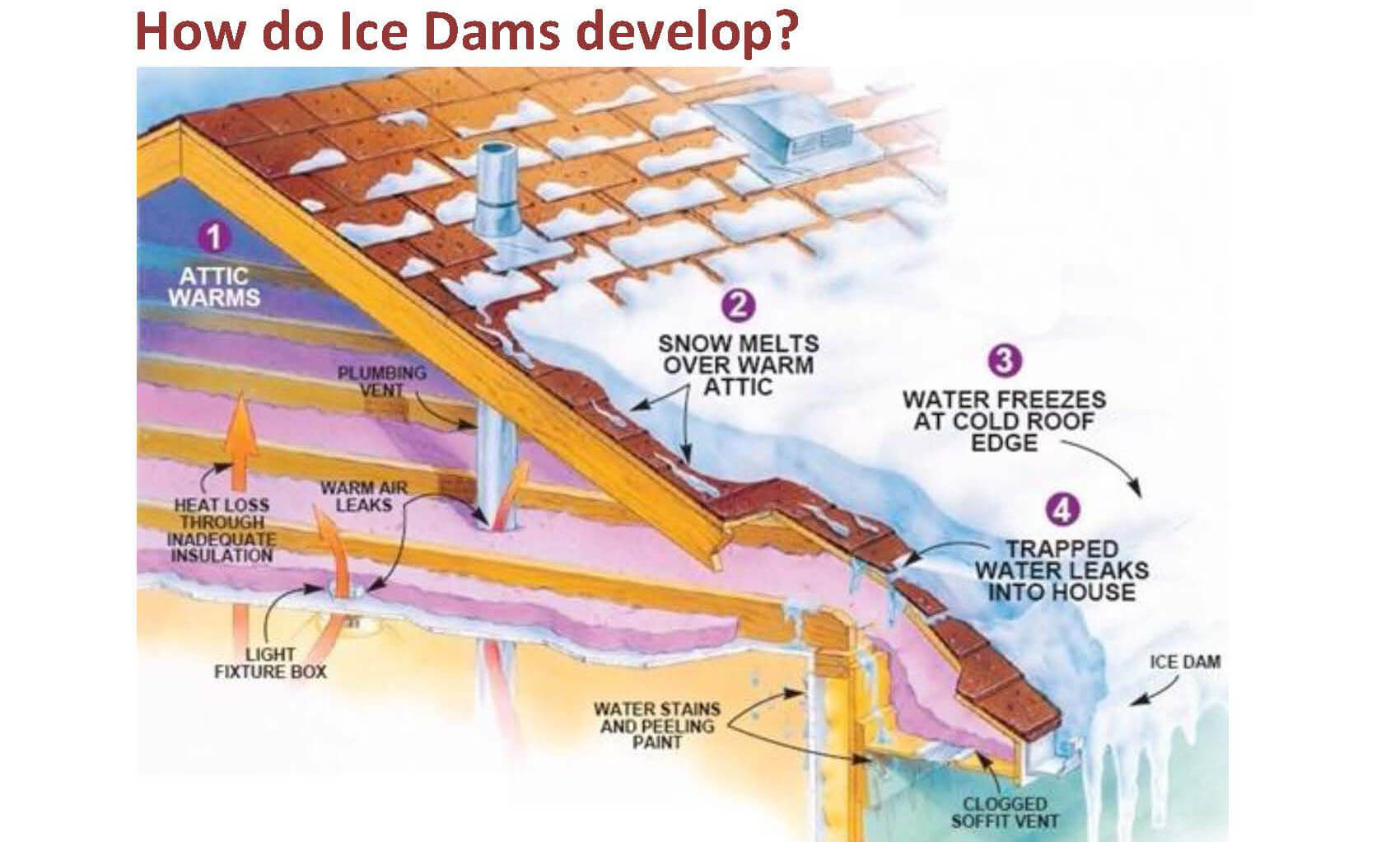
  • Check attic moisture levels: Condensation or frost inside your attic may indicate ventilation problems, which could be fixed just by shifting insulation.
  • Monitor roof edges: Heavy icicles or uneven melting can signal insulation or airflow issues from the inside.
  • Avoid walking on the roof! Use a roof rake from the ground if necessary, never climb on icy surfaces.

Why it matters to HRVA: Our inconsistent winter temperatures can cause freeze-thaw cycles that even when brief can make existing cracks worse or create gaps around flashing.

Spring: Reset After Winter Weather

Even mild winters can leave behind hidden wear and tear, especially after wind events and fluctuating temperatures.

Spring Maintenance Checklist

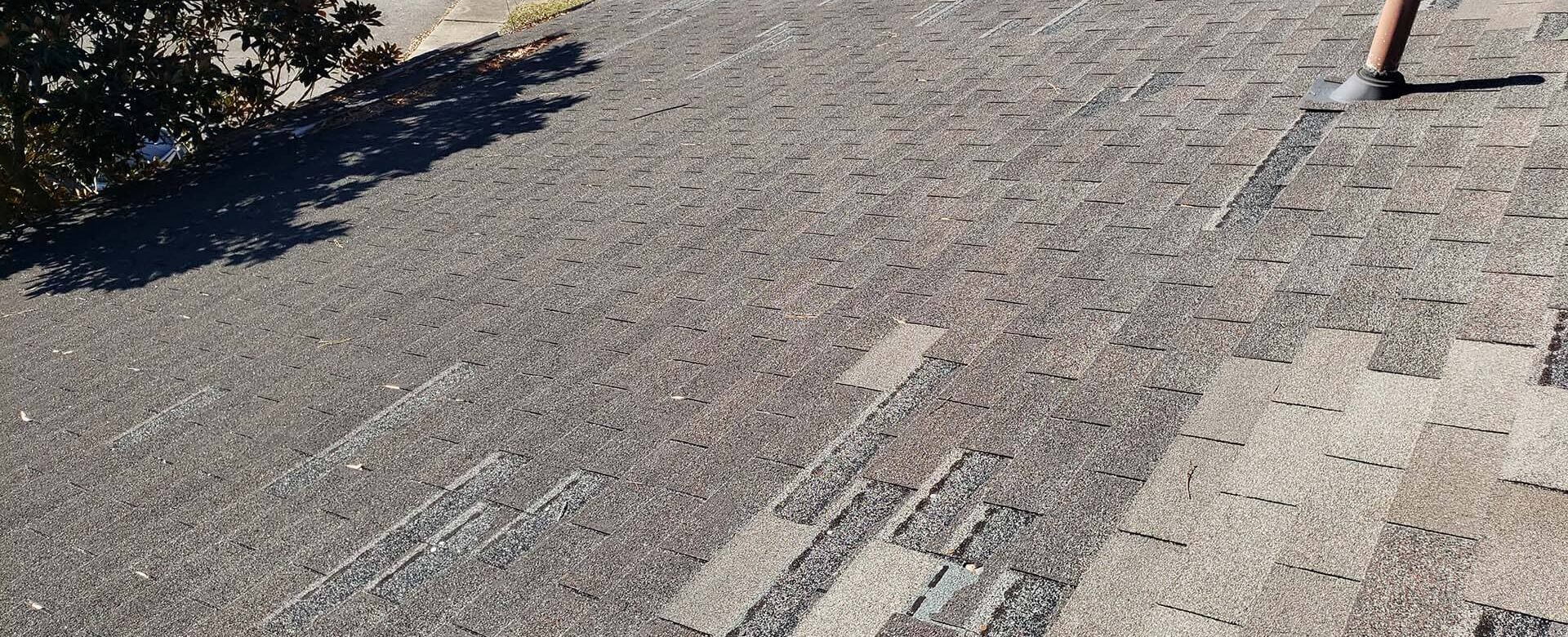
  • Do a ground-level roof inspection: Look for missing, curling, or cracked shingles as well as visible damage around chimneys, vents, and flashing. Do a visual inspection to see if any sections of gutters have pulled away from the roofline and ensure all gutter downspouts are still securely attached.
  • Clean gutters and downspouts: Remove leaves, pine needles, and debris and ensure downspouts are directing water well away from your foundation.
  • Inspect attic ventilation: Look for moisture, condensation, or mildew and make sure soffit and ridge vents aren’t blocked by insulation.
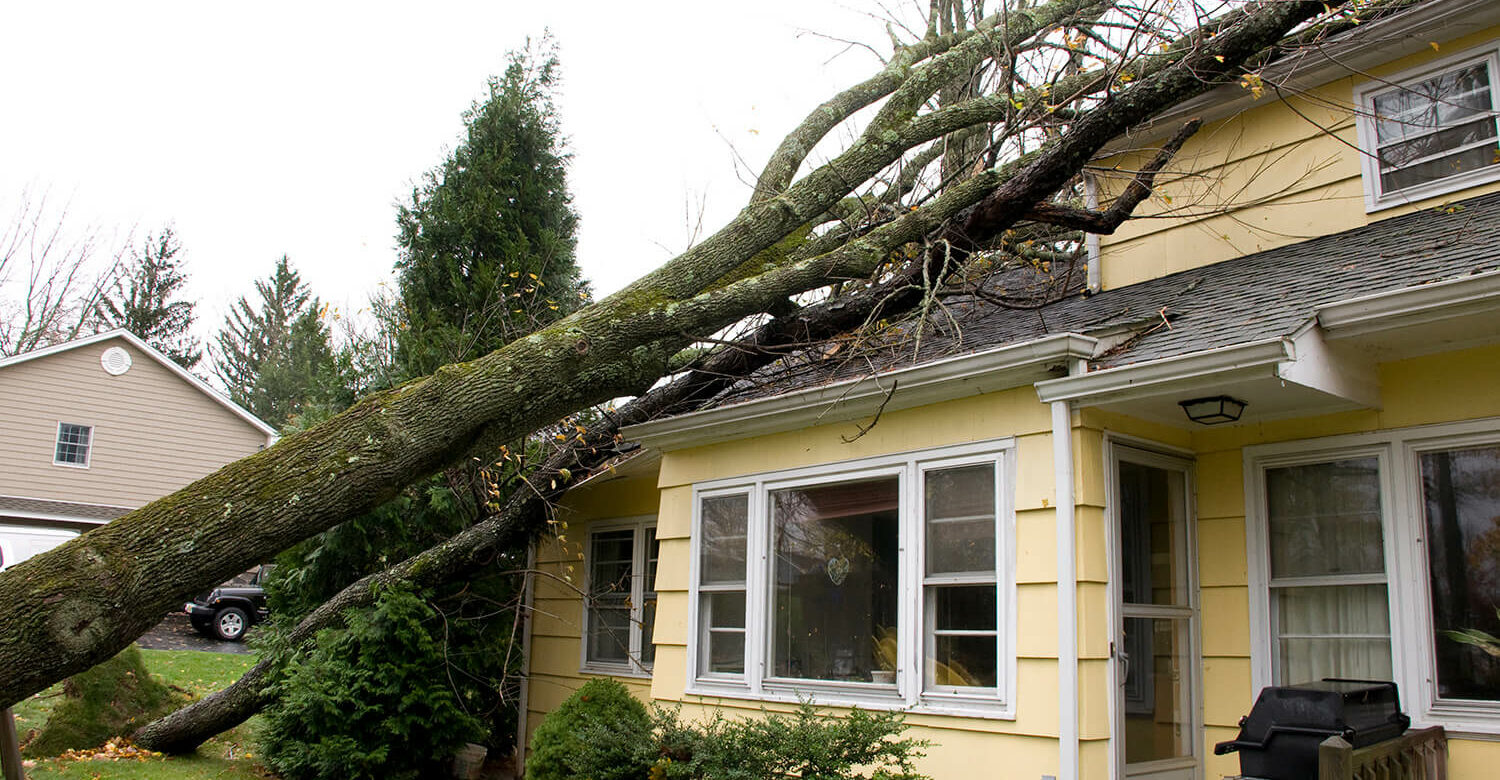
  • Trim back trees and branches: Prevent damage caused by overgrown or loose limbs and reduce debris buildup during spring storms.

Why it matters to HRVA: Spring rains are frequent, and clogged gutters or compromised flashing can quickly lead to leaks if winter damage isn’t addressed.

Summer: Manage Heat, Humidity & Storm Exposure

Southeast Virginia summers bring intense heat, high humidity, and sudden thunderstorms – all of which put stress on roofing systems.

Summer Maintenance Checklist

  • Check attic insulation: Look for compressed, displaced, or damp insulation. Uneven insulation can trap heat and drive-up energy costs.
  • Monitor attic temperatures: Excessive heat may indicate poor ventilation – upper floors that feel noticeably hotter can be a warning sign.
  • Inspect roof for gaps: From the ground, check vent boots and flashing for cracking or separation.
  • After storms, perform visual checks: Look for new debris, shingle movement, or granules collecting near downspouts, which could signal shingle deterioration.

Why it matters to HRVA: High heat accelerates shingle aging, while humidity and poor ventilation can lead to moisture problems inside the attic—especially in older homes.

Fall: Clear, Seal & Prepare for Cooler Weather

Fall is one of the most important seasons for roof maintenance—and one of the best times to address minor issues, when the temperatures are more forgiving.

Fall Maintenance Checklist

  • Thoroughly clean gutters: Falling leaves can quickly cause blockages and backed-up gutters can lead to fascia damage and interior leaks.
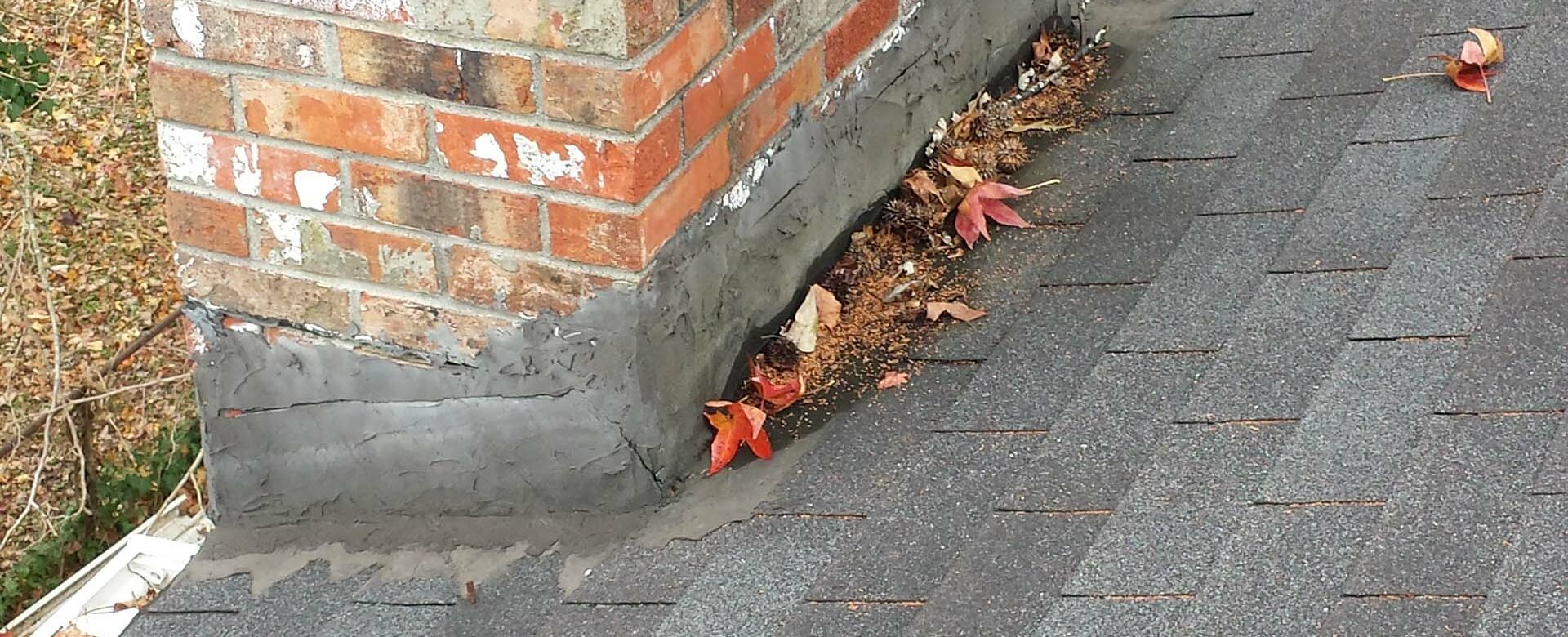
  • Inspect flashing and seals: Pay special attention to chimneys, skylights, and vent pipes. Any loose flashing or separating seals are bound to invite issues when the winter temperature fluctuations start.
  • Check attic air sealing: Look and feel for drafts around attic hatches or recessed lighting. Drafty air or increased temperatures may indicate the need for insulation replacement or better sealing.
  • Schedule a professional roof inspection: Fall is ideal for preventative maintenance before winter weather arrives.

Why it matters to HRVA: Fall storms and lingering humidity mean small vulnerabilities can worsen quickly if left unattended.

Resolve to Protect Your Home

Resolving to care for your roof season by season is one of the smartest and easiest ways to protect your home’s structure, comfort, and value. Routine visual checks and preventative maintenance can help extend the life of your roof, reduce emergency repairs, and identify issues before they become costly problems.

Andrews Roofing is here for every season.

If your seasonal checklist reveals concerns, or if you’d simply like an expert set of eyes on your roof, Andrews Roofing offers professional inspections and maintenance services throughout the Tidewater region. Our team understands the unique demands of the local climate and can help keep your roofing system performing its best year after year. Contact us today!
read more

Hurricane Prep for Homeowners in Southeast Virginia

Hurricane season is an unfortunate, but familiar reality for homeowners in Hampton Roads and across Southeast Virginia.

Every year the local and national meteorologists take their best bet on how many storms we’ll have and how severe they may be, but anyone who has lived here long enough knows – you truly can’t predict the weather when it comes to tropical storm systems. But even if you can’t control how and when the storms will hit, there are things you can control around your own home —starting from the top down. Your roof and gutters are your first line of defense against high winds and heavy rain, and proper preparation can make a major difference in minimizing potential storm damage.

As we head into high hurricane season, when historically the storms in our region are the most frequent and severe, we’ve compiled some practical ways you can prepare your home, including steps that can help you in the event you need to file an insurance claim.

  1. Inspect Your Roof for Weak Points

Before hurricane season ramps up, schedule a professional roof inspection. A roofing contractor can check for:

  • Loose, missing, or damaged shingles
  • Exposed fasteners or flashing issues
  • Soft spots in decking that may indicate water damage
  • Signs of aging or deterioration in your roof system

If issues are found, addressing these small problems now, by having a professional do the repairs, can help prevent much larger issues if a storm rolls through. If major damage occurs, you’ll also have paperwork showing that your roof was recently inspected and/or repaired and so any subsequent damage was, in fact, caused by the storm itself. This can come in handy when filing insurance claims.

  1. Clean and Secure Gutters and Downspouts

Gutters play a critical role in keeping water away from your home’s foundation. Before a storm, clear out any leaves, sticks, or debris that may be clogging them. Also, check that your gutters and downspouts are securely fastened to your home—strong winds can easily tear loose systems away, creating projectiles that could cause even more damage. Consider installing gutter guards if you live in a heavily wooded areas where pine needles, leaves or other debris buildup is a recurring problem.

  1. Trim Overhanging Branches

Tree limbs that hang over your roof or gutters can break during high winds and cause serious damage. Trimming back trees from around your house before storm season will reduce the likelihood of branches penetrating and damaging your roof. It also reduces the impact of leaves clogging your gutters. Call out a professional tree company before the storms hit, because once they do, it could be months before any tree company in the area will have availability again.

  1. Document Your Roof and Home Exterior

If you’ve ever had to file an insurance claim for storm damage you know how important this step is. In the event of storm damage, having clear, up-to-date photos of your roof and home exterior can make the insurance claims process much smoother. Take detailed photos and videos of your roof, gutters, siding, and yard before hurricane season begins and before each major storm is predicted to come through the Tidewater region. Store them digitally in case you need to access them quickly. Having them on your phone is ideal, in case computers or other hardware is damaged or inaccessible.

  1. Review Your Insurance Coverage

Now is also the time to check your homeowner’s insurance policy. Make sure your coverage is current and that you understand what is and isn’t covered when it comes to wind and water damage. If necessary, update or increase your insurance coverage. This is especially important for homeowners without mortgages. While individuals with mortgages typically have to keep their insurance at a particular level to satisfy the lender, unmortgaged homes don’t have this requirement. If your home is paid off and it’s been a while since you’ve updated your coverage, now is the time to do so. Keep a copy of your policy and your insurance company’s contact information in a safe, waterproof location as well as in your phone for easy access.

  1. Schedule Regular Maintenance

The best preparation is ongoing care. Regular roof and gutter maintenance not only protects your home during hurricane season but also extends the lifespan of your roof. Consider setting up annual inspections with a trusted local roofing company to ensure your roof is always ready to face the elements.

Trust Andrews Roofing to Help You Weather the Storm

At Andrews Roofing, we’ve been helping Hampton Roads homeowners protect their homes for decades. From routine inspections to emergency repairs after a storm, our team has the expertise for our particular region to keep your roof performing at its best. If you’d like to schedule a roof inspection before hurricane season, contact us today.

read more

How Hampton Roads Weather Affects Your Home’s Roof

Fall is upon us, but in Hampton Roads that means nearly every season is upon us.

If you’ve lived in the Tidewater Region as long as we have, you know that during autumn, you might have fall, winter, spring and summer weather within the span of a week – sometimes even a day!

As a company serving southeast Virginia for decades, we know firsthand how weather patterns can influence the health of your roof. Our region’s unique climate — with its hot, humid summers, unpredictable storms, and occasional cold snaps — takes a toll on roofs in ways that homeowners may not realize. Here, we’ll break down the types of weather we experience and how each can affect your roof, helping you stay ahead of potential issues.

Hot and Humid Summers

Southeastern Virginia summers are known for their high temperatures and humidity levels. These conditions can have several effects on your roof:

  • Thermal Expansion and Contraction: Prolonged exposure to high heat causes roofing materials to expand. When temperatures drop at night, they contract. Over time, this constant movement can cause shingles to crack or warp, particularly on older roofs.
  • Moisture Build-up: Humidity doesn’t just make the air feel thick — it also increases moisture levels in your roofing materials. If your attic ventilation isn’t adequate, this moisture can get trapped, leading to mold growth, rot, or weakening of the roof’s structure.
  • UV Rays: The sun’s ultraviolet (UV) rays can weaken the oils in asphalt shingles, making them brittle and more prone to cracking and breaking, particularly on older roofing materials made before UV protectant features were incorporated into modern products.

Heavy Rainfall and Thunderstorms

The Mid Atlantic sees frequent, and often unpredictable thunderstorms, especially during the warmer months. While the rain itself might seem harmless, it can cause significant damage over time:

  • Water Leaks: Even the smallest crack or hole in your roof can let water in, leading to leaks that damage insulation, ceilings, and walls. Regular inspections, both inside and outside of your home, are key to catching these issues early.
  • Gutter Clogs: Heavy rainfall, combined with the leaves and debris that gather in gutters, can lead to clogs. If water can’t flow freely off your roof, it can pool and eventually seep under shingles, leading to water damage and wood rot.
  • Wind Damage: Strong winds can lift shingles and flashing, loosen nails, or even tear off parts of your roof. This makes your roof vulnerable to water intrusion and further damage.

Hurricane Season

Hampton Roads is no stranger to tropical storms and hurricanes. The high winds, torrential rains, and flying debris from these storms can wreak havoc on roofs:

  • Shingle Loss: Winds from hurricanes and tropical storms can reach speeds that rip shingles right off your roof, especially if they are older, damaged or installed incorrectly. This creates openings for water to enter your home, leading to leaks and potential structural damage.
  • Falling Debris: Hurricanes and strong storms often bring down tree branches and other debris. If a large enough object hits your roof, it can cause punctures or even collapse parts of the roof structure.
  • Roof Uplift: Extremely high winds can cause roof uplift, where the wind pressure beneath the eaves or overhangs lifts the entire roof system off your home. While unlikely, it’s not impossible, and with the increase in tornadic activity in our region, it’s becoming more and more of a concern.

Winter Weather and Freezing Temperatures

While we might not experience harsh winter conditions like regions to our north, freezing temperatures and occasional snow can still affect your roof, especially when you’re not prepared for it or are unaware of the potential issues:

  • Ice dams: Ice dams form when snow on your roof melts, runs down to the edge, and refreezes. This buildup can block proper drainage, forcing water under your shingles and into your home. Proper attic insulation and ventilation help reduce the risk of ice dams.
  • Freeze-Thaw Cycles: Like the heat of summer, cold weather causes roofing materials to contract. Repeated cycles of freezing and thawing can worsen cracks in shingles, leading to water infiltration.
  • Snow Load: While we don’t get heavy snow frequently, when we do, the added weight can stress the structural integrity of your roof. It’s always a good idea to clear excess snow if possible. Especially after one of those once-every-twenty-years storms.

Salt Air and Coastal Conditions

Particularly for those homeowners in Virginia Beach near the Atlantic Ocean, or even in Norfolk, Hampton or Newport News along the brackish waters of the Chesapeake Bay – the salt in the air is an often-overlooked factor that can affect your roof’s longevity:

  • Corrosion: Metal components of your roof, such as flashing or fasteners, are susceptible to corrosion from salt exposure. Over time, this can weaken the overall structure, leading to costly repairs if left unchecked.
  • Accelerated Aging: The combination of moisture, salt, and wind can accelerate the aging process of your roof materials, making regular maintenance even more essential.

Hampton Roads Can Rely on Andrews Roofing

We understand the unique challenges that southeastern Virginia weather poses for our neighbors. Our team is here to ensure your roof can withstand whatever nature throws at it, and that you get the most out of your roofing investment. We offer professional consultations to assess the health of your roof and recommend solutions that fit your needs and budget.

And for all new roofs, we use the highest quality materials that hold up to the weather and wind conditions of our region. Our installation is always done by licensed and insured professionals exactly according to manufacturer specifications, so your warranty is safe for its entire lifespan.

If you’re concerned about how the weather this fall may affect your roof, contact Andrews Roofing today. We’re proud to serve our community with high-quality, customer-focused service.

read more

DIY Roof Maintenance Tips Every Homeowner Should Know

Your roof is one of the most critical components of your home, protecting it from the elements day in and day out.

Regular maintenance can extend its lifespan and prevent costly repairs down the road. For serious roof repairs, a professional roofing contractor should be called in, as the work requires expertise and can be dangerous for a weekend DIYer. However, there are some essential roof maintenance tips that homeowners can do safely on their own to prevent damage and decay.

Make Inspections a Habit
Create a regular monthly or seasonal habit of visually inspecting your roof. You can time it with Easter, July 4th, Halloween and Christmas to make it easy to remember. Look for signs of damage such as missing or damaged shingles, cracked caulking, or rust spots on metal roofs. While we do not recommend tackling those repairs yourself, the earlier you identify them and get a professional involved, the less damage (and cost) you will incur.

Clean Gutters and Downspouts
Clogged gutters and downspouts can lead to water damage and roof leaks. Clear them of debris like leaves and branches to ensure proper drainage. This is especially important as fall winds down and again in the spring before summer storms begin. If you feel comfortable, you can use a ladder and gloves to remove the buildup manually, but always have someone nearby to steady the ladder and assist as needed. You may also want to invest in gutter guards for easier maintenance.

Trim Overhanging Branches
Overhanging branches from nearby trees on your property can scratch and damage your roof during windy conditions. Trim back any branches that come into contact with your roof to prevent this from happening. It will also reduce the risk of fallen branches causing severe damage during storms. If the branches or trees are very large, you don’t have the required tools or simply don’t feel comfortable tackling this yourself, call in a professional tree service, who can take care of it quickly and safely.

Check for Signs of Water Damage
Water stains on your ceiling or walls are clear indicators of a roof leak. If you notice any signs of water damage inside your home, inspect your roof immediately to identify the source of the leak. This can be done safely by inspecting your roof from your attic. Look for damp spots and moisture on the underside of the roof deck and even eroded insulation. Addressing leaks promptly can prevent mold growth and structural damage.

Repair Flashing
Flashing is the thin metal strips installed around roof penetrations such as chimneys, vents, and skylights to prevent water infiltration. Inspect the flashing for signs of damage or deterioration and repair or replace it as needed. Properly sealed flashing is essential for maintaining a watertight roof, and flashing damage is often the cause of a leak, rather than the roofing materials.

Andrews Roofing Can Help
Regular roof maintenance is essential for preserving the integrity of your home and avoiding costly repairs. By following these DIY roof maintenance tips, you can prolong the lifespan of your roof and ensure it continues to protect your home for years to come. Remember, safety should always be your top priority when working on your roof, so always take the necessary precautions and if a task ever feels like more than you can handle, contact Andrews Roofing. We handle all sizes of roof repairs as well as replacements. Our estimators can come out to your house and discuss the best approach to prolonging the life of your home’s roof.

read more

Shopping for a new house? Don’t forget to look up!

When potential home buyers are house shopping, they tend to focus on a home’s interior features, its location, neighborhood, and general curb appeal.

But one thing you should never overlook in a listing is a home’s roof. As an essential structural component of any home, a roof is one of the largest investments owners can make. In today’s cut-throat, competitive housing market, buyers are often willing to waive home inspections to have their offer considered over others. But this is never a good idea – buying a home without knowing about the condition of its roof is a risk that could cost you tens of thousands of dollars.

So, what should you look for as you leaf through those listings? Here are just a few considerations for prospective homebuyers when evaluating a property’s roof.

  1. Age: The age of a roof can tell you a lot and is perhaps the most important fact to know about it in advance. An older roof may be nearing the end of its lifespan and could require costly repairs or replacement soon. Look for signs of wear and tear such as missing or damaged shingles, sagging areas, or water stains on the ceiling. If the listing doesn’t say the roof’s age, have your real estate agent inquire about it.
  2. Material: Different roofing materials have varying lifespans, maintenance requirements, and durability. Most commonly in the Hampton Roads region you’ll see architectural asphalt shingles. But there are also metal roofs, clay tile, wood shake, and even synthetic recycled materials. Consider our local climate and what makes the most sense for your lifestyle and the home’s location when assessing roofing materials and whether you’re ready to take on their care.
  3. Leaks and Water Damage: Water damage can lead to extensive structural issues and mold growth. During a home inspection, carefully examine the interior ceilings, walls, and attic for any signs of water stains, mold, or mildew. Additionally, look for evidence of leaks around skylights, chimneys, vents, and flashings. All of these things can point to a roof that at best needs repairs and at worst needs to be completely replaced.
  4. Gutters and Drainage: Proper slope and drainage is essential for preventing water from pooling on a roof and causing damage – this is especially important in low slope or flat roofs. Likewise, gutters keep water from running off the roof and toward the foundation of a house, causing water damage that can affect a home’s overall structure. Inspect the gutters and downspouts for debris buildup, corrosion, or damage. Ensure that they are securely attached and effectively channel water away from the foundation of the house.
  5. Ventilation: Adequate attic ventilation helps regulate temperature and moisture levels, prolonging the lifespan of the roof and preventing issues like ice dams and mold growth. Check for vents along the eaves, ridge, and soffits, and ensure they are clear of obstructions. Improper ventilation can not only reduce the lifespan of a roof, but also dramatically increase your utility bills.
  6. Previous Repairs or Replacements: Inquire about any past roof repairs or replacements and obtain documentation if available. A well-maintained roof with a history of regular inspections and maintenance is sure to be in better condition than one that hasn’t. A roof that was recently replaced likely has material or workmanship warranties. Having the information about that is critical in case you need to make a future claim.
  7. Professional Inspection: While an initial visual assessment of the roof is something you can do yourself while touring a home, hiring a qualified roofing contractor or home inspector for a thorough evaluation is highly recommended. They can identify hidden issues, assess the overall condition of the roof, and provide insights into potential maintenance or repair costs. Don’t skip this step!

Andrews Roofing Can Help
If you’re in the process of purchasing a new home in the Tidewater area and you’d like a professional roof inspection done by a licensed roofing contractor, contact Andrews Roofing. We can give you the peace of mind that your investment is a solid one and keep you from financial heartache down the road.

read more

Winter Roof Prep

The temperatures are dropping, Christmas lights are popping up, and the days seem to end before they even begin – winter is here. That also means it’s a crucial time of year to prepare your home for the colder weather. Your roof may need some special attention in particular to ensure your home’s safety and comfort over the next few months since it’s the first line of defense against snow, ice, and those dropping temperatures. Here are a few handy tips for getting your roof winter ready.

The first step is always to perform a visual inspection from both the outside and inside of your home. Look for damaged, loose or missing shingles, loose flashing, cracks around pipe collars or areas of moisture or drafts in your attic. Identifying these potential issues first is critical for how to move forward with your winter prep.

During your inspection, you should also check in on your gutters and downspouts. If they’re full from all those falling leaves, it’s time to give them a good cleaning. If gutters are clogged, a heavy rain followed by dropping temperatures can cause your gutters to produce an ice dam, which can cause serious damage to your roof, the gutters themselves and the interior of your home. You may also want to consider installing larger, high capacity gutters and/or gutter guards to prevent future build ups and issues.

Inside your home, inspect your attic carefully, as roofing issues are often easier to spot from this point of view. Damp areas may indicate a leak in the roof or condensation build up from lack of ventilation. Heavy air drafts can also point to punctures or damaged areas. While you’re there, take note of your attic’s insulation – if your home is older, it may be time to replace or add new insulation to keep your home’s temperature consistent, which reduces condensation and your heating and cooling costs.

If you have a wood burning fireplace and chimney, then hopefully you are having it inspected and cleaned at the beginning of the winter season as well. This is a good time to ask your chimney specialist to take note of the flashing around your chimney. Loose or missing flashing around a chimney can cause major structural damage over time, but avoiding this is an easy fix that’s far less expensive than the potential damage it could cause.

Although we don’t get snow very often here in Hampton Roads, when we do, any accumulation can put a strain on your roof. Roof rakes can be used to remove built up snow, which can be especially stubborn on the north side of your roof where the sunlight is less likely to melt it away.

The final winter prep tip isn’t about your roof, but your landscaping. Check the trees and vegetation around your home’s roofline. If there are any branches that are overhanging your roof, brushing up against your gutters or scraping at shingles, they will inevitably cause damage, especially when severe winter weather arrives. Trimming back trees, removing overhanging brush or vines can help prevent problems before they happen.

If you have any concerns about your roof’s winter weather readiness, contact Andrews Roofing today to schedule a roof inspection. One of our experienced roofing specialists can let you know if there are any issues that can be easily handled and repaired before extreme weather hits. Doing so will ensure your comfort and your peace of mind this season.

read more