
Leaks & Service Repairs

757-399-3066 ext 3 (Leaks & Service Repairs)

Reroof Estimates & Inspections

757-399-3066 ext 1 (Reroof Estimates & Inspections)

Tag: Andrews Roofing

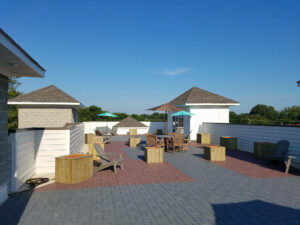
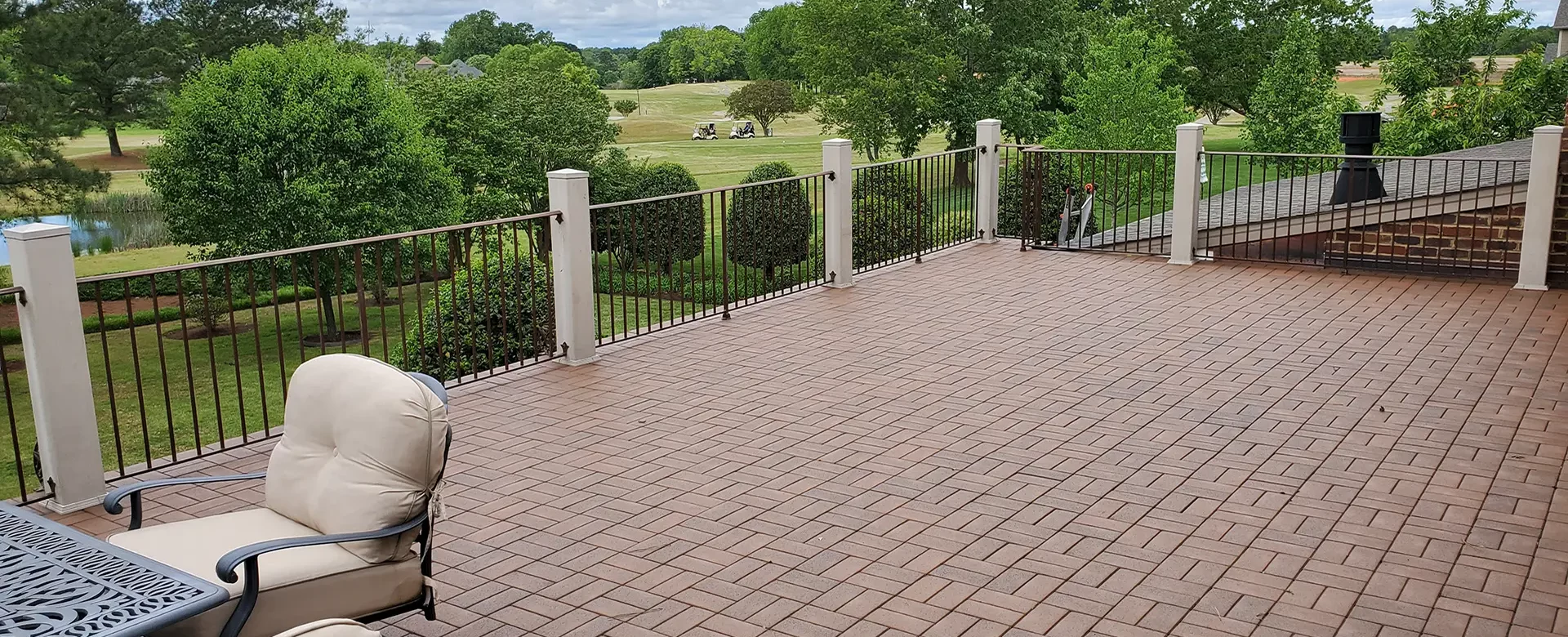
Designing a Better Deck with Walkable Roofing Pavers

If you have an elevated deck or raised patio, you probably already understand and appreciate the value of an outdoor living space in the Hampton Roads region with our year-round mild weather.

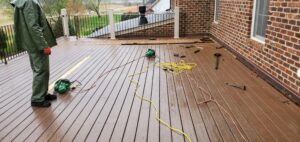
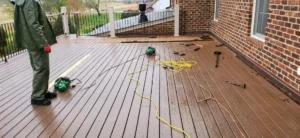
Whether you invested in the deck yourself, or it came with your property when you purchased it, you also probably understand and appreciate how much maintenance and upkeep these decks require. You may be seeing boards that have warped, splintered, or gone gray; a surface that needs sanding and resealing every couple of years; or just an overall look that feels dated and tired. And if you are, you’re probably starting to weigh your options for repairs or replacements.

The obvious choices are what most people gravitate toward: replace the wood with composite decking, re-board the whole thing, do extensive sanding and resealing or put down concrete pavers and call it done. All of those are reasonable paths, but there is another path that you may not have considered that is a great option for elevated decks and raised patios in particular: walkable rubber composite roofing pavers.

These are the same materials used to create rooftop terraces and walkable flat roof surfaces, but it turns out that everything that makes them excellent for a rooftop makes them excellent for a deck, too.

The Usual Suspects

Wood decking is a popular choice because of cost as well as the warmth and aesthetics it brings to a space, but it requires a real maintenance commitment, especially in a coastal environment like Hampton Roads. The humidity, the salt air, the wet, rainy springs and blazing summers can take a toll. Wood warps, splits, splinters, fades, and eventually rots if it isn’t kept up. Pressure washing, sanding, staining, and sealing is a recurring cycle that costs time and money year after year, and inevitably the wood will get to a state where it needs to be fully replaced.

Composite decking was developed largely to solve those problems, and it does address some of them. It won’t rot or splinter, and it requires less maintenance than wood. However, it can get uncomfortably hot underfoot in direct summer sun, which anyone who’s walked barefoot across a composite deck in July in Virginia Beach can attest to. And in rooftop or terrace situations, it isn’t designed to account for drainage, waterproofing, or the specific stresses of a surface that’s also functioning as a protective layer over a structure below. In addition to that, it can become very costly depending on the size of the deck you’re replacing.

Concrete pavers are durable and attractive, but weight becomes a real issue on elevated structures. Concrete is heavy, and a lot of it on an elevated deck puts serious structural stress on the framing, which on an older deck may already be showing wear.

The Unusual Suspect

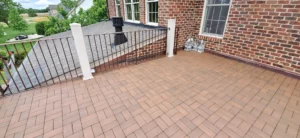
Walkable rubber composite roofing pavers were engineered specifically for elevated, exposed surfaces, whether that’s a rooftop terrace or an elevated deck. Here are a few “pros” of this material that go beyond the rooftop.

  • They’re dramatically lighter than concrete. Elevate SkyPavers weigh roughly 35% of what comparable concrete pavers would. On an elevated deck, that’s a big difference. Less weight means less structural stress on the framing, which matters both for safety and for the long-term integrity of the structure.
  • Roofing pavers will not warp, splinter, gray out or rot. The material is inherently resistant to moisture, and in a region like Hampton Roads where humidity is a fact of life year-round that is a meaningful advantage.
  • They reflect heat rather than absorbing it. The TPO membrane that underlies the paver system is typically white and highly reflective. This keeps the surface temperature considerably lower than composite decking or concrete in direct sun. On a sunny summer afternoon at the Virginia Beach oceanfront, that makes a big difference for a surface to stay walkable and enjoyable rather than becoming a bed of coals you need to navigate in bare feet.
  • Elevate SkyPavers carry a 20-year warranty and have a potential lifespan of up to 50 years. Compare that to a wood deck that needs significant attention every few years, and the math on long-term cost starts looking very appealing.
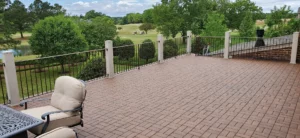
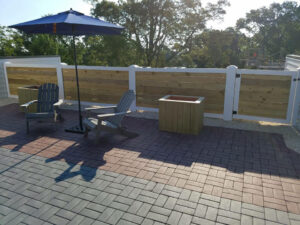
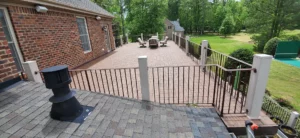
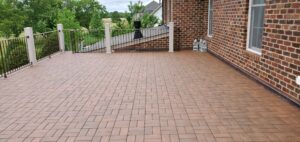
  • And importantly, they look good. Walkable pavers are available in a wide range of colors that can be selected to complement your home’s exterior. The finished surface is clean, modern, and attractive.

Roofing Paver Installation

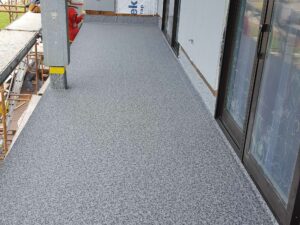
These systems work in layers. First the existing deck surface will need to be evaluated to ensure it’s structurally sound. This step is critical and should be done by a qualified contractor who can tell you whether any framing repairs are needed before any additional weight is added. From there, a TPO waterproofing membrane is installed, followed by a drainage mat, and then the pavers are set on top. The pavers aren’t permanently adhered, which means the surface beneath remains accessible and the system can be adjusted if needed.

The result is a surface that protects the structure below while providing a durable, attractive, walkable surface above – exactly what a good deck surface should do.

As with any roofing or elevated surface project, installation should be handled by a licensed contractor with experience in this specific material. The system has its own requirements and best practices and getting it right matters both for performance and for warranty purposes.

A Good Fit for Hampton Roads

Elevated decks and raised patios are common throughout Hampton Roads: second-floor decks on oceanfront and ocean-block homes, raised patios on homes with grade changes, balconies on multi-story townhomes in Virginia Beach, Norfolk, and Chesapeake. Many of these surfaces were built with wood and are now at or past the point where they need an upgrade.

If you’re already thinking about what to do with an aging deck, it’s worth adding roofing pavers to the conversation before you default to the familiar options. For elevated surfaces especially, the combination of low weight, durability, heat reflectivity, and longevity makes a truly compelling case.

Andrews Roofing has experience with walkable paver installations across Hampton Roads, including in the demanding coastal environments where these materials really prove their worth. If you’d like to talk through whether this approach makes sense for your deck or raised patio, contact us today. We’re happy to take a look at your home’s specific situation and walk you through the options.

read more

Andrews Roofing off to an Early Start – Dunkin Donuts

Dunkin Donuts Store in Aylett, VA
Location: Tappahannock, VA

Project Description:

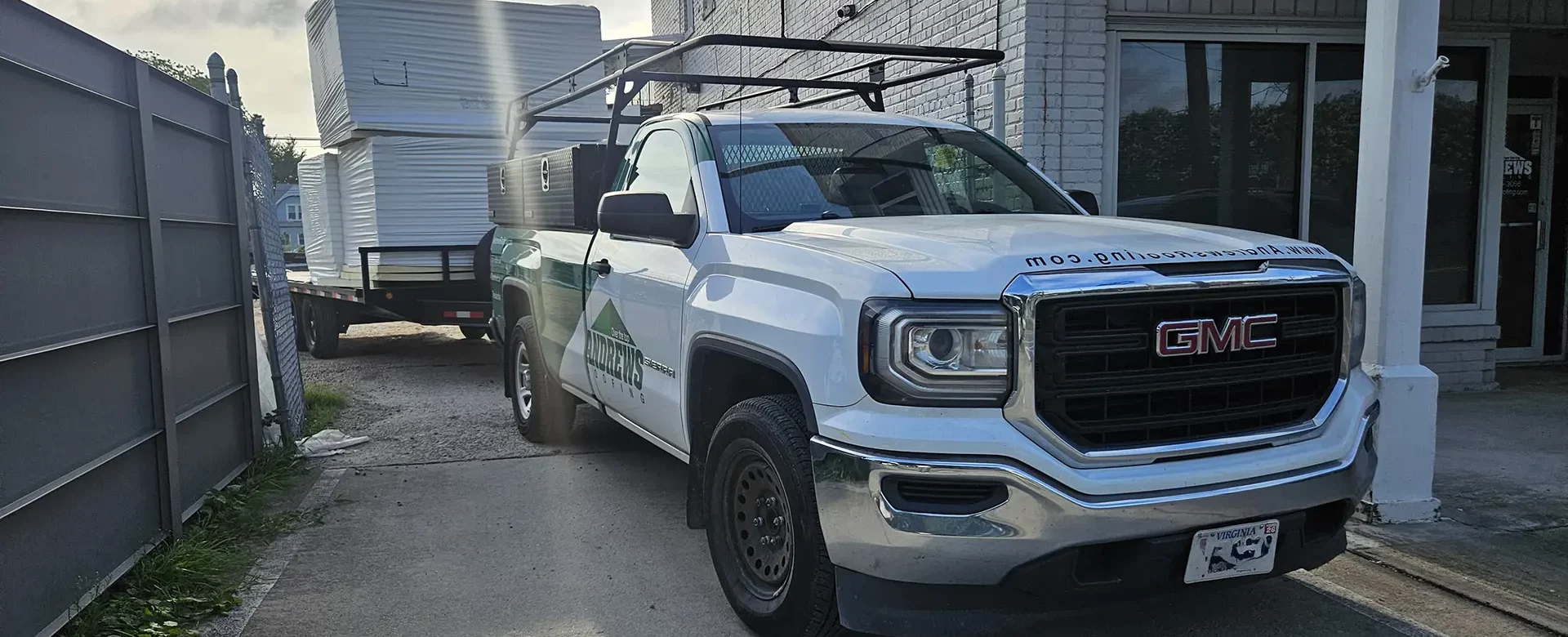
Every morning, our crews load up materials in preparation for the work day ahead.  We get an early start in the summer when days get hot quickly. On this particular morning, our team was heading up to the jobsite for a new Dunkin Donuts location in Aylett, in King William County, VA.  Our scope of work involved installation of an R=30 polyiso roof insulation and Durolast white 40 mil roof system.

read more

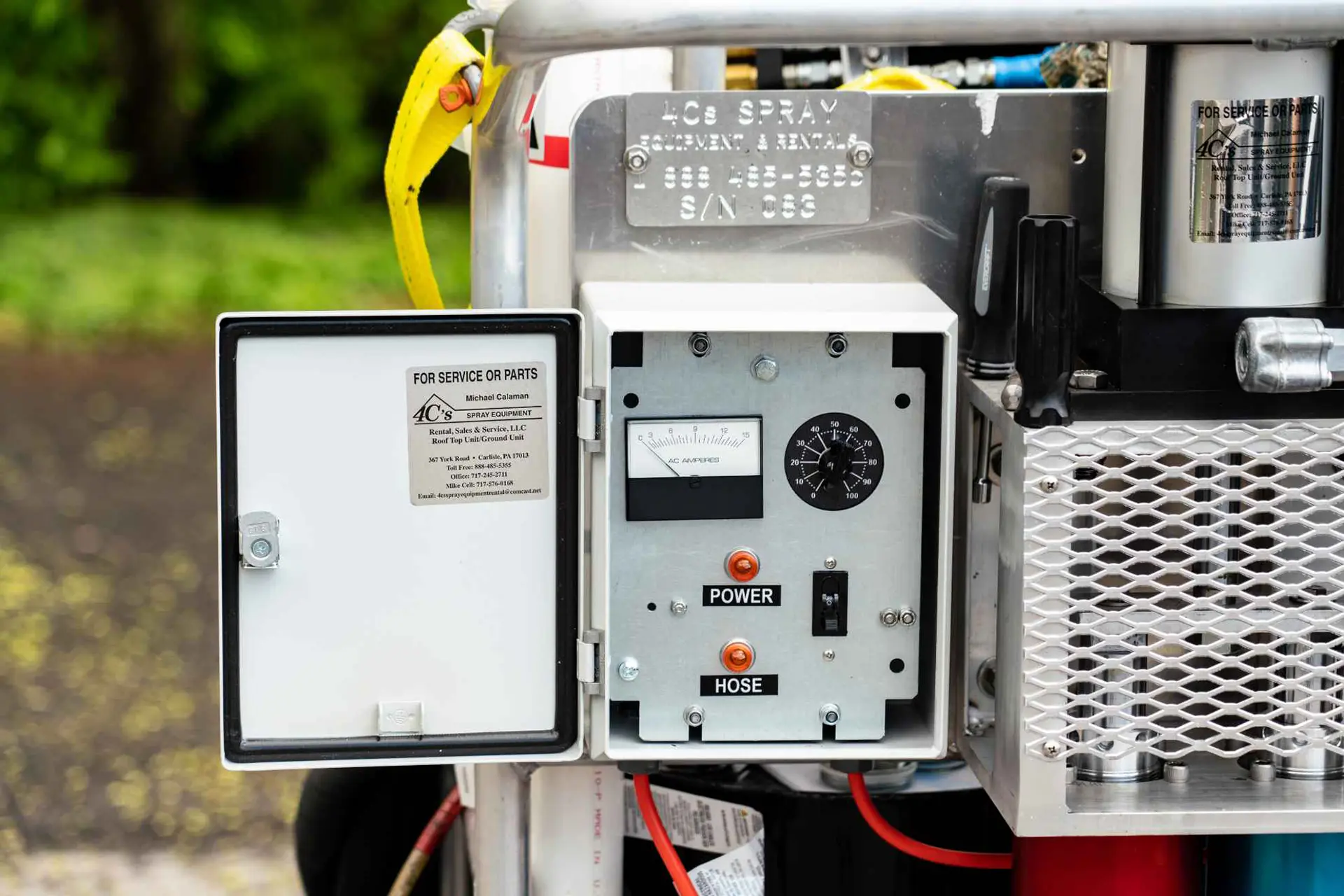
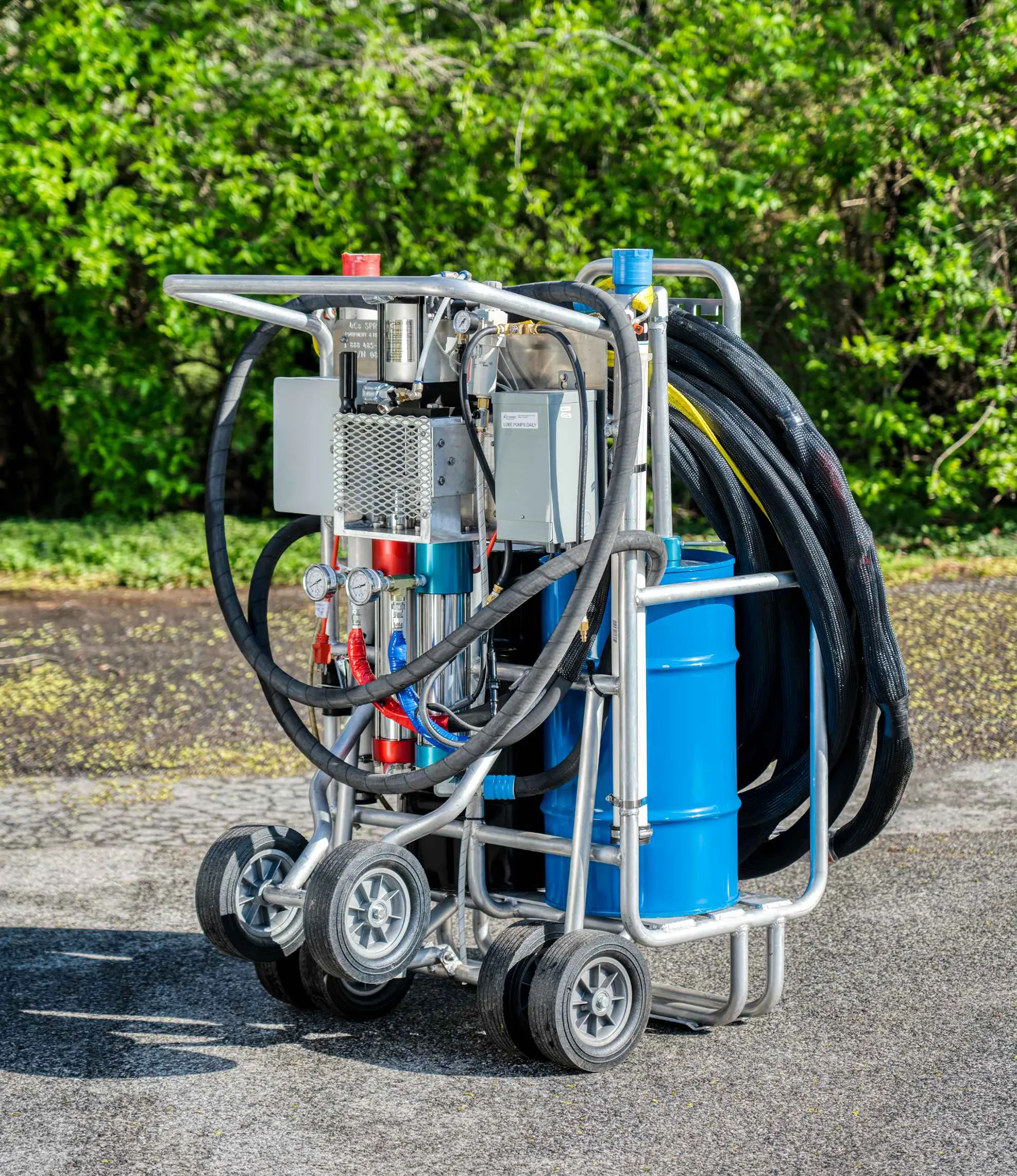
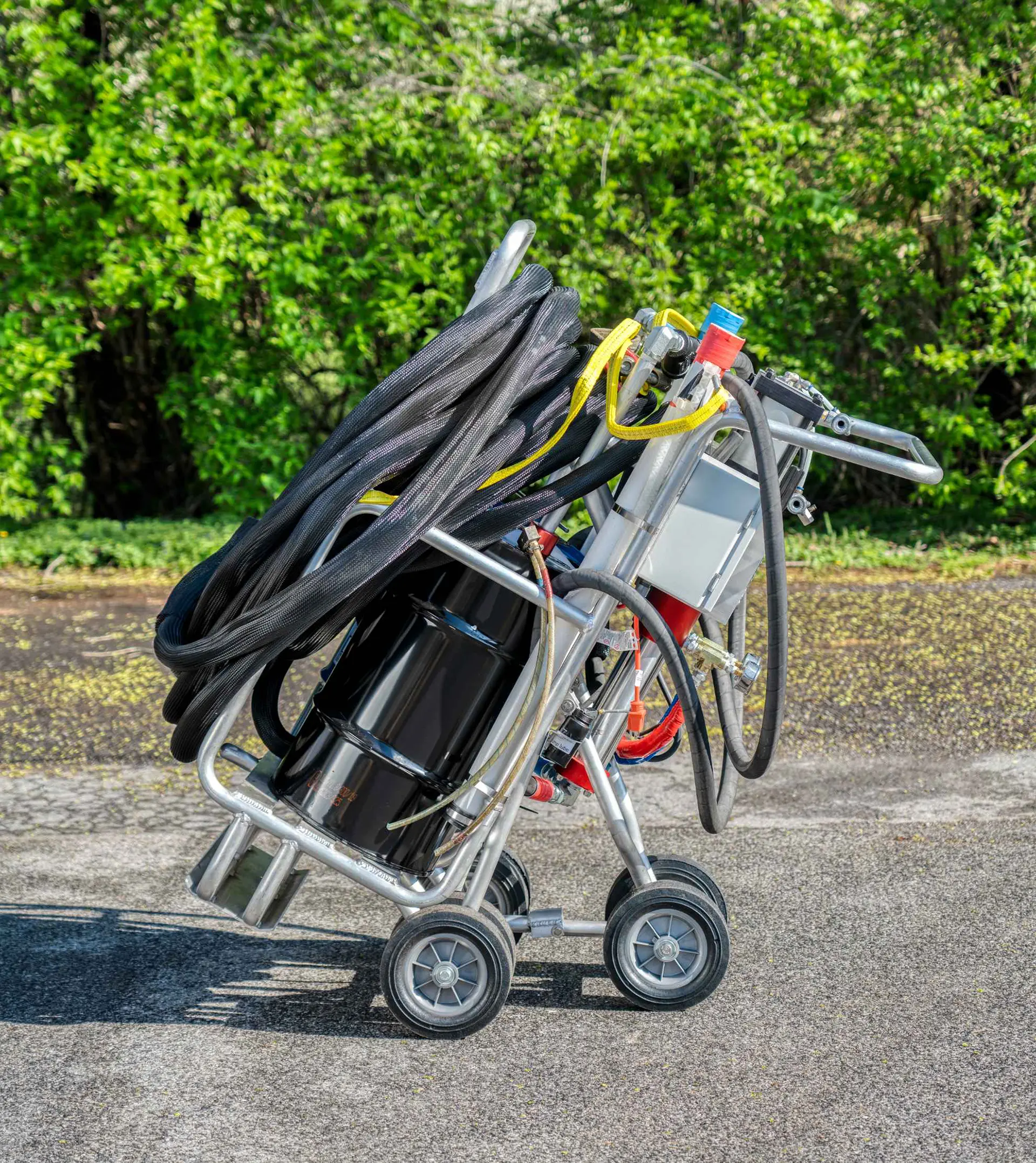
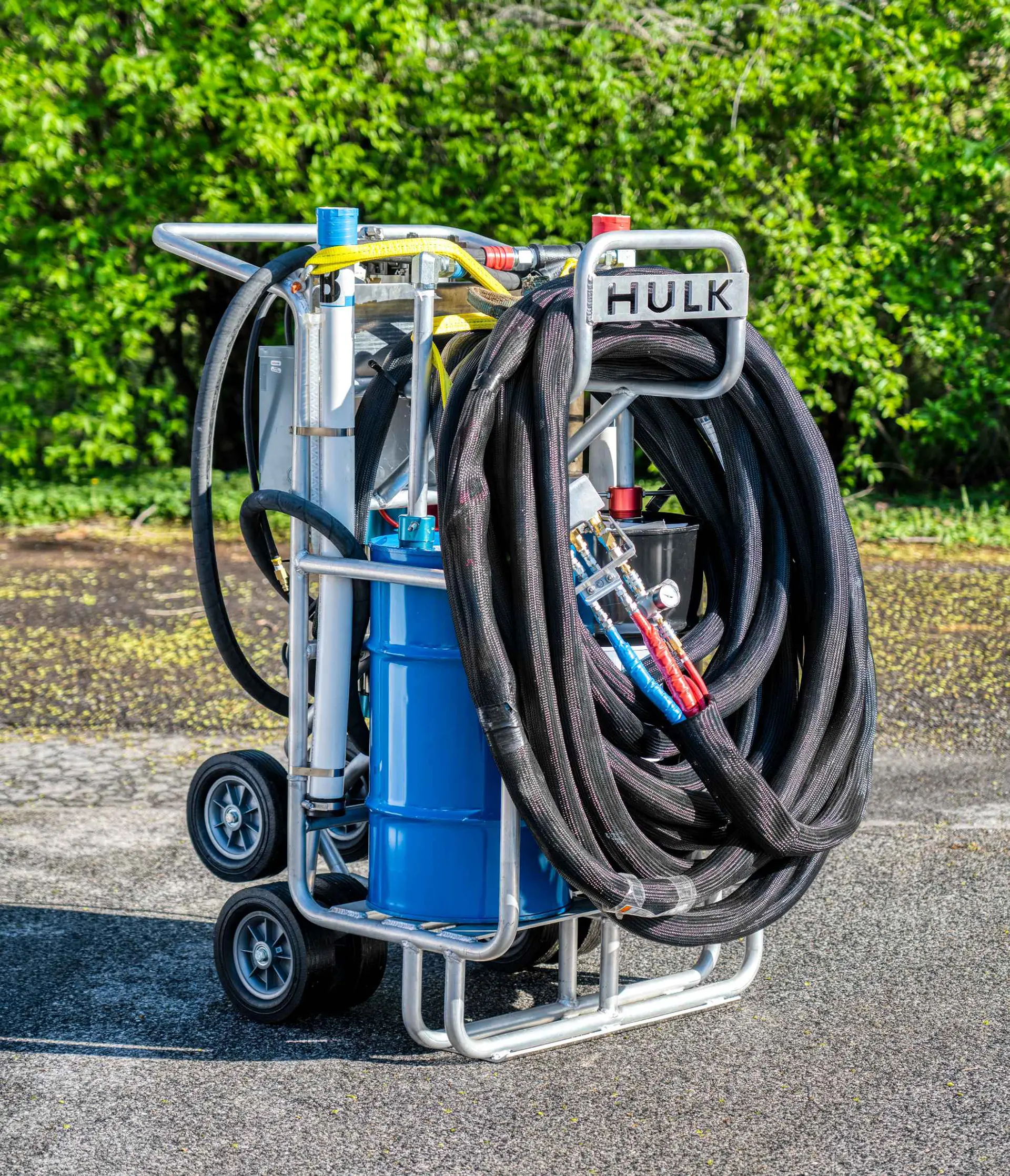
The HULK Machine Provides Faster, Stronger Commercial Roofing

At Andrews Roofing, we are committed to researching and educating ourselves on innovative, high-quality roofing products and technology so we can provide them for our residential and commercial clients in Hampton Roads.

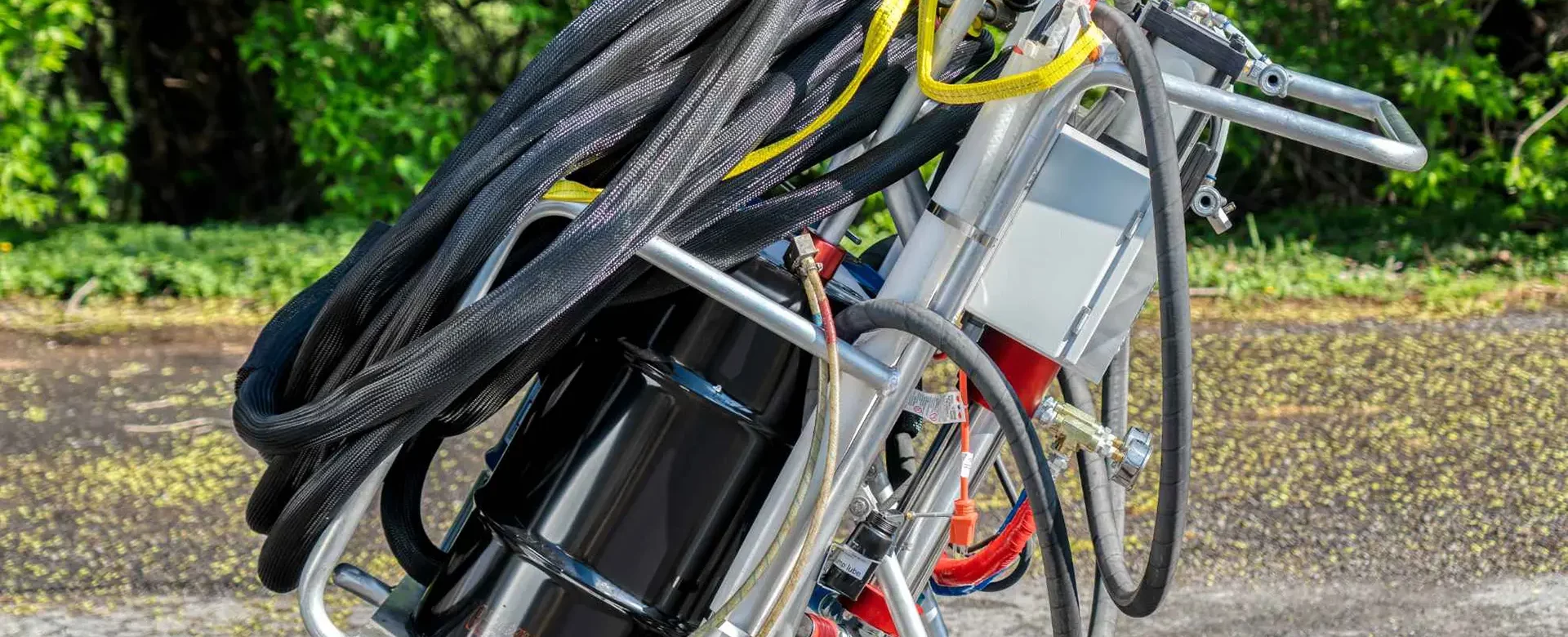
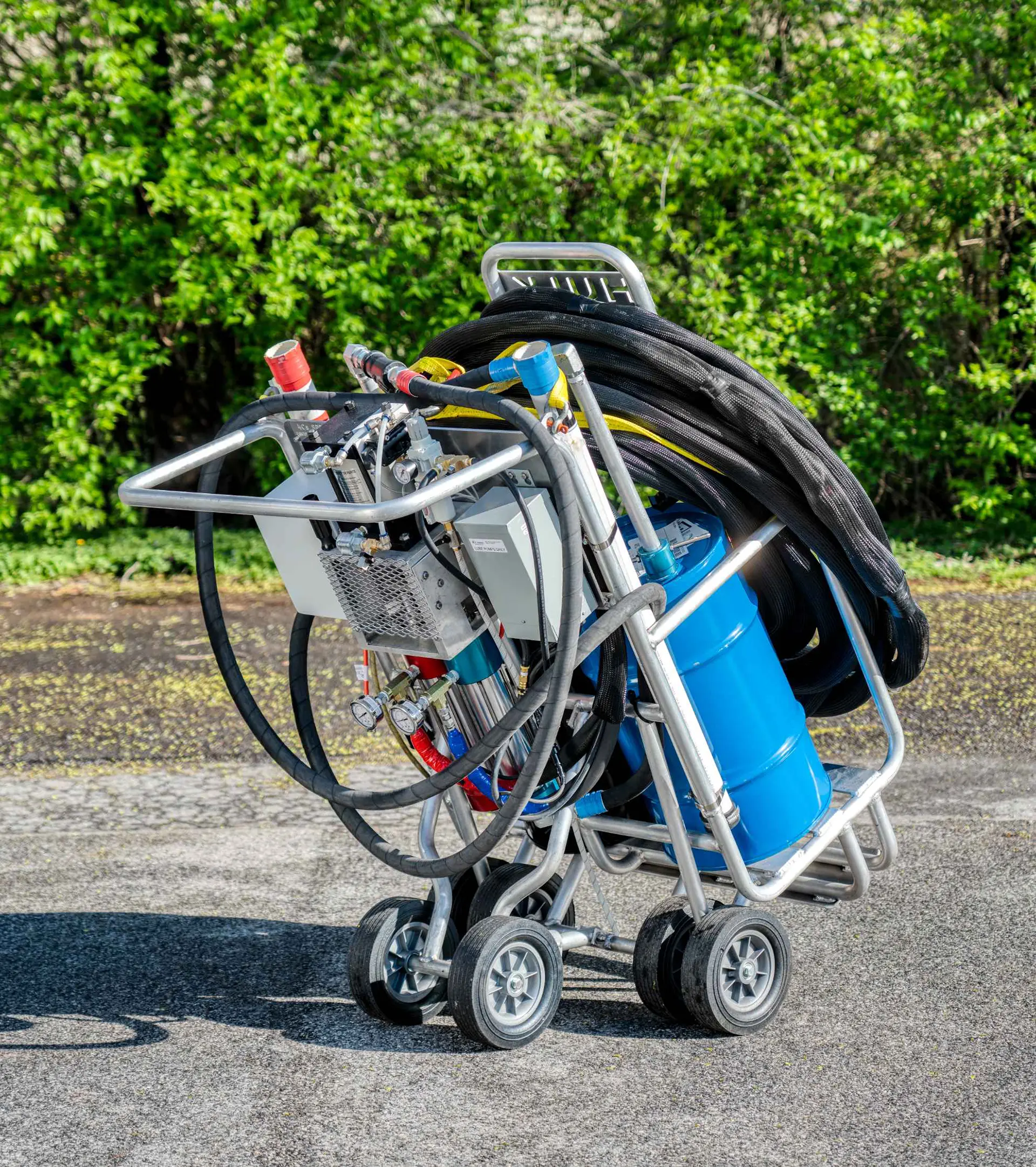
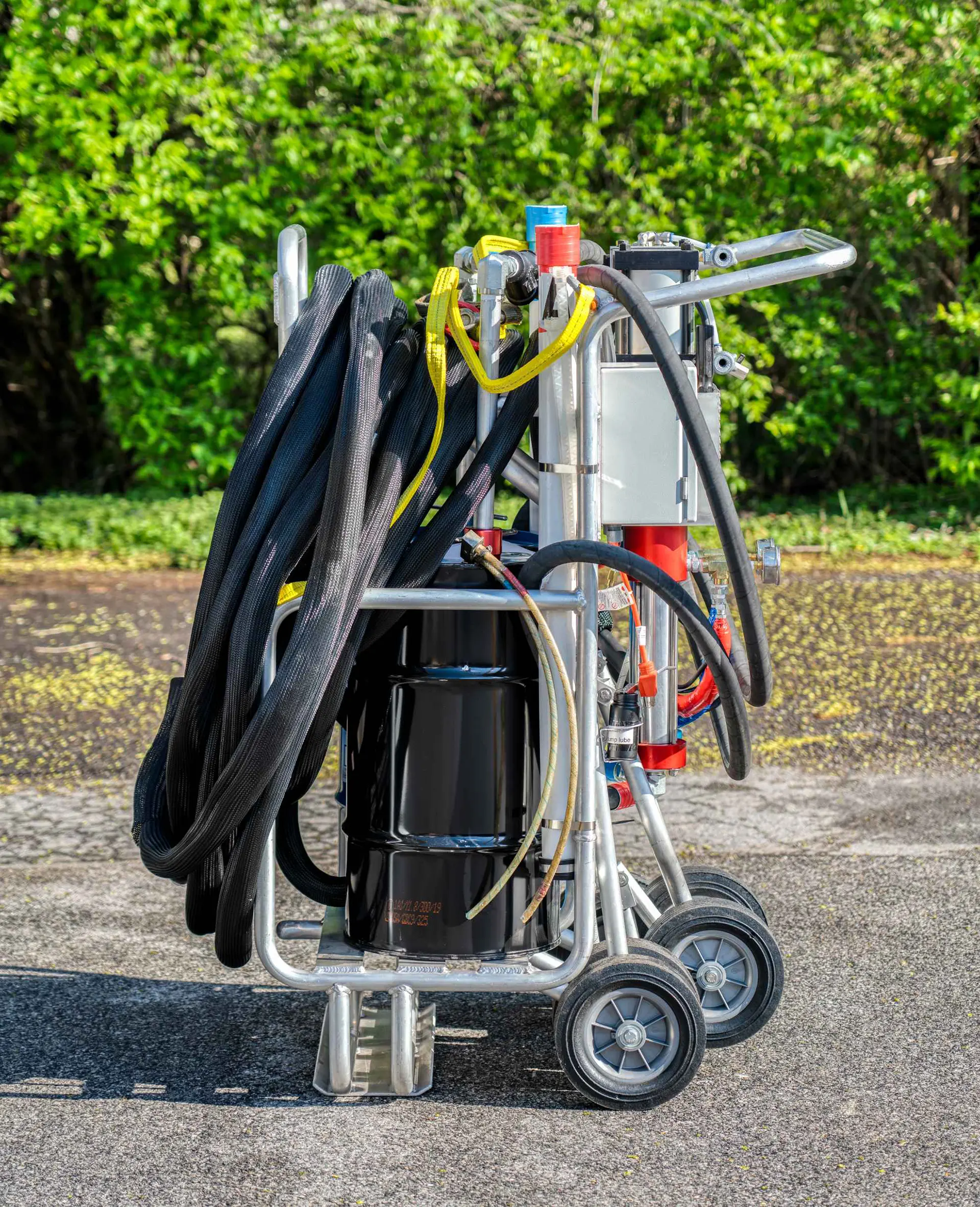
That’s why we’ve invested in the HULK Spray Rig, a state-of-the-art adhesive application system designed specifically for installing rigid board insulation on flat and low-slope commercial roofs. This advanced equipment allows us to provide a more efficient, consistent, and durable insulation installation—giving your roof better long-term performance.

What Makes the HULK Machine So Effective?

The HULK Spray Rig is an automated, self-propelled system that precisely dispenses low-rise polyurethane foam adhesive in pre-measured patterns. This ensures even coverage across the entire roof deck, eliminating the inconsistencies that can come with manual application. Once the adhesive is applied, the machine uses its built-in roller system to firmly press the rigid board insulation into place, creating a strong, uniform bond between the insulation and the substrate.

The Benefits of Using the HULK Machine

By incorporating this cutting-edge equipment into our installation process, we provide our commercial roofing clients with several key advantages:

  • Stronger Adhesion & Wind Resistance: The precision application ensures a secure bond, reducing the risk of insulation shifting or lifting due to wind uplift, something we are always thinking about in our storm and hurricane prone region.
  • Faster Installation: The HULK machine speeds up the process significantly, reducing labor time and getting your roof installed quicker with minimal disruption to your business.
  • Improved Energy Efficiency: Properly adhered insulation minimizes gaps and air pockets, helping to enhance thermal performance and lower energy costs.
  • Reduced Waste & Cleanup: The controlled application minimizes adhesive waste and overspray, resulting in a cleaner job site and a more environmentally friendly installation.

Hampton Roads Commercial Roofing Specialists

We are proud to bring this industry-leading technology to our commercial roofing projects in Southeast Virginia. If you are looking for a high-performance, energy-efficient roofing system that will stand the test of time, contact Andrews Roofing today to learn how the HULK advanced installation methods can benefit your business and property.

read more

Our Founder’s Thoughts on Residential Roofing

Most houses have shingle roofs. I think shingles are the basic type of roofing in a way although they are not inferior to other types. I have shingles on my home. Many people or companies are installing shingle roofs right now. There are many companies out there for you to choose from, because roofers usually start in the industry first by installing shingles. You can get the job done but…

The trick is to do it right and the manufacturer of each product dictates that. We at Andrews Roofing install shingles and accessories the way the manufacturer says to because they designed them. A shingle will be exposed to weather for a long time, but if you want the whole roof system to perform well, last a long time, and look nice you have to install it correctly and use the correct parts, etc. We have been installing residential and commercial shingle roofs since 1997. We are certified to install the products we sell & use.

The only way we can ensure that we put forth our best effort to accomplish this is to have a superintendent present on every job. The superintendent makes sure the installers are doing it right. And yes, we make mistakes but when that happens we will fix it on the spot or return and take care of it.

This short piece of information is what I want all prospective customers to know and to know that behind this “effort” there is a support staff of administrators, managers & estimators, that take their jobs very seriously!

One more note:
Andrews Roofing has a Class A ROOFING License because ROOFING is what we specialize in. Search online to see. We also have Workers Comp Insurance and well above the necessary general liability insurance to do shingle work and gutters because we install larger commercial roofs as well.

Thank you for the opportunity to serve you!

Please contact us if you have any questions or concerns.

Robert Andrews ll

read more

Create More Usable Space with Roofing Pavers

Flat roofs often go completely unnoticed when in reality they can be excellent usable space.

In fact, walkable roofing surfaces allow flat roofs and decks to become not just usable, but more energy efficient and sustainable in many cases.

What is a Walkable Roof?
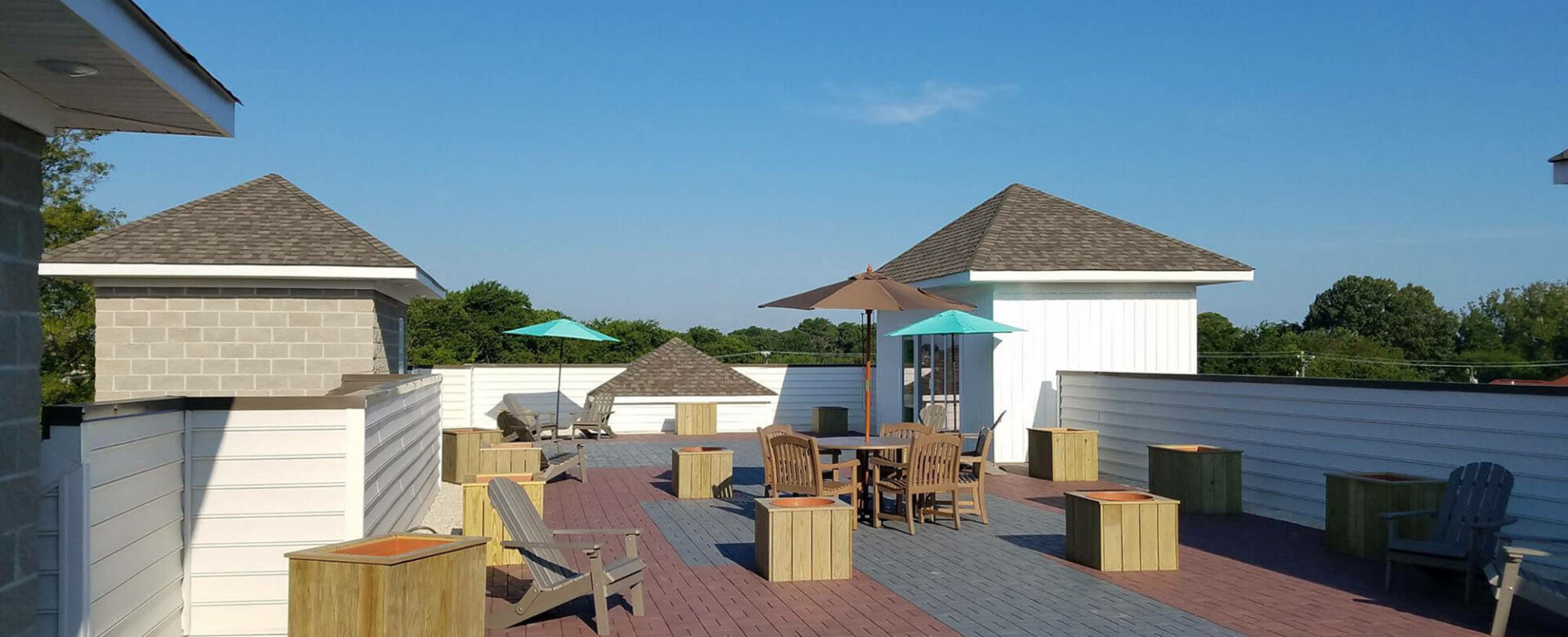
A walkable roof surface must be flat, strong enough to bear the appropriate amount of weight, and must meet the local building codes for safety regarding railings or walls around the exterior of the walkable space. In many cases, industrial buildings have flat roofs that are walkable, but are often just used for maintenance and HVAC access needs. In residential homes, walkable roof surfaces may be porches or balconies as well as flat rooftops. Locally around the Virginia Beach area we also see cupolas, widows’ walks, crows nests, sun decks and more.

What types of materials work for walkable roofs?
For high traffic roofs, composite roofing pavers are a durable and attractive option. Roofing pavers are generally made of rubber, and in many cases they are made almost entirely from recycled materials. This makes them an ecologically friendly option. Their lifespan also makes them a sustainable option, as they can last up to 50 years, further reducing waste.

How do rubber pavers work?
If you’re interested in creating a walkable roof with rubber pavers, it’s critical to use a roofing contractor experienced in this material. They will be able to talk to you about whether or not the roof surface in question is indeed up to code and weight bearing. They will also know how best to lay the foundation for these pavers so that proper drainage is achieved. Generally, a roof consists of wood sheathing which is then covered by a thermoplastic polyolefin (TPO) membrane roofing material, then a roof drain mat and then the pavers are placed on top.

How are rubber pavers eco-friendly?
The TPO material used as the base of most walkable roofs is usually white, which reflects light and heat, making the roofing structure highly efficient. On top of that, the rubber pavers are only 35% the weight of regular concrete pavers, and our brand of choice, Elevate Sky Pavers, are made of 95% recycled tires. These pavers also come in five different colors to match your needs and aesthetic and come with a 20 year warranty. For many businesses and homeowners, walkable roof surfaces with well draining roof pavers are an excellent place to create a rooftop garden. With full sunlight, plants can thrive in this scenario without the concern of weeds or using precious yard space. Not to mention the additional outdoor living space a walkable roof can create.

Can rubber pavers be used for decks and balconies?
Many of the installations we do with rubber roofing pavers are for second floor balconies and decks. This material is a great option for these areas as they are lighter than other material options such as concrete and are more durable than wood decking. They also reflect heat and are comfortable to walk on. Thanks to the color variations they also look attractive enough to be used in spaces that are directly attached to the exterior of a home.

Who should install walkable roof surfaces?
As with all roofing jobs, walkable rubber roofing pavers should be installed by a qualified and experienced licensed roofing contractor. Do the research to find a company who has experience with this material as its implementation and installation are unique. At Andrews Roofing, we have experience with these specific roofing materials, especially for oceanfront homes and homes looking to take advantage of the beautiful water views in the Hampton Roads area. If you’ve been thinking about making the most of your flat roofing or decking surface, please give us a call. We’d be happy to talk to you more about the feasibility and benefits of these roofing materials.

read more

Why Critters in Your Attic May Mean It’s Time For a Roof Repair

If you’ve been hearing things going “bump” in the night lately, it’s safe to say it’s probably a critter in your attic rather than something paranormal.

In the cold, wet winter months, animals are more likely to try and take shelter in any warm, secluded area they can find. Often the place they’re most able to access and remain undisturbed is your attic. The problem (besides keeping you up at night) is that once they’ve taken up residence, they can cause a lot of damage to the interior and exterior of your home.

Common Attic Critters in Hampton Roads

One of the most common yet unwelcome attic residents in Hampton Roads homes are squirrels. Dexterous and able to climb and jump quite high, squirrels can find it easy to access your attic if certain precautions or repairs are not taken.

“Roof rats” are another common intruder – often looking to either make a nest or find materials for their nest elsewhere. Loose, blown-in insulation is paradise for a pack of roof rats looking for a warm, cozy place to wait out the winter.

It’s also not unheard of for raccoons to make their way into attics when homes are near large trees or wooded areas, as many in the Tidewater region are. Even birds have been known to enter attics through open vent holes or even ventilation fans.

How Are They Getting In?

In some homes, there may be small holes at roof eaves meant for ventilation, but also perfect for allowing in small vermin. Rats and even squirrels are capable of chewing at eave shingles to enlarge any opening they may find. Sometimes a vent cover can break, fail or fall out, creating easy access for any animal looking for a new residence. Persistent pests may even pull back loose flashing or fascia to enter a home.

All of these scenarios are more likely when a home has trees close to the roofline, however roof rats are capable of entering a home even by climbing up a brick exterior to an entry point, or traveling through the walls, so don’t assume that you’re in the clear if you’re not in a wooded area.

What to Look For

In addition to noises you may hear – especially at night when nocturnal animals are up and about, there are some physical signs you should keep an eye out for. Check your attic space for animal droppings on a regular basis. If you see any wires or ductwork that look chewed or damaged, an animal has likely found an entry point. From the exterior, look for loose flashing, missing vent covers, ventilation holes at eaves, missing fascia or shingles that look chewed up or damaged. Birds’ nests in your gutters or eaves are also a sign they may be getting inside.

Potential Damage

Unwanted critters in your attic can cause a wide variety of damage. The entry point at which they accessed the attic is likely damaged in some way – either by the animal forcing their way in, or by some other means which has then allowed them easier access. Wiring and ductwork can be chewed up and rendered useless. Insulation may be moved around so it is not acting as efficiently as it should, or it may be missing, have gaps or be damaged in some way from nesting. Shingles, fascia and even roof decking may be damaged if an animal forced their way in. And of course, any personal items you keep stored in your attic may be damaged or destroyed.

What You Can Do

If you do have any type of unwanted animal in your home, the first step is to get it out. There are many local companies who do humane animal removal and relocation. For roof rats and other vermin, a pest company may need to set baits and traps, and remove those before going forward. Any repair work you do before identifying and removing the cause of the damage will likely be in vain, as the animal may undo the work trying to chew their way back out.

Once the unwelcome guests are gone, then it’s time to identify how they have been accessing your home. Repairs and improvements to prevent their return can include adding wire mesh or metal over fascia or ventilation holes, repairing or replacing vent covers, replacing any damaged decking, shingles or flashing.

Having your roof maintained and inspected on an annual basis with a licensed roofing company is a great way to identify any possible issues and avoid potential damage caused by unwelcome critters. At Andrews Roofing, we provide roof maintenance services to clients all across the Hampton Roads region. Whether it’s storm damage or a pesky rodent, we can identify the issue before it becomes a major problem, saving you money and hassle down the line. Contact us today for your home’s roof inspection or repair.


read more