

Leaks & Service Repairs

757-399-3066 ext 3 (Leaks & Service Repairs)

Reroof Estimates & Inspections

757-399-3066 ext 1 (Reroof Estimates & Inspections)

Category: low slope roof

The Role of Proper Ventilation for Roof Health and Energy Efficiency

When Southeast Virginia summers hit, your roof starts working overtime. But if it’s not breathing right, you could be facing major issues.

Hampton Roads homeowners know summer doesn’t ease in gently. By late May (or even April!), temperatures are climbing into the 90s, humidity is thick, and on a clear, sunny day, your attic temperature can soar past 150°F. Most people only think about their roof when something goes wrong that’s immediately visible – a missing shingle after a storm or stain on the ceiling after a heavy rain, but one of the most damaging things that can happen to a roof in this region is largely invisible until it’s too late: poor ventilation.

Proper roof ventilation isn’t a luxury or an up sell – it’s a foundational part of a healthy roofing system. When ventilation fails, the rest of your home’s structure will feel it, as will your energy bills. Here’s what Southeast Virginia homeowners need to know heading into another hot, humid summer season.

How Proper Roof Ventilation Works

A properly ventilated roof system is simple in principle: fresh air enters through intake vents (typically at the soffits) and hot, moist air exits through exhaust vents (at or near the ridge). This continuous airflow keeps your attic from becoming a heat and moisture trap.

Without adequate ventilation, two major issues will arise:

  • Extreme heat builds up in the attic space during the day, radiating downward into living areas and stressing roofing materials from below.
  • Moisture will occur from condensation, when the warm, humid air from outside meets cooler surfaces inside and is trapped.

Condensation: The Silent Destroyer

In the Tidewater region, condensation is a serious concern. Our region’s climate means we deal with heat and humidity in the summer months and temperature swings in the fall and spring, both of which create prime conditions for moisture to accumulate in an attic.

When warm, humid air gets trapped in a poorly ventilated attic, it condenses on the cooler surfaces of your roof’s structural components, from there the damage can compound quickly.

Your roof decking (typically the sheets of plywood you can see from inside your attic) will be the first material to be affected. Over time, moisture exposure will cause the wood to swell, warp, and eventually rot. Once this happens, it can no longer hold fasteners properly, meaning your shingles aren’t as secure as they should be.

From there, moisture can work its way into the rafters, which bear the weight of your whole roof. As you can imagine, wood rot in rafters is serious and in advanced cases, it leads to a sagging roofline and significant structural repairs.

Finally, your insulation will incur damage. Wet insulation loses its ability to resist heat transfer, packs down and clumps, and becomes a breeding ground for mold. Once it’s moisture-damaged, it typically has to be replaced entirely. And mold itself isn’t just a structural problem; it’s a health concern that requires expensive remediation. The good news is that all of this is preventable with proper ventilation.

The Cost of a Poorly Ventilated Attic

We’ve all been hearing about the rise in energy bills, but there’s one reason for this that may not be top of mind: roofing ventilation.

When your attic reaches 140–160°F on a hot afternoon, which it easily can without proper airflow, that heat radiates directly through your ceiling into your living space. Your air conditioning system then has to work significantly harder to maintain a comfortable temperature. It cycles more frequently, runs longer, and wears out faster.

A properly ventilated attic stays dramatically cooler. Adequate attic ventilation can reduce attic temperatures by 40°F or more on peak summer days. That’s a huge reduction in the work your HVAC system is doing, as well as your monthly bill.

Ventilation is Just One Part of the Puzzle

Ventilation is just one part of a healthy roof system. Shingles, underlayment, decking, insulation, and ventilation – every layer depends on the others to perform as designed. Shingles can be in perfect shape while the decking beneath them quietly rots from trapped moisture. Insulation loses its effectiveness the moment it gets wet. A well-designed ventilation system is what keeps everything else working.

That’s why when we evaluate a roof, we look at the complete picture, not just the outermost layer. A comprehensive inspection includes checking soffit vents for blockages, evaluating ridge vent access, and looking for signs of moisture damage in the decking and framing.

Signs Your Roof May Have a Ventilation Problem

If you’re not sure whether your roof has ventilation issues, here are some warning signs to watch for as we head into the hot months:

  • Your upstairs rooms are noticeably hotter than the rest of the house, even with the AC running
  • Your energy bills spike sharply in summer months
  • You notice a musty smell in your attic or upper floor
  • There are visible staining or dark spots on attic sheathing
  • Your roof shows premature aging such as curling, cupping, or granule loss on shingles that aren’t that old
  • Ice dams formed along your eaves last winter (a telltale sign of uneven attic temperatures caused by poor ventilation)

Don’t Wait Until Summer to Find Out

The best time to address ventilation issues is before the heat arrives. By the time your attic is baking in July and your energy bills are quite literally through the roof, the damage may already have started.

Andrews Roofing serves homeowners across Hampton Roads – from Virginia Beach and Chesapeake to Suffolk, Portsmouth, Norfolk and the surrounding communities. We understand the specific demands our climate places on roofing systems, and we know that a truly healthy roof is one that’s been built and maintained as a complete system.

If it’s been a while since your roof has had a thorough inspection or if you’ve noticed any of the warning signs above, contact us today. We’ll evaluate your roof from shingles to soffit vents and give you a clear, honest picture of where you stand and what will continue to keep your home healthy heading into summer.
read more

TPO or PVC: Which Low-Slope Membrane Is Right for Your Industrial Roof?

For property owners of warehouses, manufacturing facilities, or other industrial structures, the roof of your building isn’t just literal overhead, it’s one of the most critical components of the entire building.

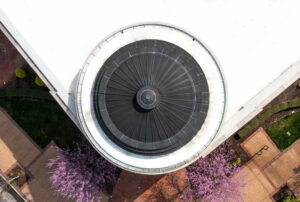
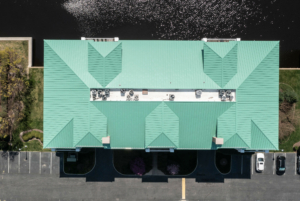
Its success or failure can massively impact operations and profitability. And for the flat or low-slope roofs that dominate industrial construction, the material you choose matters enormously. Two of the most popular options – TPO (Thermoplastic Polyolefin) and PVC (Polyvinyl Chloride) – are all single-ply membrane systems, which is exactly why they’re so commonly confused. While they may look similar on the surface, they perform differently depending on your building’s environment, purpose and your priorities as a property owner. If you’re having a roof installed or replaced on an industrial structure, here’s what you need to know about these different membrane materials.
TPO (Thermoplastic Polyolefin)

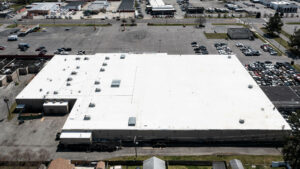
TPO is one of the most widely installed low-slope membrane systems in the country, and for good reason. It’s a single-ply white reflective membrane that’s heat-welded at the seams, creating a watertight bond.

Benefits: TPO’s biggest selling point for industrial clients is its energy efficiency. The white reflective surface deflects UV rays and reduces cooling costs, which is a real advantage for large industrial buildings with significant roof square footage. It holds up well against punctures, tears, and impact, and the heat-welded seams are highly resistant to leaks over time. It’s also one of the more cost-effective options up front, making it a good value for large-scale projects.

Challenges: TPO is a relatively newer material compared to EPDM, so there’s less performance data, and the quality can vary between manufacturers. The key to using TPO is working with a contractor who sources from reputable brands and is familiar with the product.

Best for: Buildings where energy efficiency is a priority with large roof areas that are exposed to sunlight. Projects where budget and performance need to be balanced. It’s an excellent all-around choice for warehouses and distribution centers in climates like Hampton Roads where summer heat is a real factor.

PVC (Polyvinyl Chloride)

Like TPO, PVC membranes have a white reflective surface and heat-welded seams, but they offer the additional advantage of being chemical resistant. PVC has been used in industrial roofing since the 1960s and continues to be a popular option because of its performance in specific demanding environments.

Benefits: PVC’s resistance to chemicals, grease, animal fats, and industrial oils sets it apart from TPO. The heat-welded seams are as strong as TPO’s and like TPO, the white reflective surface helps manage heat and energy usage. PVC is also highly fire-resistant, which matters a lot in certain industrial settings.

Challenges: PVC carries a higher price point than TPO. Due to its formula, certain chemicals can leach out of the membrane over time, which will often cause it to become brittle if it’s not a high quality product. It can also be more sensitive to certain adhesives and solvents during installation.

Best for: Food processing facilities, restaurants, manufacturing plants that handle oils or chemicals, and any industrial application where roof exposure to chemical runoff or grease-laden exhaust is a real possibility. If your facility vents cooking oils, industrial solvents, or other chemical byproducts anywhere near the roof, PVC should be at the top of your list.

So How Do You Choose?

The honest answer both are good, solid systems when properly installed. The right choice depends on your specific building and how it’s used.

  • Choose TPO when energy efficiency, budget, and general performance are your priorities.
  • Choose PVC when your facility is exposed to chemicals, grease, or industrial byproducts that would compromise other membrane materials.

Andrews Roofing Can Help

At Andrews Roofing, we’ve been installing all three systems across industrial facilities in Hampton Roads for decades, and we’re happy to walk through which material makes the most sense for your facility, budget and priorities. Contact us for an estimate or inspection for a straight answer on what will deliver the best long-term return on your investment.

read more

Understanding Roofing Crickets and When to Use Membrane vs. Shingles

At first glance, a roof may look like a simple series of slopes and shingles, but in reality, good roofing is a careful blend of structure, materials, and strategy—especially when it comes to managing water flow. One critical but under-appreciated element in certain roof designs is the roofing cricket.

What Is a Roofing Cricket?

A roofing cricket—sometimes called a saddle—is a small, peaked structure installed on the high side of a roof penetration such as a chimney, wall, or dormer. Its job is to divert water around these vertical elements and prevent it from pooling, which can lead to leaks, rot, or premature roof failure.

You’ll typically find crickets in low-slope areas or where two roof slopes intersect to form a valley. Without a cricket, water tends to gather and sit—especially during heavy rain which we are prone to in Southeast Virginia—leading to drainage problems and long-term damage.

How Crickets Work

Crickets redirect water using gravity. By adding a subtle peak to the backside of a chimney or at the base of a wall intersection, water is forced to flow down either side of the obstruction rather than gathering behind it. This keeps your roof drier and increases its longevity.

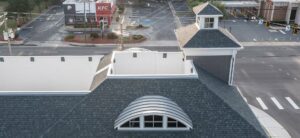
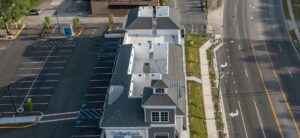
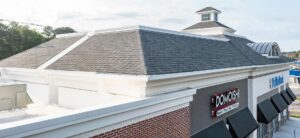
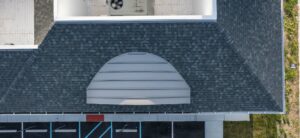
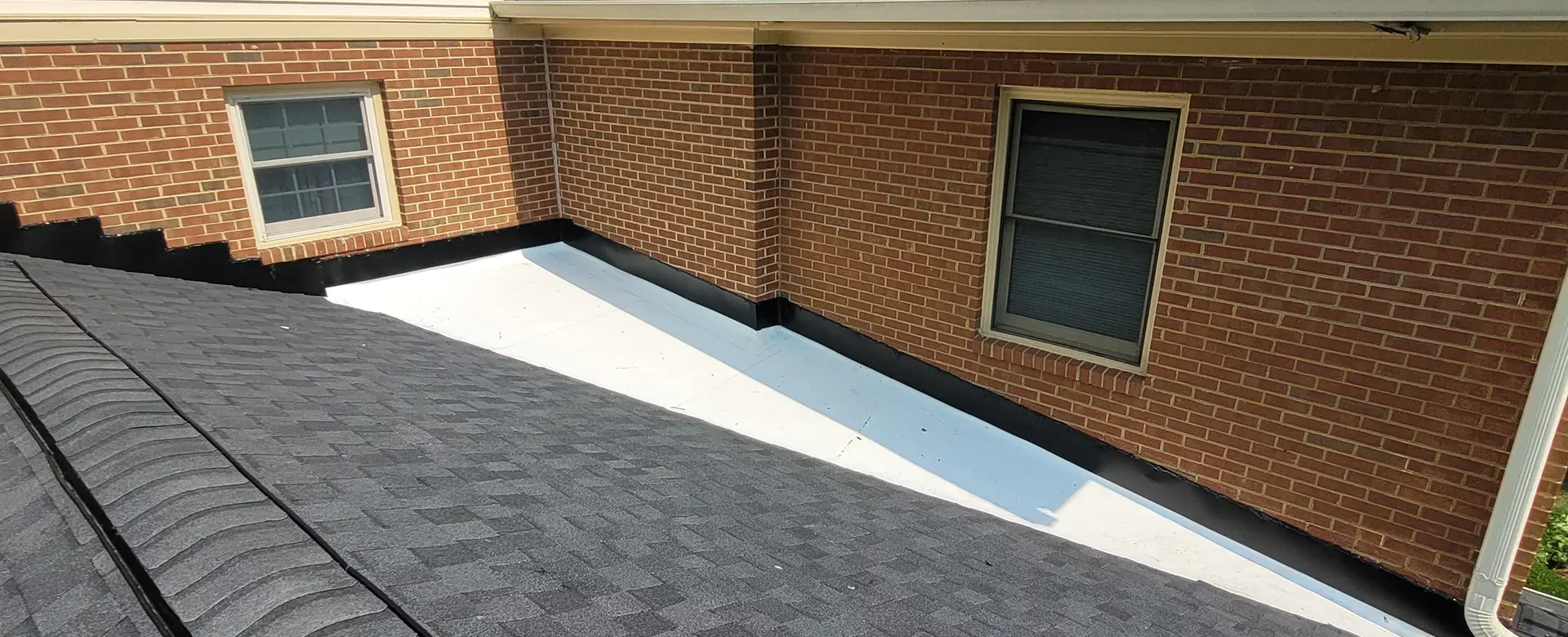
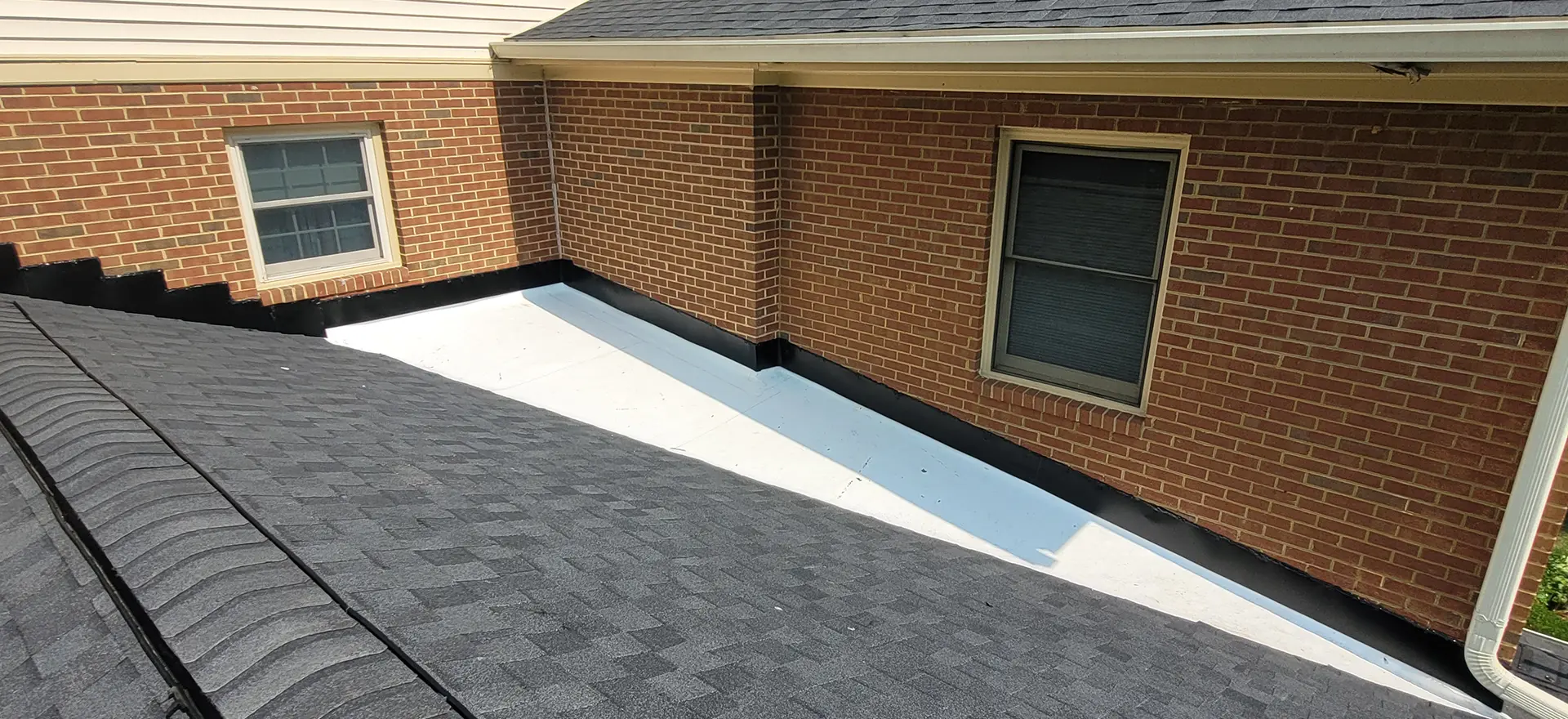
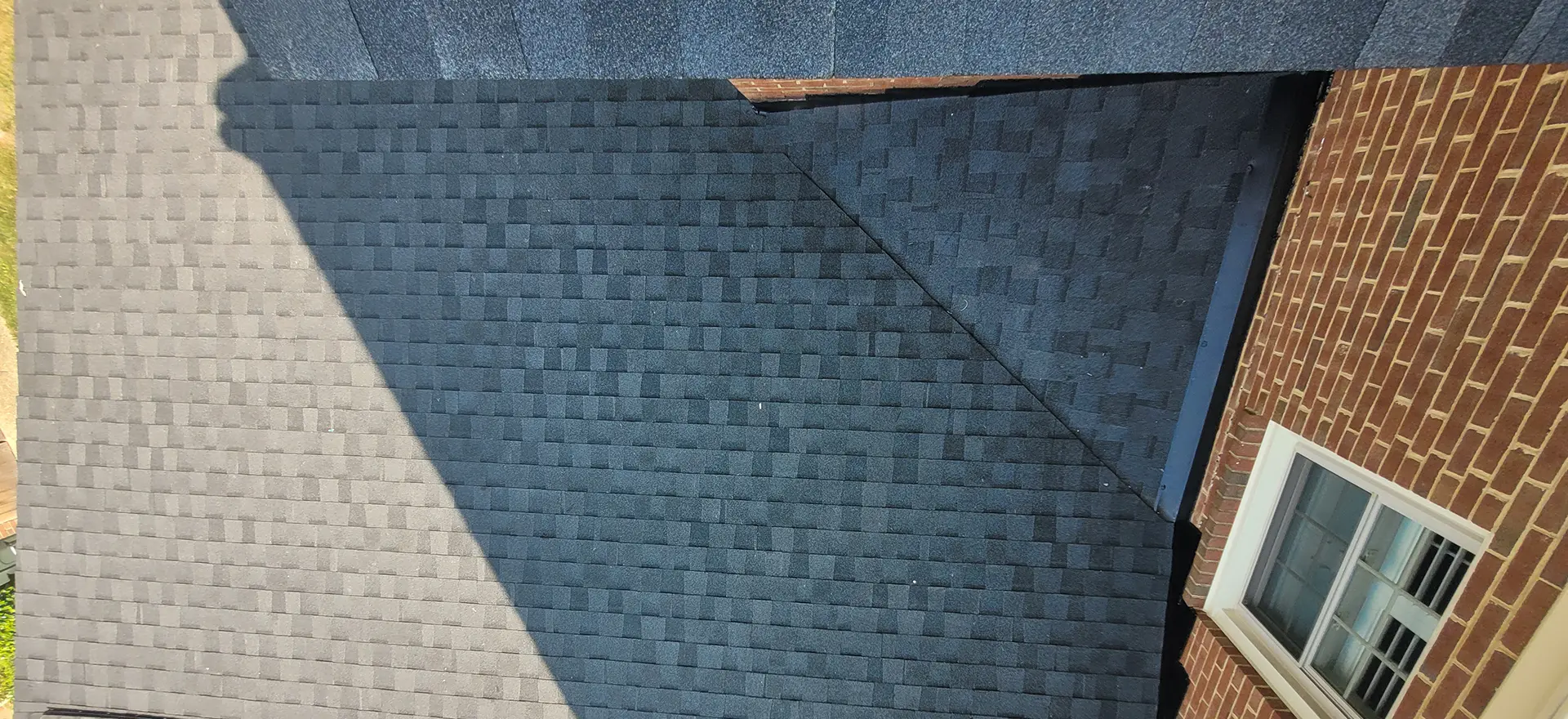
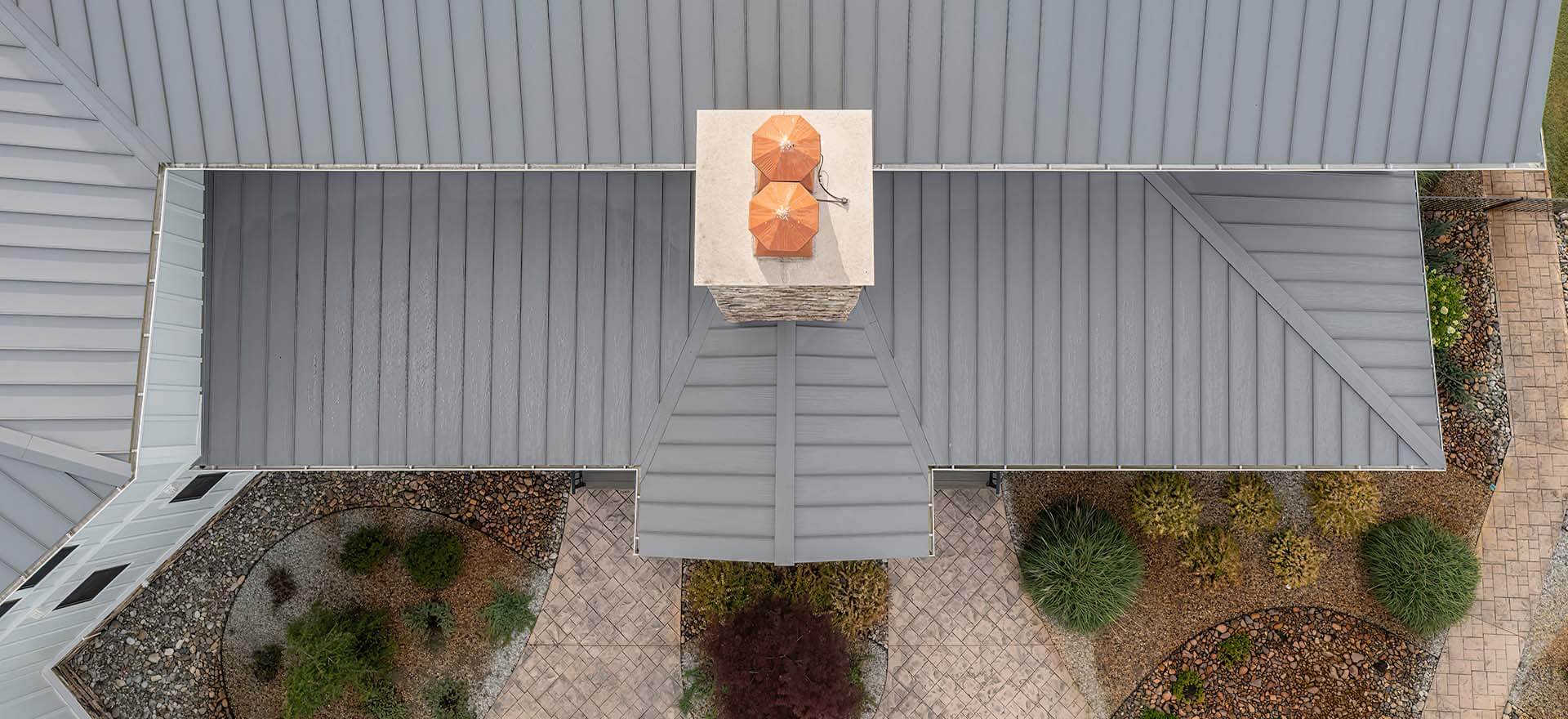
In these photos from a recently completed project in Suffolk, you can see two examples of cricket installations. Each cricket helps manage the directional flow of water and is customized to fit the slope of that particular roofline.

Membrane vs. Shingles: Choosing the Right Material

In most residential roofing, asphalt shingles are the go-to material due to their cost-effectiveness and ease of installation. However, they aren’t ideal in every situation—especially when it comes to areas with very low slopes, also present on this roof that required crickets.

Roofing membranes are single-ply materials (typically rubber or synthetic) designed to be fully waterproof. They’re most commonly used on flat or low-slope areas of a roof where shingles would fail to shed water effectively. It is a material that is often used on commercial buildings, but less often used on residential homes. Their cost can be a little higher than shingles, but their performance in specific areas makes them a necessary investment in certain situations.

In this recent project, we encountered two cricket areas that were previously covered with membrane. Our team made material choices based on pitch and performance needs and determined that in one area with a low pitch, we should reinstall membrane because the slope required a fully waterproof solution to prevent ponding and leaks. In the second area, although membrane had been used previously, the steepness of the slope allowed for us to use shingles instead, saving the homeowner on cost without compromising performance.

What Homeowners Should Know

If your roof includes valleys, dormers, or chimneys, especially if your home has a complex roof layout, it’s worth asking your roofer whether crickets are needed. These small features can make a big difference in preventing leaks and prolonging the life of your roof.

Also, be aware that not all areas of your roof should be treated the same. Experienced roofers assess each slope and intersection to determine whether shingles are sufficient or if membrane is a better long-term solution. A one-size-fits-all approach simply doesn’t work when it comes to effective roofing.

Andrews Roofing Can Help

If you’re considering a roof replacement or have concerns about water pooling near roof features like chimneys or walls, our team at Andrews Roofing is here to help. We bring the technical expertise and attention to detail that complex roofing projects demand. Contact us today for an inspection or consultation.

read more

Manufacturer Spotlight: Carlisle SynTec Systems

Andrews Roofing has been serving business owners in the Hampton Roads community for decades, and as a small, local business ourselves, we understand the unique needs of our commercial clients. Whether you’re managing a retail center, an office building, or an industrial facility, having a reliable, durable, and energy-efficient roof is critical to the long-term success of your business. To that end, one of the manufacturers we are proud to offer our commercial clients is Carlisle SynTec Roofing Systems, which is one of the leading names in commercial roofing solutions. Here are a few reasons why we find it works so well for so many other local businesses.

Durability and Longevity

Carlisle SynTec systems are known for their unmatched durability. Whether you opt for their EPDM, TPO, or PVC membranes, each material is designed to withstand the toughest weather conditions. Here in Tidewater, our commercial clients face everything from heavy rain, extreme temperatures, salt air, hail, and strong winds, but these roofing systems can take it all. Their resistance to UV degradation and punctures means fewer repairs and maintenance costs over the roof’s lifetime, giving you peace of mind and long-term savings.

Energy Efficiency = Cost Savings

One of the standout benefits of Carlisle SynTec’s TPO and PVC roofing systems is their energy efficiency. These membranes are highly reflective, reducing heat absorption into your building. In the hot southeastern Virginia summer, this can dramatically cut down on cooling costs. For  businesses operating large facilities or warehouses, the reduction in energy consumption can be significant, which makes it friendly for your bottom line and the environment. In fact, many of the Carlisle roofing membranes qualify for LEED credits. Whether it’s recycled content or energy-efficient design, the roofing systems contribute to a greener footprint, appealing to environmentally-conscious businesses and customers alike.

Industry-Leading Warranties

We know that when our commercial clients invest in a new roof, they want the reassurance that it’s built to last. Carlisle SynTec provides industry-leading warranties, ranging from 10 to 30 years depending on the system. Their warranties cover materials, installation, and more, ensuring you’re fully protected. As your trusted local roofing partner, we handle all warranty-related questions and maintenance needs, making sure you’re always covered.

Customizable Solutions for All Types of Commercial Buildings

No two commercial buildings are exactly alike, and Carlisle SynTec Systems accommodate for that. Whether your business operates in a multi-story office building, a retail space, or a manufacturing facility, we can customize a roofing solution that perfectly fits your needs. Their extensive range of systems—including their single-ply membranes, metal roofing systems, and insulation options—allows us to tailor a solution that fits your structure and budget.

We also know that it’s important to minimize the disruptions a roofing installation may have on your day-to-day business. Thanks to Carlisle SynTec’s versatile installation systems, we can install your new roof quickly and efficiently thanks to their prefabrication options and simple installation methods.

Supporting Local Businesses

We all understand the importance of supporting locally owned and operated businesses. When you choose us for your roofing needs, you’re getting the personalized service of a local expert, but with the backing of a globally recognized brand. We bring the craftsmanship and commitment to every project, while manufacturers like Carlisle provide cutting-edge technology, premium materials and exceptional warranties.

So, if you’re looking for a long-lasting, energy-efficient and sustainable roofing solution for your commercial building, we’d be happy to talk to you about how Carlisle SynTec or a range of other commercial products we work with can meet your needs. Contact us today to schedule a consultation with our commercial roofing specialist.

An example of of Carlisle SynTec Systems

read more

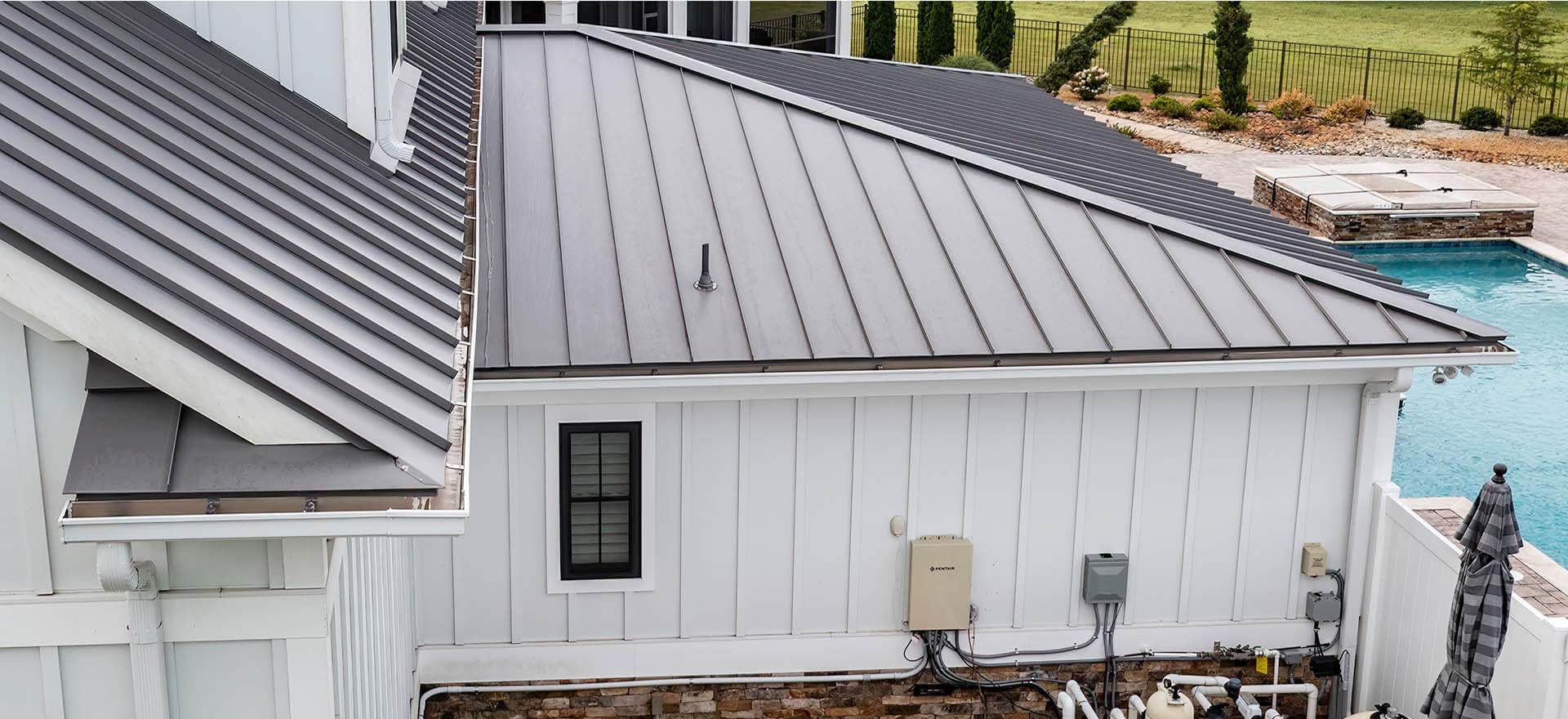
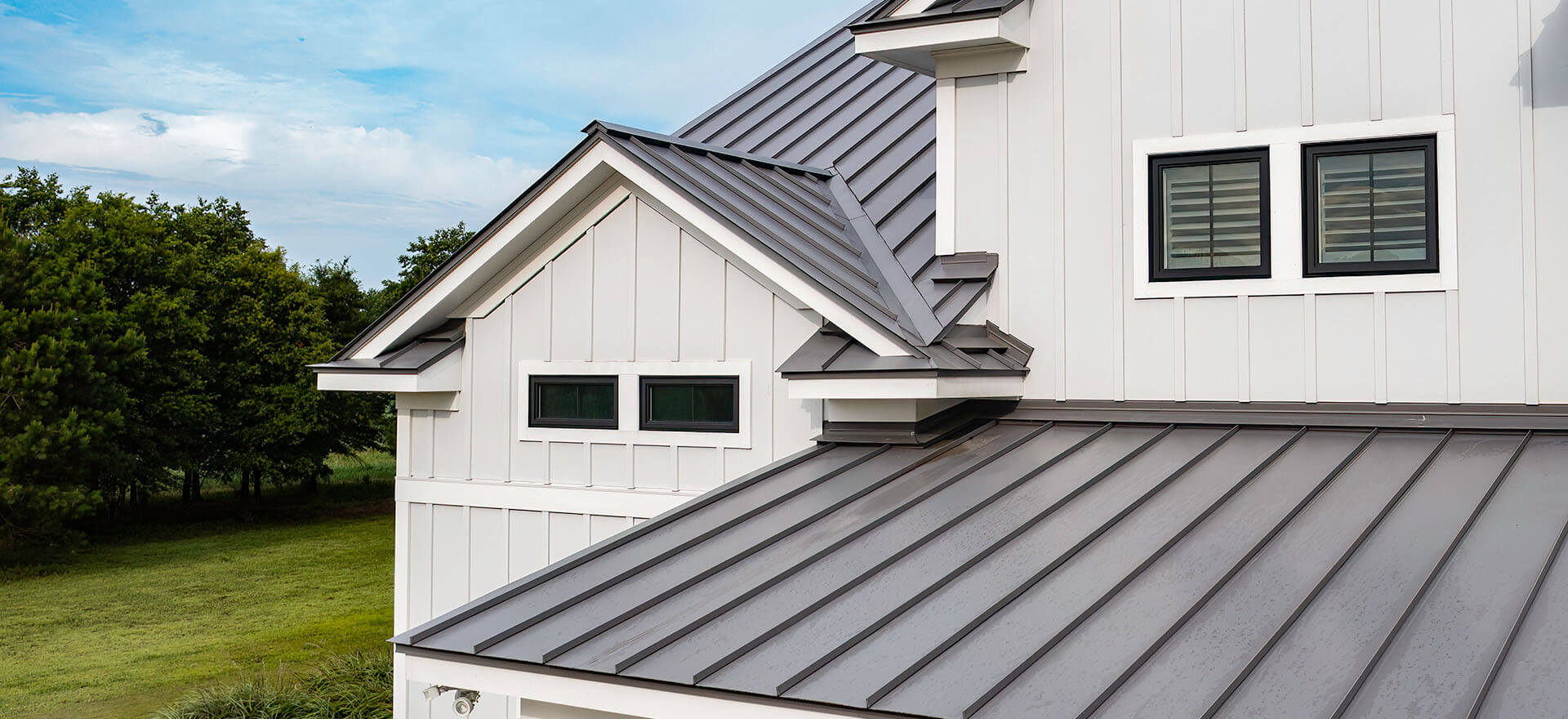
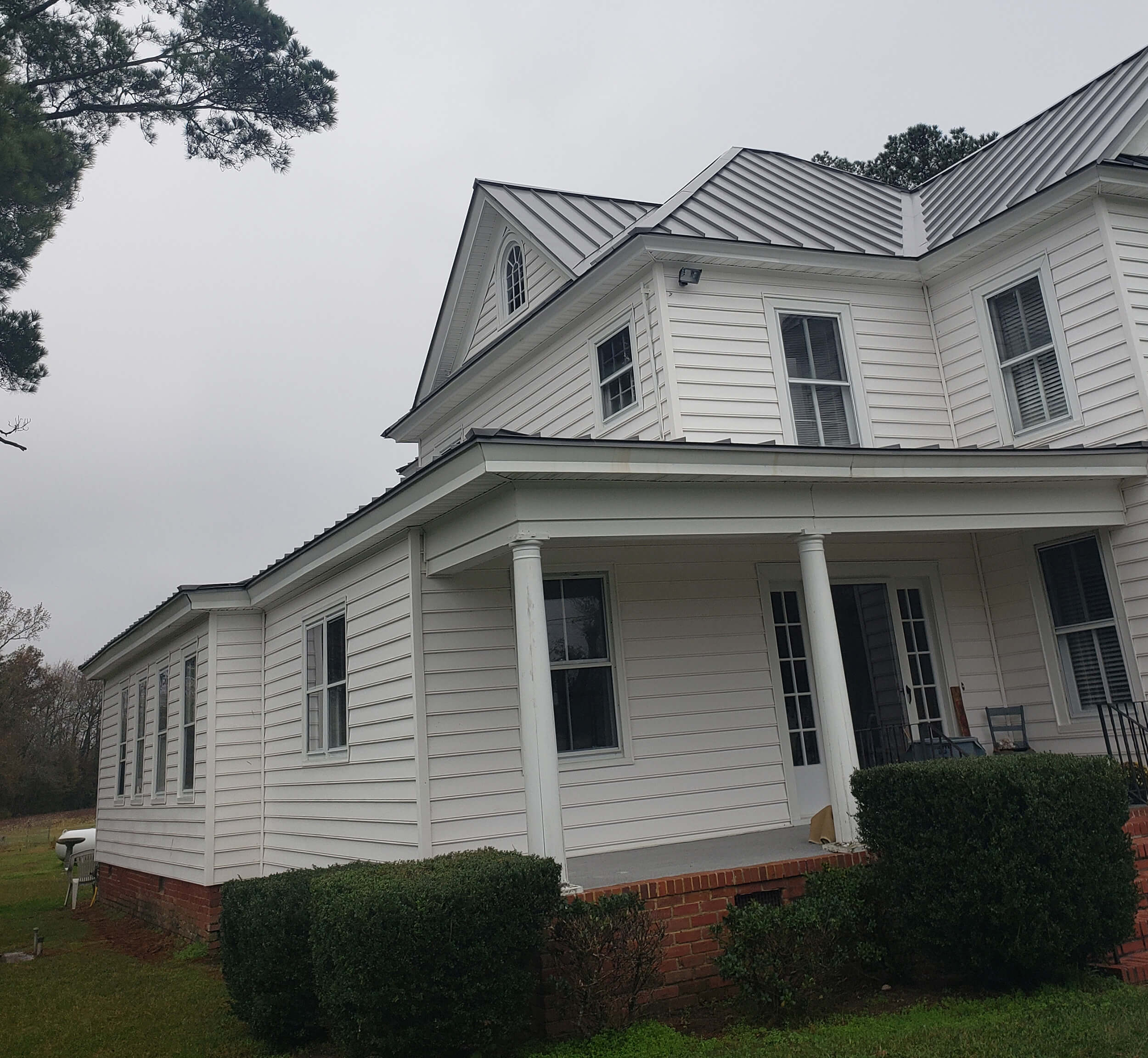
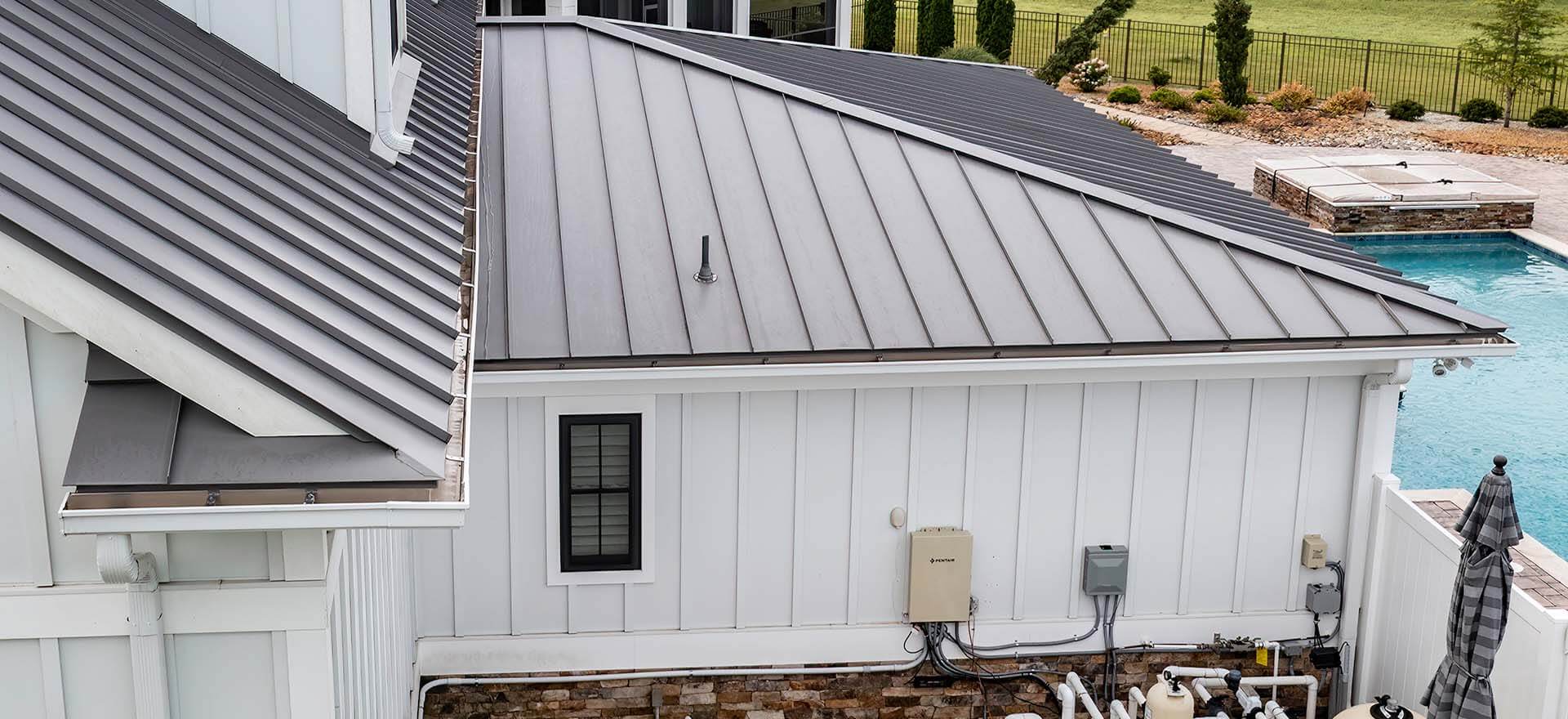
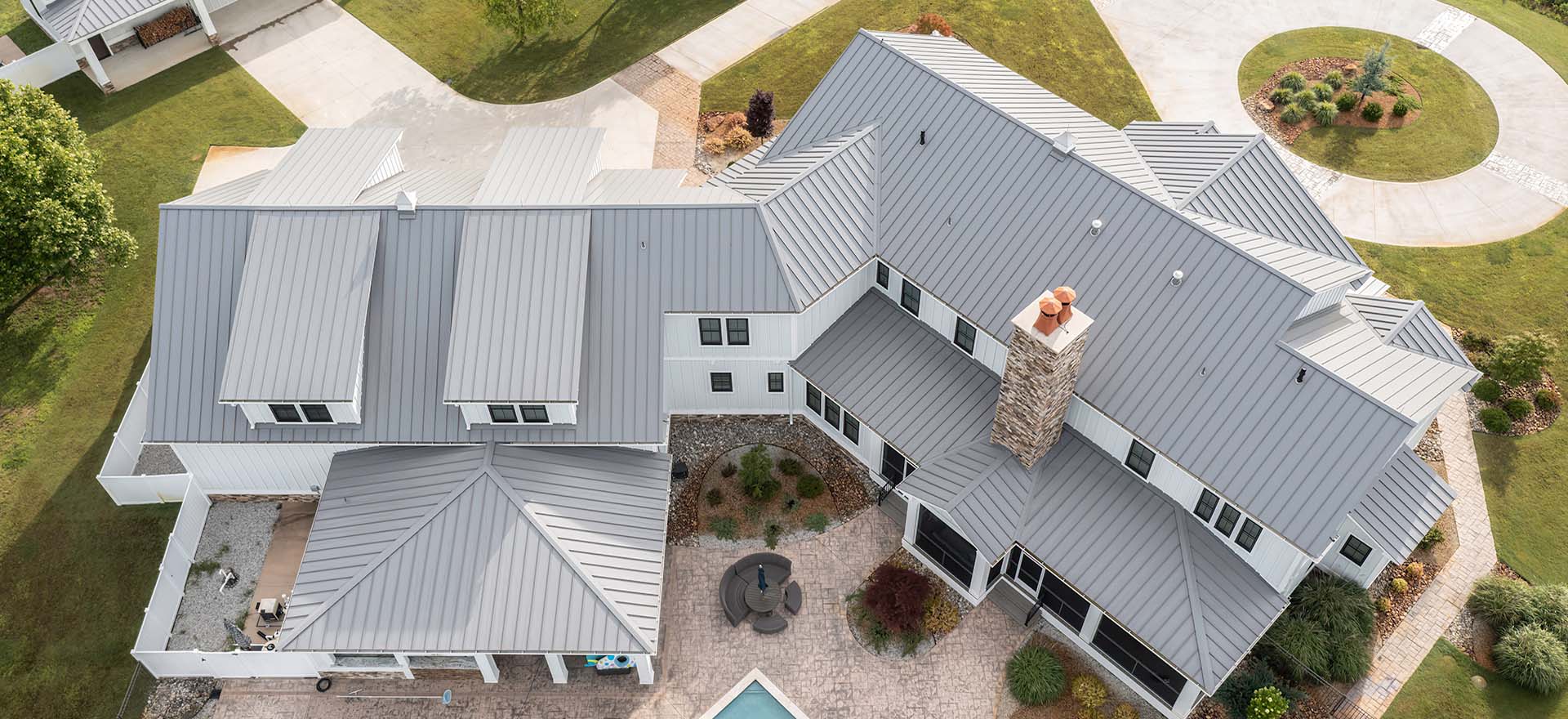
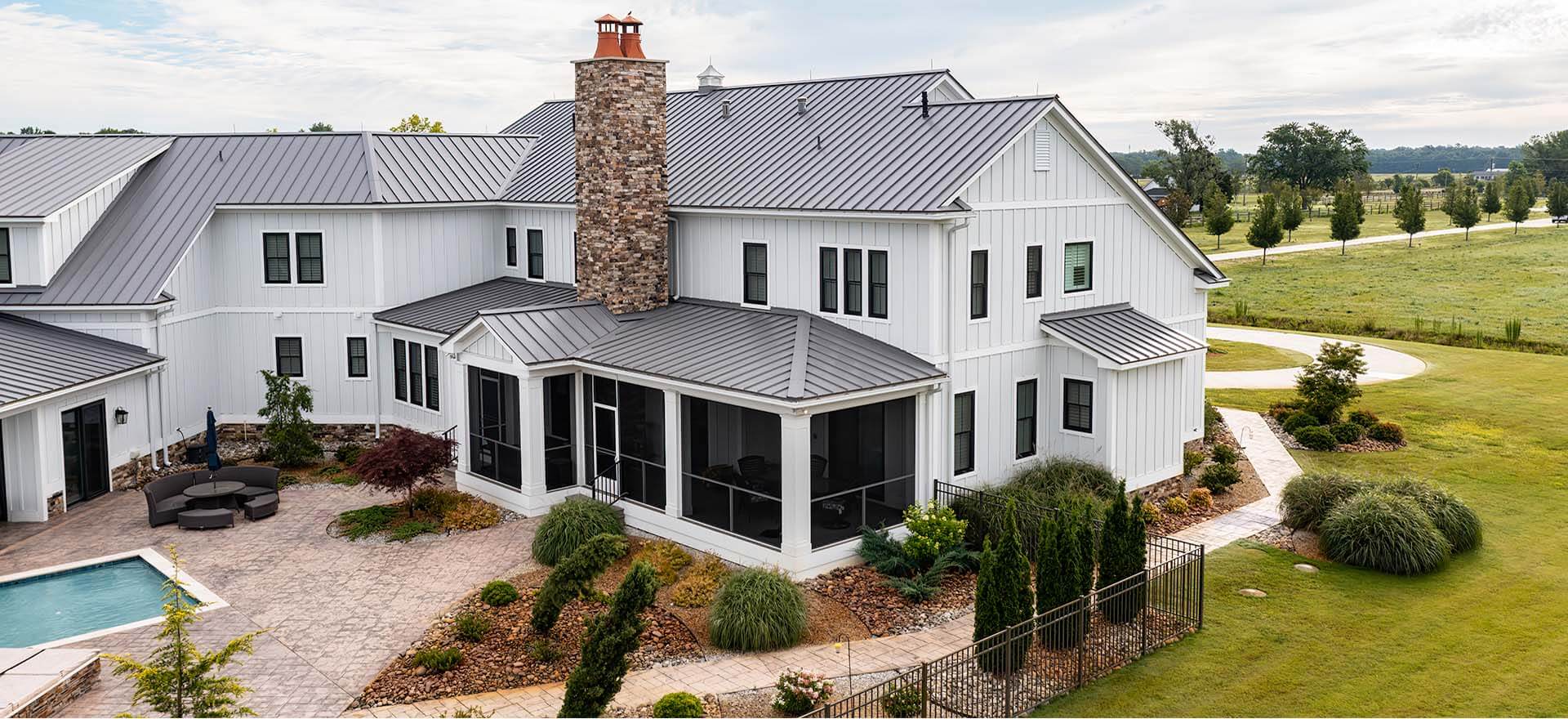
Signs Your Metal Roof Might Need Attention

Metal roofs are well known for being incredibly durable and long-lasting, often boasting lifespans of 50 or more years.

However, in regions such as Hampton Roads where severe weather and salt air are plentiful, metal roofs can still experience issues over time. While having a metal roof installed should give you some long-term peace of mind, there are still things you should keep an eye out for that may indicate it’s time for a repair or replacement. Fortunately, if you’ve had your metal roof installed by professionals to the manufacturer’s specifications, you should have a robust warranty in place that may cover the material and even the labor cost.

Here are some common problems that can occur with metal roofs and warning signs that indicate potential repair or replacement:

Leaks

Of course, like all roofs, an obvious leak is a sure sign that your roof needs attention. Look for water stains on the ceiling or walls, damp insulation in your attic and dripping water. On a metal roof, leaks are most likely to come from damaged or missing flashing, loose seams, or holes caused by corrosion or impacts.

Corrosion

Standard metal roofs can corrode over time, especially in areas like southeast Virginia with high humidity and exposure to salt air. That’s why proper metal roof material should be used near salt water. However, if the proper materials were not used and corrosion does occur, the signs will include rust spots, pitting, or flaking paint. In many cases, issues such as these are covered by the manufacturer’s warranty, so make sure to keep your paperwork and information on your roof in a safe place that you can easily access.

Loose Fasteners

Fasteners holding the metal panels in place can become loose over time due to thermal expansion and contraction or inadequate installation. Loose fasteners may cause panels to lift or shift, leading to leaks or structural issues. Fortunately, this is a relatively easy fix by a roofing professional that may also be covered under a warranty. While it’s a simple fix, it is also a very necessary one that should be taken care of as soon as the issue is identified.

Ponding Water

Improper installation or poor roof slope can result in water pooling on the roof surface, which can accelerate corrosion and lead to leaks. Ponding water may also indicate inadequate drainage systems. If installed by an experienced roofing contractor, issues like this should be avoided, but settling in the foundation of a home or damage to gutters or drainage systems may also have occurred since the roof installation, so call in a professional to inspect the issue and provide a long-term solution.

Dents and Damage

Metal roofs can sustain dents from hail, falling branches, or other impacts caused by severe weather. While small dents may not immediately affect the roof’s performance, larger dents or widespread damage may require repair or replacement before corrosion sets in. In some cases, an insurance claim may be necessary to cover the costs of these types of damages.

Andrews Roofing Can Help

If you notice any of these warning signs or suspect that your metal roof may have issues, it’s essential to have it inspected by a qualified roofing professional. Early detection and prompt repairs can help prevent further damage and extend the lifespan of your roof. Andrews Roofing is experienced and highly qualified to inspect, repair and replace metal roofing systems. Contact us today for more information.


read more

What to Know About Owning a Home with a Low Slope Roof

Owning or maintaining a house with a low slope roof comes with its own set of considerations and challenges.

While homes with a low slope roof are not as common as traditional A-frame or gabled roofs, they are still an important percentage of the home styles one finds in Southeast Virginia, especially near the beach. Because of their low slope, these roofs must be installed and maintained differently than higher pitched roofs. Whether you’ve owned a house with a low slope roof for years or are considering purchasing or building one, here are some critical things you need to know to keep your home’s health in tip top shape.

Drainage: Proper drainage is critical for low slope roofs to prevent water pooling, which can lead to leaks and structural damage. Regularly clean gutters and ensure downspouts are clear to allow water to flow freely off and away from the roof.

Material Selection: Choose roofing materials specifically designed for low slope roofs, such as built-up roofing (BUR), modified bitumen, or single-ply membranes like TPO or EPDM. These materials are more suitable for low slope applications and provide better protection against water infiltration. A good roofing contractor can point you in the right direction and let you know which materials make the most sense for the Tidewater, Virginia climate and conditions.

Inspection and Maintenance: Regular inspections are essential to catch any issues early on. Because of the nature of low slope roofs, it may be more difficult to assess the situation from the ground. Having a local roofing company inspect your roof on a regular basis or when you believe an issue may be occurring is critical to ensuring its longevity and preventing further damage.

Regular Cleaning: Keep the roof clean from debris, such as leaves, branches, and dirt, which can accumulate and prevent proper drainage. Regular cleaning can help prevent clogs and extend the lifespan of your roof.

Ventilation: Proper ventilation is important for any roof to prevent moisture buildup, but it’s especially crucial for low slope roofs where water may not drain as quickly. Ensure you have adequate ventilation in the attic space to prevent condensation and mold growth.

Ice and Snow Removal: Low slope roofs are more prone to ice dam formation, especially in colder climates. Ice dams can cause water to freeze and back up under the roofing material, leading to leaks and damage. Use roof rakes or hire professionals to safely remove snow and ice buildup during winter.

Professional Assistance: Consider hiring a professional roofing contractor experienced with low slope roofs for inspections, repairs, and installations. They can provide expert advice, manufacturer recommended and code-compliant installation to ensure the work is done correctly, which will ultimately prolong the life of your roof and meet your warranty’s standards.

Andrews Roofing Can Help

At Andrews Roofing, we have decades of experience in a wide variety of roofing styles including low slope and flat roofs. Whether commercial or residential, we can provide installation, maintenance, and replacement for your low slope roof. Contact us today to schedule your roofing estimate.

read more