


You’ve noticed a failure in your roofing system – whether it’s cracked or missing shingles, a full-blown leak, or product discoloration – and now you want to know what to do about it. The first question you may be asking yourself is whether this issue falls under your manufacturer warranty, your homeowner’s insurance, or neither? The answer decides who you call first and how the rest of the process goes.
Every manufacturer writes its own warranty terms, so the details can differ a bit. The general process of a claim is similar across most of them, though, and knowing that process ahead of time makes the whole thing less stressful.
Warranty Claim or Insurance Claim?
Start with what caused the problem. Manufacturer warranties exist to protect you against defects in the product itself. Homeowner’s insurance exists to protect you against sudden, outside events. Those are two different categories, and a damaged roof usually fits into one of them.
Signs that point toward a warranty claim:
- Shingles cracking, blistering, or curling well ahead of their expected lifespan
- Excessive granule loss that exposes the underlying mat
- Metal panels peeling, chalking, or losing their finish early
- Seams or fasteners failing on a roof that has seen no unusual weather or foot traffic
- Flat roof membrane splitting or delaminating without any impact damage
Signs that point toward an insurance claim:
- Hail damage, including dents, bruising, or fractured shingles
- Wind damage from a nor’easter, tropical storm, or hurricane, such as creased, lifted, or missing shingles
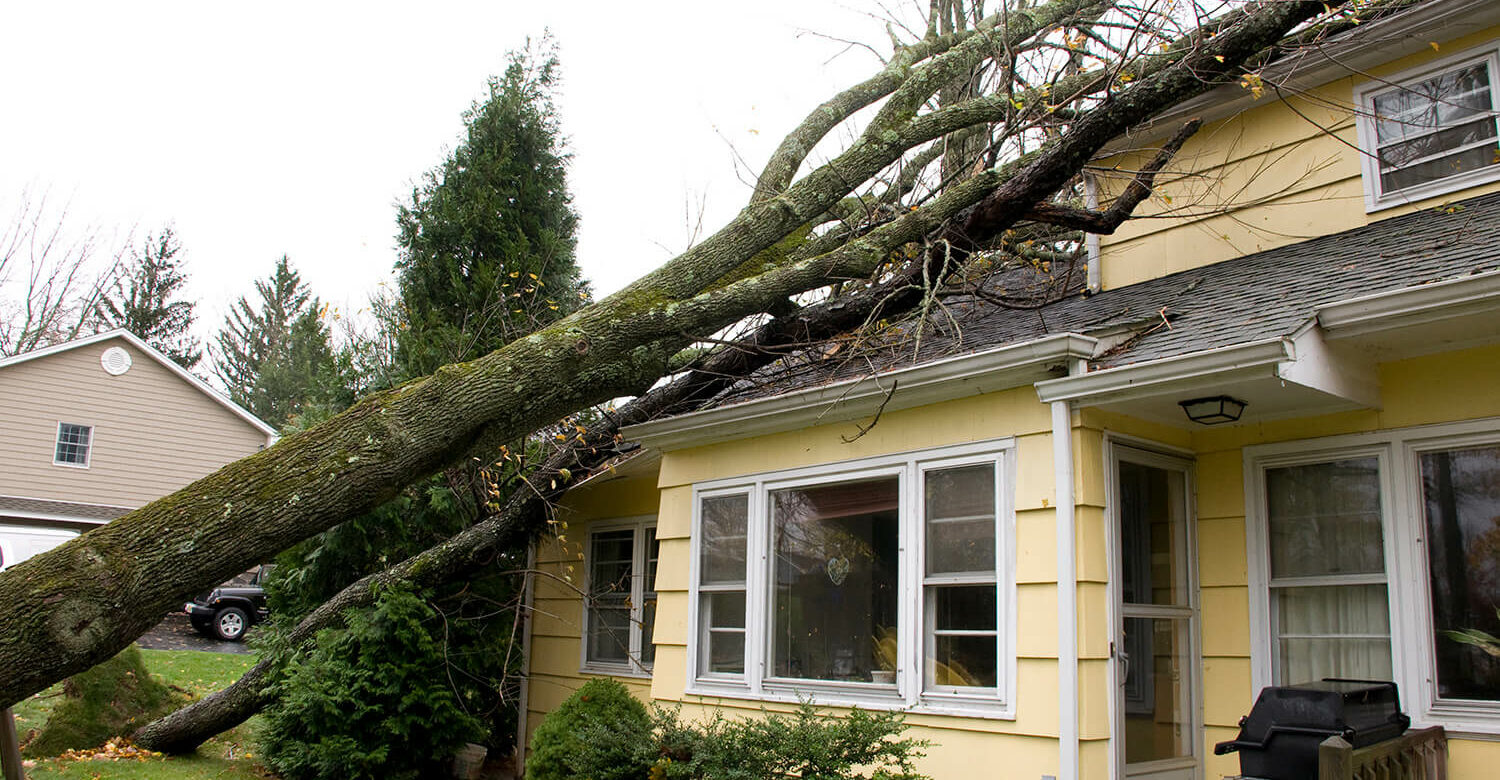
- A fallen tree or limb
- Storm-driven debris
- Fire or other sudden events
Coastal Virginia sees plenty of the second category, which is why it’s worth visually inspecting your roof after any major weather event. The sooner you can identify a problem caused by weather, the easier it will be to make an insurance claim and get it fixed. Warranty claims may be more gradual and less obvious.
Problems that often fall into neither category:
- Normal wear and tear near the end of a roof’s expected life
- Damage from pressure washing, foot traffic, or other maintenance mistakes
- Problems caused by poor attic ventilation, which many manufacturers treat as a condition that can void coverage
- Algae or moss staining on shingles without an algae-resistance warranty
- Installation errors, which are generally a workmanship issue covered by your contractor’s warranty rather than the manufacturer’s
That last item surprises many homeowners. A manufacturer warranty covers the product. A contractor’s workmanship warranty covers how it was installed. A roof can have both, and each has its own terms and its own claim process, so make sure to ask specific questions about workmanship warranties when talking to roof replacement contractors.
Step 1: Document Before You Do Anything Else
As soon as you notice a problem, take photos. Capture the damaged areas up close and the roof as a whole if you can do so safely from the ground. Note the date, any recent weather, and any interior signs like ceiling stains. Please stay off the roof yourself as it is dangerous, and walking on a damaged roof can create new damage that a manufacturer may later use to deny a claim.
Next, find your warranty paperwork. You will want your warranty certificate, your original contract or invoice, and any registration confirmation. If you have lost them, your roofing contractor often has copies on file.
Step 2: Call Your Roofing Contractor
Your contractor is usually the best first call, and the sooner you make the call, the better. A roofing professional can inspect the roof, work out the likely cause, and tell you which path makes sense. That diagnosis matters because filing the wrong kind of claim wastes time, and a denied claim can complicate things later.
Your contractor can also:
- Document the problem the way a manufacturer expects to see it
- Identify the exact product, install date, and warranty tier on your roof
- Handle the back and forth with the manufacturer’s claims department
Many warranties also require you to report a problem within a set period of time after you identify it. Waiting can put your coverage at risk, so don’t let it fall on the back burner. Once an issue is identified, avoid having unrelated repairs done on the affected area before the claim is reviewed. Altering the roof can give a manufacturer grounds to deny coverage.
Step 3: Submit the Paperwork
Typically a warranty claim will need to include:
- Proof of purchase and the original installation date
- The warranty certificate and proof that it was registered, if registration was required
- Photos of the problem
- A written description of when and how you noticed it
- Your contractor’s inspection report, if required (often this report will be done by the manufacturer themselves)
- Sometimes physical samples, such as a few shingles from the affected area
After submission, the manufacturer may send its own inspector or representative to evaluate the roof. This is routine and does not mean anything is wrong with your claim.
Step 4: How Payouts Work
Most manufacturer warranties compensate you by providing the necessary materials for your contractor. In some cases, they may also cover the cost of the labor for the repair, which they will usually pay directly to the contractor. Typically, a manufacturer does not cut the customer a check for the cost of the material or labor, but rather pays for the materials and services directly.
The total amount covered depends on the warranty’s structure. Many warranties are non-prorated for an initial period, which means full material coverage for a stretch of years. After that, they become prorated, which means the manufacturer covers a shrinking percentage of the material cost as the roof ages. A defect in year 4 and a defect in year 18 can produce very different payouts under the same warranty.
Does the Warranty Cover Labor?
Standard manufacturer warranties typically cover materials only. Labor to remove the old product and install the new product is often not included.
Some enhanced or system warranties do include labor for a defined period, and those usually require that a certified contractor install the full roofing system with specified components. Check your certificate to see which type you have. If you are unsure, ask your contractor. Knowing this before a claim happens lets you budget realistically for any gap between what the warranty covers and what the repair costs.
Step 5: The Repair or Replacement
Once a claim is approved, your contractor schedules the work. Depending on the problem, this might be a localized repair or a larger replacement. One component that will come into play is matching new materials to existing ones. Shingles weather over time, so replacement product may not look identical to the surrounding roof, and manufacturers do not always guarantee a perfect color match.
How Long Does a Claim Take?
It varies widely, but plan on weeks or months rather than days. Claims that need an inspector visit, lab testing, or extra back and forth can stretch to a couple of months or more. Complete paperwork up front is the best way to keep things moving, but patience will likely be required.
A Few Other Critical Points
- Transferability: If you sell your home, check whether the warranty transfers to the new owner and what steps or fees apply. This can be a real selling point.
- Registration: Some warranties, especially enhanced ones, must be registered within a limited window after installation. If that was missed, your coverage may be less than you think.
- Leaks have many sources: Flashing, vents, skylights, and chimneys cause plenty of leaks that have nothing to do with the roofing material. A thorough inspection sorts this out and is worthwhile so you don’t waste time on a claim that will never be covered.
- Keep records: Hold onto your contract, warranty certificate, and maintenance records. Good documentation makes every claim smoother. Ask your roofing contractor if they also keep copies of this information as a backup.
- Maintenance matters: Many warranties assume reasonable upkeep. Keeping gutters clear and attic ventilation working protects both your roof and your coverage. A good roofing contractor will ensure ventilation is appropriate at the time of installation, but if your home has undergone any remodeling or if you’ve noticed increased energy bills, it may be worth having a contractor inspect your ventilation system to ensure it’s keeping your roof safe and under warranty.
Where to Start
If you suspect a problem with your roof, a professional inspection is the fastest way to find out which category of claim you may need to make. At Andrews Roofing, we’re happy to schedule a roof inspection to help you sort out what kind of claim you may have and point you in the right direction. Contact us today.