

Leaks & Service Repairs

757-399-3066 ext 3 (Leaks & Service Repairs)

Reroof Estimates & Inspections

757-399-3066 ext 1 (Reroof Estimates & Inspections)

Tag: clean gutters

Resolve to Protect Your Home with a Seasonal Maintenance Checklist

Start the new year out right by checking a few important items off your home-maintenance to-do list.

Just like setting personal resolutions at the first of the year, resolving to take better care of your home, and especially your roof, is an investment that pays off all year long.

In Hampton Roads (HRVA), roofs face a unique combination of challenges: coastal humidity, salt air, heavy rain, high winds, summer heat, and the occasional winter freeze. Seasonal maintenance helps homeowners catch small issues early, protect their roofing system, and extend the life of their roof.

We’ve broken down your annual roof care into seasonal, home-owner safe checklists to make these tasks manageable and effective – without ever having to climb on the roof!

Winter: Monitor & Protect

While winter doesn’t usually bring heavy snow to Southeast Virginia, cold snaps, fluctuating temperatures and freezing rain can still cause issues.

Winter Maintenance Checklist

  • Watch for interior warning signs: Keep an eye out for water stains on ceilings or walls, peeling paint or unexplained humidity in certain rooms or areas.
  • Check attic moisture levels: Condensation or frost inside your attic may indicate ventilation problems, which could be fixed just by shifting insulation.
  • Monitor roof edges: Heavy icicles or uneven melting can signal insulation or airflow issues from the inside.
  • Avoid walking on the roof! Use a roof rake from the ground if necessary, never climb on icy surfaces.

Why it matters to HRVA: Our inconsistent winter temperatures can cause freeze-thaw cycles that even when brief can make existing cracks worse or create gaps around flashing.

Spring: Reset After Winter Weather

Even mild winters can leave behind hidden wear and tear, especially after wind events and fluctuating temperatures.

Spring Maintenance Checklist

  • Do a ground-level roof inspection: Look for missing, curling, or cracked shingles as well as visible damage around chimneys, vents, and flashing. Do a visual inspection to see if any sections of gutters have pulled away from the roofline and ensure all gutter downspouts are still securely attached.
  • Clean gutters and downspouts: Remove leaves, pine needles, and debris and ensure downspouts are directing water well away from your foundation.
  • Inspect attic ventilation: Look for moisture, condensation, or mildew and make sure soffit and ridge vents aren’t blocked by insulation.
  • Trim back trees and branches: Prevent damage caused by overgrown or loose limbs and reduce debris buildup during spring storms.

Why it matters to HRVA: Spring rains are frequent, and clogged gutters or compromised flashing can quickly lead to leaks if winter damage isn’t addressed.

Summer: Manage Heat, Humidity & Storm Exposure

Southeast Virginia summers bring intense heat, high humidity, and sudden thunderstorms – all of which put stress on roofing systems.

Summer Maintenance Checklist

  • Check attic insulation: Look for compressed, displaced, or damp insulation. Uneven insulation can trap heat and drive-up energy costs.
  • Monitor attic temperatures: Excessive heat may indicate poor ventilation – upper floors that feel noticeably hotter can be a warning sign.
  • Inspect roof for gaps: From the ground, check vent boots and flashing for cracking or separation.
  • After storms, perform visual checks: Look for new debris, shingle movement, or granules collecting near downspouts, which could signal shingle deterioration.

Why it matters to HRVA: High heat accelerates shingle aging, while humidity and poor ventilation can lead to moisture problems inside the attic—especially in older homes.

Fall: Clear, Seal & Prepare for Cooler Weather

Fall is one of the most important seasons for roof maintenance—and one of the best times to address minor issues, when the temperatures are more forgiving.

Fall Maintenance Checklist

  • Thoroughly clean gutters: Falling leaves can quickly cause blockages and backed-up gutters can lead to fascia damage and interior leaks.
  • Inspect flashing and seals: Pay special attention to chimneys, skylights, and vent pipes. Any loose flashing or separating seals are bound to invite issues when the winter temperature fluctuations start.
  • Check attic air sealing: Look and feel for drafts around attic hatches or recessed lighting. Drafty air or increased temperatures may indicate the need for insulation replacement or better sealing.
  • Schedule a professional roof inspection: Fall is ideal for preventative maintenance before winter weather arrives.

Why it matters to HRVA: Fall storms and lingering humidity mean small vulnerabilities can worsen quickly if left unattended.

Resolve to Protect Your Home

Resolving to care for your roof season by season is one of the smartest and easiest ways to protect your home’s structure, comfort, and value. Routine visual checks and preventative maintenance can help extend the life of your roof, reduce emergency repairs, and identify issues before they become costly problems.

Andrews Roofing is here for every season.

If your seasonal checklist reveals concerns, or if you’d simply like an expert set of eyes on your roof, Andrews Roofing offers professional inspections and maintenance services throughout the Tidewater region. Our team understands the unique demands of the local climate and can help keep your roofing system performing its best year after year. Contact us today!
read more

Hurricane Prep for Homeowners in Southeast Virginia

Hurricane season is an unfortunate, but familiar reality for homeowners in Hampton Roads and across Southeast Virginia.

Every year the local and national meteorologists take their best bet on how many storms we’ll have and how severe they may be, but anyone who has lived here long enough knows – you truly can’t predict the weather when it comes to tropical storm systems. But even if you can’t control how and when the storms will hit, there are things you can control around your own home —starting from the top down. Your roof and gutters are your first line of defense against high winds and heavy rain, and proper preparation can make a major difference in minimizing potential storm damage.

As we head into high hurricane season, when historically the storms in our region are the most frequent and severe, we’ve compiled some practical ways you can prepare your home, including steps that can help you in the event you need to file an insurance claim.

  1. Inspect Your Roof for Weak Points

Before hurricane season ramps up, schedule a professional roof inspection. A roofing contractor can check for:

  • Loose, missing, or damaged shingles
  • Exposed fasteners or flashing issues
  • Soft spots in decking that may indicate water damage
  • Signs of aging or deterioration in your roof system

If issues are found, addressing these small problems now, by having a professional do the repairs, can help prevent much larger issues if a storm rolls through. If major damage occurs, you’ll also have paperwork showing that your roof was recently inspected and/or repaired and so any subsequent damage was, in fact, caused by the storm itself. This can come in handy when filing insurance claims.

  1. Clean and Secure Gutters and Downspouts

Gutters play a critical role in keeping water away from your home’s foundation. Before a storm, clear out any leaves, sticks, or debris that may be clogging them. Also, check that your gutters and downspouts are securely fastened to your home—strong winds can easily tear loose systems away, creating projectiles that could cause even more damage. Consider installing gutter guards if you live in a heavily wooded areas where pine needles, leaves or other debris buildup is a recurring problem.

  1. Trim Overhanging Branches

Tree limbs that hang over your roof or gutters can break during high winds and cause serious damage. Trimming back trees from around your house before storm season will reduce the likelihood of branches penetrating and damaging your roof. It also reduces the impact of leaves clogging your gutters. Call out a professional tree company before the storms hit, because once they do, it could be months before any tree company in the area will have availability again.

  1. Document Your Roof and Home Exterior

If you’ve ever had to file an insurance claim for storm damage you know how important this step is. In the event of storm damage, having clear, up-to-date photos of your roof and home exterior can make the insurance claims process much smoother. Take detailed photos and videos of your roof, gutters, siding, and yard before hurricane season begins and before each major storm is predicted to come through the Tidewater region. Store them digitally in case you need to access them quickly. Having them on your phone is ideal, in case computers or other hardware is damaged or inaccessible.

  1. Review Your Insurance Coverage

Now is also the time to check your homeowner’s insurance policy. Make sure your coverage is current and that you understand what is and isn’t covered when it comes to wind and water damage. If necessary, update or increase your insurance coverage. This is especially important for homeowners without mortgages. While individuals with mortgages typically have to keep their insurance at a particular level to satisfy the lender, unmortgaged homes don’t have this requirement. If your home is paid off and it’s been a while since you’ve updated your coverage, now is the time to do so. Keep a copy of your policy and your insurance company’s contact information in a safe, waterproof location as well as in your phone for easy access.

  1. Schedule Regular Maintenance

The best preparation is ongoing care. Regular roof and gutter maintenance not only protects your home during hurricane season but also extends the lifespan of your roof. Consider setting up annual inspections with a trusted local roofing company to ensure your roof is always ready to face the elements.

Trust Andrews Roofing to Help You Weather the Storm

At Andrews Roofing, we’ve been helping Hampton Roads homeowners protect their homes for decades. From routine inspections to emergency repairs after a storm, our team has the expertise for our particular region to keep your roof performing at its best. If you’d like to schedule a roof inspection before hurricane season, contact us today.

read more

Spring Cleaning for Your Roof

Spring is here which means it’s time to throw open the windows, clear out the clutter and give your home a good spring cleaning.

Typically spring cleaning may look like purging your closet of items you haven’t worn in years, emptying and cleaning the fridge (and throwing out those ten expired salad dressings!) or even washing the windows, but there’s another part of your home that you probably don’t have on your list that could also use a good annual cleaning – your roof!

Particularly after a long winter, your roof needs some extra attention to ensure it is functioning optimally for all the spring showers and summer storms. Annual roof cleaning will extend the life of your roof as well, saving you thousands of dollars in the long run. Here are a few spring cleaning tips to keep your roof in tip-top condition.

Ditch the Debris
It’s not uncommon over the winter for leaves, sticks and other debris to build up on your roof, especially in any roofing valleys your home may have or around dormers. Removing the debris from your roof keeps anything from building up and causing mildew, or from damaging or even removing shingles. Debris can be removed from a roof while staying safely on the ground using a roof rake, which you can purchase online or at a hardware store for a small investment. If you are able to access parts of your roof from windows, you can use a roof rake or even a leaf blower while staying safely inside your home to remove debris from those areas. Whatever method you choose, just stay away from climbing on top of your roof on your own, as this is dangerous and better done by a professional with the appropriate safety equipment.

Trim the Trees
To keep additional vegetation and debris from building up on the roof once you’ve cleaned it, make sure the trees and other plants around your roofline are trimmed back. Tree branches that touch your roof can easily scrape up against shingles or flashing during a storm, removing or damaging them which can eventually lead to leaks. Call in a professional tree service for larger or taller trees so you don’t cause more damage to your home in the trimming process.

Clean the Gutters
Clogged or at least partially blocked gutters are nearly a given after the winter months. When gutters become clogged or obstructed, it can cause water to back up and seep under the eaves of your home, causing water damage and leaks. In the winter, clogged gutters can freeze and cause ice dams to form which can cause major damage to shingles and the gutter itself. Each spring it’s a good idea to call in a professional gutter cleaning service to remove any debris so that water can flow easily away from your roof and your home. It’s also a good idea to inspect the gutters, including downspouts to make sure that there are no punctures or other damage and that where the water exits the gutter is properly graded to move water away from your foundation.

Roof Cleaners
If your roof is plagued with mildew or dark stains, there are several different types of roof cleaning solutions available. Many of these cleaners come in containers that can be attached to the end of a standard garden hose, so you can spray the areas of your roof that are stained from the ground or a ladder (with assistance, of course). If you don’t feel comfortable doing this yourself, there may be professional roof cleaning companies in your area that offer this service. If you choose to tackle this yourself, just be sure to carefully follow any manufacturer instructions that come with the product.

If you find any issues with your roof during the process of spring cleaning, contact Andrews Roofing. We’ve helped homeowners in the Hampton Roads region extend the life of their roofs through proper maintenance and repairs and we also provide gutter installation and replacement services. We are very familiar with the types of issues and concerns that arise in homes in southeast Virginia, and we have decades of experience in how to make them right. Contact us today.

read more

Spring for Gutters

April showers might bring spring flowers, but they can also bring a lot of damage to your home if you’re not prepared.

Did you know that Virginia Beach and the surrounding Hampton Roads cities get an average of over 9” of rain during the spring season? And as the seasons change some of that precipitation comes in the form of severe weather, which can dump several inches of rain over the course of just a few hours. If you’ve lived in the Tidewater region long enough, you’ve surely been caught in one of those spring deluges.

Those same pop-up storms that can put a kink in your commute, delay your kids’ baseball games or ruin a nice day at the beach can also negatively impact your home. This is especially true if your home doesn’t have functional gutters.

Why Should Your Home Have Gutters?

Gutters play a critical role in protecting your home’s roof and foundation. When a roofline doesn’t have gutters, water sheets off the roof and straight down to the base of the house. This creates pooling water around your foundation which can cause long-term moisture damage. Moisture at the foundation level of your home can result in mold, mildew, termites and structural damage.

When water isn’t properly channeled off a roof, it can also cause water damage to the vertical surfaces of your house including walls and windows. Leaky windows, wood rot or discoloration can occur.

Gutters also protect your landscaping. By moving water through a downspout into a drain or appropriate area of the yard, you can help prevent erosion in your garden beds, losing costly topsoil, mulch or plants.

How to Maintain Your Gutters

Gutters should be cleaned annually or preferably semiannually. We always recommend using a professional company for this task as doing it yourself is dangerous and could result in serious injury.

When gutters are not cleaned out regularly, they can actually cause just as much damage as not having gutters at all. Water will sheet over a filled gutter, causing the same problems as we mentioned above. Clogged gutters can also cause water to back up toward the roofline, pushing water up underneath shingles and potentially damaging your roof’s decking.

In addition to having gutters cleaned out each year, make sure all gutters are securely attached to the roofline and all downspouts are secured to the corners or sides of your house. Check to see that the areas where the downspouts direct water is clean and cleared as well as directing water away from your home’s foundation.

Inspect gutters and downspouts from the ground for holes or punctures. These could cause water to leak onto the sides of your house or into your windows. If you notice a gutter has any damage, contact a local roofing company or other licensed contractor who is experienced in gutter installation and repairs.

What to Look for in a Gutter

Not all gutters are created equal. In precipitation-prone areas like coastal Virginia, high-capacity gutters can be particularly useful. If you’re installing or replacing the gutters on your home, look for a system like our Rapid Rain Gutter System™ that has a high-volume control of water flow but is designed to look like a traditional 5” gutter.

Pay attention to the metal quality and thickness – you don’t want anything that is so thin that you have to worry about punctures from trees or other debris during storms. You’ll also want something that is visually appealing next to the siding or brick on your home as well as your roof color, so look for a manufacturer that offers a wide variety of colors. Make sure the material is covered under a warranty, even for things like scratches, which can quickly become rusted and unsightly.

You may also want to look into some type of gutter guards, especially if your home is surrounded by trees or other vegetation. Our MicroGuard system has over 48 perforations per square inch to keep out the smallest debris while allowing water to flow through easily.

Where to Go for Gutters

Always use a licensed and insured contractor for gutter repairs and installation, and make sure their work and products are warrantied and that they have an upstanding reputation in your local community.

At Andrews Roofing, we provide installation and maintenance of our Rapid Rain Gutter Systems™, and we stand behind the product with a lifetime ScratchGuard™ guarantee and our reputation for quality and satisfaction. Installing gutters is a smart investment that can prevent costly repairs and help maintain the value of your home. Contact us today for more information about installing gutters on your home.

read more

Is Your Roof Ready for Summer Storm Season?

Summer storm season is upon us in Hampton Roads.

While plenty of attention is paid to hurricane season and tropical storms, there are other types of summer storms on the Eastern Seaboard that can cause their fair share of damage as well.

Tornados

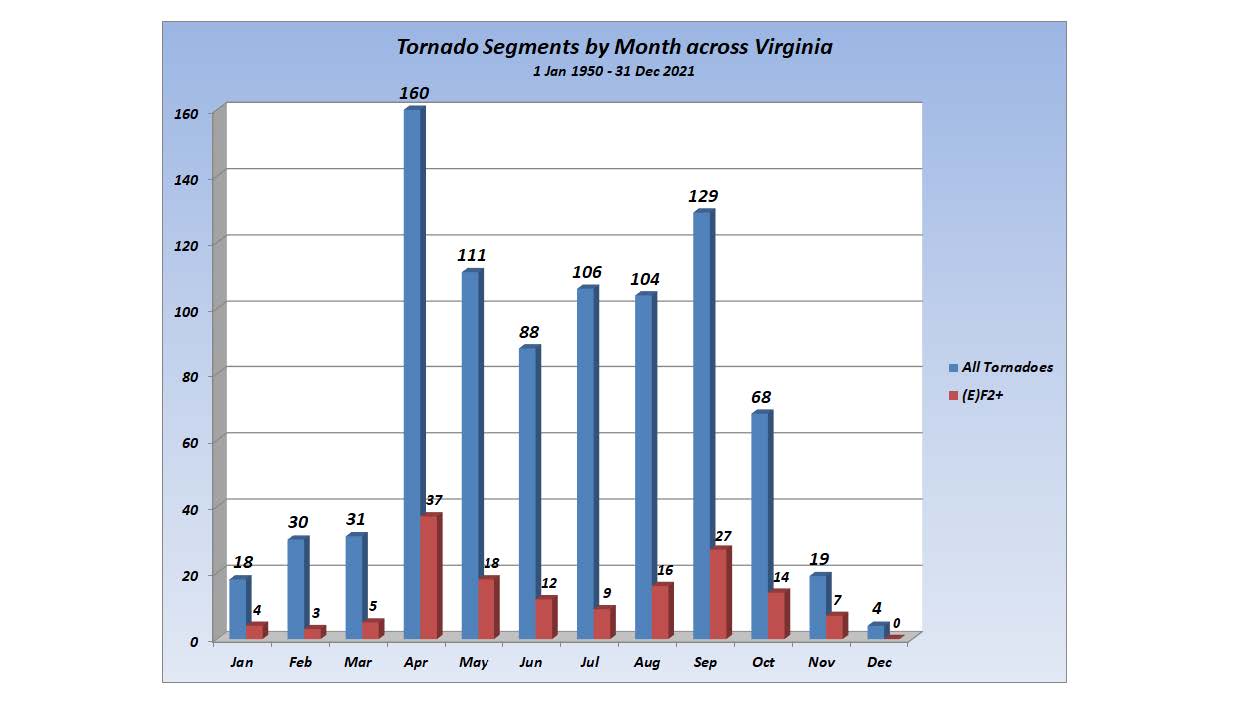
According to the National Weather Service, tornado season spikes in Virginia from April to September. April has the highest number of tornadoes on record: between 1950 and 2021 Virginia saw 160 tornadoes in the month of April alone, 37 of which were (E)F2 or higher. While the vast majority of those tornadoes are (E)F0 or (E)F1, they can still cause plenty of exterior damage to property.

Derechos
In addition to tornadoes, summer storms often bring with them derechos. The national weather service defines these storms as “widespread, long-lived wind storms associated with bands of rapidly moving showers or thunderstorms.” These storm systems can cause just as much damage with their straight-line winds as a tornado does with its cyclical wind.  On June 29, 2012, Virginia was hit with one of the most destructive derecho storms on record. Dominion Energy reported it as the third worst storm to hit Virginia, leaving one million people in the state without power.

Flooding

Flooding – from any type of storm system – is the most common and costly natural disaster, according to the Virginia Department of Conservation and Recreation. You can find out whether or not you live in a flood zone, and in exactly what area of a flood zone through the Virginia Flood Risk Information System. And as our region’s name implies, Tidewater is even more impacted by flooding due to high tides that coincide with heavy rain.

While these facts and figures can be scary, it’s best to understand the risk to your home and property in advance so that you can be as prepared as possible. Having a comprehensive home insurance policy and flood insurance where necessary is a great start. But to avoid having to make an insurance claim or out-of-pocket costly repairs, prevention is key.

Unfortunately, in the case of severe weather, your roof is often the most vulnerable part of your home due to its location and sheer surface area. And of course, roof damage isn’t ever just roof damage. Leaks and holes can cause interior water and property damage. Clogged, missing or damaged gutters can cause foundation issues. Even loose flashing or shingles can cause impact damage to other parts of your home.

So how can you prepare your home’s roof for summer storms?

First, give your roof a good visual inspection. Walk the entire perimeter of your property, paying attention to shingles, flashing, vents, and gutters. Remember to also check the roofs of any exterior buildings on your property such as sheds, pool houses or workshops. These structures also need regular roofing maintenance and, depending on their use, disrepair can lead to costly property damage.

If gutters are clogged, have them cleaned out. This can prevent overflow which can lead to foundation sagging and water damage or basement flooding. If you see any loose or missing shingles, call a qualified roofing company to make an immediate repair. Even one or two missing shingles make all the other shingles around it substantially more vulnerable to being blown away. Loose or missing flashing also calls for an immediate repair as these can become dangerous and destructive projectiles. Have all work done by a licensed, professional roofing contractor and keep all your paperwork on hand in case you need to make a warranty or insurance claim if damage does occur.

If your roof needs some preventative repairs or maintenance in preparation for this summer’s storm season, contact Andrews Roofing today. We have served the Tidewater area for years and know the unique needs and requirements of homes in this region.

read more

How to Protect Your Roofing Investment

A new roof may be one of the largest investments you make in your home.

So, once you’ve made that upgrade, it’s important to protect it. Most people don’t spend much time thinking about their roof – until something goes wrong. But some forethought and a little regular maintenance can extend its life and the value you get out of it. Here are a few tips on how to extend the life of this important home investment.

Keep those gutters clean

One of the most critical things you can do to help your roof remain healthy and stable is to keep your gutters clean and clear of debris. When gutters are clogged, water can push up under the shingles, causing rot and damage to the sheathing below. Clogged gutters can also cause excess water to fall off the edge of the gutter and right toward your home’s foundation. Over time, this can cause foundation cracks, moisture damage, termites, basement flooding and more.

While it’s critical to keep your gutters clean, it’s also important to stay safe. If you plan to clean your own gutters, always do so with another person who can stabilize the ladder while you clean. Otherwise, find a locally owned and operated company who provides professional gutter cleaning services and get on their schedule for regular seasonal or semi-annual maintenance.

Do a regular visual inspection

A simple visual inspection once a month, or right after large storms, can help identify potential trouble spots. Things to look for include cracked or curled shingles, missing flashing, loose shingles or flashing, or mold or mildew build up on shingles. Inside your home you can do regular visual inspections in your attic or crawl space. Check for damp areas, excessive drafts, and of course – obvious holes or water damage.

If you see any of these issues, give your roofing contractor a call. There may be warranties on your roofing materials that could help solve the issue. If there has been true damage to your roof or interior, it may also be time to call your insurance agent.

Keep your roof clean

In addition to being unsightly, areas of mold, mildew and algae on your roof can actually lead to more serious damage. Mildew can cause shingles to warp over time, losing their stability and protective purpose. It can also be indicative of worse water damage to your roof’s sheathing. We do not recommend cleaning your roof yourself, as this can be a dangerous activity. Find a qualified, professional cleaning service who can do this for you on an as-needed basis.

Trim your trees

One of the best ways to prevent damage to your roof is to keep the trees and landscaping around your roof trimmed and maintained. Trees with overhanging branches should be cut back by a professional tree service as should any nearby dead or dying trees. After any major storms, check the trees on your property to make sure no branches have broken and gotten caught up on lower limbs – these can become damaging flying debris in the next storm.

Keep an eye on your attic

Your attic is the foundation of a healthy roof. It provides two critical elements for a long roof life: ventilation and insulation. Proper ventilation in your roof, along with appropriate insulation, eliminates moisture build up that can combine to cause rafters and sheathing to rot, shingles to buckle, and insulation to lose its effectiveness. A licensed contractor can help if you think either of these two things may be lacking in your attic.

Call a professional roofing company

If your self-inspections reveal any of the issues mentioned above, it’s important to call a local, licensed roofing company. Roof repairs are too serious and potentially dangerous to be DIY. Protect the rest of your home by maintaining a healthy roof alongside a trusted roofing company.

If you’ve noticed any issues with your roof, or would like to have your roof inspected for damage and deterioration, contact Andrews Roofing today. We’d be happy to come out to your home and help determine what your next best steps are – whether that’s a roof repair or replacement.

read more