

Leaks & Service Repairs

757-399-3066 ext 3 (Leaks & Service Repairs)

Reroof Estimates & Inspections

757-399-3066 ext 1 (Reroof Estimates & Inspections)

Category: Skylight

How Skylights Impact Your Roof Health

Skylights sometimes have a bad reputation for being a common source of leaks.

While it’s not always fair to point the finger at skylights right away, the reputation isn’t random. A skylight is a hole cut into the one part of your building designed to keep water out, and anything that interrupts a roof surface needs to be installed and maintained carefully. When it is, a skylight can last for decades. When it isn’t, it becomes an easy source of water penetration that can cause loads of damage above and below it.

Remember: Skylights Are Roof Penetrations

The most useful way to think about a skylight is the way a roofer does: it is a penetration, in the same family as a vent, a chimney, or a pipe. Every penetration is a spot where the roofing material has to be cut, and the watertight seal depends on flashing and proper installation rather than on the roof surface itself.

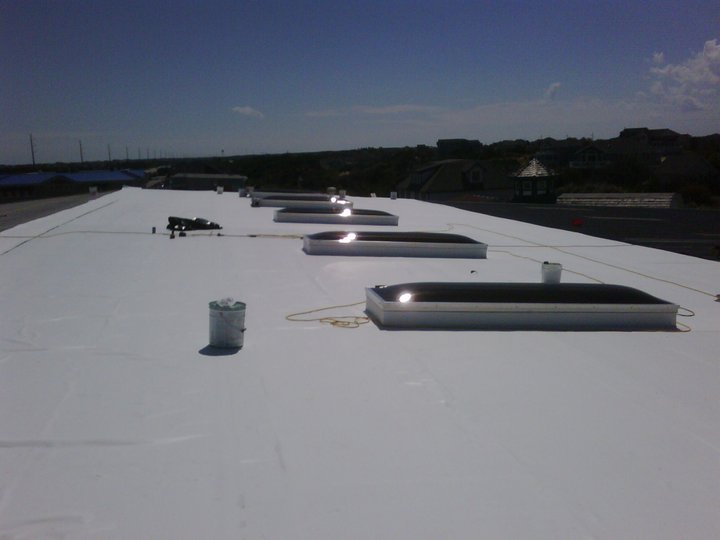
Skylights are used in commercial and residential roofs alike, although in vastly different capacities. A home might have one or two over a kitchen or hallway. A warehouse might have dozens, sometimes 75 or more, to bring in daylight and cut down on lighting costs. Some are there for function, some for looks, and many do both.

Skylights come in a few different styles:

  • Flush (deck-mounted) units sit close to the roof surface and are common on homes.
  • Curb-mounted units sit on a raised frame built up from the roof deck. These are common on low-slope and commercial roofs, where raising the unit helps keep water from pooling around it.
  • Custom-built skylights are made to fit unusual shapes or sizes. Because they are one-off designs, the flashing is often custom as well.

Beyond the mounting style, there are fixed and opening models, multi-panel units, tinted glass, built-in blinds between the panes, and remote-controlled operation. Manufacturers like Velux offer many of these as stock products, along with flashing kits designed to match specific roofing materials.

How Skylights Can Affect Roof Health

A roof is a system. Shingles, membrane, or metal panels shed water across the surface, and the flashing details handle the places where that flow gets interrupted. A skylight is simply one of these interruptions, and each one needs to be installed well and maintained to ensure the system works correctly.

There are three big things to keep an eye out for if your building has skylights:

  1. They collect water and debris. On the uphill side of a skylight, water has to divert around the unit. Leaves, pine needles, and debris can build up there, keeping moisture and eventually algae or mold against the flashing, which is a familiar problem in tree-heavy neighborhoods across Virginia Beach, Chesapeake, and Suffolk.
  2. They move differently than the roof. Glass, frames, and flashing expand and contract with temperature swings at different rates than the surrounding roofing. Over years, that movement can loosen seals. This is why maintenance is key.
  3. They age on a different schedule. A skylight may be installed along with a roof, or years later. Its seals, gaskets, and flashing may reach the end of their useful life earlier or later than the roofing around it.

Common Skylight Problems
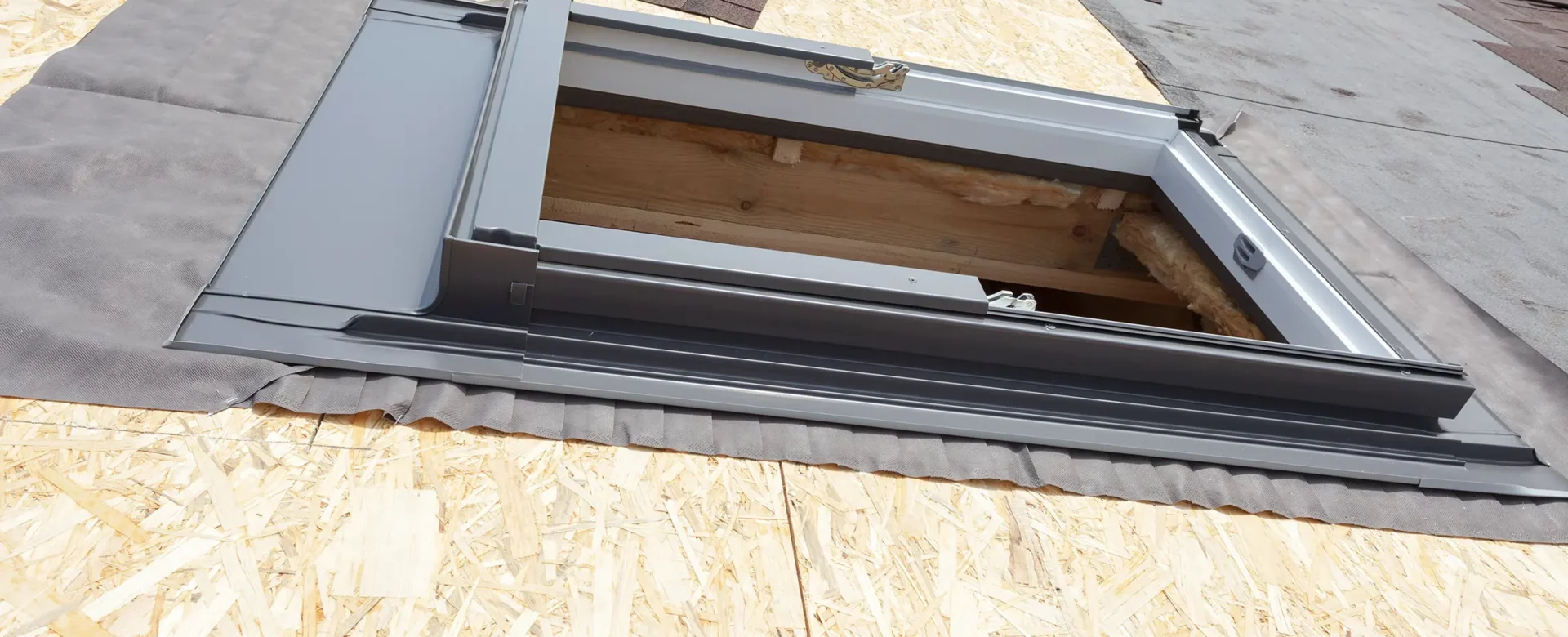
Failed flashing. This is probably the most common issue we see. Flashing can lift, crack, corrode, or separate from the roof surface. If a sealant was used as a shortcut or fix, rather than true flashing, it can dry out and fail quickly.

Broken or cracked glass or glazing. Storm debris, falling limbs, and hail can damage the glass. In a coastal region with regular nor’easters, tropical systems, and regular severe weather, this is a realistic concern. A cracked pane lets water in directly, and it can also compromise the unit’s seal.

Seal failure between panes. In double-pane units, a failed seal can show up as fogging or moisture trapped between the layers. This may be a signal that the unit is aging and ready to be replaced.

Condensation. Humidity is a fact of life in Hampton Roads. Condensation on the inside of a skylight can look like a leak, even when it’s just condensation. But repeated moisture on the frame and surrounding drywall deserves a closer look, because it can also hide a slow leak or indicate some type of insulation or airflow solution is needed.

Mismatched or reused flashing. A flashing kit that doesn’t fit the unit or the roofing material can leave gaps that water will always find. Reusing an old kit during a roof replacement can work in some cases, but only when it is still in good condition and compatible with the new roofing.

Maintaining Your Skylights

You don’t need to climb on the roof to catch most skylight problems early. A few checks from the inside and the ground go a long way:

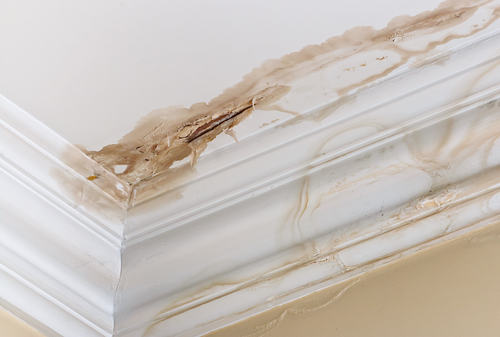
  • Water stains, discoloration, or bubbling paint on the ceiling or the light well around the skylight
  • Drips during or after heavy rain, especially wind-driven rain
  • Moisture or fogging between glass panes
  • Cracks, chips, or gaps in the glass or the frame
  • Visible debris piling up around the skylight from the ground, a window above, or a safe vantage point
  • Flashing that looks lifted, bent, or rusted
  • Dark staining or mildew on nearby ceiling or wall surfaces

It also helps to have the skylights looked at after a major storm and during any routine roof inspection. Skylights are easy to forget about, and small flashing issues are a much easier repair than the interior damage that follows a long-term or major leak.

Repairs around a skylight usually come up in one of four situations: the glass has broken, the flashing has failed, a skylight is being cut in and added to an existing roof, or the skylight is part of a larger roof replacement.

Reroofing Around Skylights

A roof replacement is the best opportunity to get skylights right, since the roofing around them is already coming off. A careful crew will take these steps:

Evaluate the skylight first. Before any new roofing goes down, the crew checks the unit itself: the glazing, the frame, the seals, and the curb if there is one. If the skylight is near the end of its life, a roof replacement is the cost-effective time to swap it, since the access and labor will overlap.

Decide whether to reuse or replace the flashing kit. Depending on the unit and its condition, the existing flashing kit may be reusable. In other cases, a new kit or custom solution is the better choice. Either way, the decision should be based on condition and compatibility with the new roofing material, and not on convenience.

Follow the manufacturer’s specifications. Skylights are installed per the manufacturer’s instructions, and that matters for both performance and warranty. For example, Velux publishes specific flashing requirements for different roof types, and following them keeps the installation sound and warranty intact.

Integrate the flashing with the new roof. Flashing is layered with the roofing to efficiently move water away from penetrations. On low-slope commercial roofs, curbs are flashed into the membrane with details designed for that material.

Check the curb or framing. On curb-mounted units, a solid, properly built curb is part of what keeps the installation watertight. Damaged or deteriorated curbs get repaired before the new roofing is tied in.

Adding a New Skylight

Installing a skylight on an existing roof means cutting an opening in the deck, framing it properly, setting the unit, and flashing it into the surrounding roofing. It is a more involved job than it seems from the inside, which is why placement and planning matter. Roof pitch, rafter or truss layout, and the type of roofing material all affect what style and flashing approach will work. A contractor may take the lead on a project like this, but a roofing specialist will likely need to be involved at some point as well.

Andrews Roofing Can Help

Skylights bring in loads of natural light, and with the right installation and a little attention, they can do it for a long time without causing problems. When installed and maintained well, they can be a major design highlight or energy efficient winner.

But, if you have a skylight that is leaking or showing signs of age, or if you plan to replace your roof that has existing skylights, the team at Andrews Roofing is experienced and well versed in products, installation and what works best for our Coastal Virginia climate. Contact Andrews Roofing today to get started.
read more

Shopping for a new house? Don’t forget to look up!

When potential home buyers are house shopping, they tend to focus on a home’s interior features, its location, neighborhood, and general curb appeal.

But one thing you should never overlook in a listing is a home’s roof. As an essential structural component of any home, a roof is one of the largest investments owners can make. In today’s cut-throat, competitive housing market, buyers are often willing to waive home inspections to have their offer considered over others. But this is never a good idea – buying a home without knowing about the condition of its roof is a risk that could cost you tens of thousands of dollars.

So, what should you look for as you leaf through those listings? Here are just a few considerations for prospective homebuyers when evaluating a property’s roof.

  1. Age: The age of a roof can tell you a lot and is perhaps the most important fact to know about it in advance. An older roof may be nearing the end of its lifespan and could require costly repairs or replacement soon. Look for signs of wear and tear such as missing or damaged shingles, sagging areas, or water stains on the ceiling. If the listing doesn’t say the roof’s age, have your real estate agent inquire about it.
  2. Material: Different roofing materials have varying lifespans, maintenance requirements, and durability. Most commonly in the Hampton Roads region you’ll see architectural asphalt shingles. But there are also metal roofs, clay tile, wood shake, and even synthetic recycled materials. Consider our local climate and what makes the most sense for your lifestyle and the home’s location when assessing roofing materials and whether you’re ready to take on their care.
  3. Leaks and Water Damage: Water damage can lead to extensive structural issues and mold growth. During a home inspection, carefully examine the interior ceilings, walls, and attic for any signs of water stains, mold, or mildew. Additionally, look for evidence of leaks around skylights, chimneys, vents, and flashings. All of these things can point to a roof that at best needs repairs and at worst needs to be completely replaced.
  4. Gutters and Drainage: Proper slope and drainage is essential for preventing water from pooling on a roof and causing damage – this is especially important in low slope or flat roofs. Likewise, gutters keep water from running off the roof and toward the foundation of a house, causing water damage that can affect a home’s overall structure. Inspect the gutters and downspouts for debris buildup, corrosion, or damage. Ensure that they are securely attached and effectively channel water away from the foundation of the house.
  5. Ventilation: Adequate attic ventilation helps regulate temperature and moisture levels, prolonging the lifespan of the roof and preventing issues like ice dams and mold growth. Check for vents along the eaves, ridge, and soffits, and ensure they are clear of obstructions. Improper ventilation can not only reduce the lifespan of a roof, but also dramatically increase your utility bills.
  6. Previous Repairs or Replacements: Inquire about any past roof repairs or replacements and obtain documentation if available. A well-maintained roof with a history of regular inspections and maintenance is sure to be in better condition than one that hasn’t. A roof that was recently replaced likely has material or workmanship warranties. Having the information about that is critical in case you need to make a future claim.
  7. Professional Inspection: While an initial visual assessment of the roof is something you can do yourself while touring a home, hiring a qualified roofing contractor or home inspector for a thorough evaluation is highly recommended. They can identify hidden issues, assess the overall condition of the roof, and provide insights into potential maintenance or repair costs. Don’t skip this step!

Andrews Roofing Can Help
If you’re in the process of purchasing a new home in the Tidewater area and you’d like a professional roof inspection done by a licensed roofing contractor, contact Andrews Roofing. We can give you the peace of mind that your investment is a solid one and keep you from financial heartache down the road.

read more

How To Deal With Water Stains on Your Roof

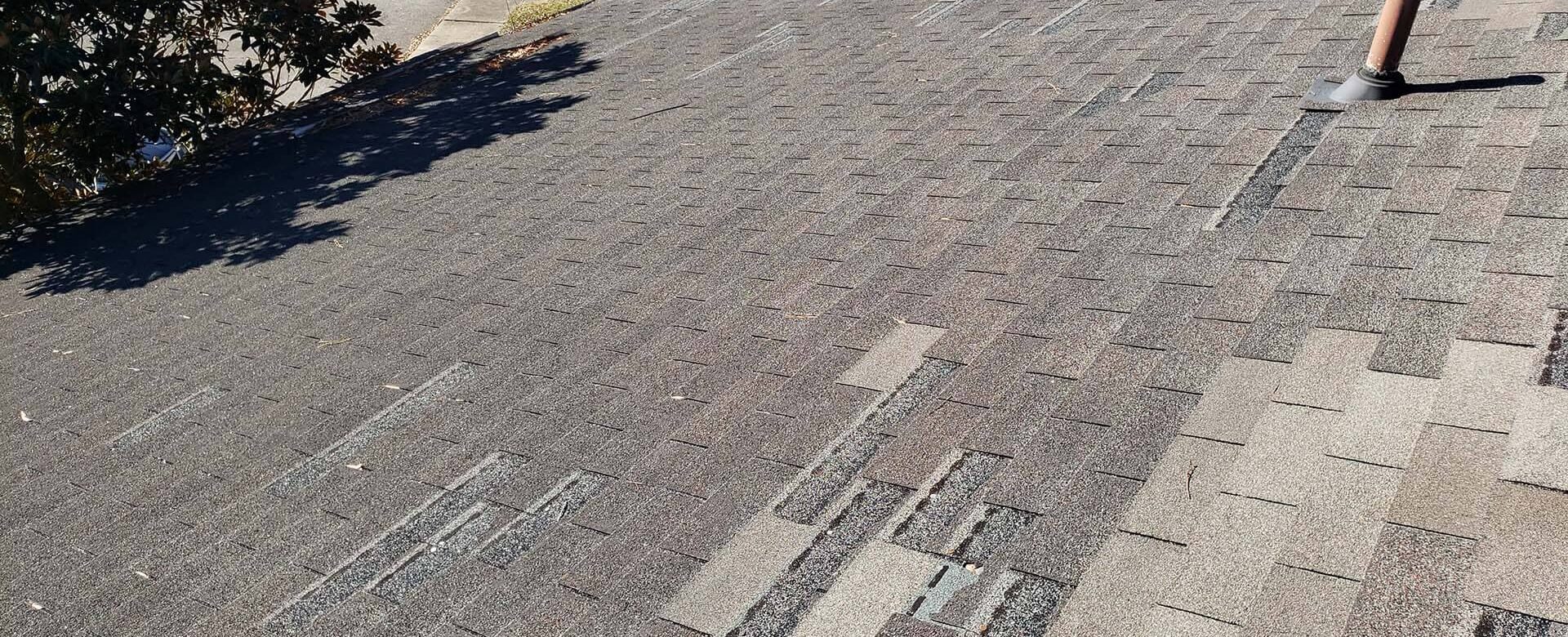
When the outside becomes treacherous, a solid roof is your first line of defense against the elements. You can imagine how disheartening it is when the protective covering of your home starts to change in appearance—a clear indicator that your roof is feeling the impact of inclement weather over time. Water is among the most common causes of aging in a roof, leaving unsightly moisture stains that threaten to compromise the security of your house if left untreated. Consider the color of water stains and extent of damage when coming up with a solution for your roof.

Black or Green Roof Stains

Black or green water stains on your roof indicate growing organisms, such as algae or moss. The presence of constant moisture and sunlight makes for a delicious and cozy harvesting area for such microscopic tenants. They can lock in unwanted dampness or invite other, larger creatures to wreak havoc on the top of your house. Power-spraying or scrubbing the problem on your own is possible, but likely to cause further, irreparable damage.

White or Yellow Roof Stains

White or yellow discoloration on your roof suggests hard-water buildup from an air conditioner or evaporative cooler. This type of staining often occurs on lower areas roof beneath cooling units and sticks out like a sore thumb. Similar to algae-type staining, attempting to scrub or power-wash will probably make things worse. Rather, you can try fading the damage with a vinegar solution, which works to gradually dull mild stains without risk to the plants or animals around your home. Be careful of any harsher home remedies, as they can become dangerous if mishandled.

When in doubt, professional roofing companies are better equipped to eradicate roofing stains with special chemicals, sealers or new repellent shingles when necessary. Expert solutions work quicker and last longer, saving you the hazardous trip up the ladder. Call Andrew’s Roofing at 757-296-2897 or use our contact page for more information.

read more

Install Skylights the Right Way

Skylights introduce beautiful, natural lighting into your business or home. Of course, like any window, you have to install your skylight properly to avoid future problems. Improperly installed skylights often leak water or allow the outside temperatures in. Here is how you need to install a skylight to avoid common issues.

Leaking Skylights

A professional contractor won’t leave you with a leaky skylight. A properly installed skylight is going to have tightly sealed joints. A contractor may even mount the frame above the roof’s surface so that leaks are less likely.

Controlled Temperature

If you install the skylight yourself, you’re more at risk for less temperature control. In the summer, you want to keep the cool air in, while in the winter, you want to retain heat but also allow the sun to beat down on the glass. The way that contractors make sure your skylight helps keep your temperature under control is by installing it at the right slope. Often, they will use a skylight that has a tilted base.

You want a skylight that has a slope equal to your latitude plus five to 15 degrees. Of course, a professional may also install blinds or shades so that you can further control the amount of light and heat that you allow into your building. Now, if you think that you would benefit from a skylight that opens like a window, you can have that too.

Use a Professional

When it comes to installing a skylight, you need to have a professional on hand. When you install a skylight improperly or poorly, it can lead to worse problems. Leaking skylights lead to water damage, whereas temperature control can help you save on your energy bill. While many people swear by DIY projects, there are certain aspects of construction like windows and skylights that you should always look to a professional for help with.

Do you have a roofing need at one of your properties? Contact Andrews Roofing today by calling (757) 296-2897 or sending an email to [email protected] to get a free estimate for your next project. To learn more about our roofing services, please click here.

read more