


Many commercial buildings are designed with flat or low slope roofs which are doing one simple thing: keeping the weather out.
Of course, that’s the most important thing for a roof to do, but it’s not the only thing it can do. And in Hampton Roads’ competitive business environment, using every single square foot available can give a business a real leg up.
Walkable roofing pavers can give owners of commercial structures a competitive advantage in a variety of ways. The same system that turns a residential flat roof into a rooftop terrace works just as well or better at commercial scale, where the return on that square footage can be measured in additional revenue, higher occupancy, better tenant retention, or simply a stronger competitive position in the market.
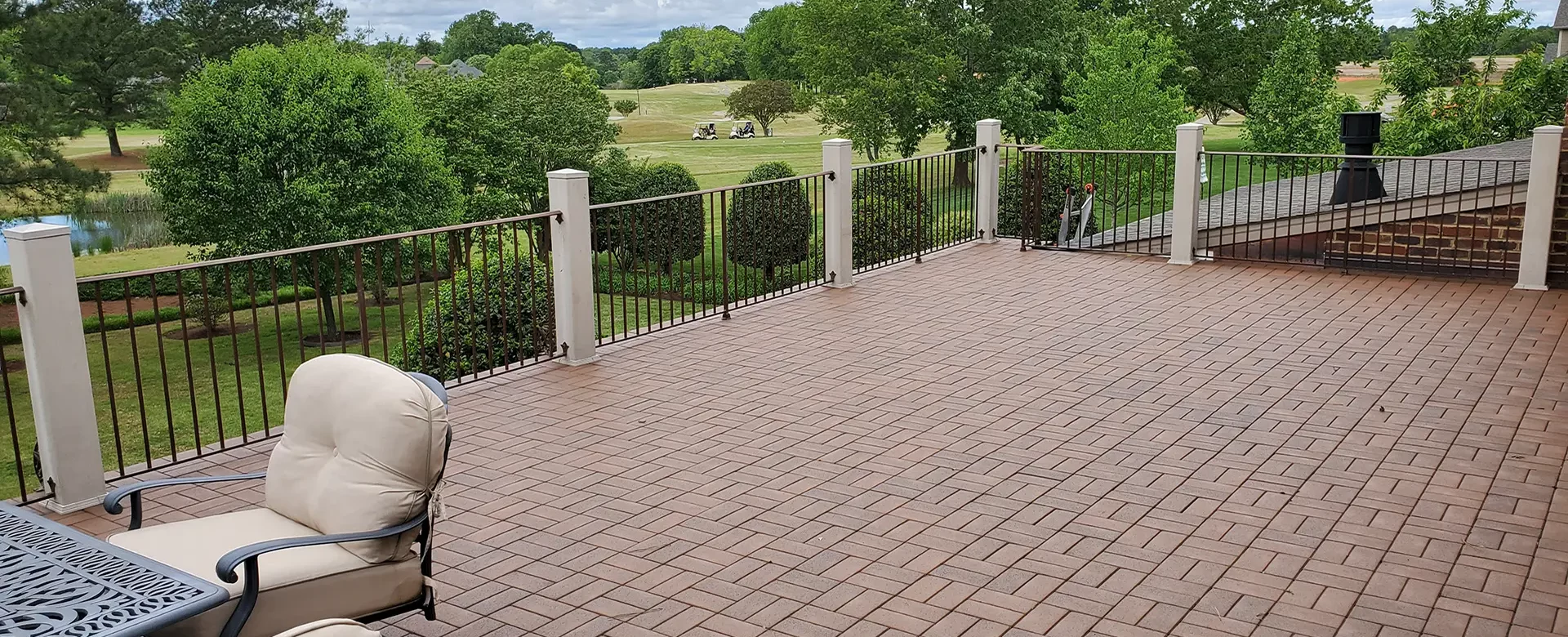
The concept is straightforward: a waterproof TPO membrane goes down first (and is possibly already on a no slope commercial grade roof), followed by a drainage mat, and then durable rubber composite paver squares are set on top. They aren’t permanently adhered, which means individual squares can be lifted, repositioned, or replaced without disturbing the roof below. The result is a stable, attractive, fully walkable surface that protects the roof underneath while turning dead square footage into usable space.
If you want the full technical picture on how the system works, we covered it in an earlier post. Here, we want to talk about what’s possible when commercial property owners start looking up and thinking about their roofs differently.
Restaurants: More Capacity, Same Rent
Expanding a restaurant’s seating capacity is one of the hardest and most expensive moves an operator can make, unless you go up rather than out. A rooftop dining terrace adds seats without adding to the lease footprint, – a nearly impossible thing to accomplish any other way.
In Hampton Roads, where spring and fall offer some of the best outdoor dining weather on the East Coast, a rooftop terrace extends the revenue-generating season well beyond the summer months. A rooftop bar creates its own draw for guests who come specifically for the experience of the space, not just the menu. For restaurants looking to differentiate in a crowded market, the rooftop vibe is hard to replicate.
Keep in mind: commercial restaurant installations require attention to load capacity, drainage, safety railings, and permitting, but these are all navigable with the right contractor and a little lead time in the planning process.
Hotels: High End Amenities
For hotels, amenity space goes beyond function and becomes a true marketing asset in a crowded tourist industry like we have in Virginia Beach. A rooftop terrace will show up in photos, reviews and in the mental checklist travelers run through when choosing where to stay. Boutique and mid-scale properties that can’t compete with large resorts on square footage or ocean frontage can use a rooftop installation to punch well above their weight on a unique experience.
This is particularly true for smaller oceanfront and ocean-block hotels in markets like Virginia Beach. A hotel that sits one or two streets back from the water may have limited or no ocean views from its standard rooms or ground-level common areas. A rooftop terrace changes that, providing a legitimate “ocean view” space on the property, which opens up amenity language and marketing that wasn’t available before.
Beyond the view, rooftop spaces can be booked for private events, corporate gatherings, and weddings, providing a revenue stream without a significant increase to overhead.
Multifamily Residential: One More Reason to Renew a Lease
Apartment buildings and condo developments also compete heavily on amenities, and outdoor communal space is consistently near the top of what prospective tenants and buyers want. For urban infill properties or buildings with limited ground-level common space, the roof is often the only place to create meaningful outdoor space.
A rooftop terrace that’s furnished, landscaped, with seating areas or a grill station is a premium amenity that will stand out in listings. It can also increase tenant retention. When tenants value their building’s amenities or see them being invested in, they are more likely to stay put, which is important since turnover is one of the most expensive things a property manager deals with. Walkable composite pavers are especially well-suited for shared amenity spaces because they require almost no ongoing maintenance. You won’t have to worry about resealing, splinters or rotting boards to replace season after season.
Office Buildings: Out(side) of Office
Employee expectations around office environments and personal wellbeing have shifted dramatically in the last several years. With more workers concerned about work/life balance and having a healthy work environment, whether they’re working from home or at an office, outdoor access during the workday has become a baseline requirement for many people. Building owners competing for commercial tenants are responding accordingly.
A rooftop terrace gives office occupants a place to take calls outside, step away from a desk for lunch, or decompress between meetings in a way that a lobby or break room can’t replicate. For building owners, it’s one more amenity to add to your sales pitch that can have a big influence over modern companies’ leasing decisions. Pavers can also be paired with planters and greenery to create green spaces that feel restorative and functional. Happy employees have higher retention, fewer sick days, and are more productive, which is good for everyone.
Rooftop Gardens: Creating Green Space
Walkable pavers are an excellent foundation for rooftop garden installations such as raised garden beds and green zones. The applications are varied: a restaurant with a rooftop herb or produce garden can use this as both a supply source as well as a marketing story for health and environmentally conscious customers. A corporate campus with rooftop green space creates an amenity that supports employee wellbeing. A multifamily property with community garden plots turns the roof into something tenants actively use and value. The pavers provide the durable, low-maintenance foundation that makes it worth a property owner’s while.
What Commercial Installations Require
Regardless of the application, there are some key fundamentals to make walkable pavers work: structural soundness, proper waterproofing, drainage, and experienced installation. Commercial projects typically require additional considerations like load calculations (typically done by a structural engineer), safety and railing code requirements, and local permitting, so the contractor you choose needs to be equipped to handle the full scope.
The long-term investment case is strong, though. Firestone SkyPavers carry a 20-year warranty with a potential lifespan of up to 50 years, compared to wood or other traditional surface materials that require regular maintenance and eventual replacement.
Put Your Roof to Work
The flat roof on a commercial building doesn’t have to just be an expense. With the right installation, it can become a revenue driver, a tenant amenity, a marketing differentiator, or an employee benefit. If you’re curious about what a rooftop installation could look like for your property, we’d love to talk to you about it. Andrews Roofing has commercial roofing experience across Hampton Roads, including complex projects in demanding coastal environments. We know how to assess what’s feasible, navigate the requirements, and provide a long-lasting, high-quality installation. Contact us today.
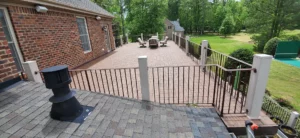
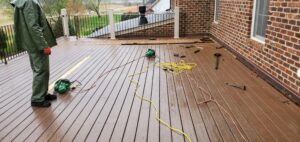
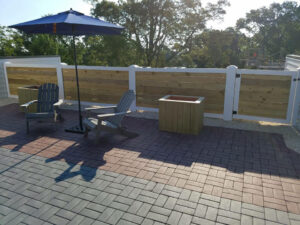
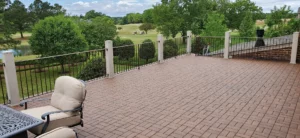
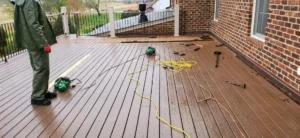
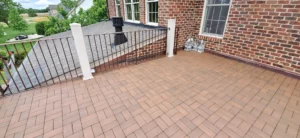
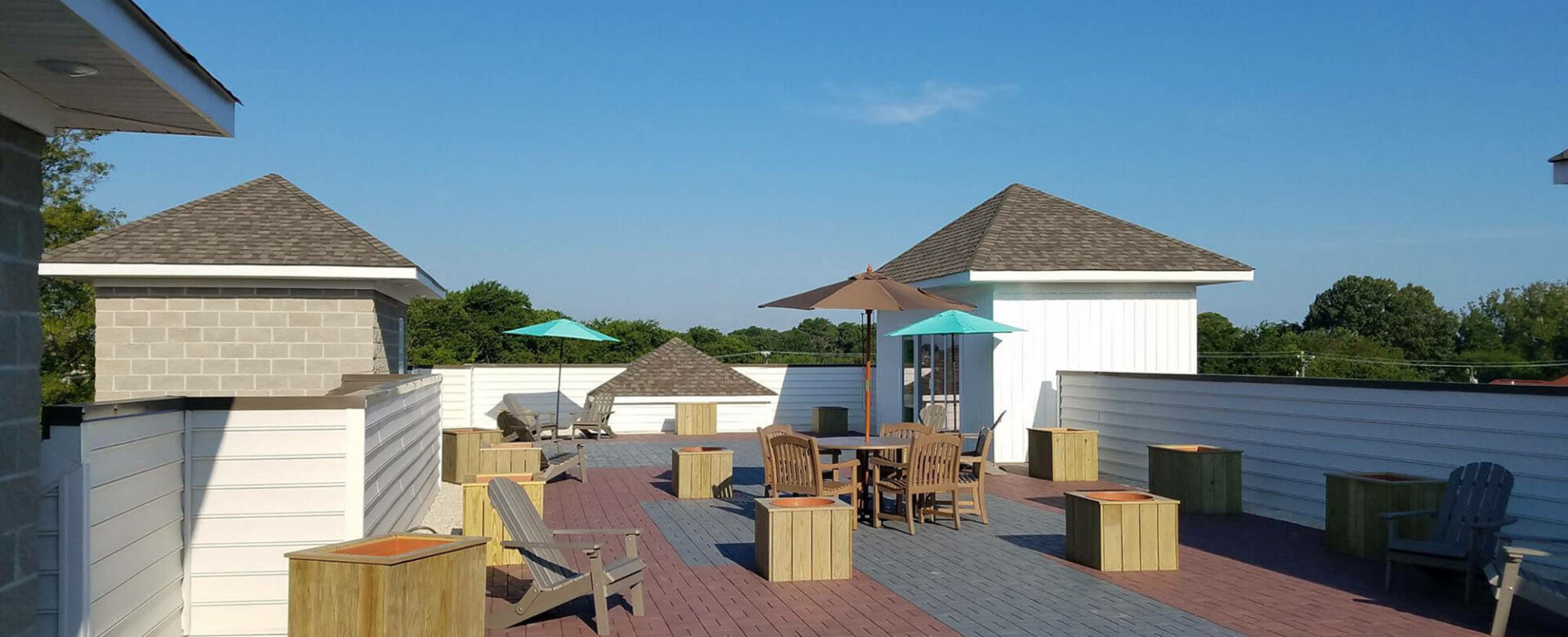
 But when you think about making the most of your outdoor space, are you only thinking horizontally? Most people default to ground-level thinking when it comes to outdoor living: the backyard, a patio, maybe a raised deck off the back door, which makes sense for most properties. But for a significant number of homes across Hampton Roads, the most valuable and underutilized outdoor space isn’t on the ground – it’s above your head.
 For true oceanfront homes, a rooftop deck is an obvious enhancement: more square footage, higher elevation, more expansive views that can even include sunset views from the right spot. But perhaps the more compelling case in this area is actually for the ocean-block properties – those sitting just one street back from the oceanfront. At ground level, an ocean-block home may have limited water views. Add a rooftop terrace, and a home that was a short walk from the ocean suddenly feels oceanfront from the right vantage point. That’s a meaningful difference, both for everyday enjoyment and for the property’s value and marketability.