
Leaks & Service Repairs

757-399-3066 ext 3 (Leaks & Service Repairs)

Reroof Estimates & Inspections

757-399-3066 ext 1 (Reroof Estimates & Inspections)

Category: Roofing Information

Key Considerations for Homeowners When Choosing a Roofing Contractor

When you know it’s time for a new roof, the most critical decision you’ll need to make isn’t the style or color of your roof’s new materials, it’s who you choose to do the work. No material, regardless of its cost, warranty, or visual appeal, is worth anything if not installed by a competent professional. In fact, a poorly or incorrectly installed roof can lead to serious damage as well as a void in the warranty of your roof’s materials. To ensure your home is protected and beautiful for many years to come, you should carefully evaluate and consider several factors when selecting the roofing company who will do the work.

Credentials and Licensing:

Before even requesting an estimate from a roofing company, verify that they are licensed and insured. A valid license ensures that the contractor meets the necessary standards and regulations in your state. Insurance is crucial to protect both the homeowner and the contractor in case of accidents or damages during the project. Without it, a worker injured on your property during the installation may become your liability.

Experience and Reputation:

As you begin your search for a reputable company, start with your neighbors whose homes you know are well maintained. Ask who they’ve used or who they would recommend. Check online reviews, testimonials, or ask for references to gauge the contractor’s reputation. A reliable contractor should be willing to provide references from previous clients or point you to public places online with positive reviews and feedback from customers. You may also want to ask each company how long they’ve been in business, how many projects they’ve completed, and how long their employees have been on staff.

Locally Owned and Operated:

Always try to look for a local roofing contractor with an established presence in your community. Local contractors are more familiar with local building codes, weather conditions, common issues and can provide better post-installation and warranty claim support. In addition, you’ll also be helping to support small businesses in your region, bolstering the local economy.

Material Options:

Inquire about the types of roofing materials the contractor uses. A reputable contractor will offer a variety of high-quality materials and be knowledgeable about the pros and cons of each as well as their individual warranty options and how they perform in your specific region. Don’t be afraid to ask how many projects they’ve completed with the specific materials you are interested in.

Contracts and Communication:

Before moving forward with any company, make sure they provide a detailed, written contract that outlines all aspects of the project – from materials to timeline and of course costs. Read this contract carefully, ask questions and get clarity on any uncertainties before work begins. At this point, you will likely be able to tell how well the company and your project manager are at communication. It’s critical that they keep you in the loop, are responsive to your questions and concerns, and can explain each part of the process clearly. Talk to them about your preferred methods of communication and your daily availability and expectations up front to avoid misunderstanding during the project.

We Can Help

If it’s time for a new roof, Andrews Roofing is a great choice for homeowners in the Hampton Roads region. With decades of experience replacing and repairing roofs for our Tidewater community, we can assist with material choices, warranty information, maintenance, and repairs. Our reputation in the community speaks for itself, as does our longevity in the industry. Contact us today to schedule your
read more

Winter Roof Prep

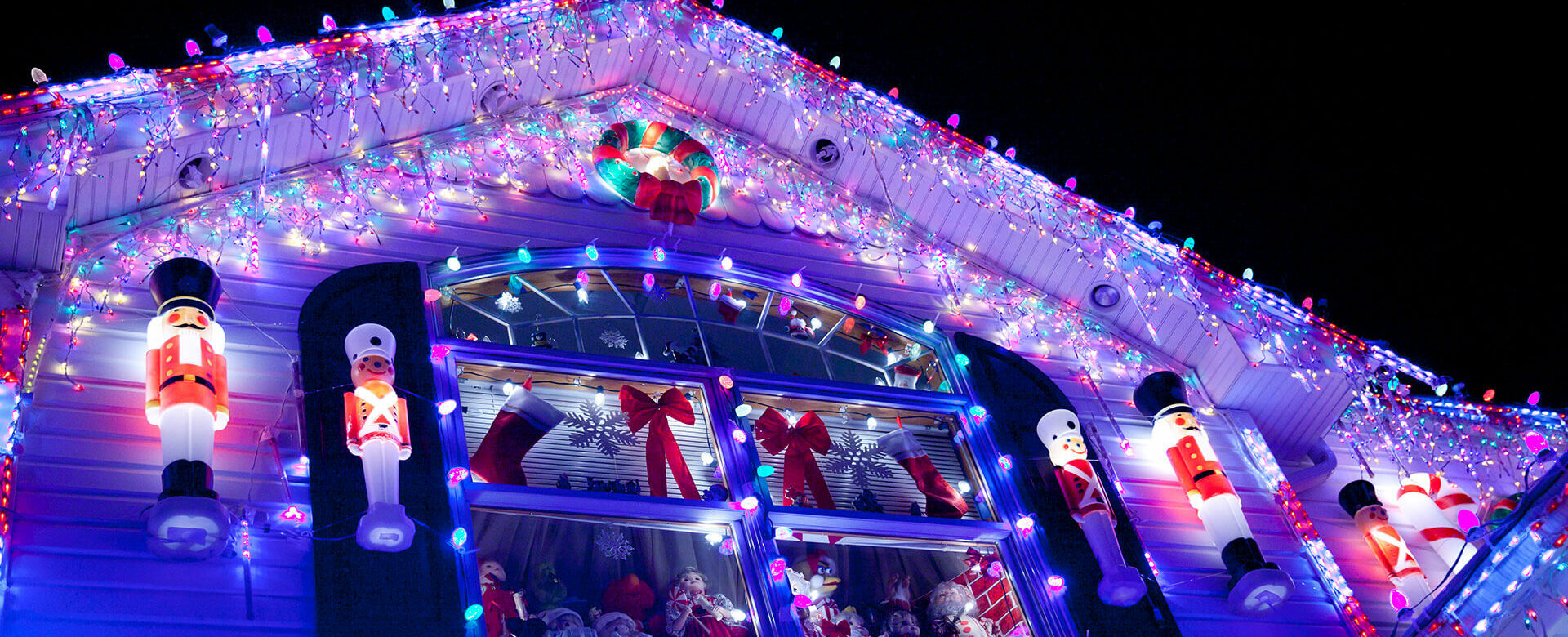
The temperatures are dropping, Christmas lights are popping up, and the days seem to end before they even begin – winter is here. That also means it’s a crucial time of year to prepare your home for the colder weather. Your roof may need some special attention in particular to ensure your home’s safety and comfort over the next few months since it’s the first line of defense against snow, ice, and those dropping temperatures. Here are a few handy tips for getting your roof winter ready.

The first step is always to perform a visual inspection from both the outside and inside of your home. Look for damaged, loose or missing shingles, loose flashing, cracks around pipe collars or areas of moisture or drafts in your attic. Identifying these potential issues first is critical for how to move forward with your winter prep.

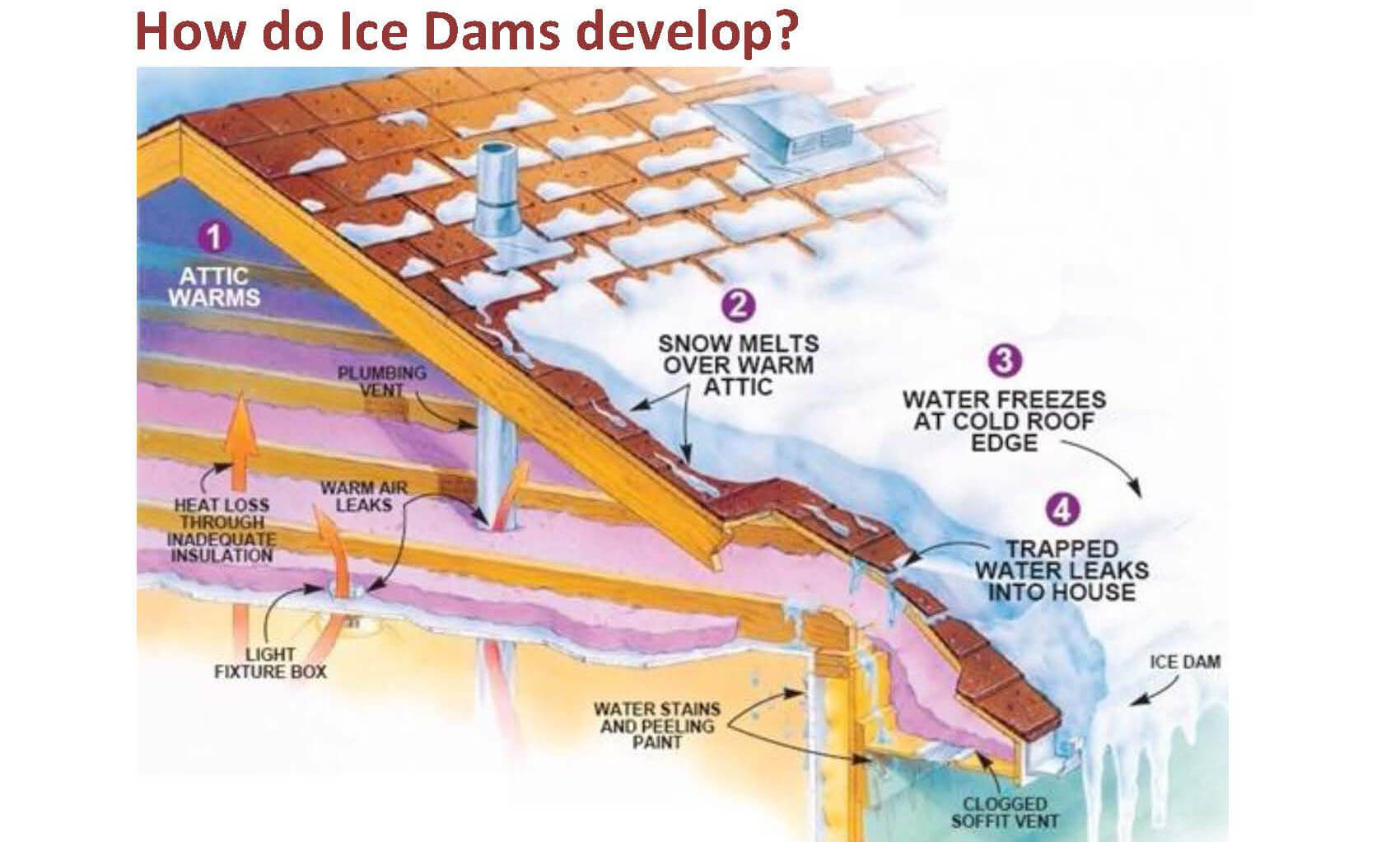
During your inspection, you should also check in on your gutters and downspouts. If they’re full from all those falling leaves, it’s time to give them a good cleaning. If gutters are clogged, a heavy rain followed by dropping temperatures can cause your gutters to produce an ice dam, which can cause serious damage to your roof, the gutters themselves and the interior of your home. You may also want to consider installing larger, high capacity gutters and/or gutter guards to prevent future build ups and issues.

Inside your home, inspect your attic carefully, as roofing issues are often easier to spot from this point of view. Damp areas may indicate a leak in the roof or condensation build up from lack of ventilation. Heavy air drafts can also point to punctures or damaged areas. While you’re there, take note of your attic’s insulation – if your home is older, it may be time to replace or add new insulation to keep your home’s temperature consistent, which reduces condensation and your heating and cooling costs.

If you have a wood burning fireplace and chimney, then hopefully you are having it inspected and cleaned at the beginning of the winter season as well. This is a good time to ask your chimney specialist to take note of the flashing around your chimney. Loose or missing flashing around a chimney can cause major structural damage over time, but avoiding this is an easy fix that’s far less expensive than the potential damage it could cause.

Although we don’t get snow very often here in Hampton Roads, when we do, any accumulation can put a strain on your roof. Roof rakes can be used to remove built up snow, which can be especially stubborn on the north side of your roof where the sunlight is less likely to melt it away.

The final winter prep tip isn’t about your roof, but your landscaping. Check the trees and vegetation around your home’s roofline. If there are any branches that are overhanging your roof, brushing up against your gutters or scraping at shingles, they will inevitably cause damage, especially when severe winter weather arrives. Trimming back trees, removing overhanging brush or vines can help prevent problems before they happen.

If you have any concerns about your roof’s winter weather readiness, contact Andrews Roofing today to schedule a roof inspection. One of our experienced roofing specialists can let you know if there are any issues that can be easily handled and repaired before extreme weather hits. Doing so will ensure your comfort and your peace of mind this season.

read more

How a New Roof Can Help Sell Your Home

If you’ve been thinking about putting your house on the market, you may be making a list of items to repair or update prior to listing it. Depending on the age of your home or your home’s roof, it may be worthwhile to add it to the list.

While installing a new roof can be a big investment, there is definitely a worthwhile return. Here are a few ways that installing a new roof can help you sell your home.

Increase Your Curb Appeal and Property Value
A new roof enhances the overall appearance of your home, making it more attractive to potential buyers. A dingy, stained roof and particularly a roof with broken, brittle or missing shingles is a big turn-off and could be the reason a buyer walks away.

A new roof can also increase the value of your home and lead to a higher appraisal value, which is beneficial if buyers are trying to secure financing. You may be able to set your selling price a little higher than the competition because buyers can be confident that they won’t have to invest in a new roof themselves for many decades. This also gives you leverage in negotiations as buyers may be less likely to negotiate for a lower price based on the home’s condition.

Expedited Sale
Homes with a new roof tend to sell faster because buyers are confident that they won’t have to go through the roof replacement process themselves for several decades. And with transferable warranties, they also won’t have to be concerned with repairs for many years. When your home has a new roof, it can be marketed as “recently renovated” or “move in ready” and this can attract more potential buyers looking for a turnkey home.

If you’ve chosen energy efficient materials to replace your roof with, you can also use that as a marketing tool, letting buyers know that their heating and cooling costs will be lower than average.

Reduce Inspection and Code Issues
A new roof installation ensures that your home complies with current building codes and regulations which can also reduce the likelihood of inspection issues or repair requests from buyers. This can lead to smoother negotiations and a more seamless closing process.

Choose the Local Experts
While installing a new roof is an investment, it will set your home apart in the competitive real estate market of southeast Virginia. So, before you stick the “for sale” sign in the yard, contact your local roofing experts at Andrews Roofing. We offer a basic or in-depth roof inspection service that, depending on the level you choose, will give you information such as your roof’s average life expectancy, current status, any needed repairs and any necessary quotes to repair or replace the roof, all in writing on Class A state licensed contractor letterhead. This is an excellent service to have done prior to putting your home on the market so a potential buyer can feel confident in their offer and so that you are not blidnsided by anything during the inspection process. Contact us today to schedule your roof inspection report.
read more

What Tree Trimming Has to Do With Your Home’s Health

That beautiful tree in your backyard that provides shade in the summer, fragrant blooms in the spring, vivid colors in the fall, and maybe even holds a swing or treehouse for your kids could also be damaging your home without you knowing it.

When trees are not properly managed and maintained, they pose a significant risk to your home’s roof health. And that risk isn’t just sudden, storm-related damage. Even without a storm or major weather event, trees can take a toll on your roof over time in subtle ways. But there are ways to mitigate this damage, particularly for homes battling the specific environment and severe weather of southeast Virginia.

How Trees Affect Roofs

  • Falling Debris
    Falling leaves, branches, pine needles and twigs are common culprits when it comes to roof damage caused by trees in Hampton Roads. A few leaves or needles here and there may seem harmless, but over time they can accumulate on your roof, leading to clogged gutters, water pooling, and damage to shingles and flashing.
  • Moss and Algae Growth
    Trees can create shaded and damp areas on your roof, providing an ideal environment for moss and algae growth. This is especially true in the humid and often damp climate in the Tidewater Region. Over time, moss and algae can compromise the structural integrity of your roofing materials.
  • Wildlife
    Trees are often home to a variety of wildlife including squirrels, birds and even racoons or possums. If the trees they inhabit are close enough to your house, these critters can find their way onto your roof and potentially create entry points or damage the roofing materials while searching for shelter or food. For instance, it’s not uncommon in Hampton Roads for small birds to build nests in open gutters during the spring season, creating serious clogs when summer storms hit. Roof rats and other pests are also common during the cold or wet months.
  • Falling Limbs or a Tree
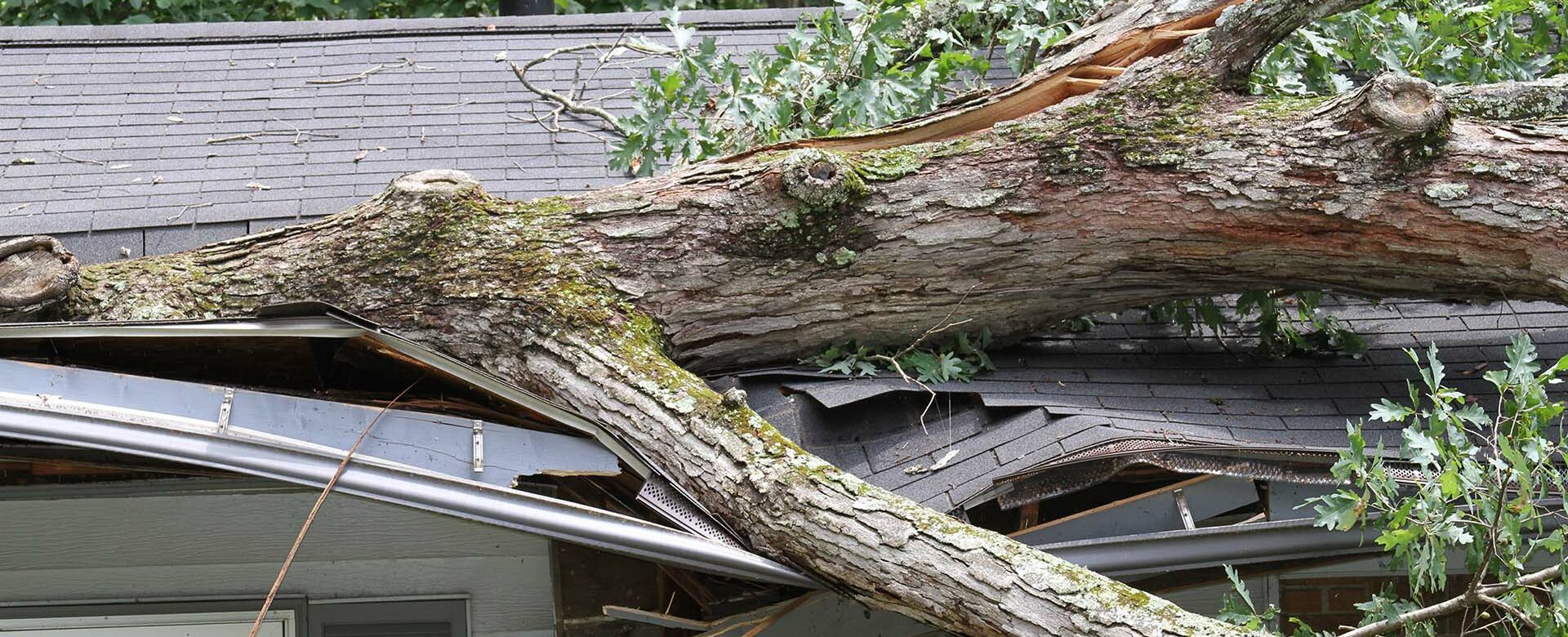
    Of course, the most obvious source of tree-related damage to a roof is by limbs falling off during storms or strong winds. In our hurricane, tropical storm and nor’easter-prone region, this is especially common. During any one of these types of weather events (or even just a summer pop up thunderstorm) overhanging tree limbs can break and fall onto your roof, causing serious damage by knocking off gutters or flashing, puncturing shingles or even the roof decking below, which can lead to more extensive structural damage. There is the rare occasion when an entire tree comes down and, hopefully hits nothing, or it does hit something.

What You Can Do to Prevent Tree-Related Roof Damage

  • Identify Tree Rot
    The most likely offender in the forest is a tree with any kind of rot. Tree rot can happen for a variety of reasons: damage from storms, animals or disease, but trees that are dead or dying also invite in termites, which are certain to finish the job, causing a tree to lose any structural integrity it had left. By inspecting the trees on and around your property regularly, you can identify rot early and either call in a professional arborist who can assist in removing the affected portions of the tree while saving the rest or a tree removal company if the damage is too far along.
  • Remove or Trim Encroaching Trees
    Even if trees are healthy, they can still create an unsafe situation if they begin to encroach on your home’s immediate perimeter. Pruning and trimming trees near your home is essential, because even if a limb or debris doesn’t come flying off, consistent contact between a tree and your roof can cause its own kind of damage. This is often seen in loose gutters and loose or missing shingles. Again, consult with a professional arborist and/or tree trimming company to remedy this.
  • Keep Gutters Clear
    Regularly clean your gutters and downspouts to prevent debris accumulation and water damage. Clogged gutterscan lead to water overflow, which can damage your roof, siding, and foundation.
  • Install Gutter Guards
    Consider installing high capacity gutters and gutter guards to prevent leaves and debris from entering your gutters. High quality gutters and leaf guards can be a valuable investment in maintaining your roof’s health.
  • Don’t Forget the Flashing
    Properly installed flashing around roof penetrations, such as chimneys or vents, can help protect your roof from water intrusion due to tree-related damage. A roof specialist can inspect your roof to ensure flashing is properly installed and that existing flashing is not damaged, loose or missing.

While the variety of trees in coastal Virginia can enhance the beauty and value of your property, it’s essential to be mindful of their potential to damage your home’s roof. Regular maintenance, including tree trimming, gutter cleaning, and roof inspections, is key to preventing costly roof repairs. By taking proactive steps to protect your roof, you can continue to enjoy the benefits of having trees on your property without worrying about the potential damage they may cause. Your home and roof will thank you for it in the long run.

We Can Help

If you’ve experienced damage to your roof from trees or other causes, Andrews Roofing can help. We’ve been providing reputable, high-quality roofing services in the Hampton Roads region for decades, and we’re familiar with the specific issues that arise in this area. We can help you not just repair your roof, but also identify and fix potential problems so your roof and home remain healthy long after our work is done. Contact us today.

read more

Why Are Metals Roofs More Expensive?

If you’ve been considering reroofing your home, you’ve probably been researching and pricing out different options.

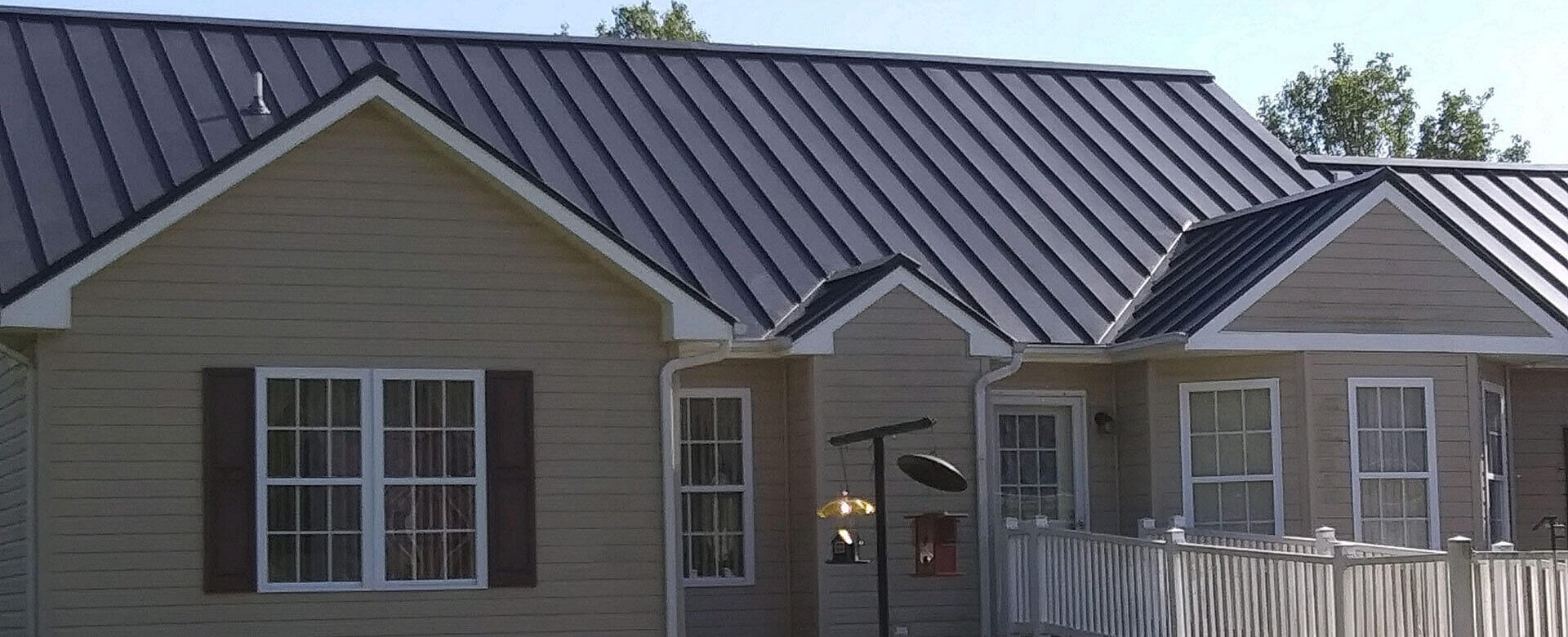
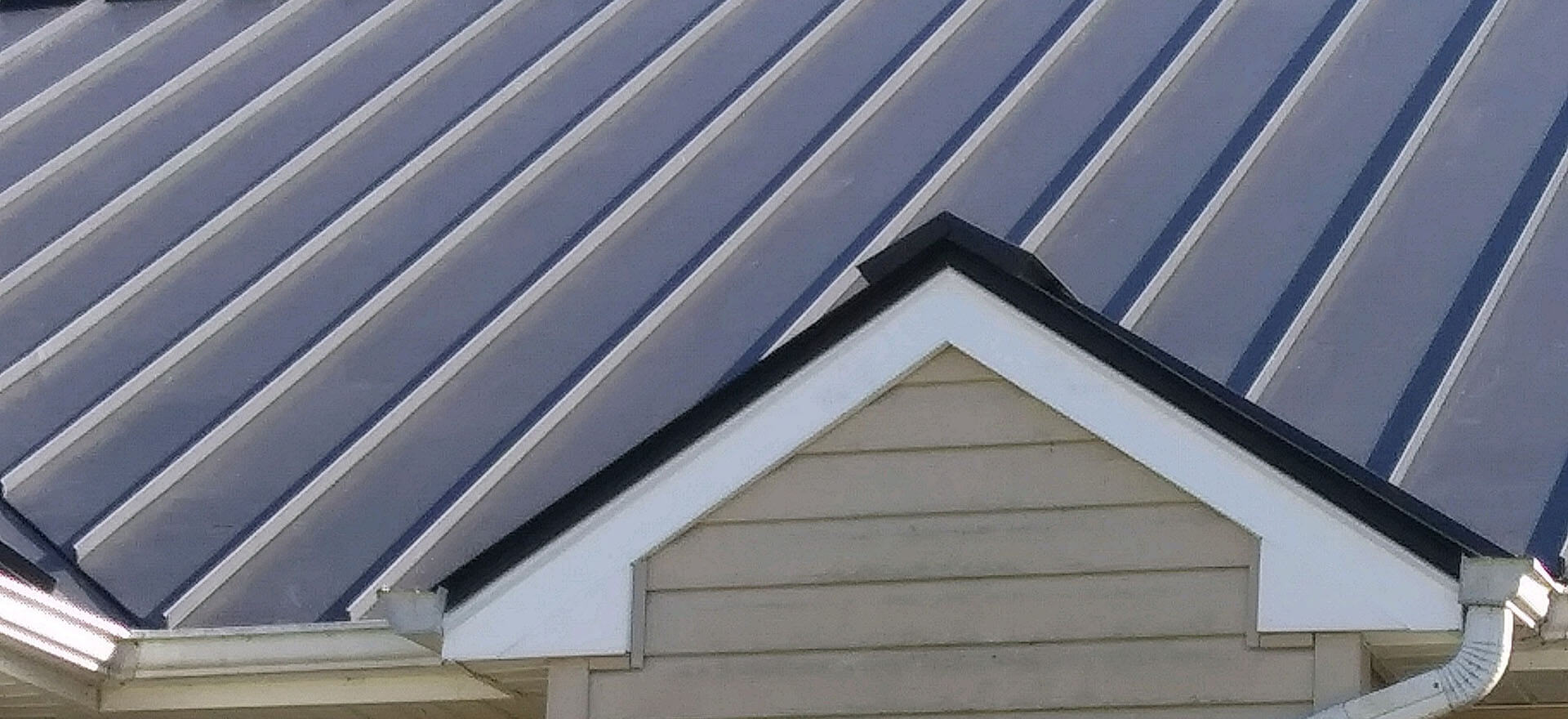
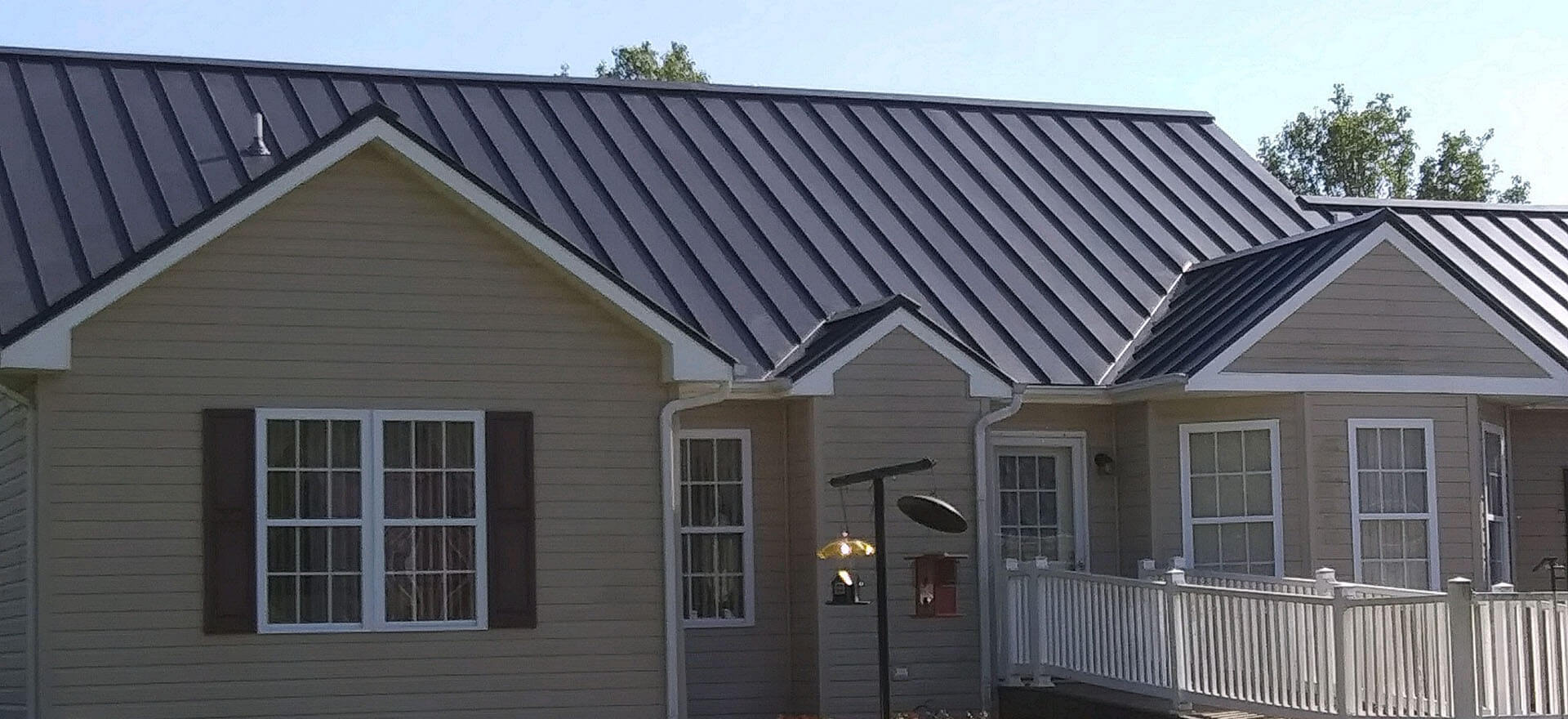
These days there are many more options than just a traditional 3-tab asphalt shingle. There are composite materials, walkable surfaces, wood, clay tile and metal. Of all of these materials, metal roofing is showing the largest growth in consumer interest. While metal roofs are typically more expensive upfront compared to shingled roofs, there are some good reasons why the price disparity exists and many cost benefits associated with a metal roof. Here are just a few things to consider when evaluating whether metal is the right materials for your home’s new roof.

Why so high?
So why do metal roofs have a higher upfront cost than traditional shingles?

First, the materials used in metal roofs, such as steel, aluminum, or copper, are generally more expensive than the asphalt materials used in traditional shingles. These heavy-duty materials can also cost more to manufacture and to ship. Most manufacturers have a factory applied paint finish, with a wide range of color options and some custom colors or less common colors may have an additional cost.

Secondly, they have a longer lifespan thanks to the durability of the materials used. While a typical shingle roof can be expected to function properly for 20 to 30 years, a metal roof can be expected to perform for 50 or more years with proper maintenance. This longevity significantly reduces the need for roof replacements. You may go through two asphalt shingle roofs in the lifespan of one metal roof, making the metal roof much more cost effective over time.

Thirdly, metal roofs withstand heavy winds and storms better than a traditionally shingled roof. This matters a lot in places like southeast Virginia where we encounter hurricanes, tropical storms, nor’easters and plenty of regular old severe storms at any given time of the year. While shingle roofs may be rated for up to 110 mph winds, some metal roofs are rated for 140 mph winds or even more. That’s the difference between withstanding a category two hurricane and a category four hurricane. The reduced costs in repairs over time also contribute to the long-term value of a metal roof.

Finally, metal roofs are more energy efficient, which can lead to cost savings in the long term. They reflect a significant portion of the sun’s radiant heat, reducing the need for air conditioning during hot summer months. This reflective property, coupled with proper insulation, can help lower cooling costs and decrease energy consumption. Moreover, some metal roofs are designed with integral air gaps or coatings that enhance their insulating properties, further reducing heating costs in colder climates. These energy-saving advantages contribute to lower utility bills and, ultimately, a return on investment for homeowners who choose metal roofs.

So yes, metal roofs are a steeper upfront investment in your home. But the cost has long-term benefits that can outweigh the initial cost disparity. The extended lifespan, reduced need for roof replacements, energy efficiency, and consequent cost savings make metal roofs a wise and financially sound choice for homeowners seeking durability, sustainability, and long-term economic advantages.

If you’re weighing your roofing materials options, we’d be happy to help guide you through the process. At Andrews Roofing we take pride in using the best products on the market, no matter what material you decide to go with. We take our time with clients, walking them through the pros and cons, typical costs and even financing options because we know that replacing your roof is a big decision and a long-term investment. Contact us today for a roofing consultation.

read more

Traditional vs. Architectural Shingles

Asphalt shingles have long been the most popular roofing materials in residential structures, but the shingle itself has changed over time.

These days there are two basic types of asphalt shingles to choose from: the older, 3-tab style shingle and the newer architectural shingles. While architectural shingles are a newer style, they have become more widely used in new roof construction and roof replacements. Despite both being made from the same basic material, there are several key differences between the two styles.

  1. Appearance: Architectural shingles, also known as dimensional or laminate shingles, have a more textured, three-dimensional look compared to standard 3-tab shingles. They are designed to mimic the appearance of natural materials like wood or slate and can enhance the curb appeal of a home. 3-tab shingles lie flat against the roof decking with little to no variation or texture.
  2. Thickness and Weight: Architectural shingles are generally thicker and heavier than 3-tab standard shingles. They are composed of multiple layers of asphalt and have a fiberglass mat core. The added thickness and weight contribute to their durability and longevity.
  3. Durability and Warranty: Due to their multi-layered construction, architectural shingles tend to be more durable and have a longer lifespan than standard 3-tab shingles. They are more likely to withstand harsh weather conditions such as the heavy rain, wind, and other severe storm conditions we often see in Southeast Virginia.Architectural shingles also have better wind resistance compared to 3-tab shingles. The multiple layers and the heavier weight help them stay in place during strong winds. They are often rated to withstand winds of 110 mph or more, while standard 3-tabs may be rated for lower wind speeds. Many architectural shingles come with warranties ranging from 30 to 50 years, whereas standard 3-tab shingles usually have shorter warranties.
  4. Cost: Architectural shingles are typically more expensive than standard 3-tab shingles due to their enhanced appearance, durability, and longer lifespan. However, in the Tidewater Roads region, based on the average size of homes, architectural shingles are typically only about $100-500 more per job, making them well worth the value for the additional years you can expect to get from them.
  5. Installation: The basic approach to installing architectural shingles is not that much different than traditional 3-tab shingles, but they are heavier and have a layered design that requires professional installation by a licensed roofing contractor. Always make sure any roofing professional you use is licensed and insured before signing any contracts or work agreements and get all warranty information on both the material and workmanship in writing.
  6. Availability: Standard 3-tab shingles have been widely used for many years and are readily available in various colors and styles. However, as architectural shingles have gained popularity over time, they are also now widely available and manufacturers are offering a wide range of options and colors to suit different architectural styles and preferences.

If you’re building a new home or considering replacing your roof, take some time to consider the materials you will be investing in. Of course, you have to balance a budget, but it’s also just as important to consider the durability of your investment in the storm and hurricane-prone area in which we live in addition to the look you want your home to have.

If in doubt, give Andrews Roofing a call. We can sit down with you and provide our expertise from decades in the roofing business in Hampton Roads as well as physical samples of different materials and even an online design tool with digital renderings of your home so you can see exactly what your choices will look like before committing. Contact us today.

read more