

Leaks & Service Repairs

757-399-3066 ext 3 (Leaks & Service Repairs)

Reroof Estimates & Inspections

757-399-3066 ext 1 (Reroof Estimates & Inspections)

News

How a Home Renovation Can Impact Your Existing Roof

Are you planning a big home renovation this spring to add a screened in porch, a sunroom, second story addition, kitchen expansion or anything else that affects the footprint of your home?

If so, you’ve probably been focused on floor plans and layouts, but it’s time to look up. One very critical component can be overlooked in the early stages of renovation planning: how the new structure will tie into and affect your existing roof system.

We work with plenty of homeowners in Hampton Roads who are surprised to learn that a renovation may require more than just “adding on” a little extra roofing. Here’s what you should know before construction begins so you can plan and budget accordingly.

When New Roofing Has to Tie into an Existing Roofline

Even if the existing shingles look fine from the ground, portions of the original roof may need to be removed to ensure the tie-in is watertight and structurally sound. A roof is a system, not just shingles. Proper flashing, underlayment, decking, and ventilation all have to work together. When a new roof section is integrated, those components must align seamlessly with the original system.

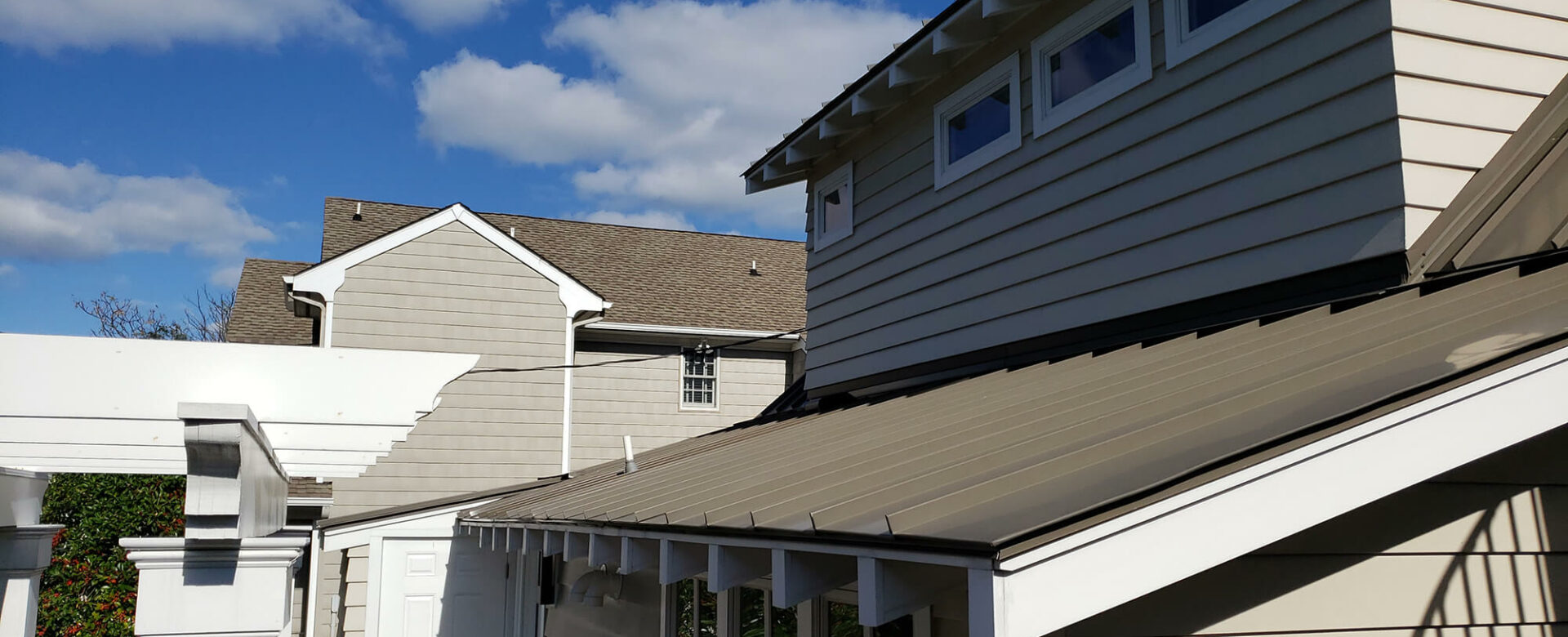
When you add a screened porch, covered patio, garage, or full home addition, the new roof must physically connect to the existing roof system. This connection point is often where issues arise. During construction, contractors may need to open up sections of the existing roof decking, depending on how the new structure ties into your existing structure. A new roof tie-in can involve creating a new valley where the two roof planes meet – a critical juncture point that can make or break the integrity of a roofing system.

At minimum, it will require removing existing shingles to properly install flashing and underlayment or even modifying the roof decking or underlying rafters for structural support. They may also need to modify the home’s framing to support any new load. This is especially true for second-story additions or large bump-outs. New ridge or soffit vents may be necessary, and gutters and downspouts are likely to be rerouted. Finally, the ventilation in your attic may need to be adjusted to accommodate an expanded footprint.

Will You Have to Replace the Entire Roof?

The answer really depends on several factors to determine whether a partial replacement is sufficient or whether a full roof replacement makes more sense.

  1. Age of the Existing Roof. If your roof is nearing the end of its lifespan (for example, a 20-year-old architectural shingle roof), it may not be cost-effective to tie new roofing into aging materials. You could end up replacing the entire roof a few years later anyway.
  2. Condition of Existing Materials. If there’s curling or brittle shingles, granule loss, prior storm damage, or soft decking, a full replacement may be necessary. Unfortunately, some of those issues may not be apparent until construction begins.
  3. Matching Materials. Shingle colors and product lines change over time. If your current shingles are discontinued, the new section may not match perfectly. For homeowners concerned about curb appeal this can be a deciding factor.

In many cases, homeowners choose to replace the entire roof during a major renovation simply for aesthetic continuity, long-term value and getting all of the construction out of the way at once.

What to Expect

Every type of renovation project is different, but there are some similarities across certain types of projects.

Screened Porch or Covered Patio

These projects often involve cutting into the existing roof line to create a new connection and new slope. Expect partial shingle removal and new flashing installation.

Garage Addition

This may create new valleys and require significant integration into the main roof structure. Expect removal of some existing roofing materials, possible structural changes to rafters and roof decking.

Second-Story Addition

Adding a new story to a home typically requires removing large portions (or all) of the existing roof structure. The new structure will require a new roof system, and whether or not that ties into your existing roofline will depend on the design.

Bump-Out or Kitchen Expansion

Bump outs can involve complex transitions and slope changes that demand careful waterproofing and sound structural design and construction. Expect that significant changes will need to be made to the existing roofline and plan for the possibility of needing to replace all exterior roofing materials in order to have a seamless transition to the new structure.

Timing Matters in Hampton Roads

Because of the unpredictable weather patterns we see across Southeast Virginia, scheduling roofing work strategically during renovations is important. Temporary exposure during tie-ins can create vulnerability if unexpected rain or storms roll in. Coordination between your general contractor and roofing contractor ensures that materials are delivered and staged properly, that open roof sections are protected, and that the installation sequence minimizes risk to your home. Bringing in a licensed roofing contractor during the planning phase before framing begins can prevent costly change orders and water intrusion issues later.

The Bottom Line

A home renovation doesn’t just expand your interior living space, it changes much about your home’s exterior, including the roofing system. Sometimes a tie-in is simple. Other times, it’s an opportunity to upgrade aging materials, improve ventilation, or invest in a full replacement that enhances both curb appeal and protection.

If you’re planning a screened-in porch, home addition, or structural renovation in the Tidewater Region, involving a local, qualified roofing professional early in the process can help you make informed decisions and avoid surprises. At Andrews Roofing, we’re happy to evaluate your existing roof, collaborate with your contractor, and help you determine the smartest path forward for your home. Contact us today.

read more

DIY Roof Repairs: What Could Go Wrong

“What could go wrong” when trying to repair your own roof isn’t a question – it’s an inevitability.

We know many homeowners take pride in tackling repairs and home improvement projects themselves. Leaky faucet – easy enough. Swapping out a light fixture? A little more complicated, but doable for the advanced weekend warrior. But when it comes to your roof, the DIY mindset can quickly turn from “I’ve got this” to “I’ve made a very expensive mistake.”

It’s not uncommon for our office to get calls that start with, “Well, we tried to fix it ourselves…” Roof repairs are one of the most commonly underestimated home maintenance tasks and also one of the most dangerous. Here’s a look at the roof repairs we see homeowners often attempt on their own, and what can (and frequently does) go wrong.

Common DIY Roof Repairs Gone Wrong

1. Replacing a Few Missing or Damaged Shingles

No big deal, right? On the surface, this seems straightforward: remove the damaged shingle, nail a new one in place, seal it, and move on.

What goes wrong:

  • Improper nail placement can puncture the underlayment, creating new leak points
  • Incorrect shingle alignment disrupts water flow
  • Using the wrong type or color of shingle compromises performance and appearance
  • Sealant is applied incorrectly or not at all

In Southeast Virginia, where heavy rain and high winds are common, even small installation mistakes can allow wind-driven rain to penetrate the roof system, causing more damage than what likely would have happened if you’d left the shingle alone.

2. “Patching” a Roof Leak with Sealant or Tar

Caulk and roofing tar feel like quick, easy, and affordable fixes for a leak, and they’re often the first thing homeowners reach for. But this “quick fix” can cause long-term problems.

What goes wrong:

  • Leaks are rarely where water enters the home; they travel along decking and framing, so sealing an area where the leak has penetrated is probably not solving the problem
  • Sealants dry out, crack, or wash away over time
  • Patching the visible issue masks the underlying problem

In humid coastal climates, trapped moisture can lead to rot, mold, and decking failure long before the leak becomes obvious again, which means you’ve created a secondary problem that is now going to require structural repair.

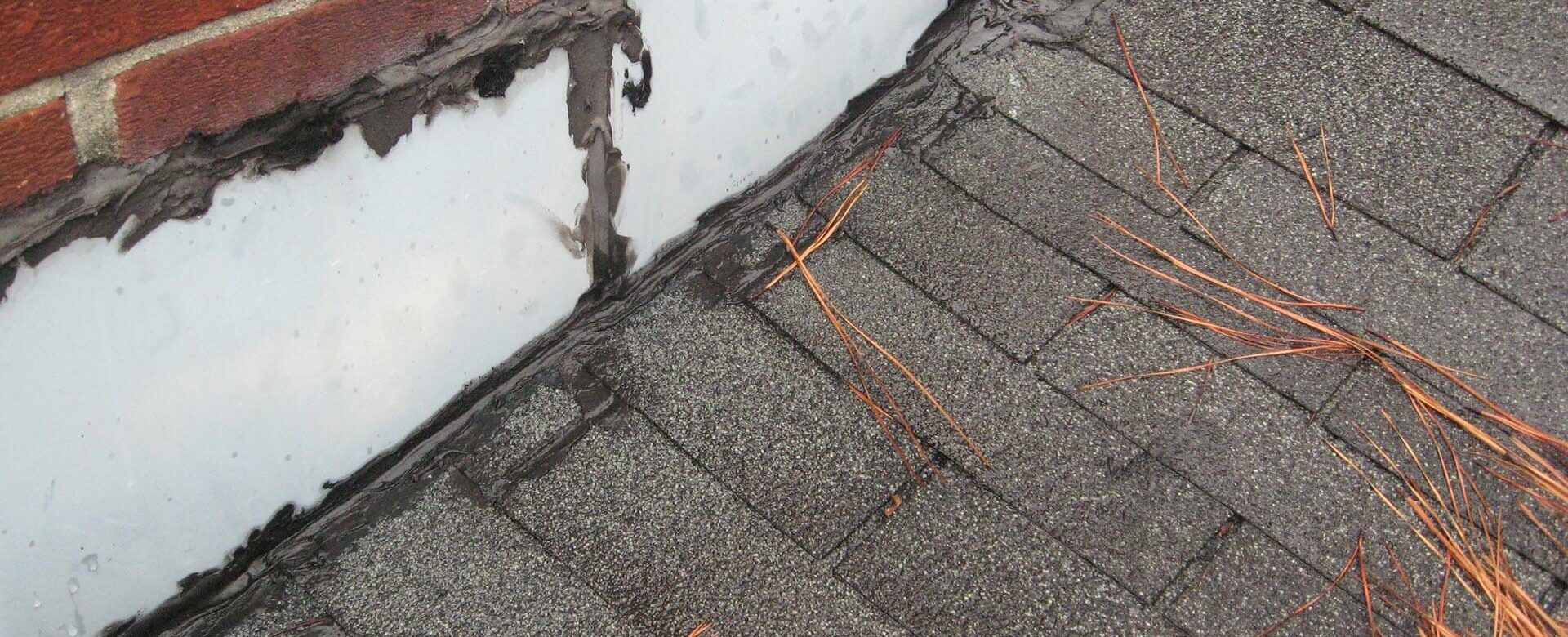
3. Cleaning or Adjusting Flashing

Loose flashing around chimneys, skylights, and roof penetrations is a common DIY target. You can easily see the problem and the solution feels straightforward. But this fix actually takes much more skill than you would imagine.

What goes wrong:

  • Flashing is bent or reinstalled incorrectly
  • Existing waterproofing layers are damaged
  • Fasteners are driven into the wrong locations

Flashing failures are one of the leading causes of roof leaks—and one of the easiest ways for DIY work to create long-term water intrusion. Not to mention this type of work is particularly dangerous for someone not accustomed to working on roofs.

4. Gutter “Fixes” That Affect the Roof

Homeowners often clean, reattach, or adjust gutters without realizing how closely they interact with the roofing system.

What goes wrong:

  • Improper pitch causes water to back up onto the roof edge
  • Fascia boards are damaged during reattachment
  • Hidden water damage and rot go unnoticed

In areas like Hampton Roads, where sudden downpours are common, poor drainage can overwhelm roof edges and accelerate deterioration.

What DIY Roof Repairs Can Really Cost You

1. More Damage Than You Started With

One misstep—literally or figuratively—can turn a minor issue into structural damage. Water intrusion doesn’t announce itself right away, and by the time it does, repairs are often far more extensive (and expensive) than the original problem.

2. Voided Warranties

Many roofing manufacturers require that repairs and modifications be performed by licensed professionals. DIY work – even when well-intentioned and effective – can void material warranties, leaving homeowners unprotected when future issues arise.

3. Insurance Complications

If a DIY repair fails and causes interior damage, insurance companies may deny claims due to improper workmanship or unlicensed repairs. This is especially risky following storms or high-wind events common in Southeast Virginia.

4. Serious Safety Risks

This is the part that cannot be overstated.

  • Roofs are steep, slick, and unforgiving
  • Asphalt shingles become dangerously slippery in heat, humidity, or after rain, especially when covered with mold or mildew
  • Falls from even one story can result in severe injury

Every year, homeowners are seriously injured attempting roof work because they don’t have the proper knowledge, safety equipment or understanding of structural weak points of their own home. Don’t damage your home AND yourself with risky DIY repairs.

When in Doubt, Call a Professional

Professional roofers understand the composition of a roofing system, how water behaves under different weather conditions, how the regional climate impacts materials and installation, and how to work safely in their environment.

A professional roofing inspection can often catch issues homeowners didn’t even realize were connected to the issue they’ve identified, saving them from much more costly repairs down the road. So, if you’re noticing missing shingles, leaks, sagging areas, or storm damage, or even if you’re unsure what you’re seeing but you know something is wrong, calling a licensed roofing professional is the safest, smartest first step.

DIY projects have their place, but your roof isn’t one of them. Contact Andrews Roofing today.

read more

Why Choose Metal Roofing?

When it comes time to replace your roof, or even if you’re building a new construction home, most homeowners default to traditional asphalt shingles. While asphalt remains a popular and budget-friendly option, metal roofing has steadily gained traction across Southeast Virginia, and for good reason. From durability and energy efficiency to curb appeal, metal roofs offer long-term value that makes it hard to count them out completely. If you’re considering a roof replacement, here’s what you should know about current metal roofing options to help determine if it’s the right choice for your home.

The Basics of Metal Roofing

Metal roofing systems are made from large metal panels installed over your home’s roofing structure. These panels are typically manufactured from galvanized steel, aluminum, copper or zinc.

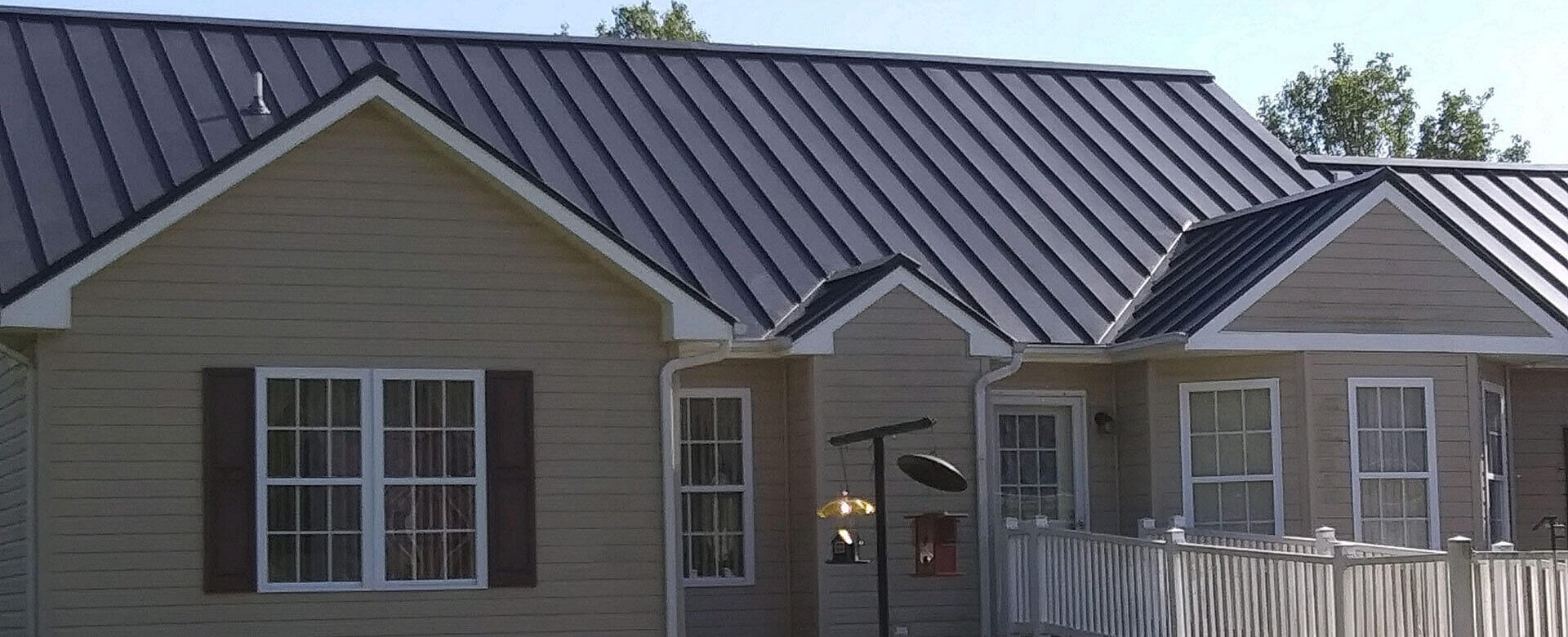
Steel and aluminum are the most common choices for residential homes due to their durability and cost efficiency. Panels can be designed in a variety of profiles—from traditional standing seam to metal shingles that mimic slate, wood shake, or tile.

Modern metal roofing is engineered with protective coatings that resist corrosion, fading, and rust, making it well suited for coastal and humid climates like ours. Aluminum metal roofing is always our choice for homes within a half mile of the bay or ocean, as it is non-corrosive, making it a good choice for just about any home within our region.

The Cost of Metal Roofing

Metal roofing typically costs more upfront than asphalt shingles. However, metal roofs often last two to three times longer than asphalt or even more, when installed and maintained correctly. When you factor in fewer replacements and lower maintenance costs over time, metal roofing can be a more cost-effective option long term, depending on how long you plan to live in your home.

Why Metal Roofing Makes Sense in Southeast Virginia

Our region’s climate plays a major role in roofing decisions. Between summer heat, coastal storms, high humidity, and occasional hurricanes, your roof needs to work hard year-round. Here’s how metal roofs do that:

  • Exceptional Durability in Severe Weather. Metal roofs are highly resistant to high winds, heavy rain, flying debris and hail. Many systems are rated to withstand wind speeds up to 140+ mph, making them a smart choice for storm-prone coastal areas.
  • Heat Reflection & Energy Efficiency. Metal roofs naturally reflect sunlight instead of absorbing it. This can reduce the temperature in your attic, which can lower cooling costs and improve overall energy efficiency. For Hampton Roads homeowners battling long, hot summers, this can make a noticeable difference on energy bills.
  • Aesthetic Appeal for Local Architecture. Metal roofing isn’t just functional, it’s stylish too. Locally, metal roofs really shine in farmhouse-style homes with classic standing seam metal that enhances their rustic charm, beach homes thanks to their sleek profiles that complement a modern seaside aesthetic, and on accent roofing, such as over porches or dormers for visual interest. With multiple colors and finishes available, metal roofing can elevate just about any home’s curb appeal.

What to Expect from a Metal Roof

Long Lifespan

A properly installed metal roof can easily last 40–70 years, compared to 20–30 years for asphalt shingles. When the factory applied Kynar paint finish is applied to a metal roof, it can reasonably last a lifetime, making it the last roof you will ever likely install on your home.

Strong Manufacturer Warranties

Many metal roofing systems come with 30–50 year material warranties, fade and finish protection, and wind and impact coverage. Your roofing contractor can help you understand the specific warranty options available.

Outstanding Performance

Metal roofs are fire resistant, resistant to mold and algae growth, less likely to crack or warp and they also shed rain efficiently, reducing the risk of water intrusion.

Minimal Maintenance

Metal roofs require very little upkeep. You can expect to do occasional debris removal, periodic visual inspections (from the ground or windows!), with special attention to fasteners and sealants. No heavy maintenance is required.

So, Is a Metal Roof Right for You?

Metal roofing is an excellent option if you’re looking for long-term durability, energy efficiency, storm protection, and a roof you won’t need to replace again anytime soon. If you have a traditional farmhouse style home, or a clean, modern design, different styles of metal roofing may work particularly well. If you have the budget upfront, you will find that the investment is worthwhile for peace of mind and long-term savings. Even if you’re not planning to stay in your home forever, a metal roof can increase the value of your home and be a great selling point as buyers will appreciate the extended warranties and low maintenance.

Talk to a Local Expert

Every home is different, and the best roofing choice depends on your budget, style preferences, and long-term goals. At Andrews Roofing, we specialize in helping homeowners throughout the Tidewater region explore their options and choose the right roofing system for their home. If you’re curious about metal roofing or any other type of roof replacement, contact our team today.

read more

Resolve to Protect Your Home with a Seasonal Maintenance Checklist

Start the new year out right by checking a few important items off your home-maintenance to-do list.

Just like setting personal resolutions at the first of the year, resolving to take better care of your home, and especially your roof, is an investment that pays off all year long.

In Hampton Roads (HRVA), roofs face a unique combination of challenges: coastal humidity, salt air, heavy rain, high winds, summer heat, and the occasional winter freeze. Seasonal maintenance helps homeowners catch small issues early, protect their roofing system, and extend the life of their roof.

We’ve broken down your annual roof care into seasonal, home-owner safe checklists to make these tasks manageable and effective – without ever having to climb on the roof!

Winter: Monitor & Protect

While winter doesn’t usually bring heavy snow to Southeast Virginia, cold snaps, fluctuating temperatures and freezing rain can still cause issues.

Winter Maintenance Checklist

  • Watch for interior warning signs: Keep an eye out for water stains on ceilings or walls, peeling paint or unexplained humidity in certain rooms or areas.
  • Check attic moisture levels: Condensation or frost inside your attic may indicate ventilation problems, which could be fixed just by shifting insulation.
  • Monitor roof edges: Heavy icicles or uneven melting can signal insulation or airflow issues from the inside.
  • Avoid walking on the roof! Use a roof rake from the ground if necessary, never climb on icy surfaces.

Why it matters to HRVA: Our inconsistent winter temperatures can cause freeze-thaw cycles that even when brief can make existing cracks worse or create gaps around flashing.

Spring: Reset After Winter Weather

Even mild winters can leave behind hidden wear and tear, especially after wind events and fluctuating temperatures.

Spring Maintenance Checklist

  • Do a ground-level roof inspection: Look for missing, curling, or cracked shingles as well as visible damage around chimneys, vents, and flashing. Do a visual inspection to see if any sections of gutters have pulled away from the roofline and ensure all gutter downspouts are still securely attached.
  • Clean gutters and downspouts: Remove leaves, pine needles, and debris and ensure downspouts are directing water well away from your foundation.
  • Inspect attic ventilation: Look for moisture, condensation, or mildew and make sure soffit and ridge vents aren’t blocked by insulation.
  • Trim back trees and branches: Prevent damage caused by overgrown or loose limbs and reduce debris buildup during spring storms.

Why it matters to HRVA: Spring rains are frequent, and clogged gutters or compromised flashing can quickly lead to leaks if winter damage isn’t addressed.

Summer: Manage Heat, Humidity & Storm Exposure

Southeast Virginia summers bring intense heat, high humidity, and sudden thunderstorms – all of which put stress on roofing systems.

Summer Maintenance Checklist

  • Check attic insulation: Look for compressed, displaced, or damp insulation. Uneven insulation can trap heat and drive-up energy costs.
  • Monitor attic temperatures: Excessive heat may indicate poor ventilation – upper floors that feel noticeably hotter can be a warning sign.
  • Inspect roof for gaps: From the ground, check vent boots and flashing for cracking or separation.
  • After storms, perform visual checks: Look for new debris, shingle movement, or granules collecting near downspouts, which could signal shingle deterioration.

Why it matters to HRVA: High heat accelerates shingle aging, while humidity and poor ventilation can lead to moisture problems inside the attic—especially in older homes.

Fall: Clear, Seal & Prepare for Cooler Weather

Fall is one of the most important seasons for roof maintenance—and one of the best times to address minor issues, when the temperatures are more forgiving.

Fall Maintenance Checklist

  • Thoroughly clean gutters: Falling leaves can quickly cause blockages and backed-up gutters can lead to fascia damage and interior leaks.
  • Inspect flashing and seals: Pay special attention to chimneys, skylights, and vent pipes. Any loose flashing or separating seals are bound to invite issues when the winter temperature fluctuations start.
  • Check attic air sealing: Look and feel for drafts around attic hatches or recessed lighting. Drafty air or increased temperatures may indicate the need for insulation replacement or better sealing.
  • Schedule a professional roof inspection: Fall is ideal for preventative maintenance before winter weather arrives.

Why it matters to HRVA: Fall storms and lingering humidity mean small vulnerabilities can worsen quickly if left unattended.

Resolve to Protect Your Home

Resolving to care for your roof season by season is one of the smartest and easiest ways to protect your home’s structure, comfort, and value. Routine visual checks and preventative maintenance can help extend the life of your roof, reduce emergency repairs, and identify issues before they become costly problems.

Andrews Roofing is here for every season.

If your seasonal checklist reveals concerns, or if you’d simply like an expert set of eyes on your roof, Andrews Roofing offers professional inspections and maintenance services throughout the Tidewater region. Our team understands the unique demands of the local climate and can help keep your roofing system performing its best year after year. Contact us today!

read more

Should You Make an Insurance Claim for Your Roof Damage?

In Southeast Virginia and the Hampton Roads region, roofs can take a serious beating.

Between strong coastal winds, heavy rain, tropical storm systems, and intense summer heat and humidity, it’s common for homeowners to discover roof damage and wonder if it’s just normal aging—or something that should be covered by insurance.

It’s a common homeowner question that we encounter: “Should I file an insurance claim for this?” Knowing the difference between everyday wear and tear and storm-related roof damage can help you avoid unnecessary claims, out-of-pocket expenses, and frustration with your insurance provider. Here’s how you can tell the difference—and what to do next.

Normal Roof Wear and Tear: What Insurance Typically Does Not Cover

Roofing materials naturally age over time, especially in the coastal climate of Southeast Virginia. Insurance companies generally do not cover damage caused by gradual, natural deterioration or lack of maintenance. Common examples of normal wear and tear include:

  • Aging or brittle shingles that are near the end of their lifespan
  • Granule loss on asphalt shingles, typically from age and long-term sun exposure
  • Faded or discolored roofing materials
  • Minor cracking or curling that are age-related/typical
  • Small leaks caused by age—not a specific weather event

If your roof is 20–30 years old and showing these signs, it’s usually considered a maintenance or replacement issue rather than an insurable loss. In these cases, planning a roof replacement before major leaks develop is often the smartest move.

When Roof Damage May Be Covered by Insurance

Insurance typically applies when roof damage is caused by a sudden, identifiable event, such as severe weather. In Hampton Roads, this often means wind, hail, or tropical systems.

Roof damage that may warrant an insurance claim includes:

  • Missing, torn, or lifted shingles after high winds
  • Hail damage, including bruised or cracked shingles
  • Impact damage from fallen tree limbs or debris
  • Leaks that appear shortly after a storm
  • Damage from hurricanes, tropical storms, or tornadoes

If roof issues show up immediately after a major storm—or you notice similar damage throughout your neighborhood—it’s a good sign that the damage may be insurable.

Step One: Get a Professional Roof Inspection

Before filing a roof damage insurance claim, it’s important to schedule a professional roof inspection with a licensed roofing contractor that is local to the Hampton Roads region and knows our local weather as well as the local insurance providers. A trained roofer can determine whether the damage is storm-related or simply age-related. The inspection should:

  • Identify visible and hidden storm damage you may not be able to see from the ground
  • Document findings with photos and written notes which can be submitted to your claims agent
  • Provide a detailed repair or replacement estimate to give a “second opinion” to the insurance adjustor’s estimate
  • Help you decide whether filing a claim makes financial sense at all

Step Two: Complete the Insurance Claim Process

If your roofing contractor determines the damage is likely covered, here’s how the process typically works:

  1. File a Claim with Your Insurance Company. You’ll contact your insurer and provide details about the storm or event that caused the damage. This is where the information from the roof inspection will come in especially handy.
  2. Meet with the Insurance Adjuster. An adjuster inspects your roof and evaluates the damage. Your contractor can often be present to ensure nothing is overlooked.
  3. Review the Insurance Estimate. The insurance company provides an estimate outlining approved repairs or replacement, minus your deductible. You may want to have your contractor review the estimate to ensure nothing was overlooked or underquoted.
  4. Complete Roof Repairs or Replacement. Once approved, your contractor completes the work according to the claim’s scope, providing any necessary documentation for your insurance company.

Step Three: Keep It Local

Having an experienced Hampton Roads roofing contractor involved helps ensure the insurance estimate reflects the full extent of the damage as well as the cost of local labor — not just what’s immediately visible or generic.

While not every roofing issue requires an insurance claim, ignoring any type of roof damage – storm-related or otherwise, can lead to much larger problems, including interior water damage and mold. If you’re unsure whether your roof damage is normal wear or something insurance should cover, Andrews Roofing is here to help you make an informed decision. Contact us today for a professional inspection, clear documentation, and support throughout the insurance claims process —without pressure or guesswork.

read more

How to Decorate for the Holidays Without Damaging Your Roof

The holiday season is synonymous with festive lights and decorations both inside and outside the house. But as beautiful as they are to look at, many of these decorations are placed along rooflines or even on top of roofs – which can become hazardous for both the decorator and the roof itself. Each winter we see preventable roof damage caused by improper decorating methods. But the good news is that with a few helpful tips and smart methods your home can still be the neighborhood holiday showcase without compromising its most important protective system.

Common Types of Holiday Roof Damage

Let’s start with the common problems we see around this time of the year. Many homeowners don’t realize that typical decorating practices can cause long-term damage or reduce the lifespan of materials.

1. Shingle Cracking, Lifting, or Granule Loss

Walking on asphalt shingles, especially in cold weather, can crack them or knock granules loose. This compromises water-shedding ability, which can shorten the lifespan of your roof. Even leaning ladders against gutters or shingles in the wrong way can loosen or misalign them.

2. Damaged Gutters

Homeowners often use gutters as anchor points for lights or heavy décor. Excess weight or pressure can bend, crack, or pull gutters away from the fascia, leading to drainage issues and potential water damage later.

3. Punctures From Nails, Screws, or Staples

This is one of the biggest culprits. People will often nail or staple decorations into shingles or the roof deck, but any penetration creates a pathway for water intrusion. Even small holes can lead to leaks and hidden moisture damage over time.

4. Roof Surface Damage from Heavy Decorations

Placing inflatable decorations, wooden cutouts, or other hefty items directly on the roof can dent metal panels, crack shingles, and create unsafe pressure points. They can also become dangerous flying debris if bad weather crops up.

5. Vent and Flashing Issues

Decorations tied around plumbing boots, chimneys, skylights, or other roof penetrations can damage flashing or loosen seals—two of the most common sources of leaks.

Tips for Decorating Your Roofline Safely

You can still create a festive, illuminated roofline without compromising your roof’s health. Here’s how:

Use Clip-On Light Hangers—Never Nails or Staples

Outdoor light clips are designed to attach to gutters or the drip edge without penetrating the roofing material. They’re inexpensive, widely available, and protect your shingles from unnecessary holes.

Choose Lightweight Decorations for the Roofline

If you want a dramatic display, focus on the eaves and gutters—not the roof surface. Hanging icicle lights, ridge-line lights (installed with non-invasive clips), or gable-mounted décor is safer than rooftop installations.
Avoid Walking on the Roof Whenever Possible

Cold shingles are brittle, and metal roofs can be extremely slippery. Use a ladder stabilizer attachment so your ladder rests on the side of the house rather than the gutters or shingles.

Keep Decorations Away from Roof Penetrations

Attaching your lights or decorations directly to chimneys or vents may seem like a secure option, but they can pull on flashing or disturb sealants especially when severe weather or strong winds blow through. Leave a clear perimeter around all roof penetrations to avoid damage and eventual leaks.
Avoid Roof-Top Inflatables or Heavy Décor

Inflatables may look lightweight, but they need tie-down points—and those tie-downs will typically necessitate some type of penetration and damage to the roof surface. They also can catch the wind, increasing the risk of tearing shingles or ripping gutters loose. Keep inflatables on the lawn where they’re safest.

Use UL-Listed or LED Lights

Older incandescent lights generate far more heat and may overload circuits or melt nearby materials. LED lights stay cool to the touch, use less power, and reduce the chance of electrical issues. Always look for UL-listed lights and extension cords, which means they’ve been tested for safety and meet national electrical standards. This goes for any electrical/light up decoration – not just string or icicle lights.

Check the Weather Before Decorating

While we don’t get many bitter cold days in Hampton Roads, they can happen. Decorating in freezing temperatures increases the chance of shingle cracking. Whenever possible, put up decorations on one of our typical mild, dry days.

Additional Safety Tips for Around the House

Beyond just your roof there are some things you should consider for the overall safety of your home and the people inside it!

  • Use the right ladder height so you’re not leaning heavily on gutters or climbing onto the roof unnecessarily.
  • Never overload electrical cords or outlets. Overheated wires can damage siding, gutters, or roofing materials.
  • Secure all extension cords so they don’t lift shingles, block water flow, cause tripping or become tangled in nearby objects.
  • Inspect your roof afterward. Once decorations come down, check for loose shingles, sagging gutters, or debris. Winter storms will take advantage of any weak spots, so be proactive in your home’s defense.

When to Call a Roofing Professional

If you notice lifted shingles, bent gutters, or signs of a leak after removing holiday decorations, it’s wise to schedule an inspection before the serious winter weather sets in. Early repair is far cheaper and safer than dealing with water damage or roof replacement.

Decorating for the holidays should be a fun, joyful time. Keep it that way with these smart tips that will help keep your home festive and protected all season long. If you have concerns about your roof’s condition or need help addressing winter-related damage, Andrews Roofing is here to help – contact us today!

read more