

Leaks & Service Repairs

757-399-3066 ext 3 (Leaks & Service Repairs)

Reroof Estimates & Inspections

757-399-3066 ext 1 (Reroof Estimates & Inspections)

Category: Roofing Repairs

Roofing 911: What to Do During a Leak

As winter storm warnings, tornadoes and gale warnings sweep across the country, homes are likely to incur damage in one way or another.

Accidents and damage happen, especially when you’re in a storm-prone area like the Tidewater region of Southeast Virginia. As much as we encourage homeowners to prepare their homes and roofs in advance of bad weather to avoid certain issues, sometimes there’s no preparing for mother nature.

So, if you suddenly hear the “drip drip drip” or see the telltale signs of a roof leak, there are things you can do immediately to help mitigate damage until the storm subsides and a full, professional repair can be done.

Document Everything
This may not be your first instinct, but it’s really very critical to document as much as possible as soon as you notice the damage so you can provide this to your insurance company. The clearer you are able to make it that the leak was caused by storm damage, the more likely your claim is to be processed and the quicker it can be resolved.

Of course, do not put yourself in danger in the midst of a storm to get on your roof and take photos, but from where you can inside your house, photograph or video the active leak. Then when it’s safe, take photos on a level area from the outside. Some insurance companies suggest photographing your home when there is no damage and keeping those photos on file for comparison. This makes it easier to show where exactly damage has been done and prove that it was not there prior to the event.

Move Valuables
Another first step in the event of roof damage is to remove any valuable items from the area of the leak. This is particularly important for electronics as they don’t play well with water and can cause electrical damage or fires. Any artwork or photos hanging on walls where the leak may spread should be removed. Curtains, rugs and furniture should be pulled away from the area. If items have been damaged, be sure to document that as well for insurance purposes. Then set them aside to be thoroughly dried and cleaned to avoid mold and mildew.

Contain the Water
If you are able to identify the source of the leak, and the leak is dripping straight downward, place a large container underneath it to catch the water. Check on this container often and empty it before it becomes too heavy or nearly full. It’s also a good idea to place a tarp or sheet of plastic underneath the container in case any water splashes out or spills over, but do not use plastic or tarping to collect water, as it can be difficult to collect and remove water from sheeting without further damaging insulation, flooring or drywall nearby. If plastic sheeting is used under your container, make sure to remove it as soon as the issue is repaired as it can become a vapor barrier, causing condensation where it should not be, without giving it a way out.

Temporarily Cover the Leak
Tarps can seem like a good, easy solution for leaks, but the fact is that putting them onto your roof is dangerous, and if they aren’t placed perfectly over the peak of your roof or tucked under the shingles just right, then they can actually collect water and direct it into other vulnerable areas of the roof. They are also likely to blow off or shift in ways that can cause additional damage. If a large portion of your roof is damaged, this may be the only option, but for smaller areas of damage, try a different patching method instead. Roofing tape and caulk can be used safely from inside your attic to help close up holes and prevent additional water from entering. You can find these items at your local hardware store, and you’d be wise to purchase them in advance of a storm so you’re not running out in the middle of one to stock up. But keep in mind – these are temporary solutions only and professional repairs will need to be made as soon as possible.

Dry Things Out
Anything that has gotten damp or drenched from a roof leak should be dried out as soon as possible. Good ventilation can help in some cases, but you may also want to use a large floor fan directed at any damp areas to help dry them out faster. This will help prevent the growth of mold and mildew, which can lead to additional damage to valuables and your home’s structure. When possible, it is still a good idea to have a professional come out and inspect any wood or materials that got wet to ensure no rot, termite or other structural issues are present.

Call a Professional
As soon as you are able, contact a trusted roofing professional. Even if they cannot come right away, call them as soon as you notice the damage so you can be added to their schedule. It’s never advisable to try and repair your roof yourself – it’s dangerous and if repairs are done incorrectly, it can cause major damage to the entire structure of your home, not to mention your repairs may not meet code requirements and could make it difficult to insure or sell the home in the future.

If you’ve experienced roof damage and leaking, contact Andrews Roofing. We have extensive experience with the type of issues Hampton Roads homeowners experience during storms and bad weather, and we have a local reputation for quality workmanship.
read more

Leaks Don’t Always Start at the Roof

When you see water spots on your ceiling or water starts trickling down a wall, it’s common to assume that the cause is a defect or damage to your roof. But just because water is coming from somewhere above you, doesn’t necessarily mean your roof is to blame. Unfortunately, there can be many reasons for water leaks, so before you panic and assume you need a whole new roof, investigate some of these other alternative sources.

HVAC Systems
If you have an air handler system that resides in your attic, take a look at this first. There are myriad reasons why an HVAC unit may be leaking, so don’t dismiss it if it’s not obvious at first glance. First, check your unit’s drain pan. This is a metal pan that collects water and filters it to a drain, removing it from the house. Over time, the exposure to moisture can cause drain pans to rust and degrade, allowing water to leak out of the unit.

Another common cause of HVAC leaks is a clogged condensation drain. Over time, as water flows through this drain line, mold and mildew can build up, causing backups of condensation. If this is the cause of the leak, you will need to have an HVAC professional snake the drain, remove the obstruction and clean the line. Leaks can also be caused by faulty drain pumps or low refrigerant. If your HVAC is older or hasn’t been functioning properly, give this a look first and if you spot any issues, call in an HVAC maintenance company to inspect and repair the unit.

Hot Water Heaters
In an area like Hampton Roads where basements are few and far between, it’s not uncommon for builders to put hot water heaters in an attic. Yes, it means it’s out of the way and isn’t a daily eye sore, but it can become a big problem when (not if) it springs a leak. Hot water heaters are not meant to last forever, and they will eventually fail in one way or another.

If you have a hot water heater in your attic and have detected water spots, mold or mildew on the ceiling or in corners, check it immediately. Even a very small leak can cause major damage to joists, ceilings, insulation, and personal belongings. A licensed plumber will need to be contacted to safely remove and reinstall a new hot water heater if this is the case. You may also want to discuss with them the possibility of moving the hot water heater to a better location or switching to a tankless hot water heater.

Mortar Leaks
Mortar leaks can still cause damage to interior walls and corners as well as foundations, basements and along the length of an interior wall. Mortar joints in cinder block, stone or brick walls can deteriorate over time, allowing water to penetrate either through paths left by mortar gaps or directly through the stone. If your home is older and is brick or stone, take a look around the exterior of your house and see if you can spot any damp spots or visible gaps or missing mortar – especially around the areas where you’ve seen water damage inside. If so, you should contact a licensed contractor or mason to do the necessary repairs before the interior damage becomes worse and causes structural and foundational issues.

Siding leaks
Likewise, if you see stains like the ones described above, but your home is sided with vinyl or aluminum, there could be a similar issue. Openings at the lap joints of vinyl siding, as well as drain openings along the bottom edge of most vinyl siding products, allow the system to breathe and drain off any wind-blown rain that may enter behind the siding. If the house wrap or door or window flashing behind the siding is not properly installed or has sustained damage, the water that should be draining can enter the structure instead. These types of leaks can be slow to show up on the interior and by the time they do, they may have caused extensive wood rot, mold, and insect damage. To avoid this, do regular visual inspections of your home’s siding, looking for any gaps between planks or holes that may have been caused by storm damage or animals.

Burst Pipes
Any plumbing that runs through your walls, ceilings or attic may be the cause of water damage you spot inside your home. Particularly if your home is older and has not had any plumbing material upgrades done to it, deterioration may be occurring. Since most plumbing is hidden away behind walls, many people first detect a plumbing leak by spikes in their water bill. If your bill is suddenly significantly more than usual, it may be time to start a visual inspection of the pipes you are able to see or listen for areas where you may hear trickling or dripping. This is particularly common when you have a bathroom upstairs – toilets, sinks and bathtubs can easily spring slow leaks that over time create large, ugly water stains on the ceiling below. If this is the case, call in a professional plumber as soon as possible to fix the issue.

Window leaks
Old windows or improperly installed windows are common sources of leaks. If the casing around a window has rotted or was installed incorrectly, rainstorms can easily penetrate the exterior of your home. Often you will be able to see water coming in from the window casing, but other times the water collects between the wall and drywall, creating damp spots, mold and mildew. This can mimic the siding and mortar leaks we discussed above, so if you’re not sure what the cause is, call in a licensed contractor to help you determine the best way forward.

Gutters and fascia
Fascia is technically a part of your roof that covers the eaves above your gutter system. However, leaks in these areas are not always caused by the roof itself, but by clogged gutters. When a gutter system is full of debris, water can’t drain properly and will build up, pushing up against the fascia and causing rot. Over time this rot can allow that water buildup into the house, causing leaks that look very much like a true roof leak, with water coming down the sides of the wall or causing wet spots in corners. To avoid this, have your gutters cleaned regularly and the fascia board inspected and replaced if any rot has occurred.

If you investigate these other potential causes and still can’t find the source of the leak, it may be time to call in a qualified roofing professional. At Andrews Roofing, we provide roof inspections and repairs for all types of commercial and residential structures and on any type of roofing material. Don’t let a leak cause additional costly damage to your home. Contact us today.

read more

Common Roofing Storm Damage

If you watch the local news or even just tune in for the weather forecast, you know that we’ve reached peak hurricane season and that the tropics have been very active thus far.

Fortunately, the Mid-Atlantic coast including Southeast Virginia and Hampton Roads have been spared from any direct hits. But there are still two more months of hurricane season, and now is the time to be prepared for anything that may come our way. Not to mention that as soon as hurricane season is over, nor’easter and winter storm season will be upon us.

When it comes to your home and your home’s roof, there are plenty of things you can do in advance to avoid certain types of damage during storm season. But there are some things you simply can’t prevent from happening, and being responsive after the fact is the best you can do. Here are a few common types of roof damage to keep an eye out for as we weather hurricane season this fall.

Tree Damage

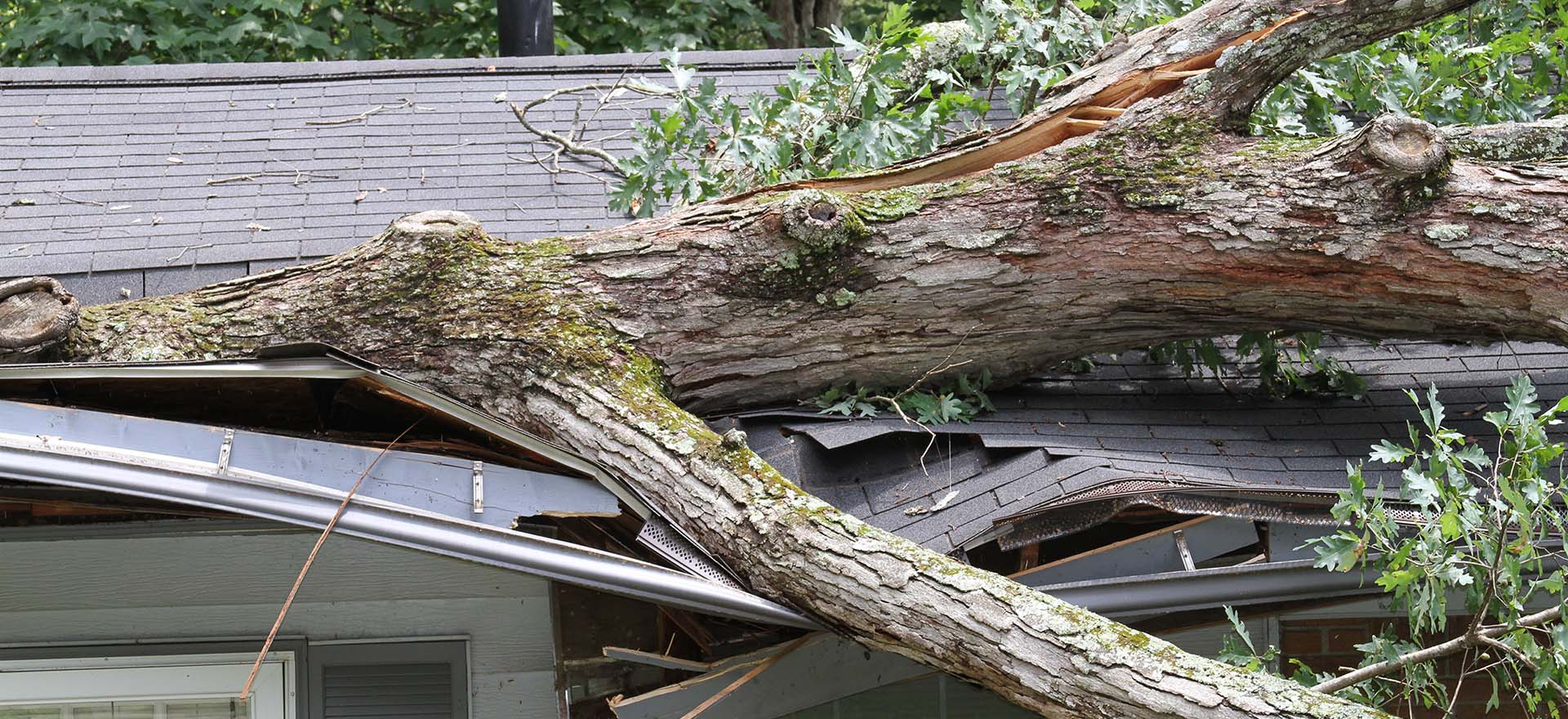
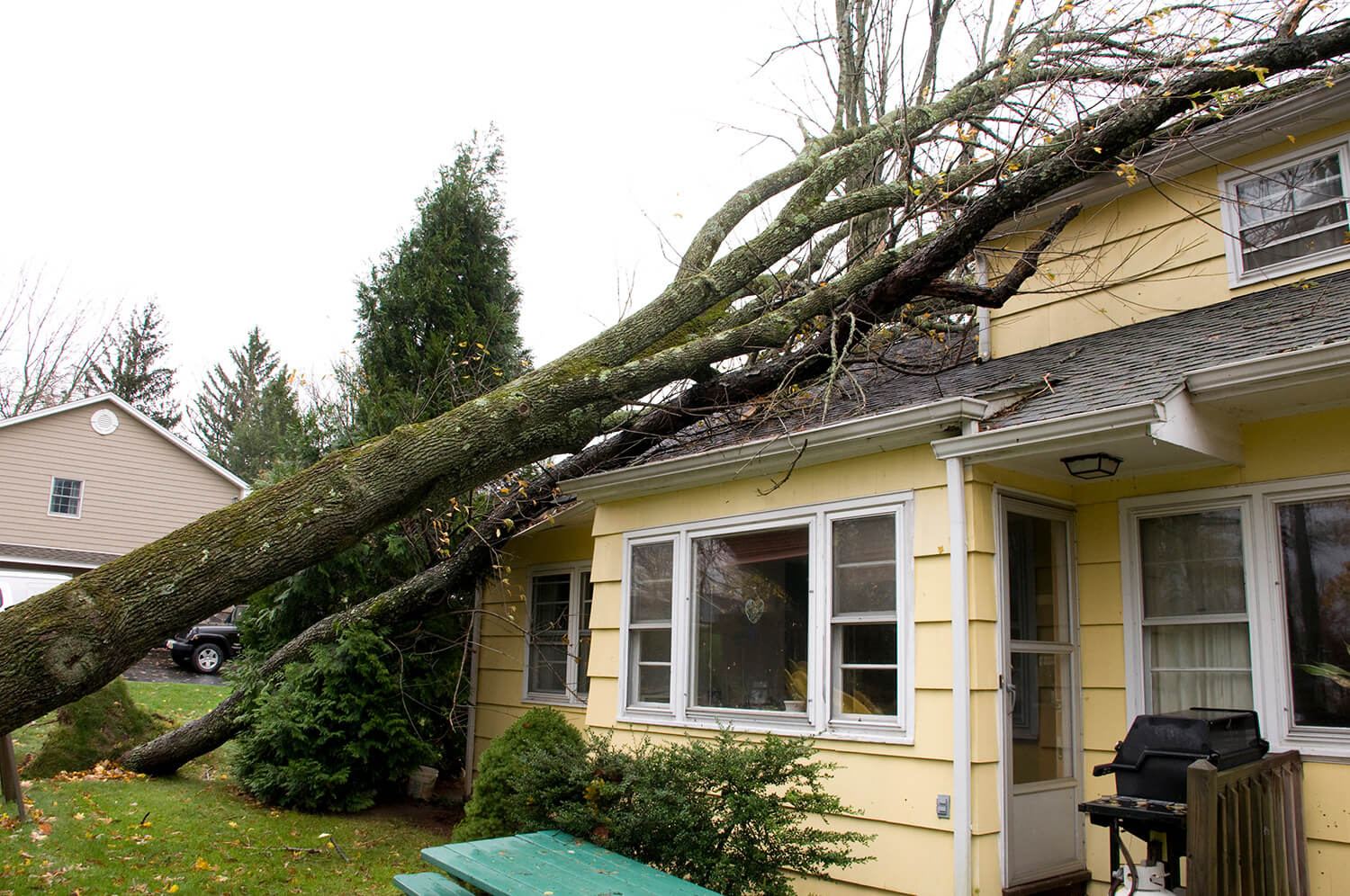
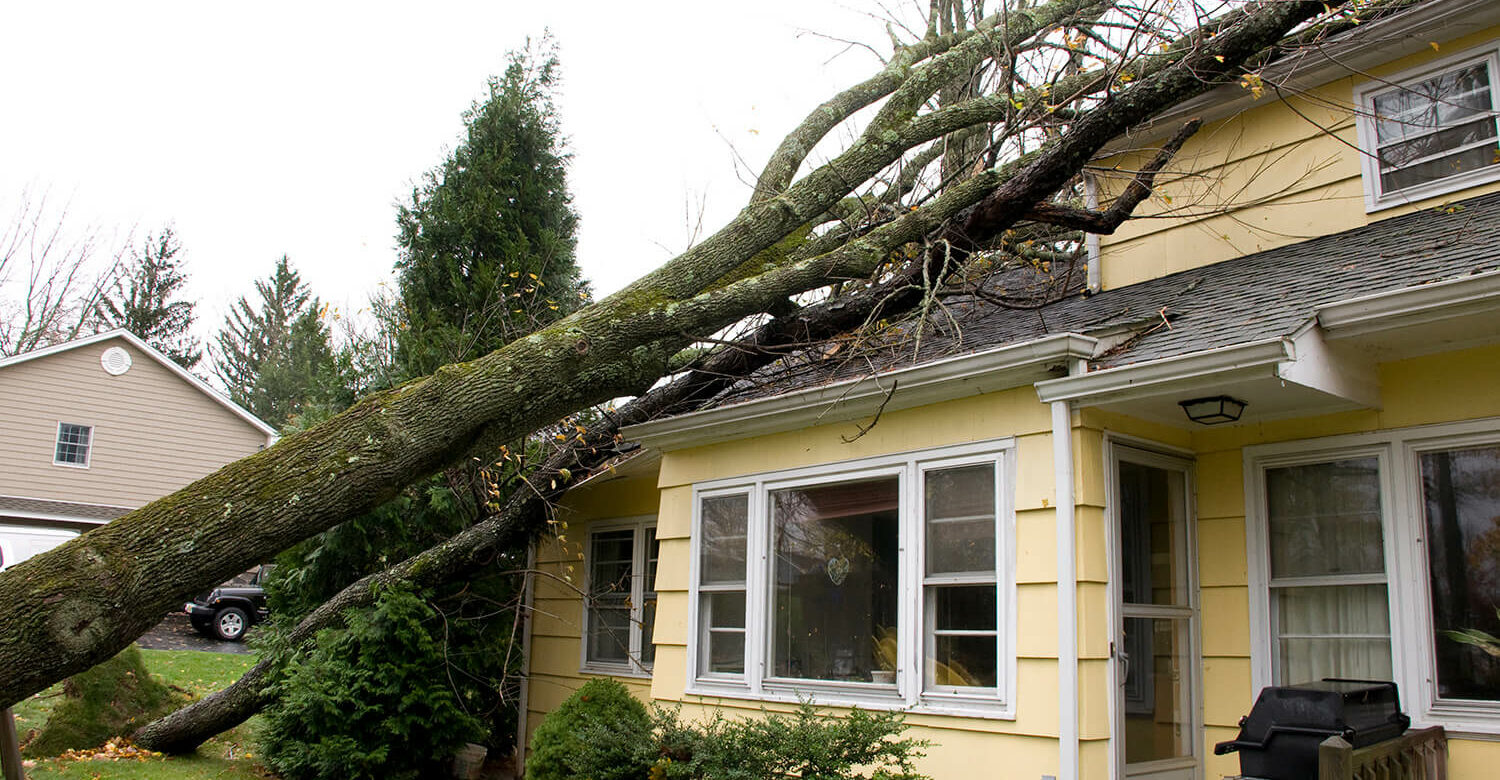
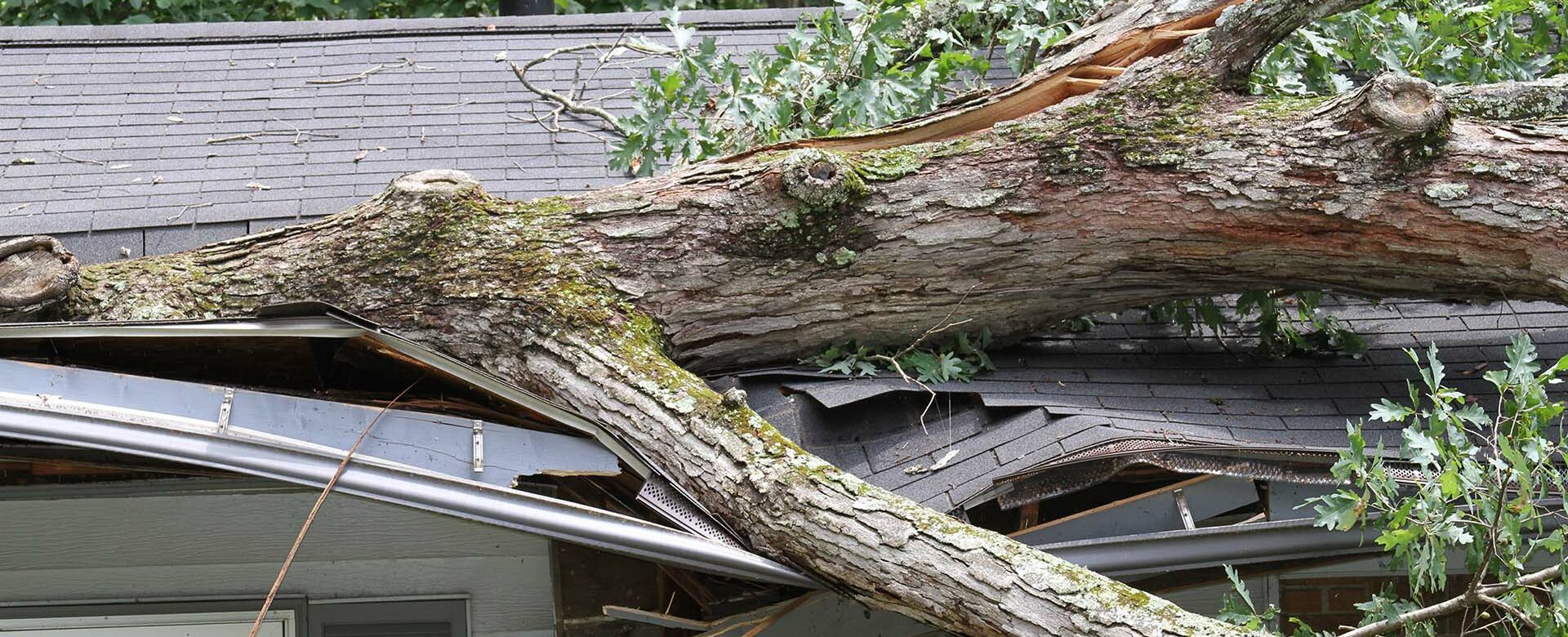
Tree damage isn’t always as obvious as an entire tree crashing through your roof and into your home. Some tree damage can go unnoticed until it causes interior damage – days, weeks or even months later. A stray limb with enough wind and force behind it can cause shingles to fly off, roof sheathing and decking to be pierced and make your roof vulnerable to leaks.

Tree damage can even come from overhanging branches that simply rub along shingles and cause unwanted wear and tear. It’s always a good idea to keep low hanging or potentially destructive branches trimmed back from the roofline where possible.

After a storm, visually inspect your roof as well as you can from the ground to see if any limbs, branches or even leaf buildups can be seen. If so, they should be removed immediately and the roof should be inspected to ensure no damage was caused. If damage was caused, a roofing contractor will typically be able to do a repair confined to that area without a major overhaul of your roof.

Loose or Missing Shingles

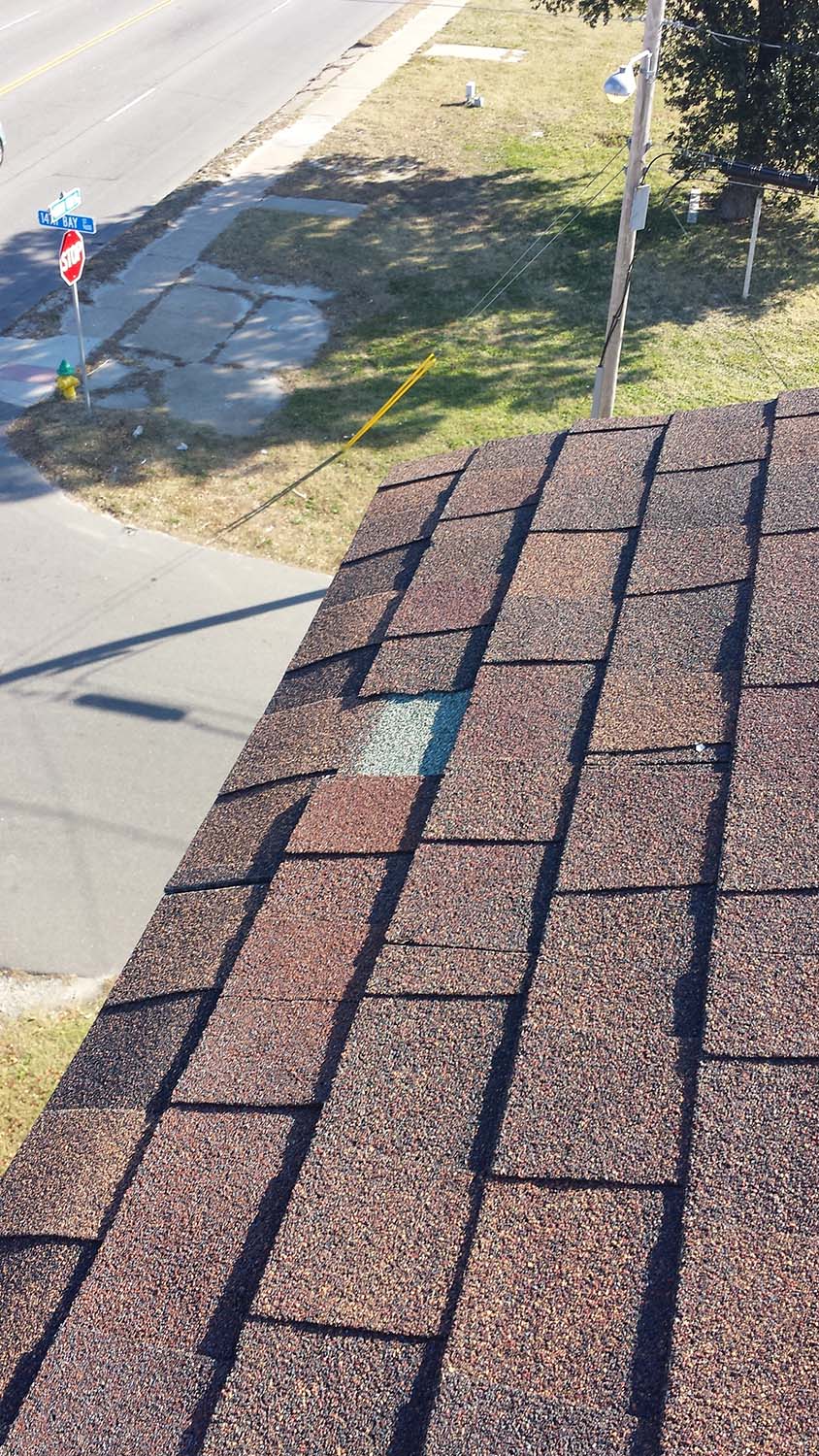
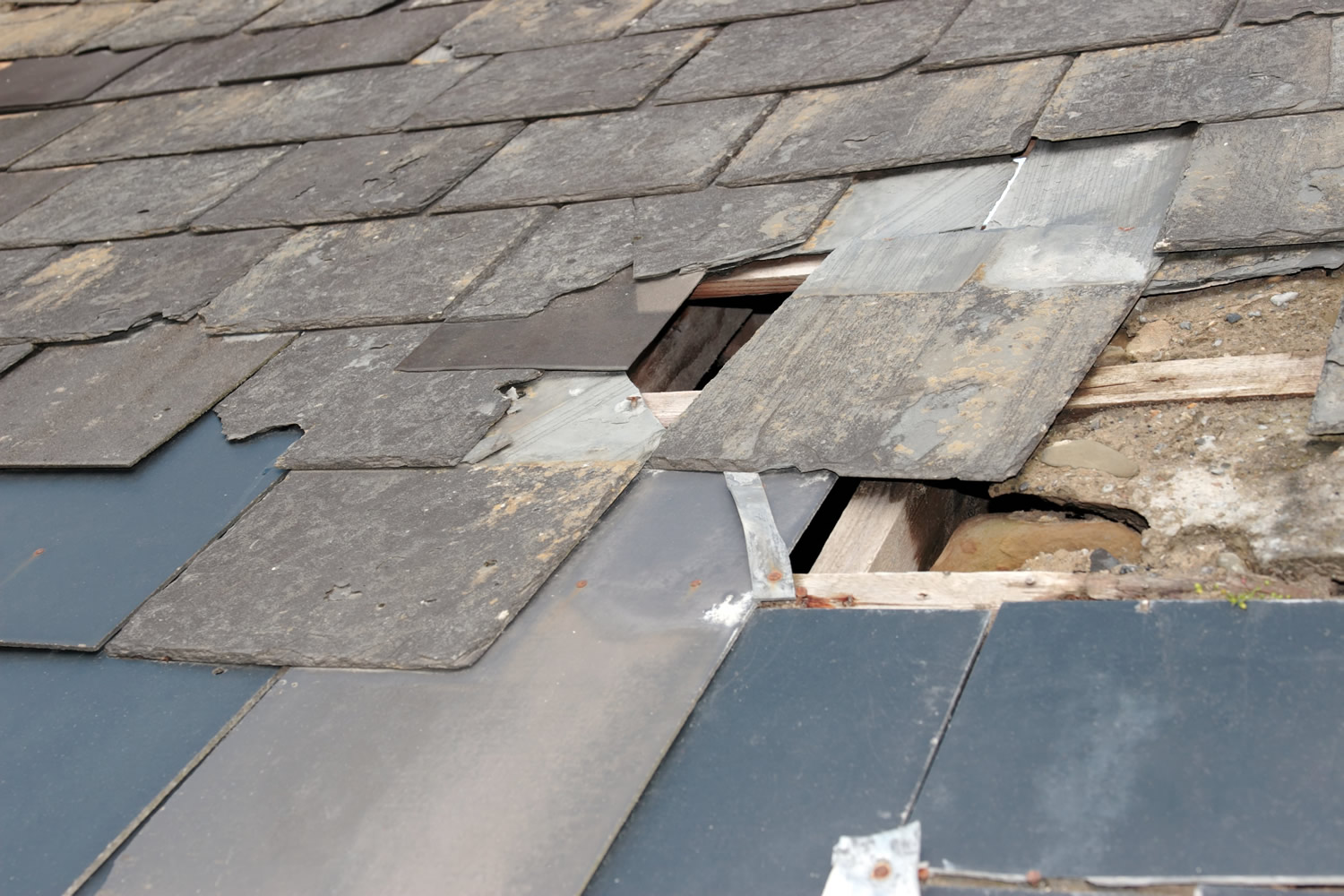
Perhaps the most common damage after a storm is loose or missing shingles. While it may not seem like a big deal if one or two shingles come off, their absence makes the shingles all around that area more susceptible to blowing off, and jeopardizes the roof sheathing beneath. Depending on when and how your roof was installed, the material manufacturer or installer may have specific warranties to cover shingle replacement. In any case, the shingles should be replaced as soon as possible to prevent further damage.

Loose or Missing Flashing

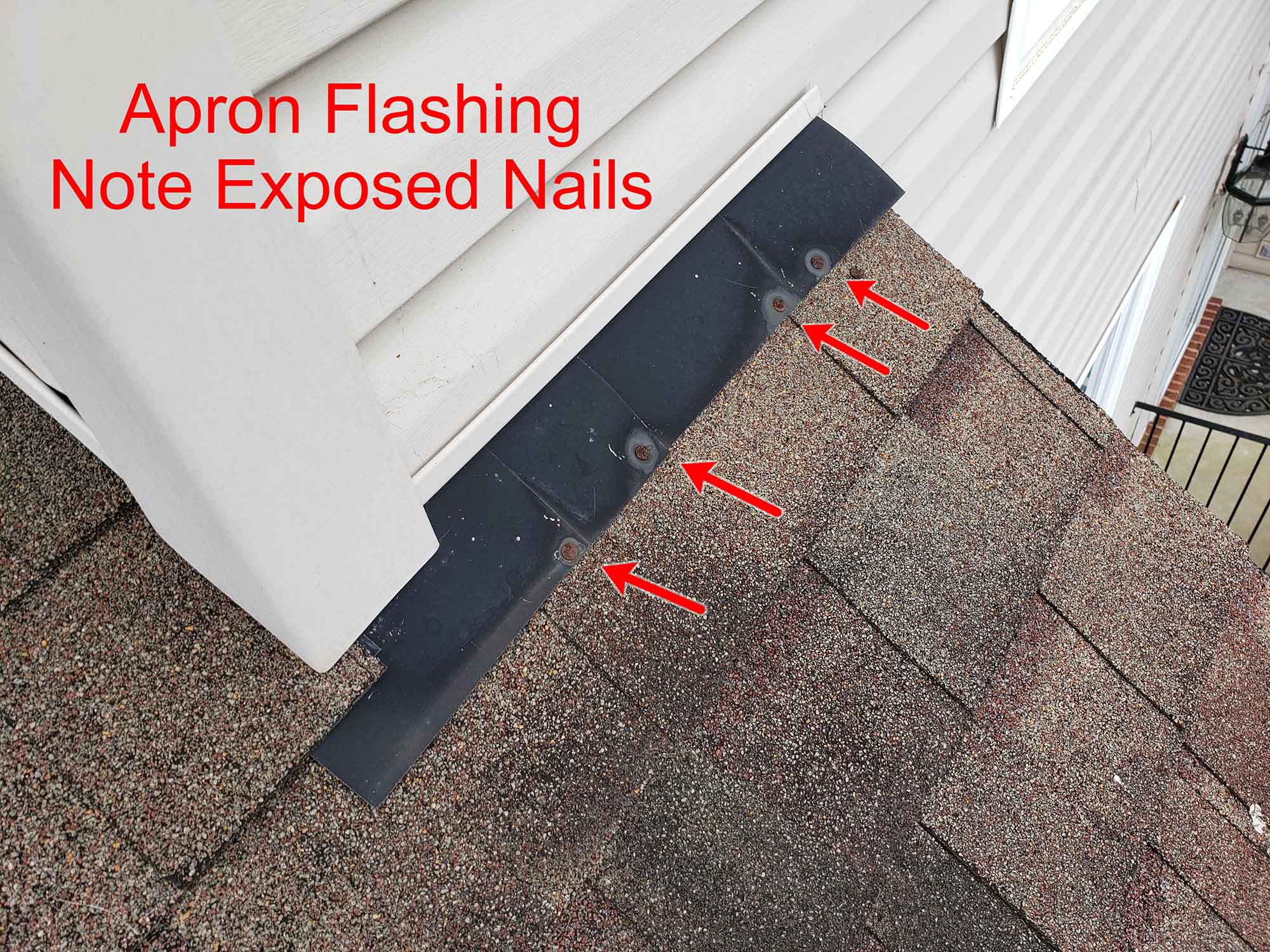
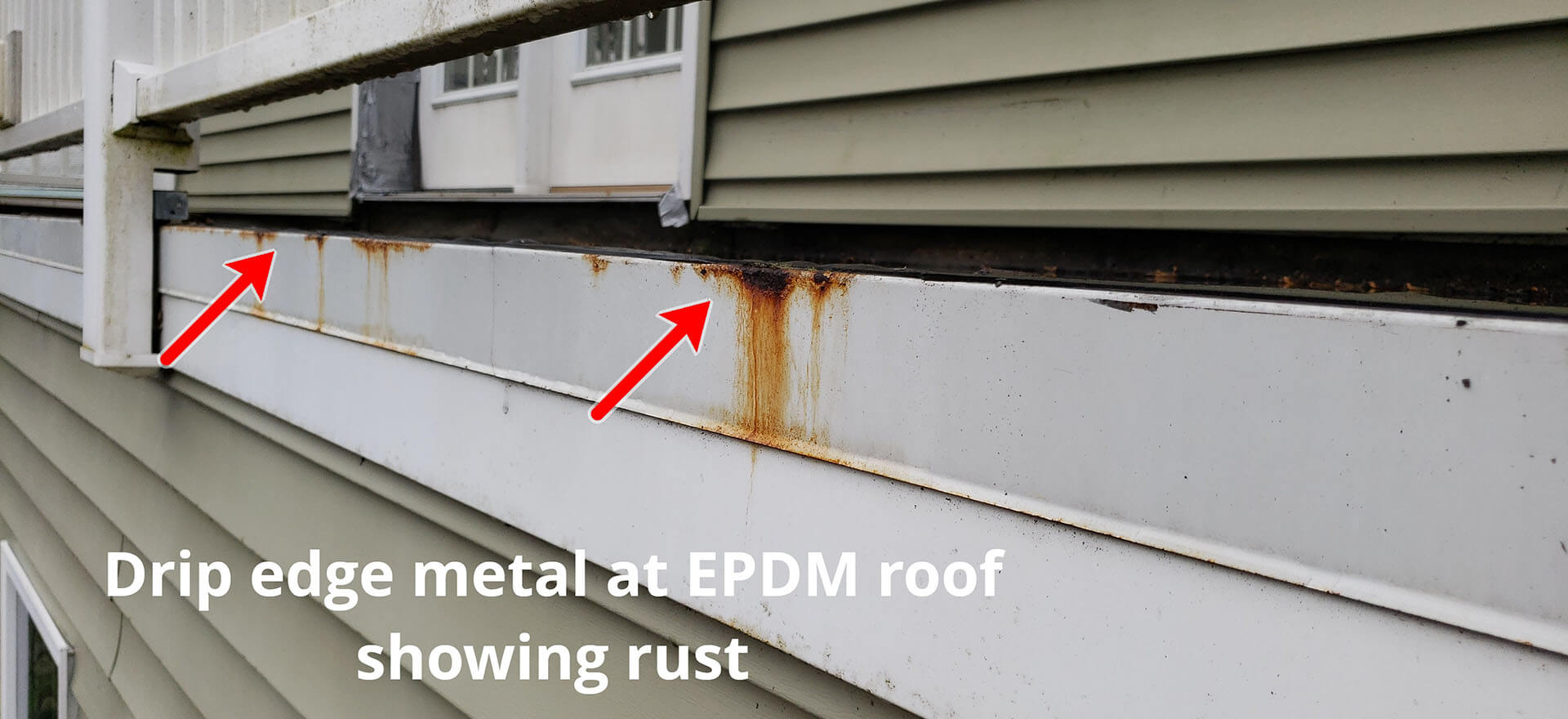
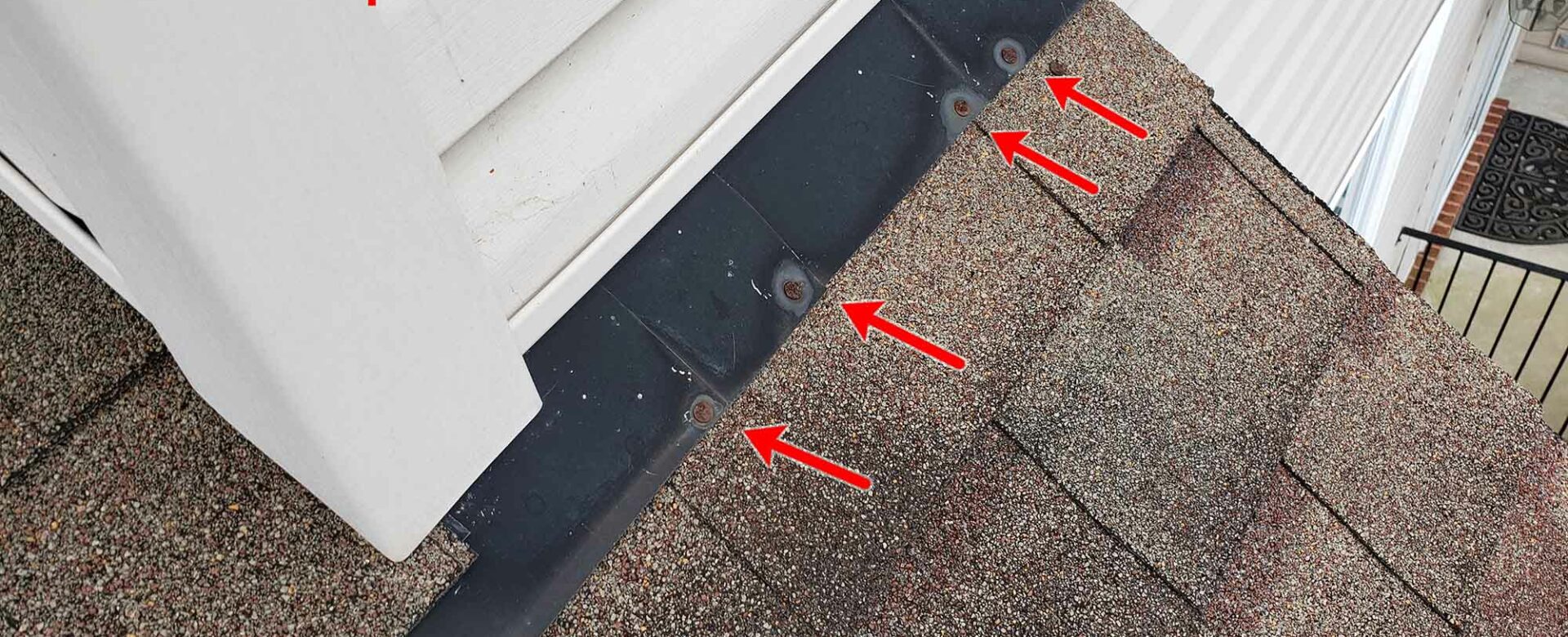
Flashing is the metal sheets that are used in roofing around joints in a roofline and around other roof penetrations such as pipes, chimneys and vents. They play an important role in protecting your roof decking and if jeopardized, major interior damage can occur. Loose flashing can actually cause quite a bit of damage to the rest of your roof, tearing up or removing shingles around it, especially in a wind event.

Missing flashing can allow water intrusion and will also make it easier for nearby shingles to be blown away. Some flashing you may be able to visually inspect from the ground, but if you have reason to believe that flashing may be loose in spots that you’re not able to inspect from the ground, call in a qualified roofing contractor to inspect for you – don’t risk causing damage to yourself to find damage on your roof.

Clogged or Broken Gutters

Particularly if you live near a lot of trees, storms can cause debris to fly off of nearby vegetation that can eventually land right into your gutters. This debris will cause your gutters to work less effectively, which means water will build up and potentially seep up underneath your shingles and sheathing, causing damage to the roof decking below, often seen as dark water spots in the corners and along the top of the walls in your home. Ideally, have your gutters cleaned before storm season so that they are cleared and ready to carry all that stormwater away from your home. But it’s also a good idea to check on them after a storm and make sure nothing has caused any clogs or damage to the gutter itself.

Broken or loose gutters are also common after a storm, and if you see evidence of that, call in a licensed contractor to fix the problem before the next rain event occurs. Broken gutters can funnel water into places it should not go including near your home’s foundation and onto walls and windows, causing even more damage. If you don’t have gutters, or your home’s gutters need to be replaced, you may also want to consider installing a Rapid Rain ™ gutter system which is designed for high capacity that comes with living in a storm prone area.

Contact a Local Roofing Contractor

This hurricane season, if your roof sustains any damage during a storm, contact Andrews Roofing. We are locally owned and operated and we are highly experienced in the issues that are unique to the Tidewater region. We know what to look out for and how to best fix and repair an issue to withstand future weather events.

read more

How to Know When Your Roof Needs a Checkup

They say an ounce of prevention is worth a pound of care, but that doesn’t just apply to your physical health. The same could be said for anything you maintain, including your house and its major systems such as your roof. While there’s no getting around the fact that a roof will eventually need to be replaced, there are many things that can happen over the course of a roof’s lifespan that should be serviced, repaired and maintained. This is especially true in areas prone to severe weather such as the Hampton Roads region.

But how do you know when you should call in a professional roofing contractor? Here are a few things to keep an eye out for to help extend the lifespan of your roof.

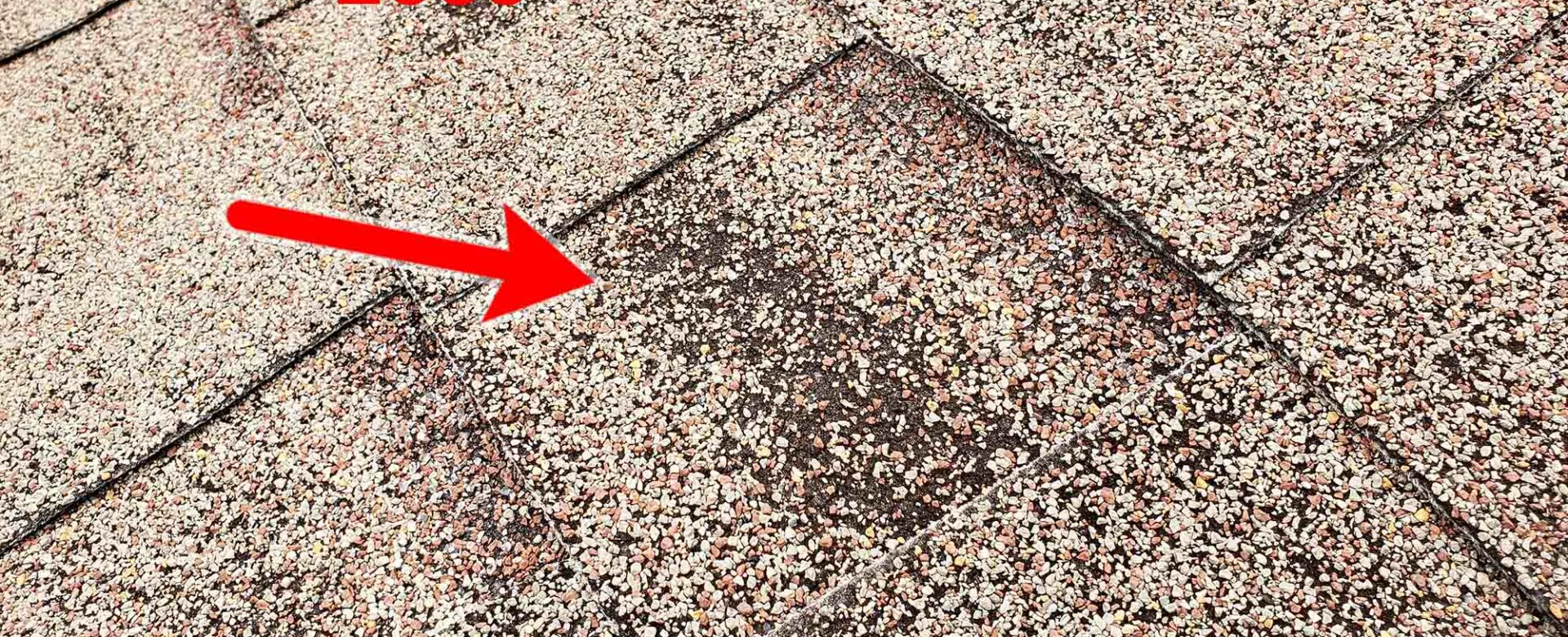
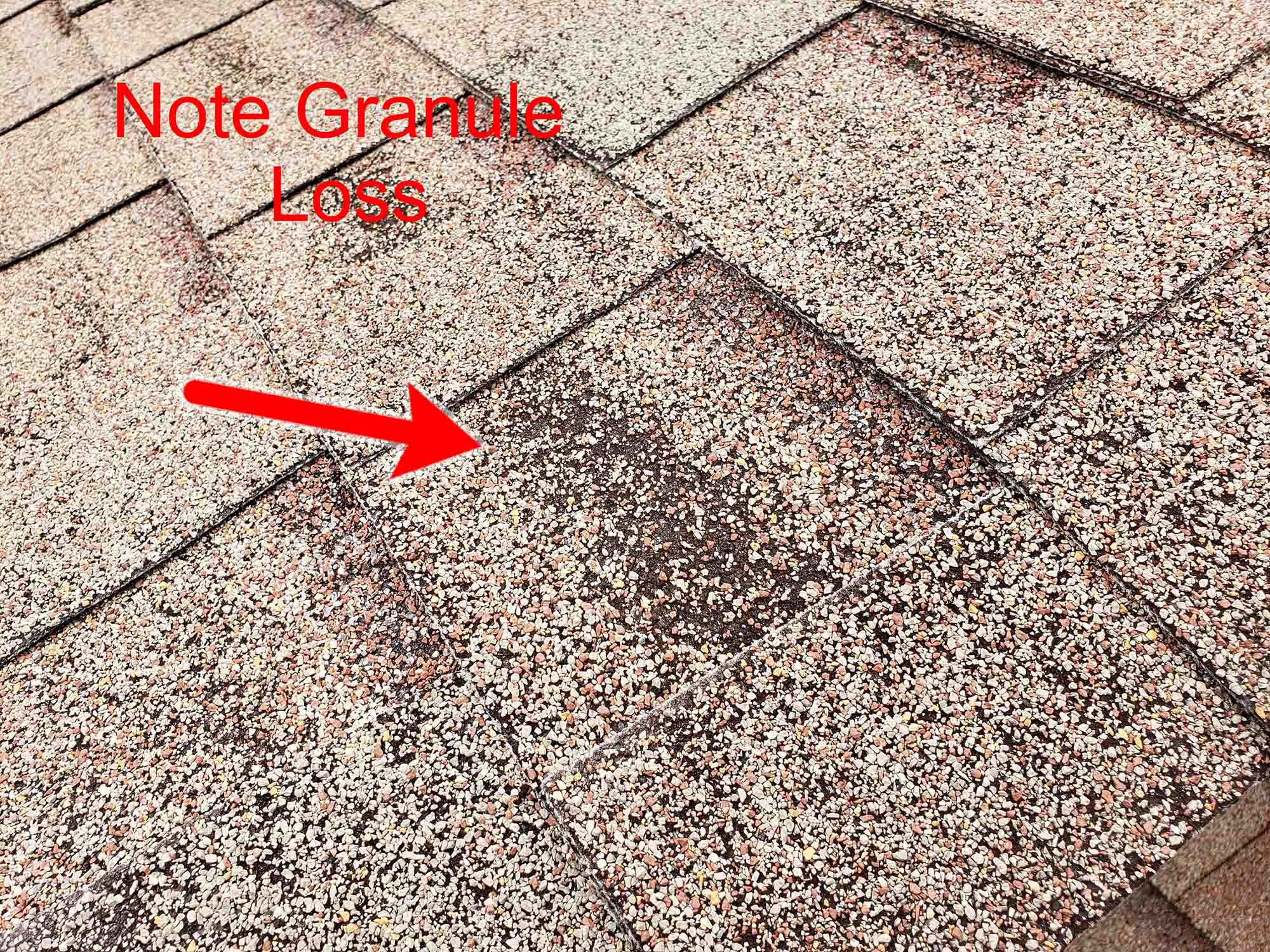
Curling, cracking or buckling shingles are a tell-tale sign that your roof needs some attention. You may also notice asphalt granules in your gutters, which have deteriorated from damaged shingles. This doesn’t mean you need an entirely new roofing system! While this type of roof symptom can sometimes be a sign that a roof has reached the end of its serviceable life, it can also be an isolated incident that simply needs to be repaired or patched.

While it may not necessitate a total replacement, shingles that are damaged or worn should be a high priority on your home to-do list. Just a few curling shingles can allow water to penetrate your roof causing leaks, mildew and other interior damage.

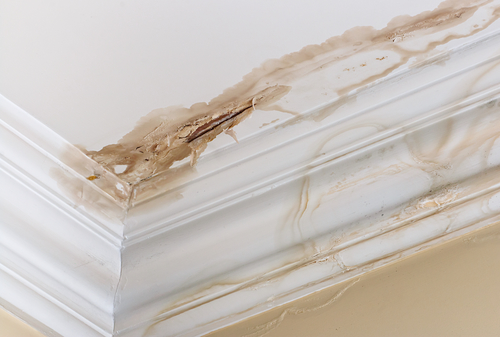
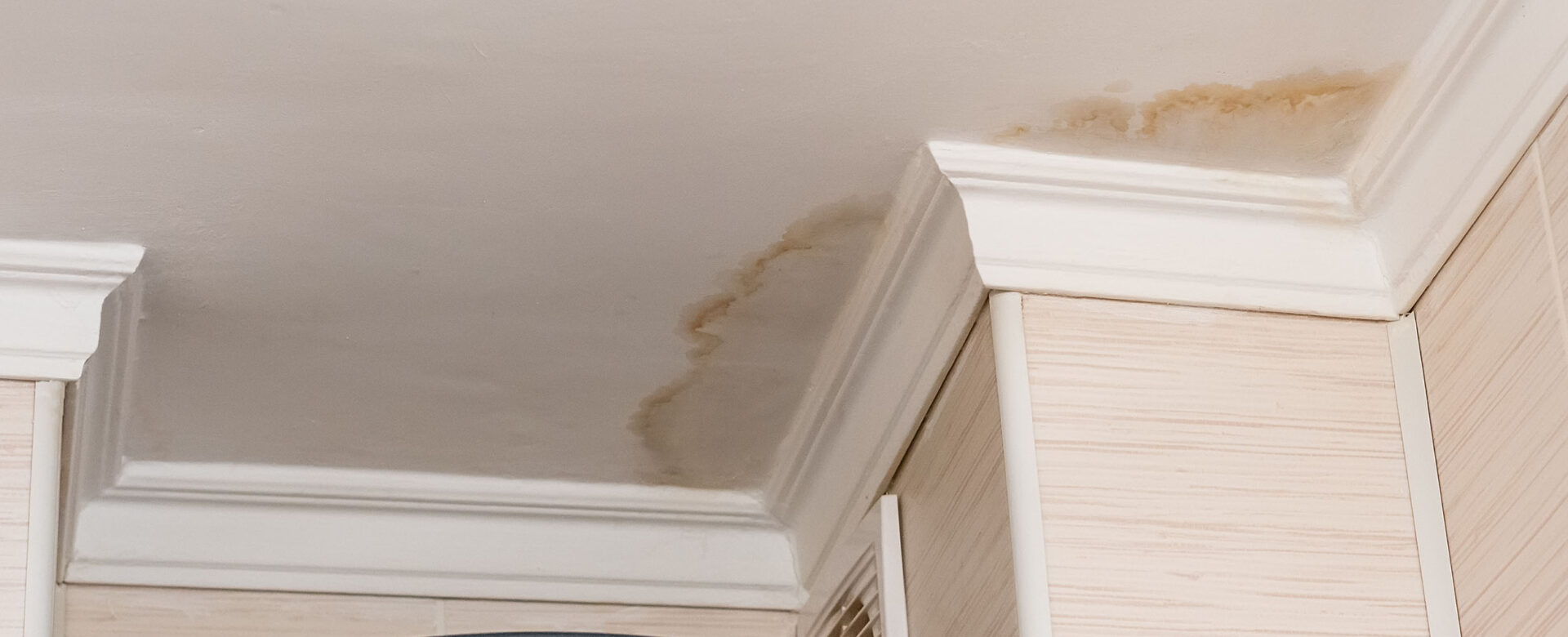
Speaking of interior damage, dark spots on your ceiling or walls also signal that it’s time to have a roofing professional come out and inspect. Even if you don’t see a hole or missing or damaged shingles from the outside, the leak may still be the result of a failure in your roofing system such as loose or missing flashing, backed up gutters or damage that simply isn’t visible from the ground.

Dark spots indicate that moisture has penetrated your roof, the sheathing, decking, and potentially attic flooring. These are serious signs that should be attended to as soon as possible by a professional to ensure additional damage does not occur and that harmful mold and mildew do not start to grow.

Moisture in your attic may also be a sign of problems with your roof as well as your insulation. If you find that the insulation, wood, flooring, ductwork or other items in your attic seem damp, it may be caused by a lack of proper ventilation and/or unsatisfactory insulation. But these issues, over time, can also affect the health of your roof by causing water damage to decking from the underside. An ideal attic temperature is close to that of the temperature outside. This prevents condensation, which is often the cause of interior moisture damage. A licensed professional contractor will need to address these issues if you find them.

Of course, sometimes all of these things indicate that a roof has simply reached the end of its lifespan and needs to be replaced. Most modern asphalt shingle roofs have a lifespan of 20-30 years. In the cities of Virginia Beach and Chesapeake and across the Tidewater region, many homes and large neighborhoods were constructed in the 1990’s, making them the age now to need total replacement.

A qualified roofing company can provide you with a roofing checkup to help you determine whether a repair or total roof replacement makes the most sense for your home and budget. At Andrews Roofing, we provide professional evaluations, customized quotes and affordable financing options as well. Whether you think your roof needs an ounce of prevention or a pound of care, we can help. Contact Andrews Roofing today.

read more

Is Your Roof Ready for Summer Storm Season?

Summer storm season is upon us in Hampton Roads.

While plenty of attention is paid to hurricane season and tropical storms, there are other types of summer storms on the Eastern Seaboard that can cause their fair share of damage as well.

Tornados

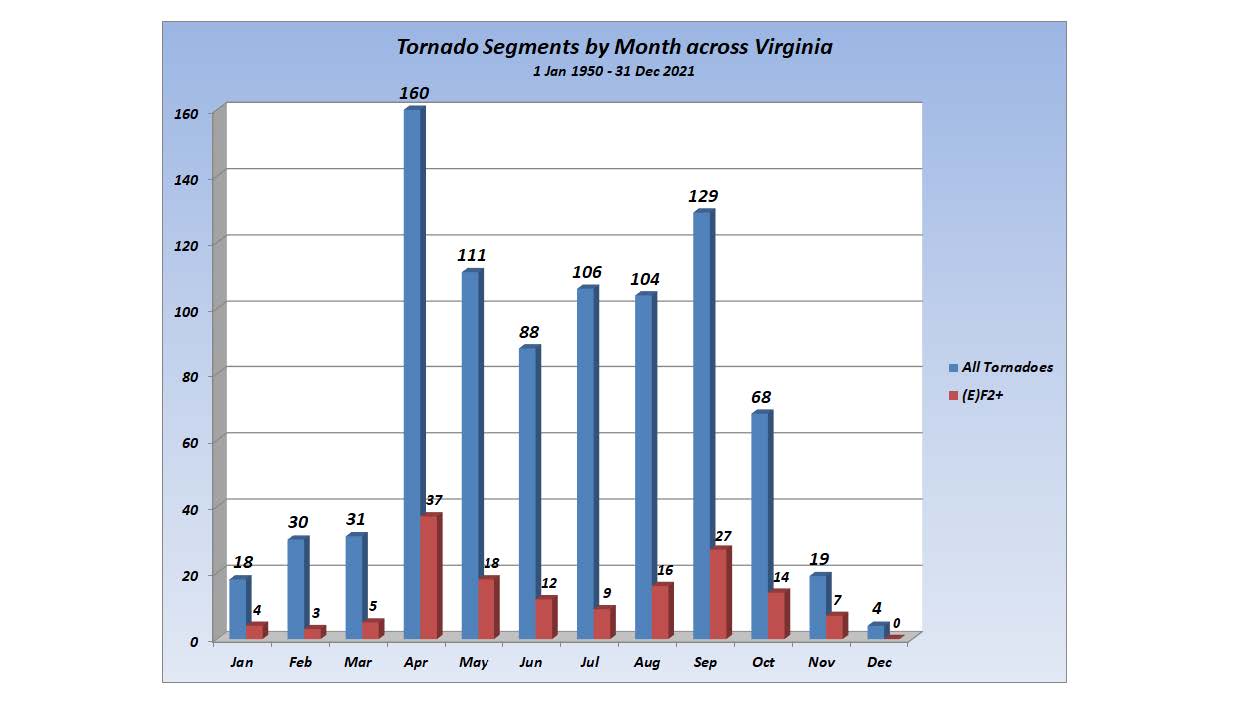
According to the National Weather Service, tornado season spikes in Virginia from April to September. April has the highest number of tornadoes on record: between 1950 and 2021 Virginia saw 160 tornadoes in the month of April alone, 37 of which were (E)F2 or higher. While the vast majority of those tornadoes are (E)F0 or (E)F1, they can still cause plenty of exterior damage to property.

Derechos
In addition to tornadoes, summer storms often bring with them derechos. The national weather service defines these storms as “widespread, long-lived wind storms associated with bands of rapidly moving showers or thunderstorms.” These storm systems can cause just as much damage with their straight-line winds as a tornado does with its cyclical wind.  On June 29, 2012, Virginia was hit with one of the most destructive derecho storms on record. Dominion Energy reported it as the third worst storm to hit Virginia, leaving one million people in the state without power.

Flooding

Flooding – from any type of storm system – is the most common and costly natural disaster, according to the Virginia Department of Conservation and Recreation. You can find out whether or not you live in a flood zone, and in exactly what area of a flood zone through the Virginia Flood Risk Information System. And as our region’s name implies, Tidewater is even more impacted by flooding due to high tides that coincide with heavy rain.

While these facts and figures can be scary, it’s best to understand the risk to your home and property in advance so that you can be as prepared as possible. Having a comprehensive home insurance policy and flood insurance where necessary is a great start. But to avoid having to make an insurance claim or out-of-pocket costly repairs, prevention is key.

Unfortunately, in the case of severe weather, your roof is often the most vulnerable part of your home due to its location and sheer surface area. And of course, roof damage isn’t ever just roof damage. Leaks and holes can cause interior water and property damage. Clogged, missing or damaged gutters can cause foundation issues. Even loose flashing or shingles can cause impact damage to other parts of your home.

So how can you prepare your home’s roof for summer storms?

First, give your roof a good visual inspection. Walk the entire perimeter of your property, paying attention to shingles, flashing, vents, and gutters. Remember to also check the roofs of any exterior buildings on your property such as sheds, pool houses or workshops. These structures also need regular roofing maintenance and, depending on their use, disrepair can lead to costly property damage.

If gutters are clogged, have them cleaned out. This can prevent overflow which can lead to foundation sagging and water damage or basement flooding. If you see any loose or missing shingles, call a qualified roofing company to make an immediate repair. Even one or two missing shingles make all the other shingles around it substantially more vulnerable to being blown away. Loose or missing flashing also calls for an immediate repair as these can become dangerous and destructive projectiles. Have all work done by a licensed, professional roofing contractor and keep all your paperwork on hand in case you need to make a warranty or insurance claim if damage does occur.

If your roof needs some preventative repairs or maintenance in preparation for this summer’s storm season, contact Andrews Roofing today. We have served the Tidewater area for years and know the unique needs and requirements of homes in this region.

read more

How to Protect Your Roofing Investment

A new roof may be one of the largest investments you make in your home.

So, once you’ve made that upgrade, it’s important to protect it. Most people don’t spend much time thinking about their roof – until something goes wrong. But some forethought and a little regular maintenance can extend its life and the value you get out of it. Here are a few tips on how to extend the life of this important home investment.

Keep those gutters clean

One of the most critical things you can do to help your roof remain healthy and stable is to keep your gutters clean and clear of debris. When gutters are clogged, water can push up under the shingles, causing rot and damage to the sheathing below. Clogged gutters can also cause excess water to fall off the edge of the gutter and right toward your home’s foundation. Over time, this can cause foundation cracks, moisture damage, termites, basement flooding and more.

While it’s critical to keep your gutters clean, it’s also important to stay safe. If you plan to clean your own gutters, always do so with another person who can stabilize the ladder while you clean. Otherwise, find a locally owned and operated company who provides professional gutter cleaning services and get on their schedule for regular seasonal or semi-annual maintenance.

Do a regular visual inspection

A simple visual inspection once a month, or right after large storms, can help identify potential trouble spots. Things to look for include cracked or curled shingles, missing flashing, loose shingles or flashing, or mold or mildew build up on shingles. Inside your home you can do regular visual inspections in your attic or crawl space. Check for damp areas, excessive drafts, and of course – obvious holes or water damage.

If you see any of these issues, give your roofing contractor a call. There may be warranties on your roofing materials that could help solve the issue. If there has been true damage to your roof or interior, it may also be time to call your insurance agent.

Keep your roof clean

In addition to being unsightly, areas of mold, mildew and algae on your roof can actually lead to more serious damage. Mildew can cause shingles to warp over time, losing their stability and protective purpose. It can also be indicative of worse water damage to your roof’s sheathing. We do not recommend cleaning your roof yourself, as this can be a dangerous activity. Find a qualified, professional cleaning service who can do this for you on an as-needed basis.

Trim your trees

One of the best ways to prevent damage to your roof is to keep the trees and landscaping around your roof trimmed and maintained. Trees with overhanging branches should be cut back by a professional tree service as should any nearby dead or dying trees. After any major storms, check the trees on your property to make sure no branches have broken and gotten caught up on lower limbs – these can become damaging flying debris in the next storm.

Keep an eye on your attic

Your attic is the foundation of a healthy roof. It provides two critical elements for a long roof life: ventilation and insulation. Proper ventilation in your roof, along with appropriate insulation, eliminates moisture build up that can combine to cause rafters and sheathing to rot, shingles to buckle, and insulation to lose its effectiveness. A licensed contractor can help if you think either of these two things may be lacking in your attic.

Call a professional roofing company

If your self-inspections reveal any of the issues mentioned above, it’s important to call a local, licensed roofing company. Roof repairs are too serious and potentially dangerous to be DIY. Protect the rest of your home by maintaining a healthy roof alongside a trusted roofing company.

If you’ve noticed any issues with your roof, or would like to have your roof inspected for damage and deterioration, contact Andrews Roofing today. We’d be happy to come out to your home and help determine what your next best steps are – whether that’s a roof repair or replacement.

read more