

Leaks & Service Repairs

757-399-3066 ext 3 (Leaks & Service Repairs)

Reroof Estimates & Inspections

757-399-3066 ext 1 (Reroof Estimates & Inspections)

Tag: roof water intrusion

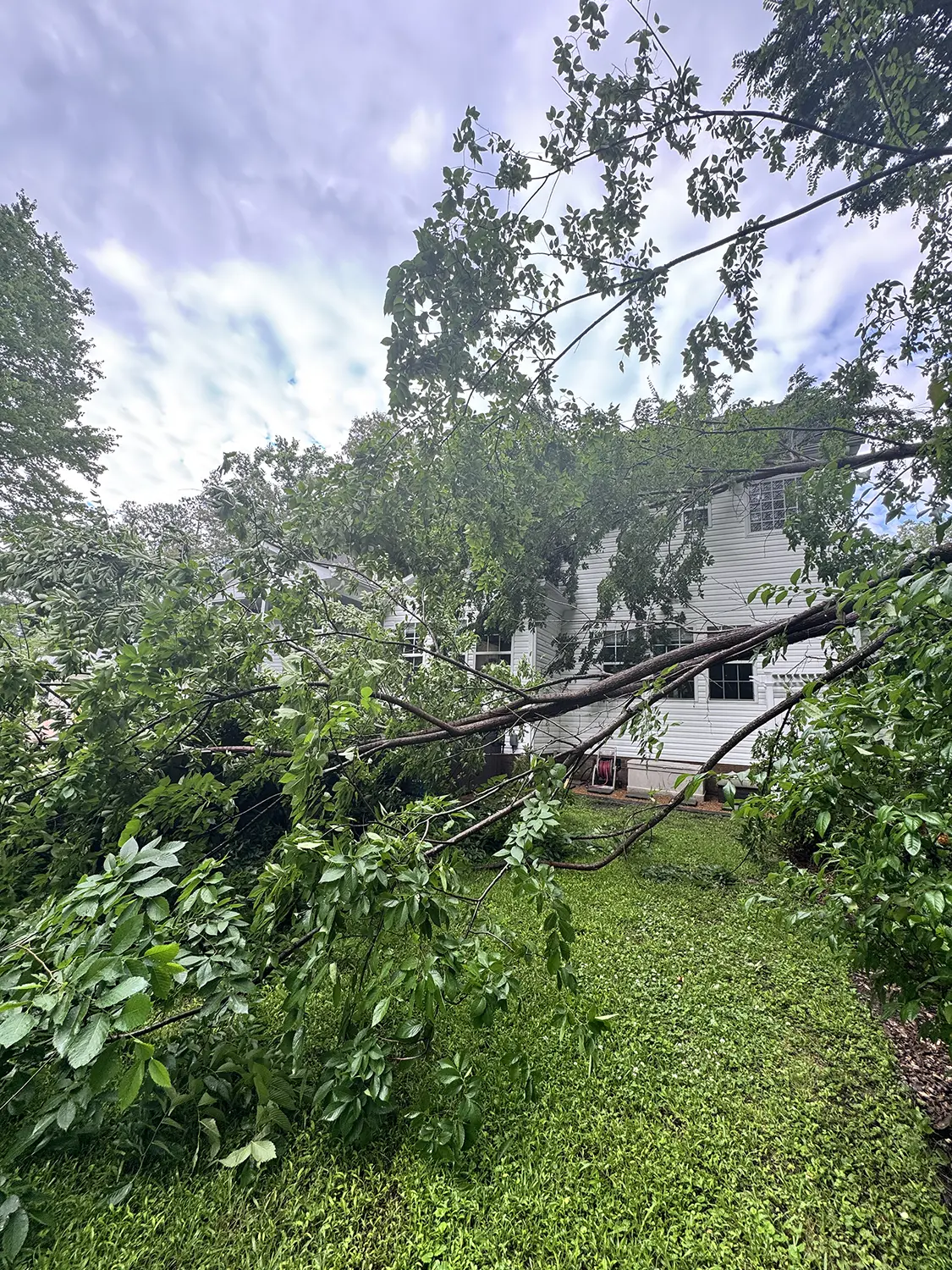
What to Do When a Tree Hits Your House

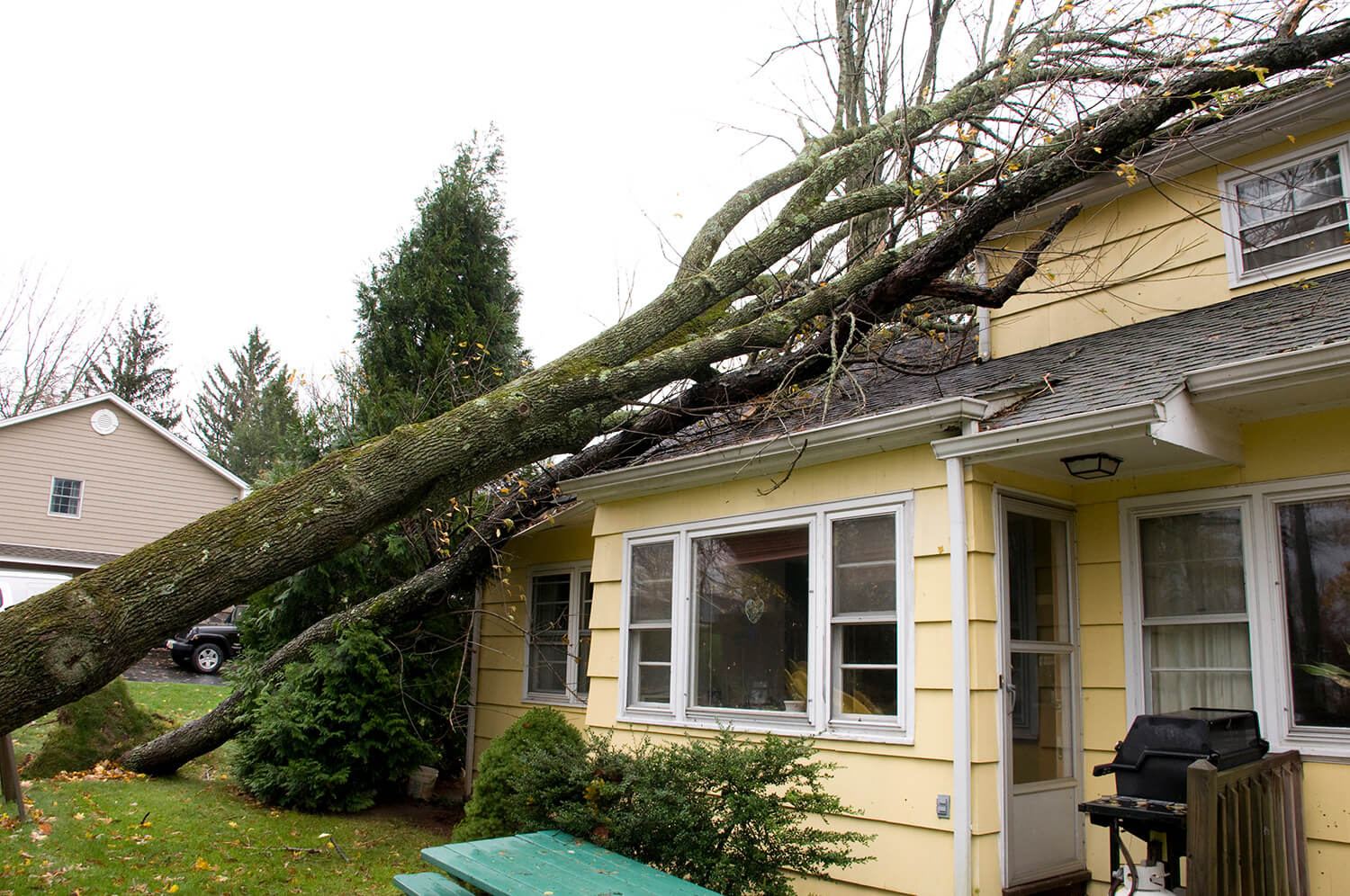
We hope it never happens, but in Hampton Roads, where wooded lots are as plentiful as the pop-up storms, tropical system and nor’easters we experience, it’s never out of the question. There may come a day when you’re awoken in the middle of night to the unmistakable “thud” of a tree landing on your roof. As jarring as that moment can be, the real anxiety is usually in the follow up. Who do you call first? What can you do yourself and what should you wait for an expert for? Who pays for the damage? While we always hope for the best, let’s walk through how to be prepared for the worst.

Step 1: Inspect for Immediate/Emergency Damage

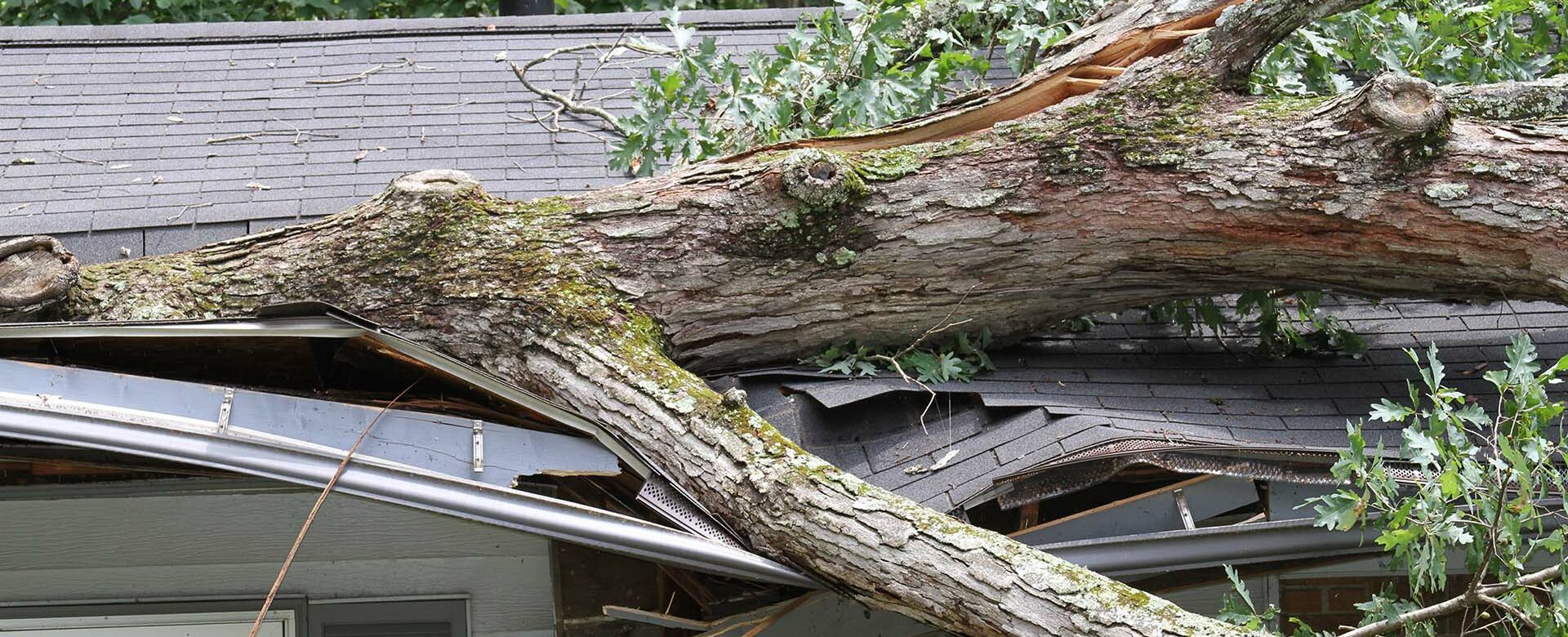
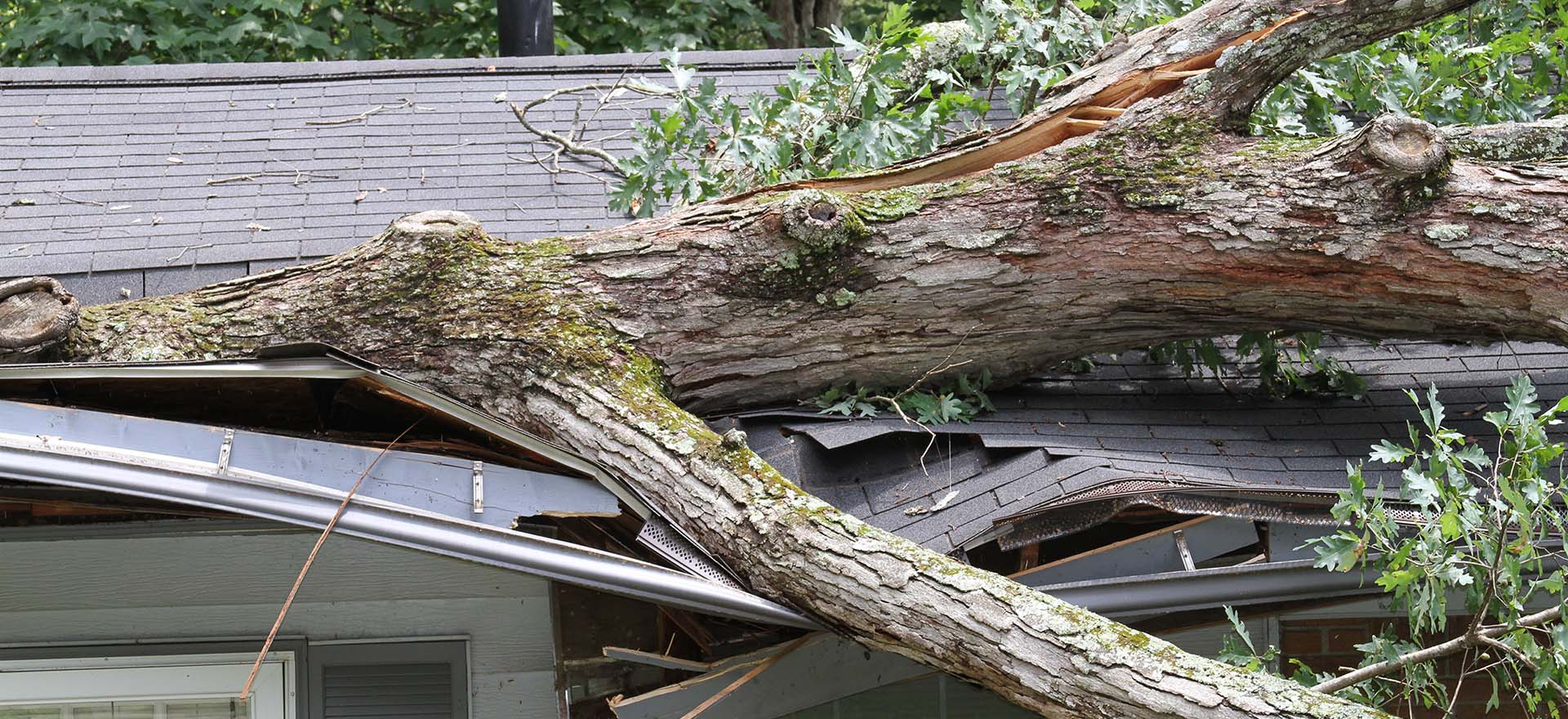
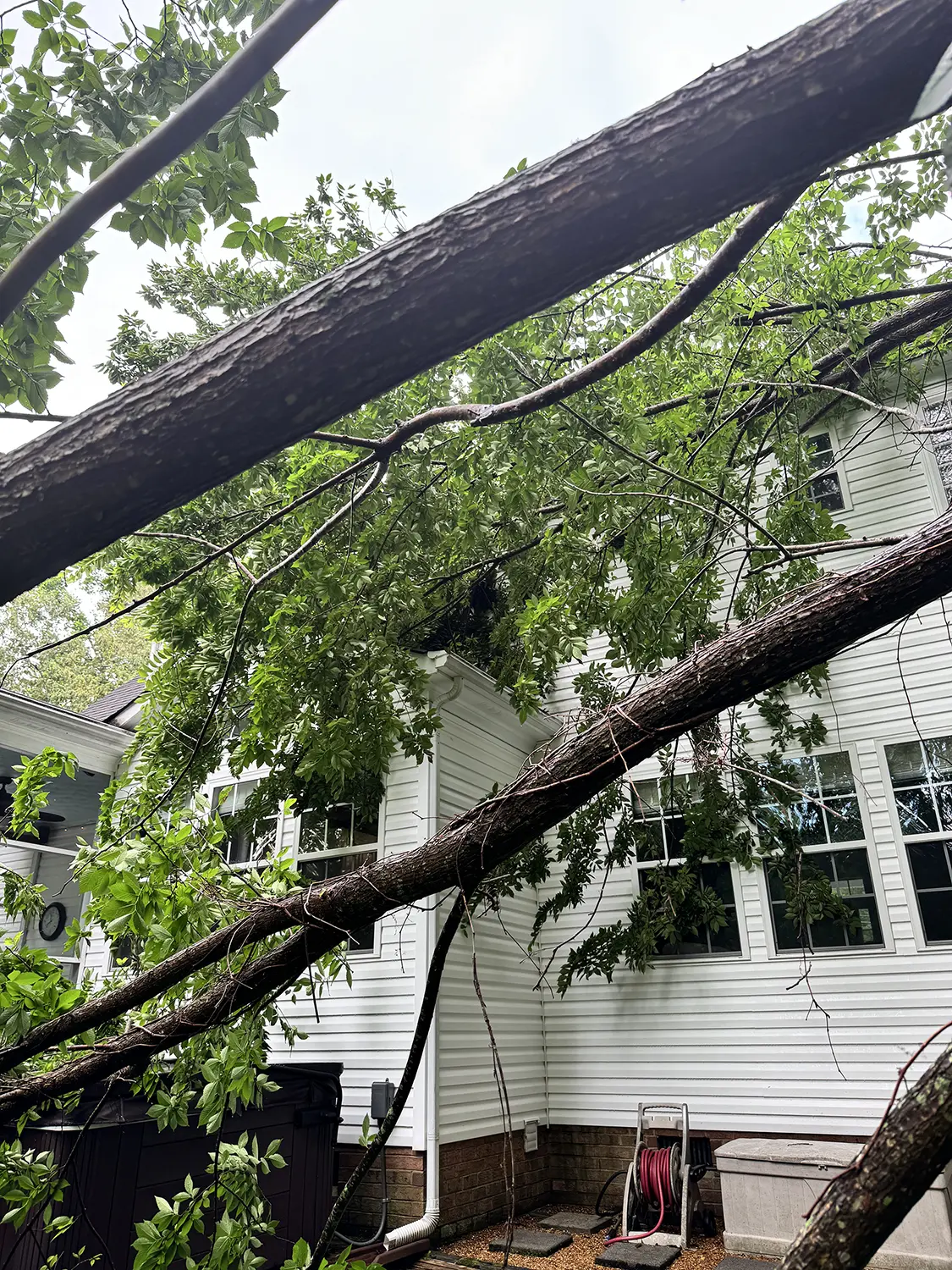
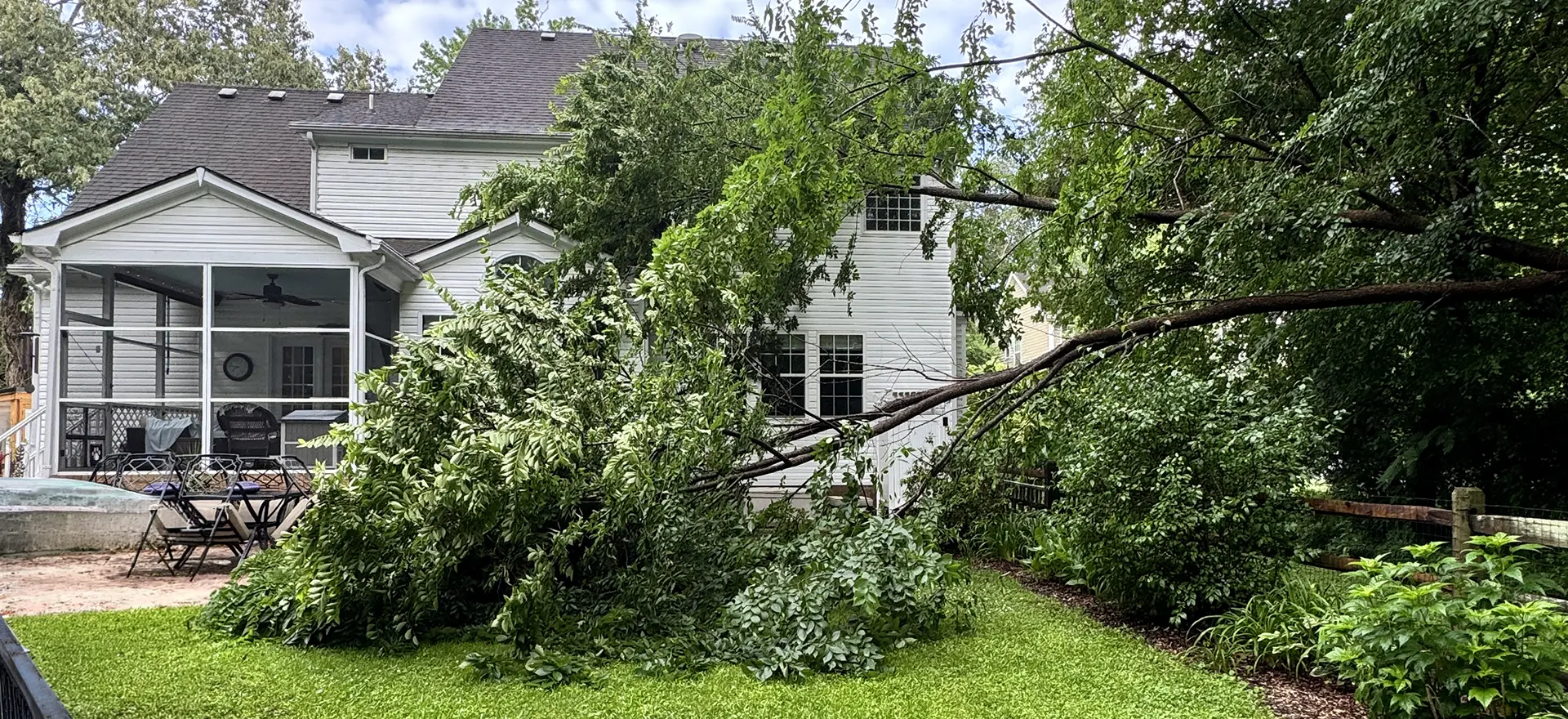
Depending on the size of the tree or the force with which it hit your home, some damage may be immediately obvious. If the tree has penetrated your roof, windows or siding, it will be hard to miss. But in most cases, this doesn’t actually happen. A tree lands on your roof and the damage is typically only exterior and often is underneath the tree in a way that may not be visible without equipment or risky roof access. Immediately following the incident, do a basic safety check first. Look for downed power lines, gas leaks, structural sagging – all things that mean you should vacate the house and call emergency services.

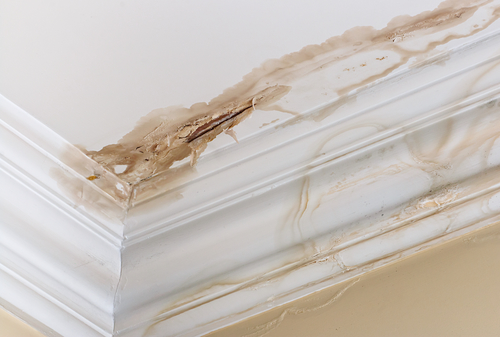
If you don’t see signs of imminent danger, access your attic to check for any penetration or daylight coming through. This may be hard to do if the incident happens at night, so double check when it’s daylight. Next, look for water intrusion – even if there isn’t a visible hole. You may see seeping water coming through the roof deck from the inside where shingles have been lifted or come off.

Whatever you find, document everything! Take photos and videos from multiple angles where it’s safe to do so. This will matter enormously for any insurance claims that need to be made. Unless it is absolutely critical in order to exit the home or for immediate safety, avoid moving debris or cutting the tree yourself, especially if it’s resting up against the house. Shifting the weight of a tree can actually cause further structural damage, and one large limb or piece being moved off the house can drag across and remove shingles, gutters, siding, etc.

Most insurance companies will actually require you to take “reasonable steps” to prevent any further damage, but this does not mean getting on your roof or putting yourself in danger. Tarping your roof is a job for a professional. Your “reasonable steps” should be calling a tree removal company and roofing company as soon as possible.

Step 2: Reach Out to Insurance

As soon as you’ve documented the damage, reach out to your insurance company, even if you’re not sure yet that you’ll need to make a claim. You can ask them specifics about what they consider “reasonable steps” to mitigate any damage, but again – no one should be asking you to put yourself in danger. Instead, ask them if they have preferred vendors for doing this kind of temporary repair work.

Clarify with your agent or representative what exactly is covered in your policy. If your home is not actually damaged by the tree, the cost of removal may or may not be covered. Schedule an insurance adjuster to come inspect your property as soon as possible. Have your documentation ready to share – some insurance companies will have you email or upload photos to their app or website. In the meantime, keep every receipt for any work you have done for immediate repairs, tarping or even hotel costs if you’ve had to vacate your home.

Phase 3: Call in the Professionals

Your insurance company may have preferred contractors and vendors they work with for this type of job, but most policies do not require you to use those vendors. Whether the reference comes from them or elsewhere, you should call a licensed, insured tree removal company ASAP. Until the tree is removed it will be impossible to know the extent of the damage done to the house. As best as you can, coordinate the timing between the tree removal and a roofing inspection by a licensed roofing contractor as closely as possible.

Even if you don’t see signs of a leak, bring in a professional roof inspector. Hidden damage like cracked shingles, missing shingles or compromised flashing are very common and not always visible from the ground. Get a detailed, written estimate from the roofing contractor to supply your insurance adjuster. If possible, work with tree removal and roofing companies who are experienced with insurance claims and who have a process in place for how those jobs are estimated and billed.

Once the inspection is complete and repairs are scheduled, make sure the area stays properly secured until the fix is complete. Especially since storms tend to come in waves in our area, it’s important to try and avoid any additional damage that could complicate a claim or put any of the fault on you.

Step 4: Finalize the Claim

Hopefully the damage is covered by your insurance and the vendors you’ve worked with understand the claims process. In many cases, contractors will bill your insurance company directly. But in other cases, you’ll pay out of pocket, submit your receipts to your claims agent and then your insurance company will cut you a check for what is covered, minus your deductible. This can be stressful, as it’s not always clear that all expenses will be covered, but the best thing you can do is document everything fully, and submit everything you have in an organized, clear way.

Contact a Local Expert

If you’re dealing with a felled tree on your house, Andrews Roofing can help. We have decades of experience with Hampton Roads homeowners and insurance companies, and we have processes in place to help you easily file claims for the work done to your home. We are licensed, insured and experienced. Contact us today for a roof inspection, professionally written estimate and quickly scheduled repair to help you get through this stressful time.
read more

Roof Replacement ROI: The Hidden Financial Perks of a New Roof

Replacing your roof is a major home improvement project, and for many homeowners, the upfront cost can feel daunting.

But what many people don’t realize is that a new roof is also a smart financial investment that can pay off in a number of ways—both immediately and long-term. From lowering your monthly bills to increasing your home’s resale value, here are some of the top financial benefits of investing in a total roof replacement.

  1. Lower Energy Costs

Older roofs often have worn-out shingles, deteriorating underlayment, or poor ventilation. All of these factors allow air to escape (or stay trapped), making your HVAC system work harder to heat or cool your home. A new roof with modern materials and proper insulation and ventilation can improve energy efficiency, leading to lower monthly utility bills. Over time, these savings add up significantly. Some roofing products are even ENERGY STAR® rated or “cool roof” certified, which may qualify you for additional rebates or tax credits.

  1. Potentially Lower Insurance Premiums

Insurance companies know that older roofs are more likely to fail during storms, leading to costly claims. Many insurance companies offer better rates for homeowners who invest in a new roof because it reduces the risk of leaks, water damage, and structural issues. In Southeast Virginia, where hurricanes and nor’easters are a constant reality, this can be an especially valuable benefit. A stronger, more resilient roof could keep you from paying hefty deductibles after storm damage and seeing your insurance rate skyrocket.

  1. Increased Resale Value

If you plan on selling your home in the next 5–10 years, a new roof is one of the top upgrades that attracts buyers. A roof replacement not only boosts curb appeal but also provides peace of mind for potential buyers, knowing they won’t need to take on a major repair immediately after purchase. Most real estate agents will tell you that homes with newer roofs sell faster and often for more money. Plus, some roofing warranties are transferable, a great selling point that will appeal to any buyer.

  1. More Home Equity and Better Financing Options

For homeowners considering refinancing or taking out a home equity loan, the appraised value of your home matters. A new roof can raise that appraisal, giving you more equity to borrow against for other improvements, debt consolidation, or major expenses. Some lenders also look at roof age when assessing loan risk, so replacing your roof may even help secure better interest rates.

  1. Avoiding Costly Repairs Elsewhere in the Home

Older roofs are more prone to leaks, missing shingles, and other recurring issues. While patchwork repairs might seem cheaper in the moment, they add up quickly and don’t fix the root of the problem when a roof has reached the end of its lifespan. Older, decaying roof materials can also allow water intrusion, causing damage to insulation, drywall, flooring, and even your home’s foundation. By replacing your roof, you’re protecting the rest of your home from cascading repair costs.

  1. Long-Term Protection and Peace of Mind

Financial security isn’t just about immediate savings—it’s also about avoiding unexpected expenses. With a new roof under warranty, you won’t have to worry about sudden leaks or emergency repairs draining your savings. That peace of mind has real financial value, since it lets you plan your household budget without the fear of surprise expenses.

Make a Smart Investment with a Local Team

Replacing your roof is a financial decision that can benefit you now and well into the future. But we know that it’s also a major investment, so if you’re ready to make the financially wise choice for your home, contact Andrews Roofing today. Our team has decades of experience helping homeowners in Hampton Roads, Tidewater, and Southeast Virginia protect their investment with expert roof replacements that last.

read more

Common Roofing Storm Damage

If you watch the local news or even just tune in for the weather forecast, you know that we’ve reached peak hurricane season and that the tropics have been very active thus far.

Fortunately, the Mid-Atlantic coast including Southeast Virginia and Hampton Roads have been spared from any direct hits. But there are still two more months of hurricane season, and now is the time to be prepared for anything that may come our way. Not to mention that as soon as hurricane season is over, nor’easter and winter storm season will be upon us.

When it comes to your home and your home’s roof, there are plenty of things you can do in advance to avoid certain types of damage during storm season. But there are some things you simply can’t prevent from happening, and being responsive after the fact is the best you can do. Here are a few common types of roof damage to keep an eye out for as we weather hurricane season this fall.

Tree Damage

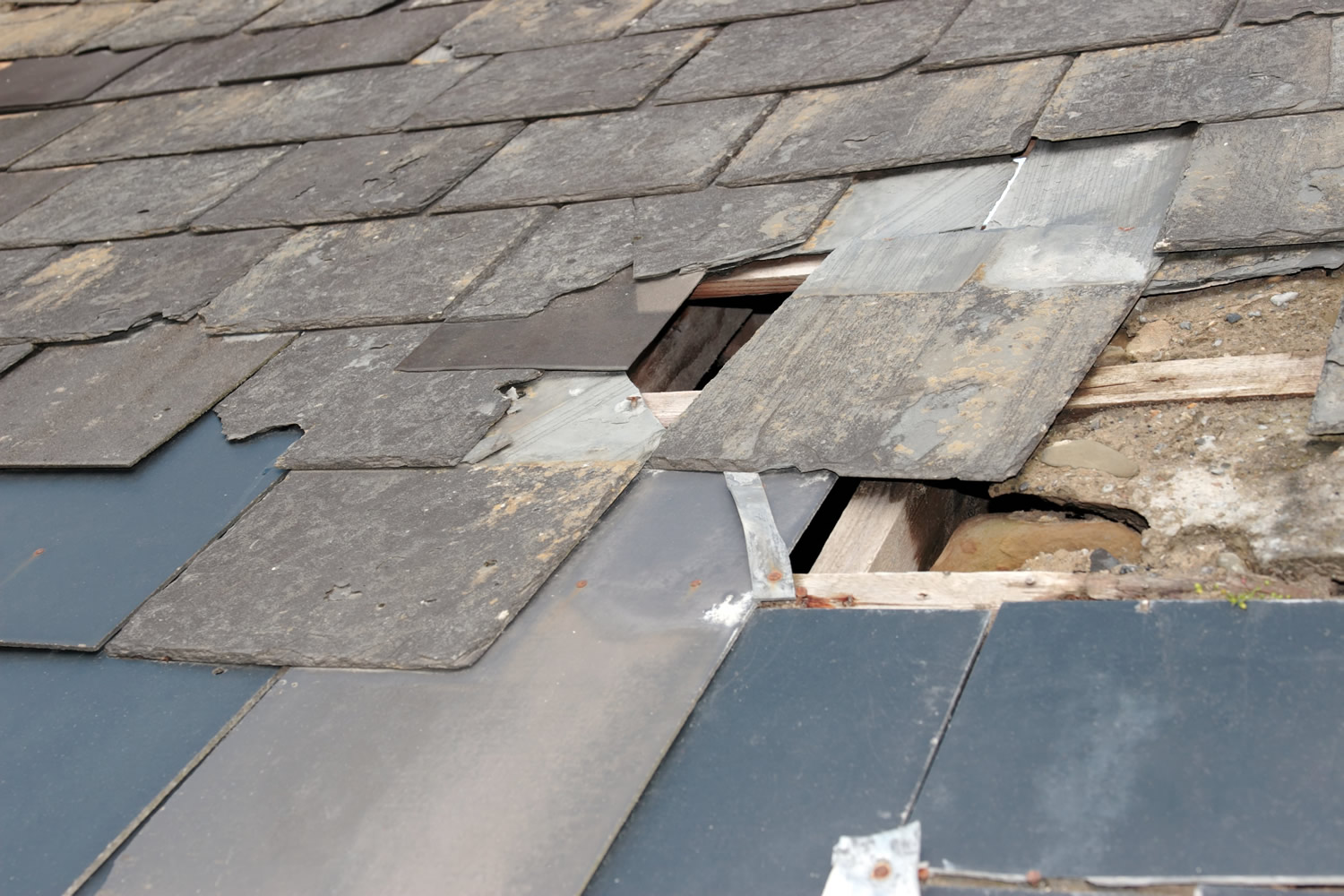
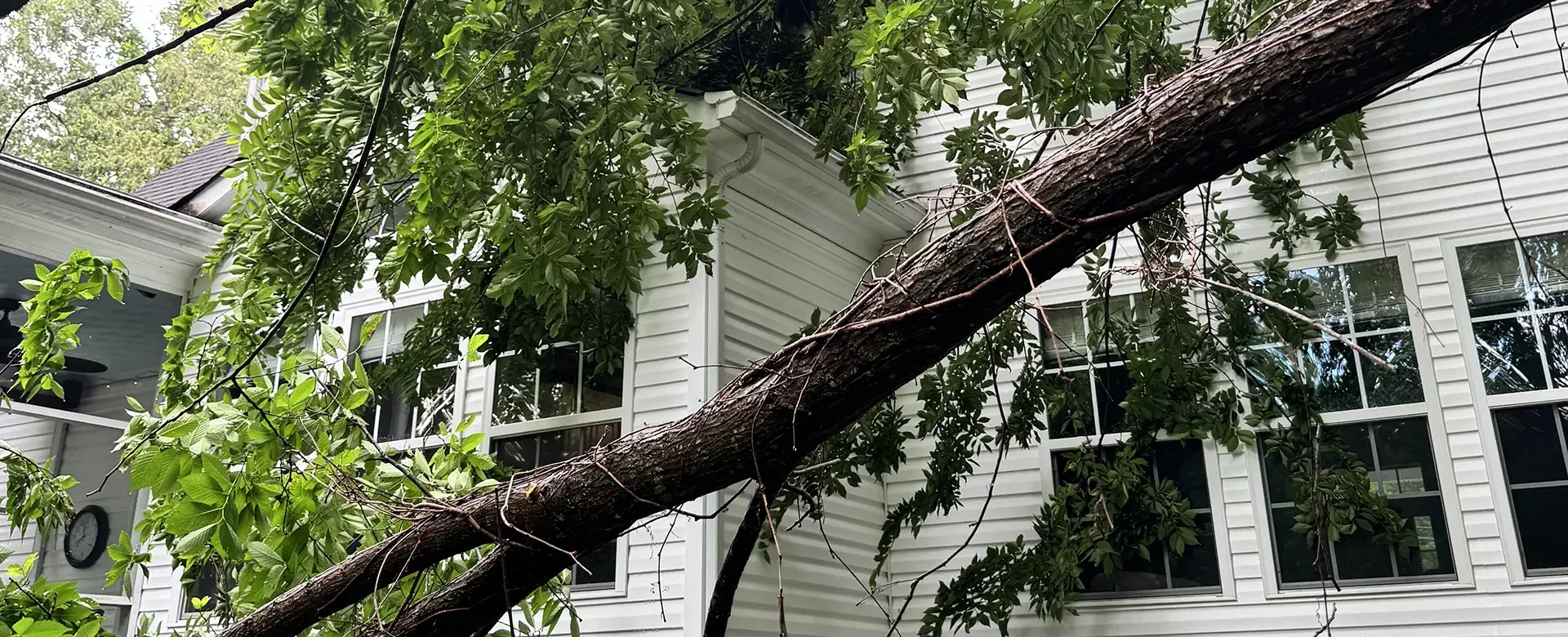
Tree damage isn’t always as obvious as an entire tree crashing through your roof and into your home. Some tree damage can go unnoticed until it causes interior damage – days, weeks or even months later. A stray limb with enough wind and force behind it can cause shingles to fly off, roof sheathing and decking to be pierced and make your roof vulnerable to leaks.

Tree damage can even come from overhanging branches that simply rub along shingles and cause unwanted wear and tear. It’s always a good idea to keep low hanging or potentially destructive branches trimmed back from the roofline where possible.

After a storm, visually inspect your roof as well as you can from the ground to see if any limbs, branches or even leaf buildups can be seen. If so, they should be removed immediately and the roof should be inspected to ensure no damage was caused. If damage was caused, a roofing contractor will typically be able to do a repair confined to that area without a major overhaul of your roof.

Loose or Missing Shingles

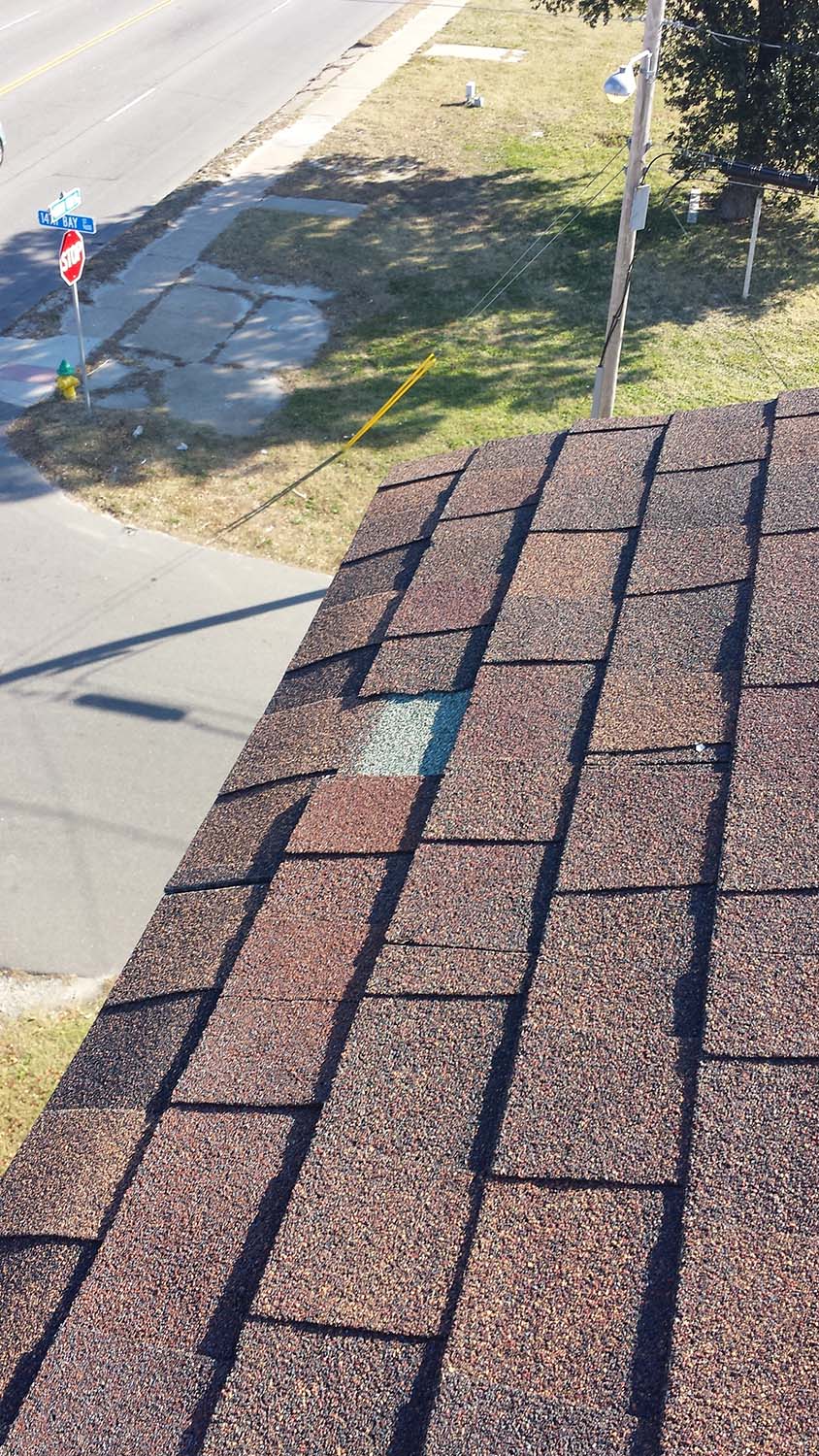
Perhaps the most common damage after a storm is loose or missing shingles. While it may not seem like a big deal if one or two shingles come off, their absence makes the shingles all around that area more susceptible to blowing off, and jeopardizes the roof sheathing beneath. Depending on when and how your roof was installed, the material manufacturer or installer may have specific warranties to cover shingle replacement. In any case, the shingles should be replaced as soon as possible to prevent further damage.

Loose or Missing Flashing

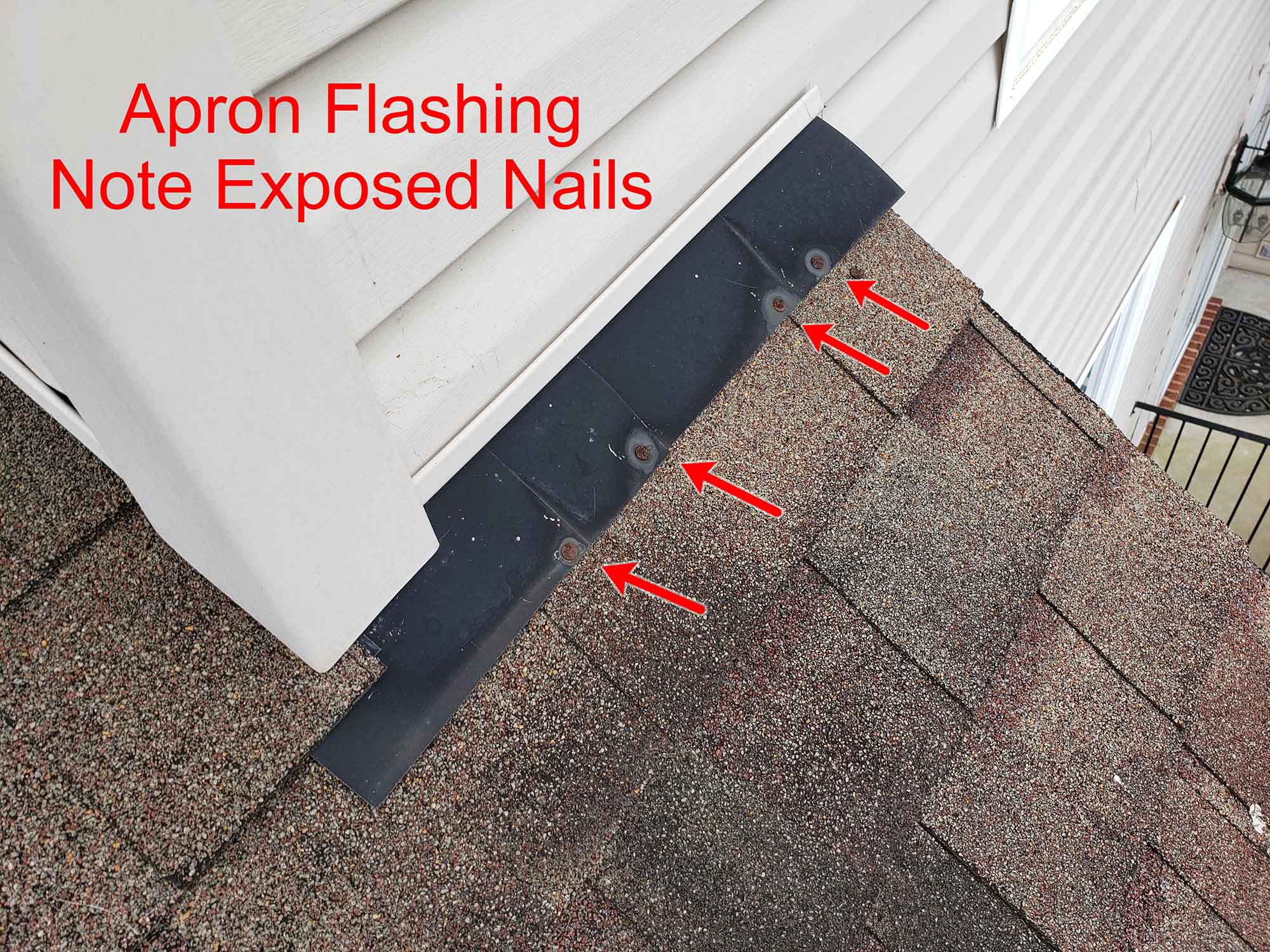
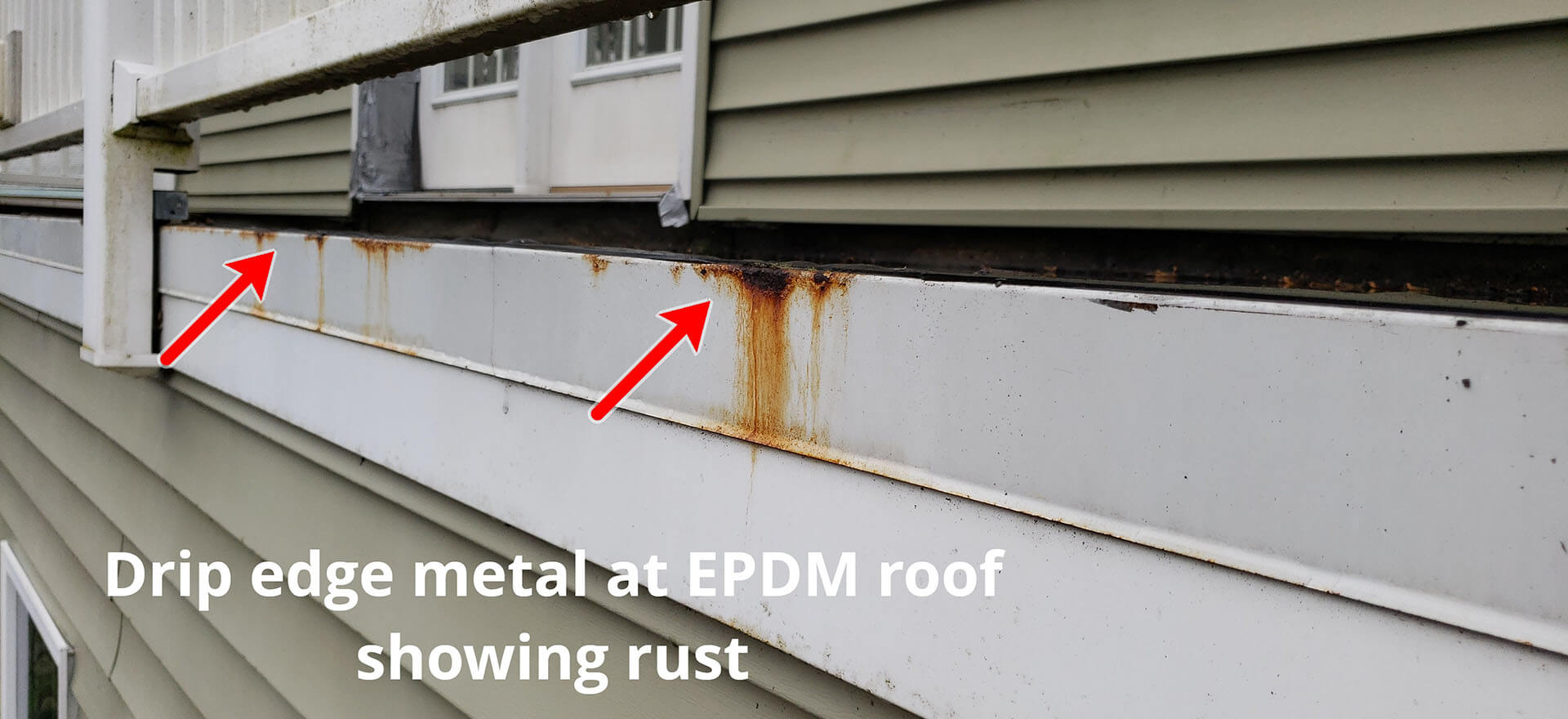
Flashing is the metal sheets that are used in roofing around joints in a roofline and around other roof penetrations such as pipes, chimneys and vents. They play an important role in protecting your roof decking and if jeopardized, major interior damage can occur. Loose flashing can actually cause quite a bit of damage to the rest of your roof, tearing up or removing shingles around it, especially in a wind event.

Missing flashing can allow water intrusion and will also make it easier for nearby shingles to be blown away. Some flashing you may be able to visually inspect from the ground, but if you have reason to believe that flashing may be loose in spots that you’re not able to inspect from the ground, call in a qualified roofing contractor to inspect for you – don’t risk causing damage to yourself to find damage on your roof.

Clogged or Broken Gutters

Particularly if you live near a lot of trees, storms can cause debris to fly off of nearby vegetation that can eventually land right into your gutters. This debris will cause your gutters to work less effectively, which means water will build up and potentially seep up underneath your shingles and sheathing, causing damage to the roof decking below, often seen as dark water spots in the corners and along the top of the walls in your home. Ideally, have your gutters cleaned before storm season so that they are cleared and ready to carry all that stormwater away from your home. But it’s also a good idea to check on them after a storm and make sure nothing has caused any clogs or damage to the gutter itself.

Broken or loose gutters are also common after a storm, and if you see evidence of that, call in a licensed contractor to fix the problem before the next rain event occurs. Broken gutters can funnel water into places it should not go including near your home’s foundation and onto walls and windows, causing even more damage. If you don’t have gutters, or your home’s gutters need to be replaced, you may also want to consider installing a Rapid Rain ™ gutter system which is designed for high capacity that comes with living in a storm prone area.

Contact a Local Roofing Contractor

This hurricane season, if your roof sustains any damage during a storm, contact Andrews Roofing. We are locally owned and operated and we are highly experienced in the issues that are unique to the Tidewater region. We know what to look out for and how to best fix and repair an issue to withstand future weather events.

read more