

When you think about roof maintenance, your mind probably goes right to the largest roof you have to deal with – the one over your home.
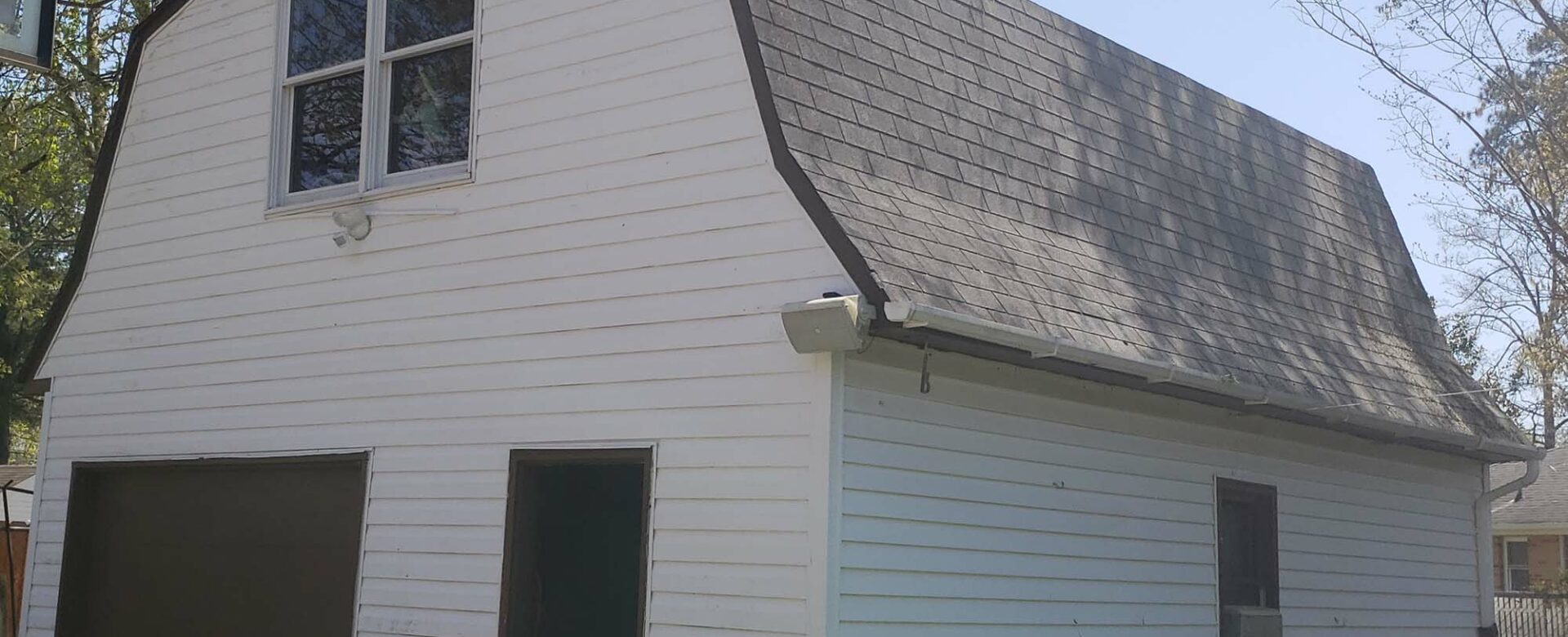
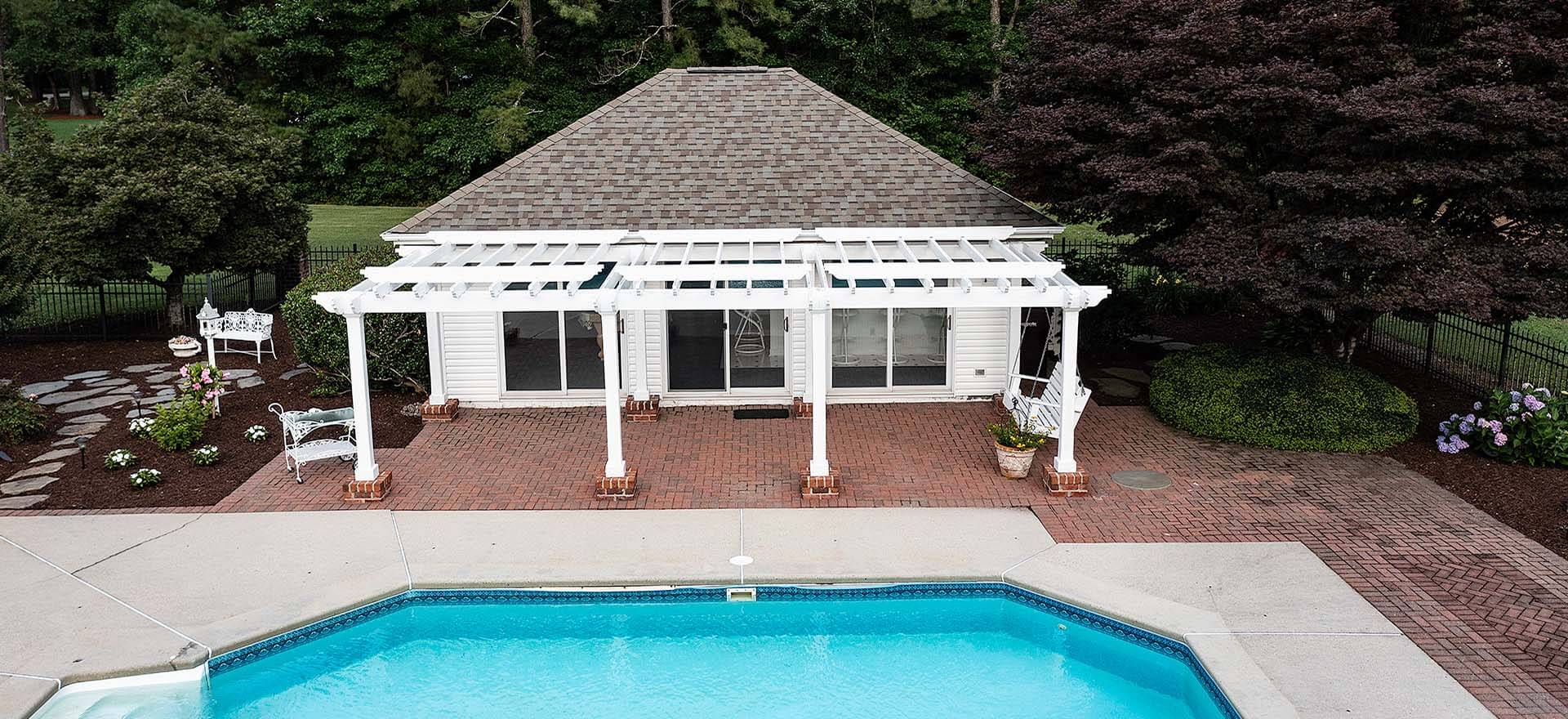
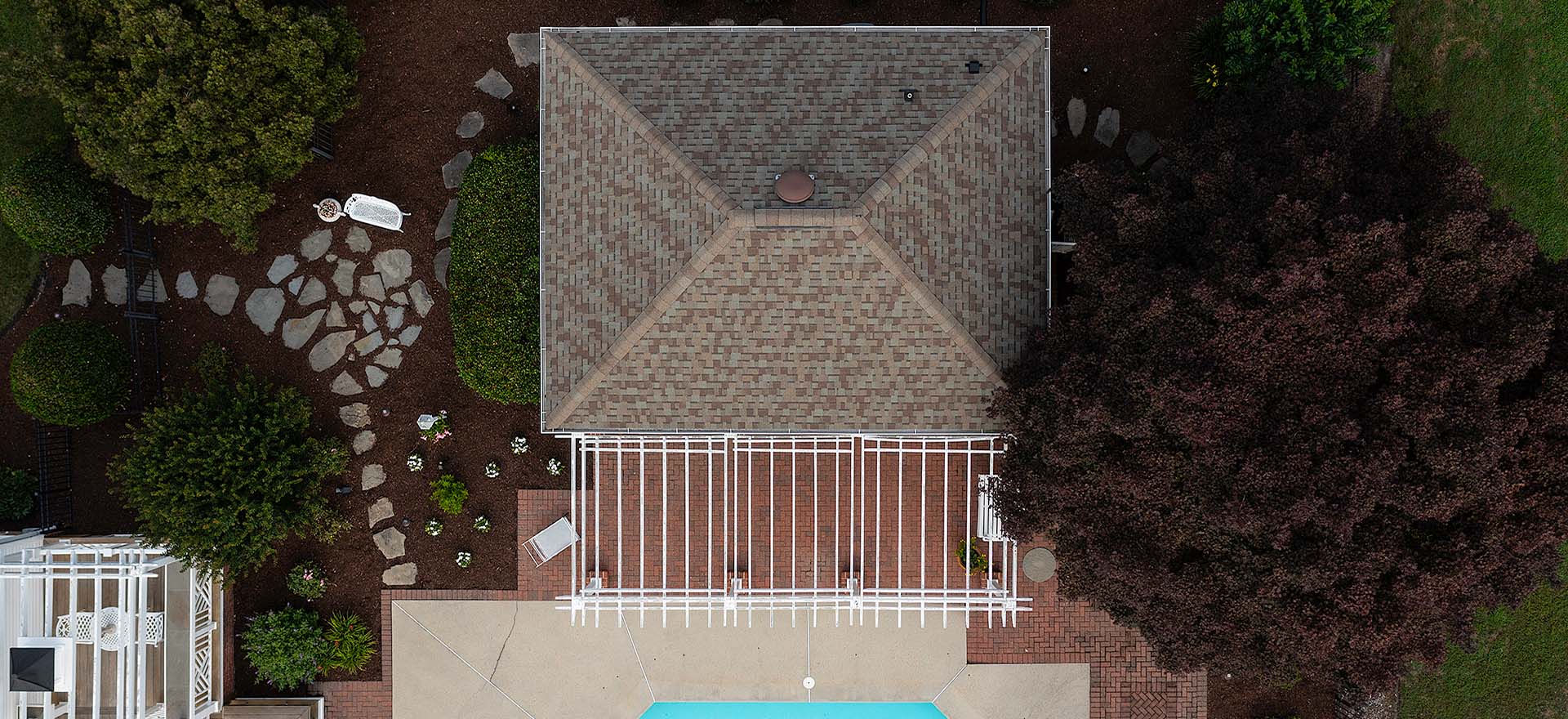
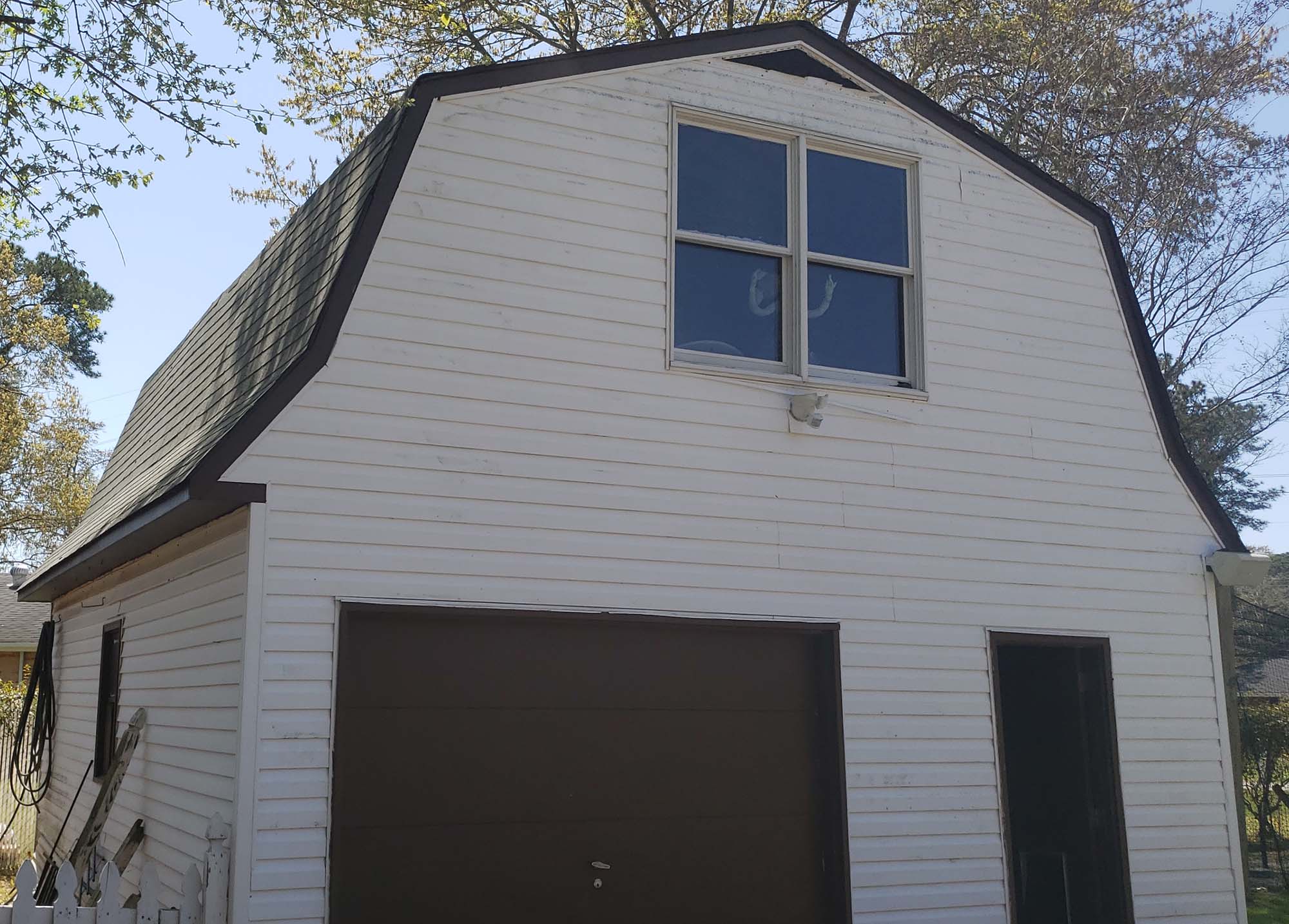
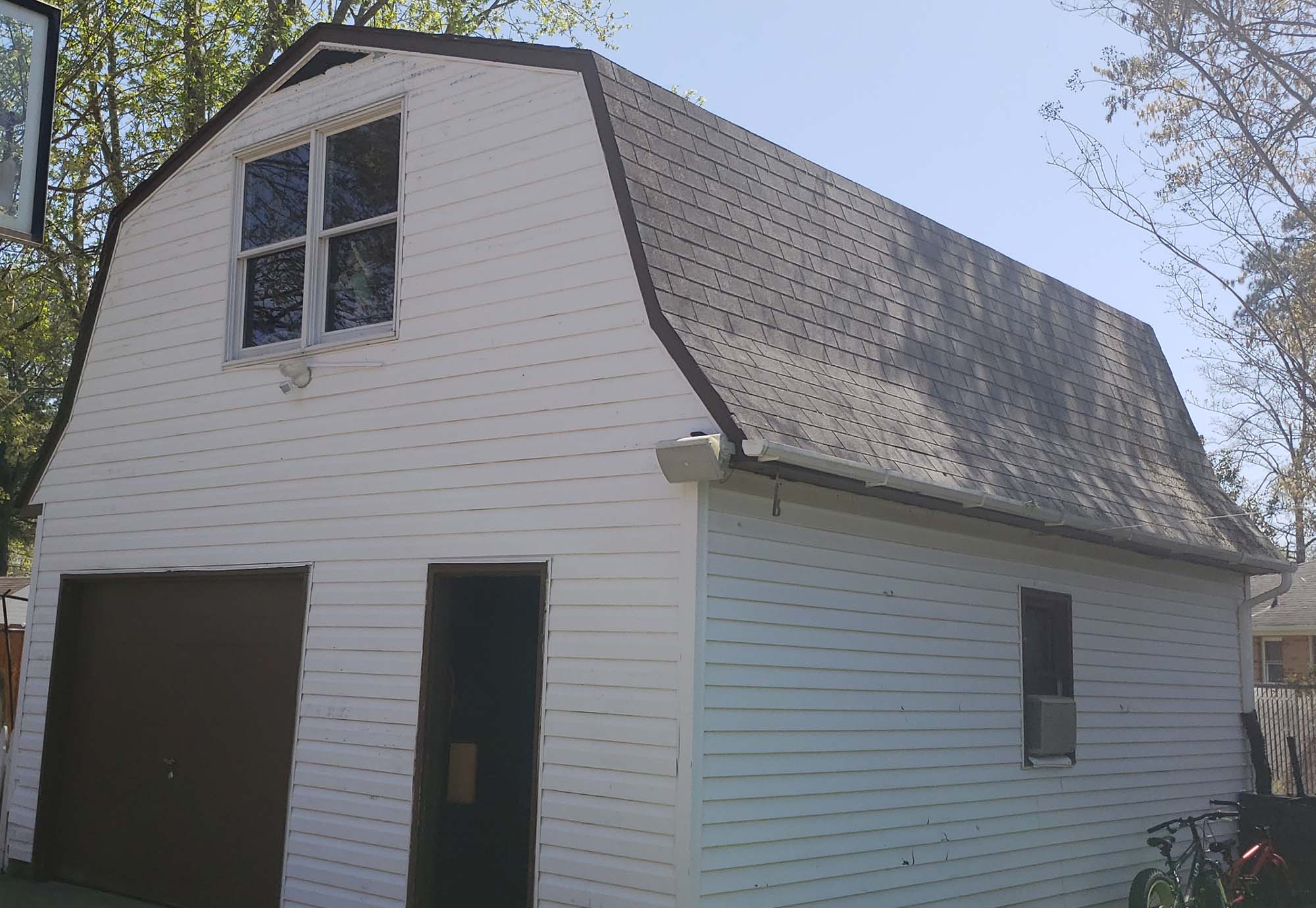
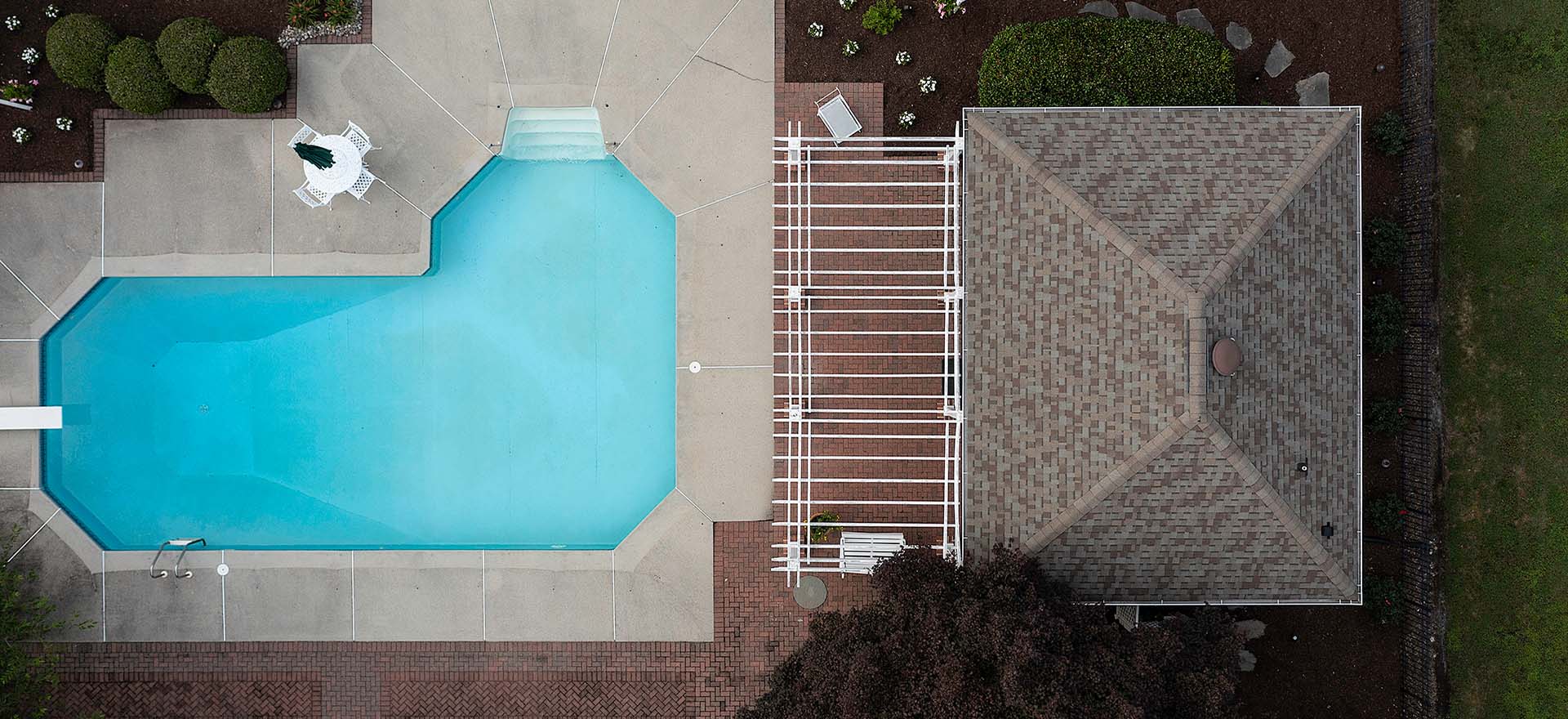
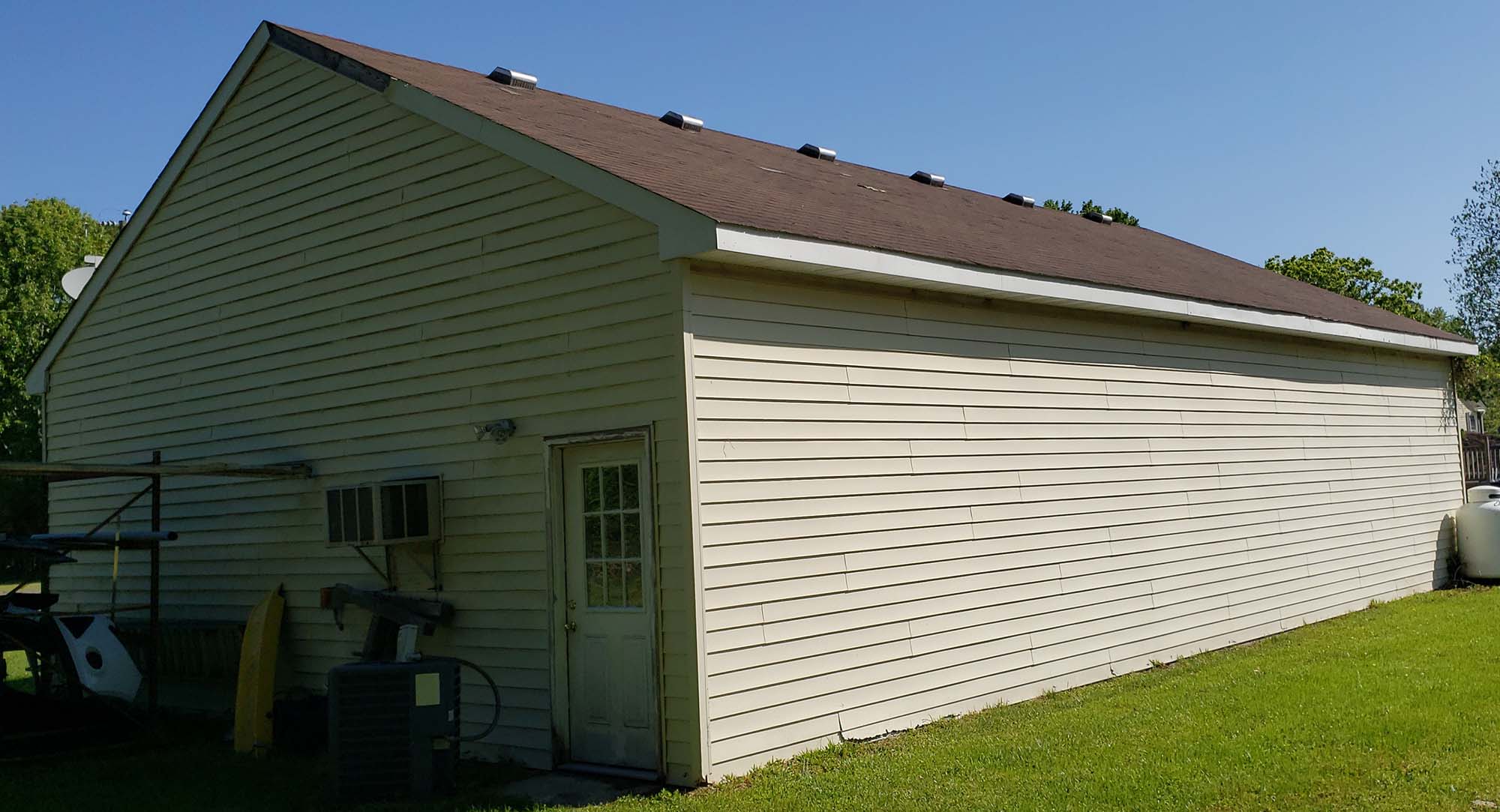
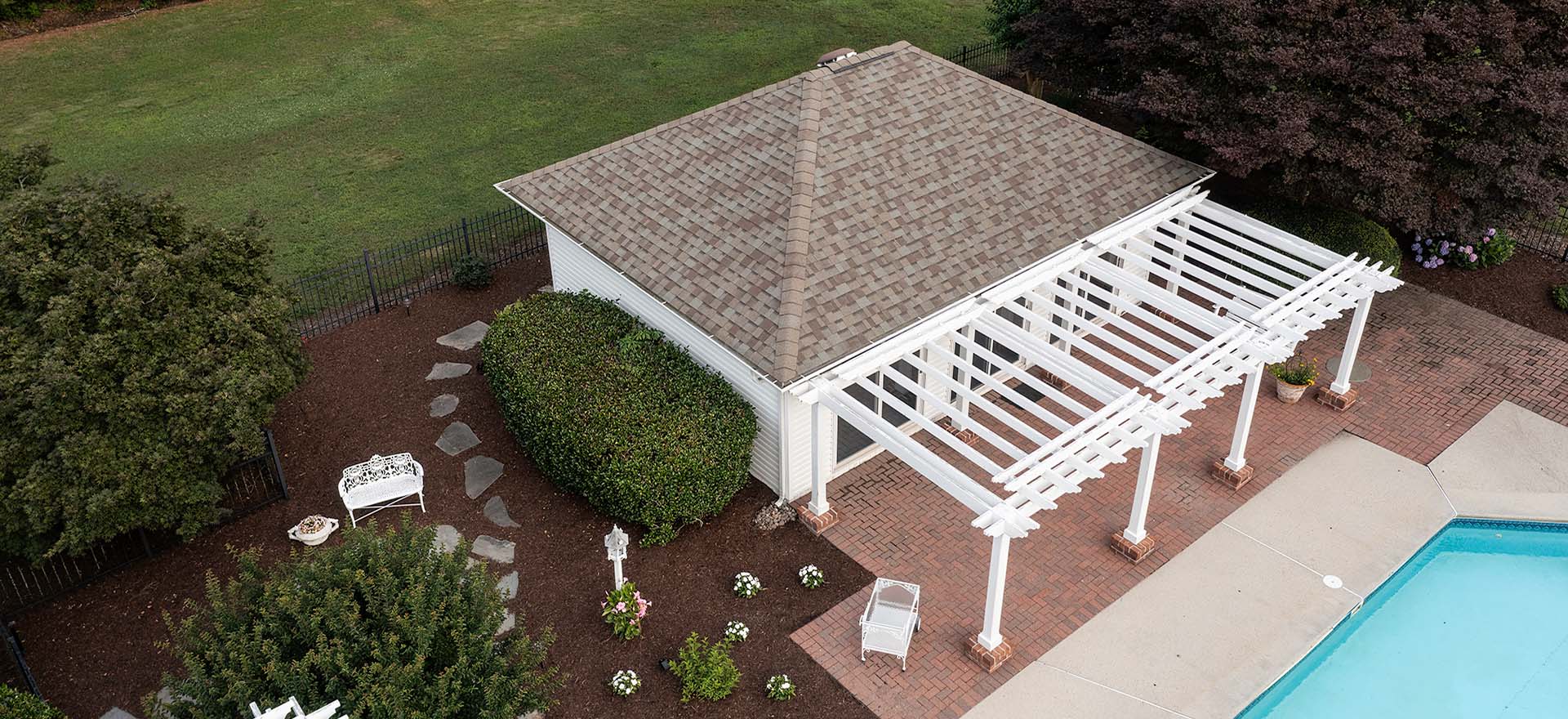
But if you have any exterior stand-alone structures on your property, their roofs need to be inspected and maintained just like your home’s. This may include garages, sheds, pool houses, barns or workshops. It’s particularly important to keep an eye on these structures if they store expensive equipment or other important items to avoid any type of damage.
The roof on an outbuilding can experience additional challenges that your home’s roof may not have, and there are additional ways to inspect and maintain these structures. Here are a few of our tips for maintaining and extending the life of your stand-alone structure’s roof.

Regular Visual Inspections
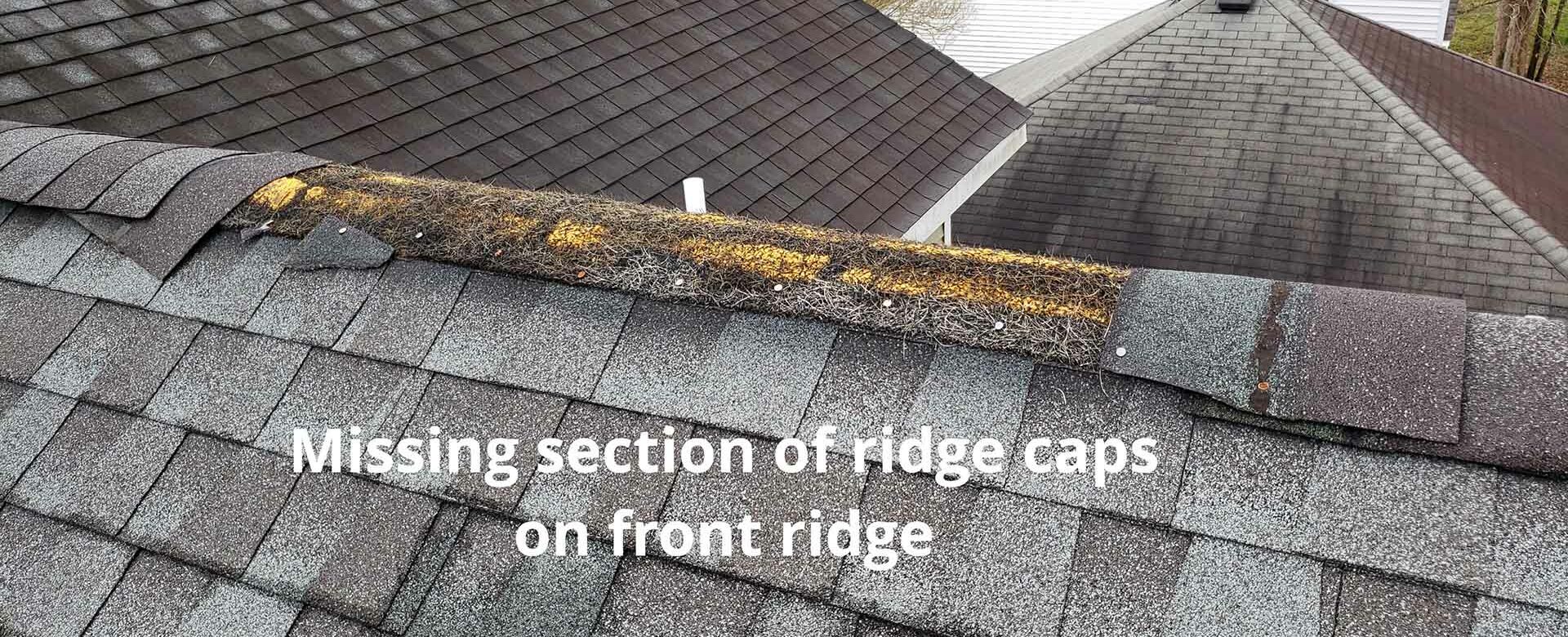
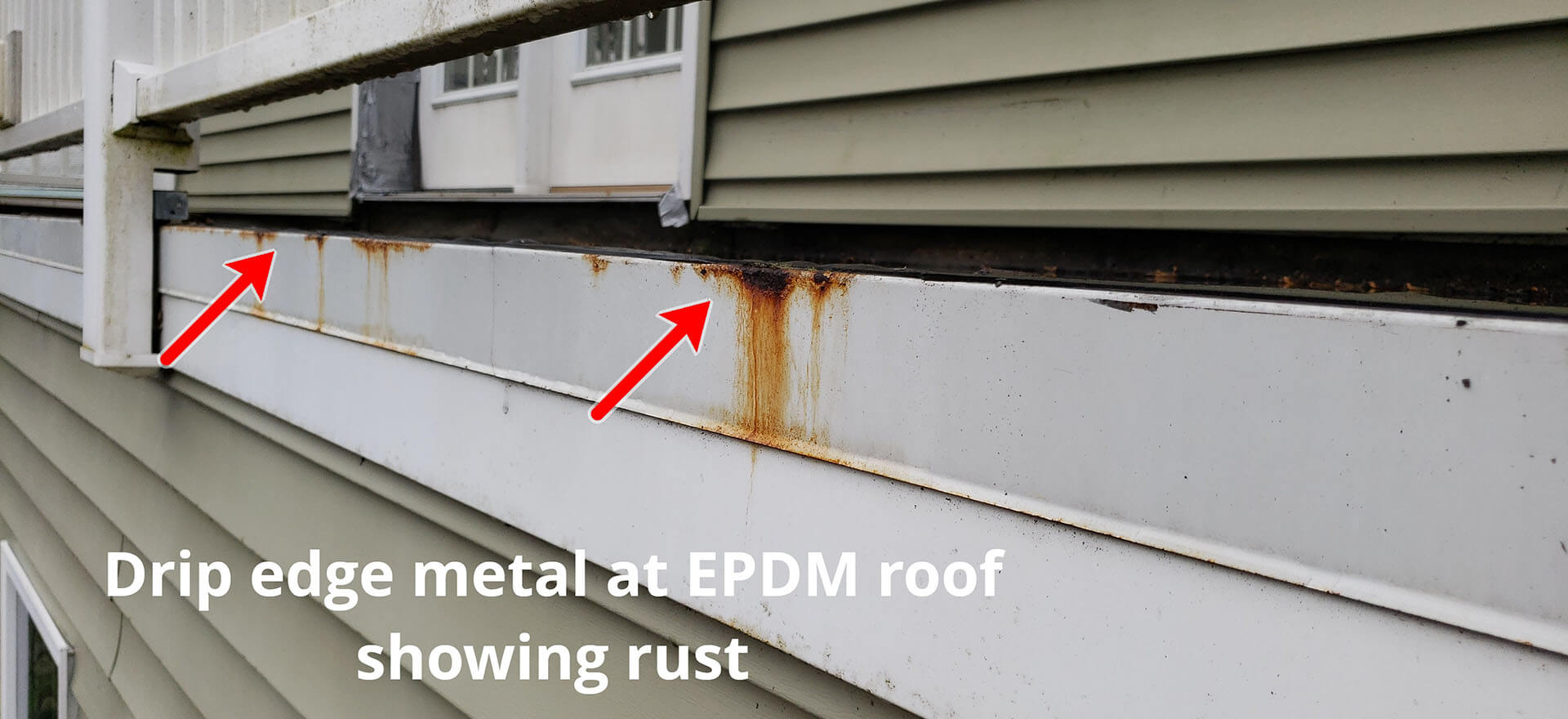
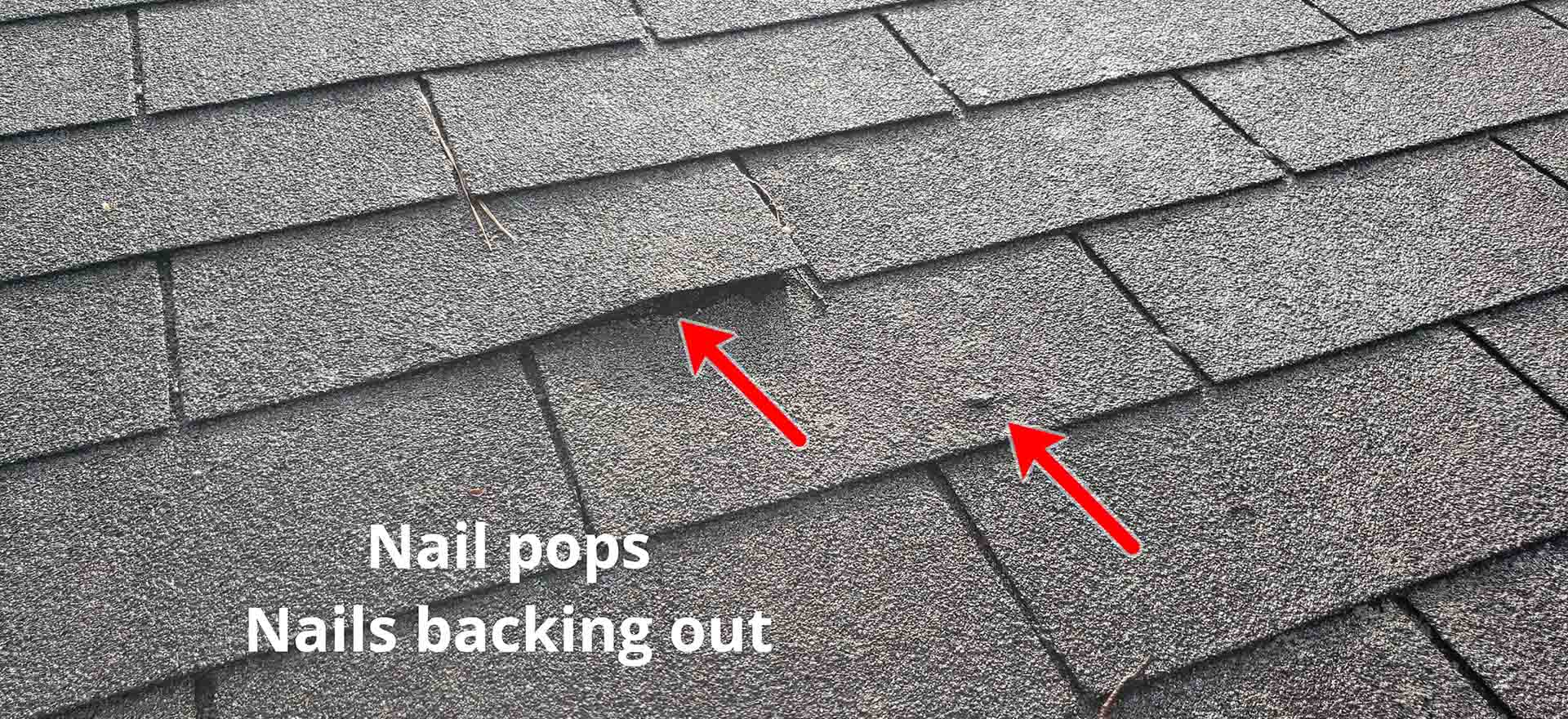
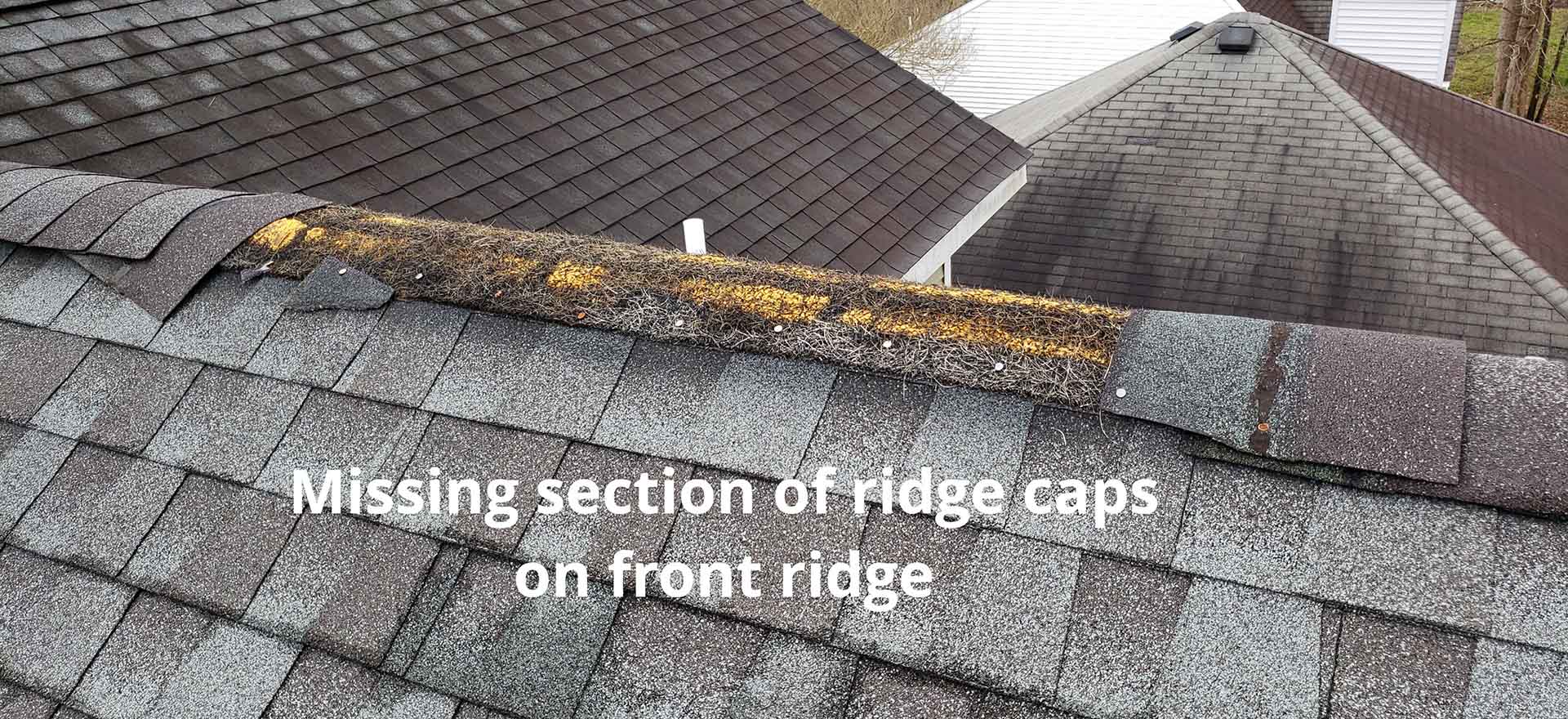
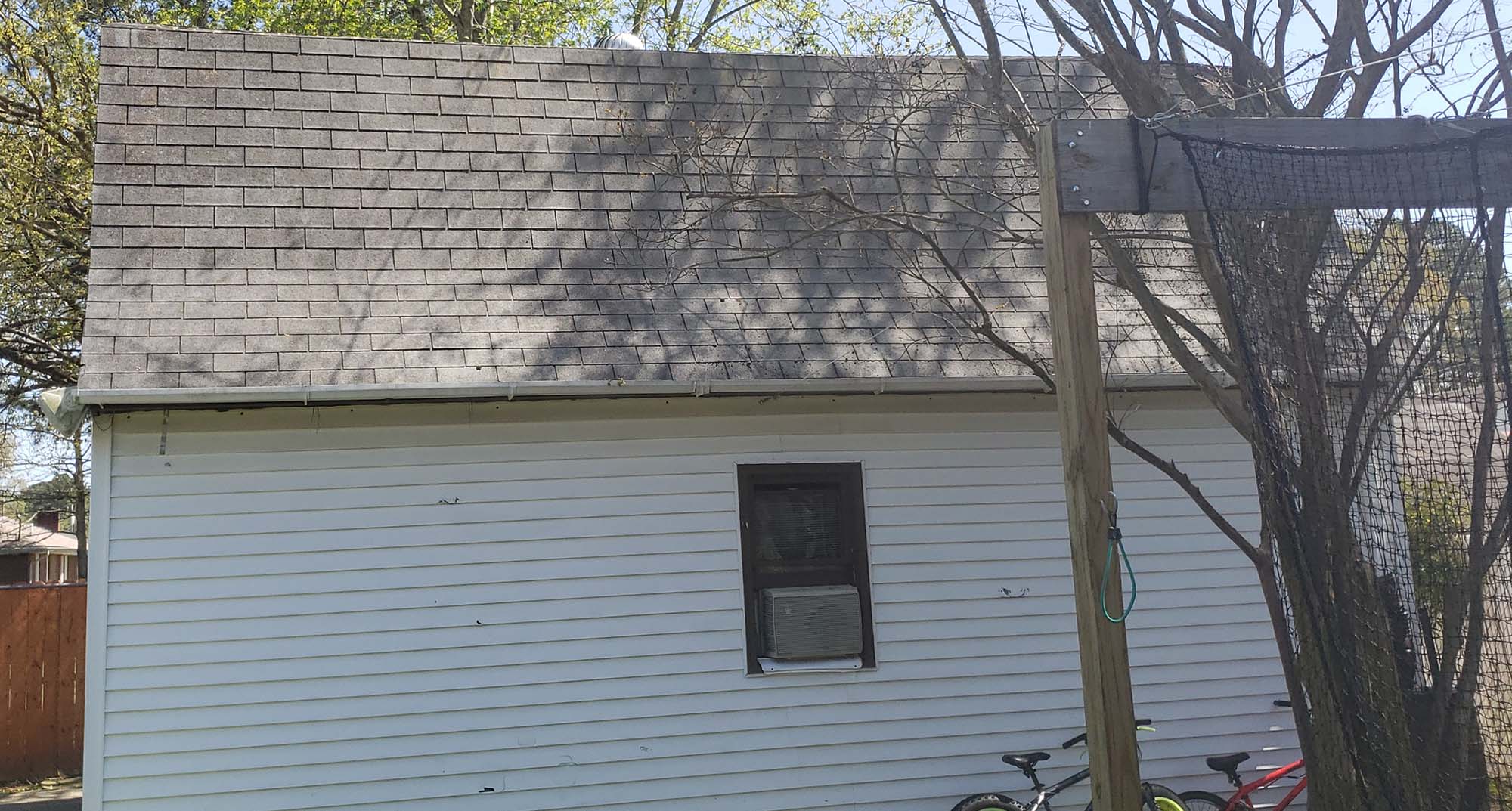
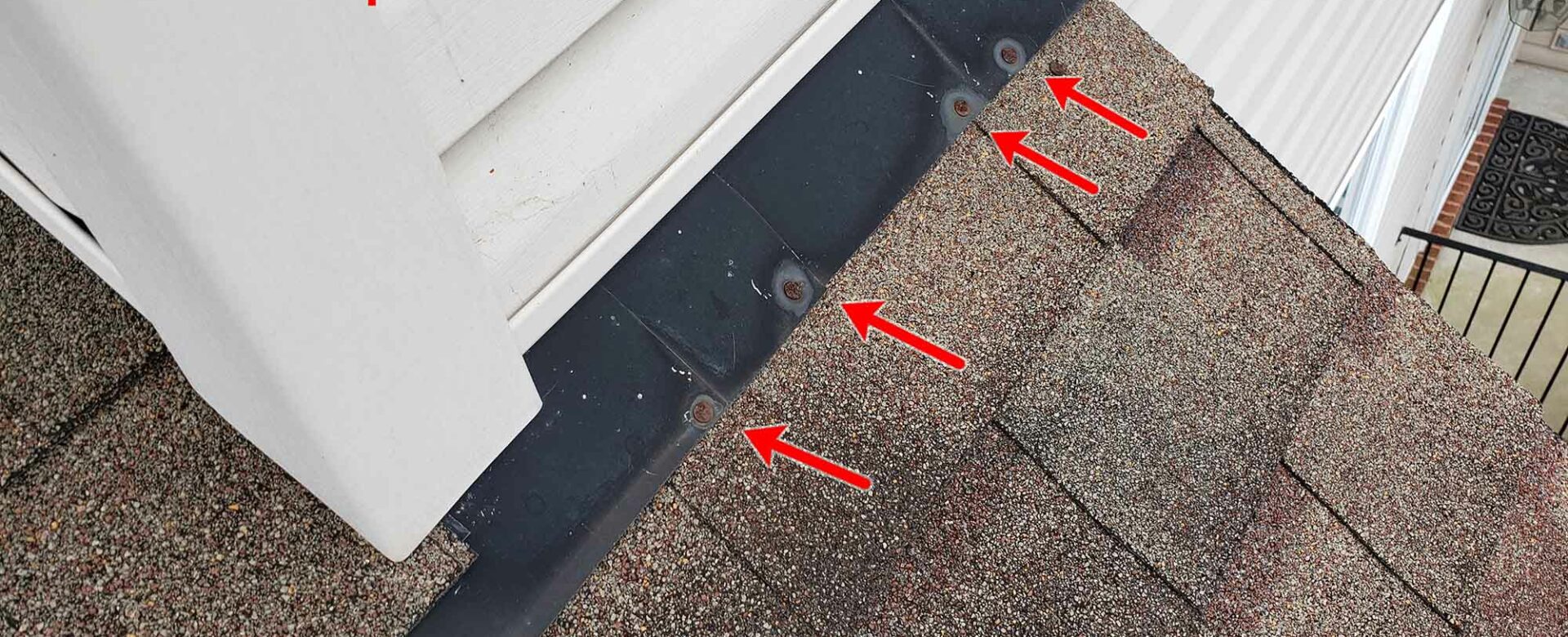
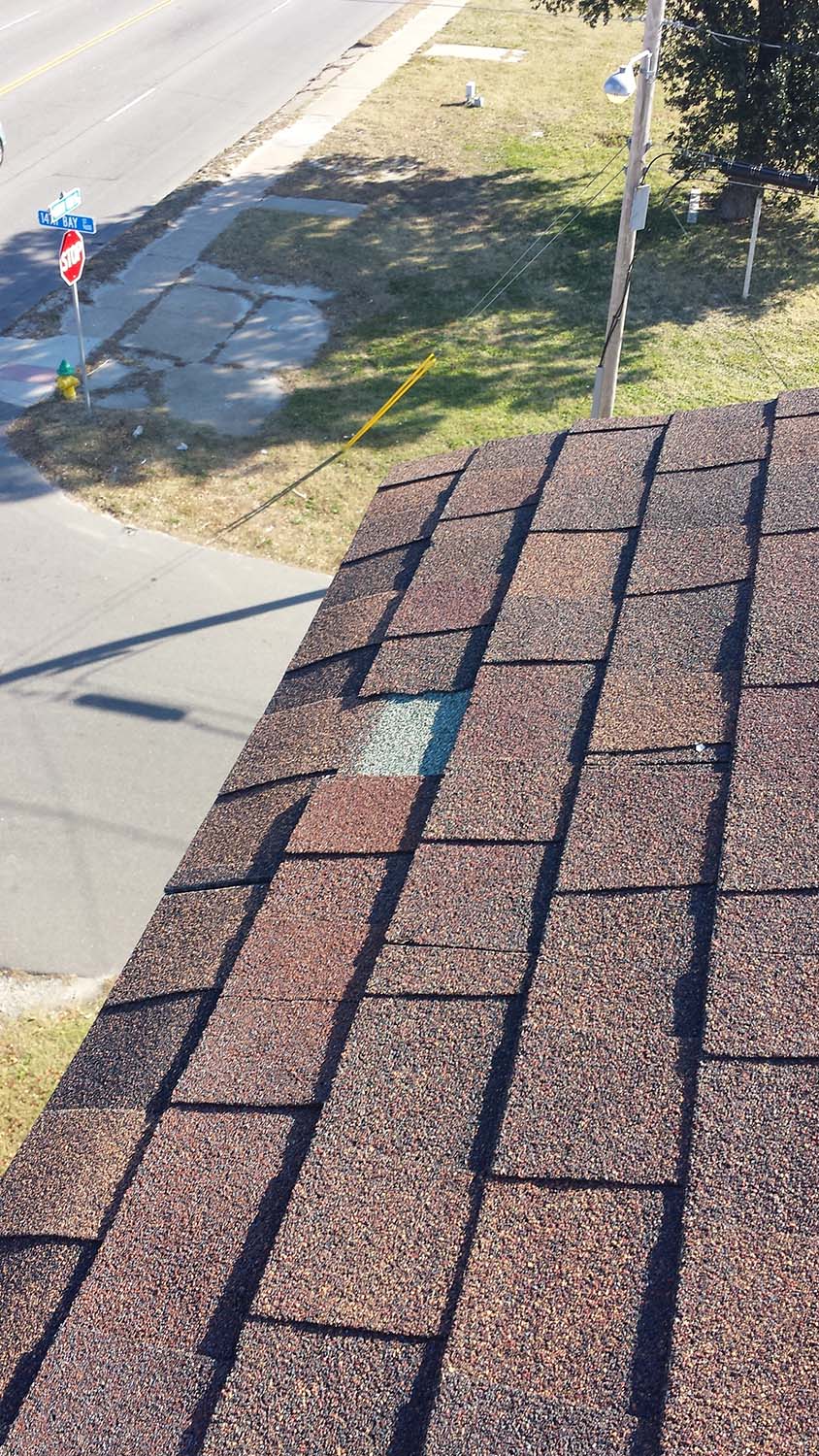
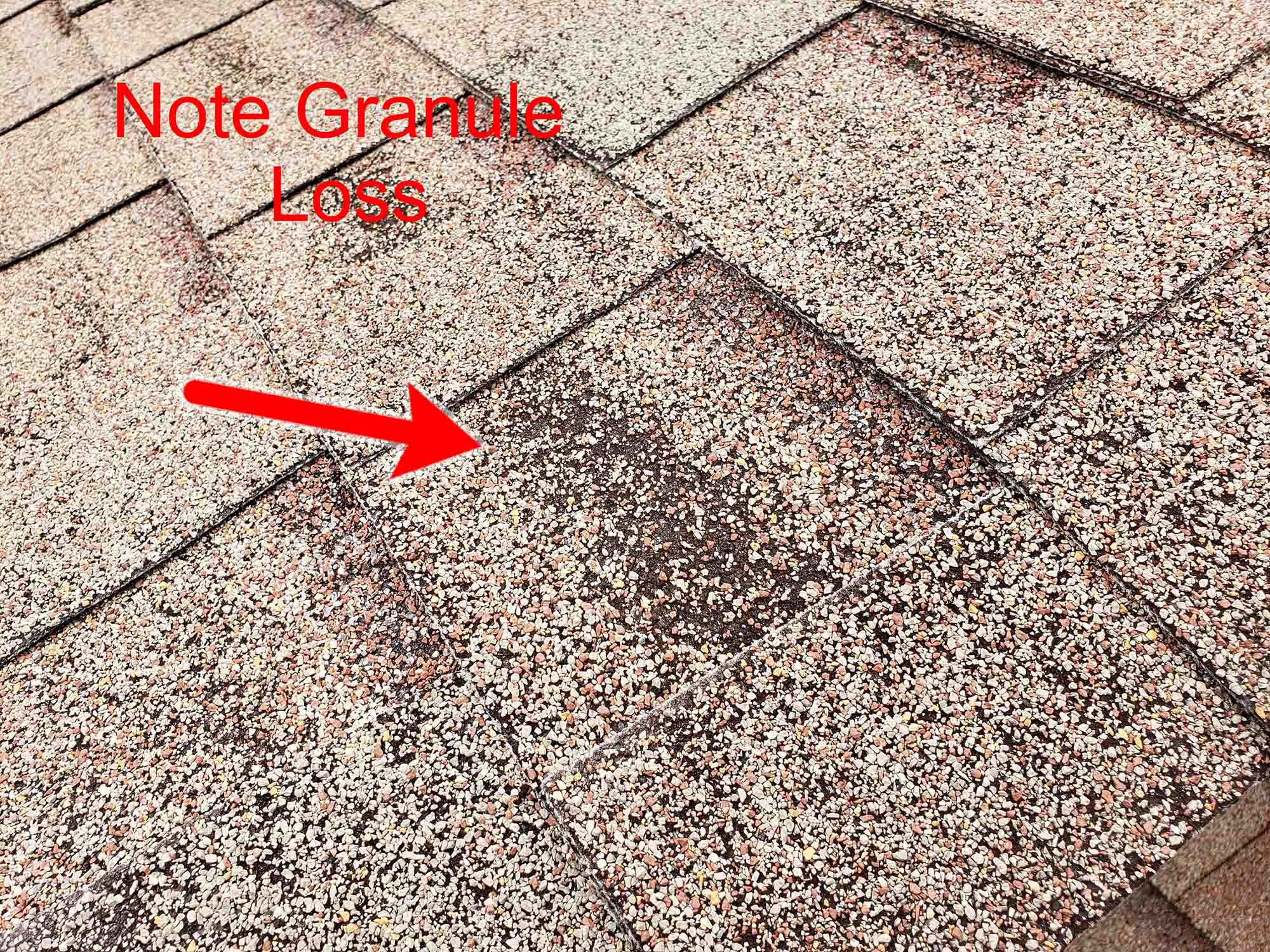
Like your home’s roof, you should inspect the roofs of these structures on a regular basis and especially after storm events. Depending on the size of these structures, it may be a little easier to visually inspect their condition from the ground. Look for the same telltale signs that you would on your home’s roof: missing shingles, warped or algae covered shingles, loose or missing flashing, clogged or damaged gutters and of course – holes or other damage. Check the eaves for nests of any kind – birds, bees, wasps, squirrels or any other type of animal nest can cause serious damage.
Safely Clean Them from the Ground
Again, the roof line of these structures may be a bit lower which may make it possible to safely clean them off yourself. A buildup of leaves, moss, or a few sticks and branches may seem benign, but they can cause damage if left alone for too long. Moss and algae – which are common in the Hampton Roads region – can collect on areas of the roof that do not get much direct sunlight. If they aren’t dealt with, they can weaken your roof over time.
If the roof is low enough and you have a strong enough hose, the first cleaning approach may be to simply spray it down to remove debris and build up. If that doesn’t do the trick, you can invest in a soft bristled roof rake which can be used from the ground to rake off debris and even some mildew and algae. Make sure not to scrub too hard to avoid damaging any roofing materials.
Remove Potential Hazards
Make sure to keep any nearby trees or bushes trimmed back. Limbs and branches that lean or hang over your outbuilding could cause extensive damage over time from friction or in an instant during one of our regular southeastern Virginia pop-up storms. If the vegetation around the building is small and light enough, you can take care of it yourself, but if there are any substantial trees or branches that should be removed, always call a professional.
Check Inside for Pests
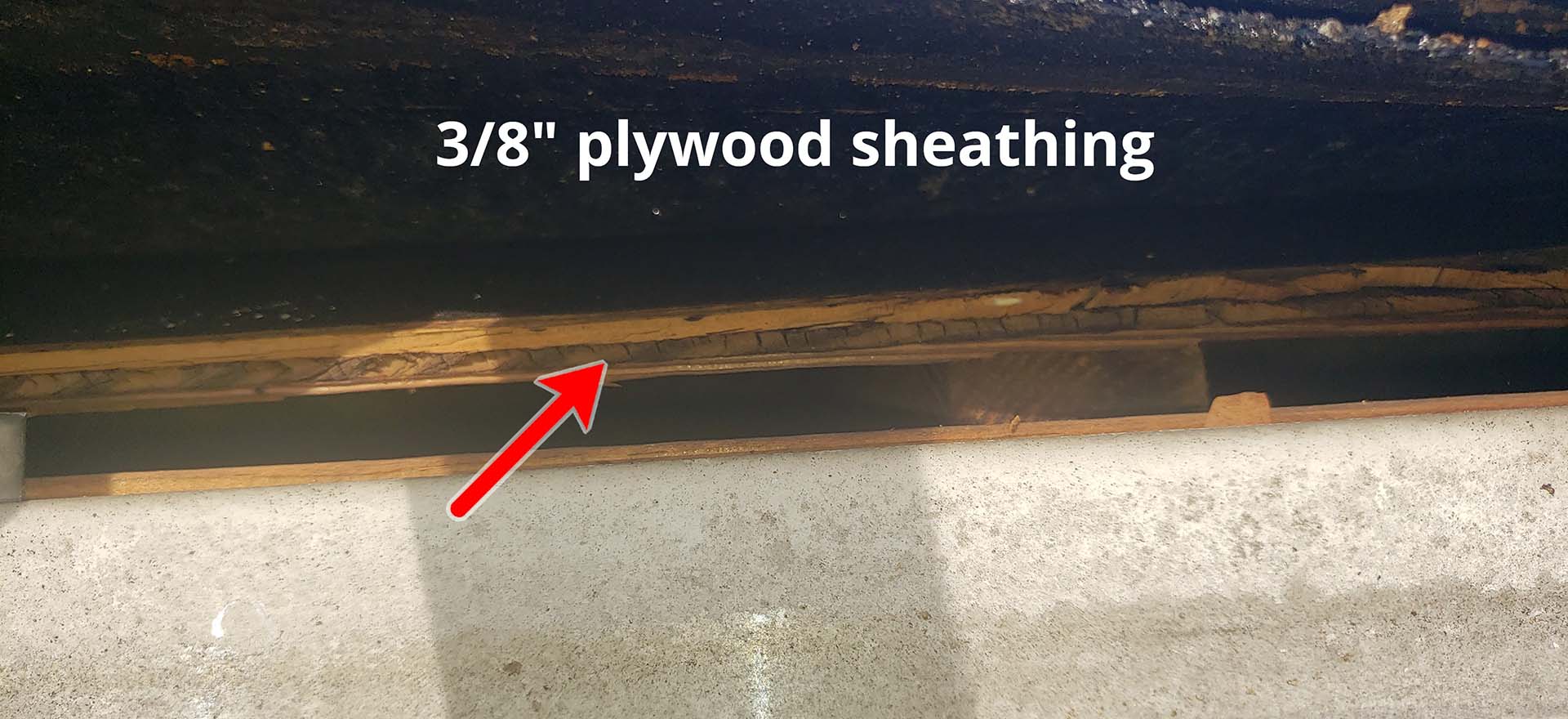
It’s important to check the interior of these structures regularly. Some roofing issues can’t be seen from the outside. So even if your barn or shed is full to the rafters, make it a point to inspect the interior at least twice a year and after major storm events. The most critical interior areas of these structures may be the corners where animals are most likely to have built nests or created pathways to access the inside. Birds, insects and rats or squirrels can wreak havoc on a roof, chewing through materials or causing damage to rafters and sheathing. If you find anything, get in touch with a professional pest control company or animal control.
Whatever type of outbuilding you may have on your property, it’s likely that it houses something important enough for you to protect. Make sure the roofing on these structures is doing its job as best as possible with regular inspections and maintenance. If you see any signs of damage and believe your structure needs roofing repair or replacement, contact Andrews Roofing today. We are experienced in the types of environmental issues that structures in the Tidewater Region experience and know the best types of materials and methods to prevent further damage.

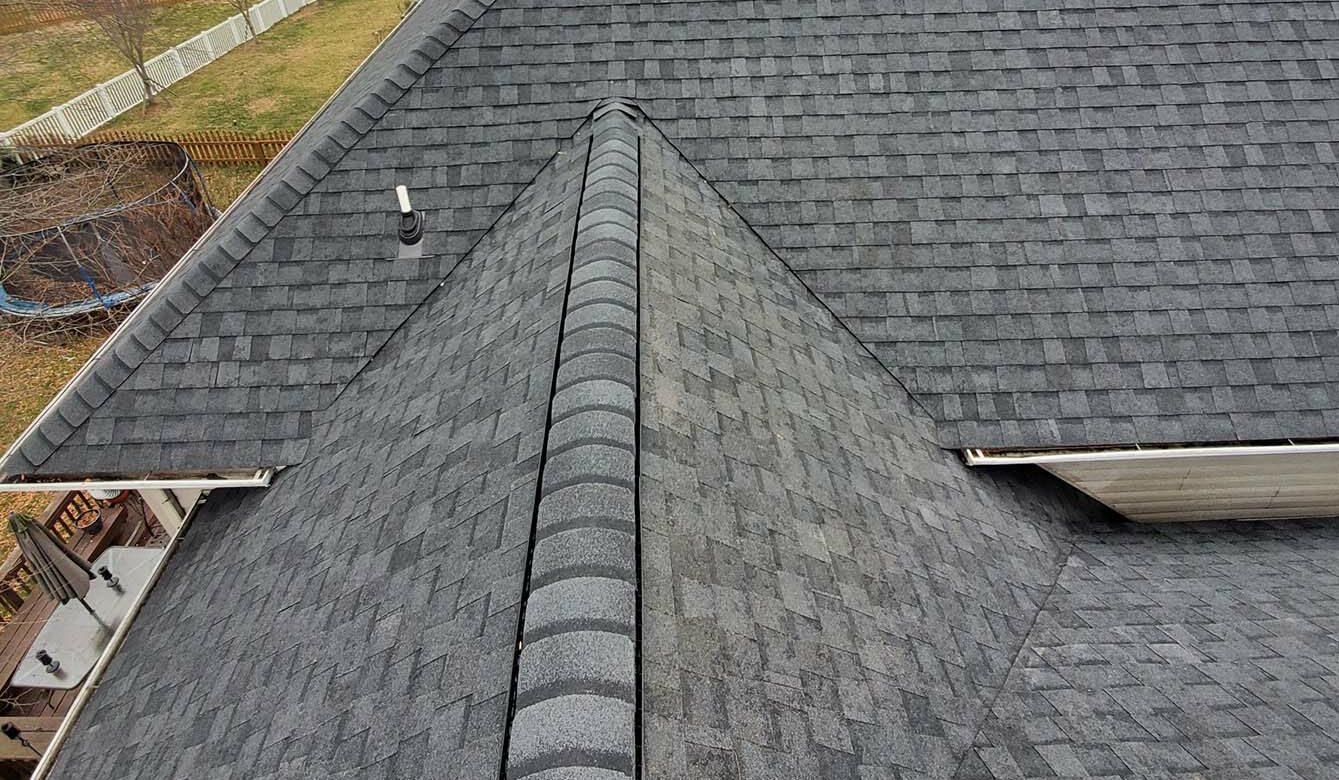
 As the weather changes from cold to mild to hot in Hampton Roads, you may find yourself fiddling with the thermostat more than usual. The dramatic changes in temperature that the spring season brings to southeast Virginia can affect a lot of systems around your house, and your roof is no exception.
 Your roof is highly susceptible to temperature changes both inside and outside of your home due to the sheer surface area and exposure to the elements. This is why proper ventilation is critical. In fact, ventilation may be the most important factor in roof durability. It’s easy to focus on the durability factors of your roofing materials – the lifespan of metal versus asphalt shingles versus composite materials and so on. But no matter how well made a roofing material is, if it’s installed over an unventilated roof, it’s bound to fail.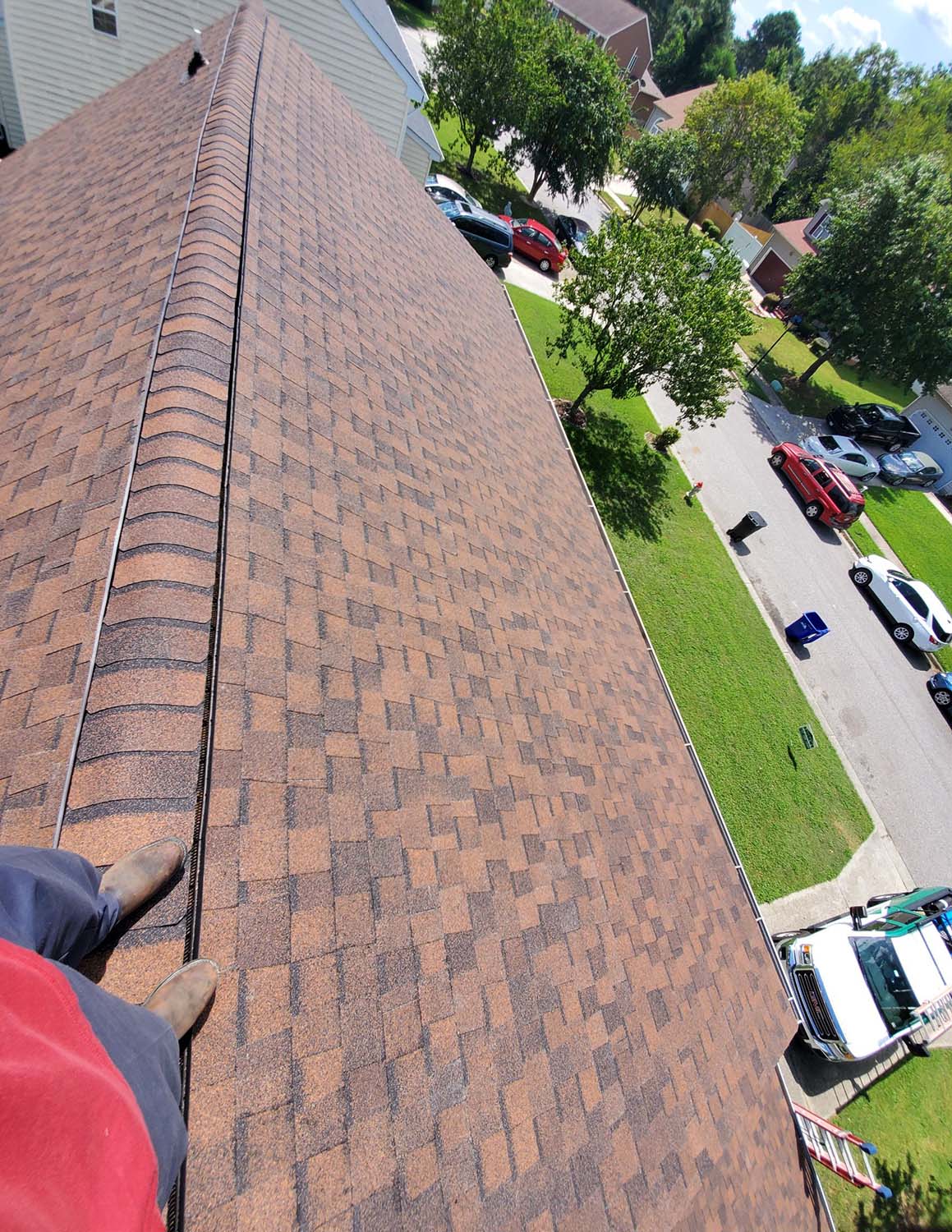
 In addition to this free flow of air, insulation can play a key role in proper attic ventilation. Ideally an attic will have a gap-free layer of insulation on the attic floor to protect the house below from heat gain or loss. It will also have a vapor retarder under the insulation and next to the ceiling to stop moisture from rising up from the home into the attic space. Then there should be enough vented spaces to let air in and out, and finally, there should be a minimum of one inch between the insulation and the roof sheathing. With these systems in place, your attic and roof are likely to stand the test of time.
 The best way to ensure that all of the proper ventilation measures have been taken to extend the life of your roof is to work with a qualified, licensed roofing contractor. At Andrews Roofing, we’ve been providing Hampton Roads homeowners with high quality roofing services for years, and we are experienced with the unique seasonal and meteorological issues that homes in this area face. If you’re concerned about your roof receiving ideal ventilation or if you need your roof system repaired or replaced,