
Leaks & Service Repairs

757-399-3066 ext 3 (Leaks & Service Repairs)

Reroof Estimates & Inspections

757-399-3066 ext 1 (Reroof Estimates & Inspections)

Tag: roof warranty claim

What to Do If You Have a Roof Warranty Claim

You’ve noticed a failure in your roofing system – whether it’s cracked or missing shingles, a full-blown leak, or product discoloration – and now you want to know what to do about it. The first question you may be asking yourself is whether this issue falls under your manufacturer warranty, your homeowner’s insurance, or neither? The answer decides who you call first and how the rest of the process goes.

Every manufacturer writes its own warranty terms, so the details can differ a bit. The general process of a claim is similar across most of them, though, and knowing that process ahead of time makes the whole thing less stressful.

Warranty Claim or Insurance Claim?

Start with what caused the problem. Manufacturer warranties exist to protect you against defects in the product itself. Homeowner’s insurance exists to protect you against sudden, outside events. Those are two different categories, and a damaged roof usually fits into one of them.

Signs that point toward a warranty claim:

  • Shingles cracking, blistering, or curling well ahead of their expected lifespan
  • Excessive granule loss that exposes the underlying mat
  • Metal panels peeling, chalking, or losing their finish early
  • Seams or fasteners failing on a roof that has seen no unusual weather or foot traffic
  • Flat roof membrane splitting or delaminating without any impact damage

Signs that point toward an insurance claim:

  • Hail damage, including dents, bruising, or fractured shingles
  • Wind damage from a nor’easter, tropical storm, or hurricane, such as creased, lifted, or missing shingles
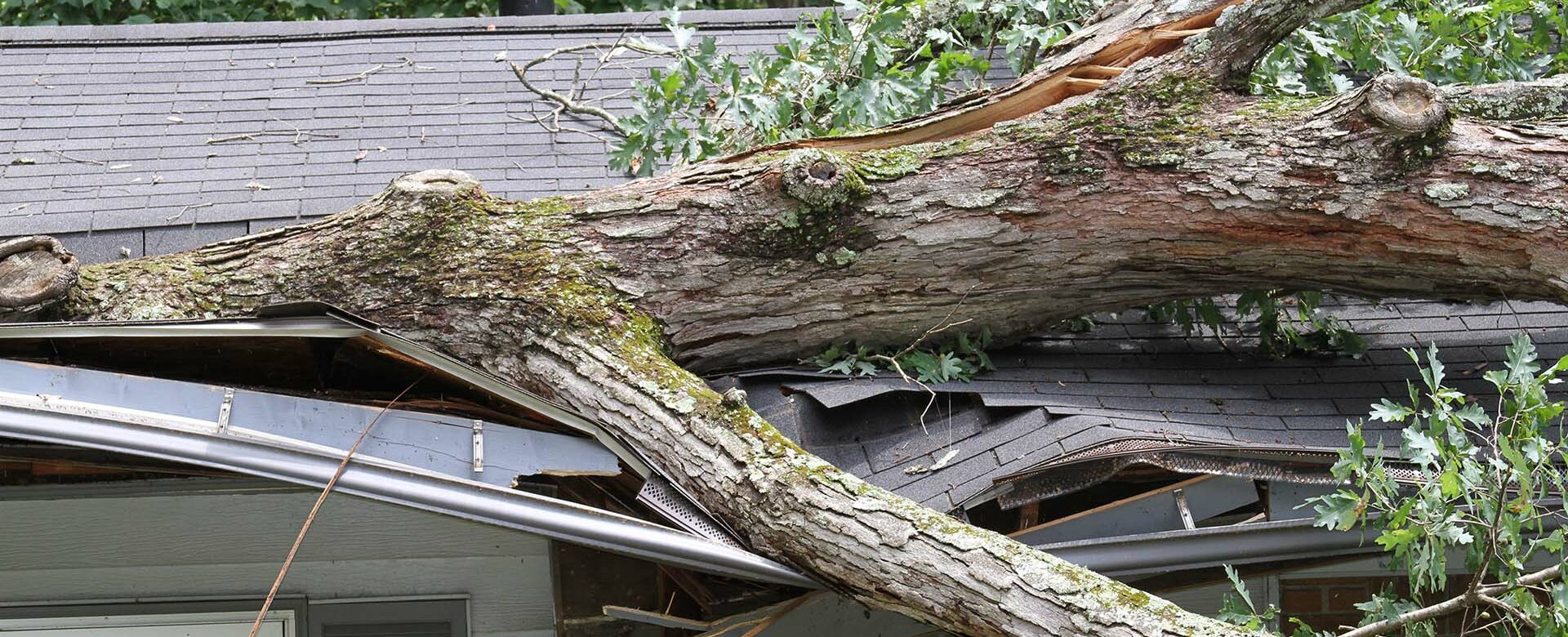
  • A fallen tree or limb
  • Storm-driven debris
  • Fire or other sudden events

Coastal Virginia sees plenty of the second category, which is why it’s worth visually inspecting your roof after any major weather event. The sooner you can identify a problem caused by weather, the easier it will be to make an insurance claim and get it fixed. Warranty claims may be more gradual and less obvious.

Problems that often fall into neither category:

  • Normal wear and tear near the end of a roof’s expected life
  • Damage from pressure washing, foot traffic, or other maintenance mistakes
  • Problems caused by poor attic ventilation, which many manufacturers treat as a condition that can void coverage
  • Algae or moss staining on shingles without an algae-resistance warranty
  • Installation errors, which are generally a workmanship issue covered by your contractor’s warranty rather than the manufacturer’s

That last item surprises many homeowners. A manufacturer warranty covers the product. A contractor’s workmanship warranty covers how it was installed. A roof can have both, and each has its own terms and its own claim process, so make sure to ask specific questions about workmanship warranties when talking to roof replacement contractors.

Step 1: Document Before You Do Anything Else

As soon as you notice a problem, take photos. Capture the damaged areas up close and the roof as a whole if you can do so safely from the ground. Note the date, any recent weather, and any interior signs like ceiling stains. Please stay off the roof yourself as it is dangerous, and walking on a damaged roof can create new damage that a manufacturer may later use to deny a claim.

Next, find your warranty paperwork. You will want your warranty certificate, your original contract or invoice, and any registration confirmation. If you have lost them, your roofing contractor often has copies on file.

Step 2: Call Your Roofing Contractor

Your contractor is usually the best first call, and the sooner you make the call, the better. A roofing professional can inspect the roof, work out the likely cause, and tell you which path makes sense. That diagnosis matters because filing the wrong kind of claim wastes time, and a denied claim can complicate things later.

Your contractor can also:

  • Document the problem the way a manufacturer expects to see it
  • Identify the exact product, install date, and warranty tier on your roof
  • Handle the back and forth with the manufacturer’s claims department

Many warranties also require you to report a problem within a set period of time after you identify it. Waiting can put your coverage at risk, so don’t let it fall on the back burner. Once an issue is identified, avoid having unrelated repairs done on the affected area before the claim is reviewed. Altering the roof can give a manufacturer grounds to deny coverage.

Step 3: Submit the Paperwork

Typically a warranty claim will need to include:

  • Proof of purchase and the original installation date
  • The warranty certificate and proof that it was registered, if registration was required
  • Photos of the problem
  • A written description of when and how you noticed it
  • Your contractor’s inspection report, if required (often this report will be done by the manufacturer themselves)
  • Sometimes physical samples, such as a few shingles from the affected area

After submission, the manufacturer may send its own inspector or representative to evaluate the roof. This is routine and does not mean anything is wrong with your claim.

Step 4: How Payouts Work

Most manufacturer warranties compensate you by providing the necessary materials for your contractor. In some cases, they may also cover the cost of the labor for the repair, which they will usually pay directly to the contractor. Typically, a manufacturer does not cut the customer a check for the cost of the material or labor, but rather pays for the materials and services directly.

The total amount covered depends on the warranty’s structure. Many warranties are non-prorated for an initial period, which means full material coverage for a stretch of years. After that, they become prorated, which means the manufacturer covers a shrinking percentage of the material cost as the roof ages. A defect in year 4 and a defect in year 18 can produce very different payouts under the same warranty.

Does the Warranty Cover Labor?

Standard manufacturer warranties typically cover materials only. Labor to remove the old product and install the new product is often not included.

Some enhanced or system warranties do include labor for a defined period, and those usually require that a certified contractor install the full roofing system with specified components. Check your certificate to see which type you have. If you are unsure, ask your contractor. Knowing this before a claim happens lets you budget realistically for any gap between what the warranty covers and what the repair costs.

Step 5: The Repair or Replacement

Once a claim is approved, your contractor schedules the work. Depending on the problem, this might be a localized repair or a larger replacement. One component that will come into play is matching new materials to existing ones. Shingles weather over time, so replacement product may not look identical to the surrounding roof, and manufacturers do not always guarantee a perfect color match.

How Long Does a Claim Take?

It varies widely, but plan on weeks or months rather than days. Claims that need an inspector visit, lab testing, or extra back and forth can stretch to a couple of months or more. Complete paperwork up front is the best way to keep things moving, but patience will likely be required.

A Few Other Critical Points

  • Transferability: If you sell your home, check whether the warranty transfers to the new owner and what steps or fees apply. This can be a real selling point.
  • Registration: Some warranties, especially enhanced ones, must be registered within a limited window after installation. If that was missed, your coverage may be less than you think.
  • Leaks have many sources: Flashing, vents, skylights, and chimneys cause plenty of leaks that have nothing to do with the roofing material. A thorough inspection sorts this out and is worthwhile so you don’t waste time on a claim that will never be covered.
  • Keep records: Hold onto your contract, warranty certificate, and maintenance records. Good documentation makes every claim smoother. Ask your roofing contractor if they also keep copies of this information as a backup.
  • Maintenance matters: Many warranties assume reasonable upkeep. Keeping gutters clear and attic ventilation working protects both your roof and your coverage. A good roofing contractor will ensure ventilation is appropriate at the time of installation, but if your home has undergone any remodeling or if you’ve noticed increased energy bills, it may be worth having a contractor inspect your ventilation system to ensure it’s keeping your roof safe and under warranty.

Where to Start

If you suspect a problem with your roof, a professional inspection is the fastest way to find out which category of claim you may need to make. At Andrews Roofing, we’re happy to schedule a roof inspection to help you sort out what kind of claim you may have and point you in the right direction. Contact us today.
read more

How to Pay for a New Roof

Reroofing your home is a major investment, and it’s not always one you were expecting or planning for. This can make it difficult to pay for a roof replacement out of pocket. So how are you supposed to fund a new roof without draining your bank account? Here are a few options that may be available to you.

Insurance Claims

If your roof was damaged during a storm or other catastrophic event, the replacement of it, or the repair costs, may be covered by your homeowners’ insurance. The amount that may be paid out and the process through which you receive this money is different from policy to policy. It’s a good idea to review your homeowners’ policy every year or so to make sure it is still providing the coverage you believe your home may need. For instance, in areas like Hampton Roads, it’s a good idea to make sure you have hurricane, high wind and flood coverage in your policy.

At Andrews Roofing, we work closely with our clients who are going through an insurance claim for roof repair or replacement, providing any necessary paperwork or information they may need to ensure their claims are accurate and paid accordingly.

Home Improvement Financing

If you are replacing your roof because your current roof has reached the end of its life span, you can expect to be paying for it in full on your own. This can be daunting, as new roofs are one of the largest home improvement investments you may make. Fortunately, there are home improvement financing options available. At Andrews Roofing, we work with GreenSky® financing, which offers a variety of different financing options to consumers. They offer financing up to 120 months with fixed rates as low as  9.99%. They also offer 12 month no interest, no payments options for those who qualify.

Applications may be done online quickly and easily, and once you are approved you are provided with a 16-digit account number, which you can then use like a credit card to make payments for the work being done. You have four months after you are approved to make your qualified purchases to the approved merchant, so it’s best to wait to apply until the project is ready to begin.

Home Equity Loan

Depending on the amount of equity you have in your home, another financing option may be to go through a bank or credit union for a home equity loan. The housing market and interest rates are in a great place for homeowners to take advantage of the equity they have in their home in order to make improvements on it. If you know your roof is reaching the end of its lifespan, you may consider taking out a home equity loan to replace it before there are leaks that may cause damage to the interior of your home.

A new roof can also increase your home’s value and make it more appealing to potential buyers if you’re considering moving any time soon. Home equity loans generally do not have strict rules about how long you have to use the money or what exactly it needs to be used for, so if you’re considering doing multiple projects around your house, or you just aren’t sure when you want to begin the work, a home equity loan may be a more flexible option for you.

Manufacturer Warranties

Most material manufacturers have a warranty of some length on their products, provided they are installed correctly by a licensed contractor. If your roof is still within its expected lifespan and warranty period, but you have experienced leaks or other damage, the repairs or replacement may be covered by your warranty. Even if you didn’t have the roof installed yourself, there may still be a transferred warranty from the person who did have it installed.

The best way to determine if the damage or leaks you’re experiencing are caused by the materials is to have a licensed roofing contractor come and inspect your roof. In addition to identifying the cause of the damage, they can also identify the materials that were used so that you can reach out to the manufacturer about a potential warranty. Keep in mind, however, that you will likely need to provide some sort of proof of the installation being completed by a qualified contractor and paperwork showing that the materials were purchased for that purpose.

We Can Help

At Andrews Roofing, we are happy to work alongside customers using a variety of methods of payment for their roof repair or replacement. Whether you’re paying out of pocket, filing an insurance claim or applying for some type of financing, we will help guide you through the process while providing excellent workmanship and products. All of our work is guaranteed, and we use some of the best materials on the market, all of which provide their own manufacturer’s warranty. Contact us today to get started.

read more

What You Need to Know About Roof Damage and Insurance Claims

If you’ve had some damage to your roof, you may be wondering if you should make an insurance claim.

The first thing to note is that every insurance company and every policy is different. The key is hiring a roofing contractor who can work with you through the process regardless of what it looks like.

At Andrews Roofing, we are experienced in working with clients and insurance companies for roof damage that has been caused by the frequent storms we get in Hampton Roads. Not all roofing companies work the same way, but here’s a bit of insight into how we help our clients work through the damage, insurance claim and repair or replacement process.

Roof Repairs

Depending on the extent of your repair needs, we may send an estimator out to take a look first. If it’s a few blown off shingles or nail pops, we can likely give you an idea of the cost over the phone and then schedule a repair at that time. From there, you can file a claim with your insurance company. We will provide you with a detailed and professional invoice to submit with other required insurance paperwork.

If a repair is major or requires partial replacement, we may send an estimator out to take a look first. Armed with a written estimate, you can reach out to your insurance company first to see what may be covered under your policy. Although we generally do not need to get involved first-hand with your insurance representative, we are happy to do so if it helps with the process.

Roof Replacements

If it is clear that your roof needs to be replaced, we will send an estimator out before providing any quotes on work or pricing. Our sales department will schedule an appointment with you to inspect the inside and outside of your roof. They will discuss options and budget before providing a written estimate for you to review. At this point, we highly recommend reviewing this estimate with your insurance representative. Some companies may only pay for a one-for-one roof replacement. This means that if you choose a different material, it may not be covered. It’s also critical to know whether the insurance company will cover any portion of the replacement if your roof is older and beyond its predicted lifespan. They may determine that the roof failed due to its age, rather than damage that is otherwise covered.

Roof Warranty Claims

If your roof is fairly new and has sustained damage, it’s possible that you have a manufacturer warranty on the materials. Ideally your roofing contractor will have talked to you about the warranty of the materials you chose and provided you with information on making a claim. For instance, one of the products we offer to our clients are CertainTeed shingles, which carry a wind warranty of 110 to 130 mph. As long as they are installed property per the manufacturer specs, clients shouldn’t need to worry about paying for any storm damage out of pocket. Keep in mind, you may first need to reach out to the warranty provider, then contact your roofing contractor to perform the warranty or replacement.

The Bottom Line

Before you ever need repairs made to your roof, make sure you understand your homeowners insurance. Talk to your rep to ensure your roof will be covered in the case of a storm or other natural disaster. Understand what their claims process looks like. When damage does happen, reach out to your insurance company as soon as possible and document everything. And, of course, only use a licensed, insured roofing contractor who is experienced in both roof repair and replacement and who can provide a professional written estimate, manufacturer warranty information and great service.

If you’ve had damage to your roof and you live in Virginia Beach, Chesapeake, Norfolk, Portsmouth, Suffolk or any of the other surrounding Hampton Roads cities, Andrews Roofing can help. Contact us today and we’ll help you determine the best course of action for getting your roof back in working order.

read more