
This is the time of year that many Hampton Roads homeowners get outside and start tidying up their yard and home’s exterior as outdoor living season takes off.
For some, this includes power washing off mold, mildew and other dirt that has accumulated on vinyl siding, wood fascia, gutters and even brick. While this is a good task to stay on top of to keep your house looking good and to protect your home’s building materials from decay, there are also risks, especially the higher up you go.
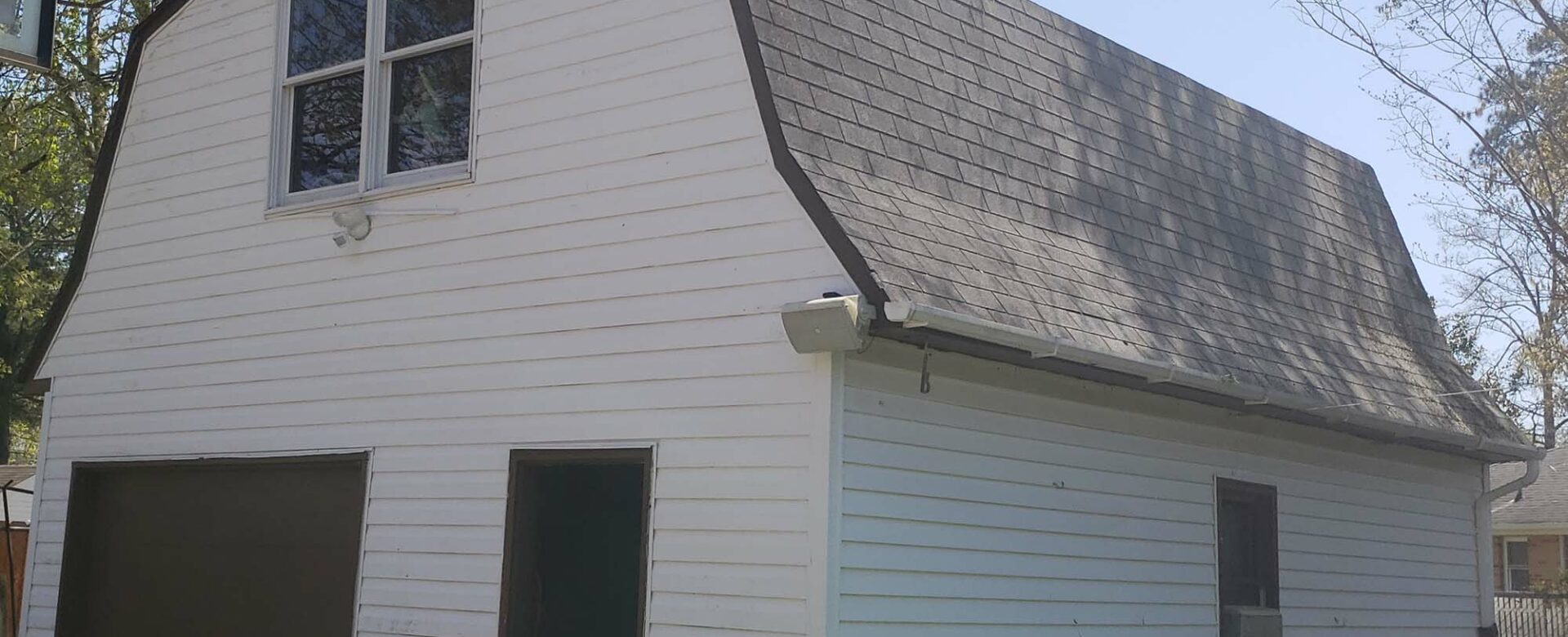
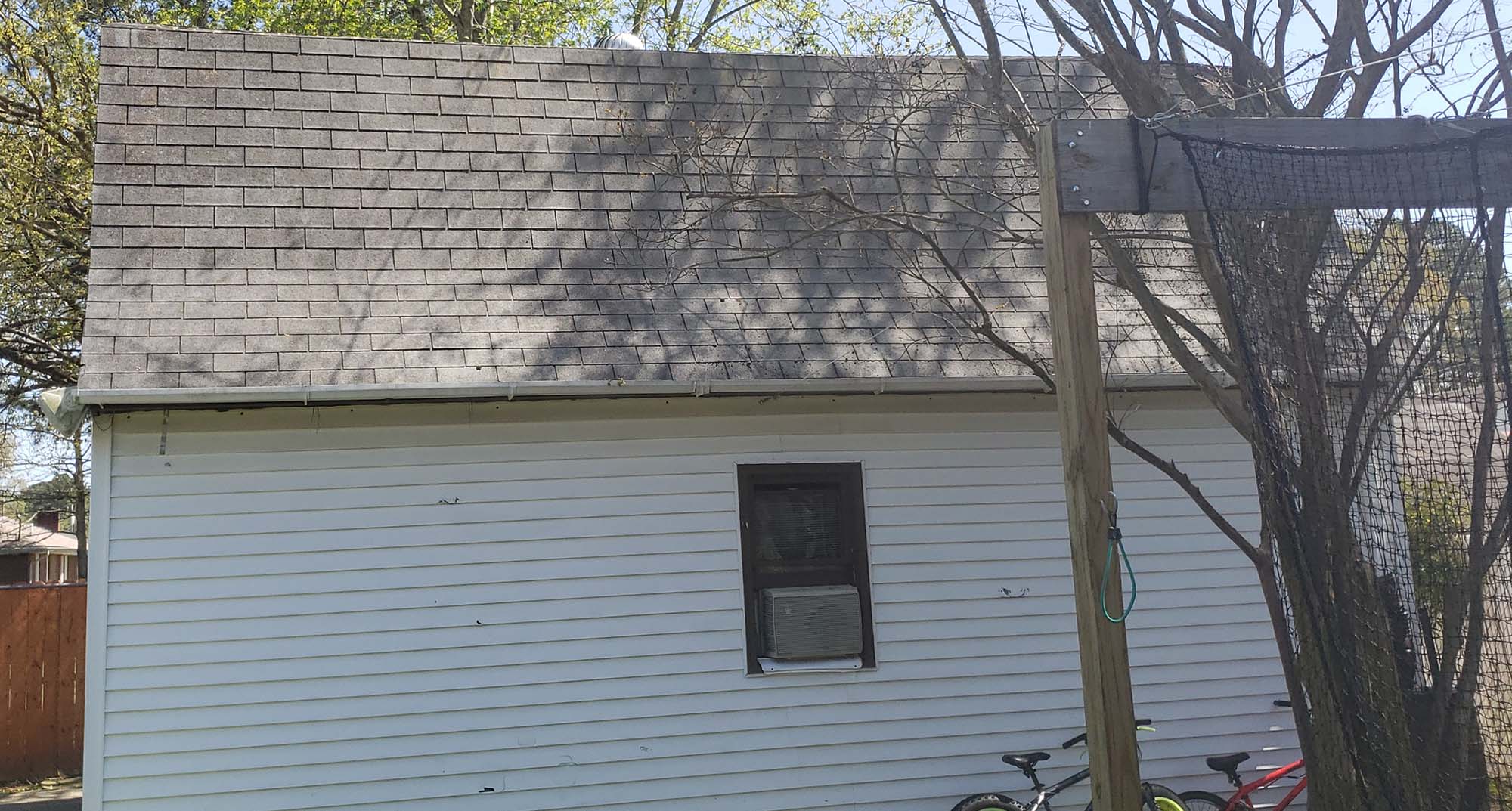
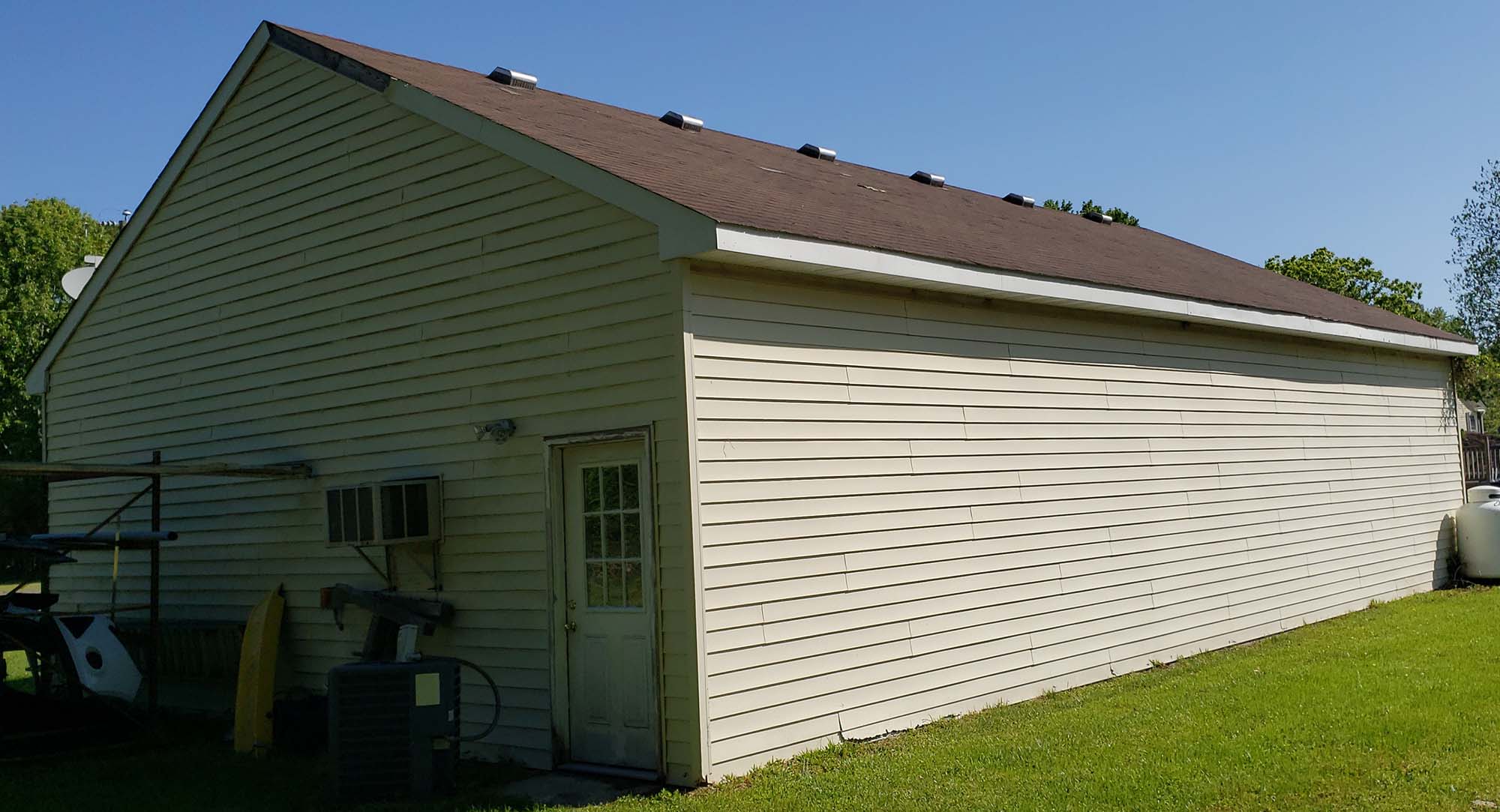
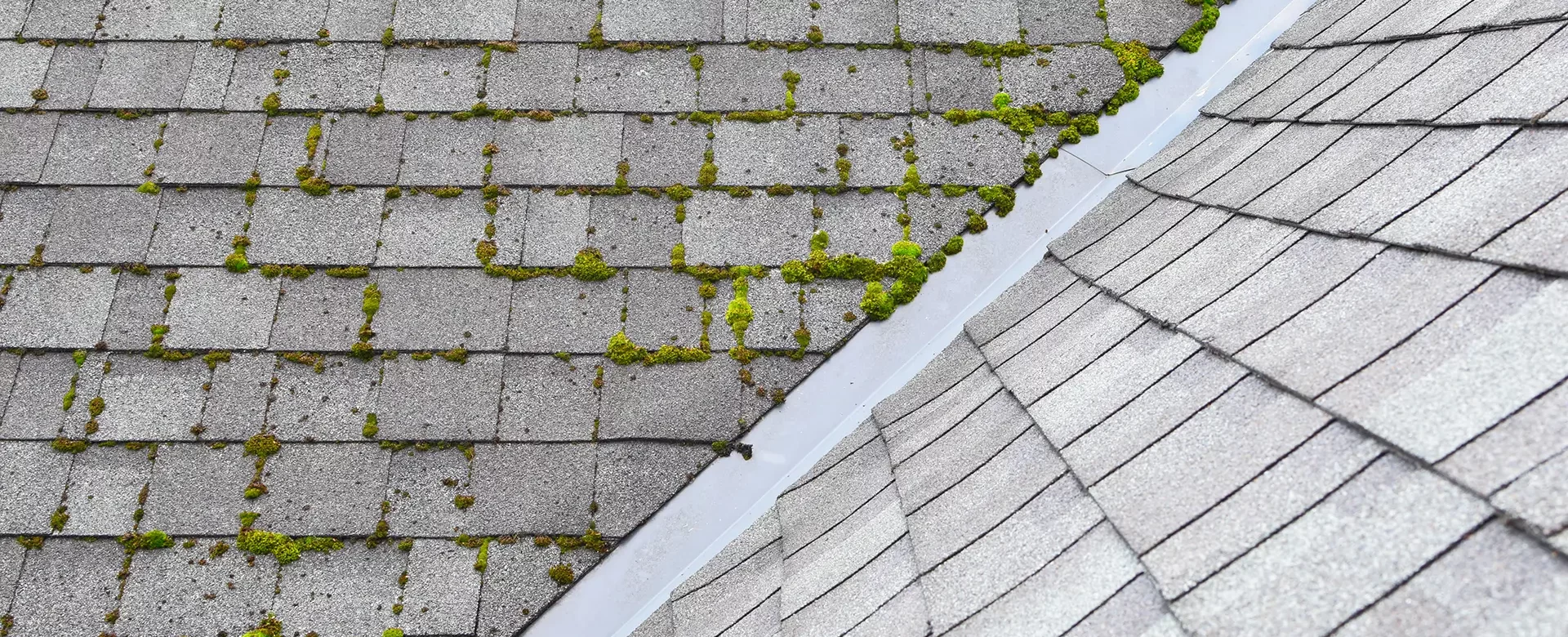
It’s tempting to take the power washing all the way to the top – especially when you see algae and mold buildup on your roof. If it works on the siding and driveway, why not the roof, right? But the damage you can cause to yourself and your home with this well-intentioned chore could be disastrous.
What Happens When You Power Wash Shingles
It’s never a good idea to power wash your roof. First and foremost, it’s incredibly dangerous to you. Walking on a slick, steep slope roof with a powerful tool in hand is a recipe for injury. But it’s also likely to do more harm than good to your roof as well. Here’s how:
- Granule loss: the protective granules embedded in asphalt shingles are what shield them from UV rays and weather. The high pressure of the pressure washer strips them away, which can make them age faster.
- Shingle breakage and cracking: older or already-weathered shingles are brittle; the added pressure can crack, split, or blow them away entirely.
- Voided manufacturer warranty: many shingle manufacturers explicitly exclude damage from pressure washing, so don’t take any chances of losing a valuable warranty.
- Water penetration to roof decking: a power washer has the ability to raise shingles up when the spray is pointed at the right angle. When that happens, water can penetrate to the underlayment and even to the roof decking, leading to rot, mold and eventually structural damage.
Power Washing Fascia, Gutters and Soffits
It’s also tempting to power wash the fascia, gutters and soffit on the outside of your house, as they can tend to get mildewed, especially in highly shaded areas or on the north side of your home. There are some ways to do this safely but keep these points in mind.
- Upward spray under shingles: angling the wand upward forces water past the shingle’s overlap. As mentioned above, this can penetrate to the roof deck, causing much bigger and long-term damage.
- Shingle lifting and loosening: the force can break the seal strip between shingles, leaving them vulnerable to strong wind lift afterward.
- Gutter loosening: the force of a power washer may loosen or even detach gutters from the fascia or your home, or downspouts from their connection points. When gutters are not in place, they don’t move water away from your home correctly, which can lead to water damage along your foundation.
- Soffit penetration: water driven into soffits can reach attic insulation, causing moisture buildup and mold growth inside the home.
What Should You Do Instead?
You want your home to look beautiful and protect it from long-term staining and damage, but there are right ways and wrong ways to do that. Here are a few ideas that are safer but still effective.
- Soft washing: consider a low-pressure application of a biocide or cleaning solution designed specifically for roofs. These often attach to regular water hoses and can kill algae and mildew without physical force.
- Professional gutter cleaning: Hire a local professional to manually clean your gutters with professional tools and leave the ladder climbing to them.
- Annual professional roof inspection: catch buildup and early damage before it becomes a bigger problem. Call your local roofing professional if you have any concerns about roof aging, damage or maintenance. They will know what to look for and also how to identify and deal with it safely.
- Algae-resistant shingles: there are some roofing materials now that have built-in algae resistance. Talk to your roofing contractor about these options if you’re considering a roof replacement. This is a particularly good choice for homeowners in the Hampton Roads region, which sees wet, humid weather year-round.
Take the Pressure Off Yourself
Your roof is your home’s first line of defense against the elements. Don’t let a DIY weekend compromise it, costing you money or even your safety. At Andrews Roofing we know all the telltale signs of roof damage – whether it was caused by you, the weather, age or previous owners. Contact us today if you have any concerns about your roof’s condition; we’d be happy to help point you in the right direction, while taking the pressure off you.