


Leaks & Service Repairs

757-399-3066 ext 3 (Leaks & Service Repairs)

Reroof Estimates & Inspections

757-399-3066 ext 1 (Reroof Estimates & Inspections)

Tag: poor roof ventilation

Seven Reasons that Leak May Not Be Your Roof’s Fault

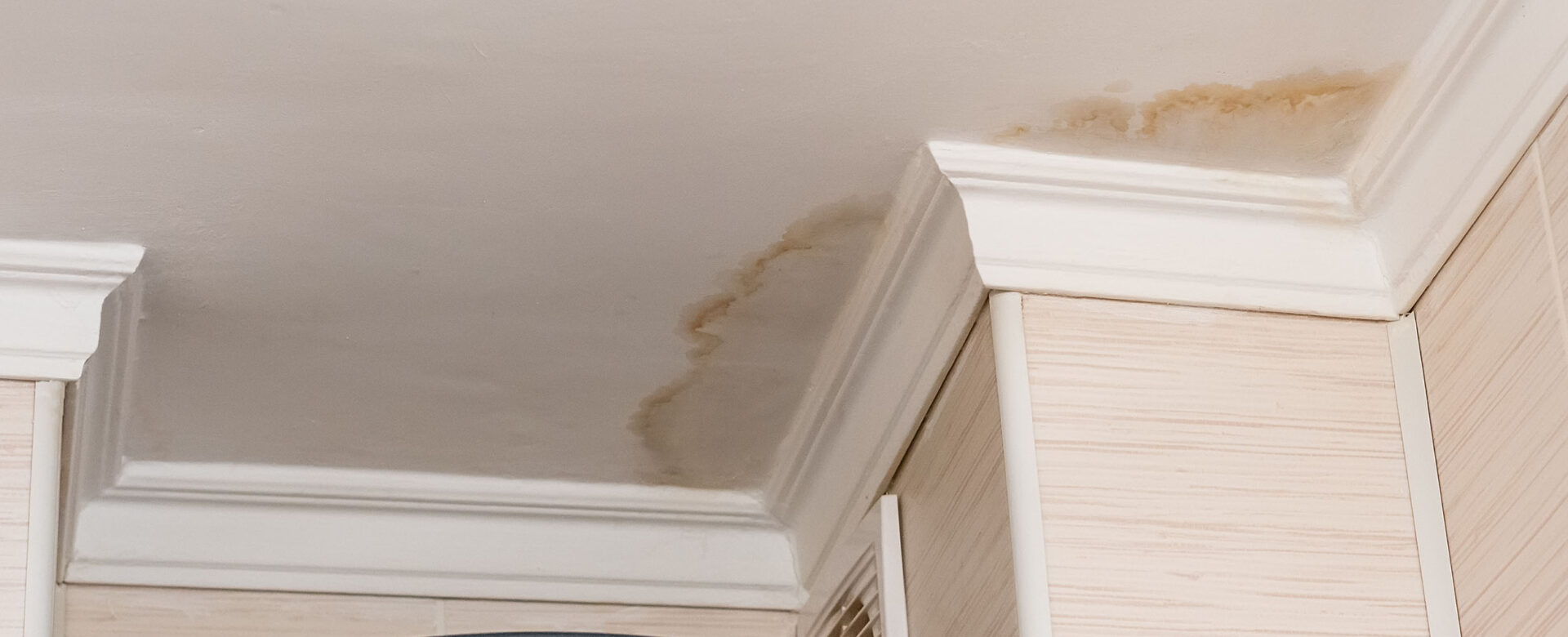
When you spot a water stain on the ceiling, your first thought is probably that your roof has a leak which is a reasonable assumption and often correct.

But a surprising number of leaks in Hampton Roads homes and businesses trace back to something other than a failed shingle, membrane, or flashing system.

Practically, however, you should still call a professional roofer first. Diagnosing a leak takes training and experience, and a reputable company will tell you exactly what they find, even when the answer is “it’s not us” or “we can’t help you.” Understanding some of the other common leak sources can help you go into that conversation informed, and it can save you time if the fix ends up requiring a different kind of specialist. Here are seven reasons why your roof might not be the problem.

Gutters and Drainage

Water can enter your house in more ways than one, and it’s not always because of a hole or puncture. Overflowing gutters at the eaves are one of the most common non-roof leak sources. When gutters clog with leaves and debris, or when they’re installed incorrectly, water backs up and spills over the edge instead of flowing through the downspouts. That water then runs down your siding, seeps behind fascia boards, or pools against your foundation. Inside the house, it can show up as a stain on your exterior walls or ceiling corners, which makes it easy to mistake for a roofing problem.

The fix is often as simple as a thorough gutter cleaning and a check of the gutter’s pitch, hangers and downspouts. A roofing company can usually handle this directly, since gutters and roofs work as a system.

Debris Buildup on the Roof Surface

Shingle roofs are designed to shed water quickly, but that’s only if there’s a clear path. Piled-up leaves, pine needles, and other debris in valleys or along the roofline can dam up water and force it to sit rather than drain. Standing water on a shingle roof, even for a short time, increases the odds it finds a way underneath the shingles through a seam or a nail hole that would otherwise never be an issue.

This issue comes down to maintenance, rather than repair. Regular debris removal, especially after the fall when the leaves have dropped, or after a big storm, keeps water moving the way it’s supposed to.

Rooftop AC Units

Commercial buildings and some homes with rooftop-mounted HVAC equipment have a built-in leak source in their heating and cooling system’s condensate lines and drain pans. AC units generate a lot of condensation, which is why it has a built in system for expelling that water. However, if a condensate line is clogged or a drain pan has rusted through, water can pool right on the roof surface or drip directly into the building.

This is a case where a roofing company usually can’t fix the issue alone, and an HVAC company will need to be called in. What a roofer can do is inspect and repair the roofing membrane or flashing around the unit in the event that it’s been damaged from the water exposure. Best results usually come from the two trades coordinating rather than working in isolation.

Inadequate Attic Ventilation

Not all “leaks” come from the outside! Sometimes it’s moisture that never left. Attics with poor ventilation trap warm, humid air, especially here in Hampton Roads where summer humidity is no joke. That trapped moisture condenses on the underside of the roof deck and drips down, mimicking the signs of a leak, even when the roofing system is in perfect working order.

A roofing company can evaluate whether your attic has enough intake and exhaust ventilation and recommend upgrades like ridge vents, soffit vents, or additional attic fans. This repair or upgrade will usually fall under a roofing company’s purview, since they’re well trained in ventilation and how to improve it.

Chimneys, Pipes, and Penetrations

Anywhere something pokes through your roof is a potential entry point for water, and in this case a roofing company should be able to handle the fix. Flashing around chimneys, plumbing vent pipes, and other penetrations can come loose, or even rust out and wear down over time, creating one of the most common actual roof-related leak points. Often homeowners assume leaks that pop up around their fireplace and chimney are caused by cracked masonry or a bad cap, but often the culprit is actually the flashing where the chimney meets the roof deck. A mason may need to get involved if the chimney structure itself has cracks or deteriorating mortar joints. But the flashing repair is standard roofing work.

Siding, Window Seals, and Dormers

Water doesn’t care if the opening is in the roof, window or wall. Failed or damaged caulking around window seals, gaps in siding, or bad dormer flashing can all let water in above the ceiling line, which makes it look exactly like a roof leak from inside the house. Dormers are especially tricky because they combine roof, wall, and window elements in one small area, giving water multiple potential entry points. Depending on what’s found, you may need to call in a siding or window company. A good roofer will tell you clearly where the roofing system ends and where another trade’s scope begins.

Believe It or Not: Bullet Holes

It may sound unbelievable, but it happens more often than you’d think, particularly on commercial flat roofs. If a membrane roof experiences a small, isolated leak, it is occasionally (but more than once in our experience!) because of a bullet lodged in the membrane from a stray round fired somewhere in the surrounding area. The good news is these are usually simple, inexpensive fixes once identified. While an unusual leak diagnosis, it’s not impossible. Fortunately, a roofing company with experience in commercial roofing materials should be able to patch it up in no time.

Leave the Diagnosis to the Professionals

If you’ve got a leak, call a professional roofing company first. A reputable contractor will inspect thoroughly and tell you honestly what they find, whether that’s a roofing repair, a referral to another trade, or a case where both need to work together. Don’t be surprised if the answer isn’t what you expected. Sometimes “it’s not your roof” is good news, since gutters, ventilation, and window seals are often quicker and less expensive fixes than a roofing repair would be. But no matter what you think the cause is, stay safely on the ground and let the professionals figure it out.

If you’re dealing with a leak anywhere in Hampton Roads, contact Andrews Roofing today. We’ll get to the bottom of it, even if the answer isn’t us.
read more

The Role of Proper Ventilation for Roof Health and Energy Efficiency

When Southeast Virginia summers hit, your roof starts working overtime. But if it’s not breathing right, you could be facing major issues.

Hampton Roads homeowners know summer doesn’t ease in gently. By late May (or even April!), temperatures are climbing into the 90s, humidity is thick, and on a clear, sunny day, your attic temperature can soar past 150°F. Most people only think about their roof when something goes wrong that’s immediately visible – a missing shingle after a storm or stain on the ceiling after a heavy rain, but one of the most damaging things that can happen to a roof in this region is largely invisible until it’s too late: poor ventilation.

Proper roof ventilation isn’t a luxury or an up sell – it’s a foundational part of a healthy roofing system. When ventilation fails, the rest of your home’s structure will feel it, as will your energy bills. Here’s what Southeast Virginia homeowners need to know heading into another hot, humid summer season.

How Proper Roof Ventilation Works

A properly ventilated roof system is simple in principle: fresh air enters through intake vents (typically at the soffits) and hot, moist air exits through exhaust vents (at or near the ridge). This continuous airflow keeps your attic from becoming a heat and moisture trap.

Without adequate ventilation, two major issues will arise:

  • Extreme heat builds up in the attic space during the day, radiating downward into living areas and stressing roofing materials from below.
  • Moisture will occur from condensation, when the warm, humid air from outside meets cooler surfaces inside and is trapped.

Condensation: The Silent Destroyer

In the Tidewater region, condensation is a serious concern. Our region’s climate means we deal with heat and humidity in the summer months and temperature swings in the fall and spring, both of which create prime conditions for moisture to accumulate in an attic.

When warm, humid air gets trapped in a poorly ventilated attic, it condenses on the cooler surfaces of your roof’s structural components, from there the damage can compound quickly.

Your roof decking (typically the sheets of plywood you can see from inside your attic) will be the first material to be affected. Over time, moisture exposure will cause the wood to swell, warp, and eventually rot. Once this happens, it can no longer hold fasteners properly, meaning your shingles aren’t as secure as they should be.

From there, moisture can work its way into the rafters, which bear the weight of your whole roof. As you can imagine, wood rot in rafters is serious and in advanced cases, it leads to a sagging roofline and significant structural repairs.

Finally, your insulation will incur damage. Wet insulation loses its ability to resist heat transfer, packs down and clumps, and becomes a breeding ground for mold. Once it’s moisture-damaged, it typically has to be replaced entirely. And mold itself isn’t just a structural problem; it’s a health concern that requires expensive remediation. The good news is that all of this is preventable with proper ventilation.

The Cost of a Poorly Ventilated Attic

We’ve all been hearing about the rise in energy bills, but there’s one reason for this that may not be top of mind: roofing ventilation.

When your attic reaches 140–160°F on a hot afternoon, which it easily can without proper airflow, that heat radiates directly through your ceiling into your living space. Your air conditioning system then has to work significantly harder to maintain a comfortable temperature. It cycles more frequently, runs longer, and wears out faster.

A properly ventilated attic stays dramatically cooler. Adequate attic ventilation can reduce attic temperatures by 40°F or more on peak summer days. That’s a huge reduction in the work your HVAC system is doing, as well as your monthly bill.

Ventilation is Just One Part of the Puzzle

Ventilation is just one part of a healthy roof system. Shingles, underlayment, decking, insulation, and ventilation – every layer depends on the others to perform as designed. Shingles can be in perfect shape while the decking beneath them quietly rots from trapped moisture. Insulation loses its effectiveness the moment it gets wet. A well-designed ventilation system is what keeps everything else working.

That’s why when we evaluate a roof, we look at the complete picture, not just the outermost layer. A comprehensive inspection includes checking soffit vents for blockages, evaluating ridge vent access, and looking for signs of moisture damage in the decking and framing.

Signs Your Roof May Have a Ventilation Problem

If you’re not sure whether your roof has ventilation issues, here are some warning signs to watch for as we head into the hot months:

  • Your upstairs rooms are noticeably hotter than the rest of the house, even with the AC running
  • Your energy bills spike sharply in summer months
  • You notice a musty smell in your attic or upper floor
  • There are visible staining or dark spots on attic sheathing
  • Your roof shows premature aging such as curling, cupping, or granule loss on shingles that aren’t that old
  • Ice dams formed along your eaves last winter (a telltale sign of uneven attic temperatures caused by poor ventilation)

Don’t Wait Until Summer to Find Out

The best time to address ventilation issues is before the heat arrives. By the time your attic is baking in July and your energy bills are quite literally through the roof, the damage may already have started.

Andrews Roofing serves homeowners across Hampton Roads – from Virginia Beach and Chesapeake to Suffolk, Portsmouth, Norfolk and the surrounding communities. We understand the specific demands our climate places on roofing systems, and we know that a truly healthy roof is one that’s been built and maintained as a complete system.

If it’s been a while since your roof has had a thorough inspection or if you’ve noticed any of the warning signs above, contact us today. We’ll evaluate your roof from shingles to soffit vents and give you a clear, honest picture of where you stand and what will continue to keep your home healthy heading into summer.

read more

Roof Replacement ROI: The Hidden Financial Perks of a New Roof

Replacing your roof is a major home improvement project, and for many homeowners, the upfront cost can feel daunting.

But what many people don’t realize is that a new roof is also a smart financial investment that can pay off in a number of ways—both immediately and long-term. From lowering your monthly bills to increasing your home’s resale value, here are some of the top financial benefits of investing in a total roof replacement.

  1. Lower Energy Costs

Older roofs often have worn-out shingles, deteriorating underlayment, or poor ventilation. All of these factors allow air to escape (or stay trapped), making your HVAC system work harder to heat or cool your home. A new roof with modern materials and proper insulation and ventilation can improve energy efficiency, leading to lower monthly utility bills. Over time, these savings add up significantly. Some roofing products are even ENERGY STAR® rated or “cool roof” certified, which may qualify you for additional rebates or tax credits.

  1. Potentially Lower Insurance Premiums

Insurance companies know that older roofs are more likely to fail during storms, leading to costly claims. Many insurance companies offer better rates for homeowners who invest in a new roof because it reduces the risk of leaks, water damage, and structural issues. In Southeast Virginia, where hurricanes and nor’easters are a constant reality, this can be an especially valuable benefit. A stronger, more resilient roof could keep you from paying hefty deductibles after storm damage and seeing your insurance rate skyrocket.

  1. Increased Resale Value

If you plan on selling your home in the next 5–10 years, a new roof is one of the top upgrades that attracts buyers. A roof replacement not only boosts curb appeal but also provides peace of mind for potential buyers, knowing they won’t need to take on a major repair immediately after purchase. Most real estate agents will tell you that homes with newer roofs sell faster and often for more money. Plus, some roofing warranties are transferable, a great selling point that will appeal to any buyer.

  1. More Home Equity and Better Financing Options

For homeowners considering refinancing or taking out a home equity loan, the appraised value of your home matters. A new roof can raise that appraisal, giving you more equity to borrow against for other improvements, debt consolidation, or major expenses. Some lenders also look at roof age when assessing loan risk, so replacing your roof may even help secure better interest rates.

  1. Avoiding Costly Repairs Elsewhere in the Home

Older roofs are more prone to leaks, missing shingles, and other recurring issues. While patchwork repairs might seem cheaper in the moment, they add up quickly and don’t fix the root of the problem when a roof has reached the end of its lifespan. Older, decaying roof materials can also allow water intrusion, causing damage to insulation, drywall, flooring, and even your home’s foundation. By replacing your roof, you’re protecting the rest of your home from cascading repair costs.

  1. Long-Term Protection and Peace of Mind

Financial security isn’t just about immediate savings—it’s also about avoiding unexpected expenses. With a new roof under warranty, you won’t have to worry about sudden leaks or emergency repairs draining your savings. That peace of mind has real financial value, since it lets you plan your household budget without the fear of surprise expenses.

Make a Smart Investment with a Local Team

Replacing your roof is a financial decision that can benefit you now and well into the future. But we know that it’s also a major investment, so if you’re ready to make the financially wise choice for your home, contact Andrews Roofing today. Our team has decades of experience helping homeowners in Hampton Roads, Tidewater, and Southeast Virginia protect their investment with expert roof replacements that last.

read more