

Leaks & Service Repairs

757-399-3066 ext 3 (Leaks & Service Repairs)

Reroof Estimates & Inspections

757-399-3066 ext 1 (Reroof Estimates & Inspections)

Tag: roof maintenance

Resolve to Protect Your Home with a Seasonal Maintenance Checklist

Start the new year out right by checking a few important items off your home-maintenance to-do list.

Just like setting personal resolutions at the first of the year, resolving to take better care of your home, and especially your roof, is an investment that pays off all year long.

In Hampton Roads (HRVA), roofs face a unique combination of challenges: coastal humidity, salt air, heavy rain, high winds, summer heat, and the occasional winter freeze. Seasonal maintenance helps homeowners catch small issues early, protect their roofing system, and extend the life of their roof.

We’ve broken down your annual roof care into seasonal, home-owner safe checklists to make these tasks manageable and effective – without ever having to climb on the roof!

Winter: Monitor & Protect

While winter doesn’t usually bring heavy snow to Southeast Virginia, cold snaps, fluctuating temperatures and freezing rain can still cause issues.

Winter Maintenance Checklist

  • Watch for interior warning signs: Keep an eye out for water stains on ceilings or walls, peeling paint or unexplained humidity in certain rooms or areas.
  • Check attic moisture levels: Condensation or frost inside your attic may indicate ventilation problems, which could be fixed just by shifting insulation.
  • Monitor roof edges: Heavy icicles or uneven melting can signal insulation or airflow issues from the inside.
  • Avoid walking on the roof! Use a roof rake from the ground if necessary, never climb on icy surfaces.

Why it matters to HRVA: Our inconsistent winter temperatures can cause freeze-thaw cycles that even when brief can make existing cracks worse or create gaps around flashing.

Spring: Reset After Winter Weather

Even mild winters can leave behind hidden wear and tear, especially after wind events and fluctuating temperatures.

Spring Maintenance Checklist

  • Do a ground-level roof inspection: Look for missing, curling, or cracked shingles as well as visible damage around chimneys, vents, and flashing. Do a visual inspection to see if any sections of gutters have pulled away from the roofline and ensure all gutter downspouts are still securely attached.
  • Clean gutters and downspouts: Remove leaves, pine needles, and debris and ensure downspouts are directing water well away from your foundation.
  • Inspect attic ventilation: Look for moisture, condensation, or mildew and make sure soffit and ridge vents aren’t blocked by insulation.
  • Trim back trees and branches: Prevent damage caused by overgrown or loose limbs and reduce debris buildup during spring storms.

Why it matters to HRVA: Spring rains are frequent, and clogged gutters or compromised flashing can quickly lead to leaks if winter damage isn’t addressed.

Summer: Manage Heat, Humidity & Storm Exposure

Southeast Virginia summers bring intense heat, high humidity, and sudden thunderstorms – all of which put stress on roofing systems.

Summer Maintenance Checklist

  • Check attic insulation: Look for compressed, displaced, or damp insulation. Uneven insulation can trap heat and drive-up energy costs.
  • Monitor attic temperatures: Excessive heat may indicate poor ventilation – upper floors that feel noticeably hotter can be a warning sign.
  • Inspect roof for gaps: From the ground, check vent boots and flashing for cracking or separation.
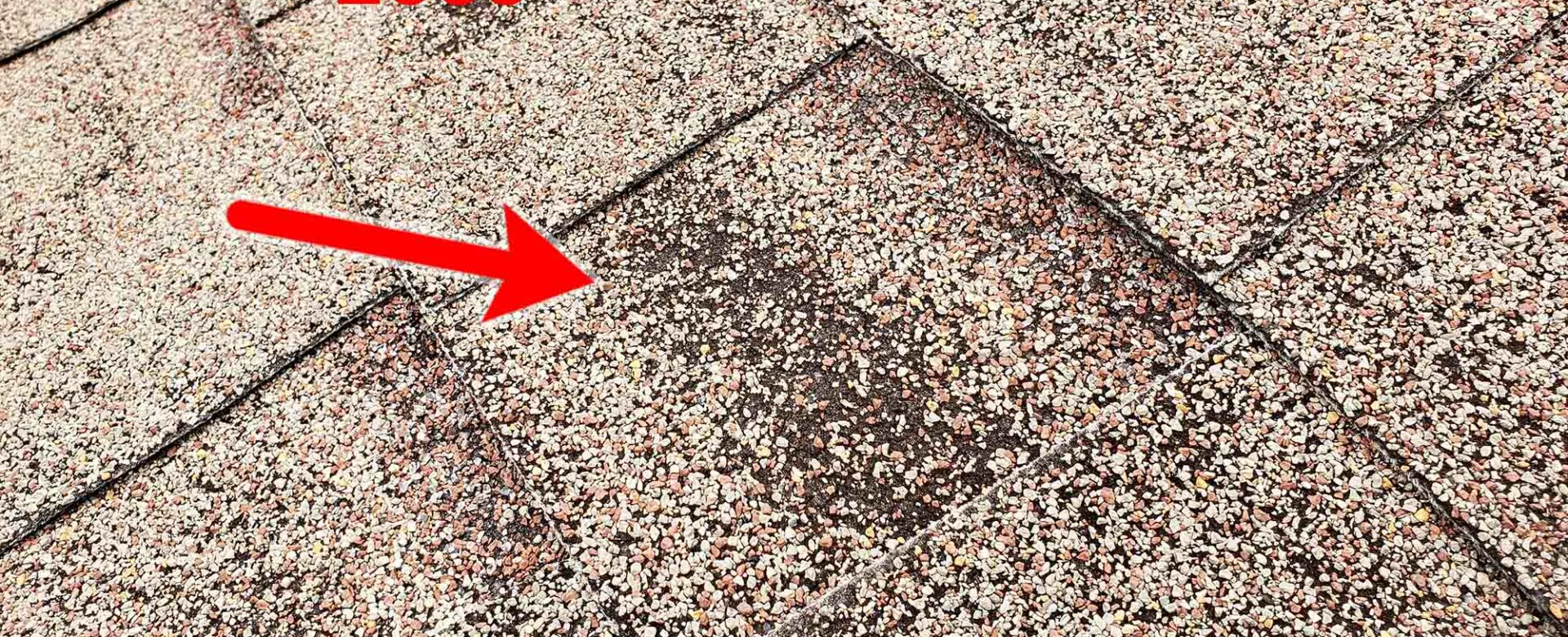
  • After storms, perform visual checks: Look for new debris, shingle movement, or granules collecting near downspouts, which could signal shingle deterioration.

Why it matters to HRVA: High heat accelerates shingle aging, while humidity and poor ventilation can lead to moisture problems inside the attic—especially in older homes.

Fall: Clear, Seal & Prepare for Cooler Weather

Fall is one of the most important seasons for roof maintenance—and one of the best times to address minor issues, when the temperatures are more forgiving.

Fall Maintenance Checklist

  • Thoroughly clean gutters: Falling leaves can quickly cause blockages and backed-up gutters can lead to fascia damage and interior leaks.
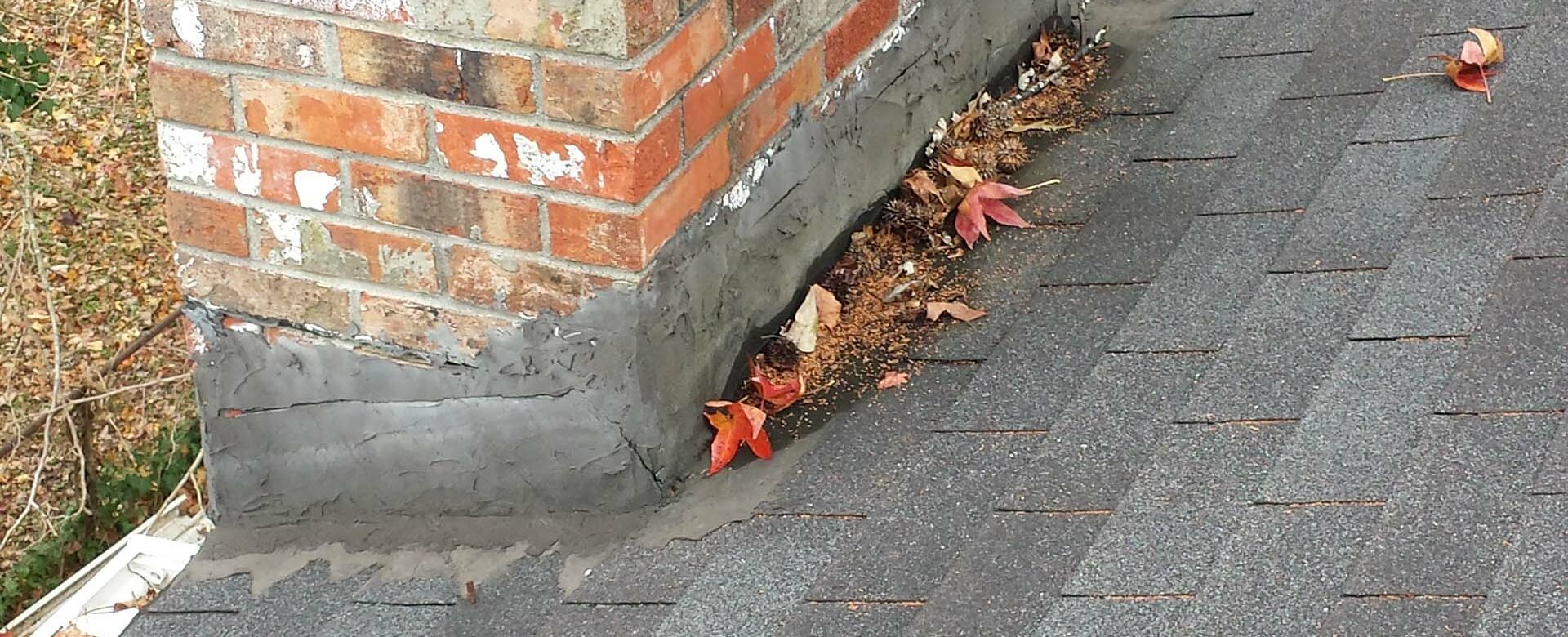
  • Inspect flashing and seals: Pay special attention to chimneys, skylights, and vent pipes. Any loose flashing or separating seals are bound to invite issues when the winter temperature fluctuations start.
  • Check attic air sealing: Look and feel for drafts around attic hatches or recessed lighting. Drafty air or increased temperatures may indicate the need for insulation replacement or better sealing.
  • Schedule a professional roof inspection: Fall is ideal for preventative maintenance before winter weather arrives.

Why it matters to HRVA: Fall storms and lingering humidity mean small vulnerabilities can worsen quickly if left unattended.

Resolve to Protect Your Home

Resolving to care for your roof season by season is one of the smartest and easiest ways to protect your home’s structure, comfort, and value. Routine visual checks and preventative maintenance can help extend the life of your roof, reduce emergency repairs, and identify issues before they become costly problems.

Andrews Roofing is here for every season.

If your seasonal checklist reveals concerns, or if you’d simply like an expert set of eyes on your roof, Andrews Roofing offers professional inspections and maintenance services throughout the Tidewater region. Our team understands the unique demands of the local climate and can help keep your roofing system performing its best year after year. Contact us today!
read more

Understanding Roofing Warranties: A Guide for Hampton Roads Homeowners

At Andrews Roofing, we’ve been serving the Hampton Roads community for decades, so we’ve handled hundreds of roofing warranty claims and know exactly what to expect given our local climate and the standard coverage by most manufacturers.

Whether you’re considering architectural asphalt shingles, metal roofing, or innovative recycled Enviroshake products, understanding your warranty is crucial to protecting your investment. Here’s what you need to know.

Manufacturer vs. Workmanship Warranties

Most roofing materials come with a manufacturer’s warranty, which covers defects in the materials themselves. However, these warranties often require that the materials be installed by a certified and licensed roofing contractor to remain valid. If an unqualified installer handles your roof, you could lose your warranty protection altogether.

On the other hand, workmanship warranties are sometimes offered by the roofing company itself and cover errors in installation. These warranties can vary widely between contractors, so when getting a repair or roof replacement estimate, make sure you ask what is covered and for how long, and make sure you’re not talking to a fly-by-night company that’s here today, gone tomorrow.

Roofing Material-Specific Warranties

Different roofing materials come with different warranty terms, so when considering what type of material and which brand to go with, consider this information as well. An experienced estimator or sales associate at a professional roofing company should be able to explain the specific warranty details of any material they install.

  • Architectural Asphalt Shingles: Offer enhanced durability and can come with warranties lasting 30 to 40 years, presuming they are installed by a certified roofer; however, coverage may be prorated over time.
  • Metal Roofing: Generally comes with warranties ranging from 40 to 50 years, with some premium options offering lifetime coverage. But keep in mind that color and finish warranties may be different from the terms of the structural warranty. Our standard factory applied paint finish warranty for metal roofing is 30 years, but this could vary depending on your installer.
  • Recycled Enviroshake Products: Often carry warranties of 50 years or more due to their eco-friendly, durable composition. Again, proper installation is key to ensuring full coverage.

The Role of Regular Maintenance

Even with a strong warranty, homeowners are typically responsible for regular maintenance to keep their roof in good condition. Neglecting maintenance, such as cleaning gutters, removing debris, and inspecting for minor damage, could void your warranty. Some warranties may also require periodic professional inspections to remain in effect.

What’s Not Covered

Many homeowners assume their warranty will cover any roof-related issue, but that’s often not the case. Most warranties do not cover:

  • Damage from extreme weather, such as hurricanes, hail, or falling trees
  • Improper installation by uncertified or unlicensed contractors
  • Poor ventilation or structural issues related to the home’s design

Out-of-Pocket Costs for Repairs

If a defect is covered by the manufacturer’s warranty, the material cost may be included, but labor to replace the defective product is often not. Alternatively, workmanship warranties from your contractor may cover installation-related issues, but they typically don’t include material defects. Depending on your situation, homeowners may need to pay labor costs, disposal fees, and other expenses associated with a warranty claim. Be sure to ask about these costs up front before the repair or replacement begins. Any other items not covered under a warranty are often left to the homeowner to pay out of pocket unless the damage is substantial enough to pursue an insurance claim, which we are happy to advise on and assist our clients with when needed.

Andrews Roofing Can Help

A good roofing warranty can provide peace of mind, but it’s essential to read the fine print and work with a certified roofing contractor. At Andrews Roofing, we take pride in ensuring our customers in Hampton Roads get the best warranties available through proper installation and quality workmanship. If you have questions about roofing warranties or need an inspection, contact us today!

read more

Why and How You Should Keep Your Roof Clean

When it comes to keeping a sparkling clean home, you probably focus on keeping the floors mopped, the surfaces dusted and countertops disinfected. But there’s one giant area of your home that probably isn’t getting enough cleaning attention: your roof. As a crucial part of your home’s structure and one of its primary protectors from the elements, it’s really important to keep your roof well maintained so that it can perform to your expectations.

Over time, your roof can accumulate dirt, debris, moss, and algae, which not only affect its appearance but also its longevity. Think about your carpet – if you never vacuumed it, never cleaned spots off of it or gave it a shampoo every once in a while, it would deteriorate and be unusable (not to mention unsightly) long before its lifespan should be over. The same is true of your roof.

Here are just a few important reasons why you should keep your roof clean and tidy:

  • Reduces Repairs and Prolongs Roof Lifespan: A clean roof is a healthier roof. The accumulation of debris, moss, and algae can damage your shingles by lifting them up or causing them to deteriorate, leading to leaks and water damage. Regular cleaning can extend the lifespan of your roof, potentially saving you thousands in replacement costs.
  • Enhances Curb Appeal: A clean roof significantly improves your home’s curb appeal. Whether you plan to sell your house or simply want to enjoy a well-maintained home, a clean roof can make a big difference. We’ve all seen the one roof in the neighborhood that’s stained, missing a few shingles or with trees growing out of the gutters. Don’t be that house!
  • Increases Energy Efficiency: Algae and moss on your roof can trap moisture, making it harder for your home to regulate temperature. A clean roof can improve energy efficiency, reducing your heating and cooling costs.
  • Protects Your Whole Home’s Health: Algae and moss growth can create an environment for harmful organisms like mold and mildew. These can infiltrate your home, potentially affecting your indoor air quality and health.

So, by now you’re convinced that your roof could use a good cleaning, but what’s the best way to go about that? It can be dangerous to try and get up on the roof yourself for this chore, so here are some safe suggestions.

  • Professional Roof Cleaning: Hiring a professional roof cleaning service is often the most efficient and safest way to clean your roof. These experts have the knowledge, equipment, and experience to remove dirt, debris, algae, and moss without damaging your roofing materials. Before hiring a professional, make sure they come with a stellar reputation, and are licensed and insured.
  • Ask About Soft Washing: Soft washing is a popular method that uses low-pressure water combined with specialized cleaning solutions to remove stains and growth from your roof. This method is gentle on your roof while effectively eliminating algae and moss. There are professional companies who specialize in this service, which is less intense than pressure washing, therefore safer for roofing materials.
  • Schedule Regular Maintenance: Preventive maintenance is key to a clean and healthy roof. Consider scheduling annual or biannual inspections to identify and address any issues before they become major problems. Regular maintenance can also include gutter cleaning, which helps prevent debris buildup.
  • Use Preventative Measures: To prevent algae and moss growth in the first place, talk to your roofing contractor about having zinc or copper strips installed along the ridge of your roof. Rainwater running over these metals inhibits the growth of these organisms.

Maintaining a clean roof is crucial for the longevity, appearance, and health of your home, so make it a regular part of your annual cleaning and maintenance routine. By doing so, you’ll not only protect your investment but also ensure a safe and comfortable living environment for you and your family.

If you have concerns about the cleanliness or condition of your roof, contact Andrews Roofing today. We’ve been in the roofing business in Hampton Roads for over 25 years, and we have the knowledge and know-how for the very specific types of issues homeowners in southeast Virginia experience.

read more

Spring Cleaning for Your Roof

Spring is here which means it’s time to throw open the windows, clear out the clutter and give your home a good spring cleaning.

Typically spring cleaning may look like purging your closet of items you haven’t worn in years, emptying and cleaning the fridge (and throwing out those ten expired salad dressings!) or even washing the windows, but there’s another part of your home that you probably don’t have on your list that could also use a good annual cleaning – your roof!

Particularly after a long winter, your roof needs some extra attention to ensure it is functioning optimally for all the spring showers and summer storms. Annual roof cleaning will extend the life of your roof as well, saving you thousands of dollars in the long run. Here are a few spring cleaning tips to keep your roof in tip-top condition.

Ditch the Debris
It’s not uncommon over the winter for leaves, sticks and other debris to build up on your roof, especially in any roofing valleys your home may have or around dormers. Removing the debris from your roof keeps anything from building up and causing mildew, or from damaging or even removing shingles. Debris can be removed from a roof while staying safely on the ground using a roof rake, which you can purchase online or at a hardware store for a small investment. If you are able to access parts of your roof from windows, you can use a roof rake or even a leaf blower while staying safely inside your home to remove debris from those areas. Whatever method you choose, just stay away from climbing on top of your roof on your own, as this is dangerous and better done by a professional with the appropriate safety equipment.

Trim the Trees
To keep additional vegetation and debris from building up on the roof once you’ve cleaned it, make sure the trees and other plants around your roofline are trimmed back. Tree branches that touch your roof can easily scrape up against shingles or flashing during a storm, removing or damaging them which can eventually lead to leaks. Call in a professional tree service for larger or taller trees so you don’t cause more damage to your home in the trimming process.

Clean the Gutters
Clogged or at least partially blocked gutters are nearly a given after the winter months. When gutters become clogged or obstructed, it can cause water to back up and seep under the eaves of your home, causing water damage and leaks. In the winter, clogged gutters can freeze and cause ice dams to form which can cause major damage to shingles and the gutter itself. Each spring it’s a good idea to call in a professional gutter cleaning service to remove any debris so that water can flow easily away from your roof and your home. It’s also a good idea to inspect the gutters, including downspouts to make sure that there are no punctures or other damage and that where the water exits the gutter is properly graded to move water away from your foundation.

Roof Cleaners
If your roof is plagued with mildew or dark stains, there are several different types of roof cleaning solutions available. Many of these cleaners come in containers that can be attached to the end of a standard garden hose, so you can spray the areas of your roof that are stained from the ground or a ladder (with assistance, of course). If you don’t feel comfortable doing this yourself, there may be professional roof cleaning companies in your area that offer this service. If you choose to tackle this yourself, just be sure to carefully follow any manufacturer instructions that come with the product.

If you find any issues with your roof during the process of spring cleaning, contact Andrews Roofing. We’ve helped homeowners in the Hampton Roads region extend the life of their roofs through proper maintenance and repairs and we also provide gutter installation and replacement services. We are very familiar with the types of issues and concerns that arise in homes in southeast Virginia, and we have decades of experience in how to make them right. Contact us today.

read more

How to Know When Your Roof Needs a Checkup

They say an ounce of prevention is worth a pound of care, but that doesn’t just apply to your physical health. The same could be said for anything you maintain, including your house and its major systems such as your roof. While there’s no getting around the fact that a roof will eventually need to be replaced, there are many things that can happen over the course of a roof’s lifespan that should be serviced, repaired and maintained. This is especially true in areas prone to severe weather such as the Hampton Roads region.

But how do you know when you should call in a professional roofing contractor? Here are a few things to keep an eye out for to help extend the lifespan of your roof.

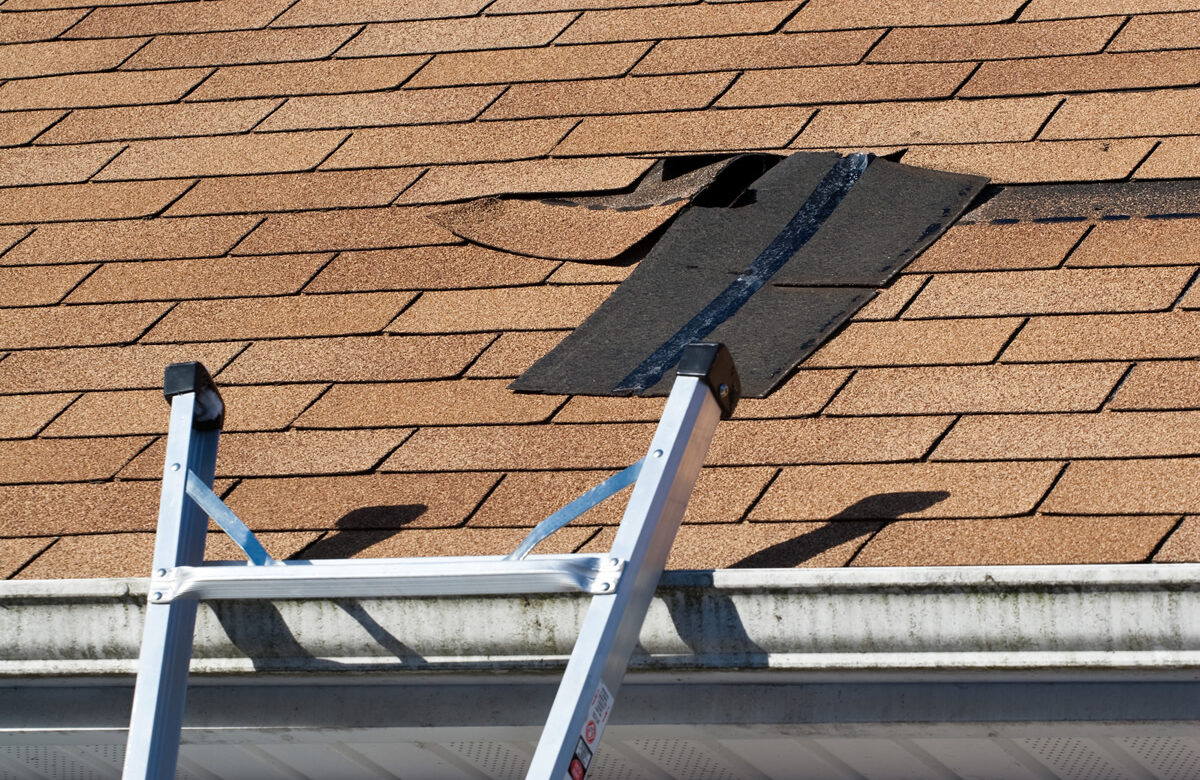
Curling, cracking or buckling shingles are a tell-tale sign that your roof needs some attention. You may also notice asphalt granules in your gutters, which have deteriorated from damaged shingles. This doesn’t mean you need an entirely new roofing system! While this type of roof symptom can sometimes be a sign that a roof has reached the end of its serviceable life, it can also be an isolated incident that simply needs to be repaired or patched.

While it may not necessitate a total replacement, shingles that are damaged or worn should be a high priority on your home to-do list. Just a few curling shingles can allow water to penetrate your roof causing leaks, mildew and other interior damage.

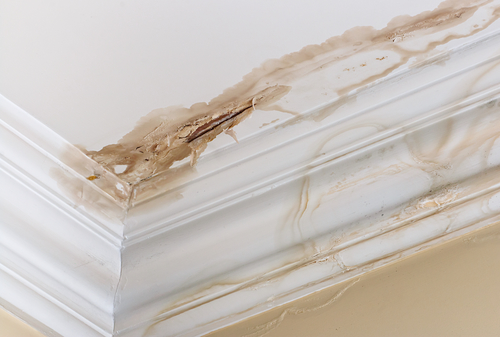
Speaking of interior damage, dark spots on your ceiling or walls also signal that it’s time to have a roofing professional come out and inspect. Even if you don’t see a hole or missing or damaged shingles from the outside, the leak may still be the result of a failure in your roofing system such as loose or missing flashing, backed up gutters or damage that simply isn’t visible from the ground.

Dark spots indicate that moisture has penetrated your roof, the sheathing, decking, and potentially attic flooring. These are serious signs that should be attended to as soon as possible by a professional to ensure additional damage does not occur and that harmful mold and mildew do not start to grow.

Moisture in your attic may also be a sign of problems with your roof as well as your insulation. If you find that the insulation, wood, flooring, ductwork or other items in your attic seem damp, it may be caused by a lack of proper ventilation and/or unsatisfactory insulation. But these issues, over time, can also affect the health of your roof by causing water damage to decking from the underside. An ideal attic temperature is close to that of the temperature outside. This prevents condensation, which is often the cause of interior moisture damage. A licensed professional contractor will need to address these issues if you find them.

Of course, sometimes all of these things indicate that a roof has simply reached the end of its lifespan and needs to be replaced. Most modern asphalt shingle roofs have a lifespan of 20-30 years. In the cities of Virginia Beach and Chesapeake and across the Tidewater region, many homes and large neighborhoods were constructed in the 1990’s, making them the age now to need total replacement.

A qualified roofing company can provide you with a roofing checkup to help you determine whether a repair or total roof replacement makes the most sense for your home and budget. At Andrews Roofing, we provide professional evaluations, customized quotes and affordable financing options as well. Whether you think your roof needs an ounce of prevention or a pound of care, we can help. Contact Andrews Roofing today.

read more

Where is That Roof Leak Coming From?

If your roof is not well-maintained, there is a whole list of issues that could occur, including structural damage and unhealthy mold growth. If you have noticed water stains or actual water coming from the ceiling, you might have a leak. Immediately repairing leaks is essential to keeping your roof in the best condition, but how do you know where the leak is coming from? The following are some common problem areas you can check to find your residential roof leak.

Shingles and Other Materials

The actual shingles or other roofing materials on your roof could have damage that is allowing moisture into your home. Damaged shingles will be buckled, corroded, cracked, or missing all together. You could also look for granules on the ground surrounding your home or nails that are missing or backing out. If you have trees that hang over the roof, be sure to check those areas, as a swaying branch could easily wear out your roofing.

Flashing

The point of flashing is to guide water in another direction when it wants to seep down into a seam on the roof. Flashing is located around chimneys, vents, and other areas where there’s an intersection or an angle in the roof. When flashing is not properly installed or sealed, water will begin to flow underneath and damage your home. Look for loose flashing, ripped pieces, or missing areas.

Skylights and Chimneys

The more extra features you have on your roof, the more chances water has to get in. Skylights and chimneys can be both functional and aesthetically appealing, but without proper installation, it’s easy for water to penetrate the roofing materials surrounding them. You should have a professional look at the seams and the installation to make sure it is all sealed correctly.

Hiring the Professionals

If you’re worried about a leaky residential roof, it’s important you contact the professionals for an inspection. Contact Andrews Roofing today by calling 757-296-0553 or sending us an email to learn more.

read more