

Leaks & Service Repairs

757-399-3066 ext 3 (Leaks & Service Repairs)

Reroof Estimates & Inspections

757-399-3066 ext 1 (Reroof Estimates & Inspections)

Tag: roof mildew

Is Your Roof’s Drainage System Ready for Storm Season?

Between the humidity, the nor’easters, tropical storms and the occasional full-blown hurricane, Hampton Roads knows rain and knows that it’s not to be dealt with lightly.

A well-designed drainage system is one of the most important (and often the most overlooked) investments you can make in your home. When water has nowhere to go, it finds its way into your home’s fascia, down your siding, and finally – into your foundation. But proper drainage isn’t just about gutters. There are many components that work together to keep water moving away from your home. Here’s a breakdown of what your roof drainage system should consider and why.

Drainage: The Unsung Hero

Your roofing materials get a lot of attention: shingles, flashing, underlayment.  But even the highest end roofing materials aren’t worth much if water can’t exit the system efficiently. Poor drainage leads to pooling water, which accelerates shingle deterioration, promotes mold and mildew growth, and puts unnecessary weight and stress on your roof structure. In our coastal climate, where heavy rain events can dump several inches in a matter of hours, a drainage system that can’t keep up is a liability.

The good news is that a properly sized and maintained drainage system is built to handle these types of rain events with ease. The key being “properly sized.” Not every drainage setup is created equal, and the details such as gutter capacity, downspout placement, and guard selection make a significant difference in how well your system performs over time.

Gutters: Capacity Is Everything

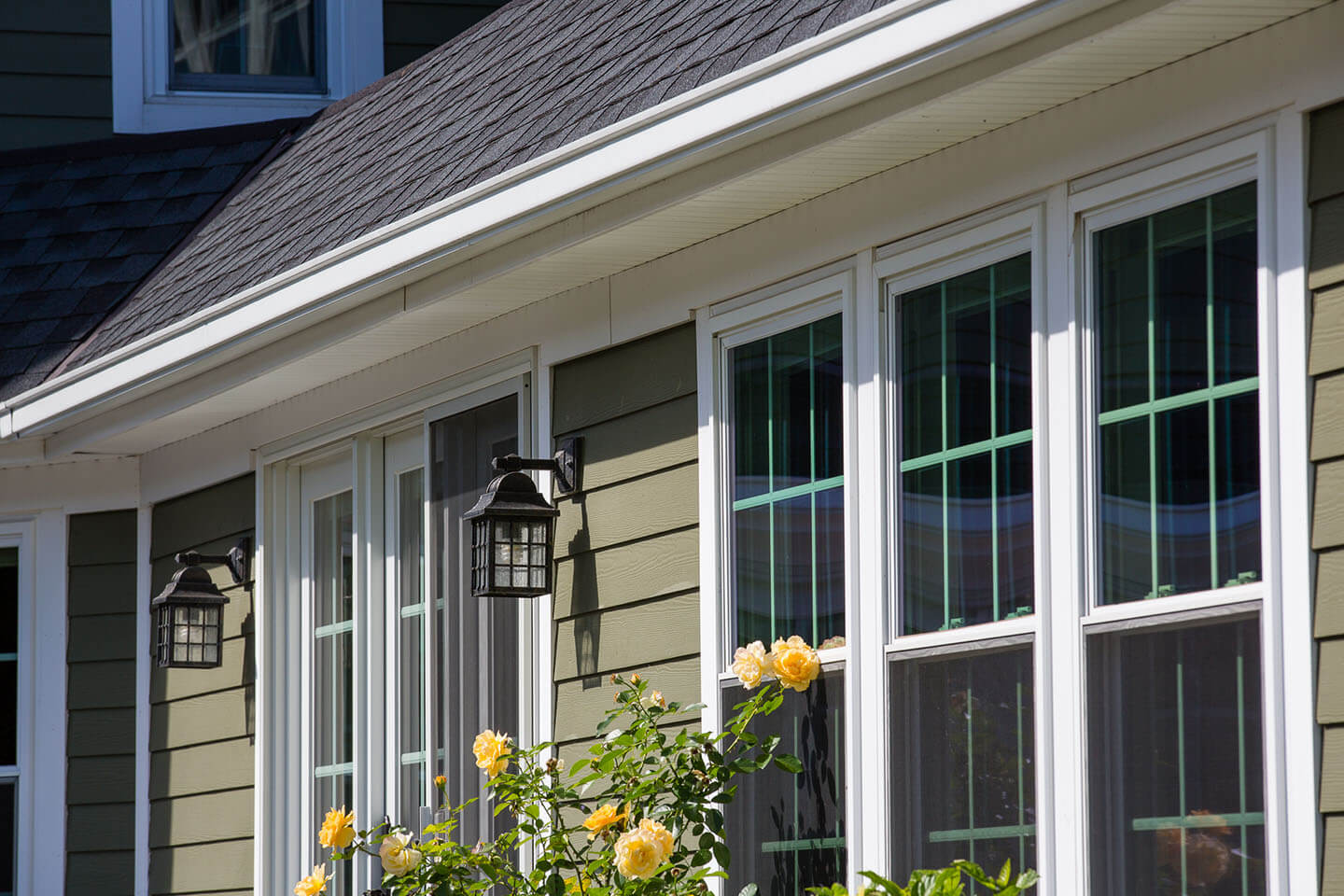
Gutters are your roof’s first line of defense against water damage. Their job is to collect runoff from the entire roof surface and channel it safely away from your home’s foundation. Standard residential gutters come in 5-inch and 6-inch widths, with the larger size handling significantly more volume (an especially important consideration for homes with steep pitches or large surface area). In a region where storm intensity can be unpredictable, upsizing your gutters is a decision most homeowners don’t regret.

Equally important is how the gutters are pitched. A properly installed gutter isn’t perfectly level, it’s angled slightly toward the downspout so water flows rather than sits. Standing water in a gutter is a breeding ground for mosquitoes and can lead to rust and rot. Your gutters may look fine from the ground while actually holding water if the pitch has shifted over time due to fastener failure or foundation movement.

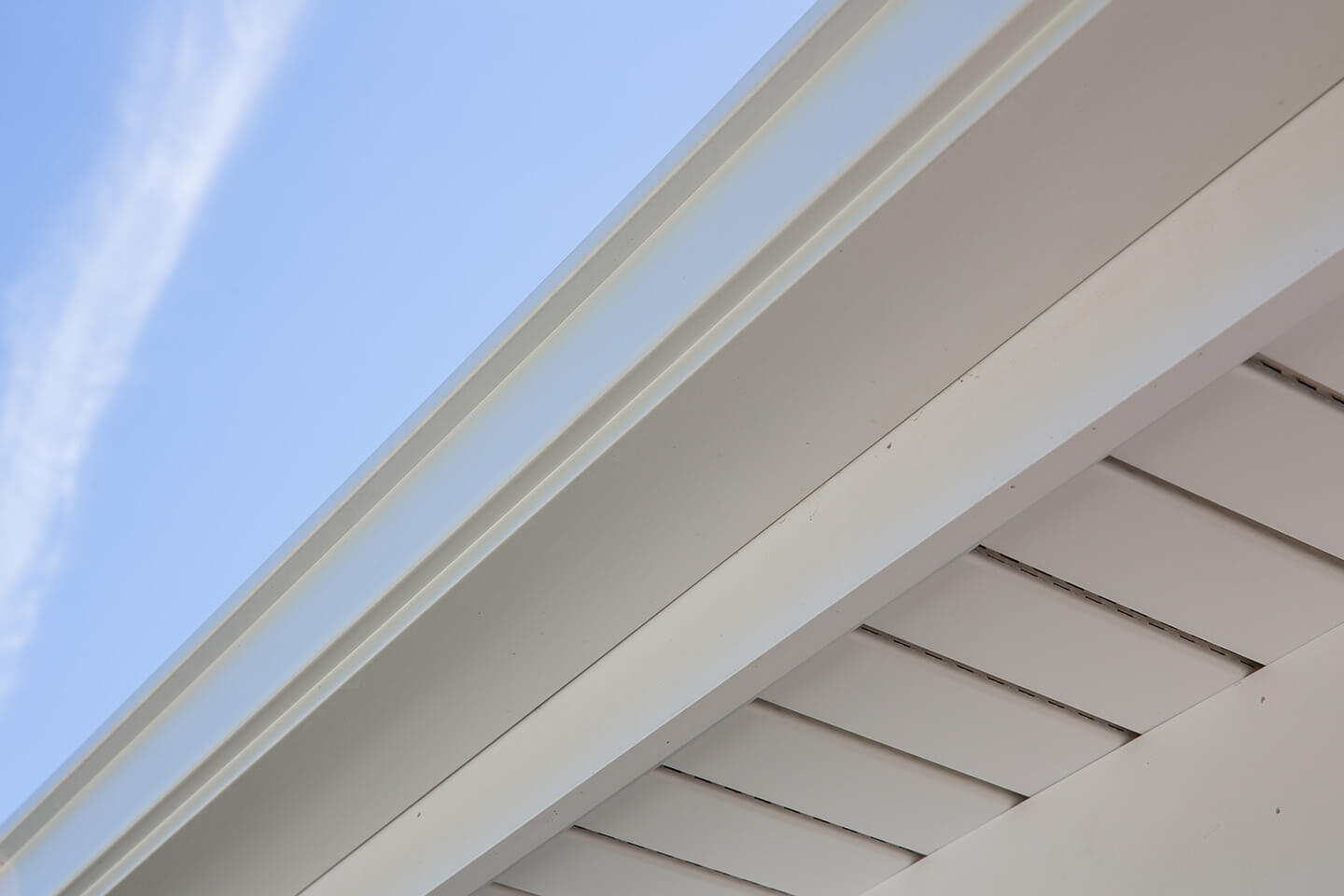
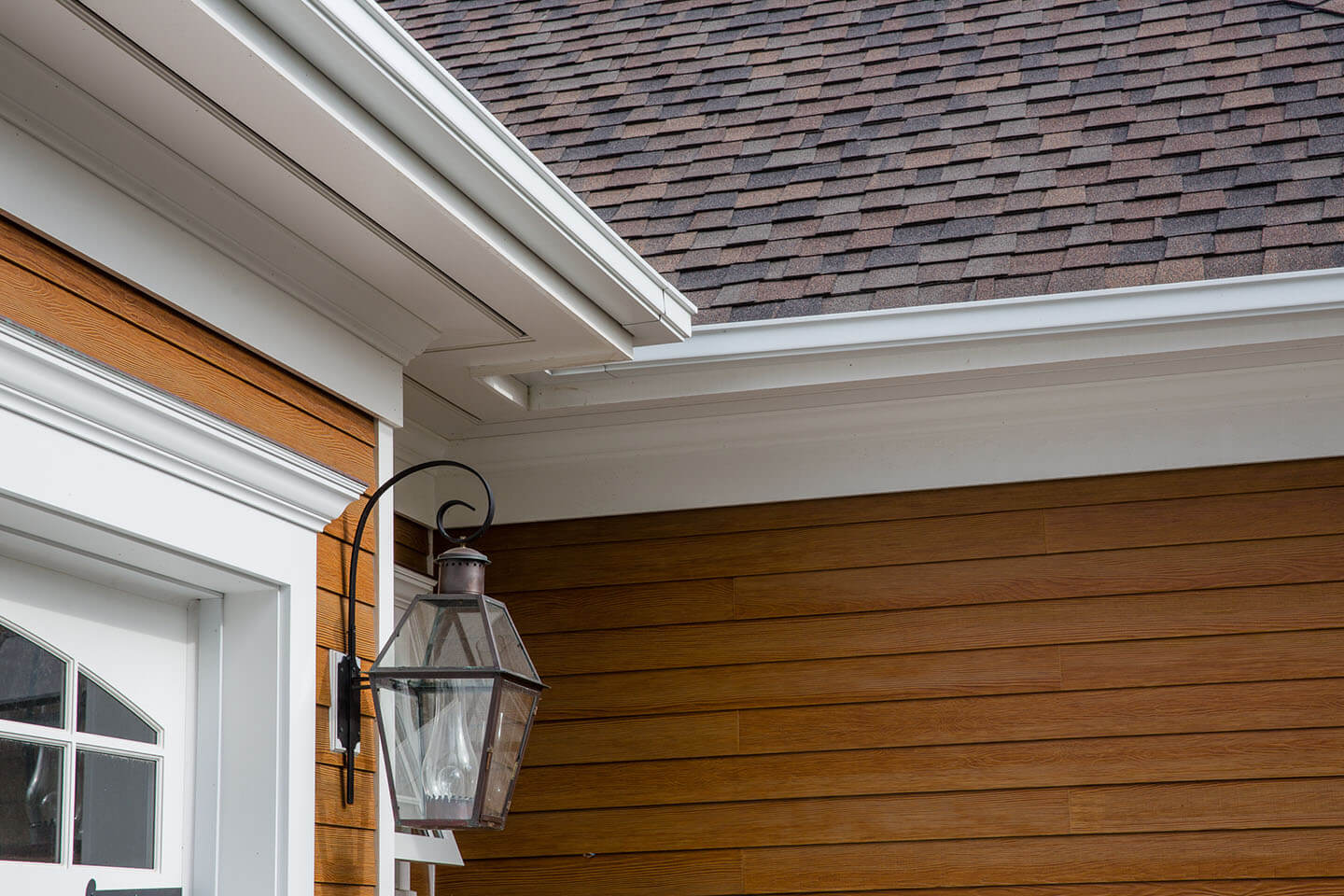
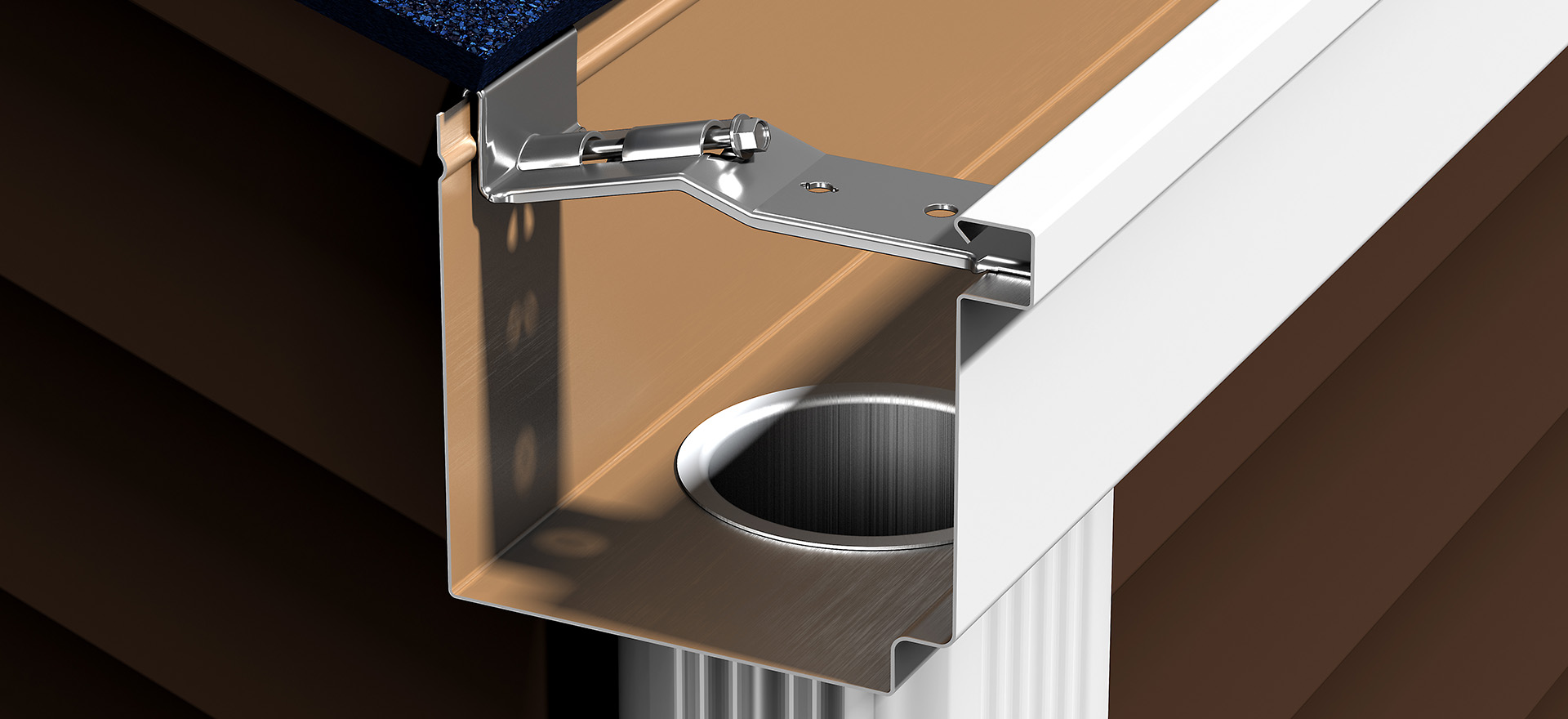
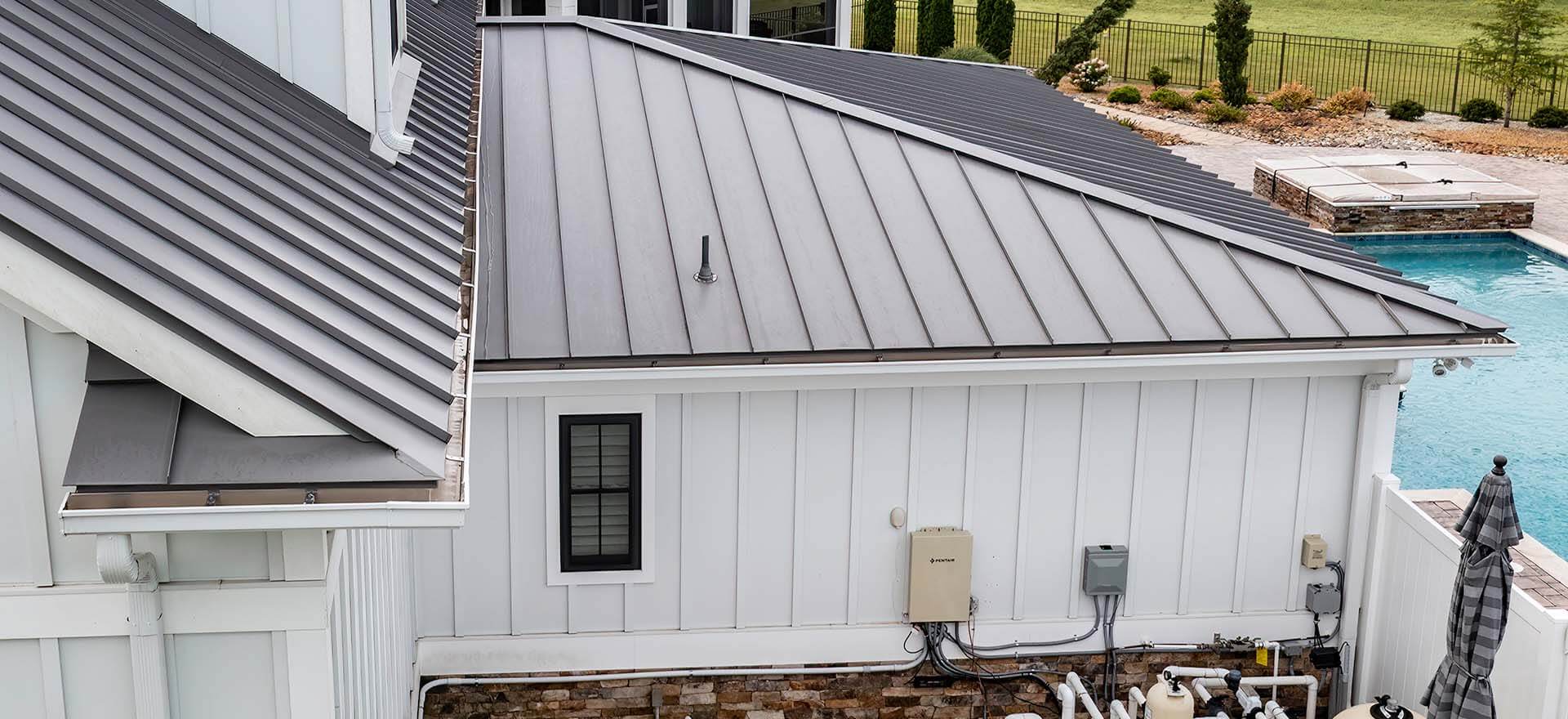
One option that addresses many of the issues we experience in the Tidewater region is the Rapid Rain Gutter System™ which was specially designed for high capacity without the visual trade off. The Rapid Rain looks like a standard 5-inch gutter from the curb, but it’s engineered with a larger-than-standard gutter bottom and downspout to perform like a 6-inch system. It’s also constructed from 18.5% heavier metal than standard gutters and mounted with heavy-duty hangers to hold up through years of coastal weather. This is a great option for homeowners who want upgraded drainage performance without the visual bulk of an oversized gutter.

Downspouts: Placement and Number Matter

Downspouts are where drainage systems most commonly fall short. Many homes, especially older builds, were fitted with the minimum number of downspouts, and that minimum may no longer be adequate as the home has settled, trees have grown, or weather patterns have intensified. The general guideline is one downspout for every 30 to 40 linear feet of gutter, but this should be adjusted based on your roof’s size and slope.

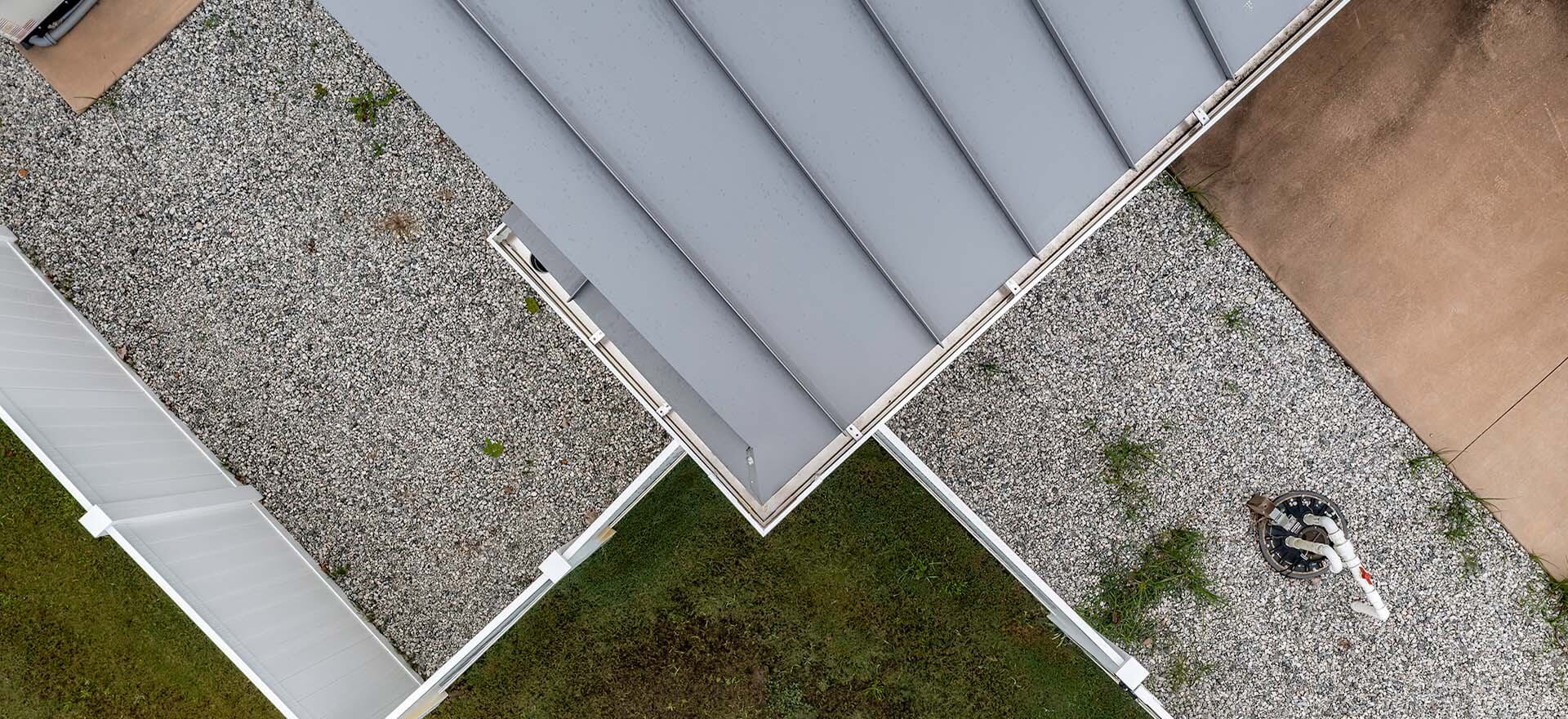
Placement is just as important. Downspouts should be positioned at the low points of each gutter run, typically at corners and ideally away from doorways, HVAC units, and areas where pooling near the foundation could become a problem. Extensions at the base of each downspout help direct water at least four to six feet away from the house, reducing the risk of foundation dampness and erosion. If your yard slopes back toward the house, underground extensions or French drains may be worth considering.

Leaf Guards: Worth the Investment?

Leaf guards (also called gutter guards or gutter covers) are designed to keep debris out of your gutters while allowing water to flow through. For homes surrounded by the tall pines, oaks, hickory trees and gumball trees that are so common in Hampton Roads landscaping, they can dramatically reduce how often gutters need to be manually cleaned. However, no gutter guard is completely maintenance-free, and homeowners should install them with realistic expectations.

Upsides:

  • Significantly reduces debris buildup and the need for frequent cleaning
  • Reduces the risk of clogs that lead to overflow and water damage
  • Helps prevent pests and mosquitoes from nesting in standing water
  • Some styles can extend the life of the gutter by reducing moisture contact

Considerations:

  • Fine debris like pine needles and seed pods can still work their way through certain guard designs
  • In heavy rain, water can sometimes overshoot a covered gutter entirely
  • Guards still require periodic inspection and occasional cleaning
  • Installation quality matters – poorly fitted guards can create more problems than they solve

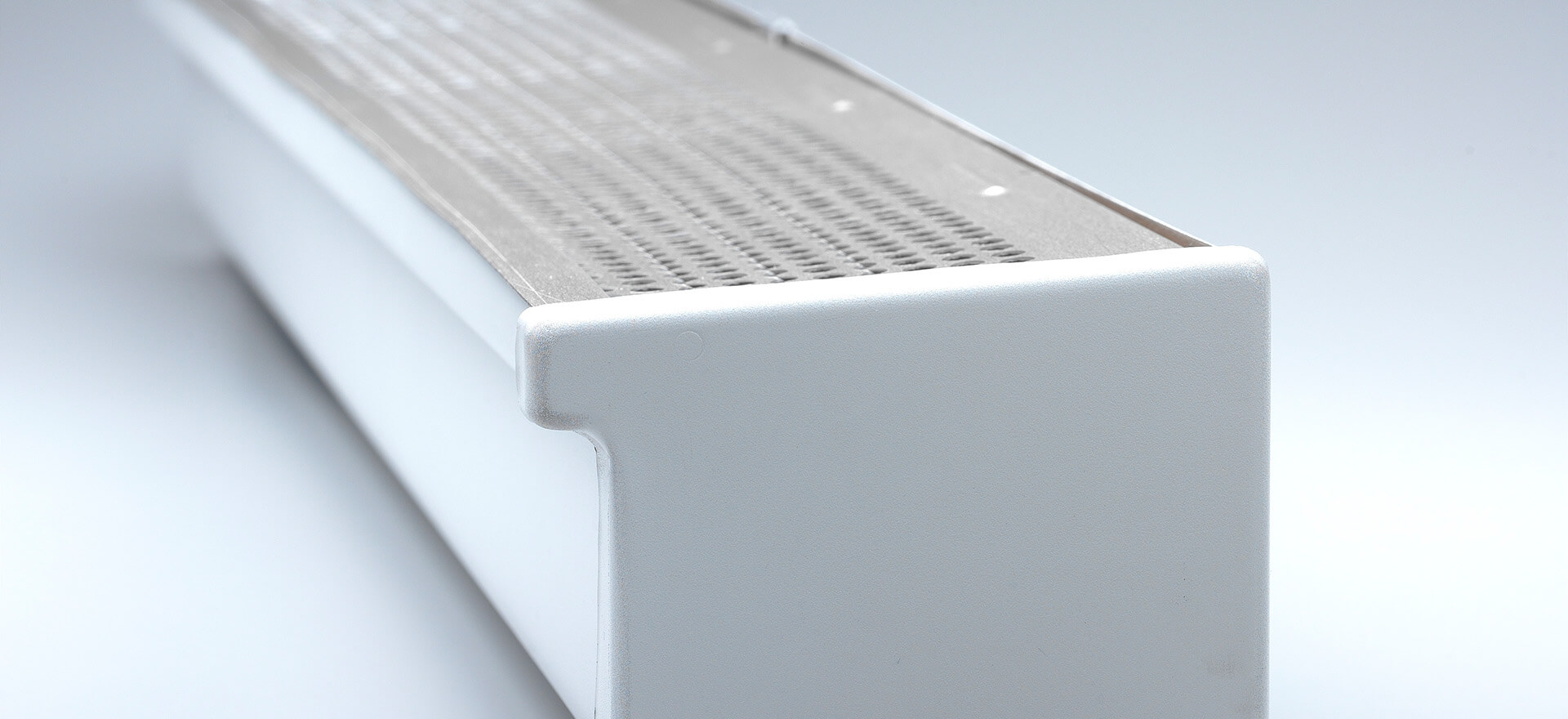
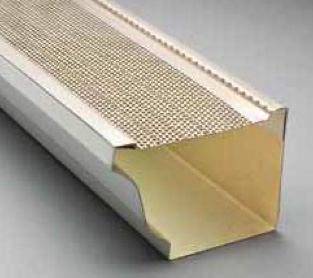
Guard quality varies widely, and micro-mesh styles tend to outperform basic screens or foam inserts in heavily wooded areas. If you’re going with the Rapid Rain Gutter System™, it can be fitted with Andrews Roofing’s patented MicroGuard Leaf Protection, which has over 48 perforations per square inch making it fine enough to block even small debris like pine needles. For other gutter systems, the important thing is just to be sure whatever guard you select is compatible with your gutter profile and installed with care by a professional.

Rain Diverters: A Targeted Tool, Not a Replacement

Rain diverters are metal strips installed on the roof surface to redirect water away from specific problem areas such as doorways, porches, or valleys that tend to funnel runoff water all in one area, creating heavy water streams. They can be a practical and relatively low-cost solution in the right situation. For example, if you have a doorway that has a constant waterfall effect every time it rains, that’s a good place for a diverter.

However, diverters come with their own set of trade-offs. Because they interrupt the natural flow of water across the roof, they can create pockets where debris accumulates. Leaves, twigs, and granules from aging shingles tend to collect along the edge of a diverter, which can eventually trap moisture against the roof surface. If diverters aren’t inspected and cleared regularly, they can contribute to premature shingle wear and even leaks.

So, while rain diverters can solve some problems, they should only be used as a supplement to a larger drainage solution. Use them where they make sense, but don’t rely on them as your primary drainage solution.

Maintenance: Don’t Underestimate This!

Even the best-designed drainage system will fail if not regularly maintained. In Hampton Roads, where tree coverage is dense and storm season runs from spring through late fall, most homes benefit from gutter cleaning at least twice a year. We recommend once in late spring after pollen and seed pods have fallen, and once in late fall after the leaves are down. Doing this before winter weather kicks in can help avoid ice dams and slow leaks that don’t make themselves known until exponential damage has been done.

When cleaning gutters, it’s also a good time to inspect for signs of wear: rust spots, separated seams, loose or bent hangers, and downspouts that have pulled away from the fascia. Check that all downspout extensions are intact and properly directing water away from the foundation. After major storms, a quick visual check is always worth the few minutes it takes. A clog that forms after a heavy rain event can cause overflow damage in the very next storm if it goes unaddressed.

The Right System for Your Home

Roof drainage isn’t one-size-fits-all. The right setup depends on your home’s size and roof pitch, the tree coverage on your property, your yard’s grading, and how much maintenance you’re realistically going to do. A home tucked into a wooded lot in Chesapeake has different needs than a townhouse in a newer Virginia Beach development near the beach.

If you’re not sure whether your current drainage system is up to the task of this year’s hurricane season, Andrews Roofing can take a look. We’ll assess your gutter sizing, downspout placement, and overall drainage strategy and let you know if there are any vulnerabilities worth addressing before the next big storm rolls through. A small investment in drainage today can prevent a much larger repair bill down the road. Contact us today for an evaluation.
read more

Spring Cleaning for Your Roof

Spring is here which means it’s time to throw open the windows, clear out the clutter and give your home a good spring cleaning.

Typically spring cleaning may look like purging your closet of items you haven’t worn in years, emptying and cleaning the fridge (and throwing out those ten expired salad dressings!) or even washing the windows, but there’s another part of your home that you probably don’t have on your list that could also use a good annual cleaning – your roof!

Particularly after a long winter, your roof needs some extra attention to ensure it is functioning optimally for all the spring showers and summer storms. Annual roof cleaning will extend the life of your roof as well, saving you thousands of dollars in the long run. Here are a few spring cleaning tips to keep your roof in tip-top condition.

Ditch the Debris
It’s not uncommon over the winter for leaves, sticks and other debris to build up on your roof, especially in any roofing valleys your home may have or around dormers. Removing the debris from your roof keeps anything from building up and causing mildew, or from damaging or even removing shingles. Debris can be removed from a roof while staying safely on the ground using a roof rake, which you can purchase online or at a hardware store for a small investment. If you are able to access parts of your roof from windows, you can use a roof rake or even a leaf blower while staying safely inside your home to remove debris from those areas. Whatever method you choose, just stay away from climbing on top of your roof on your own, as this is dangerous and better done by a professional with the appropriate safety equipment.

Trim the Trees
To keep additional vegetation and debris from building up on the roof once you’ve cleaned it, make sure the trees and other plants around your roofline are trimmed back. Tree branches that touch your roof can easily scrape up against shingles or flashing during a storm, removing or damaging them which can eventually lead to leaks. Call in a professional tree service for larger or taller trees so you don’t cause more damage to your home in the trimming process.

Clean the Gutters
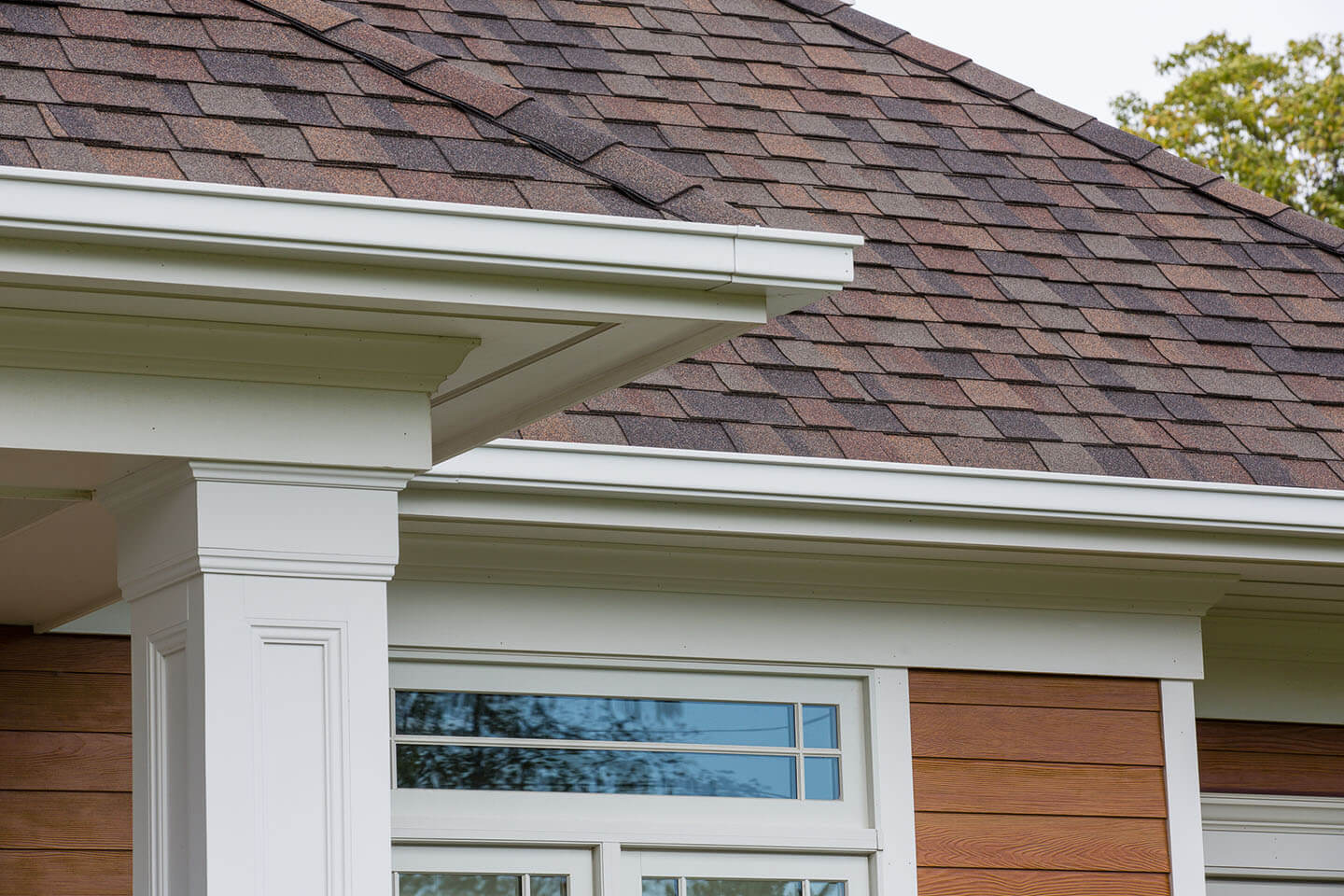
Clogged or at least partially blocked gutters are nearly a given after the winter months. When gutters become clogged or obstructed, it can cause water to back up and seep under the eaves of your home, causing water damage and leaks. In the winter, clogged gutters can freeze and cause ice dams to form which can cause major damage to shingles and the gutter itself. Each spring it’s a good idea to call in a professional gutter cleaning service to remove any debris so that water can flow easily away from your roof and your home. It’s also a good idea to inspect the gutters, including downspouts to make sure that there are no punctures or other damage and that where the water exits the gutter is properly graded to move water away from your foundation.
Roof Cleaners
If your roof is plagued with mildew or dark stains, there are several different types of roof cleaning solutions available. Many of these cleaners come in containers that can be attached to the end of a standard garden hose, so you can spray the areas of your roof that are stained from the ground or a ladder (with assistance, of course). If you don’t feel comfortable doing this yourself, there may be professional roof cleaning companies in your area that offer this service. If you choose to tackle this yourself, just be sure to carefully follow any manufacturer instructions that come with the product.

If you find any issues with your roof during the process of spring cleaning, contact Andrews Roofing. We’ve helped homeowners in the Hampton Roads region extend the life of their roofs through proper maintenance and repairs and we also provide gutter installation and replacement services. We are very familiar with the types of issues and concerns that arise in homes in southeast Virginia, and we have decades of experience in how to make them right. Contact us today.

read more

How to Know When to Request a Service Call for Your Roof

For some things in life, it’s very easy to know when it’s time to call in a professional. If your car breaks down on the highway, it’s time for a mechanic. If you break your leg, it’s time for a doctor. But there are some things that are a little less obvious. For instance, knowing exactly when to call in someone to service and inspect your roof can be tricky for some homeowners. A lot of your roof may not be visible to you, and from the ground it can be difficult to spot some of the tell-tale signs of decay or damage. But there are a few good ways to tell if it’s time to call in a roofing professional, so here are some signs to look out for.

Soaring Energy Bills
Your energy bill may be soaring lately because of rate increases, but pay attention to the actual kilowatt hours you’re using each month. If that number has started to rise over time and you haven’t made any changes or added any new electrical elements to your home, that can be a sign of a roof that needs service. That’s because your roof is one of the main temperature control elements of your house. A leaky roof lets water in but it also lets warm or cold air out. Don’t pay money to air condition the outside, call a roofing company instead and see if any repairs are needed that will help make your energy bill (somewhat) more reasonable.

Sagging
A sagging roofline – usually a gentle slope down toward the middle of a roofline, or drooping at the edge of an eave – is a sign that there are problems with the underlying structure. This could mean that the rafters, roof decking or both have started to deteriorate. This can happen due to age, but it can also happen if moisture is coming in through the roof, causing the wood beneath to rot or invite termites. In any of those cases, a professional roofing company and potentially a general contractor and pest company may be needed to address this issue. Left unchecked, a sagging roof can cause massive and extremely expensive damage to the core structure of your home.

Dark Spots
Leaks don’t always present themselves as a steady stream of water or even a drip directly from the ceiling. In slow leak cases, a dark spot on in the interior will appear and start to grow in the area where the water is penetrating the roof. This is often in the corner of rooms that are along the exterior of a home. The dark spots may appear on the ceilings, but they also can appear along and down walls, especially if water is entering the house along the roofline. As soon as you see a dark spot start to appear, call a roofing company. The longer you allow those spots to grow and exist, the more likely it is that mold, mildew, and other types of water damage will occur in areas beyond your home’s roof. Drywall, trim, window casings and even flooring may need to be replaced if leaks are not addressed quickly.

Debris
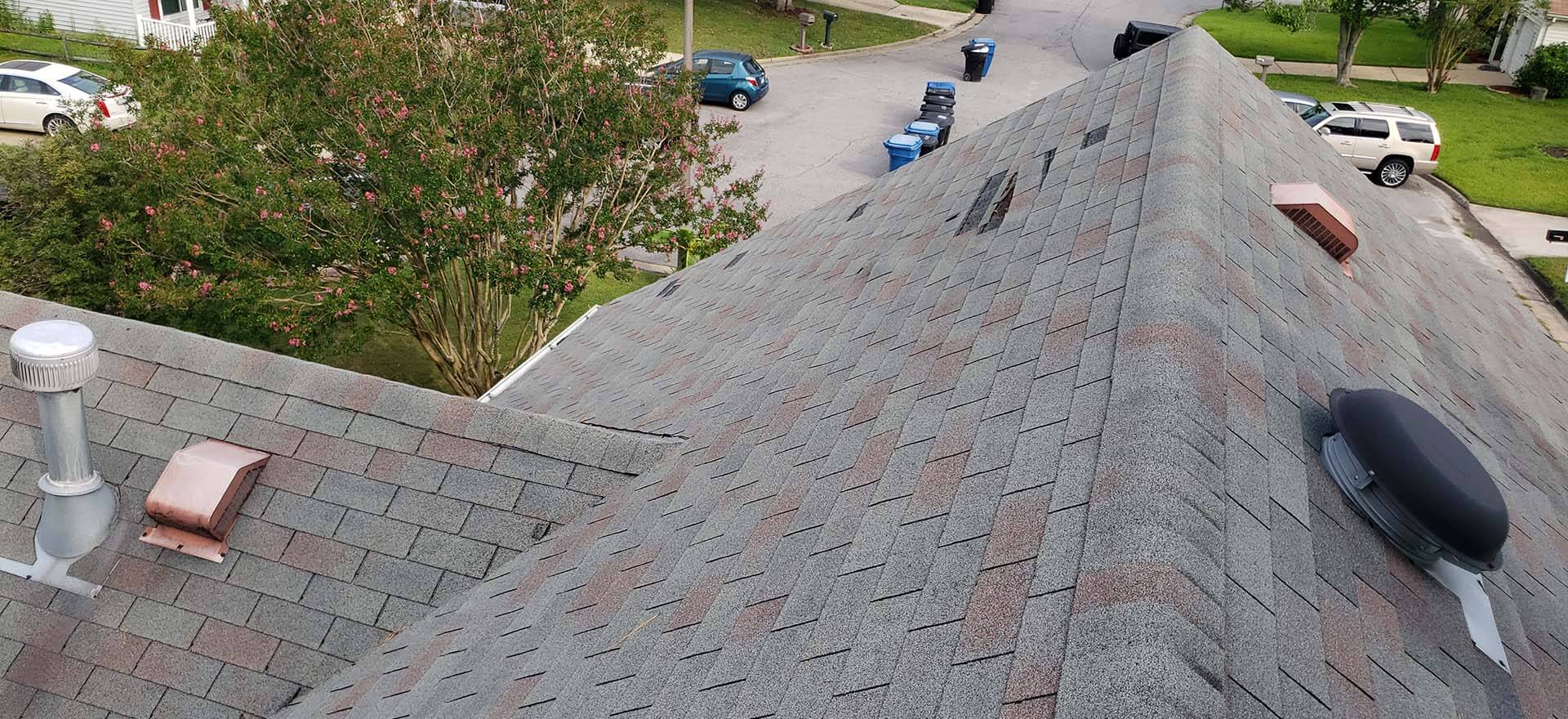
If you’re finding bits of asphalt shingles in your yard, especially after a weather event, this may be a sign that your roof needs to be replaced. While asphalt shingles are very durable, they do have a life expectancy of 20-30 years. This means that even homes built after the year 2000 may be due for a new roof. Another sign of shingle deterioration is asphalt grit in your gutters. Small, sandy bits of a shingle’s asphalt will start to slough off when they’ve reached the end of their lifespan, and very often this material will make its way into your gutters and even down the downspout. Again, this is especially noticeable after a weather event with heavy rain.

The Obvious
Of course, there are some obvious signs that it’s time for a roofing professional’s opinion. Missing shingles, clear water leaks, or a roof that’s older than 30 years most certainly requires a service call to your local roofing company.

If you’re experiencing any of these issues in your home, contact Andrews Roofing. We’ve been working in the Hampton Roads region for over 25 years and we know the common issues homeowners in Tidewater experience. We can help you determine the best next step for your roof, whether that’s a roof repair or total roof replacement.

read more

Four New Year’s Roofing Resolutions

It’s the beginning of a new year, and that means it’s time for resolutions.
Most New Year’s resolutions revolve around self-improvement, but the truth is, you’re great just the way you are. So instead, we suggest making some home-improvement resolutions that don’t require a scale, a short-lived gym membership, or eventual self-loathing. Here are a few that can improve not just your home, but your enjoyment of it as well.

Monthly Inspections
This resolution is easy to implement, only takes a few minutes and can help save your home from preventable damage. Once a month, do a visual inspection of the exterior of your home. Add it to your calendar, set a reminder on your phone, or whatever you use to keep track of recurring tasks.

From the outside of your house, walk the perimeter and look for any holes or damage to siding, loose flashing, loose or missing shingles, brittle or broken shingles, moisture around your foundation, debris that may have landed on your roof, mildew or algae buildup or anything else that seems out of place or damaged. From the inside, peek into your attic and make sure all the rafters and roof decking are dry, that the ventilation is working properly and that insulation is in place. Take a look out any windows that may give you a view of dormers or roofing valleys that aren’t visible from the ground.

If you spot any damage, take photos – especially if you believe the damage requires an insurance claim – and call in a licensed contractor to have a second look and give an estimate for repairs. Your visual inspection should only take a few minutes but could save you thousands of dollars and lots of headaches down the road. As they say in medicine, an ounce of prevention is worth a pound of cure.

Gutter Cleaning
Your monthly visual inspection may give you an idea of when your gutters need to be cleaned out, but you also may not be able to see all the debris in your gutters from the safety of the ground (which is the only place we recommend doing an inspection yourself). In Hampton Roads, the amount of foliage and storm debris increases the likelihood of needing a good gutter cleaning. While many websites and professionals will say cleaning your gutters twice a year is fine, we recommend once per season if you live in Southeast Virginia.

This year, resolve to have a professional gutter cleaning service come to your house every three months. You can schedule these cleanings in advance, so you don’t even have to think about it once you’ve made the initial call. The great thing about having a professional gutter cleaning is that it can reduce the likelihood of roof damage from water that builds up and pushes up under your roofing material when gutters are overfilled with debris. It also means there are professional eyes on your roof several times a year. A good cleaning company will alert you if they see any damage, debris or signs of aging that you should know about – all without you ever having to climb a ladder.

Make the Repairs
Maybe you already know your roof is in need of repairs. Perhaps you’ve seen the shingles fly off during a storm, or you can hear flashing or loose gutters banging around on a windy night. If so, then the new year is the perfect time to resolve to finally have it fixed.

Taking care of these types of repairs extends the life of your roof, saving you money and protecting your investment. A simple repair may have a small upfront cost, but in the long term it will be well worth it. Make sure to call in a professional, licensed roofing contractor to make the repairs. It may also be the case that the damage that needs to be repaired is under warranty, in which case you may not even have to pay out of pocket. If you think this is the case, find your original paperwork and reach out to the manufacturer or installer to make a claim.

New Year, New Roof
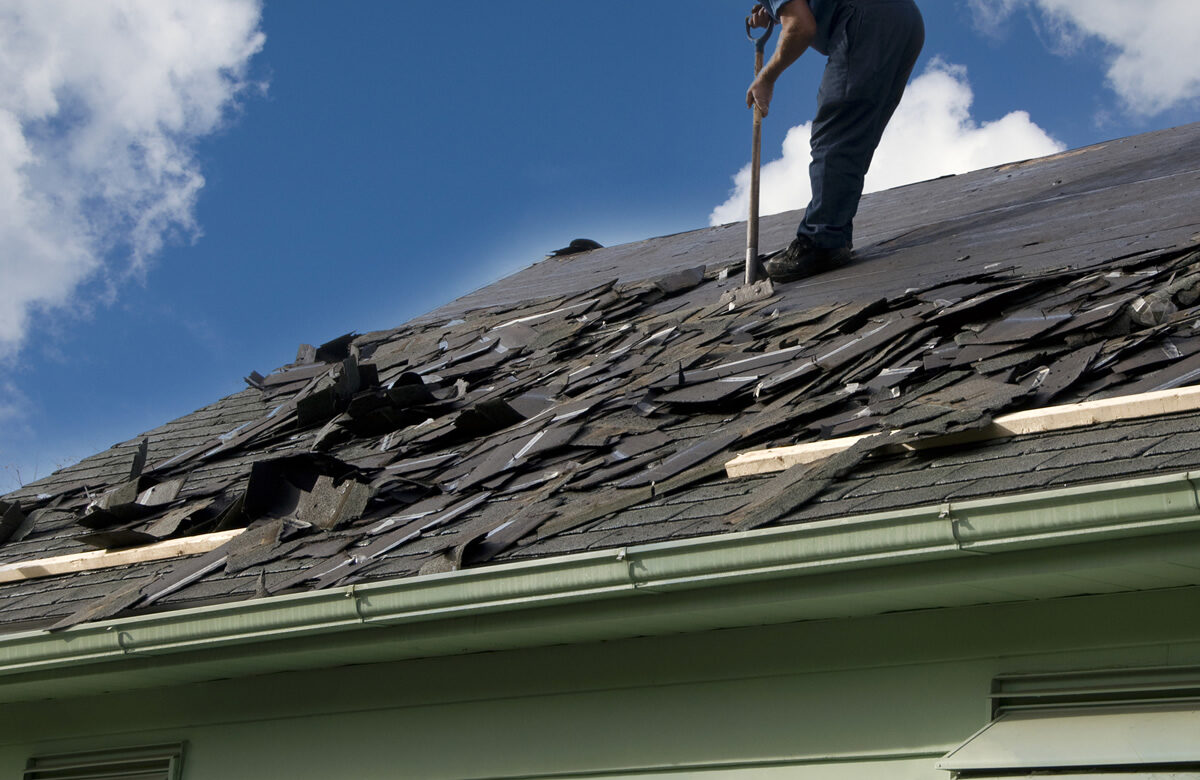
Lastly, if you know it’s time, then make this the year that you finally get that old roof replaced. Living under a roof that is past its recommended life span is just asking for trouble and interior damage that will not be covered by insurance. In the Tidewater region, the majority of residential roofs are asphalt shingles, which typically have a lifespan of 20-30 years. So, if your home was built before 1993 or if your home’s roof hasn’t been replaced since then, it’s likely time to make this a priority.

Roof replacements typically happen in the spring and fall, so if you know ahead of time that you will be needing a new roof this year, start vetting roofing companies now during the slower months. Gather several estimates and start researching your options for materials, colors, manufacturers, etc. Once you’ve made your decisions, get on your chosen roofing company’s installation schedule and get the materials ordered. Some materials are taking significantly longer to get in stock because of supply chain issues, so the sooner you can make your decisions and place orders, the better.

At Andrews Roofing we want to wish all of our Hampton Roads neighbors a beautiful, blessed 2023. If you find yourself in need of roofing repairs, replacements or inspections, we would be happy to help you determine the right course of action for your home so that you can enjoy it for many more years to come. Contact us today.

read more

How to Protect Your Roofing Investment

A new roof may be one of the largest investments you make in your home.

So, once you’ve made that upgrade, it’s important to protect it. Most people don’t spend much time thinking about their roof – until something goes wrong. But some forethought and a little regular maintenance can extend its life and the value you get out of it. Here are a few tips on how to extend the life of this important home investment.

Keep those gutters clean

One of the most critical things you can do to help your roof remain healthy and stable is to keep your gutters clean and clear of debris. When gutters are clogged, water can push up under the shingles, causing rot and damage to the sheathing below. Clogged gutters can also cause excess water to fall off the edge of the gutter and right toward your home’s foundation. Over time, this can cause foundation cracks, moisture damage, termites, basement flooding and more.
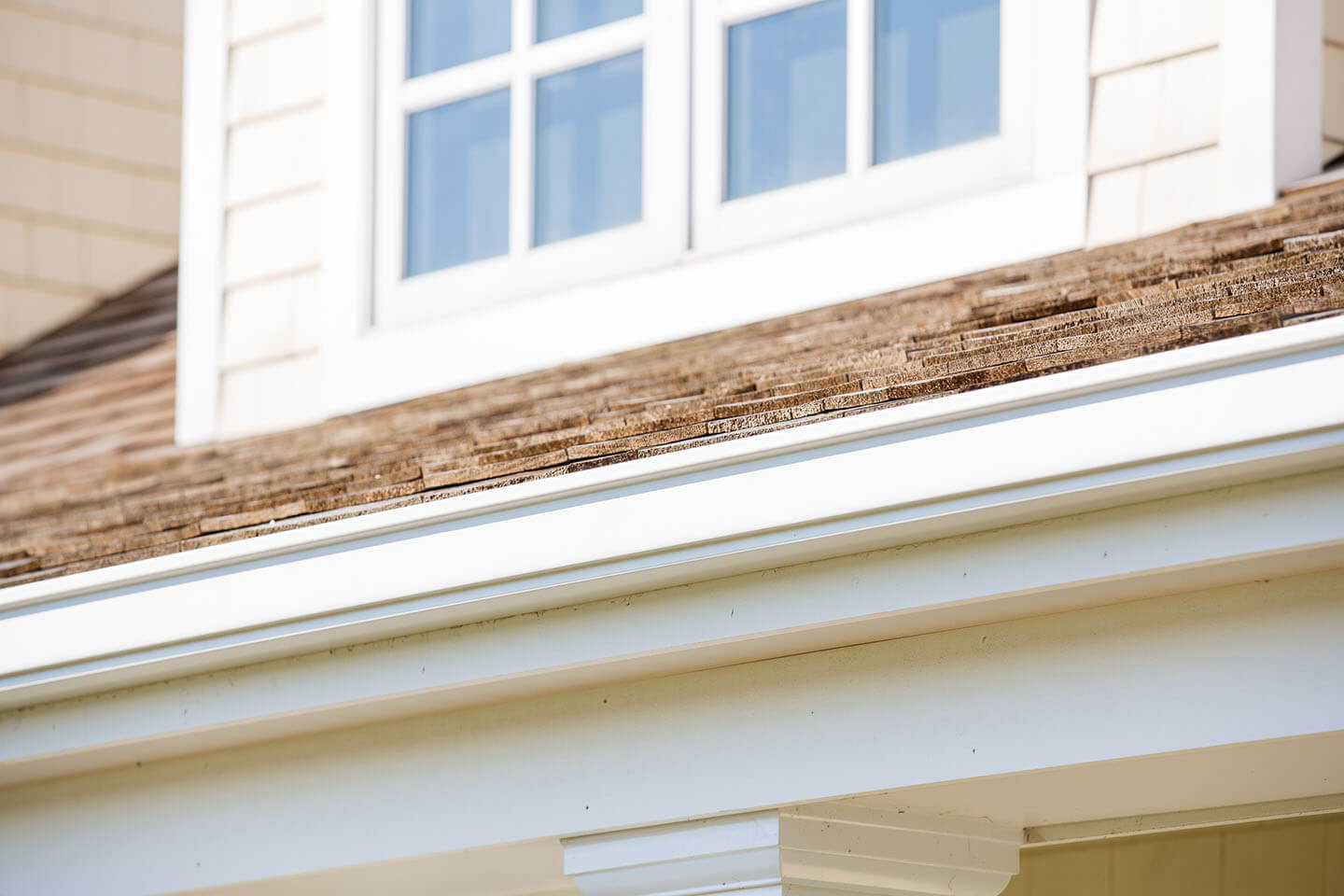
While it’s critical to keep your gutters clean, it’s also important to stay safe. If you plan to clean your own gutters, always do so with another person who can stabilize the ladder while you clean. Otherwise, find a locally owned and operated company who provides professional gutter cleaning services and get on their schedule for regular seasonal or semi-annual maintenance.

Do a regular visual inspection

A simple visual inspection once a month, or right after large storms, can help identify potential trouble spots. Things to look for include cracked or curled shingles, missing flashing, loose shingles or flashing, or mold or mildew build up on shingles. Inside your home you can do regular visual inspections in your attic or crawl space. Check for damp areas, excessive drafts, and of course – obvious holes or water damage.

If you see any of these issues, give your roofing contractor a call. There may be warranties on your roofing materials that could help solve the issue. If there has been true damage to your roof or interior, it may also be time to call your insurance agent.

Keep your roof clean

In addition to being unsightly, areas of mold, mildew and algae on your roof can actually lead to more serious damage. Mildew can cause shingles to warp over time, losing their stability and protective purpose. It can also be indicative of worse water damage to your roof’s sheathing. We do not recommend cleaning your roof yourself, as this can be a dangerous activity. Find a qualified, professional cleaning service who can do this for you on an as-needed basis.

Trim your trees

One of the best ways to prevent damage to your roof is to keep the trees and landscaping around your roof trimmed and maintained. Trees with overhanging branches should be cut back by a professional tree service as should any nearby dead or dying trees. After any major storms, check the trees on your property to make sure no branches have broken and gotten caught up on lower limbs – these can become damaging flying debris in the next storm.

Keep an eye on your attic

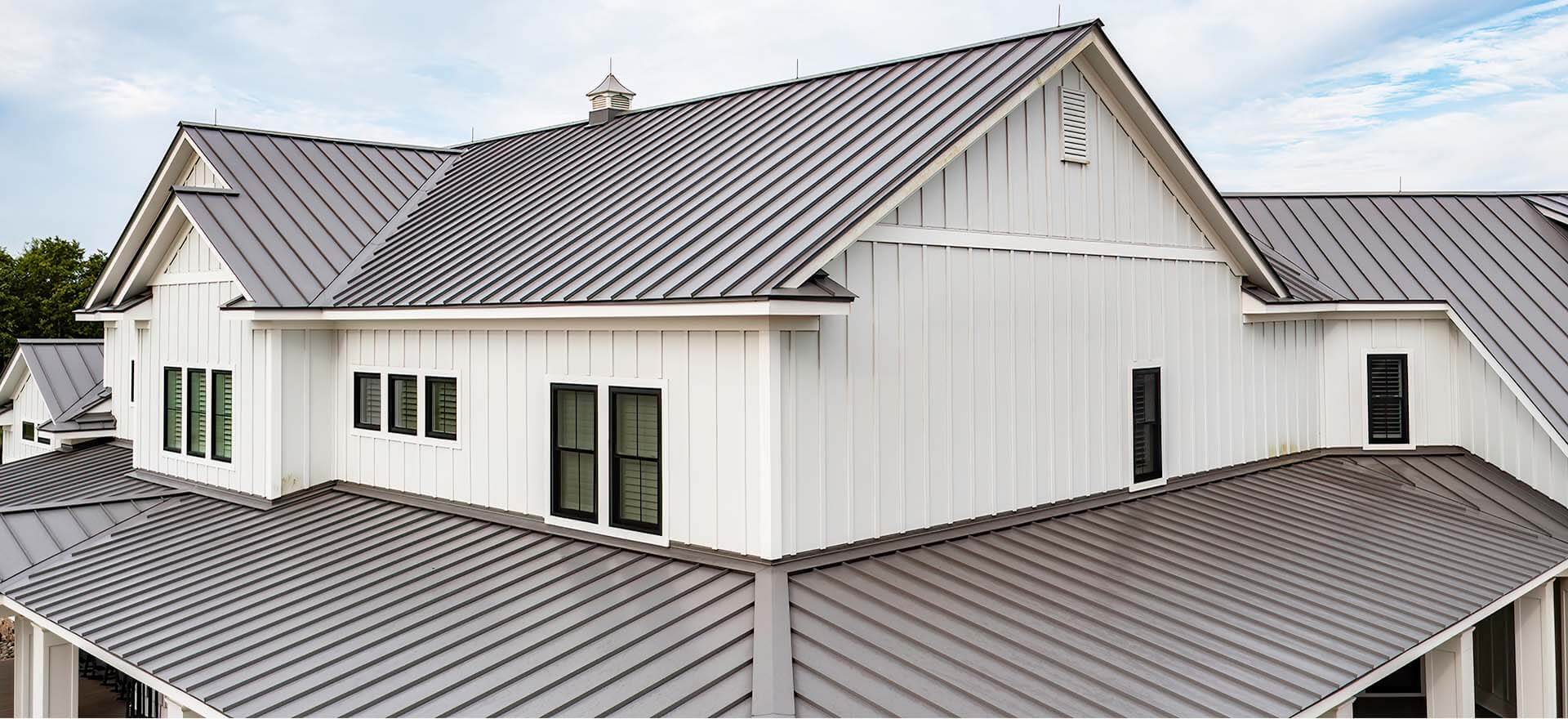
Your attic is the foundation of a healthy roof. It provides two critical elements for a long roof life: ventilation and insulation. Proper ventilation in your roof, along with appropriate insulation, eliminates moisture build up that can combine to cause rafters and sheathing to rot, shingles to buckle, and insulation to lose its effectiveness. A licensed contractor can help if you think either of these two things may be lacking in your attic.
Call a professional roofing company

If your self-inspections reveal any of the issues mentioned above, it’s important to call a local, licensed roofing company. Roof repairs are too serious and potentially dangerous to be DIY. Protect the rest of your home by maintaining a healthy roof alongside a trusted roofing company.

If you’ve noticed any issues with your roof, or would like to have your roof inspected for damage and deterioration, contact Andrews Roofing today. We’d be happy to come out to your home and help determine what your next best steps are – whether that’s a roof repair or replacement.

read more

New Shingles or New Roof? 

How to know if your roof needs to be repaired or replaced?

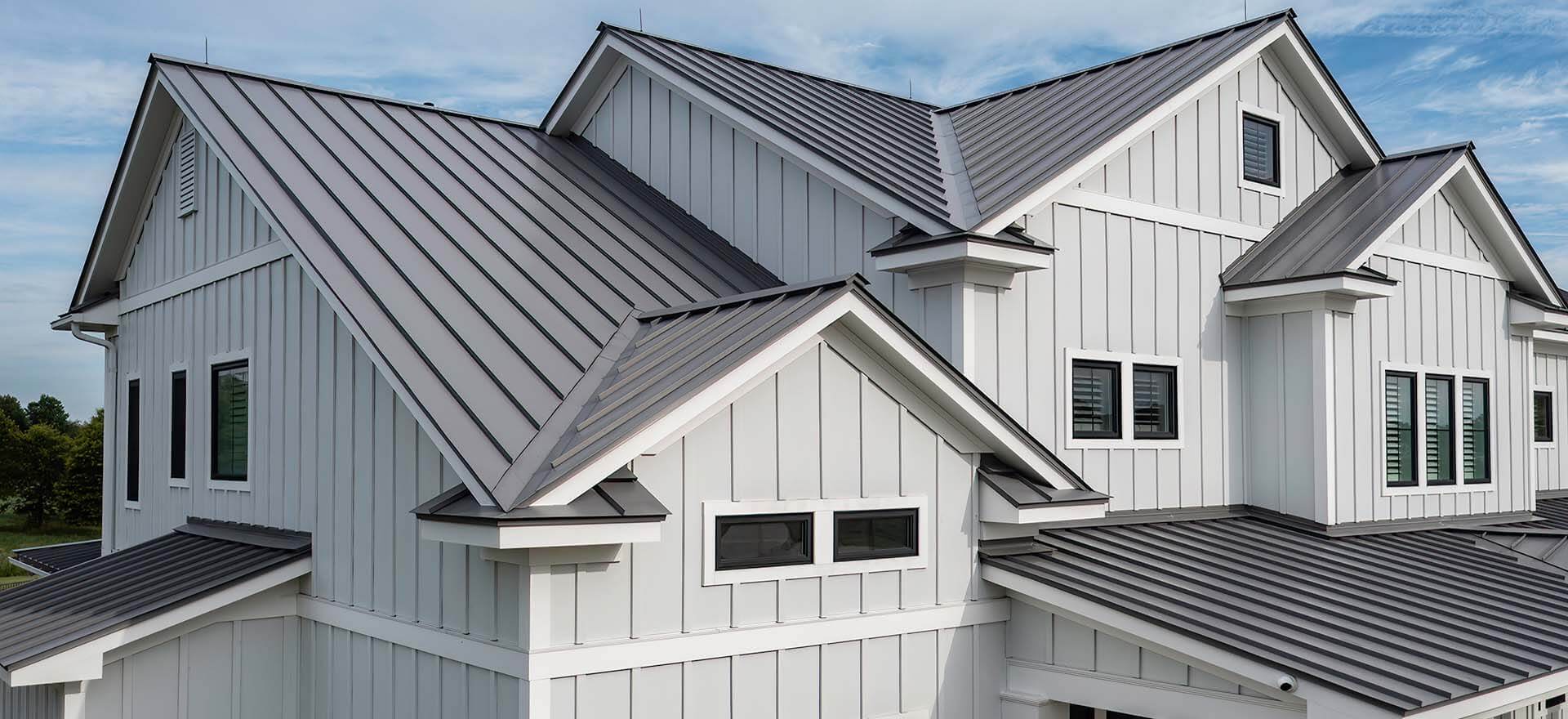
Nobody wants to spend more money on a home improvement or repair project than they need to. So if you’re experiencing issues with your home’s roof, you may be exploring the options of repair versus replacement. There are plenty of situations where a simple roof repair is a safe and good option. But keeping long-term costs, appearance and durability in mind is also important in making the best decision. 
How Do You Know if Your Roof Needs Work?

The first step to determining whether your roof needs any sort of work done is by being aware and vigilant about its condition. Particularly in hurricane and storm-prone areas like the Hampton Roads region, it’s important to keep an eye on any possible issues with your roof so that they don’t turn into much bigger issues in the middle of the next big storm. You can do this simply by visually inspecting it on a regular basis. If you clean your own gutters, that’s a perfect time to take a closer look at what’s going on with your shingles, flashing, and sheathing. Otherwise, grab a pair of binoculars and take a peek at your roof every month or so. The other place to inspect regularly is inside your attic. Don’t wait until there’s an actual leak in your home and damage done to your ceilings and walls. Identifying small issues early is the best way to make easy repairs and save money. 
You may need a roof repair or replacement if you identify any of these issues during your inspection: 

  • There are obvious leaks or dark water spots on your ceilings or walls 
  • You are finding water or ice buildup in your attic after a heavy rain or snow
  • You’ve noticed that some shingles look warped or have started curling
  • Shingles are mildewed and/or deteriorating 
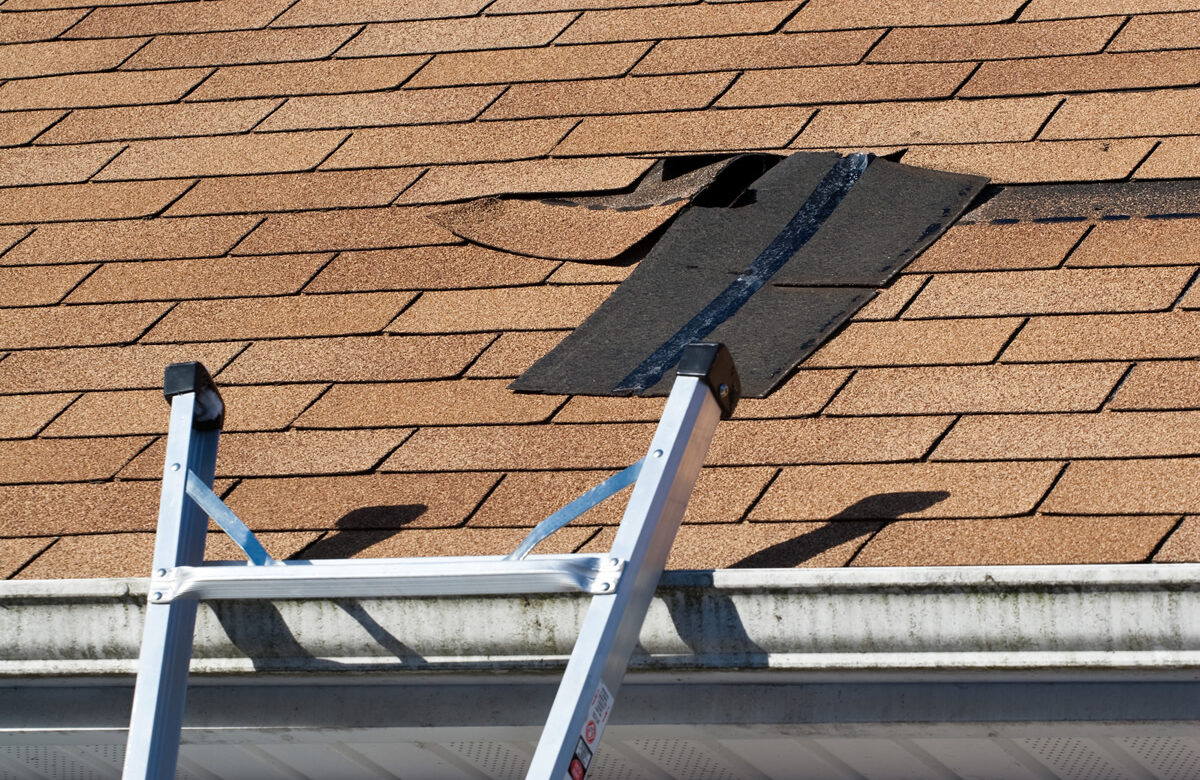
  • Shingles are missing from your roof 
  • Flashing is loose or missing

Should You Repair an Older Roof?

The first thing to consider is the age of your roof. Different types of roofing materials are rated for different lifespans. If your roof is nearing the end of its lifespan, it may make more financial sense to have it replaced rather than repaired. Much of the labor cost of roofing goes into the setup – scaffolding, equipment, hauling materials up and down, disposal of old materials – doing that several times over for small repairs can add up to the cost of a new roof fast. 

If your roof is not within a few years of its lifespan, it may make more sense to consider a repair, depending on the size and impact of the damage. Replacing missing shingles or flashing or small roof deck repairs could do the job for a whole lot less. Keep in mind, however, that when replacing shingles, it may be hard or impossible for a roofing contractor to acquire the exact same material, so there may be slight color discrepancies in the new shingles. 

When is the Damage too Big to Repair?

If the damage done to your roof is major, it is probably time for a replacement – regardless of the age of your roof. In the Tidewater Region we see this most often after major storm events. A tree going through a roof, widespread shingle loss and major water damage to roof decking all constitute a full roof replacement. Perhaps the one upside to situations like this is that they may be covered under a homeowners’ insurance policy, which means you should take the greatest advantage of your policy by having as much work done as is covered. 

How Do You Choose a Residential Roofing Contractor?

There are a lot of things to consider when choosing a roofing contractor, but start by getting quotes from two or more companies. If multiple companies agree about whether a roof should be repaired or replaced you will be able to put your mind more at ease about your decision. If two companies disagree about the solution, bring in a third or fourth estimate for a consensus. Regardless of how many companies you call, make sure every one of them is licensed and insured. Read their reviews online and research their listing on the Better Business Bureau. Do your homework, ask around your neighborhood and see which companies have the best reputations. The cheapest option is not always the best and often in roofing, you get what you pay for. 

How Andrews Roofing Can Help

Andrews Roofing has been working in the Hampton Roads area for decades. We are experts at roofing issues that are specific to this region. Our expertise means we can give you an honest, accurate assessment of whether or not your roof can continue to protect your home after experiencing damage. We take on jobs large and small and never pressure customers into more work than is needed. We are licensed, insured and proud of the reputation our work has earned. We’d be happy to provide you with an estimate for any repair or replacement your roof may need, so contact us today

read more