

Leaks & Service Repairs

757-399-3066 ext 3 (Leaks & Service Repairs)

Reroof Estimates & Inspections

757-399-3066 ext 1 (Reroof Estimates & Inspections)

Tag: Leaking roof

Should You Make an Insurance Claim for Your Roof Damage?

In Southeast Virginia and the Hampton Roads region, roofs can take a serious beating.

Between strong coastal winds, heavy rain, tropical storm systems, and intense summer heat and humidity, it’s common for homeowners to discover roof damage and wonder if it’s just normal aging—or something that should be covered by insurance.

It’s a common homeowner question that we encounter: “Should I file an insurance claim for this?” Knowing the difference between everyday wear and tear and storm-related roof damage can help you avoid unnecessary claims, out-of-pocket expenses, and frustration with your insurance provider. Here’s how you can tell the difference—and what to do next.

Normal Roof Wear and Tear: What Insurance Typically Does Not Cover

Roofing materials naturally age over time, especially in the coastal climate of Southeast Virginia. Insurance companies generally do not cover damage caused by gradual, natural deterioration or lack of maintenance. Common examples of normal wear and tear include:

  • Aging or brittle shingles that are near the end of their lifespan
  • Granule loss on asphalt shingles, typically from age and long-term sun exposure
  • Faded or discolored roofing materials
  • Minor cracking or curling that are age-related/typical
  • Small leaks caused by age—not a specific weather event

If your roof is 20–30 years old and showing these signs, it’s usually considered a maintenance or replacement issue rather than an insurable loss. In these cases, planning a roof replacement before major leaks develop is often the smartest move.

When Roof Damage May Be Covered by Insurance

Insurance typically applies when roof damage is caused by a sudden, identifiable event, such as severe weather. In Hampton Roads, this often means wind, hail, or tropical systems.

Roof damage that may warrant an insurance claim includes:

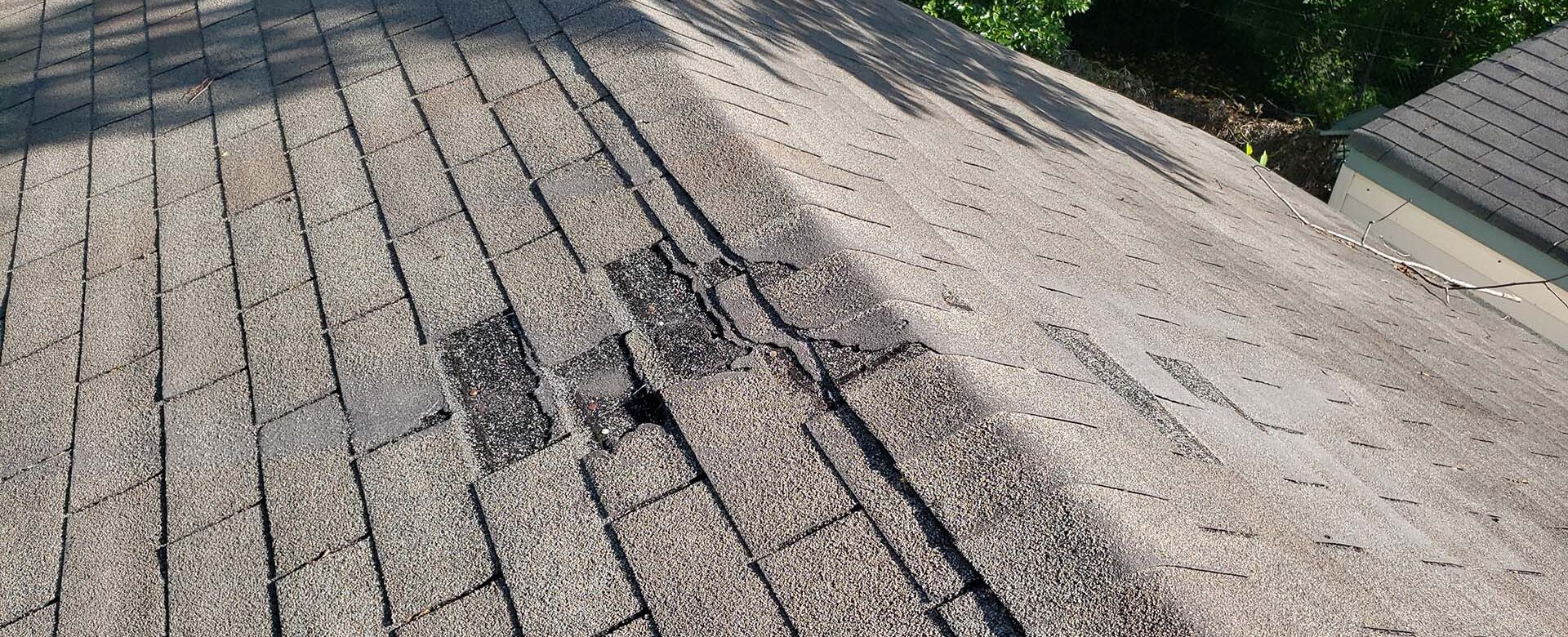
  • Missing, torn, or lifted shingles after high winds
  • Hail damage, including bruised or cracked shingles
  • Impact damage from fallen tree limbs or debris
  • Leaks that appear shortly after a storm
  • Damage from hurricanes, tropical storms, or tornadoes

If roof issues show up immediately after a major storm—or you notice similar damage throughout your neighborhood—it’s a good sign that the damage may be insurable.

Step One: Get a Professional Roof Inspection

Before filing a roof damage insurance claim, it’s important to schedule a professional roof inspection with a licensed roofing contractor that is local to the Hampton Roads region and knows our local weather as well as the local insurance providers. A trained roofer can determine whether the damage is storm-related or simply age-related. The inspection should:

  • Identify visible and hidden storm damage you may not be able to see from the ground
  • Document findings with photos and written notes which can be submitted to your claims agent
  • Provide a detailed repair or replacement estimate to give a “second opinion” to the insurance adjustor’s estimate
  • Help you decide whether filing a claim makes financial sense at all

Step Two: Complete the Insurance Claim Process

If your roofing contractor determines the damage is likely covered, here’s how the process typically works:

  1. File a Claim with Your Insurance Company. You’ll contact your insurer and provide details about the storm or event that caused the damage. This is where the information from the roof inspection will come in especially handy.
  2. Meet with the Insurance Adjuster. An adjuster inspects your roof and evaluates the damage. Your contractor can often be present to ensure nothing is overlooked.
  3. Review the Insurance Estimate. The insurance company provides an estimate outlining approved repairs or replacement, minus your deductible. You may want to have your contractor review the estimate to ensure nothing was overlooked or underquoted.
  4. Complete Roof Repairs or Replacement. Once approved, your contractor completes the work according to the claim’s scope, providing any necessary documentation for your insurance company.

Step Three: Keep It Local

Having an experienced Hampton Roads roofing contractor involved helps ensure the insurance estimate reflects the full extent of the damage as well as the cost of local labor — not just what’s immediately visible or generic.

While not every roofing issue requires an insurance claim, ignoring any type of roof damage – storm-related or otherwise, can lead to much larger problems, including interior water damage and mold. If you’re unsure whether your roof damage is normal wear or something insurance should cover, Andrews Roofing is here to help you make an informed decision. Contact us today for a professional inspection, clear documentation, and support throughout the insurance claims process —without pressure or guesswork.
read more

DIY Roof Maintenance Tips Every Homeowner Should Know

Your roof is one of the most critical components of your home, protecting it from the elements day in and day out.

Regular maintenance can extend its lifespan and prevent costly repairs down the road. For serious roof repairs, a professional roofing contractor should be called in, as the work requires expertise and can be dangerous for a weekend DIYer. However, there are some essential roof maintenance tips that homeowners can do safely on their own to prevent damage and decay.

Make Inspections a Habit
Create a regular monthly or seasonal habit of visually inspecting your roof. You can time it with Easter, July 4th, Halloween and Christmas to make it easy to remember. Look for signs of damage such as missing or damaged shingles, cracked caulking, or rust spots on metal roofs. While we do not recommend tackling those repairs yourself, the earlier you identify them and get a professional involved, the less damage (and cost) you will incur.

Clean Gutters and Downspouts
Clogged gutters and downspouts can lead to water damage and roof leaks. Clear them of debris like leaves and branches to ensure proper drainage. This is especially important as fall winds down and again in the spring before summer storms begin. If you feel comfortable, you can use a ladder and gloves to remove the buildup manually, but always have someone nearby to steady the ladder and assist as needed. You may also want to invest in gutter guards for easier maintenance.

Trim Overhanging Branches
Overhanging branches from nearby trees on your property can scratch and damage your roof during windy conditions. Trim back any branches that come into contact with your roof to prevent this from happening. It will also reduce the risk of fallen branches causing severe damage during storms. If the branches or trees are very large, you don’t have the required tools or simply don’t feel comfortable tackling this yourself, call in a professional tree service, who can take care of it quickly and safely.

Check for Signs of Water Damage
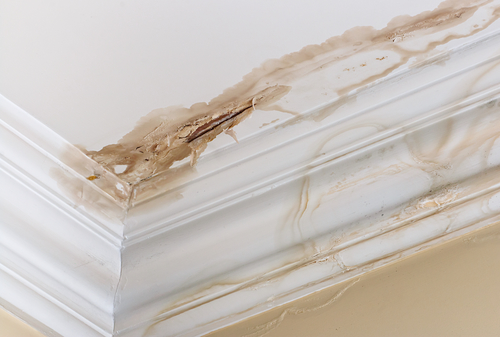
Water stains on your ceiling or walls are clear indicators of a roof leak. If you notice any signs of water damage inside your home, inspect your roof immediately to identify the source of the leak. This can be done safely by inspecting your roof from your attic. Look for damp spots and moisture on the underside of the roof deck and even eroded insulation. Addressing leaks promptly can prevent mold growth and structural damage.

Repair Flashing
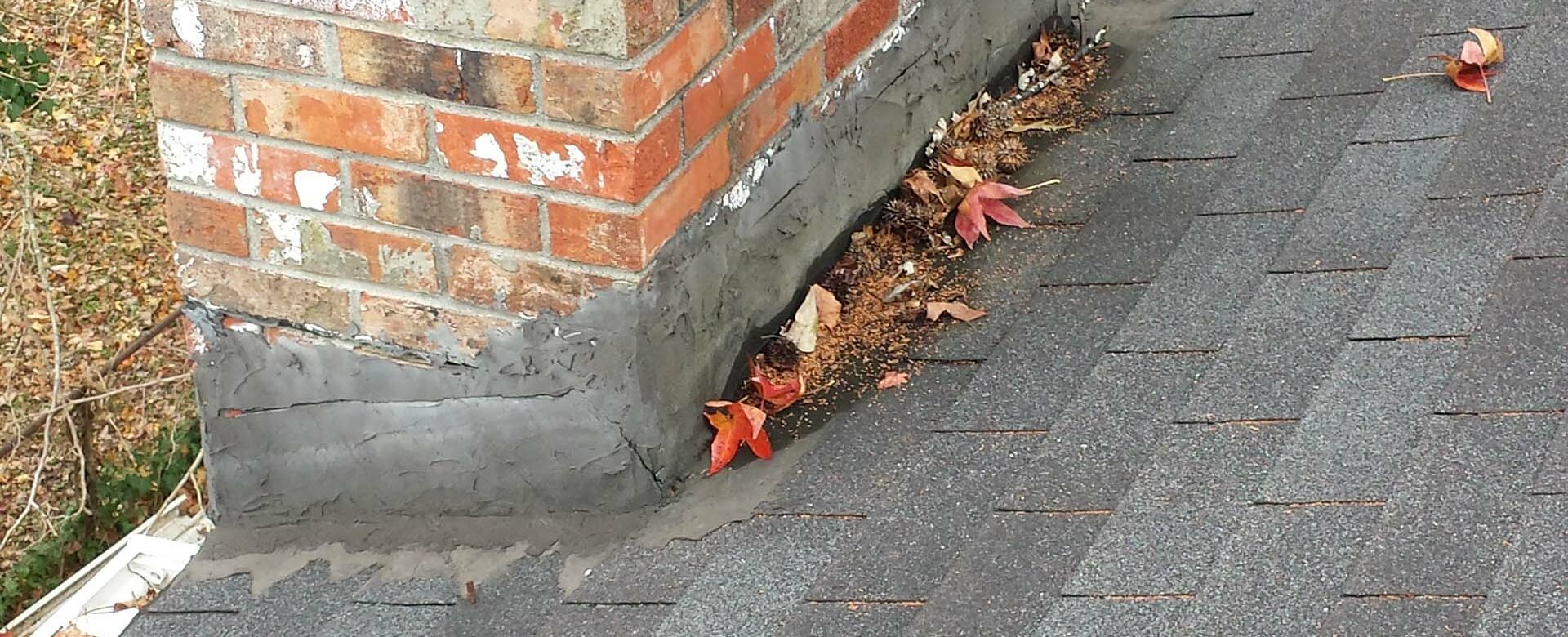
Flashing is the thin metal strips installed around roof penetrations such as chimneys, vents, and skylights to prevent water infiltration. Inspect the flashing for signs of damage or deterioration and repair or replace it as needed. Properly sealed flashing is essential for maintaining a watertight roof, and flashing damage is often the cause of a leak, rather than the roofing materials.

Andrews Roofing Can Help
Regular roof maintenance is essential for preserving the integrity of your home and avoiding costly repairs. By following these DIY roof maintenance tips, you can prolong the lifespan of your roof and ensure it continues to protect your home for years to come. Remember, safety should always be your top priority when working on your roof, so always take the necessary precautions and if a task ever feels like more than you can handle, contact Andrews Roofing. We handle all sizes of roof repairs as well as replacements. Our estimators can come out to your house and discuss the best approach to prolonging the life of your home’s roof.

read more

Where is That Roof Leak Coming From?

If your roof is not well-maintained, there is a whole list of issues that could occur, including structural damage and unhealthy mold growth. If you have noticed water stains or actual water coming from the ceiling, you might have a leak. Immediately repairing leaks is essential to keeping your roof in the best condition, but how do you know where the leak is coming from? The following are some common problem areas you can check to find your residential roof leak.

Shingles and Other Materials

The actual shingles or other roofing materials on your roof could have damage that is allowing moisture into your home. Damaged shingles will be buckled, corroded, cracked, or missing all together. You could also look for granules on the ground surrounding your home or nails that are missing or backing out. If you have trees that hang over the roof, be sure to check those areas, as a swaying branch could easily wear out your roofing.

Flashing

The point of flashing is to guide water in another direction when it wants to seep down into a seam on the roof. Flashing is located around chimneys, vents, and other areas where there’s an intersection or an angle in the roof. When flashing is not properly installed or sealed, water will begin to flow underneath and damage your home. Look for loose flashing, ripped pieces, or missing areas.

Skylights and Chimneys

The more extra features you have on your roof, the more chances water has to get in. Skylights and chimneys can be both functional and aesthetically appealing, but without proper installation, it’s easy for water to penetrate the roofing materials surrounding them. You should have a professional look at the seams and the installation to make sure it is all sealed correctly.

Hiring the Professionals

If you’re worried about a leaky residential roof, it’s important you contact the professionals for an inspection. Contact Andrews Roofing today by calling 757-296-0553 or sending us an email to learn more.

read more

The Truth About Leaks

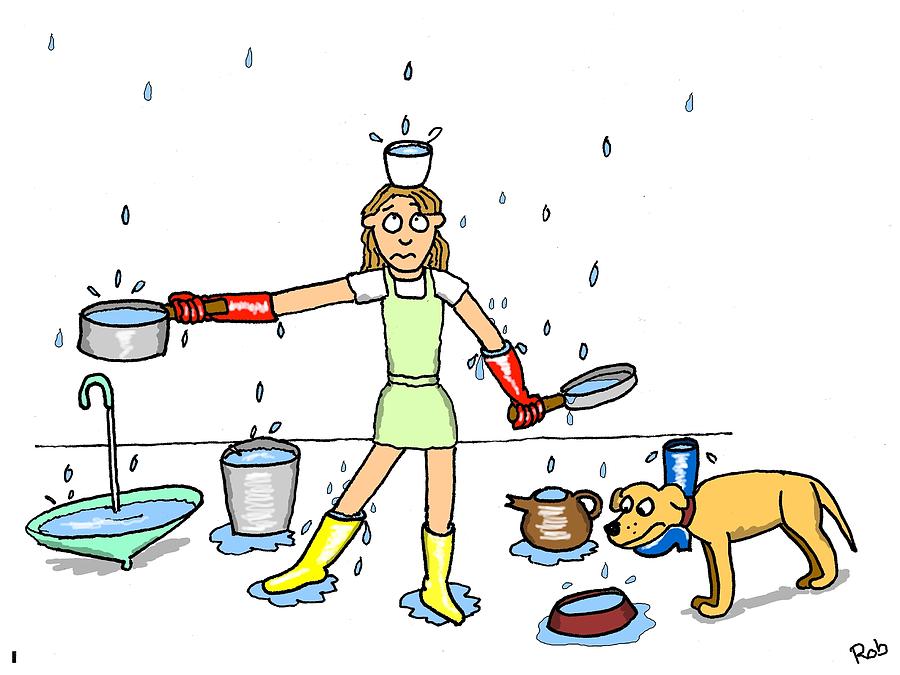
Leaking Roof Cartoon_091015

Our goal is to secure your first line of defense when it comes to the elements. Water, in whatever form, (rain, snow, sleet, or hail), has a way of penetrating any weaknesses in a roofing system. It is our goal to not only install roofs that will stand up to the wear and tear that the weather brings year after year, but to also assist when water intrusions occur.

While many roofs leaks are simple to repair, determining the source of the leak is often the more difficult task. When customers identify a drip in their ceiling, they often assume that the leak is originating above the leakage point, however, a leak can be traveling down a rafter or can even be the accumulation of condensation. For example, it is common for plumbing and AC leaks to be misdiagnosed as roof leaks.  They can be tricky.

Roof leaks can be caused by any number of things. Once you familiarize yourself with the potential causes of leaks, you may be able to determine the source through process of elimination. If not, you can always contact our office for assistance. Here are a few of the main sources of roof leaks:

Missing, cracked or loose shingles, tiles or seams
Damaged or deteriorated flashing, seals and caulking
Improper attic ventilation, which can cause moisture through a buildup of condensation
Improper installation of valleys, flashing, shingles, collars, etc.
Ice Dams, which prevent proper run off and force water to back up beneath shingles
Ponding water
Exposed nail heads
Skylight flashings
Wind driven rain
Built up debris, which can trap moisture and accelerate deterioration

Robert Andrews II
757-286-7400
[email protected]

read more