


Leaks & Service Repairs

757-399-3066 ext 3 (Leaks & Service Repairs)

Reroof Estimates & Inspections

757-399-3066 ext 1 (Reroof Estimates & Inspections)

Category: Rapid Rain Gutter System

What Tree Trimming Has to Do With Your Home’s Health

That beautiful tree in your backyard that provides shade in the summer, fragrant blooms in the spring, vivid colors in the fall, and maybe even holds a swing or treehouse for your kids could also be damaging your home without you knowing it.

When trees are not properly managed and maintained, they pose a significant risk to your home’s roof health. And that risk isn’t just sudden, storm-related damage. Even without a storm or major weather event, trees can take a toll on your roof over time in subtle ways. But there are ways to mitigate this damage, particularly for homes battling the specific environment and severe weather of southeast Virginia.

How Trees Affect Roofs

  • Falling Debris
    Falling leaves, branches, pine needles and twigs are common culprits when it comes to roof damage caused by trees in Hampton Roads. A few leaves or needles here and there may seem harmless, but over time they can accumulate on your roof, leading to clogged gutters, water pooling, and damage to shingles and flashing.
  • Moss and Algae Growth
    Trees can create shaded and damp areas on your roof, providing an ideal environment for moss and algae growth. This is especially true in the humid and often damp climate in the Tidewater Region. Over time, moss and algae can compromise the structural integrity of your roofing materials.
  • Wildlife
    Trees are often home to a variety of wildlife including squirrels, birds and even racoons or possums. If the trees they inhabit are close enough to your house, these critters can find their way onto your roof and potentially create entry points or damage the roofing materials while searching for shelter or food. For instance, it’s not uncommon in Hampton Roads for small birds to build nests in open gutters during the spring season, creating serious clogs when summer storms hit. Roof rats and other pests are also common during the cold or wet months.
  • Falling Limbs or a Tree
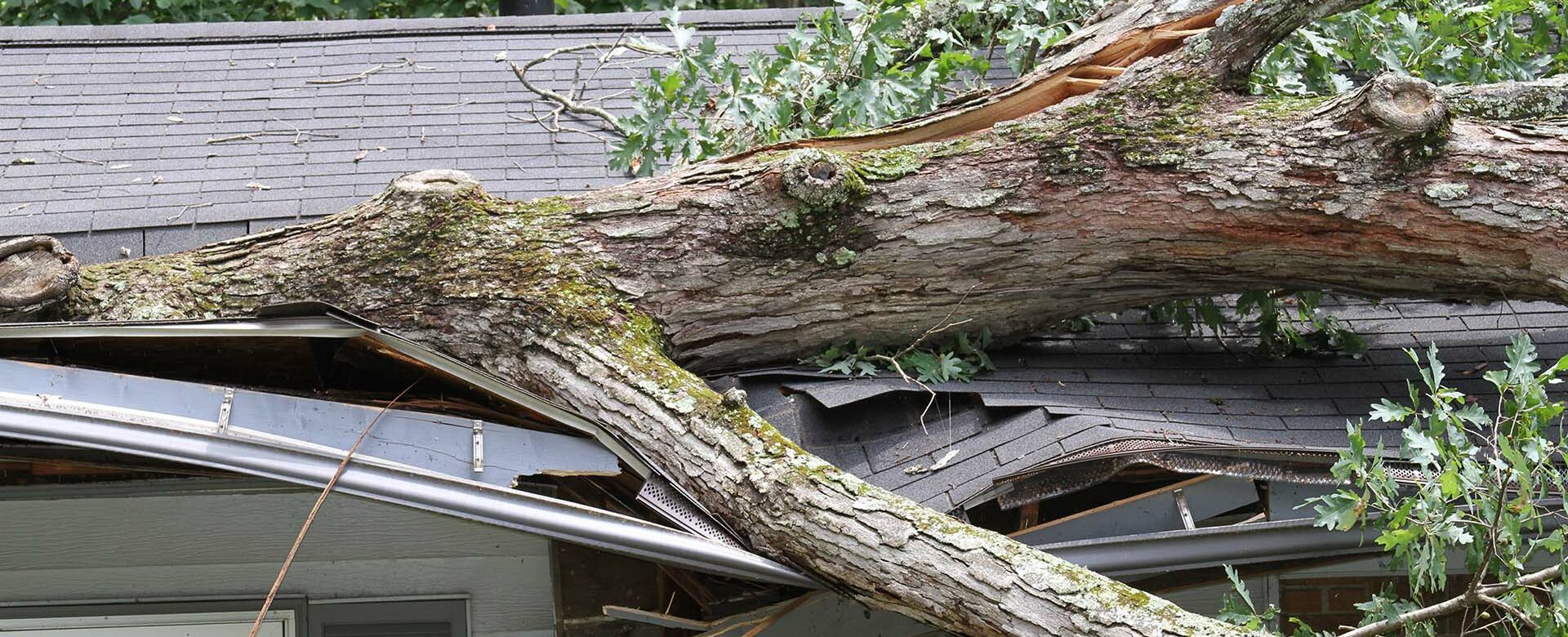
    Of course, the most obvious source of tree-related damage to a roof is by limbs falling off during storms or strong winds. In our hurricane, tropical storm and nor’easter-prone region, this is especially common. During any one of these types of weather events (or even just a summer pop up thunderstorm) overhanging tree limbs can break and fall onto your roof, causing serious damage by knocking off gutters or flashing, puncturing shingles or even the roof decking below, which can lead to more extensive structural damage. There is the rare occasion when an entire tree comes down and, hopefully hits nothing, or it does hit something.

What You Can Do to Prevent Tree-Related Roof Damage

  • Identify Tree Rot
    The most likely offender in the forest is a tree with any kind of rot. Tree rot can happen for a variety of reasons: damage from storms, animals or disease, but trees that are dead or dying also invite in termites, which are certain to finish the job, causing a tree to lose any structural integrity it had left. By inspecting the trees on and around your property regularly, you can identify rot early and either call in a professional arborist who can assist in removing the affected portions of the tree while saving the rest or a tree removal company if the damage is too far along.
  • Remove or Trim Encroaching Trees
    Even if trees are healthy, they can still create an unsafe situation if they begin to encroach on your home’s immediate perimeter. Pruning and trimming trees near your home is essential, because even if a limb or debris doesn’t come flying off, consistent contact between a tree and your roof can cause its own kind of damage. This is often seen in loose gutters and loose or missing shingles. Again, consult with a professional arborist and/or tree trimming company to remedy this.
  • Keep Gutters Clear
    Regularly clean your gutters and downspouts to prevent debris accumulation and water damage. Clogged gutterscan lead to water overflow, which can damage your roof, siding, and foundation.
  • Install Gutter Guards
    Consider installing high capacity gutters and gutter guards to prevent leaves and debris from entering your gutters. High quality gutters and leaf guards can be a valuable investment in maintaining your roof’s health.
  • Don’t Forget the Flashing
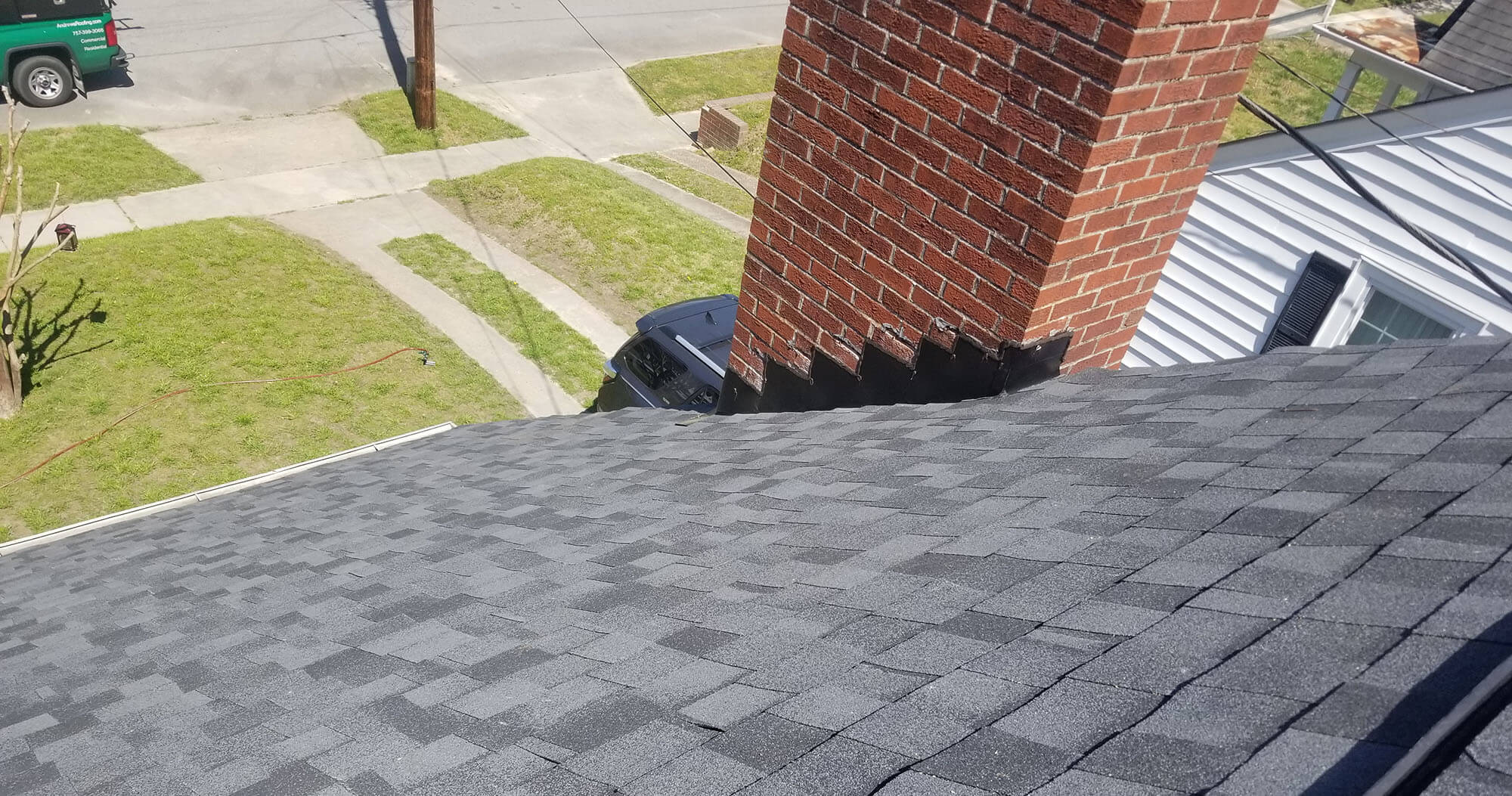
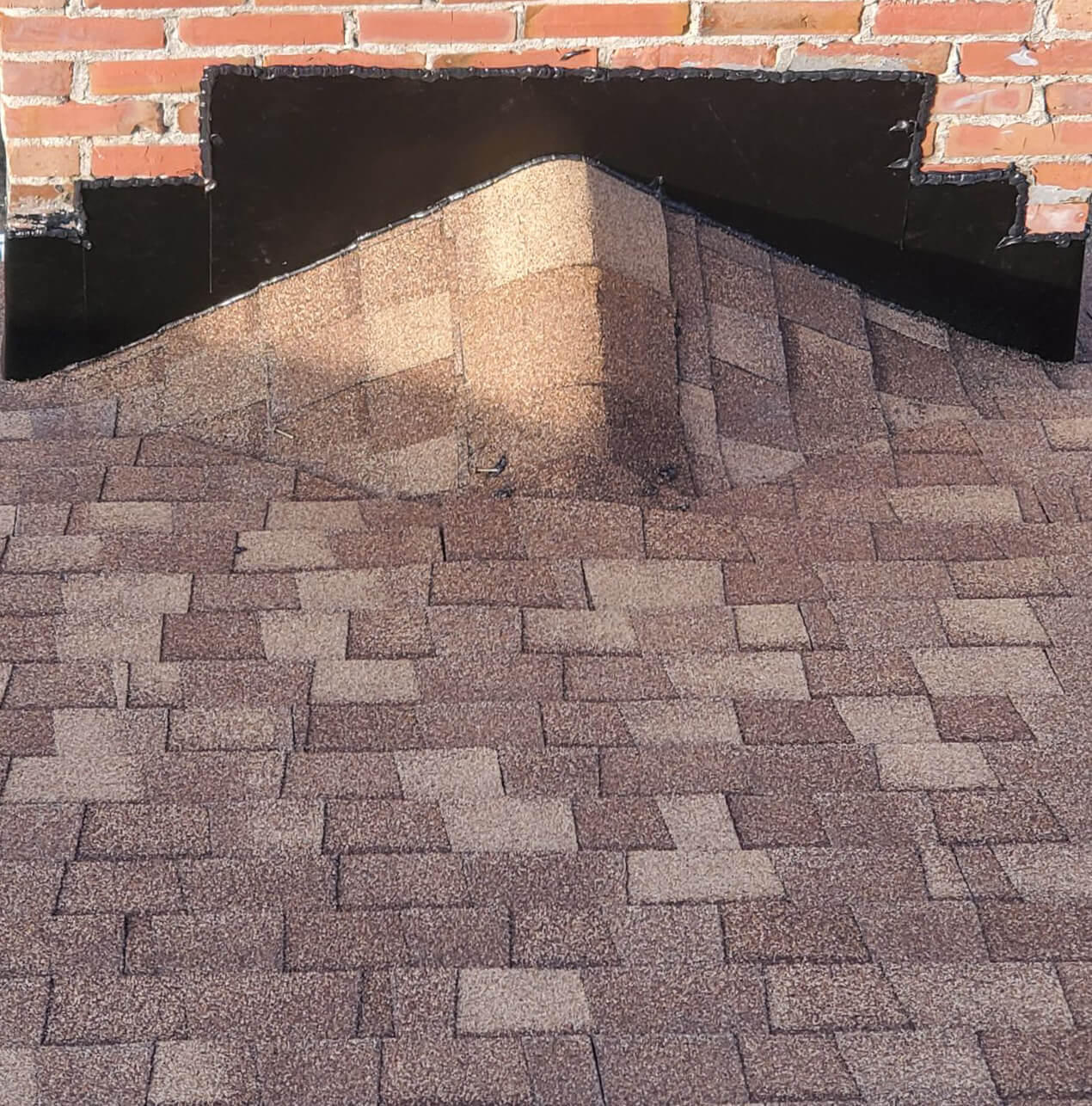
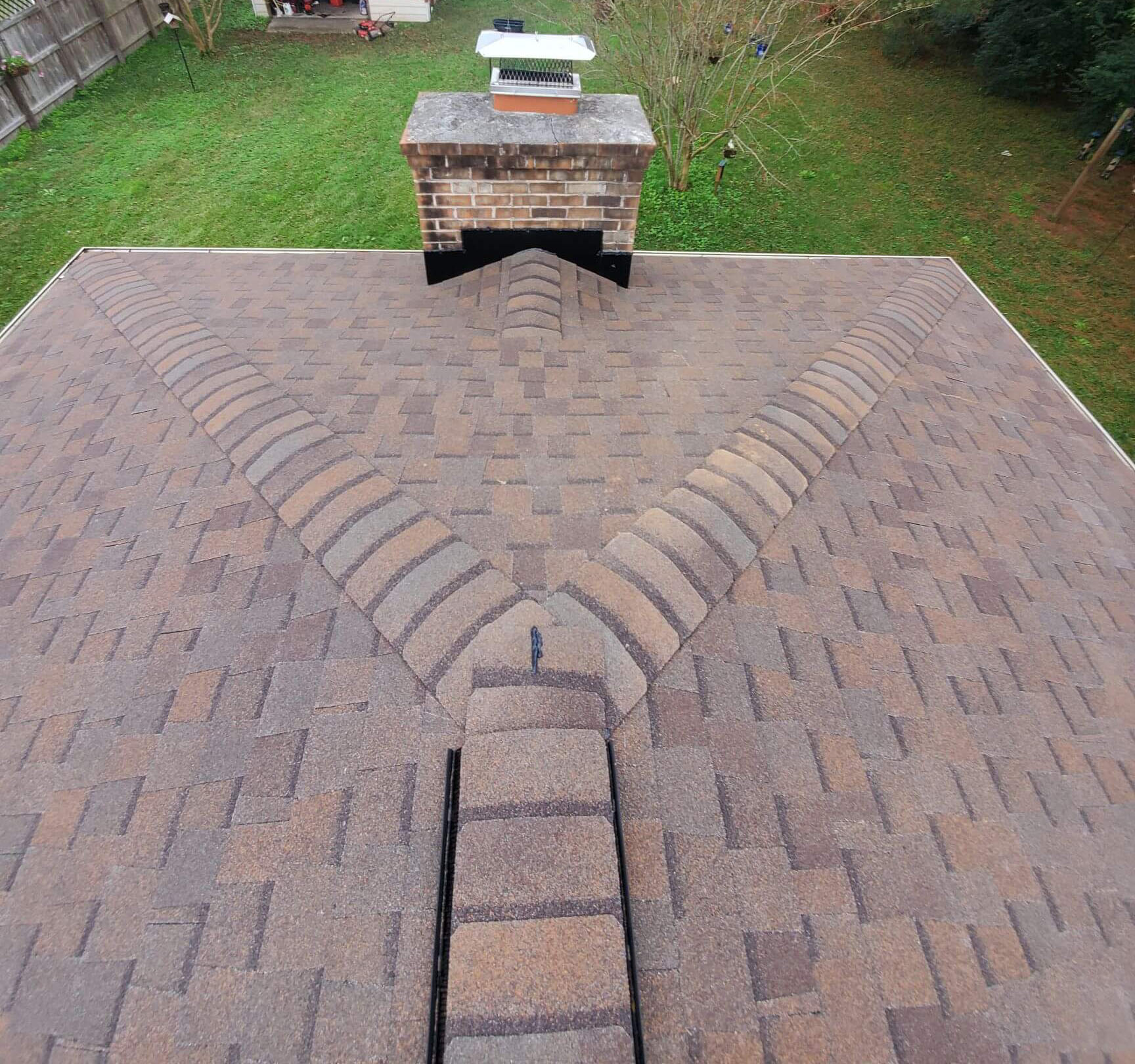
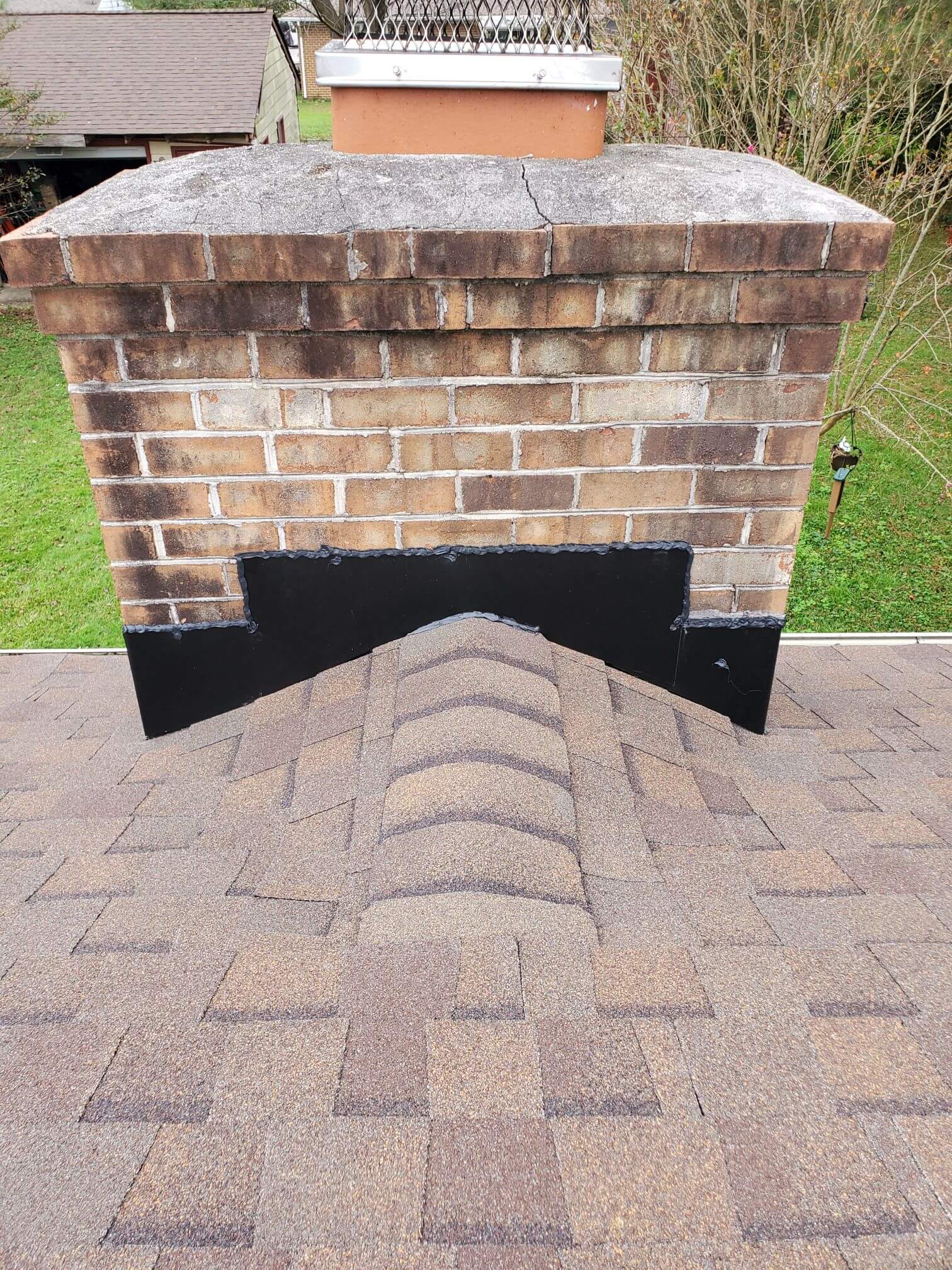
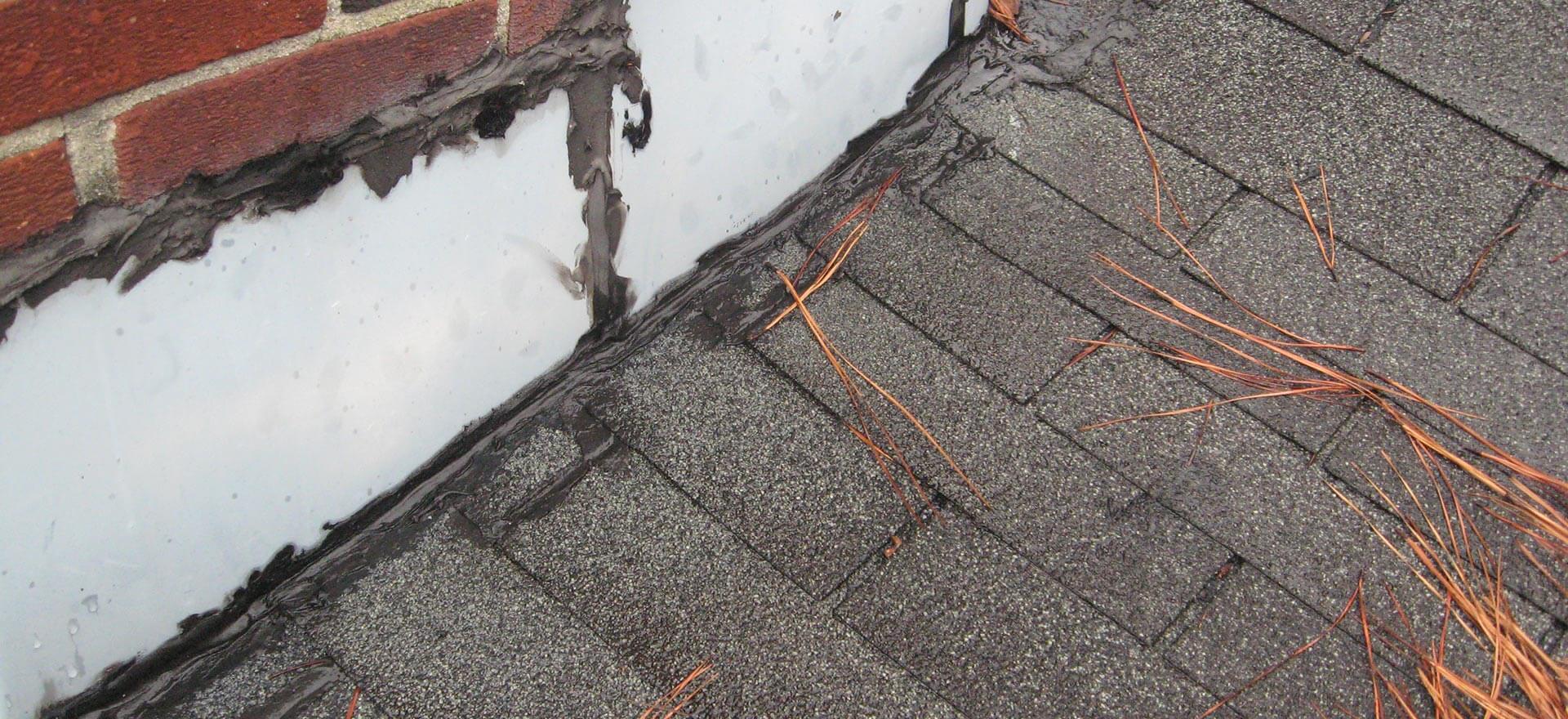
    Properly installed flashing around roof penetrations, such as chimneys or vents, can help protect your roof from water intrusion due to tree-related damage. A roof specialist can inspect your roof to ensure flashing is properly installed and that existing flashing is not damaged, loose or missing.

While the variety of trees in coastal Virginia can enhance the beauty and value of your property, it’s essential to be mindful of their potential to damage your home’s roof. Regular maintenance, including tree trimming, gutter cleaning, and roof inspections, is key to preventing costly roof repairs. By taking proactive steps to protect your roof, you can continue to enjoy the benefits of having trees on your property without worrying about the potential damage they may cause. Your home and roof will thank you for it in the long run.

We Can Help

If you’ve experienced damage to your roof from trees or other causes, Andrews Roofing can help. We’ve been providing reputable, high-quality roofing services in the Hampton Roads region for decades, and we’re familiar with the specific issues that arise in this area. We can help you not just repair your roof, but also identify and fix potential problems so your roof and home remain healthy long after our work is done. Contact us today.
read more

Spring Cleaning for Your Roof

Spring is here which means it’s time to throw open the windows, clear out the clutter and give your home a good spring cleaning.

Typically spring cleaning may look like purging your closet of items you haven’t worn in years, emptying and cleaning the fridge (and throwing out those ten expired salad dressings!) or even washing the windows, but there’s another part of your home that you probably don’t have on your list that could also use a good annual cleaning – your roof!

Particularly after a long winter, your roof needs some extra attention to ensure it is functioning optimally for all the spring showers and summer storms. Annual roof cleaning will extend the life of your roof as well, saving you thousands of dollars in the long run. Here are a few spring cleaning tips to keep your roof in tip-top condition.

Ditch the Debris
It’s not uncommon over the winter for leaves, sticks and other debris to build up on your roof, especially in any roofing valleys your home may have or around dormers. Removing the debris from your roof keeps anything from building up and causing mildew, or from damaging or even removing shingles. Debris can be removed from a roof while staying safely on the ground using a roof rake, which you can purchase online or at a hardware store for a small investment. If you are able to access parts of your roof from windows, you can use a roof rake or even a leaf blower while staying safely inside your home to remove debris from those areas. Whatever method you choose, just stay away from climbing on top of your roof on your own, as this is dangerous and better done by a professional with the appropriate safety equipment.

Trim the Trees
To keep additional vegetation and debris from building up on the roof once you’ve cleaned it, make sure the trees and other plants around your roofline are trimmed back. Tree branches that touch your roof can easily scrape up against shingles or flashing during a storm, removing or damaging them which can eventually lead to leaks. Call in a professional tree service for larger or taller trees so you don’t cause more damage to your home in the trimming process.

Clean the Gutters
Clogged or at least partially blocked gutters are nearly a given after the winter months. When gutters become clogged or obstructed, it can cause water to back up and seep under the eaves of your home, causing water damage and leaks. In the winter, clogged gutters can freeze and cause ice dams to form which can cause major damage to shingles and the gutter itself. Each spring it’s a good idea to call in a professional gutter cleaning service to remove any debris so that water can flow easily away from your roof and your home. It’s also a good idea to inspect the gutters, including downspouts to make sure that there are no punctures or other damage and that where the water exits the gutter is properly graded to move water away from your foundation.

Roof Cleaners
If your roof is plagued with mildew or dark stains, there are several different types of roof cleaning solutions available. Many of these cleaners come in containers that can be attached to the end of a standard garden hose, so you can spray the areas of your roof that are stained from the ground or a ladder (with assistance, of course). If you don’t feel comfortable doing this yourself, there may be professional roof cleaning companies in your area that offer this service. If you choose to tackle this yourself, just be sure to carefully follow any manufacturer instructions that come with the product.

If you find any issues with your roof during the process of spring cleaning, contact Andrews Roofing. We’ve helped homeowners in the Hampton Roads region extend the life of their roofs through proper maintenance and repairs and we also provide gutter installation and replacement services. We are very familiar with the types of issues and concerns that arise in homes in southeast Virginia, and we have decades of experience in how to make them right. Contact us today.

read more

Spring for Gutters

April showers might bring spring flowers, but they can also bring a lot of damage to your home if you’re not prepared.

Did you know that Virginia Beach and the surrounding Hampton Roads cities get an average of over 9” of rain during the spring season? And as the seasons change some of that precipitation comes in the form of severe weather, which can dump several inches of rain over the course of just a few hours. If you’ve lived in the Tidewater region long enough, you’ve surely been caught in one of those spring deluges.

Those same pop-up storms that can put a kink in your commute, delay your kids’ baseball games or ruin a nice day at the beach can also negatively impact your home. This is especially true if your home doesn’t have functional gutters.

Why Should Your Home Have Gutters?

Gutters play a critical role in protecting your home’s roof and foundation. When a roofline doesn’t have gutters, water sheets off the roof and straight down to the base of the house. This creates pooling water around your foundation which can cause long-term moisture damage. Moisture at the foundation level of your home can result in mold, mildew, termites and structural damage.

When water isn’t properly channeled off a roof, it can also cause water damage to the vertical surfaces of your house including walls and windows. Leaky windows, wood rot or discoloration can occur.

Gutters also protect your landscaping. By moving water through a downspout into a drain or appropriate area of the yard, you can help prevent erosion in your garden beds, losing costly topsoil, mulch or plants.

How to Maintain Your Gutters

Gutters should be cleaned annually or preferably semiannually. We always recommend using a professional company for this task as doing it yourself is dangerous and could result in serious injury.

When gutters are not cleaned out regularly, they can actually cause just as much damage as not having gutters at all. Water will sheet over a filled gutter, causing the same problems as we mentioned above. Clogged gutters can also cause water to back up toward the roofline, pushing water up underneath shingles and potentially damaging your roof’s decking.

In addition to having gutters cleaned out each year, make sure all gutters are securely attached to the roofline and all downspouts are secured to the corners or sides of your house. Check to see that the areas where the downspouts direct water is clean and cleared as well as directing water away from your home’s foundation.

Inspect gutters and downspouts from the ground for holes or punctures. These could cause water to leak onto the sides of your house or into your windows. If you notice a gutter has any damage, contact a local roofing company or other licensed contractor who is experienced in gutter installation and repairs.

What to Look for in a Gutter

Not all gutters are created equal. In precipitation-prone areas like coastal Virginia, high-capacity gutters can be particularly useful. If you’re installing or replacing the gutters on your home, look for a system like our Rapid Rain Gutter System™ that has a high-volume control of water flow but is designed to look like a traditional 5” gutter.

Pay attention to the metal quality and thickness – you don’t want anything that is so thin that you have to worry about punctures from trees or other debris during storms. You’ll also want something that is visually appealing next to the siding or brick on your home as well as your roof color, so look for a manufacturer that offers a wide variety of colors. Make sure the material is covered under a warranty, even for things like scratches, which can quickly become rusted and unsightly.

You may also want to look into some type of gutter guards, especially if your home is surrounded by trees or other vegetation. Our MicroGuard system has over 48 perforations per square inch to keep out the smallest debris while allowing water to flow through easily.

Where to Go for Gutters

Always use a licensed and insured contractor for gutter repairs and installation, and make sure their work and products are warrantied and that they have an upstanding reputation in your local community.

At Andrews Roofing, we provide installation and maintenance of our Rapid Rain Gutter Systems™, and we stand behind the product with a lifetime ScratchGuard™ guarantee and our reputation for quality and satisfaction. Installing gutters is a smart investment that can prevent costly repairs and help maintain the value of your home. Contact us today for more information about installing gutters on your home.

read more

Four New Year’s Roofing Resolutions

It’s the beginning of a new year, and that means it’s time for resolutions.
Most New Year’s resolutions revolve around self-improvement, but the truth is, you’re great just the way you are. So instead, we suggest making some home-improvement resolutions that don’t require a scale, a short-lived gym membership, or eventual self-loathing. Here are a few that can improve not just your home, but your enjoyment of it as well.

Monthly Inspections
This resolution is easy to implement, only takes a few minutes and can help save your home from preventable damage. Once a month, do a visual inspection of the exterior of your home. Add it to your calendar, set a reminder on your phone, or whatever you use to keep track of recurring tasks.

From the outside of your house, walk the perimeter and look for any holes or damage to siding, loose flashing, loose or missing shingles, brittle or broken shingles, moisture around your foundation, debris that may have landed on your roof, mildew or algae buildup or anything else that seems out of place or damaged. From the inside, peek into your attic and make sure all the rafters and roof decking are dry, that the ventilation is working properly and that insulation is in place. Take a look out any windows that may give you a view of dormers or roofing valleys that aren’t visible from the ground.

If you spot any damage, take photos – especially if you believe the damage requires an insurance claim – and call in a licensed contractor to have a second look and give an estimate for repairs. Your visual inspection should only take a few minutes but could save you thousands of dollars and lots of headaches down the road. As they say in medicine, an ounce of prevention is worth a pound of cure.

Gutter Cleaning
Your monthly visual inspection may give you an idea of when your gutters need to be cleaned out, but you also may not be able to see all the debris in your gutters from the safety of the ground (which is the only place we recommend doing an inspection yourself). In Hampton Roads, the amount of foliage and storm debris increases the likelihood of needing a good gutter cleaning. While many websites and professionals will say cleaning your gutters twice a year is fine, we recommend once per season if you live in Southeast Virginia.

This year, resolve to have a professional gutter cleaning service come to your house every three months. You can schedule these cleanings in advance, so you don’t even have to think about it once you’ve made the initial call. The great thing about having a professional gutter cleaning is that it can reduce the likelihood of roof damage from water that builds up and pushes up under your roofing material when gutters are overfilled with debris. It also means there are professional eyes on your roof several times a year. A good cleaning company will alert you if they see any damage, debris or signs of aging that you should know about – all without you ever having to climb a ladder.

Make the Repairs
Maybe you already know your roof is in need of repairs. Perhaps you’ve seen the shingles fly off during a storm, or you can hear flashing or loose gutters banging around on a windy night. If so, then the new year is the perfect time to resolve to finally have it fixed.

Taking care of these types of repairs extends the life of your roof, saving you money and protecting your investment. A simple repair may have a small upfront cost, but in the long term it will be well worth it. Make sure to call in a professional, licensed roofing contractor to make the repairs. It may also be the case that the damage that needs to be repaired is under warranty, in which case you may not even have to pay out of pocket. If you think this is the case, find your original paperwork and reach out to the manufacturer or installer to make a claim.

New Year, New Roof
Lastly, if you know it’s time, then make this the year that you finally get that old roof replaced. Living under a roof that is past its recommended life span is just asking for trouble and interior damage that will not be covered by insurance. In the Tidewater region, the majority of residential roofs are asphalt shingles, which typically have a lifespan of 20-30 years. So, if your home was built before 1993 or if your home’s roof hasn’t been replaced since then, it’s likely time to make this a priority.

Roof replacements typically happen in the spring and fall, so if you know ahead of time that you will be needing a new roof this year, start vetting roofing companies now during the slower months. Gather several estimates and start researching your options for materials, colors, manufacturers, etc. Once you’ve made your decisions, get on your chosen roofing company’s installation schedule and get the materials ordered. Some materials are taking significantly longer to get in stock because of supply chain issues, so the sooner you can make your decisions and place orders, the better.

At Andrews Roofing we want to wish all of our Hampton Roads neighbors a beautiful, blessed 2023. If you find yourself in need of roofing repairs, replacements or inspections, we would be happy to help you determine the right course of action for your home so that you can enjoy it for many more years to come. Contact us today.

read more

Leaks Don’t Always Start at the Roof

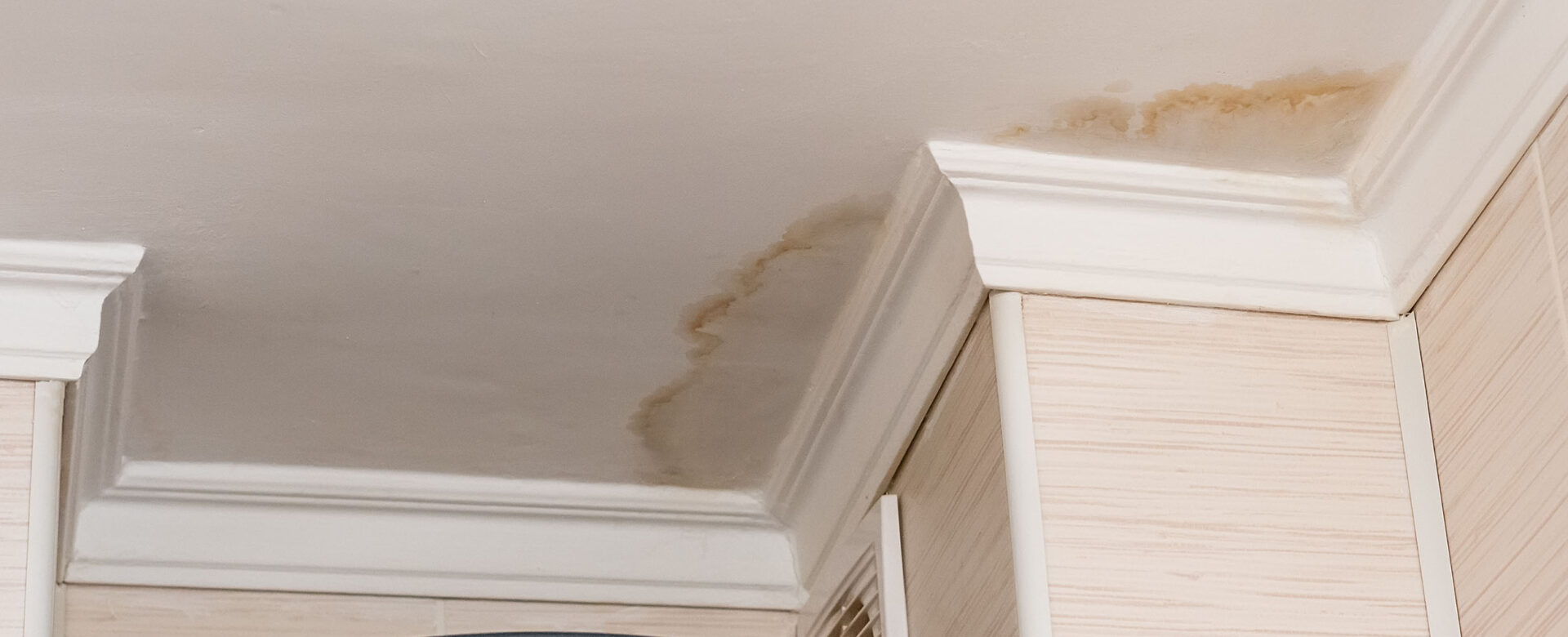
When you see water spots on your ceiling or water starts trickling down a wall, it’s common to assume that the cause is a defect or damage to your roof. But just because water is coming from somewhere above you, doesn’t necessarily mean your roof is to blame. Unfortunately, there can be many reasons for water leaks, so before you panic and assume you need a whole new roof, investigate some of these other alternative sources.

HVAC Systems
If you have an air handler system that resides in your attic, take a look at this first. There are myriad reasons why an HVAC unit may be leaking, so don’t dismiss it if it’s not obvious at first glance. First, check your unit’s drain pan. This is a metal pan that collects water and filters it to a drain, removing it from the house. Over time, the exposure to moisture can cause drain pans to rust and degrade, allowing water to leak out of the unit.

Another common cause of HVAC leaks is a clogged condensation drain. Over time, as water flows through this drain line, mold and mildew can build up, causing backups of condensation. If this is the cause of the leak, you will need to have an HVAC professional snake the drain, remove the obstruction and clean the line. Leaks can also be caused by faulty drain pumps or low refrigerant. If your HVAC is older or hasn’t been functioning properly, give this a look first and if you spot any issues, call in an HVAC maintenance company to inspect and repair the unit.

Hot Water Heaters
In an area like Hampton Roads where basements are few and far between, it’s not uncommon for builders to put hot water heaters in an attic. Yes, it means it’s out of the way and isn’t a daily eye sore, but it can become a big problem when (not if) it springs a leak. Hot water heaters are not meant to last forever, and they will eventually fail in one way or another.

If you have a hot water heater in your attic and have detected water spots, mold or mildew on the ceiling or in corners, check it immediately. Even a very small leak can cause major damage to joists, ceilings, insulation, and personal belongings. A licensed plumber will need to be contacted to safely remove and reinstall a new hot water heater if this is the case. You may also want to discuss with them the possibility of moving the hot water heater to a better location or switching to a tankless hot water heater.

Mortar Leaks
Mortar leaks can still cause damage to interior walls and corners as well as foundations, basements and along the length of an interior wall. Mortar joints in cinder block, stone or brick walls can deteriorate over time, allowing water to penetrate either through paths left by mortar gaps or directly through the stone. If your home is older and is brick or stone, take a look around the exterior of your house and see if you can spot any damp spots or visible gaps or missing mortar – especially around the areas where you’ve seen water damage inside. If so, you should contact a licensed contractor or mason to do the necessary repairs before the interior damage becomes worse and causes structural and foundational issues.

Siding leaks
Likewise, if you see stains like the ones described above, but your home is sided with vinyl or aluminum, there could be a similar issue. Openings at the lap joints of vinyl siding, as well as drain openings along the bottom edge of most vinyl siding products, allow the system to breathe and drain off any wind-blown rain that may enter behind the siding. If the house wrap or door or window flashing behind the siding is not properly installed or has sustained damage, the water that should be draining can enter the structure instead. These types of leaks can be slow to show up on the interior and by the time they do, they may have caused extensive wood rot, mold, and insect damage. To avoid this, do regular visual inspections of your home’s siding, looking for any gaps between planks or holes that may have been caused by storm damage or animals.

Burst Pipes
Any plumbing that runs through your walls, ceilings or attic may be the cause of water damage you spot inside your home. Particularly if your home is older and has not had any plumbing material upgrades done to it, deterioration may be occurring. Since most plumbing is hidden away behind walls, many people first detect a plumbing leak by spikes in their water bill. If your bill is suddenly significantly more than usual, it may be time to start a visual inspection of the pipes you are able to see or listen for areas where you may hear trickling or dripping. This is particularly common when you have a bathroom upstairs – toilets, sinks and bathtubs can easily spring slow leaks that over time create large, ugly water stains on the ceiling below. If this is the case, call in a professional plumber as soon as possible to fix the issue.

Window leaks
Old windows or improperly installed windows are common sources of leaks. If the casing around a window has rotted or was installed incorrectly, rainstorms can easily penetrate the exterior of your home. Often you will be able to see water coming in from the window casing, but other times the water collects between the wall and drywall, creating damp spots, mold and mildew. This can mimic the siding and mortar leaks we discussed above, so if you’re not sure what the cause is, call in a licensed contractor to help you determine the best way forward.

Gutters and fascia
Fascia is technically a part of your roof that covers the eaves above your gutter system. However, leaks in these areas are not always caused by the roof itself, but by clogged gutters. When a gutter system is full of debris, water can’t drain properly and will build up, pushing up against the fascia and causing rot. Over time this rot can allow that water buildup into the house, causing leaks that look very much like a true roof leak, with water coming down the sides of the wall or causing wet spots in corners. To avoid this, have your gutters cleaned regularly and the fascia board inspected and replaced if any rot has occurred.

If you investigate these other potential causes and still can’t find the source of the leak, it may be time to call in a qualified roofing professional. At Andrews Roofing, we provide roof inspections and repairs for all types of commercial and residential structures and on any type of roofing material. Don’t let a leak cause additional costly damage to your home. Contact us today.

read more

Why Good Flashing Is Critical for Your Roof

When we talk about roofing repairs and replacements, people typically just think about shingles or other types of exterior roofing materials like metal, cedar shake or clay tile.

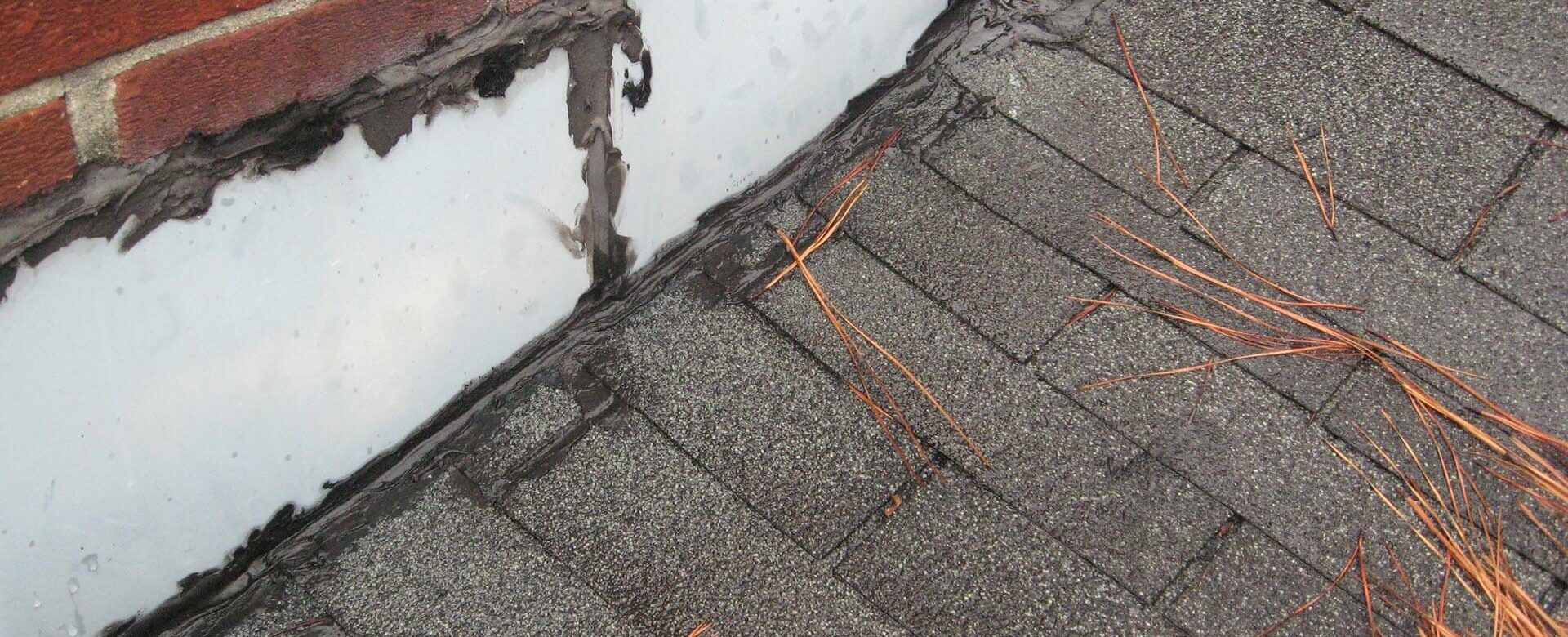
But there are many critical pieces that go into a good, solid roofing system, and one of them is flashing. Flashing is more important than people think, and improperly installed, damaged or missing flashing is one of the most common causes of roof leaks.

What is flashing?
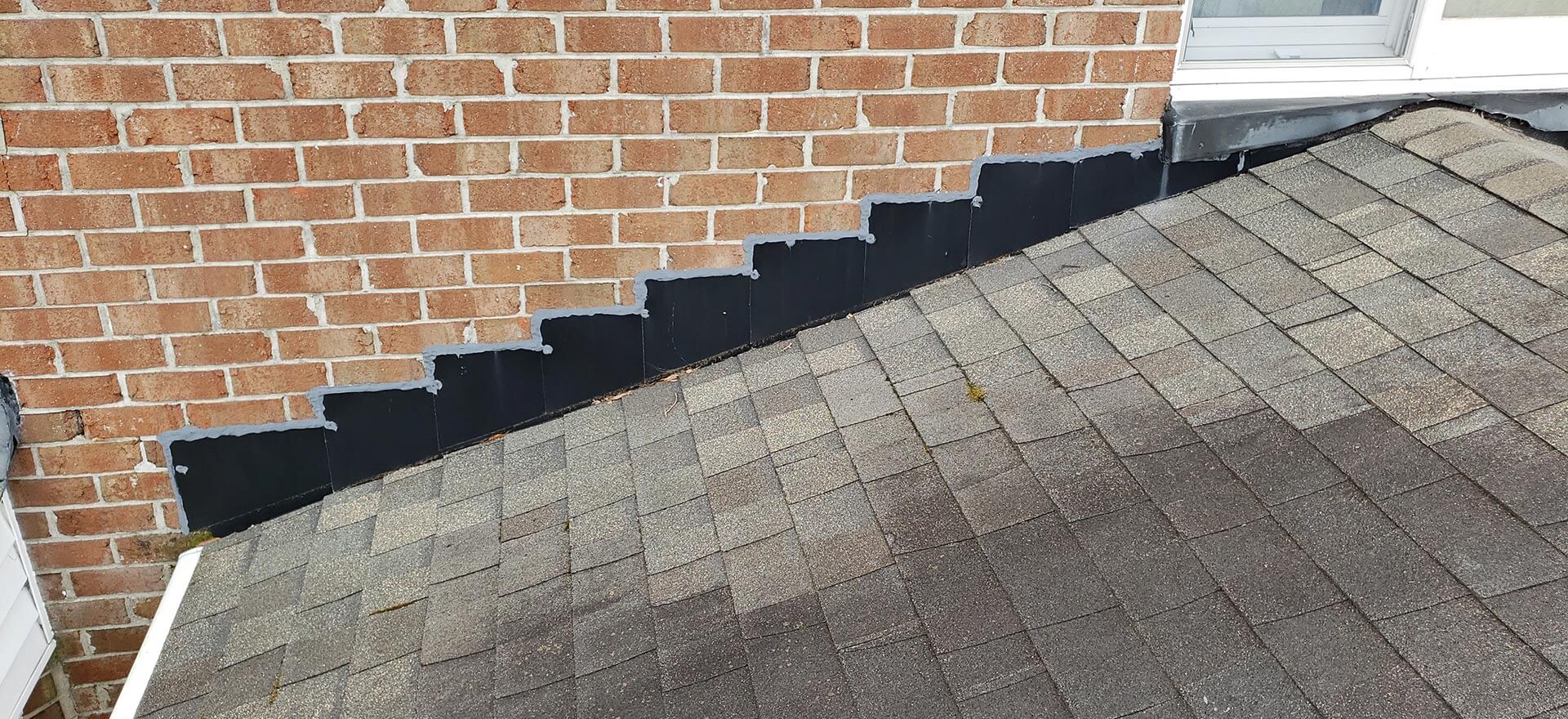
When a roof plane meets a vertical surface, shingles and other roofing materials can’t be used to protect those parts of the roof. Instead, flashing is installed around vertical roof features to direct water away from these critical areas. Roof flashing is a thin metal material that comes in large sheets and is cut, molded and layered to fit where it is needed. It may also be made out of a plastic membrane for some applications or you may see PVC used at penetrations as pipe collars, sleeves and other fittings that function as flashing.

How does flashing work?
Without flashing, water could penetrate between the crevice of say, a shingle and a chimney. Flashing ensures that the water runs back over the roofing material, down the roof plane and off the house, hopefully into a clear and clean gutter. Other areas where flashing may be used includes vents, skylights, dormers, and sometimes even between the edge of the roofline and a gutter system.

What is flashing made of?
The materials used for flashing has changed over the years, from lead-coated materials to safer and more durable types of metals. This includes aluminum, copper and galvanized steel. Depending on the building codes where you live, a roofing contractor may have to use a specific material. While we typically use aluminum flashing on residential installs, the material itself is dependent on the specific roof and situation.

When should I replace or repair flashing?
If your home is experiencing a leak, and it does not appear to be from missing shingles, punctures or other damage, it may be time to check the flashing. Check the areas we discussed above to see if any of these issues have occurred:

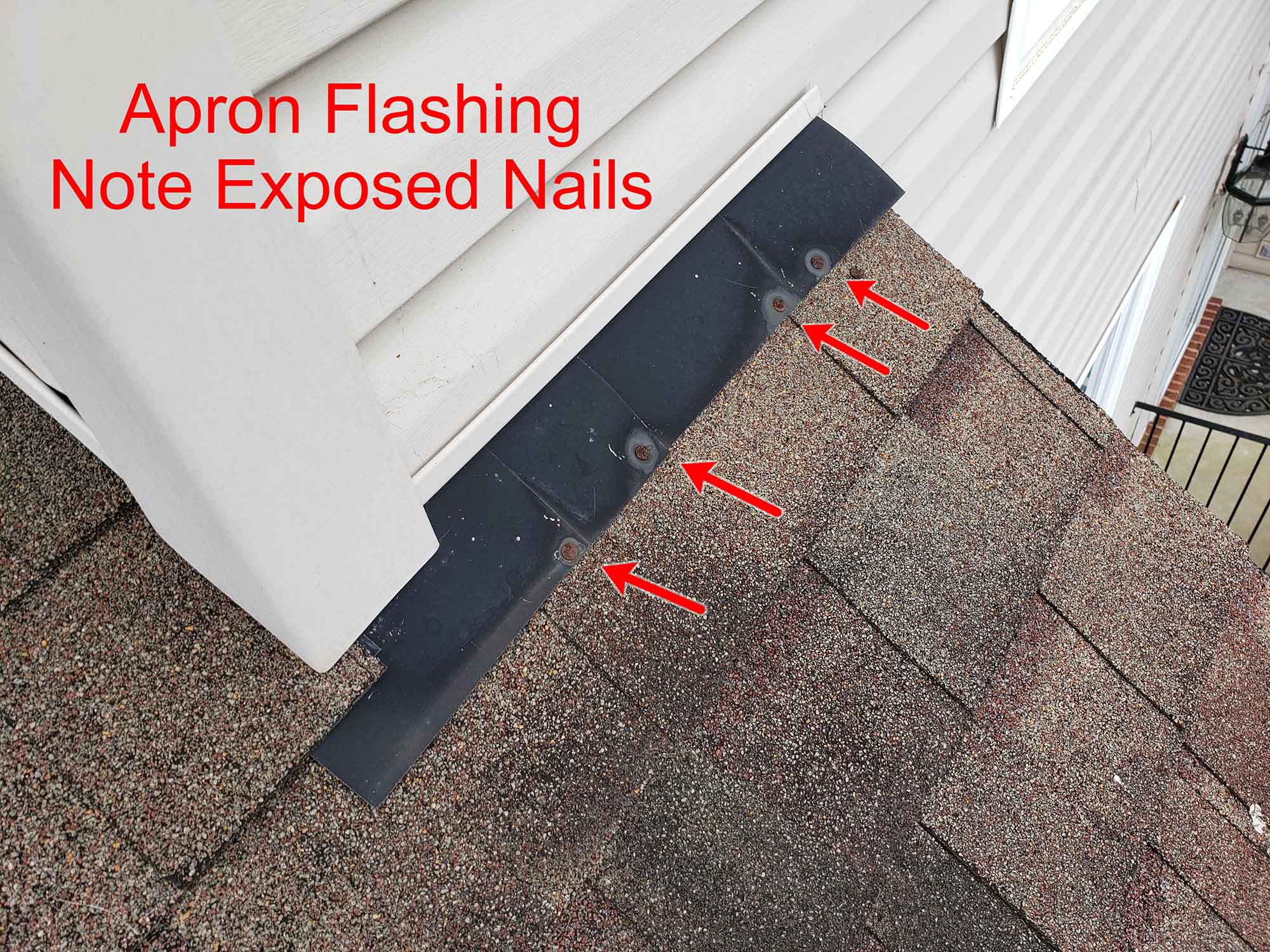
  • Holes, dents or bending
  • Corrosion or rusting
  • Missing nails or loose nails
  • Loose or missing flashing

If you spot any of these issues, it’s time to call in a qualified roofing professional. Replacing flashing yourself is dangerous and if done incorrectly, can cause even more damage to your roof and ultimately the interior of your home.

When having your roof replaced, it’s a good idea to have the flashing replaced at the same time. Some areas may be able to be reused, but to ensure a watertight seal and a lifespan equivalent to your new roof material, full replacement is likely worth the minimal extra investment. Your existing roof flashing materials may also not be up to current code, in which case a roofing contractor will be obligated to replace it. Alternatively, it’s very possible that when you are experiencing a leak caused by flashing that only the flashing will need to be replaced, and that a full roof replacement is not necessary.

If you are having issues with your roof’s flashing, or have a leak you haven’t been able to identify the cause of, give Andrews Roofing a Call. We are experienced in the specific issues Hampton Roads homeowners encounter, especially during storm season. Contact us today.

read more