


Leaks & Service Repairs

757-399-3066 ext 3 (Leaks & Service Repairs)

Reroof Estimates & Inspections

757-399-3066 ext 1 (Reroof Estimates & Inspections)

Tag: storm related roof damage

Should You Make an Insurance Claim for Your Roof Damage?

In Southeast Virginia and the Hampton Roads region, roofs can take a serious beating.

Between strong coastal winds, heavy rain, tropical storm systems, and intense summer heat and humidity, it’s common for homeowners to discover roof damage and wonder if it’s just normal aging—or something that should be covered by insurance.

It’s a common homeowner question that we encounter: “Should I file an insurance claim for this?” Knowing the difference between everyday wear and tear and storm-related roof damage can help you avoid unnecessary claims, out-of-pocket expenses, and frustration with your insurance provider. Here’s how you can tell the difference—and what to do next.

Normal Roof Wear and Tear: What Insurance Typically Does Not Cover

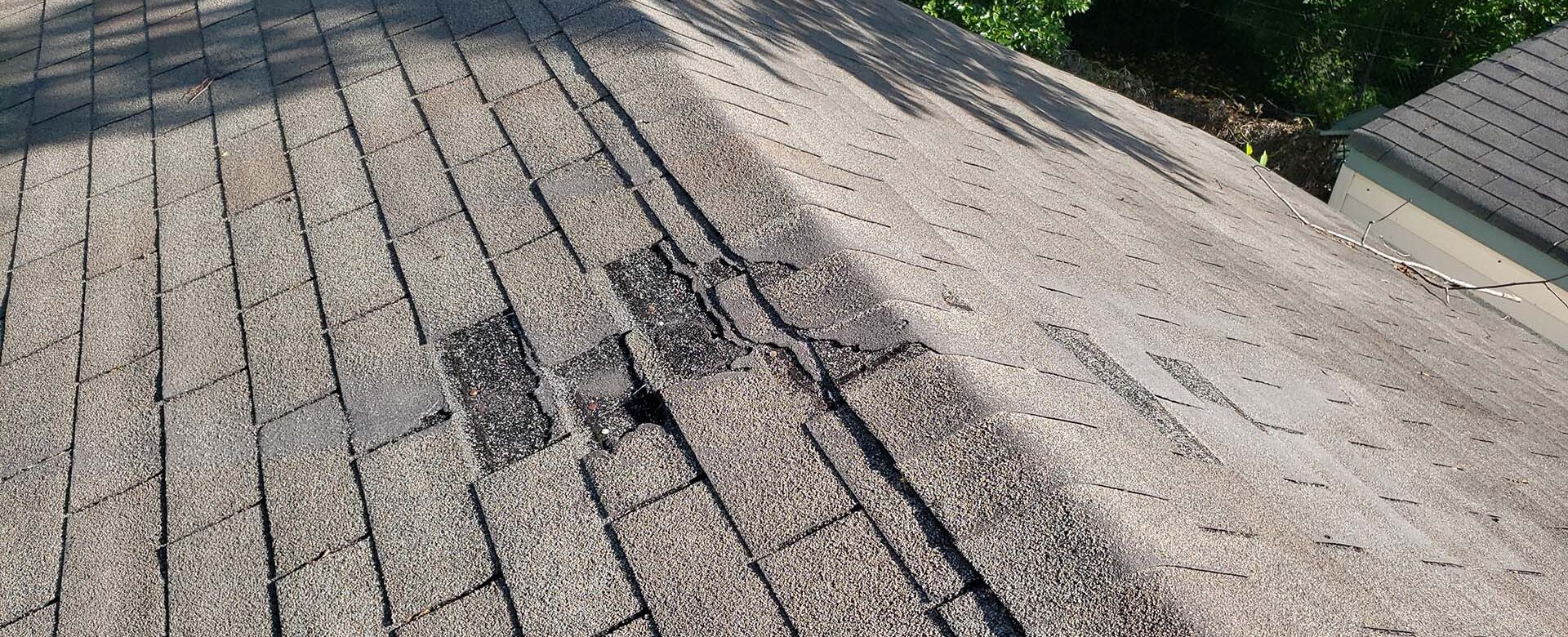
Roofing materials naturally age over time, especially in the coastal climate of Southeast Virginia. Insurance companies generally do not cover damage caused by gradual, natural deterioration or lack of maintenance. Common examples of normal wear and tear include:

  • Aging or brittle shingles that are near the end of their lifespan
  • Granule loss on asphalt shingles, typically from age and long-term sun exposure
  • Faded or discolored roofing materials
  • Minor cracking or curling that are age-related/typical
  • Small leaks caused by age—not a specific weather event

If your roof is 20–30 years old and showing these signs, it’s usually considered a maintenance or replacement issue rather than an insurable loss. In these cases, planning a roof replacement before major leaks develop is often the smartest move.

When Roof Damage May Be Covered by Insurance

Insurance typically applies when roof damage is caused by a sudden, identifiable event, such as severe weather. In Hampton Roads, this often means wind, hail, or tropical systems.

Roof damage that may warrant an insurance claim includes:

  • Missing, torn, or lifted shingles after high winds
  • Hail damage, including bruised or cracked shingles
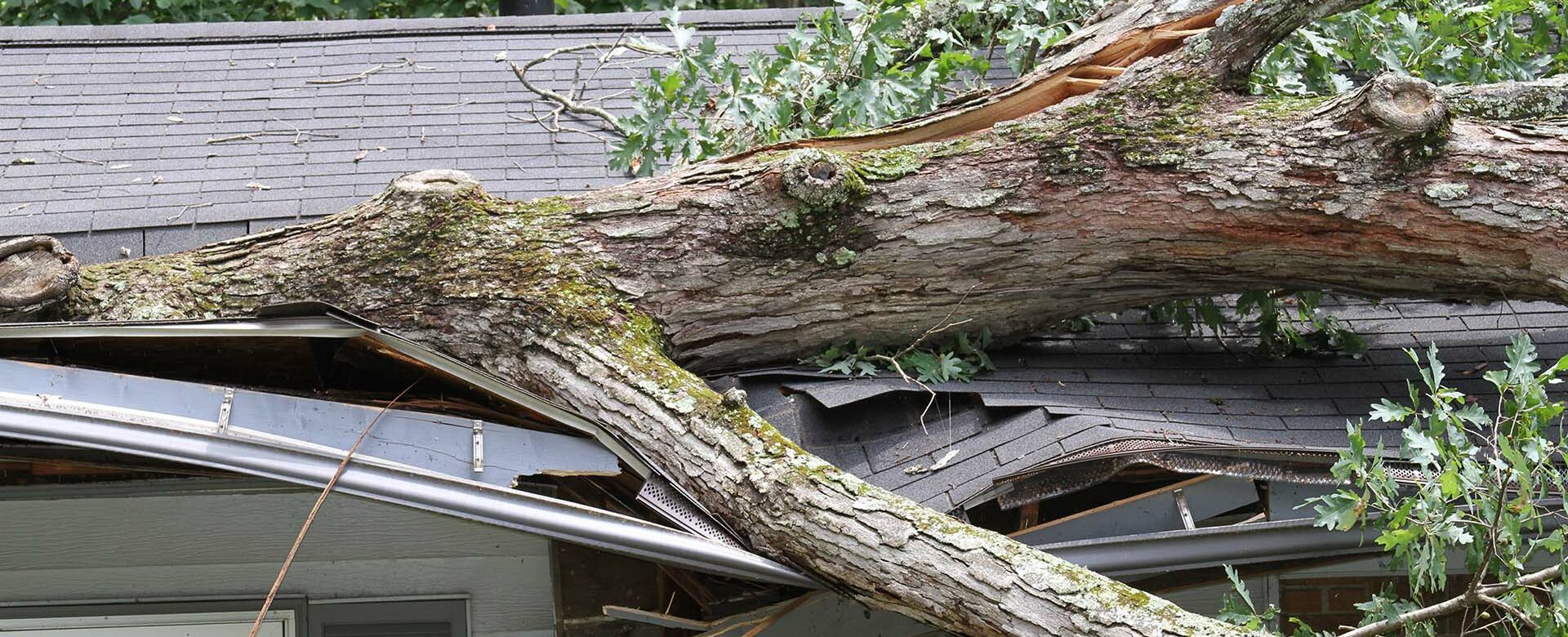
  • Impact damage from fallen tree limbs or debris
  • Leaks that appear shortly after a storm
  • Damage from hurricanes, tropical storms, or tornadoes

If roof issues show up immediately after a major storm—or you notice similar damage throughout your neighborhood—it’s a good sign that the damage may be insurable.

Step One: Get a Professional Roof Inspection

Before filing a roof damage insurance claim, it’s important to schedule a professional roof inspection with a licensed roofing contractor that is local to the Hampton Roads region and knows our local weather as well as the local insurance providers. A trained roofer can determine whether the damage is storm-related or simply age-related. The inspection should:

  • Identify visible and hidden storm damage you may not be able to see from the ground
  • Document findings with photos and written notes which can be submitted to your claims agent
  • Provide a detailed repair or replacement estimate to give a “second opinion” to the insurance adjustor’s estimate
  • Help you decide whether filing a claim makes financial sense at all

Step Two: Complete the Insurance Claim Process

If your roofing contractor determines the damage is likely covered, here’s how the process typically works:

  1. File a Claim with Your Insurance Company. You’ll contact your insurer and provide details about the storm or event that caused the damage. This is where the information from the roof inspection will come in especially handy.
  2. Meet with the Insurance Adjuster. An adjuster inspects your roof and evaluates the damage. Your contractor can often be present to ensure nothing is overlooked.
  3. Review the Insurance Estimate. The insurance company provides an estimate outlining approved repairs or replacement, minus your deductible. You may want to have your contractor review the estimate to ensure nothing was overlooked or underquoted.
  4. Complete Roof Repairs or Replacement. Once approved, your contractor completes the work according to the claim’s scope, providing any necessary documentation for your insurance company.

Step Three: Keep It Local

Having an experienced Hampton Roads roofing contractor involved helps ensure the insurance estimate reflects the full extent of the damage as well as the cost of local labor — not just what’s immediately visible or generic.

While not every roofing issue requires an insurance claim, ignoring any type of roof damage – storm-related or otherwise, can lead to much larger problems, including interior water damage and mold. If you’re unsure whether your roof damage is normal wear or something insurance should cover, Andrews Roofing is here to help you make an informed decision. Contact us today for a professional inspection, clear documentation, and support throughout the insurance claims process —without pressure or guesswork.
read more

What Tree Trimming Has to Do With Your Home’s Health

That beautiful tree in your backyard that provides shade in the summer, fragrant blooms in the spring, vivid colors in the fall, and maybe even holds a swing or treehouse for your kids could also be damaging your home without you knowing it.

When trees are not properly managed and maintained, they pose a significant risk to your home’s roof health. And that risk isn’t just sudden, storm-related damage. Even without a storm or major weather event, trees can take a toll on your roof over time in subtle ways. But there are ways to mitigate this damage, particularly for homes battling the specific environment and severe weather of southeast Virginia.

How Trees Affect Roofs

  • Falling Debris
    Falling leaves, branches, pine needles and twigs are common culprits when it comes to roof damage caused by trees in Hampton Roads. A few leaves or needles here and there may seem harmless, but over time they can accumulate on your roof, leading to clogged gutters, water pooling, and damage to shingles and flashing.
  • Moss and Algae Growth
    Trees can create shaded and damp areas on your roof, providing an ideal environment for moss and algae growth. This is especially true in the humid and often damp climate in the Tidewater Region. Over time, moss and algae can compromise the structural integrity of your roofing materials.
  • Wildlife
    Trees are often home to a variety of wildlife including squirrels, birds and even racoons or possums. If the trees they inhabit are close enough to your house, these critters can find their way onto your roof and potentially create entry points or damage the roofing materials while searching for shelter or food. For instance, it’s not uncommon in Hampton Roads for small birds to build nests in open gutters during the spring season, creating serious clogs when summer storms hit. Roof rats and other pests are also common during the cold or wet months.
  • Falling Limbs or a Tree
    Of course, the most obvious source of tree-related damage to a roof is by limbs falling off during storms or strong winds. In our hurricane, tropical storm and nor’easter-prone region, this is especially common. During any one of these types of weather events (or even just a summer pop up thunderstorm) overhanging tree limbs can break and fall onto your roof, causing serious damage by knocking off gutters or flashing, puncturing shingles or even the roof decking below, which can lead to more extensive structural damage. There is the rare occasion when an entire tree comes down and, hopefully hits nothing, or it does hit something.

What You Can Do to Prevent Tree-Related Roof Damage

  • Identify Tree Rot
    The most likely offender in the forest is a tree with any kind of rot. Tree rot can happen for a variety of reasons: damage from storms, animals or disease, but trees that are dead or dying also invite in termites, which are certain to finish the job, causing a tree to lose any structural integrity it had left. By inspecting the trees on and around your property regularly, you can identify rot early and either call in a professional arborist who can assist in removing the affected portions of the tree while saving the rest or a tree removal company if the damage is too far along.
  • Remove or Trim Encroaching Trees
    Even if trees are healthy, they can still create an unsafe situation if they begin to encroach on your home’s immediate perimeter. Pruning and trimming trees near your home is essential, because even if a limb or debris doesn’t come flying off, consistent contact between a tree and your roof can cause its own kind of damage. This is often seen in loose gutters and loose or missing shingles. Again, consult with a professional arborist and/or tree trimming company to remedy this.
  • Keep Gutters Clear
    Regularly clean your gutters and downspouts to prevent debris accumulation and water damage. Clogged gutterscan lead to water overflow, which can damage your roof, siding, and foundation.
  • Install Gutter Guards
    Consider installing high capacity gutters and gutter guards to prevent leaves and debris from entering your gutters. High quality gutters and leaf guards can be a valuable investment in maintaining your roof’s health.
  • Don’t Forget the Flashing
    Properly installed flashing around roof penetrations, such as chimneys or vents, can help protect your roof from water intrusion due to tree-related damage. A roof specialist can inspect your roof to ensure flashing is properly installed and that existing flashing is not damaged, loose or missing.

While the variety of trees in coastal Virginia can enhance the beauty and value of your property, it’s essential to be mindful of their potential to damage your home’s roof. Regular maintenance, including tree trimming, gutter cleaning, and roof inspections, is key to preventing costly roof repairs. By taking proactive steps to protect your roof, you can continue to enjoy the benefits of having trees on your property without worrying about the potential damage they may cause. Your home and roof will thank you for it in the long run.

We Can Help

If you’ve experienced damage to your roof from trees or other causes, Andrews Roofing can help. We’ve been providing reputable, high-quality roofing services in the Hampton Roads region for decades, and we’re familiar with the specific issues that arise in this area. We can help you not just repair your roof, but also identify and fix potential problems so your roof and home remain healthy long after our work is done. Contact us today.

read more