

Leaks & Service Repairs

757-399-3066 ext 3 (Leaks & Service Repairs)

Reroof Estimates & Inspections

757-399-3066 ext 1 (Reroof Estimates & Inspections)

News

Should You Make an Insurance Claim for Your Roof Damage?

In Southeast Virginia and the Hampton Roads region, roofs can take a serious beating.

Between strong coastal winds, heavy rain, tropical storm systems, and intense summer heat and humidity, it’s common for homeowners to discover roof damage and wonder if it’s just normal aging—or something that should be covered by insurance.

It’s a common homeowner question that we encounter: “Should I file an insurance claim for this?” Knowing the difference between everyday wear and tear and storm-related roof damage can help you avoid unnecessary claims, out-of-pocket expenses, and frustration with your insurance provider. Here’s how you can tell the difference—and what to do next.

Normal Roof Wear and Tear: What Insurance Typically Does Not Cover

Roofing materials naturally age over time, especially in the coastal climate of Southeast Virginia. Insurance companies generally do not cover damage caused by gradual, natural deterioration or lack of maintenance. Common examples of normal wear and tear include:

  • Aging or brittle shingles that are near the end of their lifespan
  • Granule loss on asphalt shingles, typically from age and long-term sun exposure
  • Faded or discolored roofing materials
  • Minor cracking or curling that are age-related/typical
  • Small leaks caused by age—not a specific weather event

If your roof is 20–30 years old and showing these signs, it’s usually considered a maintenance or replacement issue rather than an insurable loss. In these cases, planning a roof replacement before major leaks develop is often the smartest move.

When Roof Damage May Be Covered by Insurance

Insurance typically applies when roof damage is caused by a sudden, identifiable event, such as severe weather. In Hampton Roads, this often means wind, hail, or tropical systems.

Roof damage that may warrant an insurance claim includes:

  • Missing, torn, or lifted shingles after high winds
  • Hail damage, including bruised or cracked shingles
  • Impact damage from fallen tree limbs or debris
  • Leaks that appear shortly after a storm
  • Damage from hurricanes, tropical storms, or tornadoes

If roof issues show up immediately after a major storm—or you notice similar damage throughout your neighborhood—it’s a good sign that the damage may be insurable.

Step One: Get a Professional Roof Inspection

Before filing a roof damage insurance claim, it’s important to schedule a professional roof inspection with a licensed roofing contractor that is local to the Hampton Roads region and knows our local weather as well as the local insurance providers. A trained roofer can determine whether the damage is storm-related or simply age-related. The inspection should:

  • Identify visible and hidden storm damage you may not be able to see from the ground
  • Document findings with photos and written notes which can be submitted to your claims agent
  • Provide a detailed repair or replacement estimate to give a “second opinion” to the insurance adjustor’s estimate
  • Help you decide whether filing a claim makes financial sense at all

Step Two: Complete the Insurance Claim Process

If your roofing contractor determines the damage is likely covered, here’s how the process typically works:

  1. File a Claim with Your Insurance Company. You’ll contact your insurer and provide details about the storm or event that caused the damage. This is where the information from the roof inspection will come in especially handy.
  2. Meet with the Insurance Adjuster. An adjuster inspects your roof and evaluates the damage. Your contractor can often be present to ensure nothing is overlooked.
  3. Review the Insurance Estimate. The insurance company provides an estimate outlining approved repairs or replacement, minus your deductible. You may want to have your contractor review the estimate to ensure nothing was overlooked or underquoted.
  4. Complete Roof Repairs or Replacement. Once approved, your contractor completes the work according to the claim’s scope, providing any necessary documentation for your insurance company.

Step Three: Keep It Local

Having an experienced Hampton Roads roofing contractor involved helps ensure the insurance estimate reflects the full extent of the damage as well as the cost of local labor — not just what’s immediately visible or generic.

While not every roofing issue requires an insurance claim, ignoring any type of roof damage – storm-related or otherwise, can lead to much larger problems, including interior water damage and mold. If you’re unsure whether your roof damage is normal wear or something insurance should cover, Andrews Roofing is here to help you make an informed decision. Contact us today for a professional inspection, clear documentation, and support throughout the insurance claims process —without pressure or guesswork.

read more

How to Decorate for the Holidays Without Damaging Your Roof

The holiday season is synonymous with festive lights and decorations both inside and outside the house. But as beautiful as they are to look at, many of these decorations are placed along rooflines or even on top of roofs – which can become hazardous for both the decorator and the roof itself. Each winter we see preventable roof damage caused by improper decorating methods. But the good news is that with a few helpful tips and smart methods your home can still be the neighborhood holiday showcase without compromising its most important protective system.

Common Types of Holiday Roof Damage

Let’s start with the common problems we see around this time of the year. Many homeowners don’t realize that typical decorating practices can cause long-term damage or reduce the lifespan of materials.

1. Shingle Cracking, Lifting, or Granule Loss

Walking on asphalt shingles, especially in cold weather, can crack them or knock granules loose. This compromises water-shedding ability, which can shorten the lifespan of your roof. Even leaning ladders against gutters or shingles in the wrong way can loosen or misalign them.

2. Damaged Gutters

Homeowners often use gutters as anchor points for lights or heavy décor. Excess weight or pressure can bend, crack, or pull gutters away from the fascia, leading to drainage issues and potential water damage later.

3. Punctures From Nails, Screws, or Staples

This is one of the biggest culprits. People will often nail or staple decorations into shingles or the roof deck, but any penetration creates a pathway for water intrusion. Even small holes can lead to leaks and hidden moisture damage over time.

4. Roof Surface Damage from Heavy Decorations

Placing inflatable decorations, wooden cutouts, or other hefty items directly on the roof can dent metal panels, crack shingles, and create unsafe pressure points. They can also become dangerous flying debris if bad weather crops up.

5. Vent and Flashing Issues

Decorations tied around plumbing boots, chimneys, skylights, or other roof penetrations can damage flashing or loosen seals—two of the most common sources of leaks.

Tips for Decorating Your Roofline Safely

You can still create a festive, illuminated roofline without compromising your roof’s health. Here’s how:

Use Clip-On Light Hangers—Never Nails or Staples

Outdoor light clips are designed to attach to gutters or the drip edge without penetrating the roofing material. They’re inexpensive, widely available, and protect your shingles from unnecessary holes.

Choose Lightweight Decorations for the Roofline

If you want a dramatic display, focus on the eaves and gutters—not the roof surface. Hanging icicle lights, ridge-line lights (installed with non-invasive clips), or gable-mounted décor is safer than rooftop installations.

Avoid Walking on the Roof Whenever Possible

Cold shingles are brittle, and metal roofs can be extremely slippery. Use a ladder stabilizer attachment so your ladder rests on the side of the house rather than the gutters or shingles.

Keep Decorations Away from Roof Penetrations

Attaching your lights or decorations directly to chimneys or vents may seem like a secure option, but they can pull on flashing or disturb sealants especially when severe weather or strong winds blow through. Leave a clear perimeter around all roof penetrations to avoid damage and eventual leaks.

Avoid Roof-Top Inflatables or Heavy Décor

Inflatables may look lightweight, but they need tie-down points—and those tie-downs will typically necessitate some type of penetration and damage to the roof surface. They also can catch the wind, increasing the risk of tearing shingles or ripping gutters loose. Keep inflatables on the lawn where they’re safest.

Use UL-Listed or LED Lights

Older incandescent lights generate far more heat and may overload circuits or melt nearby materials. LED lights stay cool to the touch, use less power, and reduce the chance of electrical issues. Always look for UL-listed lights and extension cords, which means they’ve been tested for safety and meet national electrical standards. This goes for any electrical/light up decoration – not just string or icicle lights.

Check the Weather Before Decorating

While we don’t get many bitter cold days in Hampton Roads, they can happen. Decorating in freezing temperatures increases the chance of shingle cracking. Whenever possible, put up decorations on one of our typical mild, dry days.

Additional Safety Tips for Around the House

Beyond just your roof there are some things you should consider for the overall safety of your home and the people inside it!

  • Use the right ladder height so you’re not leaning heavily on gutters or climbing onto the roof unnecessarily.
  • Never overload electrical cords or outlets. Overheated wires can damage siding, gutters, or roofing materials.
  • Secure all extension cords so they don’t lift shingles, block water flow, cause tripping or become tangled in nearby objects.
  • Inspect your roof afterward. Once decorations come down, check for loose shingles, sagging gutters, or debris. Winter storms will take advantage of any weak spots, so be proactive in your home’s defense.

When to Call a Roofing Professional

If you notice lifted shingles, bent gutters, or signs of a leak after removing holiday decorations, it’s wise to schedule an inspection before the serious winter weather sets in. Early repair is far cheaper and safer than dealing with water damage or roof replacement.

Decorating for the holidays should be a fun, joyful time. Keep it that way with these smart tips that will help keep your home festive and protected all season long. If you have concerns about your roof’s condition or need help addressing winter-related damage, Andrews Roofing is here to help – contact us today!

read more

Why Choose Architectural Shingles

If you’re considering replacing your roof, you may have discovered how overwhelming it can be to choose exactly the right material for your home. Metal, slate, cedar, and traditional three-tab shingles all have their pros and cons, but in our region of Southeast Virginia, architectural shingles continue to be the most popular option on the market.

At Andrews Roofing, we install a wide range of materials, but architectural shingles often offer the best mix of durability, curb appeal, and budget-right value. Let’s dive into what makes them so popular and whether or not they’re the right choice for your home.

What Are Architectural Shingles?

Architectural shingles (also called dimensional shingles) are a higher-end version of basic asphalt shingles. Instead of a single flat layer, they’re built from multiple laminated layers of asphalt and fiberglass. This creates a thicker, dimensional look similar to wood shake or slate, improved durability and wind resistance, and richer colors and shadow lines for a more polished, upgraded look. They’re designed to outperform three-tab shingles while staying more affordable than materials like metal or slate.

Why Homeowners Love Asphalt Shingles

Enhanced Curb Appeal and Home Value
A new roof can transform your home’s exterior. Architectural shingles add depth and dimension instead of lying flat, which helps the roof complement brick, siding, and trim more cohesively. If you’re sprucing up your home to put on the market, buyers will appreciate a newer, upgraded roof. Architectural shingles can help your home stand out in listing photos and alleviate buyer concerns about possible future maintenance or replacement costs.

Better Performance in Coastal Virginia Weather
Southeast Virginia can see high winds, heavy rains, tropical systems, nor’easters, snow and just about anything else! Architectural shingles typically have higher wind ratings than standard three-tab products. Overall, they provide excellent weather resistance when paired with proper underlayment, ventilation, and flashing—key factors Andrews Roofing emphasizes on every project.

Longer Lifespan
Many architectural shingle lines are rated for 30 years or more in ideal conditions. Real-world results vary based on installation, ventilation, and maintenance, but homeowners can expect a longer lifespan compared to entry-level asphalt roofs.

More Style and Color Variety
Manufacturers offer architectural shingles in a wide range of colors—from subtle grays to bolder earthy tone blends that can mimic the appearance of cedar shake or slate without the maintenance or cost.

Where Architectural Shingles Fit in Your Budget

On the roofing cost spectrum, architectural shingles fall into a comfortable middle range when compared to other common materials:

  1. Three-tab shingles – Lowest cost but limited lifespan
  2. Architectural shingles – Moderate cost with significantly better performance
  3. Designer asphalt shingles – Higher cost, specialized aesthetics
  4. Metal roofing – Higher upfront investment, excellent longevity
  5. Slate, tile, or cedar – Premium materials requiring specialized installation

For many homeowners, architectural shingles offer the best return on investment: upgraded aesthetics and performance without the jump into premium pricing.

Are Architectural Shingles Right for Your Home?

If you’re replacing your roof, architectural shingles might be the right choice for you if you want a meaningful upgrade from basic asphalt shingles and want to enhance your home’s curb appeal. If you are planning to sell your home in the next 5-10 years, asphalt shingles are a common sense investment that you can expect to last beyond the time you’ll spend in your home – giving you and future buyers peace of mind as well. Architectural shingles also pair well with many architectural styles common in Hampton Roads such as Colonials, Georgian-style brick homes, beach bungalows, ranch ramblers and Cape Cod cottages.

Talk to Andrews Roofing for a Personalized Recommendation

Every home is different. Our experienced team can evaluate your existing roof, discuss style and performance preferences, review shingle options, and provide a clear, detailed estimate. If you’re considering a roof replacement, architectural shingles may be the perfect balance of beauty, performance, and cost, but even if they’re not – we still have you covered with a wide variety of roofing options. Contact Andrews Roofing today to get started.
read more

How Proper Insulation Impacts Your Roof’s Performance

As temperatures start to drop in Hampton Roads and the rest of Southeast Virginia, you may notice your home feeling a little draftier—or your energy bills creeping higher.

Your first inclination may be to blame an old HVAC system or drafty windows, but it’s possible that you’re overlooking one of the biggest factors in your home’s comfort and efficiency and that’s because it’s out of sight out of mind: insulation. Proper insulation is critical for the overall health and comfort of your home, but when it comes to your roof, insulation plays an especially critical role.

Why Roof and Attic Insulation Matter

Your roof system does more than just protect your home from rain and wind; it’s actually a big part of your home’s “thermal envelope.” The insulation in your attic does more than you might imagine to help regulate the temperature inside your house and to reduce the strain on your HVAC system. Without proper insulation, warm air escapes through your roof in winter and heat seeps in during the summer, making your HVAC system work overtime year-round, reducing its lifespan as well as your roof’s. When your insulation isn’t performing how it’s supposed to, you’ll notice the following issues:
  • Condensation and Moisture Damage: Warm indoor air rising through the attic can condense on the underside of roof decking, leading to mold, rot, and eventually structural issues.
  • Ice Dams: In colder months, uneven attic temperatures can cause snow to melt and refreeze at the roof edge, damaging shingles and gutters by preventing water from exiting the roof and trapping it, leading to interior leaks and/or by causing gutters to pull away from the roof eaves from the weight.
  • Rotting Roof Materials: Constant temperature fluctuations and trapped moisture can shorten the life of roofing materials, which will show up in rotting, deteriorating shingles.
  • Increased Energy Costs: Without effective insulation, heat loss or gain through the roof forces your HVAC system to work harder—costing you money every month.

Common Types of Insulation for Homes

It’s not something you sit around and look at home magazines for, so you may not realize that there are several different types of insulation available, each with its own advantages depending on your home’s age, structure, and budget. Here are just a few common options:

  • Fiberglass Batt Insulation:
    The most common and affordable type, fiberglass batts (those pink fluffy strips) are easy to install and provide good thermal resistance. However, they can leave gaps if not properly fitted, reducing effectiveness. They can also fall out of place or be easily disturbed by rodents.
  • Blown-In Insulation:
    This style of insulation is best for attics with irregular shapes or hard-to-reach areas where batt insulation won’t fit or stay put. The blown-in cellulose or fiberglass can fill nooks and crannies more completely than batts and with easier and quicker installation.
  • Spray Foam Insulation:
    This high-performance option creates an airtight seal and has higher insulating power per inch than most other materials. It’s great for new construction as well as renovations, but it comes at a higher cost and requires a company skilled at its installation and with the proper tools and machines to do the work.
  • Rigid Foam Boards:
    Often used in new construction or roof replacements, rigid boards can add continuous insulation over roof decking and are especially effective in preventing thermal bridging (heat transfer through framing materials).

Insulation Life Span

A really important thing to keep in mind is that insulation doesn’t last forever. Most materials have a lifespan of 15 to 30 years, depending on the type, quality, and exposure to moisture or pests. Many older homes in the Tidewater region have original insulation that’s long past its prime and is settled, compacted, missing, displaced or even moldy. That means it’s no longer providing the protection your home and roof need.

If your attic feels unusually cold in winter or excessively hot in summer, or if your energy bills have steadily increased, it may be time to evaluate your insulation, along with other major systems in your home.

Your Roof Relies on Insulation

Proper insulation provides your home with comfort and protects your investment by extending the lifespan of other critical systems such as your roof, HVAC and plumbing. At Andrews Roofing, we’ve seen firsthand how poor insulation and ventilation can undermine even the best roofing materials. Whether you’re planning a full roof replacement or just looking to make your home more energy efficient this winter, it’s worth having your attic and roof insulation inspected by a licensed and qualified contractor.

Our team can evaluate your current roof and attic conditions, recommend improvements and local contractors experienced with insulation installation to help ensure your roofing system performs at its best for years to come. If you’ve noticed higher energy bills or uneven temperatures in your home, it might be time for a roof and insulation check-up. And if you’re concerned about any roof damage this may have caused, contact Andrews Roofing today to schedule an inspection and keep your home comfortable all winter long.

read more

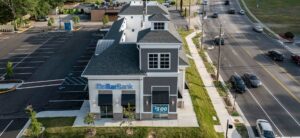
Andrews Roofing off to an Early Start – Dunkin Donuts

Dunkin Donuts Store in Aylett, VA
Location: Tappahannock, VA

Project Description:

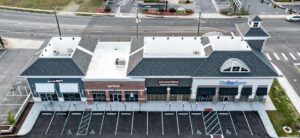
Every morning, our crews load up materials in preparation for the work day ahead.  We get an early start in the summer when days get hot quickly. On this particular morning, our team was heading up to the jobsite for a new Dunkin Donuts location in Aylett, in King William County, VA.  Our scope of work involved installation of an R=30 polyiso roof insulation and Durolast white 40 mil roof system.

read more

Roof Replacement ROI: The Hidden Financial Perks of a New Roof

Replacing your roof is a major home improvement project, and for many homeowners, the upfront cost can feel daunting.

But what many people don’t realize is that a new roof is also a smart financial investment that can pay off in a number of ways—both immediately and long-term. From lowering your monthly bills to increasing your home’s resale value, here are some of the top financial benefits of investing in a total roof replacement.

  1. Lower Energy Costs

Older roofs often have worn-out shingles, deteriorating underlayment, or poor ventilation. All of these factors allow air to escape (or stay trapped), making your HVAC system work harder to heat or cool your home. A new roof with modern materials and proper insulation and ventilation can improve energy efficiency, leading to lower monthly utility bills. Over time, these savings add up significantly. Some roofing products are even ENERGY STAR® rated or “cool roof” certified, which may qualify you for additional rebates or tax credits.

  1. Potentially Lower Insurance Premiums

Insurance companies know that older roofs are more likely to fail during storms, leading to costly claims. Many insurance companies offer better rates for homeowners who invest in a new roof because it reduces the risk of leaks, water damage, and structural issues. In Southeast Virginia, where hurricanes and nor’easters are a constant reality, this can be an especially valuable benefit. A stronger, more resilient roof could keep you from paying hefty deductibles after storm damage and seeing your insurance rate skyrocket.

  1. Increased Resale Value

If you plan on selling your home in the next 5–10 years, a new roof is one of the top upgrades that attracts buyers. A roof replacement not only boosts curb appeal but also provides peace of mind for potential buyers, knowing they won’t need to take on a major repair immediately after purchase. Most real estate agents will tell you that homes with newer roofs sell faster and often for more money. Plus, some roofing warranties are transferable, a great selling point that will appeal to any buyer.

  1. More Home Equity and Better Financing Options

For homeowners considering refinancing or taking out a home equity loan, the appraised value of your home matters. A new roof can raise that appraisal, giving you more equity to borrow against for other improvements, debt consolidation, or major expenses. Some lenders also look at roof age when assessing loan risk, so replacing your roof may even help secure better interest rates.

  1. Avoiding Costly Repairs Elsewhere in the Home

Older roofs are more prone to leaks, missing shingles, and other recurring issues. While patchwork repairs might seem cheaper in the moment, they add up quickly and don’t fix the root of the problem when a roof has reached the end of its lifespan. Older, decaying roof materials can also allow water intrusion, causing damage to insulation, drywall, flooring, and even your home’s foundation. By replacing your roof, you’re protecting the rest of your home from cascading repair costs.

  1. Long-Term Protection and Peace of Mind

Financial security isn’t just about immediate savings—it’s also about avoiding unexpected expenses. With a new roof under warranty, you won’t have to worry about sudden leaks or emergency repairs draining your savings. That peace of mind has real financial value, since it lets you plan your household budget without the fear of surprise expenses.

Make a Smart Investment with a Local Team

Replacing your roof is a financial decision that can benefit you now and well into the future. But we know that it’s also a major investment, so if you’re ready to make the financially wise choice for your home, contact Andrews Roofing today. Our team has decades of experience helping homeowners in Hampton Roads, Tidewater, and Southeast Virginia protect their investment with expert roof replacements that last.

read more