

Leaks & Service Repairs

757-399-3066 ext 3 (Leaks & Service Repairs)

Reroof Estimates & Inspections

757-399-3066 ext 1 (Reroof Estimates & Inspections)

Category: Roofing Information

Why Good Flashing Is Critical for Your Roof

When we talk about roofing repairs and replacements, people typically just think about shingles or other types of exterior roofing materials like metal, cedar shake or clay tile.

But there are many critical pieces that go into a good, solid roofing system, and one of them is flashing. Flashing is more important than people think, and improperly installed, damaged or missing flashing is one of the most common causes of roof leaks.

What is flashing?
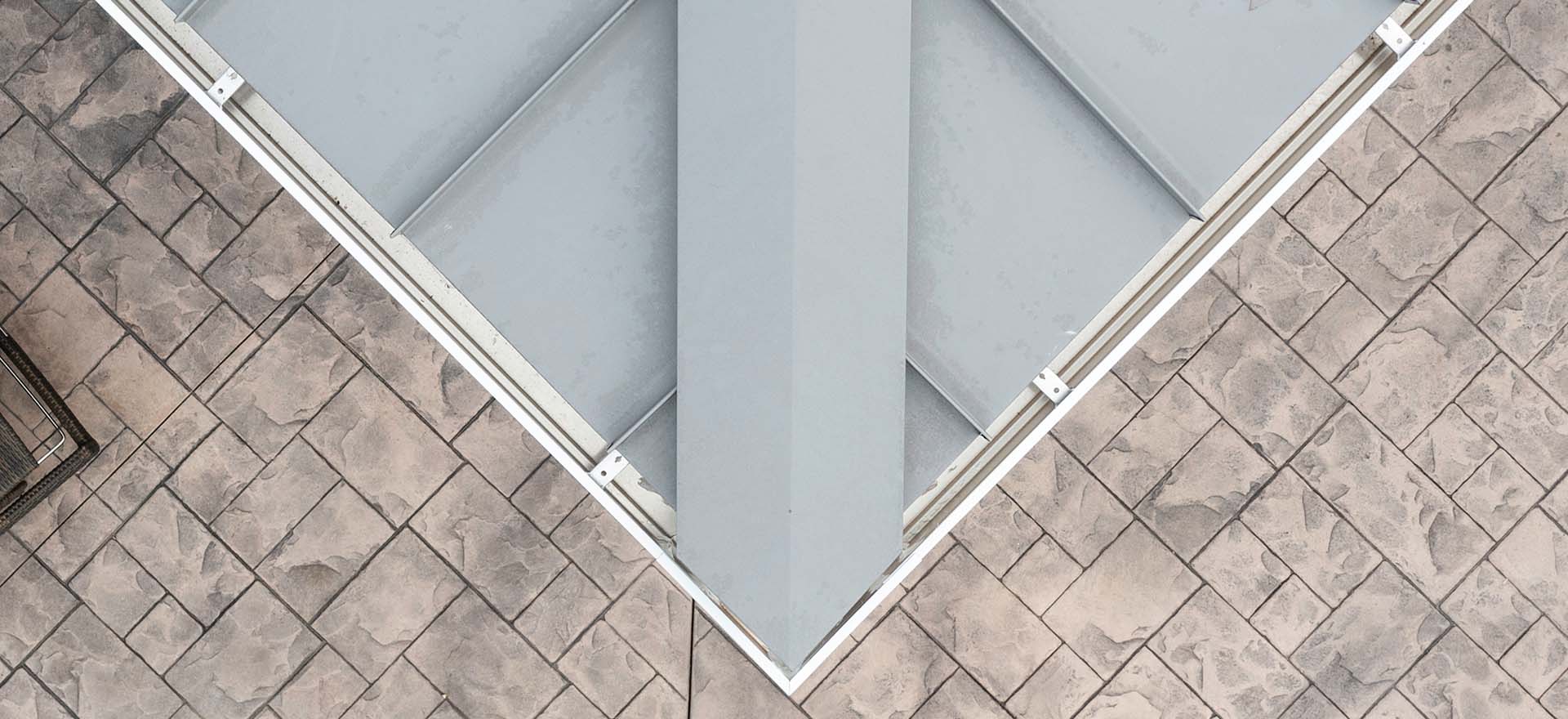
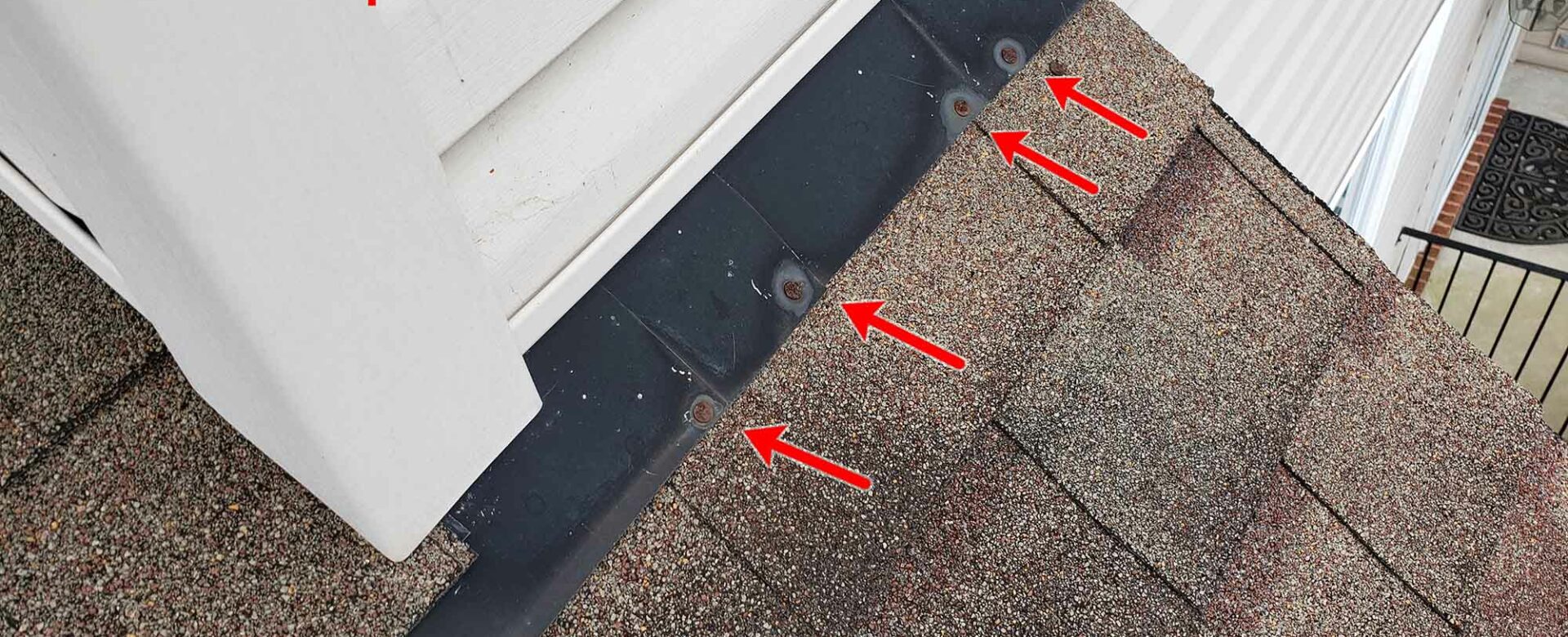
When a roof plane meets a vertical surface, shingles and other roofing materials can’t be used to protect those parts of the roof. Instead, flashing is installed around vertical roof features to direct water away from these critical areas. Roof flashing is a thin metal material that comes in large sheets and is cut, molded and layered to fit where it is needed. It may also be made out of a plastic membrane for some applications or you may see PVC used at penetrations as pipe collars, sleeves and other fittings that function as flashing.

How does flashing work?
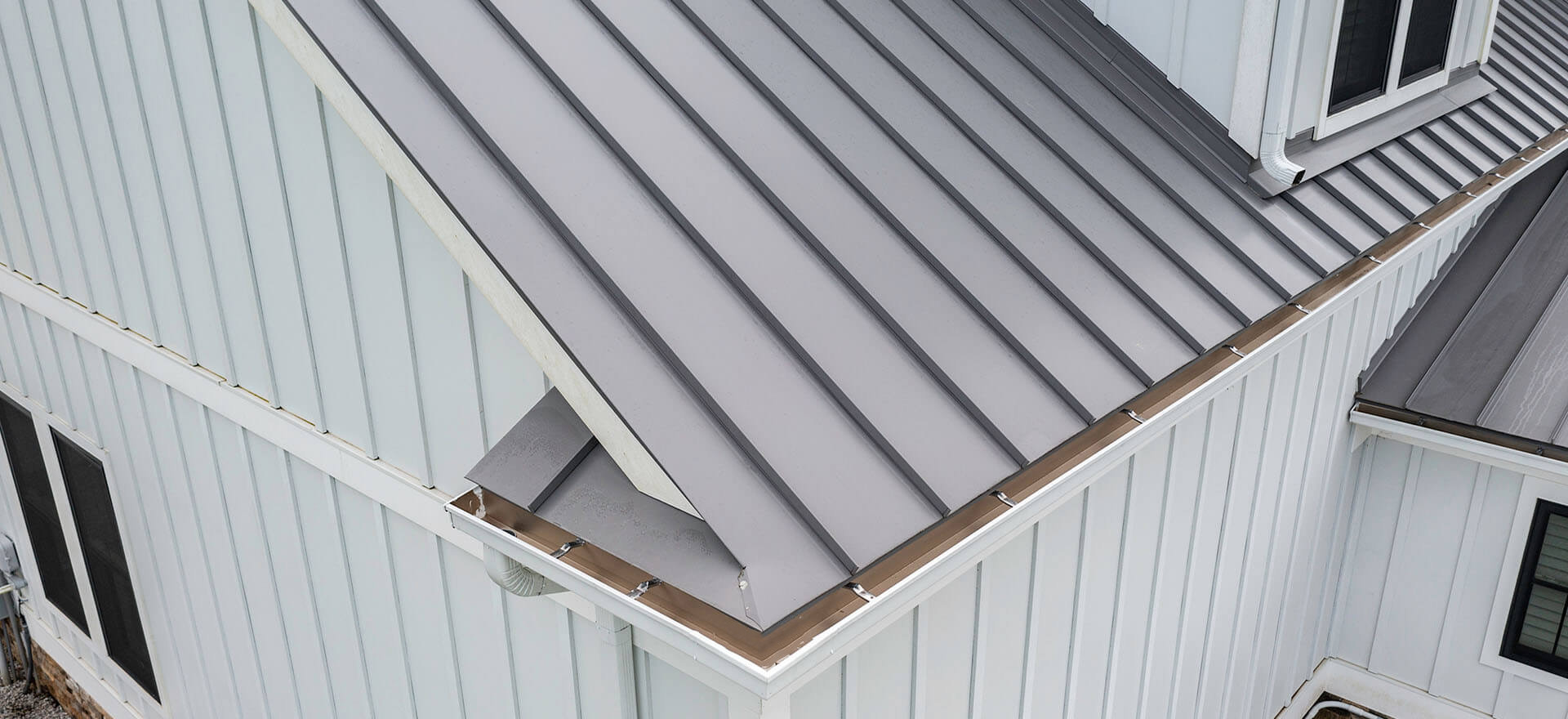
Without flashing, water could penetrate between the crevice of say, a shingle and a chimney. Flashing ensures that the water runs back over the roofing material, down the roof plane and off the house, hopefully into a clear and clean gutter. Other areas where flashing may be used includes vents, skylights, dormers, and sometimes even between the edge of the roofline and a gutter system.

What is flashing made of?
The materials used for flashing has changed over the years, from lead-coated materials to safer and more durable types of metals. This includes aluminum, copper and galvanized steel. Depending on the building codes where you live, a roofing contractor may have to use a specific material. While we typically use aluminum flashing on residential installs, the material itself is dependent on the specific roof and situation.

When should I replace or repair flashing?
If your home is experiencing a leak, and it does not appear to be from missing shingles, punctures or other damage, it may be time to check the flashing. Check the areas we discussed above to see if any of these issues have occurred:

  • Holes, dents or bending
  • Corrosion or rusting
  • Missing nails or loose nails
  • Loose or missing flashing

If you spot any of these issues, it’s time to call in a qualified roofing professional. Replacing flashing yourself is dangerous and if done incorrectly, can cause even more damage to your roof and ultimately the interior of your home.

When having your roof replaced, it’s a good idea to have the flashing replaced at the same time. Some areas may be able to be reused, but to ensure a watertight seal and a lifespan equivalent to your new roof material, full replacement is likely worth the minimal extra investment. Your existing roof flashing materials may also not be up to current code, in which case a roofing contractor will be obligated to replace it. Alternatively, it’s very possible that when you are experiencing a leak caused by flashing that only the flashing will need to be replaced, and that a full roof replacement is not necessary.

If you are having issues with your roof’s flashing, or have a leak you haven’t been able to identify the cause of, give Andrews Roofing a Call. We are experienced in the specific issues Hampton Roads homeowners encounter, especially during storm season. Contact us today.

read more

Metal or Shingle Roof: What’s Right for Your Home?

Metal roofs have become increasingly popular in residential structures in recent years, whereas asphalt shingles have been the de facto material of choice for decades. There are plenty of good reasons to consider metal roofing, but is it right for your own home?

Here are a few things to consider before replacing your roof with metal.

Durability and Lifespan

Metal roofs have a lifespan of 50 or more years – twice the length of a traditional asphalt roof. In addition to lasting much longer, they are also more durable. If installed properly by a licensed roofing contractor, some metal roofs can sustain up to 140 mile per hour winds. This is a serious benefit in a hurricane and storm-prone area like Hampton Roads. For homes in areas prone to wildfires, metal roof systems are less likely to ignite or catch fire from a spark or rouge flame.

Sustainability

When replacing your roofing system, there are some things to consider about the environmental friendliness of your choices. One is the material itself. In the case of metal roofs, the material is usually 25-95% recycled content, and metal roofs are themselves 100% recyclable. There’s also the energy efficiency of your roof. Metal roofs reflect UV rays, which can reduce the temperature of the surface and can result in a 10-25% reduction in cooling costs for your home, saving energy and fossil fuels.

Affordability

While there are great benefits to metal roofs, and while their popularity has increased, they are still significantly more expensive than traditional asphalt shingles. Depending on the exact type of metal materials used, it may cost two to three times more than an architectural shingle replacement. Metal roofs can save you money over time for the reasons mentioned above, but you should consider how long you plan to live in your home and whether you will be there long enough to get a return on your investment.

Sound

While modern building methods do offer metal roofs a bit more insulation from sound than in the old days, they are still louder than a traditional roof. Some people love the sound of rain on a metal roof, while others may find it bothersome over time. There is nothing definitively good or bad about this aspect of metal roofs, but it is something to keep in mind when making the decision.

 Snow

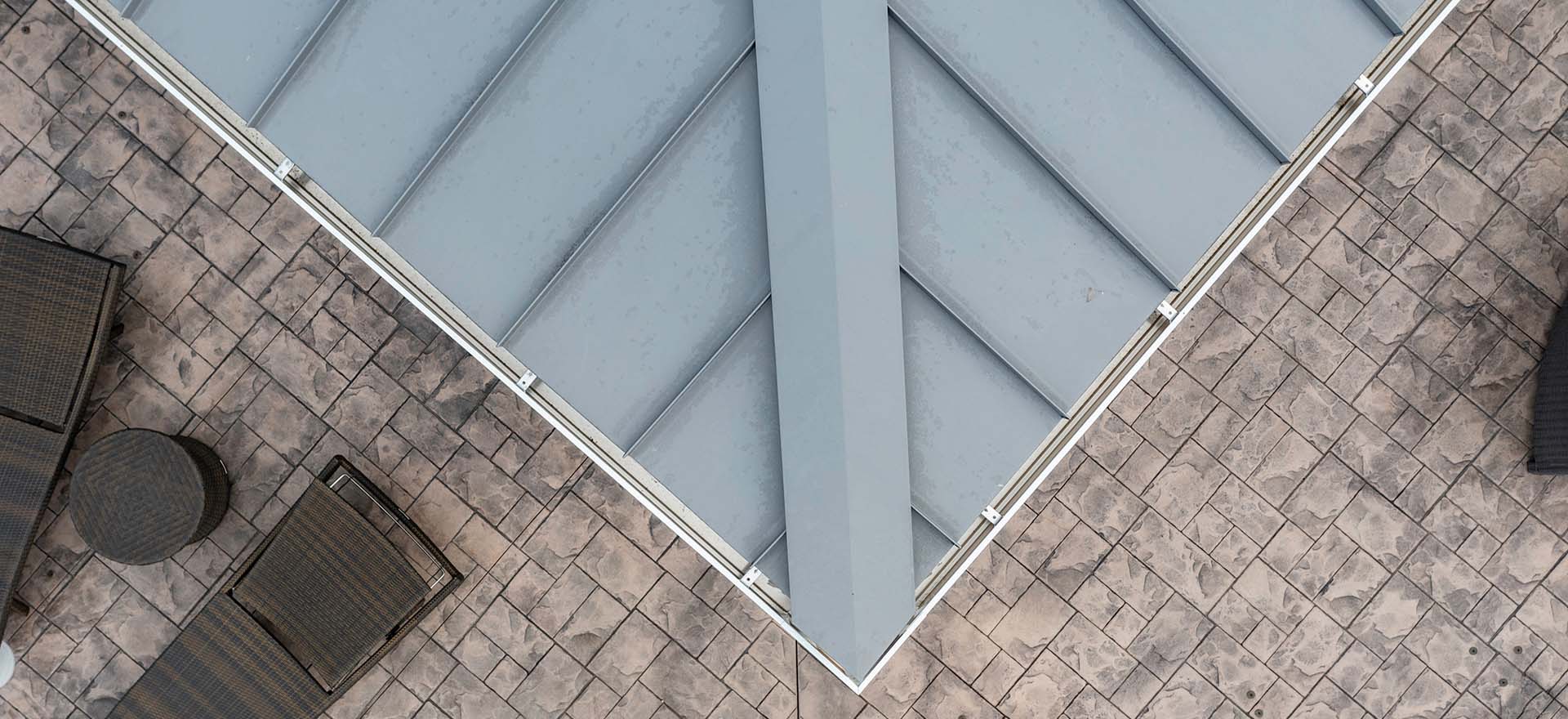
For areas where snow is common or in commercial situations, metal roofs will typically need snow guards. These little metal semi-circles or horizontal strips of metal keep snow from falling off in large clumps onto someone or something below. Even if you’re not in a snow prone area, you will need snow guards on steeply pitched roofs such as front porches and porticos. A qualified roofing contractor who is experienced with this material and installation will know the best way and the best places to install snow guards on your metal roof.

 Style

Manufacturers of metal roof systems have made major advances in the style and color range of metal roofing. In some cases, metal roofs can even look like traditional shingles from a distance. For the most part, though, metal roofs have a distinctive look and style which may or may not compliment your home. Some manufacturers have tools on their websites where you can visualize what different roof materials and colors would look like on a home similar to yours. Or you may just want to take some time to search the internet for photos of homes with different types of metal roofs.

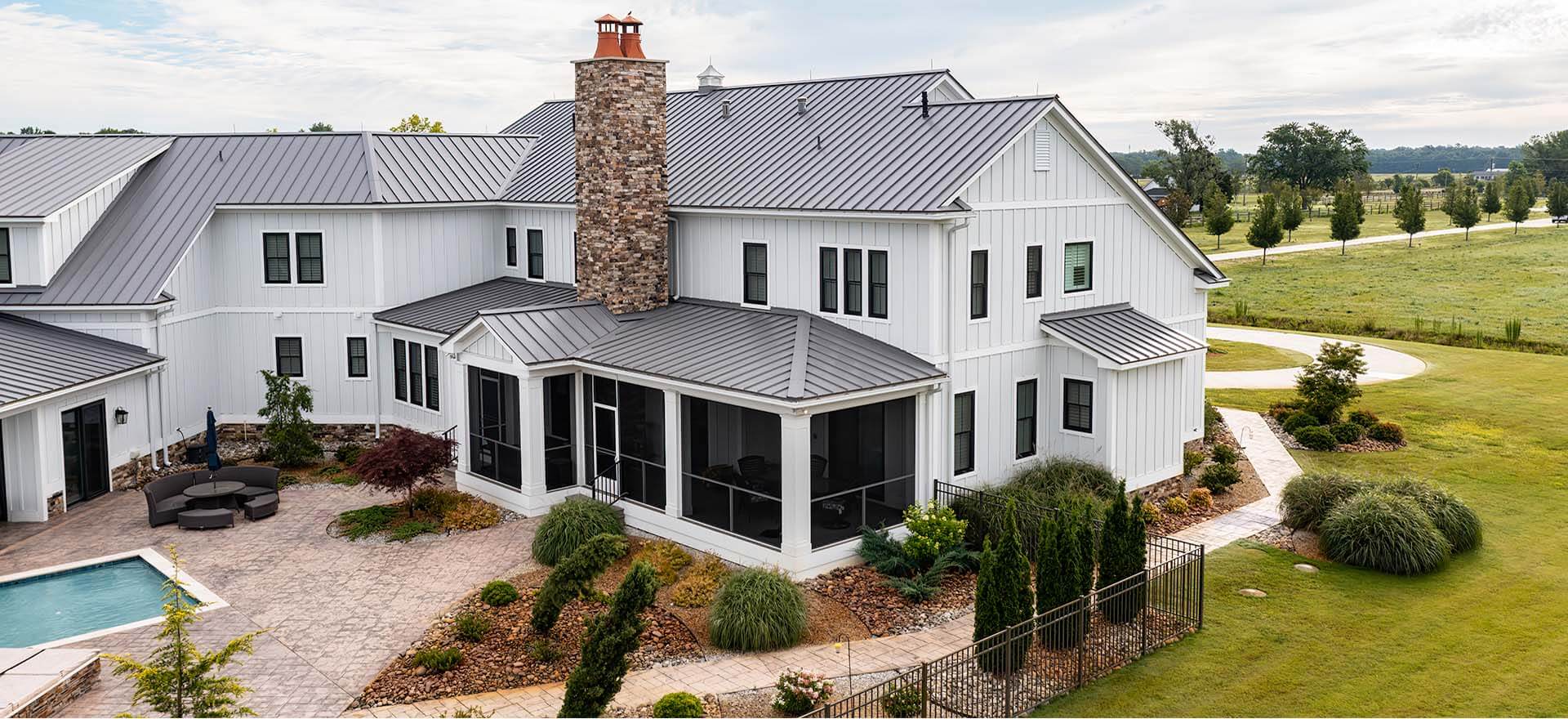
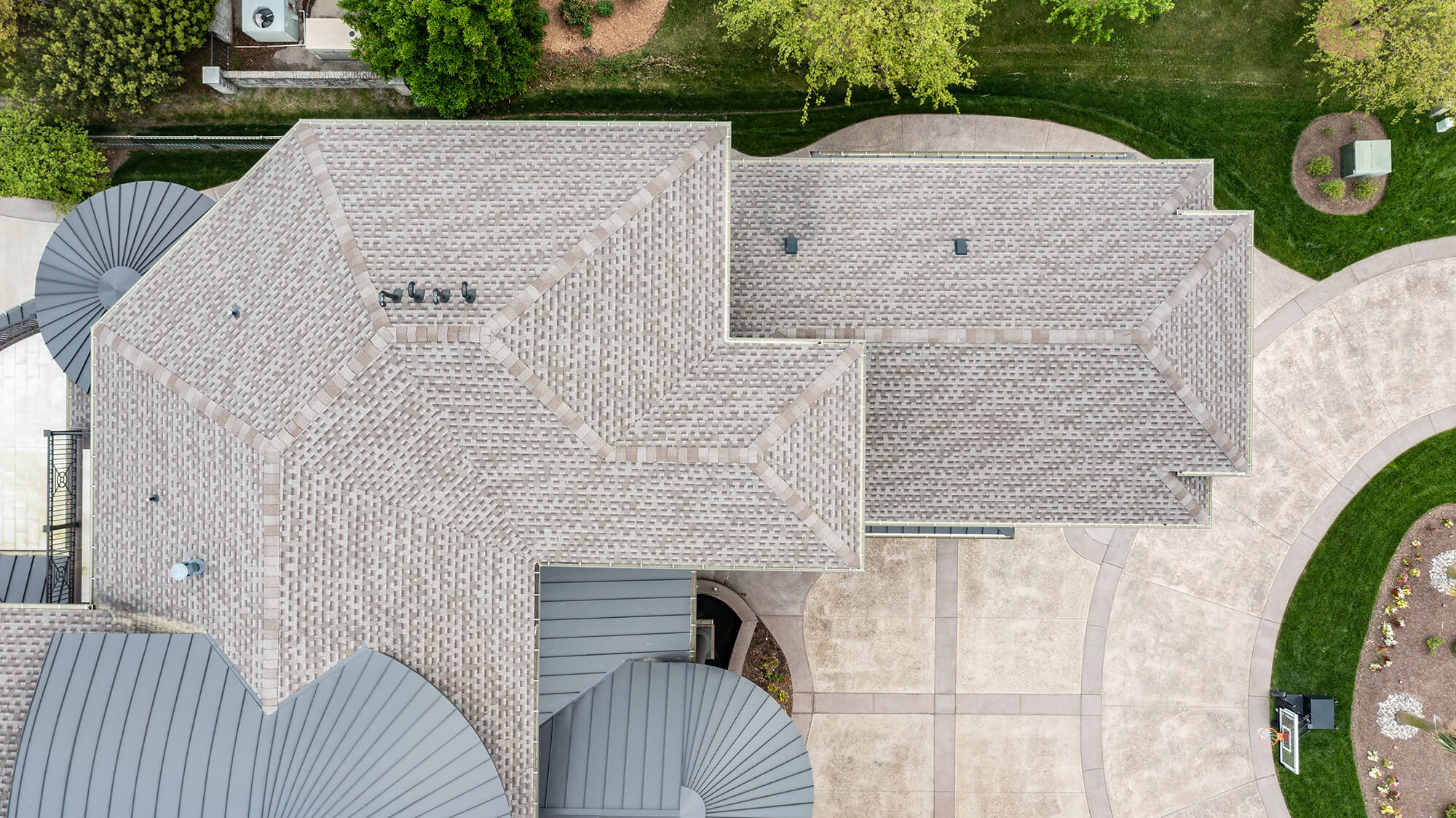
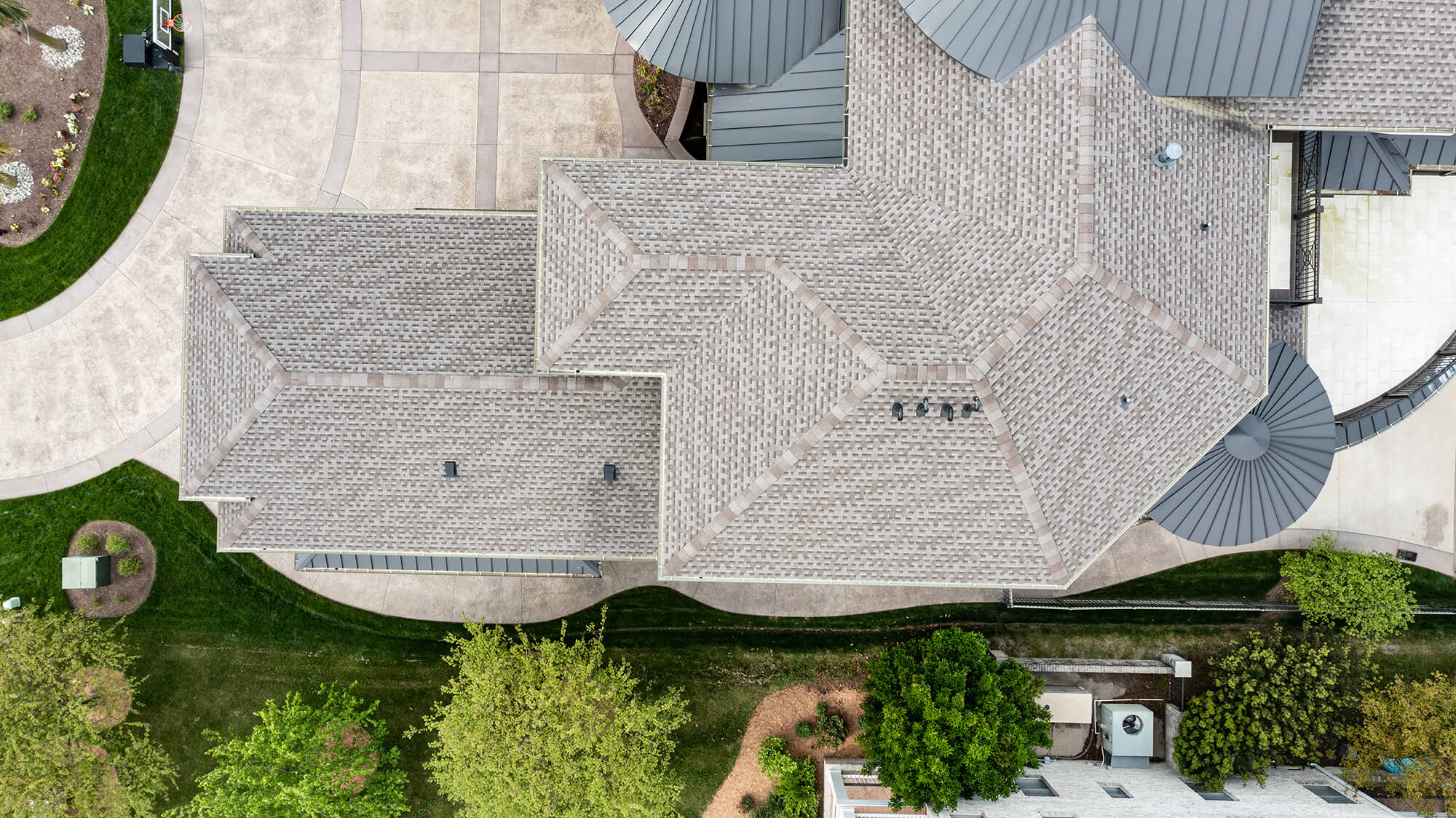
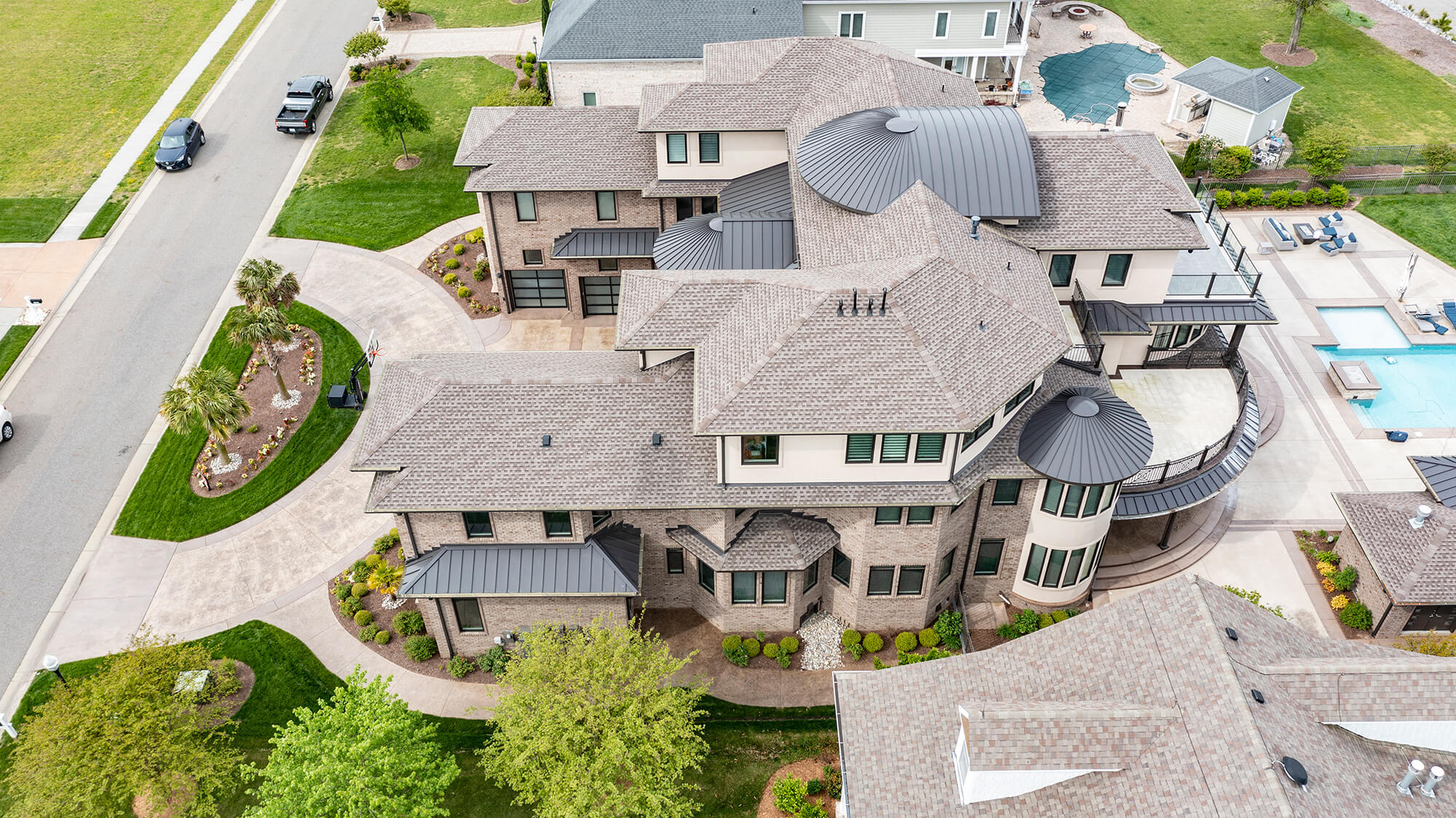
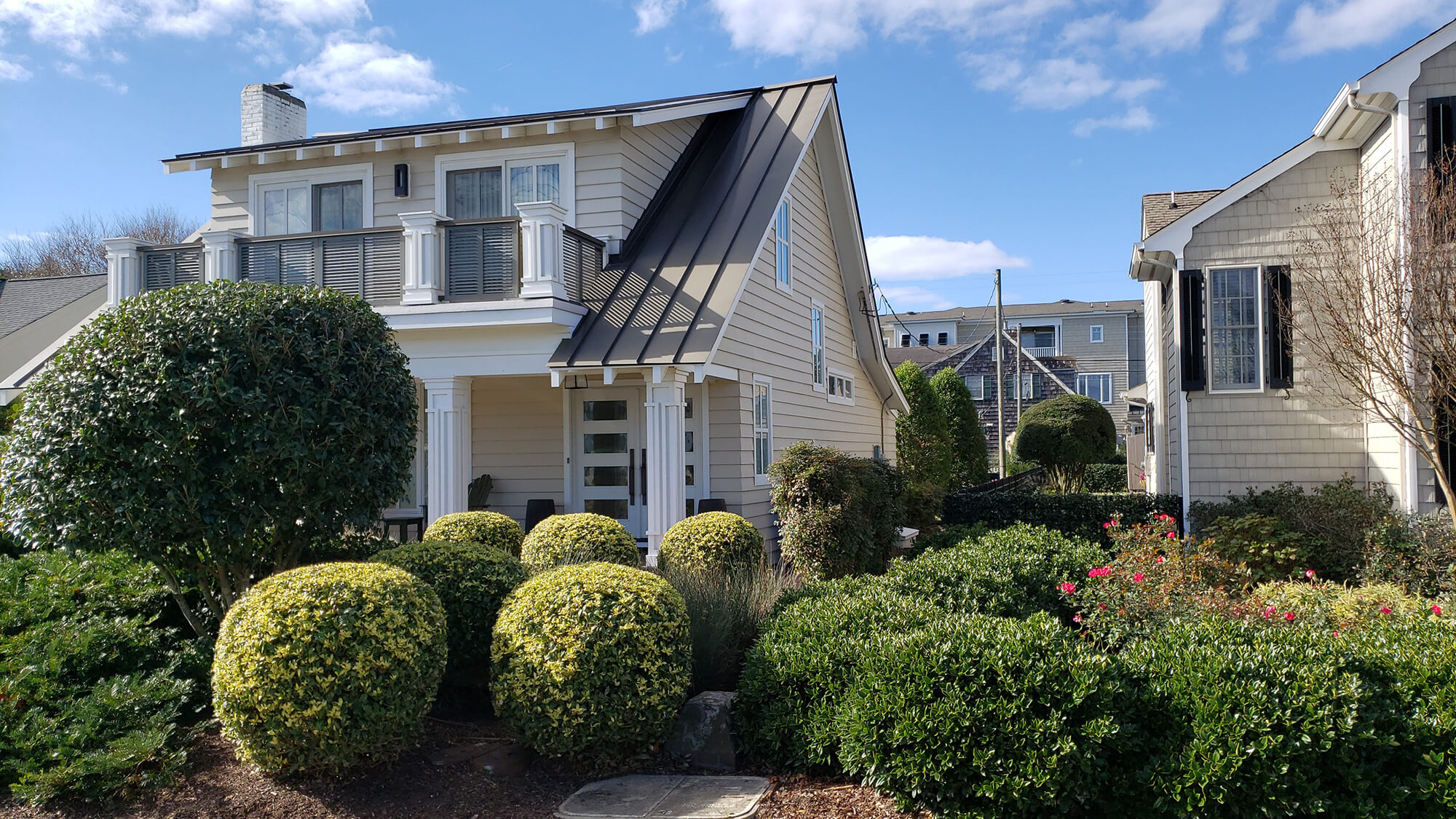
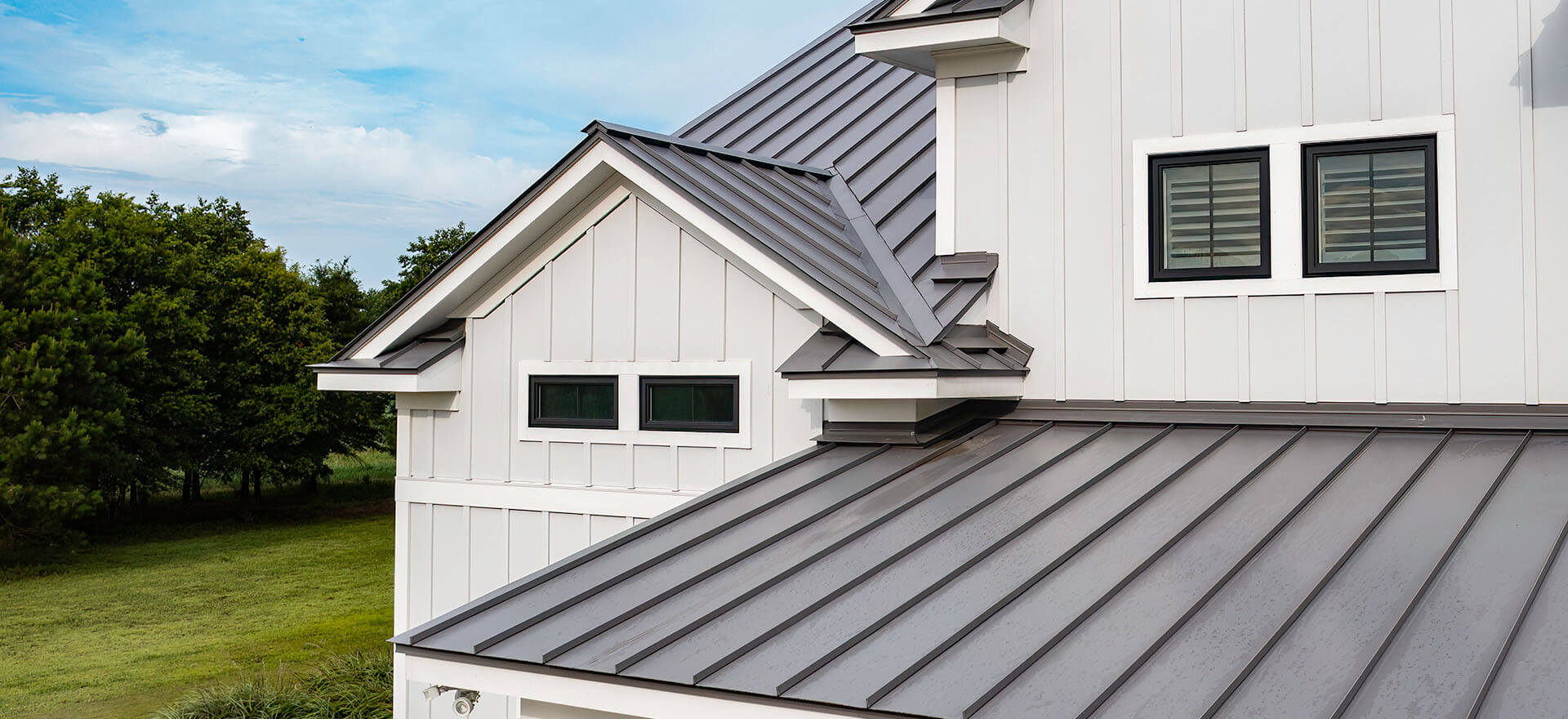
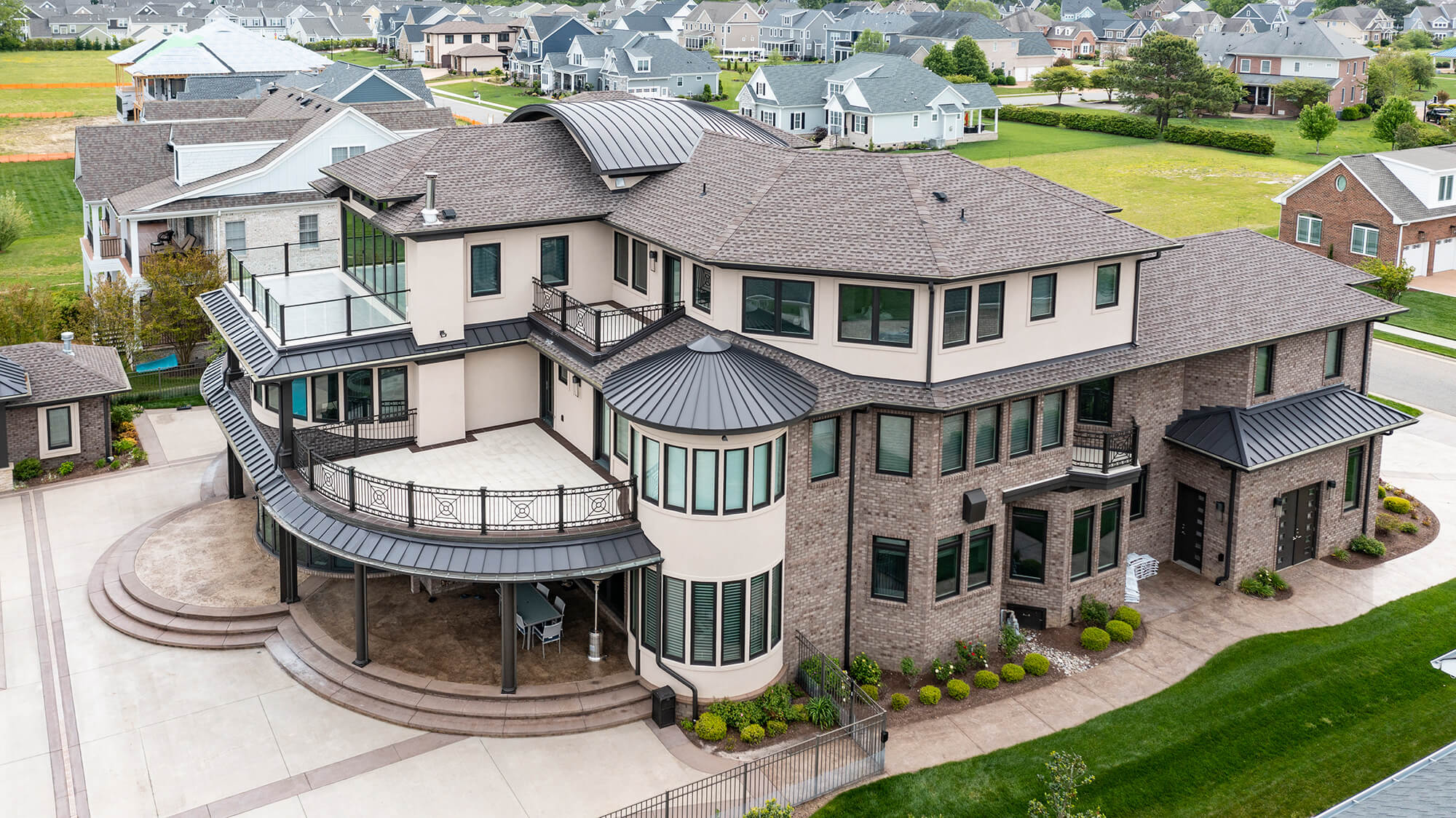
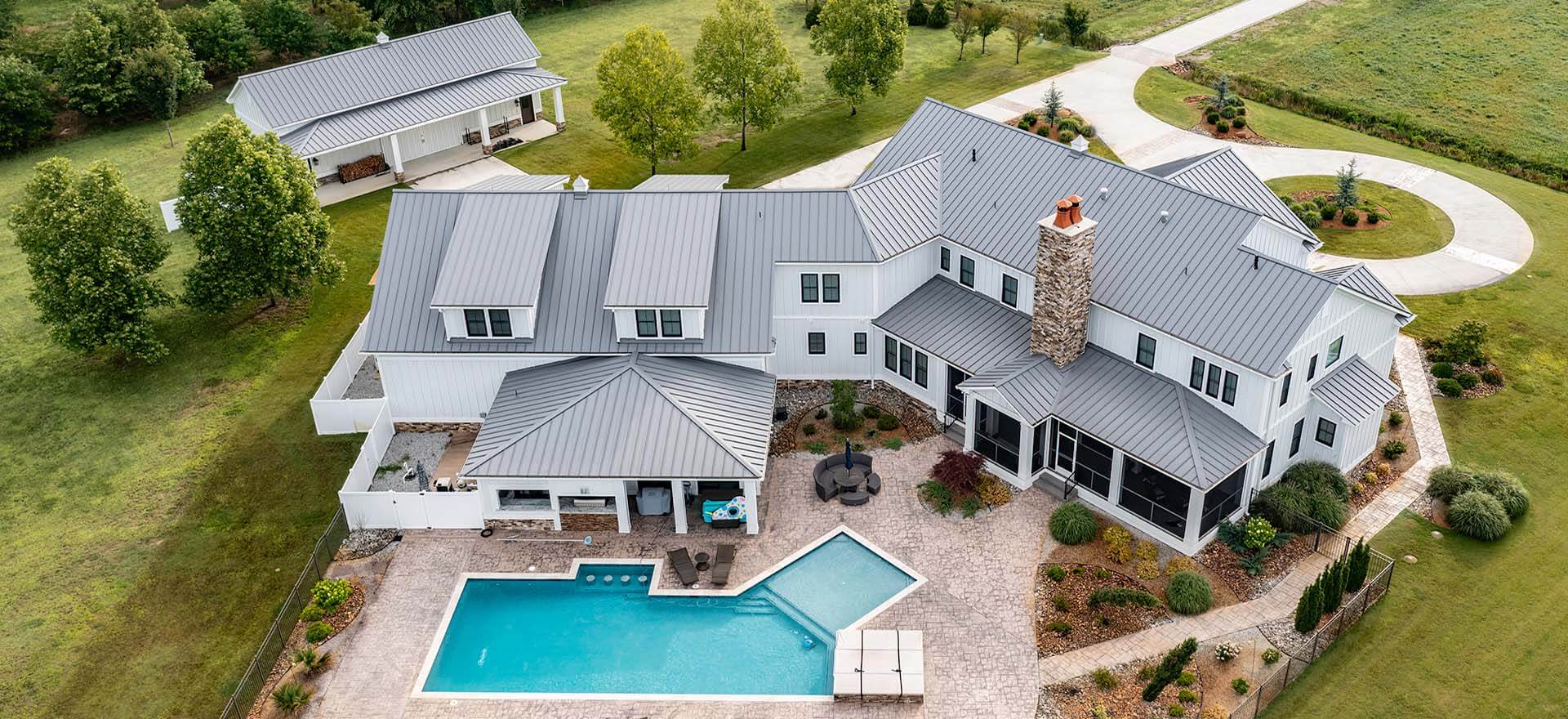
An experienced roofing contractor can also assist you in visualizing and choosing the appropriate material. At Andrews Roofing, we’ve completed many homes with metal roofing, and one of the approaches that has become popular with our clients is to mix roofing materials. The primary roof of the home may be architectural asphalt shingles, with small overhangs, porches or dormers using a complimentary metal material. This look works great on Craftsman style homes and more modern designs. It also gives the home the unique and high-end look of metal without as much of a cost increase.

If you are considering replacing your roof with a new metal roof, or if you just have questions about what roofing material is right for your reroofing project, contact Andrews Roofing. We’ve worked with clients in the Tidewater region for decades, and know the best materials, approach and application for all types of roofing systems.
read more

How to Know When Your Roof Needs a Checkup

They say an ounce of prevention is worth a pound of care, but that doesn’t just apply to your physical health. The same could be said for anything you maintain, including your house and its major systems such as your roof. While there’s no getting around the fact that a roof will eventually need to be replaced, there are many things that can happen over the course of a roof’s lifespan that should be serviced, repaired and maintained. This is especially true in areas prone to severe weather such as the Hampton Roads region.

But how do you know when you should call in a professional roofing contractor? Here are a few things to keep an eye out for to help extend the lifespan of your roof.

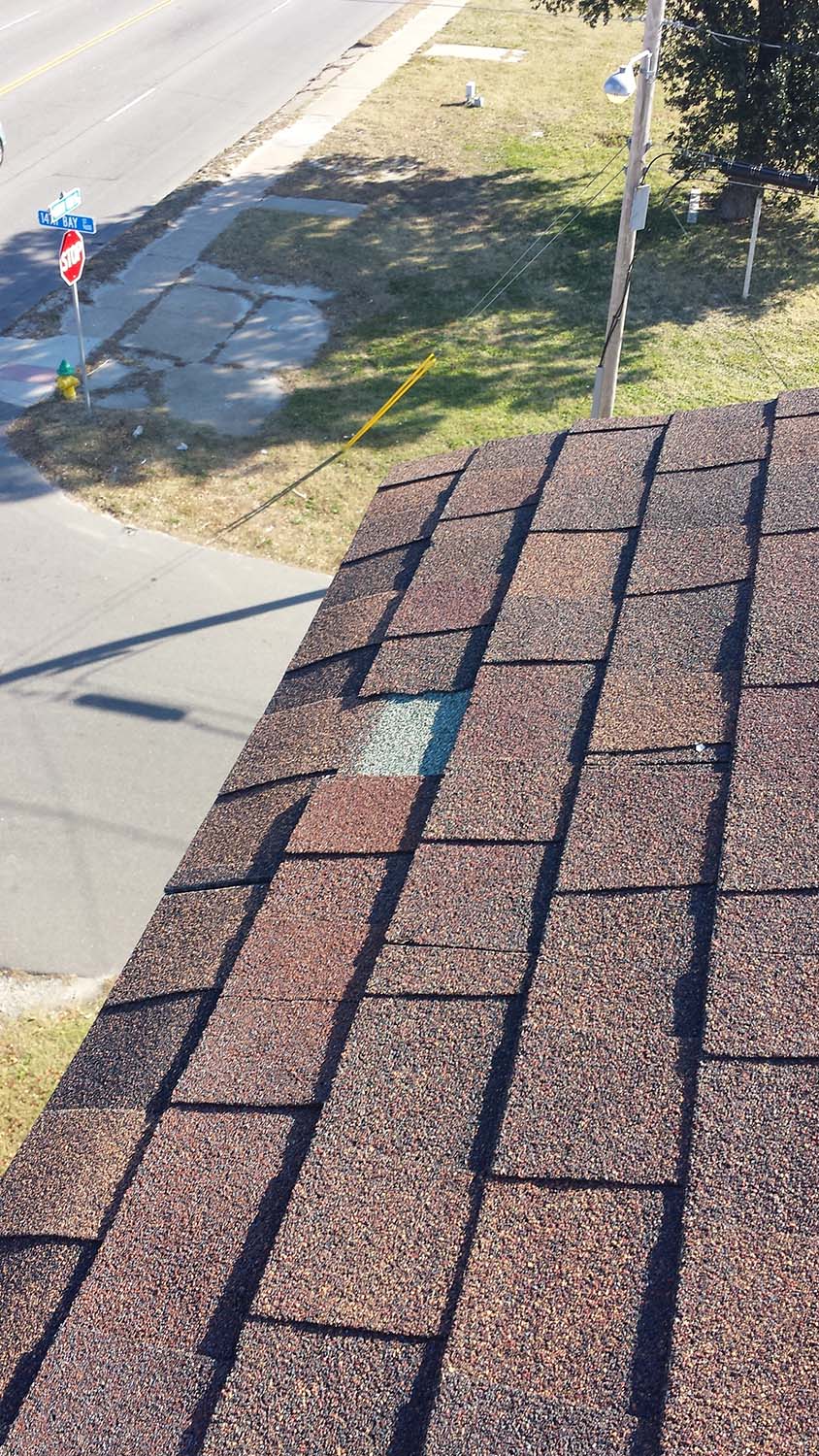
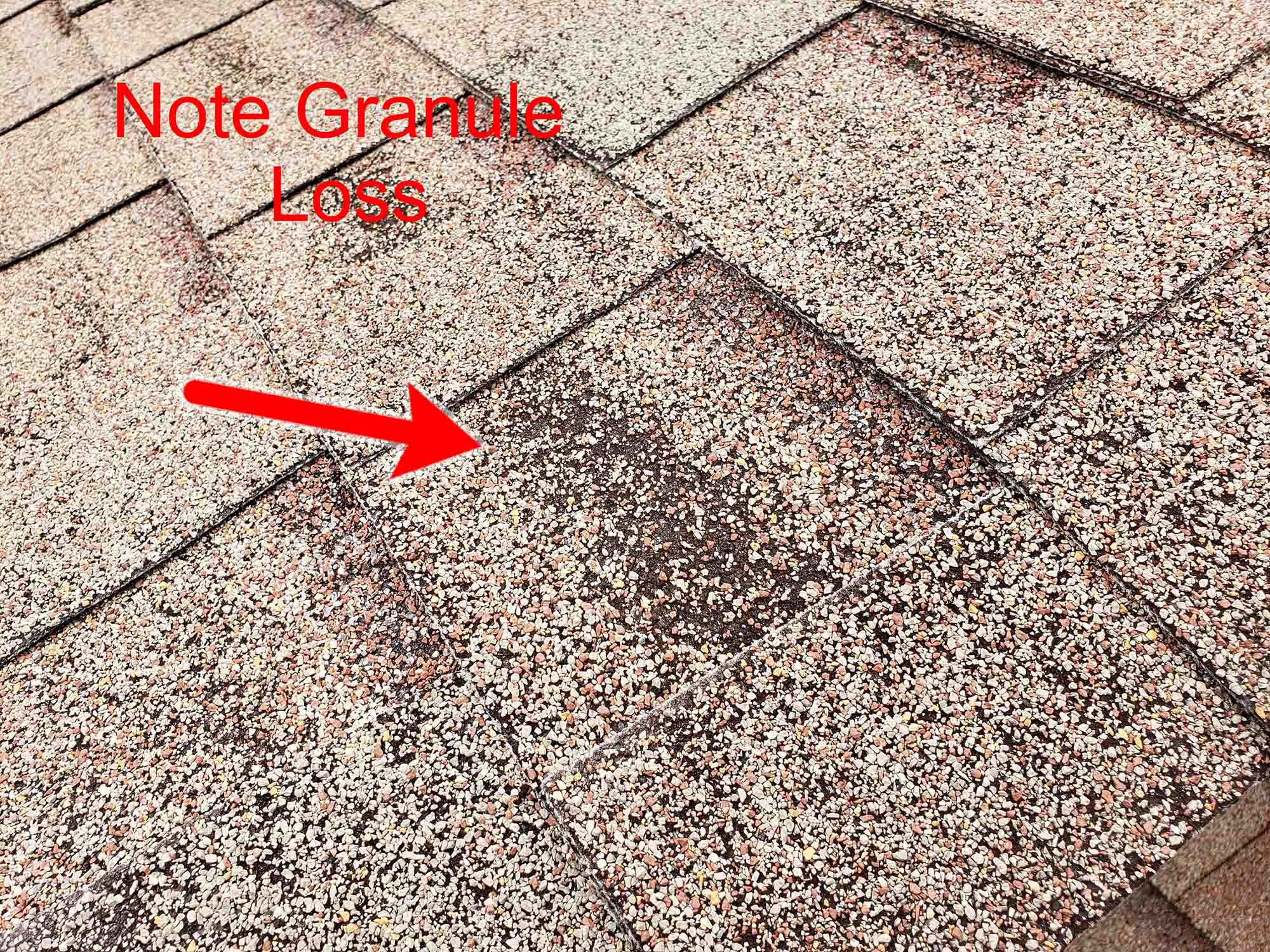
Curling, cracking or buckling shingles are a tell-tale sign that your roof needs some attention. You may also notice asphalt granules in your gutters, which have deteriorated from damaged shingles. This doesn’t mean you need an entirely new roofing system! While this type of roof symptom can sometimes be a sign that a roof has reached the end of its serviceable life, it can also be an isolated incident that simply needs to be repaired or patched.

While it may not necessitate a total replacement, shingles that are damaged or worn should be a high priority on your home to-do list. Just a few curling shingles can allow water to penetrate your roof causing leaks, mildew and other interior damage.

Speaking of interior damage, dark spots on your ceiling or walls also signal that it’s time to have a roofing professional come out and inspect. Even if you don’t see a hole or missing or damaged shingles from the outside, the leak may still be the result of a failure in your roofing system such as loose or missing flashing, backed up gutters or damage that simply isn’t visible from the ground.

Dark spots indicate that moisture has penetrated your roof, the sheathing, decking, and potentially attic flooring. These are serious signs that should be attended to as soon as possible by a professional to ensure additional damage does not occur and that harmful mold and mildew do not start to grow.

Moisture in your attic may also be a sign of problems with your roof as well as your insulation. If you find that the insulation, wood, flooring, ductwork or other items in your attic seem damp, it may be caused by a lack of proper ventilation and/or unsatisfactory insulation. But these issues, over time, can also affect the health of your roof by causing water damage to decking from the underside. An ideal attic temperature is close to that of the temperature outside. This prevents condensation, which is often the cause of interior moisture damage. A licensed professional contractor will need to address these issues if you find them.

Of course, sometimes all of these things indicate that a roof has simply reached the end of its lifespan and needs to be replaced. Most modern asphalt shingle roofs have a lifespan of 20-30 years. In the cities of Virginia Beach and Chesapeake and across the Tidewater region, many homes and large neighborhoods were constructed in the 1990’s, making them the age now to need total replacement.

A qualified roofing company can provide you with a roofing checkup to help you determine whether a repair or total roof replacement makes the most sense for your home and budget. At Andrews Roofing, we provide professional evaluations, customized quotes and affordable financing options as well. Whether you think your roof needs an ounce of prevention or a pound of care, we can help. Contact Andrews Roofing today.

read more

Roofing 101: Steep Slope vs. Low Slope

All roofs can be divided into two categories: steep and low slope. Low slope roofs have become increasingly popular on residential structures thanks to their clean, modern design and their ability to accommodate patios, gardens and more.

It’s important to understand the difference between the two when determining what type of structure to install, replace or repair or when choosing appropriate roofing materials.

Steep Slope
Steep slope roofs are technically any roof with a slope of 25% or more. They consist of five basic components:

  1. Roof covering – this could be shingles, tile, slate, cedar shake, or metal, as well as the underlayment that sits beneath them to protect the sheathing from weather.
  2. Sheathing – this is the board or sheet materials that are directly attached to the roof rafters that make up the roofline. This material must be covered by an underlayment material and roofing material (above) in order to remain structurally sound.
  3. Roof structure refers to the rafters and trusses that are structurally supporting the roof sheathing. This is the framing of the roofline which is a part of the skeleton of the house.
  4. Flashing is usually sheet metal that is installed at any point on a roof where there are joints, valleys, vents or chimneys. They function to prevent water seepage at these vulnerable spots.
  5. Drainage is a critical component of the overall roof design. It ensures that water is shed from the roof in a way that doesn’t compromise the structure at any point. Drainage has to be considered when designing the layout, shape and slope of any roof structure.

Low Slope
For all intents and purposes, a “low slope” roof is usually flat, but technically it refers to any roof that is between 0% and 24% sloped. They also consist of the same five basic elements, but the details differ somewhat.

  1. Roof covering for low slope roofs often consist of a single-ply membrane such as TPO, E.P.D.M., Modified Bitumen, or PVC. It is also common to see what are called “built up systems” which are composed of multiple layers of sheet materials and asphalt, often covered with a gravel coating. Other material options include spray foam or metal. All materials require an underlayment between them and the roof sheathing.
  2. Sheathing for low slope roofs can differ quite a bit from steep slopes. There are some structures with basic wood boards like a residential structure, but you may also see metal, concrete, gypsum, tectum and other fibrous materials.
  3. Roof structures of a low slope roof are conceptually the same – rafters, trusses and joists that support the sheathing, but the materials here may differ as well and could be steel, wood, or concrete.
  4. Flashing does not differ much from a steep slope installation and serves the same purpose to prevent water seepage at vulnerable spots.
  5. Drainage for a low slope roof is critical since the basic design of it does not shed water the way a steep slope roof does. For low slope roofs with any sort of incline, gutters, internal drains and downspouts can be effective. For truly flat roofs, special design considerations need to be made, and options like stepped slope insulation may be a safer bet.

Either roof can have its challenges. Obviously steeper slopes are more difficult to access and for shingled steep roofs, they will have a harder time fighting gravity over time. Mansard shingled roofs, for example, sometimes have nails tear through the shingles as they age. On the other hand lower slopes that are “walkable” and shingled, but still have a slope that falls within the shingle manufacturer’s specifications for shingle installation, can present greater challenges with wind-driven rain getting under the shingles, debris accumulation, needing additional barriers for protection such as ice & water shield, etc.

Any solid roofing solution – whether it’s for a home or commercial building – should balance all five of these components. At Andrews Roofing, we address each of these components equally when consulting with clients and assessing roofing needs. While the roof covering may have the most visual impact, we understand that everything below that is just as critical. If you have questions about what type of roof is ideal for your structure, or if you need a steep or low slope roof repaired or replaced, contact Andrews Roofing. We have decades of experience in both commercial roofing and residential roofing construction in Hampton Roads and we’d be happy to come out and give you an estimate and professional recommendation.

read more

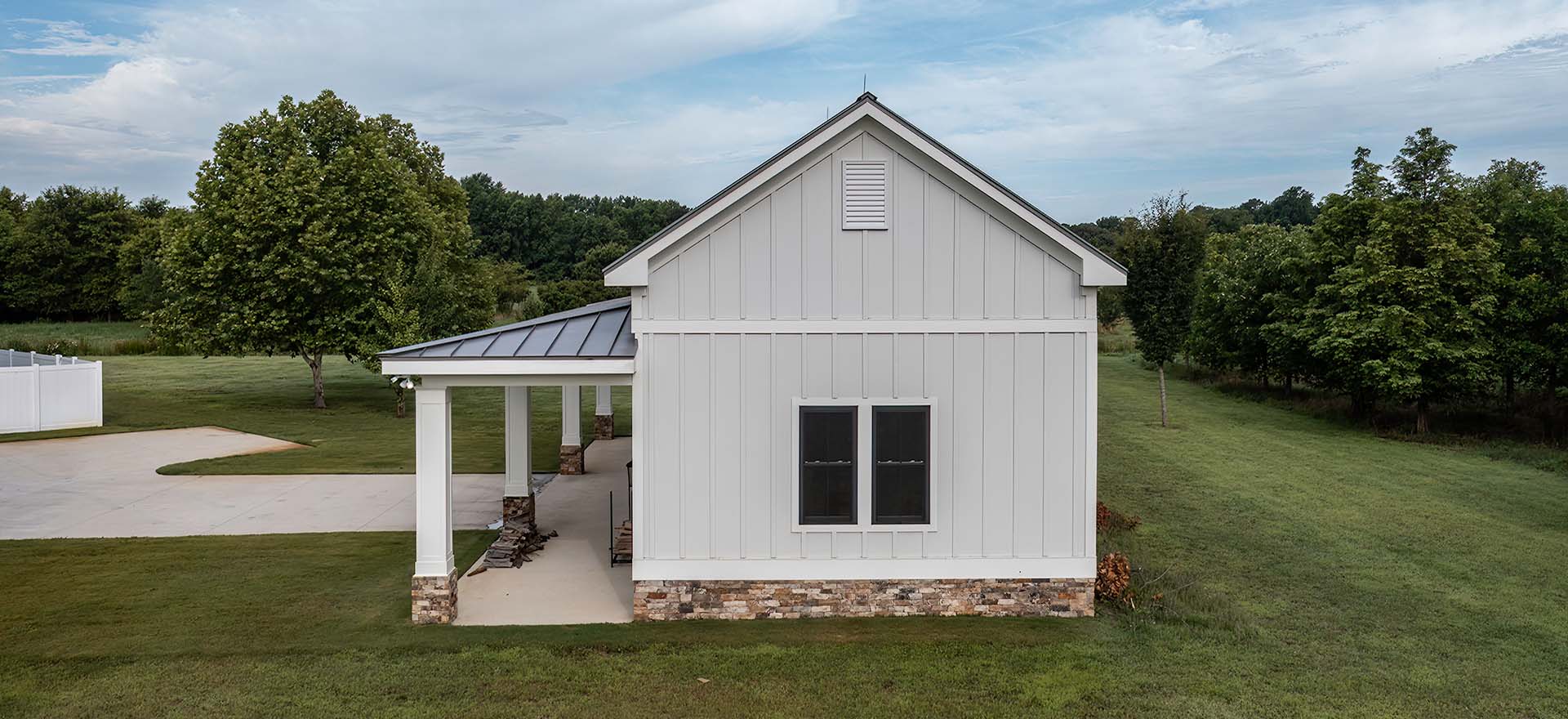
Roof Maintenance Tips for Stand-Alone Structures

When you think about roof maintenance, your mind probably goes right to the largest roof you have to deal with – the one over your home.

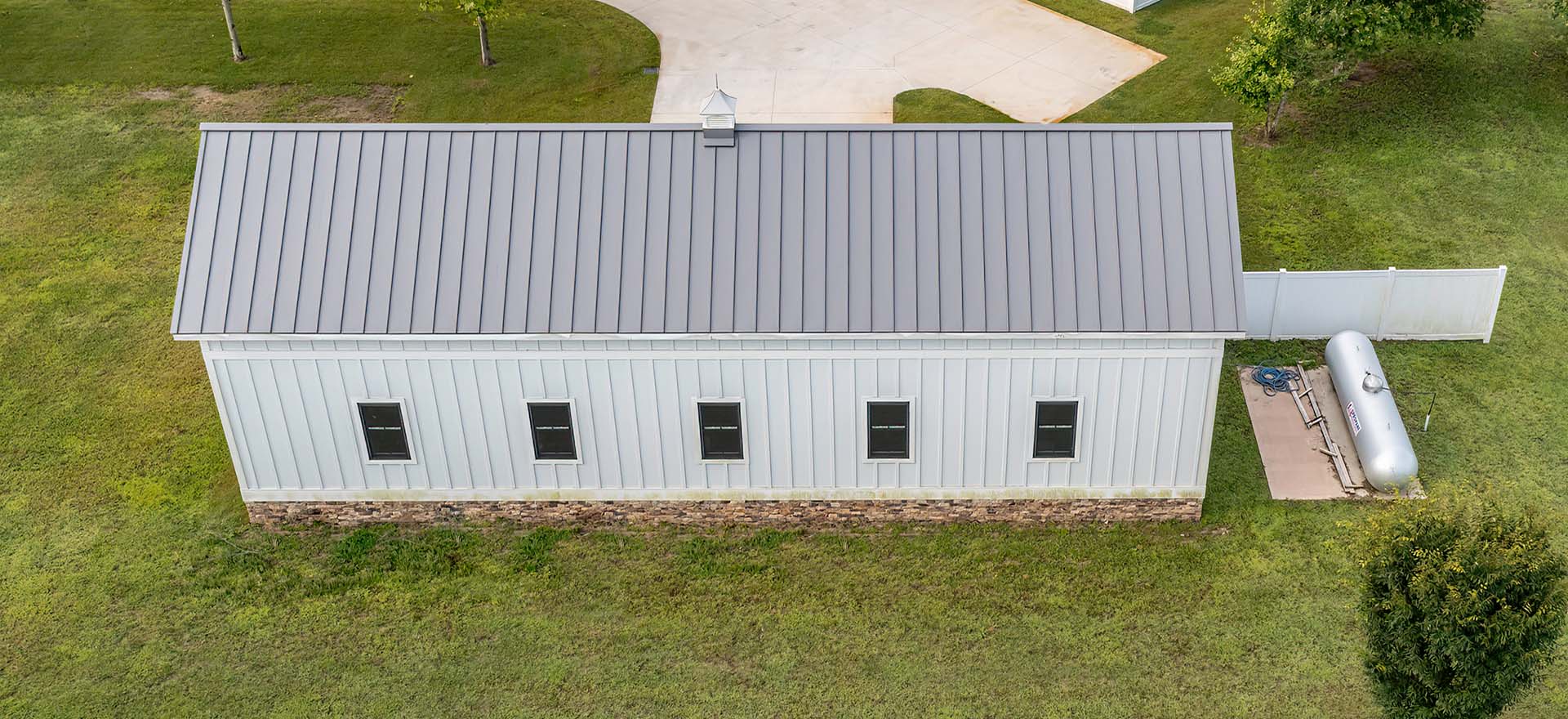
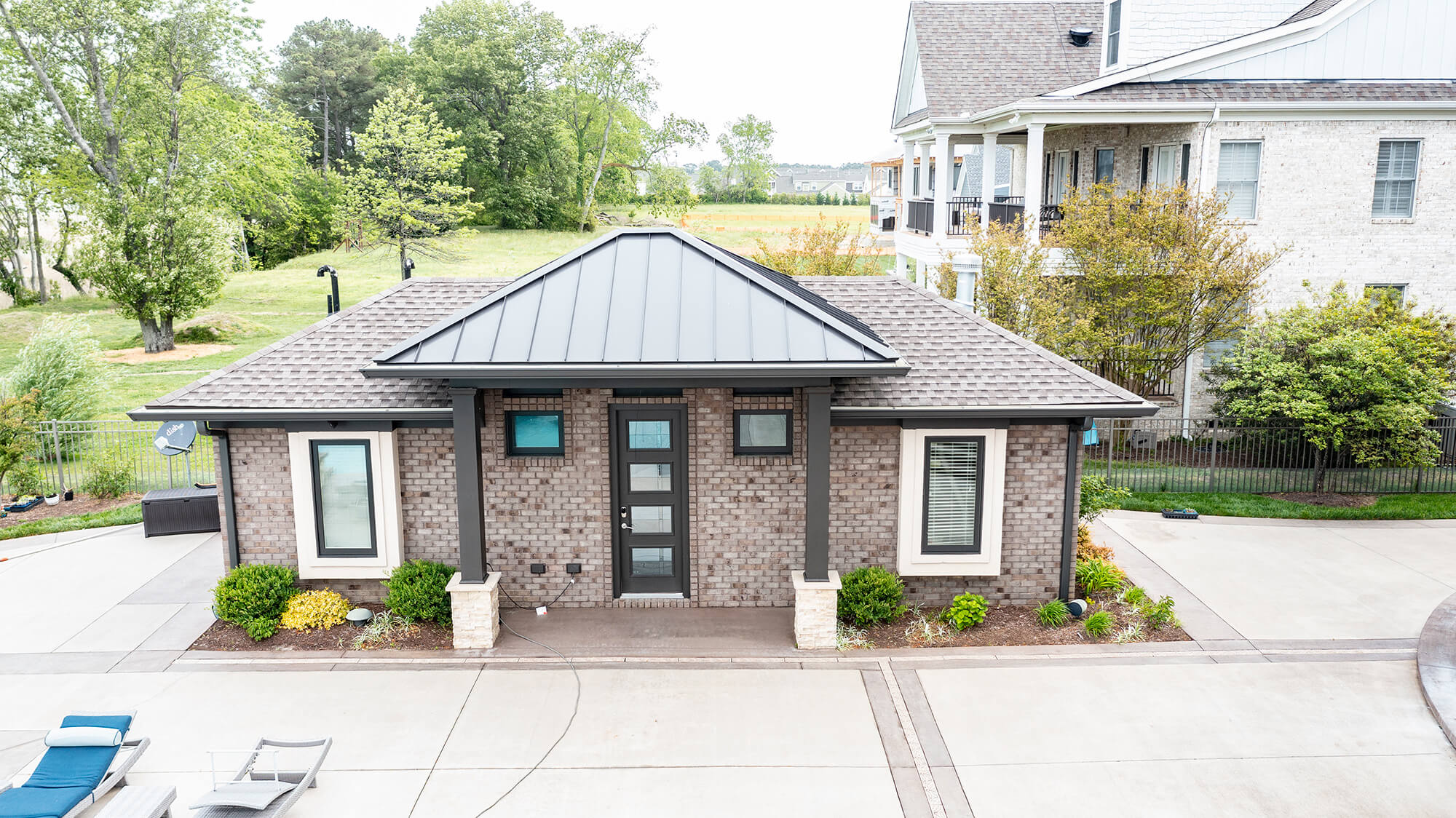
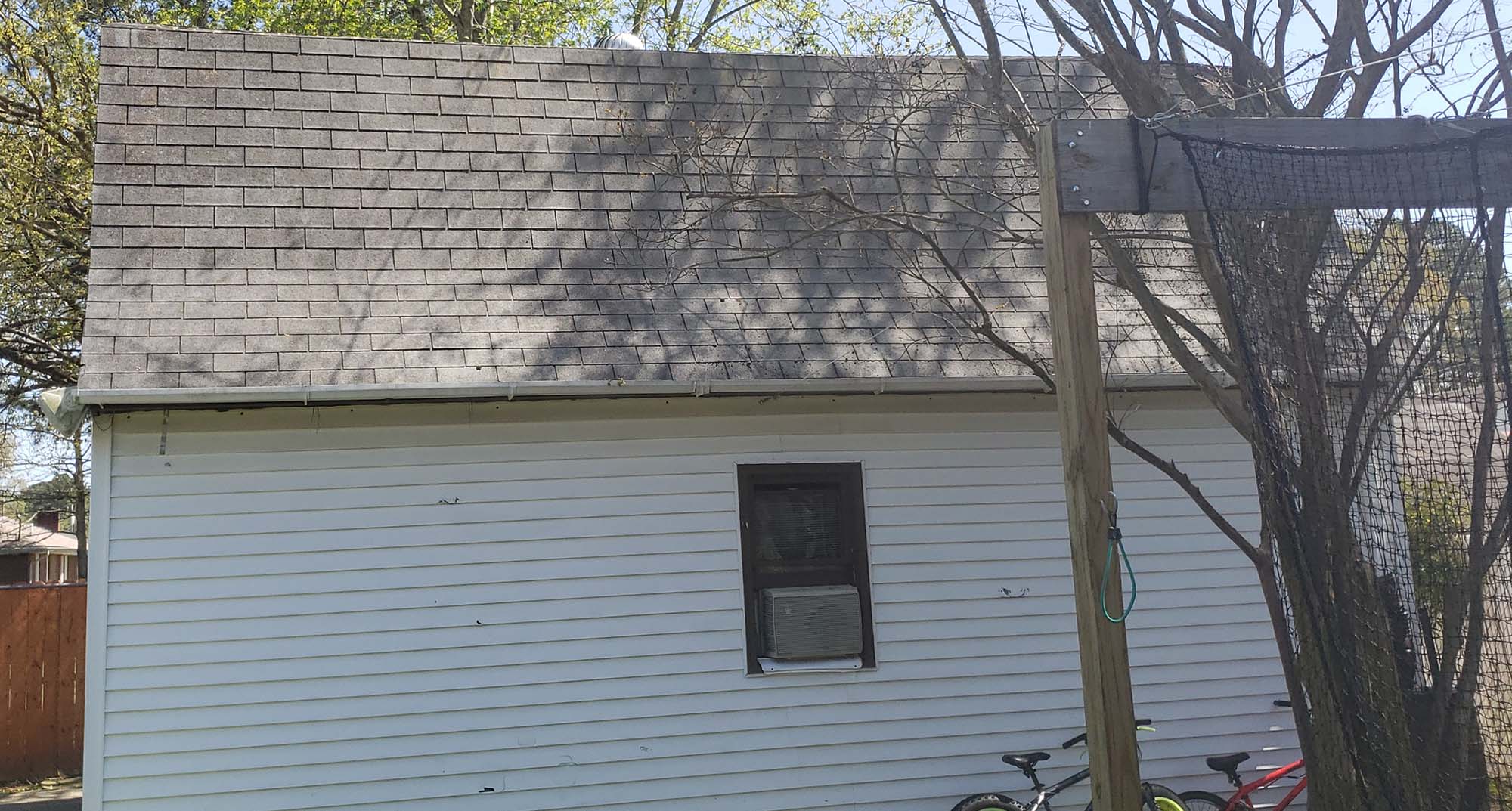
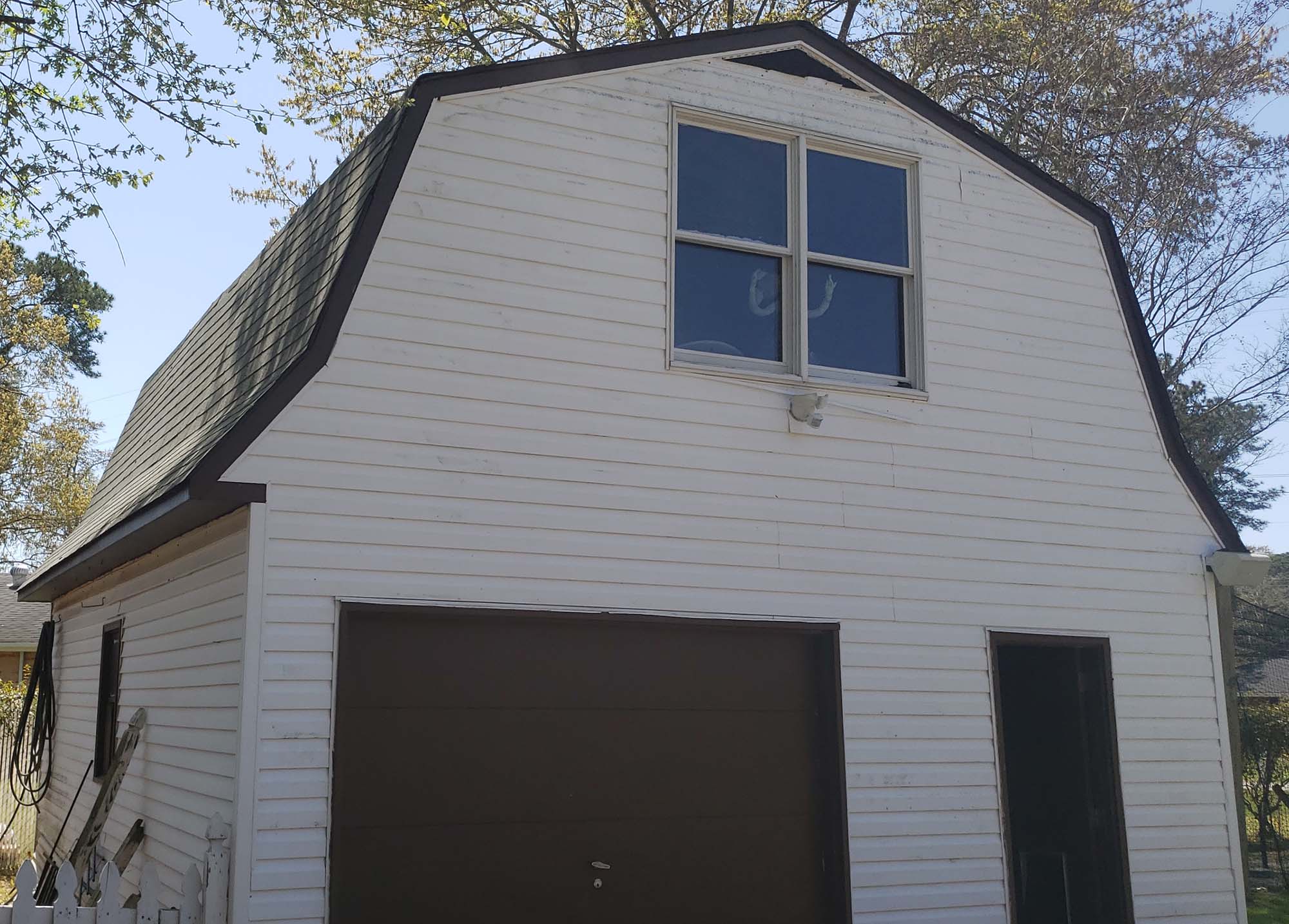
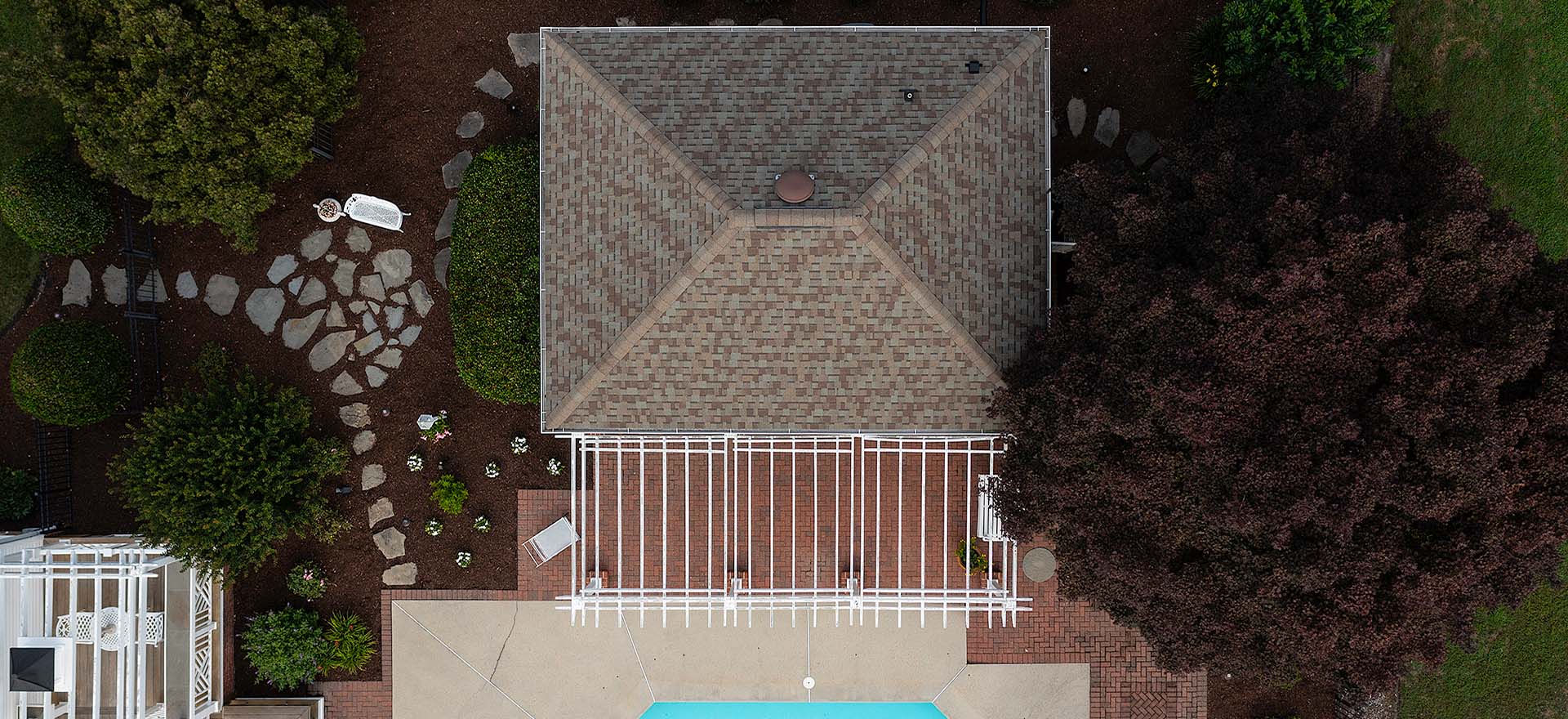
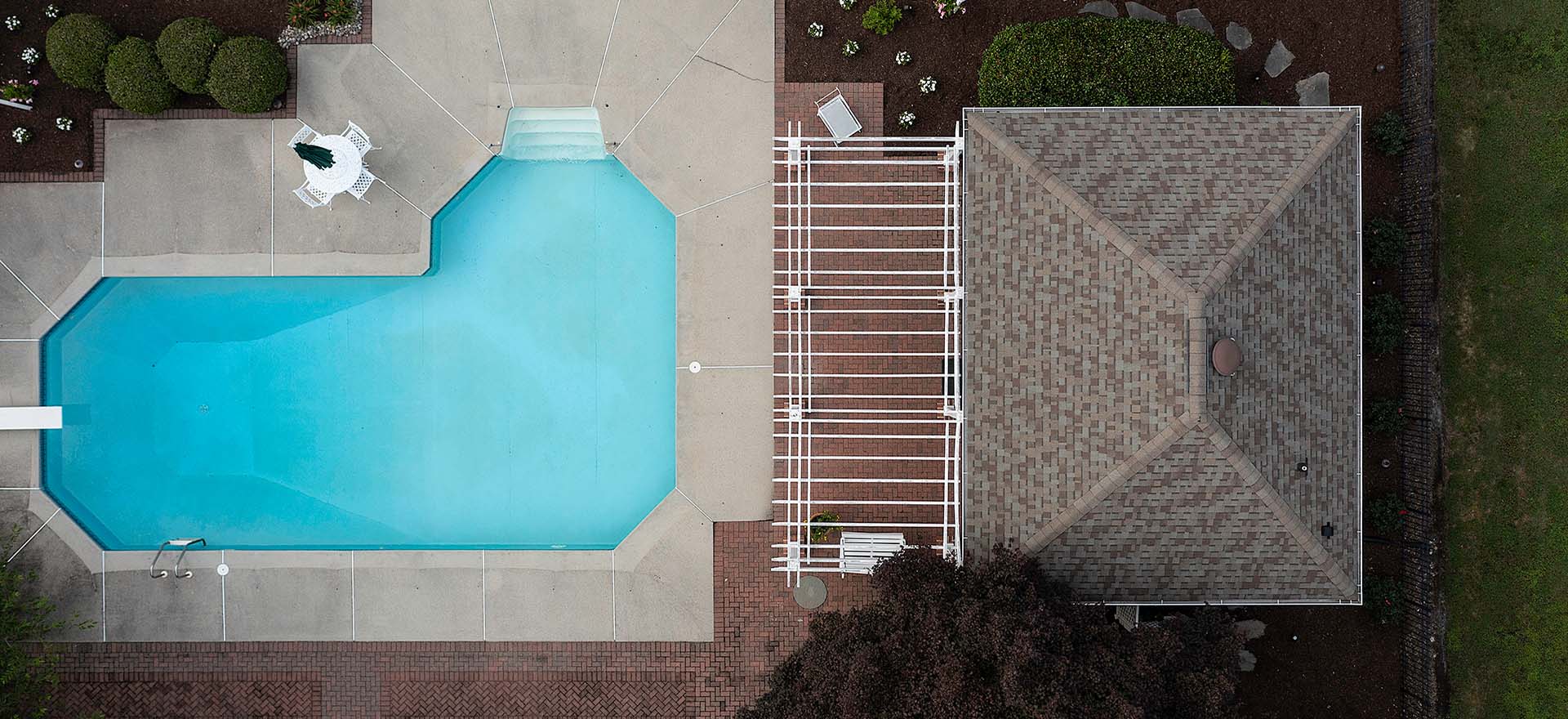
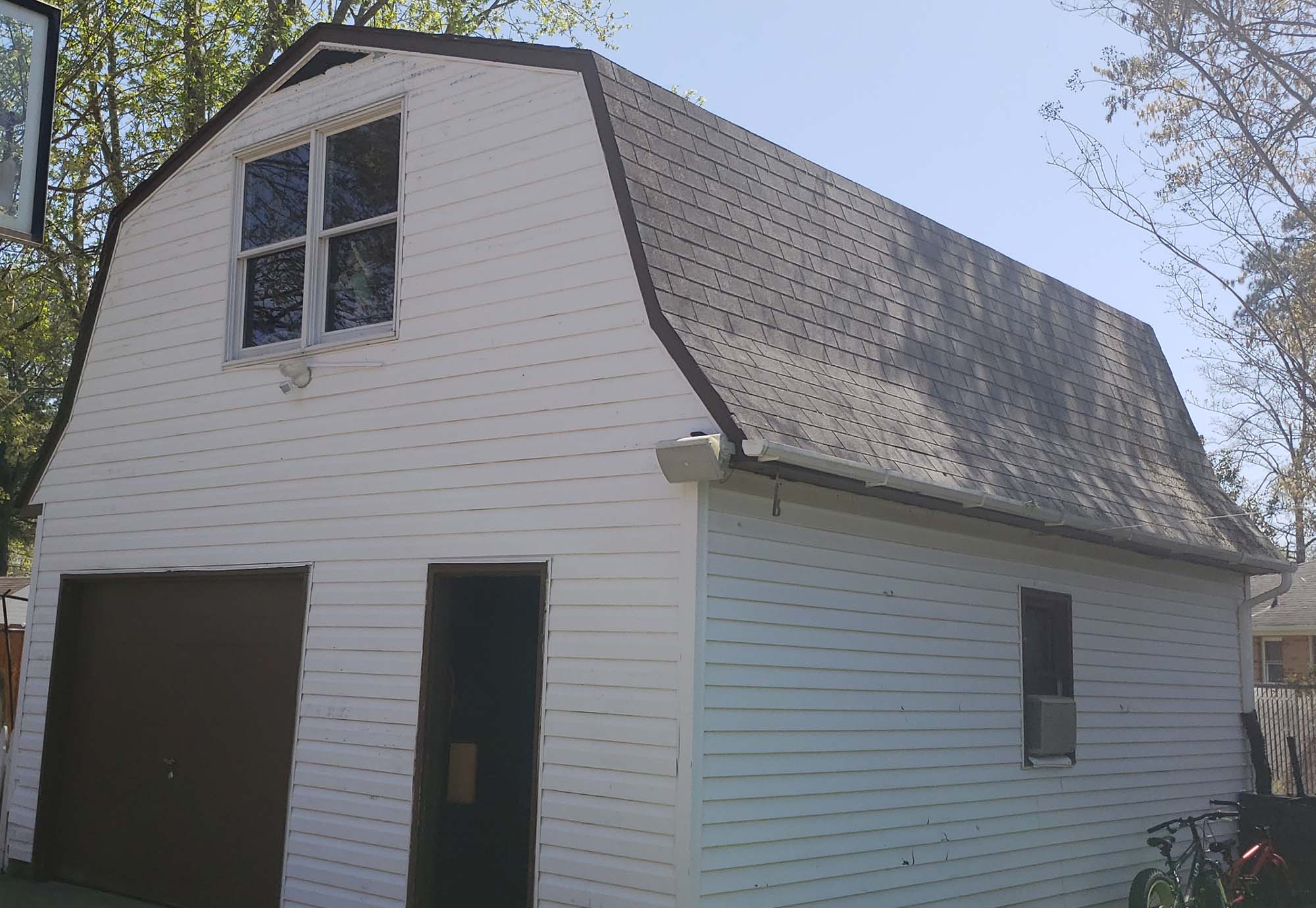
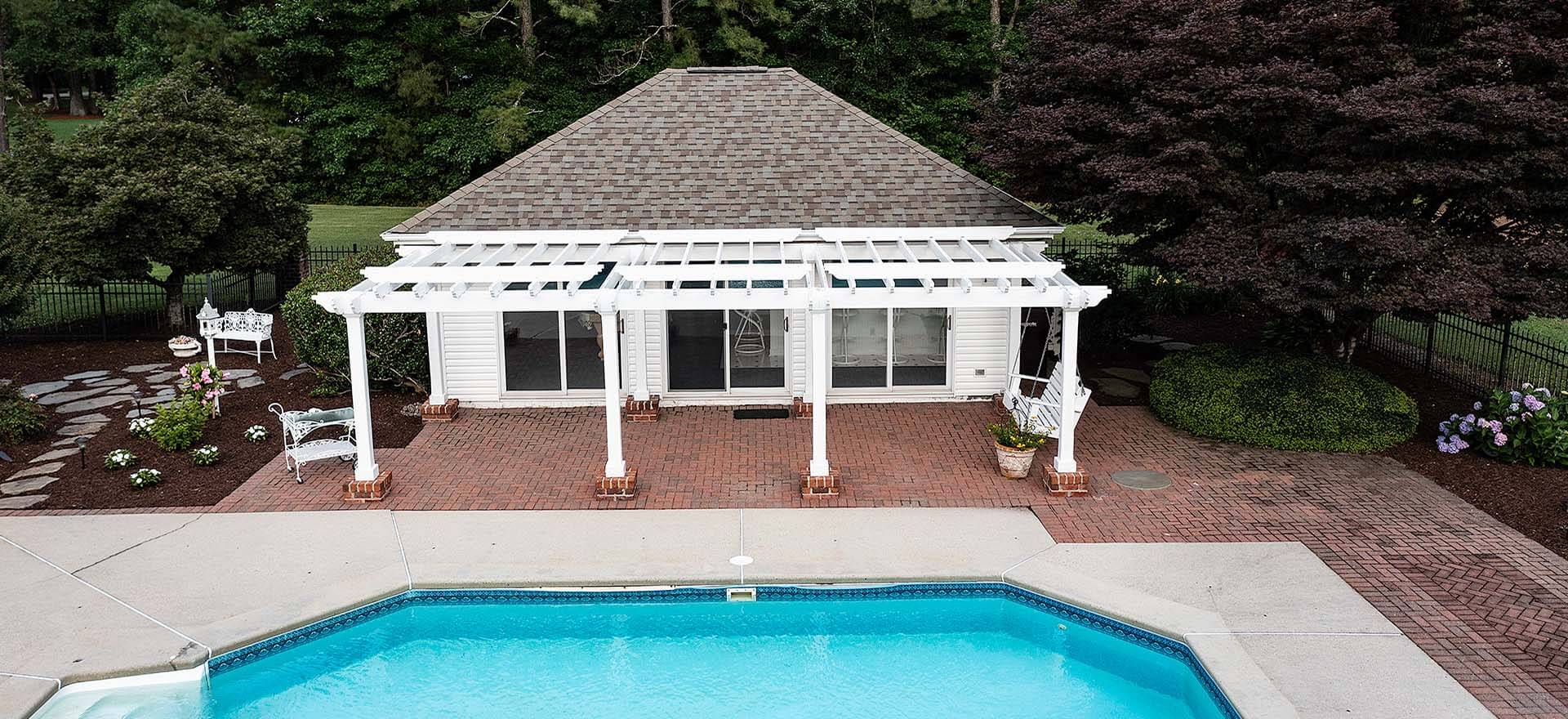
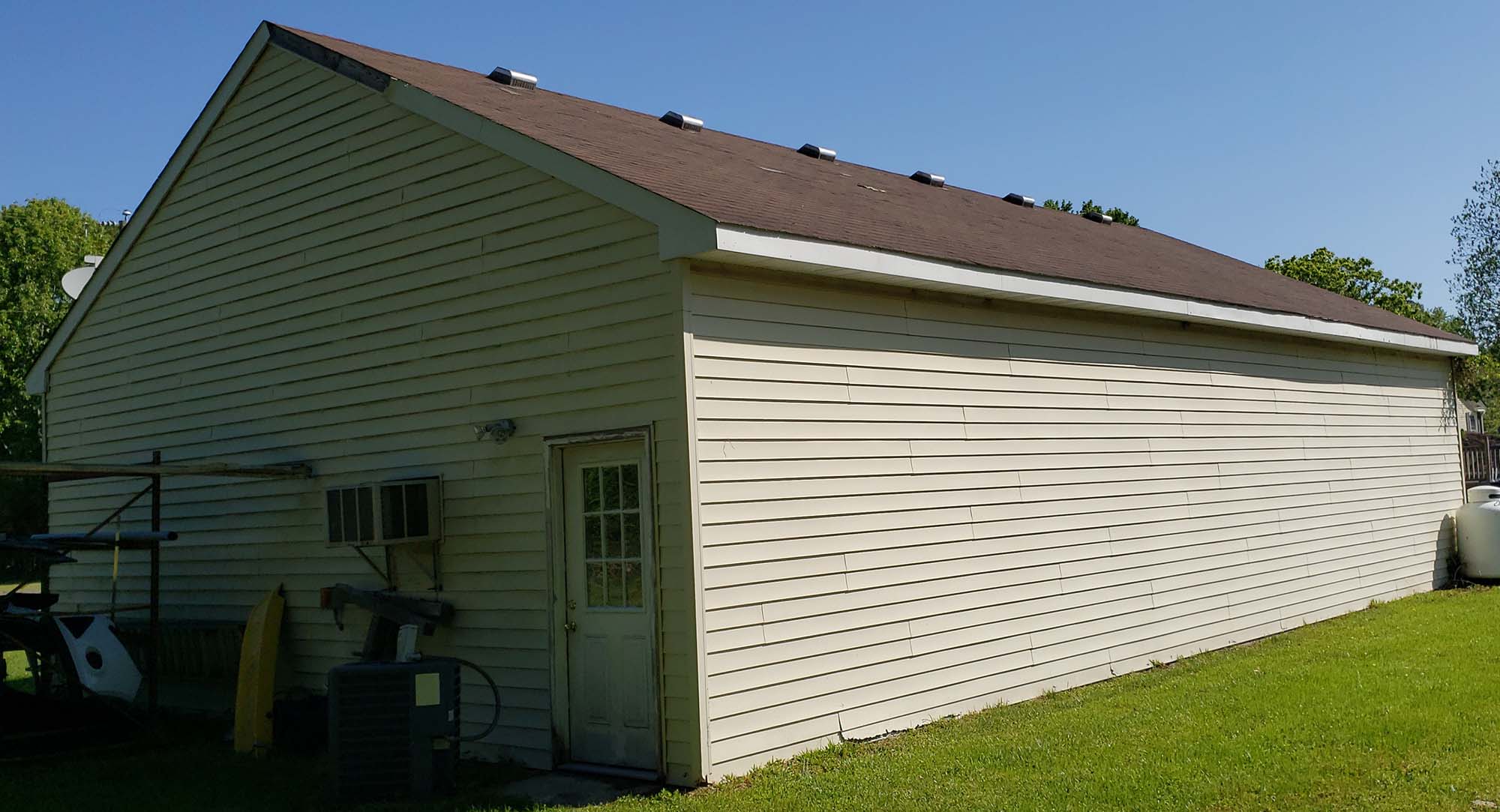
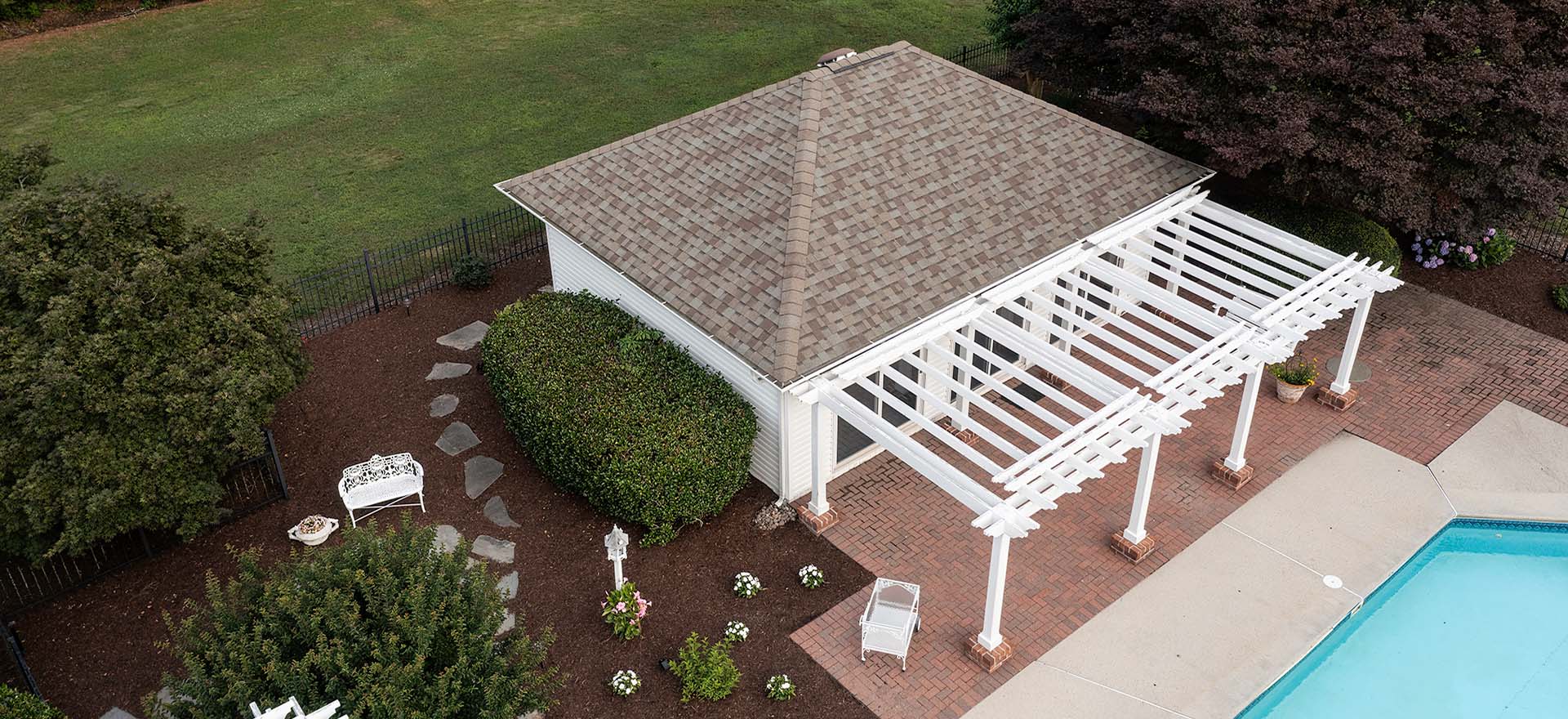
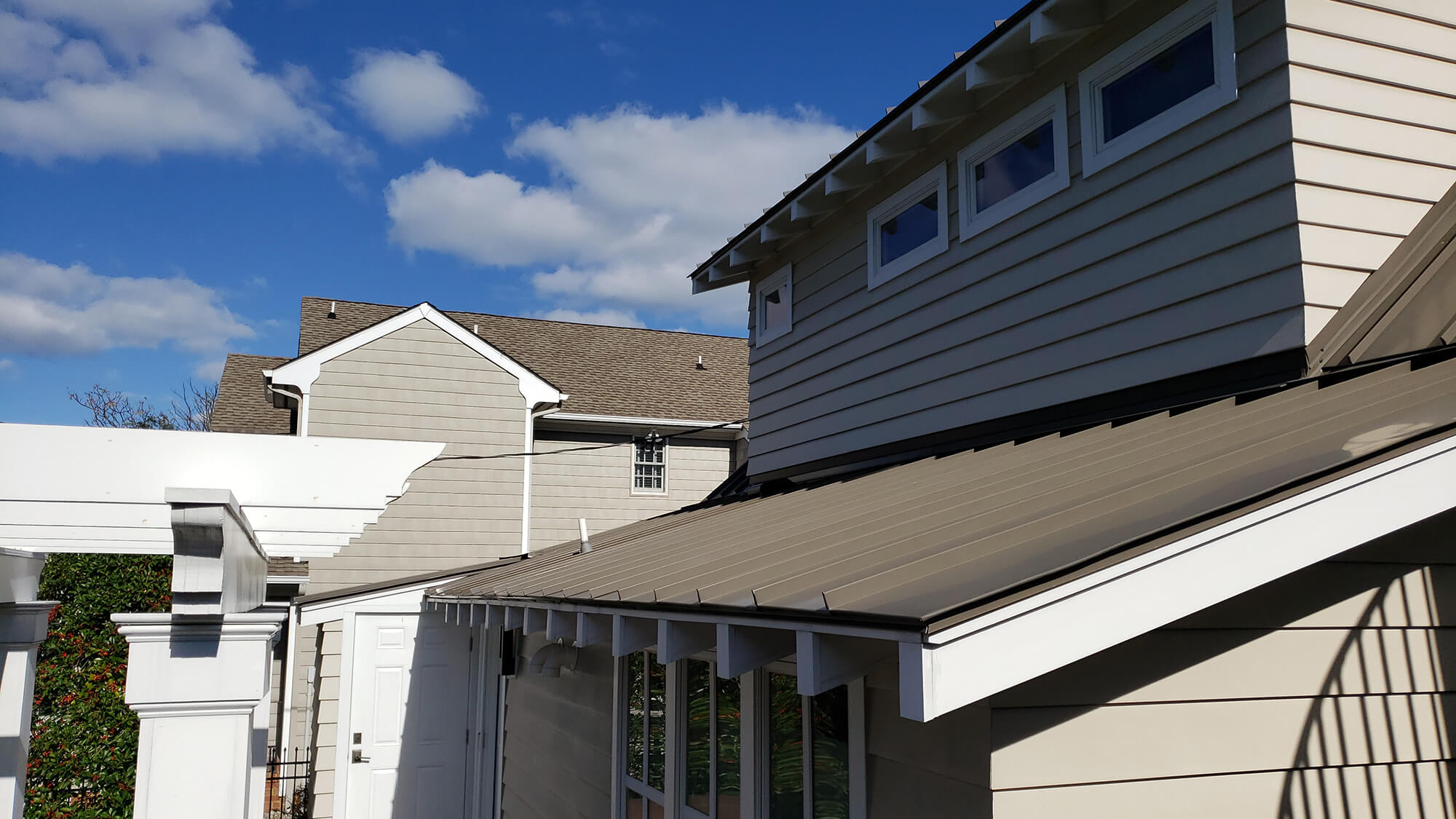
But if you have any exterior stand-alone structures on your property, their roofs need to be inspected and maintained just like your home’s. This may include garages, sheds, pool houses, barns or workshops. It’s particularly important to keep an eye on these structures if they store expensive equipment or other important items to avoid any type of damage.

The roof on an outbuilding can experience additional challenges that your home’s roof may not have, and there are additional ways to inspect and maintain these structures. Here are a few of our tips for maintaining and extending the life of your stand-alone structure’s roof.

Regular Visual Inspections

Like your home’s roof, you should inspect the roofs of these structures on a regular basis and especially after storm events. Depending on the size of these structures, it may be a little easier to visually inspect their condition from the ground. Look for the same telltale signs that you would on your home’s roof: missing shingles, warped or algae covered shingles, loose or missing flashing, clogged or damaged gutters and of course – holes or other damage. Check the eaves for nests of any kind – birds, bees, wasps, squirrels or any other type of animal nest can cause serious damage.

Safely Clean Them from the Ground

Again, the roof line of these structures may be a bit lower which may make it possible to safely clean them off yourself. A buildup of leaves, moss, or a few sticks and branches may seem benign, but they can cause damage if left alone for too long. Moss and algae – which are common in the Hampton Roads region – can collect on areas of the roof that do not get much direct sunlight. If they aren’t dealt with, they can weaken your roof over time.

If the roof is low enough and you have a strong enough hose, the first cleaning approach may be to simply spray it down to remove debris and build up. If that doesn’t do the trick, you can invest in a soft bristled roof rake which can be used from the ground to rake off debris and even some mildew and algae. Make sure not to scrub too hard to avoid damaging any roofing materials.

Remove Potential Hazards

Make sure to keep any nearby trees or bushes trimmed back. Limbs and branches that lean or hang over your outbuilding could cause extensive damage over time from friction or in an instant during one of our regular southeastern Virginia pop-up storms. If the vegetation around the building is small and light enough, you can take care of it yourself, but if there are any substantial trees or branches that should be removed, always call a professional.
Check Inside for Pests

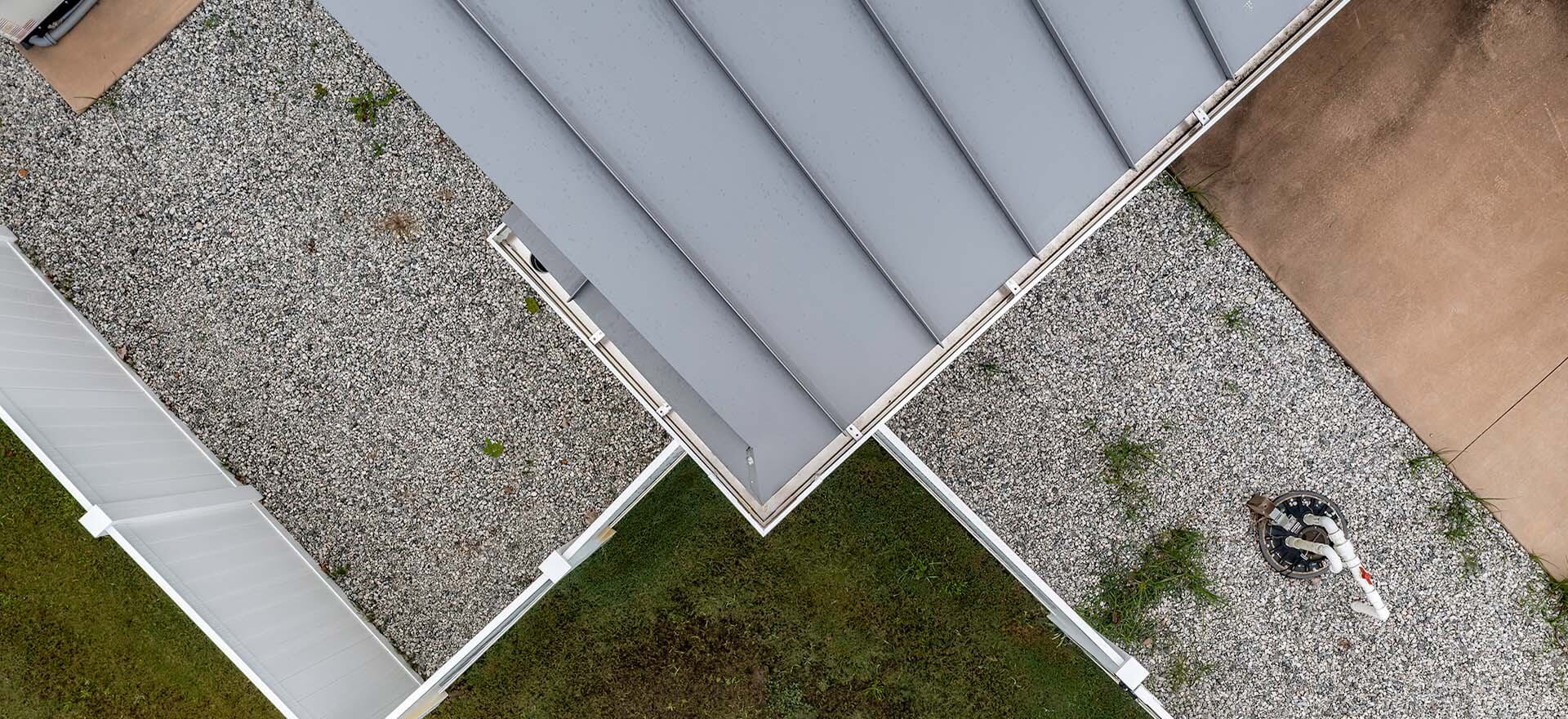
It’s important to check the interior of these structures regularly. Some roofing issues can’t be seen from the outside. So even if your barn or shed is full to the rafters, make it a point to inspect the interior at least twice a year and after major storm events. The most critical interior areas of these structures may be the corners where animals are most likely to have built nests or created pathways to access the inside. Birds, insects and rats or squirrels can wreak havoc on a roof, chewing through materials or causing damage to rafters and sheathing. If you find anything, get in touch with a professional pest control company or animal control.
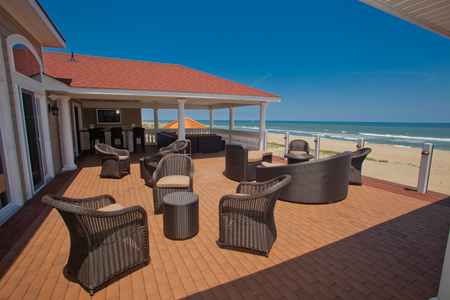
Whatever type of outbuilding you may have on your property, it’s likely that it houses something important enough for you to protect. Make sure the roofing on these structures is doing its job as best as possible with regular inspections and maintenance. If you see any signs of damage and believe your structure needs roofing repair or replacement, contact Andrews Roofing today. We are experienced in the types of environmental issues that structures in the Tidewater Region experience and know the best types of materials and methods to prevent further damage.

read more

Is Your Roof Ready for Summer Storm Season?

Summer storm season is upon us in Hampton Roads.

While plenty of attention is paid to hurricane season and tropical storms, there are other types of summer storms on the Eastern Seaboard that can cause their fair share of damage as well.

Tornados

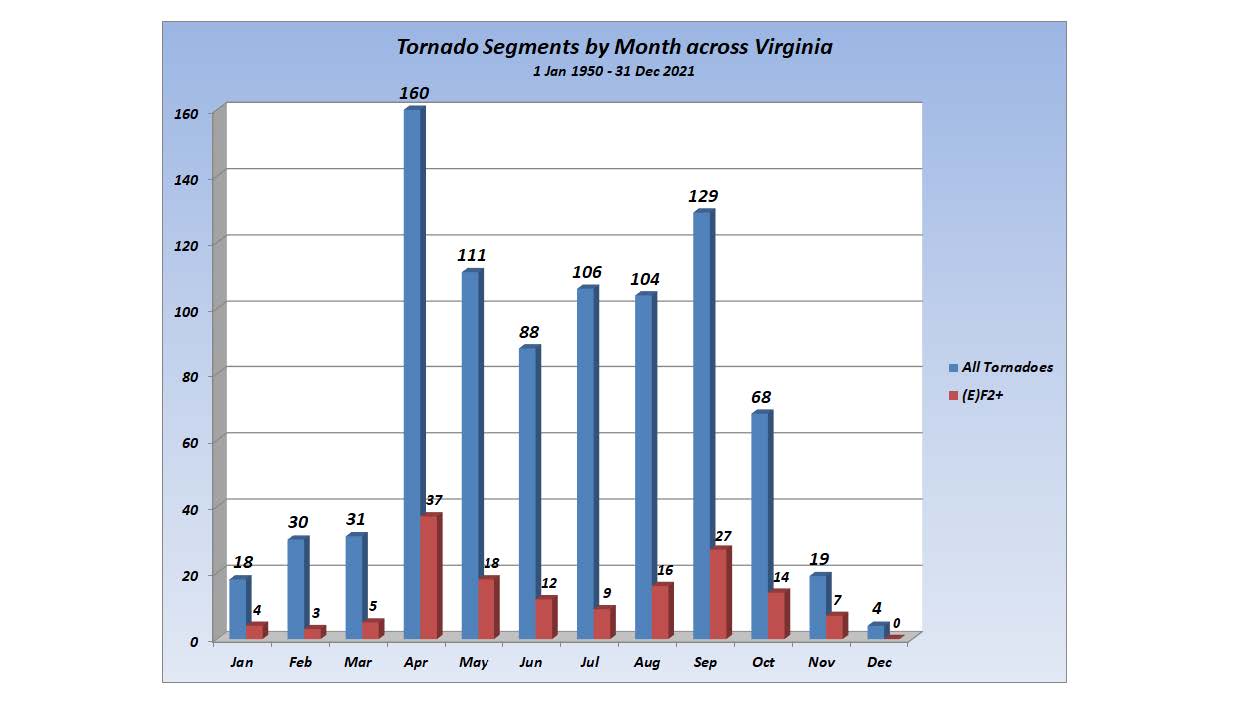
According to the National Weather Service, tornado season spikes in Virginia from April to September. April has the highest number of tornadoes on record: between 1950 and 2021 Virginia saw 160 tornadoes in the month of April alone, 37 of which were (E)F2 or higher. While the vast majority of those tornadoes are (E)F0 or (E)F1, they can still cause plenty of exterior damage to property.

Derechos
In addition to tornadoes, summer storms often bring with them derechos. The national weather service defines these storms as “widespread, long-lived wind storms associated with bands of rapidly moving showers or thunderstorms.” These storm systems can cause just as much damage with their straight-line winds as a tornado does with its cyclical wind.  On June 29, 2012, Virginia was hit with one of the most destructive derecho storms on record. Dominion Energy reported it as the third worst storm to hit Virginia, leaving one million people in the state without power.

Flooding

Flooding – from any type of storm system – is the most common and costly natural disaster, according to the Virginia Department of Conservation and Recreation. You can find out whether or not you live in a flood zone, and in exactly what area of a flood zone through the Virginia Flood Risk Information System. And as our region’s name implies, Tidewater is even more impacted by flooding due to high tides that coincide with heavy rain.

While these facts and figures can be scary, it’s best to understand the risk to your home and property in advance so that you can be as prepared as possible. Having a comprehensive home insurance policy and flood insurance where necessary is a great start. But to avoid having to make an insurance claim or out-of-pocket costly repairs, prevention is key.

Unfortunately, in the case of severe weather, your roof is often the most vulnerable part of your home due to its location and sheer surface area. And of course, roof damage isn’t ever just roof damage. Leaks and holes can cause interior water and property damage. Clogged, missing or damaged gutters can cause foundation issues. Even loose flashing or shingles can cause impact damage to other parts of your home.

So how can you prepare your home’s roof for summer storms?

First, give your roof a good visual inspection. Walk the entire perimeter of your property, paying attention to shingles, flashing, vents, and gutters. Remember to also check the roofs of any exterior buildings on your property such as sheds, pool houses or workshops. These structures also need regular roofing maintenance and, depending on their use, disrepair can lead to costly property damage.

If gutters are clogged, have them cleaned out. This can prevent overflow which can lead to foundation sagging and water damage or basement flooding. If you see any loose or missing shingles, call a qualified roofing company to make an immediate repair. Even one or two missing shingles make all the other shingles around it substantially more vulnerable to being blown away. Loose or missing flashing also calls for an immediate repair as these can become dangerous and destructive projectiles. Have all work done by a licensed, professional roofing contractor and keep all your paperwork on hand in case you need to make a warranty or insurance claim if damage does occur.

If your roof needs some preventative repairs or maintenance in preparation for this summer’s storm season, contact Andrews Roofing today. We have served the Tidewater area for years and know the unique needs and requirements of homes in this region.

read more