


Leaks & Service Repairs

757-399-3066 ext 3 (Leaks & Service Repairs)

Reroof Estimates & Inspections

757-399-3066 ext 1 (Reroof Estimates & Inspections)

Tag: shingle lifting

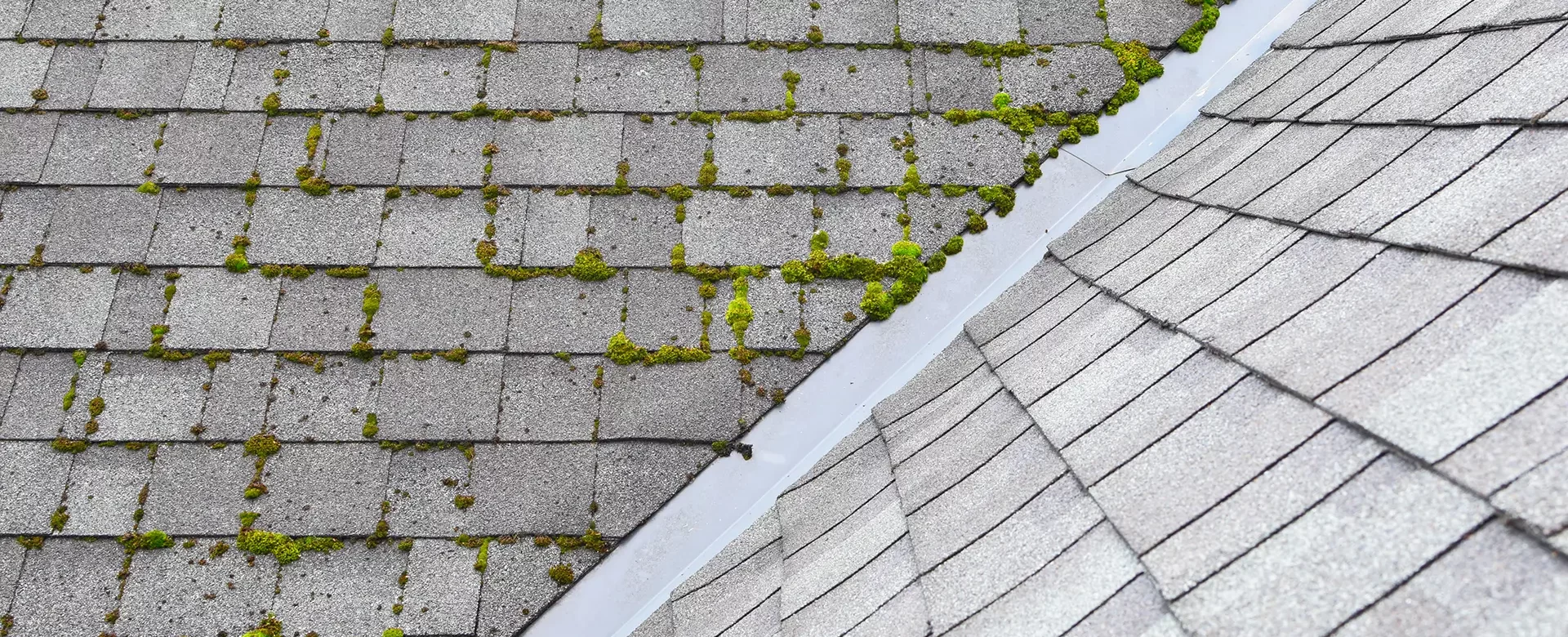
Protecting Your Roof While Power Washing

This is the time of year that many Hampton Roads homeowners get outside and start tidying up their yard and home’s exterior as outdoor living season takes off.

For some, this includes power washing off mold, mildew and other dirt that has accumulated on vinyl siding, wood fascia, gutters and even brick. While this is a good task to stay on top of to keep your house looking good and to protect your home’s building materials from decay, there are also risks, especially the higher up you go.

It’s tempting to take the power washing all the way to the top – especially when you see algae and mold buildup on your roof. If it works on the siding and driveway, why not the roof, right? But the damage you can cause to yourself and your home with this well-intentioned chore could be disastrous.

What Happens When You Power Wash Shingles

It’s never a good idea to power wash your roof. First and foremost, it’s incredibly dangerous to you. Walking on a slick, steep slope roof with a powerful tool in hand is a recipe for injury. But it’s also likely to do more harm than good to your roof as well. Here’s how:

  • Granule loss: the protective granules embedded in asphalt shingles are what shield them from UV rays and weather. The high pressure of the pressure washer strips them away, which can make them age faster.
  • Shingle breakage and cracking: older or already-weathered shingles are brittle; the added pressure can crack, split, or blow them away entirely.
  • Voided manufacturer warranty: many shingle manufacturers explicitly exclude damage from pressure washing, so don’t take any chances of losing a valuable warranty.
  • Water penetration to roof decking: a power washer has the ability to raise shingles up when the spray is pointed at the right angle. When that happens, water can penetrate to the underlayment and even to the roof decking, leading to rot, mold and eventually structural damage.

Power Washing Fascia, Gutters and Soffits

It’s also tempting to power wash the fascia, gutters and soffit on the outside of your house, as they can tend to get mildewed, especially in highly shaded areas or on the north side of your home. There are some ways to do this safely but keep these points in mind.

  • Upward spray under shingles: angling the wand upward forces water past the shingle’s overlap. As mentioned above, this can penetrate to the roof deck, causing much bigger and long-term damage.
  • Shingle lifting and loosening: the force can break the seal strip between shingles, leaving them vulnerable to strong wind lift afterward.
  • Gutter loosening: the force of a power washer may loosen or even detach gutters from the fascia or your home, or downspouts from their connection points. When gutters are not in place, they don’t move water away from your home correctly, which can lead to water damage along your foundation.
  • Soffit penetration: water driven into soffits can reach attic insulation, causing moisture buildup and mold growth inside the home.

What Should You Do Instead?

You want your home to look beautiful and protect it from long-term staining and damage, but there are right ways and wrong ways to do that. Here are a few ideas that are safer but still effective.

  • Soft washing: consider a low-pressure application of a biocide or cleaning solution designed specifically for roofs. These often attach to regular water hoses and can kill algae and mildew without physical force.
  • Professional gutter cleaning: Hire a local professional to manually clean your gutters with professional tools and leave the ladder climbing to them.
  • Annual professional roof inspection: catch buildup and early damage before it becomes a bigger problem. Call your local roofing professional if you have any concerns about roof aging, damage or maintenance. They will know what to look for and also how to identify and deal with it safely.
  • Algae-resistant shingles: there are some roofing materials now that have built-in algae resistance. Talk to your roofing contractor about these options if you’re considering a roof replacement. This is a particularly good choice for homeowners in the Hampton Roads region, which sees wet, humid weather year-round.

Take the Pressure Off Yourself

Your roof is your home’s first line of defense against the elements. Don’t let a DIY weekend compromise it, costing you money or even your safety. At Andrews Roofing we know all the telltale signs of roof damage – whether it was caused by you, the weather, age or previous owners. Contact us today if you have any concerns about your roof’s condition; we’d be happy to help point you in the right direction, while taking the pressure off you.
read more

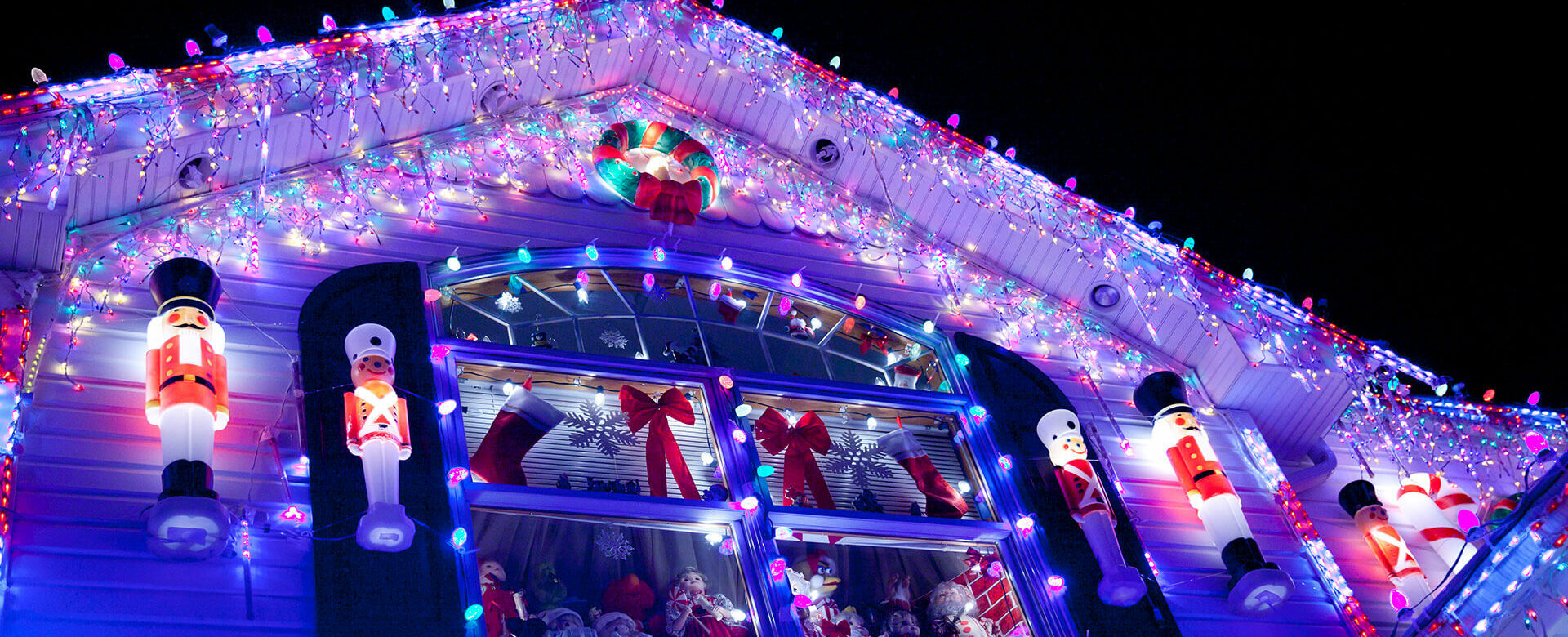
How to Decorate for the Holidays Without Damaging Your Roof

The holiday season is synonymous with festive lights and decorations both inside and outside the house. But as beautiful as they are to look at, many of these decorations are placed along rooflines or even on top of roofs – which can become hazardous for both the decorator and the roof itself. Each winter we see preventable roof damage caused by improper decorating methods. But the good news is that with a few helpful tips and smart methods your home can still be the neighborhood holiday showcase without compromising its most important protective system.

Common Types of Holiday Roof Damage

Let’s start with the common problems we see around this time of the year. Many homeowners don’t realize that typical decorating practices can cause long-term damage or reduce the lifespan of materials.

1. Shingle Cracking, Lifting, or Granule Loss

Walking on asphalt shingles, especially in cold weather, can crack them or knock granules loose. This compromises water-shedding ability, which can shorten the lifespan of your roof. Even leaning ladders against gutters or shingles in the wrong way can loosen or misalign them.

2. Damaged Gutters

Homeowners often use gutters as anchor points for lights or heavy décor. Excess weight or pressure can bend, crack, or pull gutters away from the fascia, leading to drainage issues and potential water damage later.

3. Punctures From Nails, Screws, or Staples

This is one of the biggest culprits. People will often nail or staple decorations into shingles or the roof deck, but any penetration creates a pathway for water intrusion. Even small holes can lead to leaks and hidden moisture damage over time.

4. Roof Surface Damage from Heavy Decorations

Placing inflatable decorations, wooden cutouts, or other hefty items directly on the roof can dent metal panels, crack shingles, and create unsafe pressure points. They can also become dangerous flying debris if bad weather crops up.

5. Vent and Flashing Issues

Decorations tied around plumbing boots, chimneys, skylights, or other roof penetrations can damage flashing or loosen seals—two of the most common sources of leaks.

Tips for Decorating Your Roofline Safely

You can still create a festive, illuminated roofline without compromising your roof’s health. Here’s how:

Use Clip-On Light Hangers—Never Nails or Staples

Outdoor light clips are designed to attach to gutters or the drip edge without penetrating the roofing material. They’re inexpensive, widely available, and protect your shingles from unnecessary holes.

Choose Lightweight Decorations for the Roofline

If you want a dramatic display, focus on the eaves and gutters—not the roof surface. Hanging icicle lights, ridge-line lights (installed with non-invasive clips), or gable-mounted décor is safer than rooftop installations.

Avoid Walking on the Roof Whenever Possible

Cold shingles are brittle, and metal roofs can be extremely slippery. Use a ladder stabilizer attachment so your ladder rests on the side of the house rather than the gutters or shingles.

Keep Decorations Away from Roof Penetrations

Attaching your lights or decorations directly to chimneys or vents may seem like a secure option, but they can pull on flashing or disturb sealants especially when severe weather or strong winds blow through. Leave a clear perimeter around all roof penetrations to avoid damage and eventual leaks.

Avoid Roof-Top Inflatables or Heavy Décor

Inflatables may look lightweight, but they need tie-down points—and those tie-downs will typically necessitate some type of penetration and damage to the roof surface. They also can catch the wind, increasing the risk of tearing shingles or ripping gutters loose. Keep inflatables on the lawn where they’re safest.

Use UL-Listed or LED Lights

Older incandescent lights generate far more heat and may overload circuits or melt nearby materials. LED lights stay cool to the touch, use less power, and reduce the chance of electrical issues. Always look for UL-listed lights and extension cords, which means they’ve been tested for safety and meet national electrical standards. This goes for any electrical/light up decoration – not just string or icicle lights.

Check the Weather Before Decorating

While we don’t get many bitter cold days in Hampton Roads, they can happen. Decorating in freezing temperatures increases the chance of shingle cracking. Whenever possible, put up decorations on one of our typical mild, dry days.

Additional Safety Tips for Around the House

Beyond just your roof there are some things you should consider for the overall safety of your home and the people inside it!

  • Use the right ladder height so you’re not leaning heavily on gutters or climbing onto the roof unnecessarily.
  • Never overload electrical cords or outlets. Overheated wires can damage siding, gutters, or roofing materials.
  • Secure all extension cords so they don’t lift shingles, block water flow, cause tripping or become tangled in nearby objects.
  • Inspect your roof afterward. Once decorations come down, check for loose shingles, sagging gutters, or debris. Winter storms will take advantage of any weak spots, so be proactive in your home’s defense.

When to Call a Roofing Professional

If you notice lifted shingles, bent gutters, or signs of a leak after removing holiday decorations, it’s wise to schedule an inspection before the serious winter weather sets in. Early repair is far cheaper and safer than dealing with water damage or roof replacement.

Decorating for the holidays should be a fun, joyful time. Keep it that way with these smart tips that will help keep your home festive and protected all season long. If you have concerns about your roof’s condition or need help addressing winter-related damage, Andrews Roofing is here to help – contact us today!

read more