
“What could go wrong” when trying to repair your own roof isn’t a question – it’s an inevitability.
We know many homeowners take pride in tackling repairs and home improvement projects themselves. Leaky faucet – easy enough. Swapping out a light fixture? A little more complicated, but doable for the advanced weekend warrior. But when it comes to your roof, the DIY mindset can quickly turn from “I’ve got this” to “I’ve made a very expensive mistake.”
It’s not uncommon for our office to get calls that start with, “Well, we tried to fix it ourselves…” Roof repairs are one of the most commonly underestimated home maintenance tasks and also one of the most dangerous. Here’s a look at the roof repairs we see homeowners often attempt on their own, and what can (and frequently does) go wrong.
Common DIY Roof Repairs Gone Wrong
1. Replacing a Few Missing or Damaged Shingles
No big deal, right? On the surface, this seems straightforward: remove the damaged shingle, nail a new one in place, seal it, and move on.
What goes wrong:
- Improper nail placement can puncture the underlayment, creating new leak points
- Incorrect shingle alignment disrupts water flow
- Using the wrong type or color of shingle compromises performance and appearance
- Sealant is applied incorrectly or not at all
In Southeast Virginia, where heavy rain and high winds are common, even small installation mistakes can allow wind-driven rain to penetrate the roof system, causing more damage than what likely would have happened if you’d left the shingle alone.
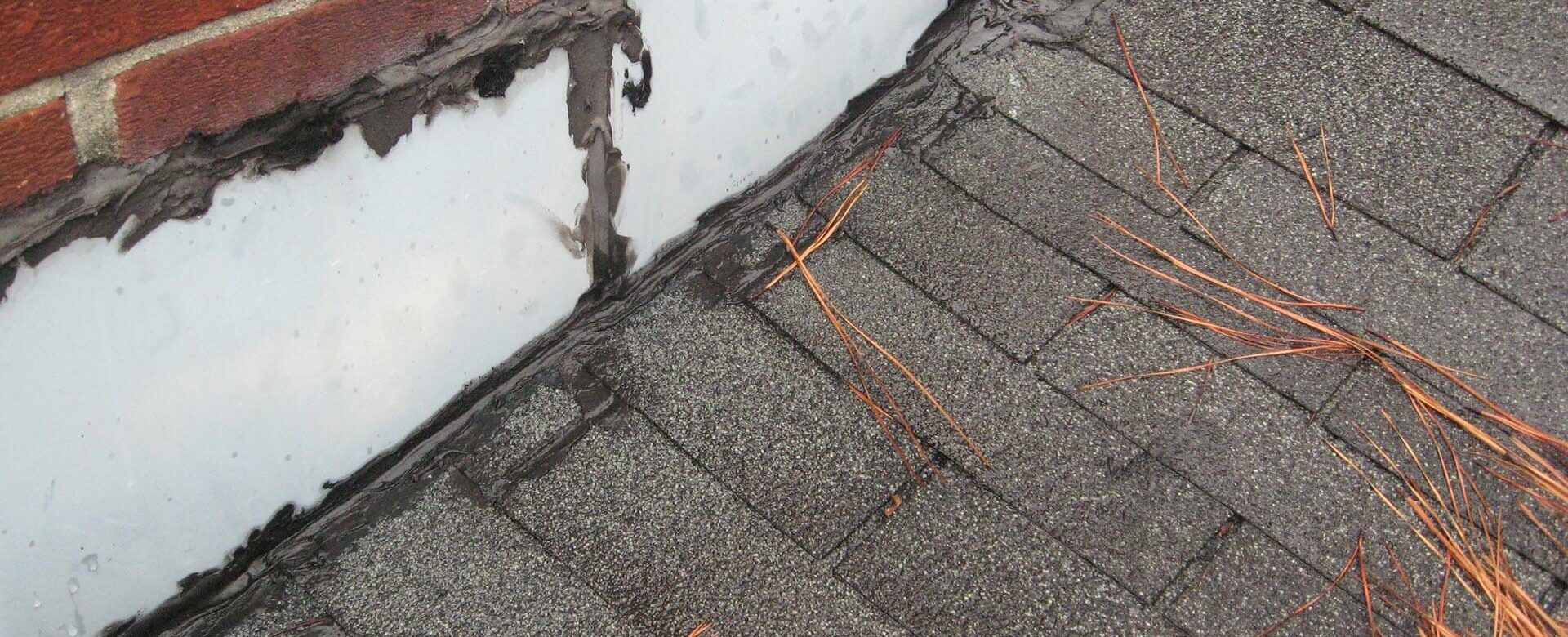
2. “Patching” a Roof Leak with Sealant or Tar
Caulk and roofing tar feel like quick, easy, and affordable fixes for a leak, and they’re often the first thing homeowners reach for. But this “quick fix” can cause long-term problems.
What goes wrong:
- Leaks are rarely where water enters the home; they travel along decking and framing, so sealing an area where the leak has penetrated is probably not solving the problem
- Sealants dry out, crack, or wash away over time
- Patching the visible issue masks the underlying problem
In humid coastal climates, trapped moisture can lead to rot, mold, and decking failure long before the leak becomes obvious again, which means you’ve created a secondary problem that is now going to require structural repair.
3. Cleaning or Adjusting Flashing
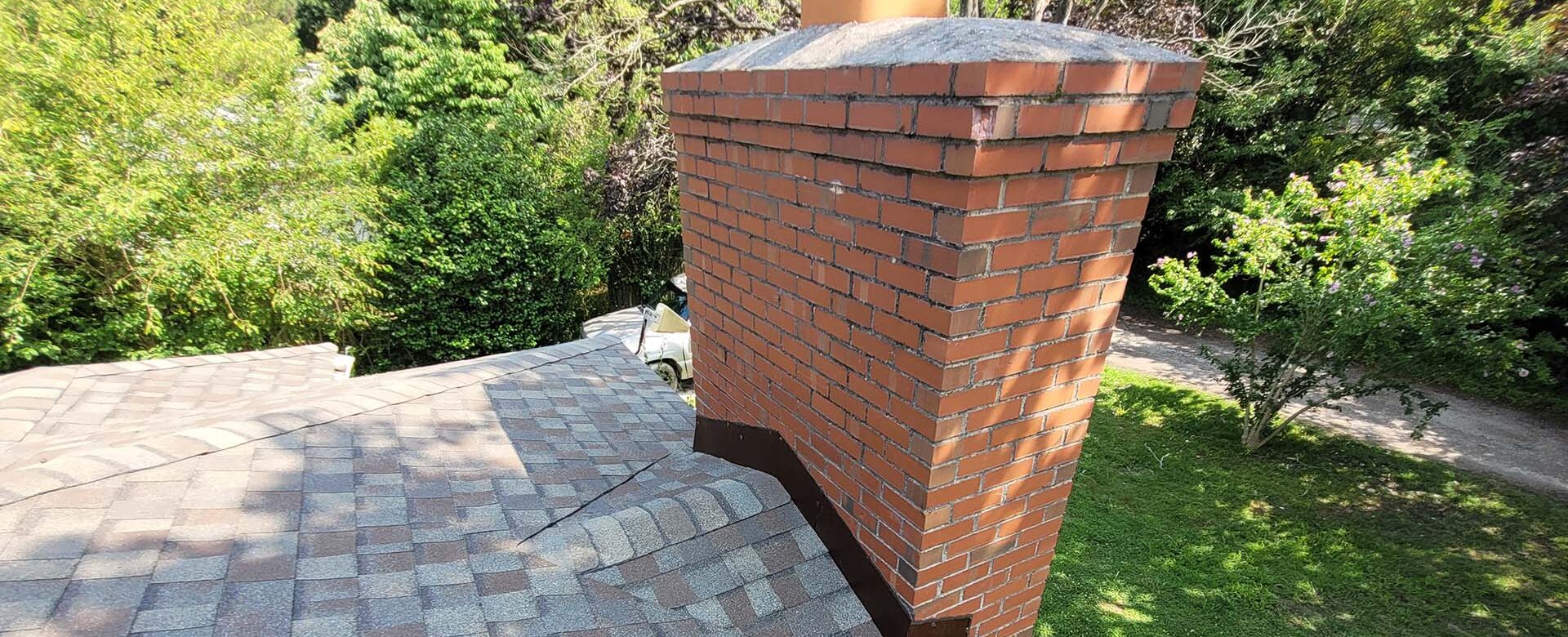
Loose flashing around chimneys, skylights, and roof penetrations is a common DIY target. You can easily see the problem and the solution feels straightforward. But this fix actually takes much more skill than you would imagine.
What goes wrong:
- Flashing is bent or reinstalled incorrectly
- Existing waterproofing layers are damaged
- Fasteners are driven into the wrong locations
Flashing failures are one of the leading causes of roof leaks—and one of the easiest ways for DIY work to create long-term water intrusion. Not to mention this type of work is particularly dangerous for someone not accustomed to working on roofs.
4. Gutter “Fixes” That Affect the Roof
Homeowners often clean, reattach, or adjust gutters without realizing how closely they interact with the roofing system.
What goes wrong:
- Improper pitch causes water to back up onto the roof edge
- Fascia boards are damaged during reattachment
- Hidden water damage and rot go unnoticed
In areas like Hampton Roads, where sudden downpours are common, poor drainage can overwhelm roof edges and accelerate deterioration.
What DIY Roof Repairs Can Really Cost You
1. More Damage Than You Started With
One misstep—literally or figuratively—can turn a minor issue into structural damage. Water intrusion doesn’t announce itself right away, and by the time it does, repairs are often far more extensive (and expensive) than the original problem.
2. Voided Warranties
Many roofing manufacturers require that repairs and modifications be performed by licensed professionals. DIY work – even when well-intentioned and effective – can void material warranties, leaving homeowners unprotected when future issues arise.
3. Insurance Complications
If a DIY repair fails and causes interior damage, insurance companies may deny claims due to improper workmanship or unlicensed repairs. This is especially risky following storms or high-wind events common in Southeast Virginia.
4. Serious Safety Risks
This is the part that cannot be overstated.
- Roofs are steep, slick, and unforgiving
- Asphalt shingles become dangerously slippery in heat, humidity, or after rain, especially when covered with mold or mildew
- Falls from even one story can result in severe injury
Every year, homeowners are seriously injured attempting roof work because they don’t have the proper knowledge, safety equipment or understanding of structural weak points of their own home. Don’t damage your home AND yourself with risky DIY repairs.
When in Doubt, Call a Professional
Professional roofers understand the composition of a roofing system, how water behaves under different weather conditions, how the regional climate impacts materials and installation, and how to work safely in their environment.
A professional roofing inspection can often catch issues homeowners didn’t even realize were connected to the issue they’ve identified, saving them from much more costly repairs down the road. So, if you’re noticing missing shingles, leaks, sagging areas, or storm damage, or even if you’re unsure what you’re seeing but you know something is wrong, calling a licensed roofing professional is the safest, smartest first step.
DIY projects have their place, but your roof isn’t one of them. Contact Andrews Roofing today.