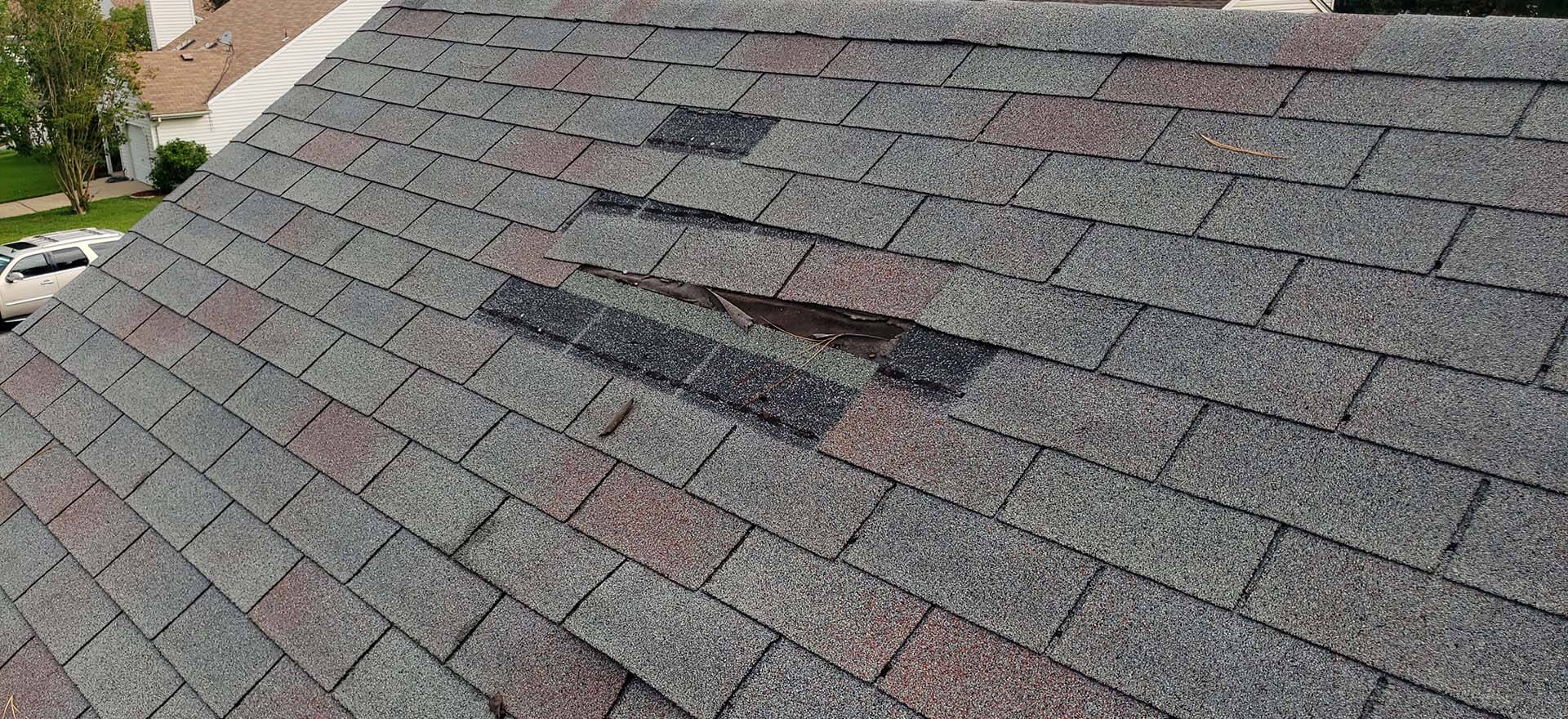



Fortunately, last month’s nor’easter came and went through Hampton Roads without too much drama. No evacuation orders, no named storm, or boarded-up windows, just some tidal flooding in the usual spots and some downed branches here and there. That may have made it easy to shrug off, but you shouldn’t.
Over the last several years, nor’easters have caused more storm damage across Virginia Beach, Chesapeake, Norfolk, Portsmouth, and Suffolk than hurricanes have. We have gone a good while without a major hurricane making a direct hit, so it’s tempting to let our guards down and assume there isn’t property damage or things to keep an eye out for. But the way a nor’easter impacts our homes is different, and the damage can show up quietly, weeks later. Here’s what to keep an eye out for and how to plan ahead for this more and more common weather pattern.
Direct Rain vs. Wind-Driven Rain
Roof design relies on gravity to do its thing. Shingles overlap so that water running downhill passes over each seam and keeps going until it reaches the gutter. All the major pieces of a roofing system make the assumption that this is how water will typically work.
Wind-driven rain doesn’t care about gravity – it cares about force and inertia. When wind is forcing rain sideways, or even upward along a wall or roof surface, water can get forced under shingle edges, behind flashing, and into gaps that would otherwise never see moisture, even in other soaking rains.
A Nor’easter Specific Issue
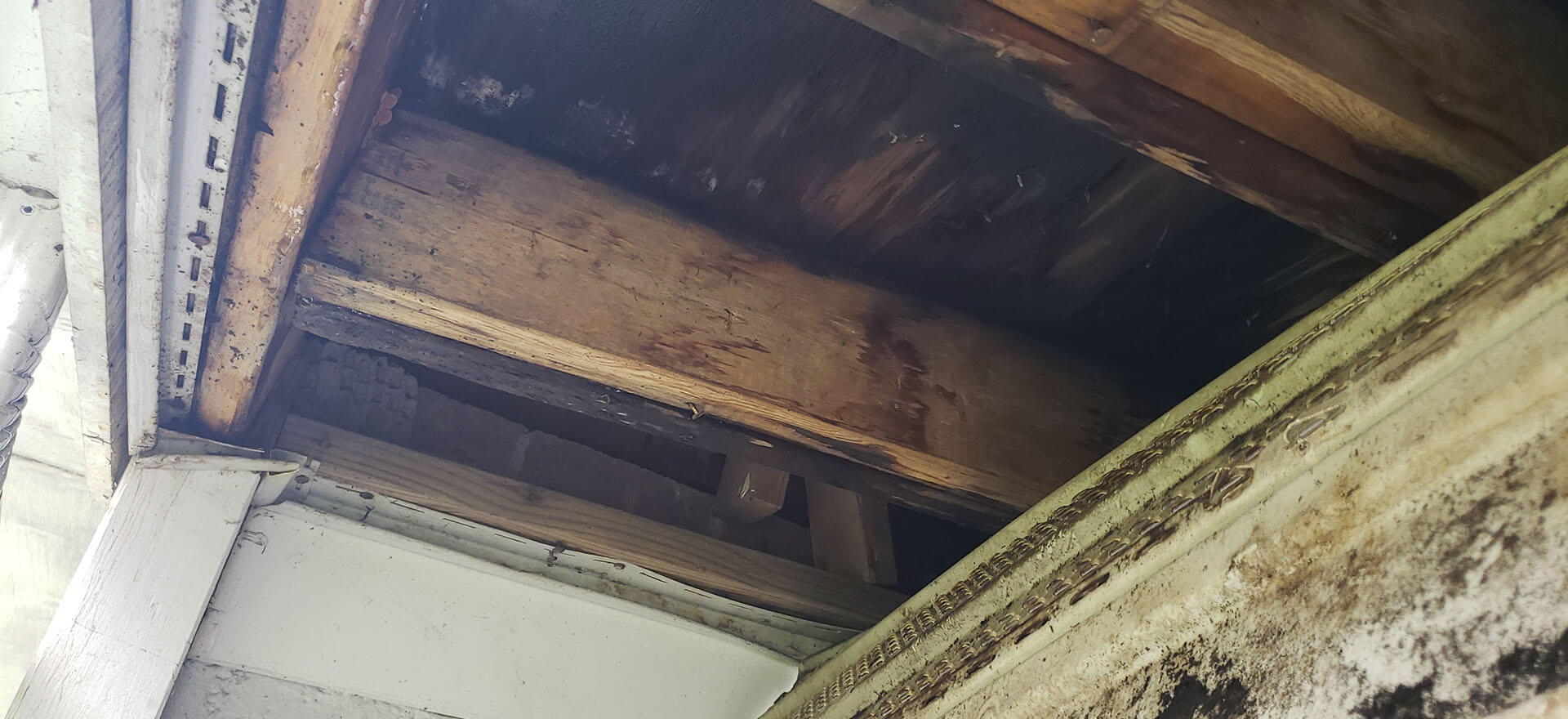
A hurricane is intense and brief. A nor’easter is a long, steady grind, which has a different impact on your roof. A nor’easter can sit over the coast for a day or two. That means that wind-driven rain gets hours and hours to find your roof’s weak spot. Then, after a day or days of constant moisture, materials stay wet. The effects can still be devastating, but without any big give away. After a hurricane, people check their roofs. After a nor’easter, they usually do not. Slow leaks go unnoticed until the damage has had time to spread.
Unexpected Leak Spots
The spots where this damage shows up may be unexpected. Here are some places that we see wind-driven rain cause trouble that are different from regular roof leaks.
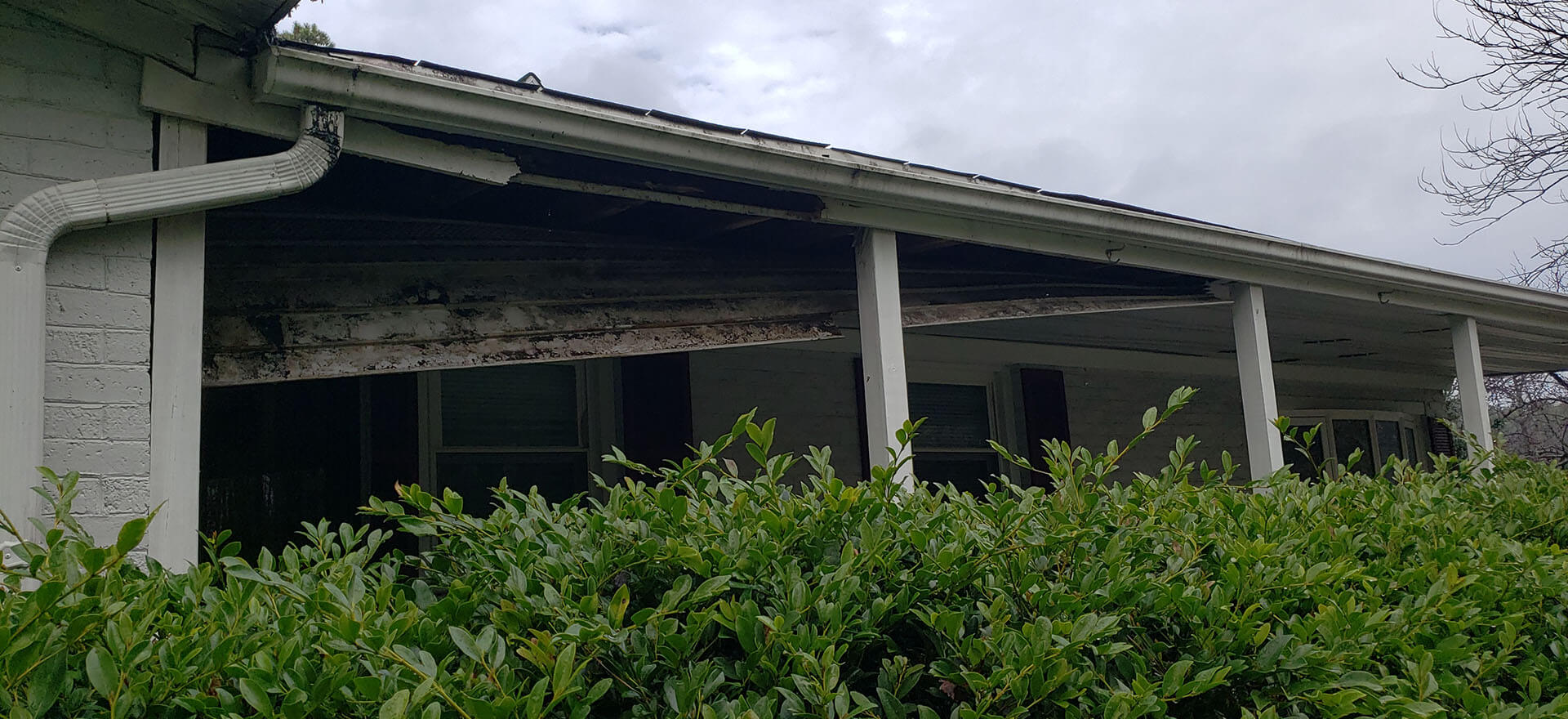
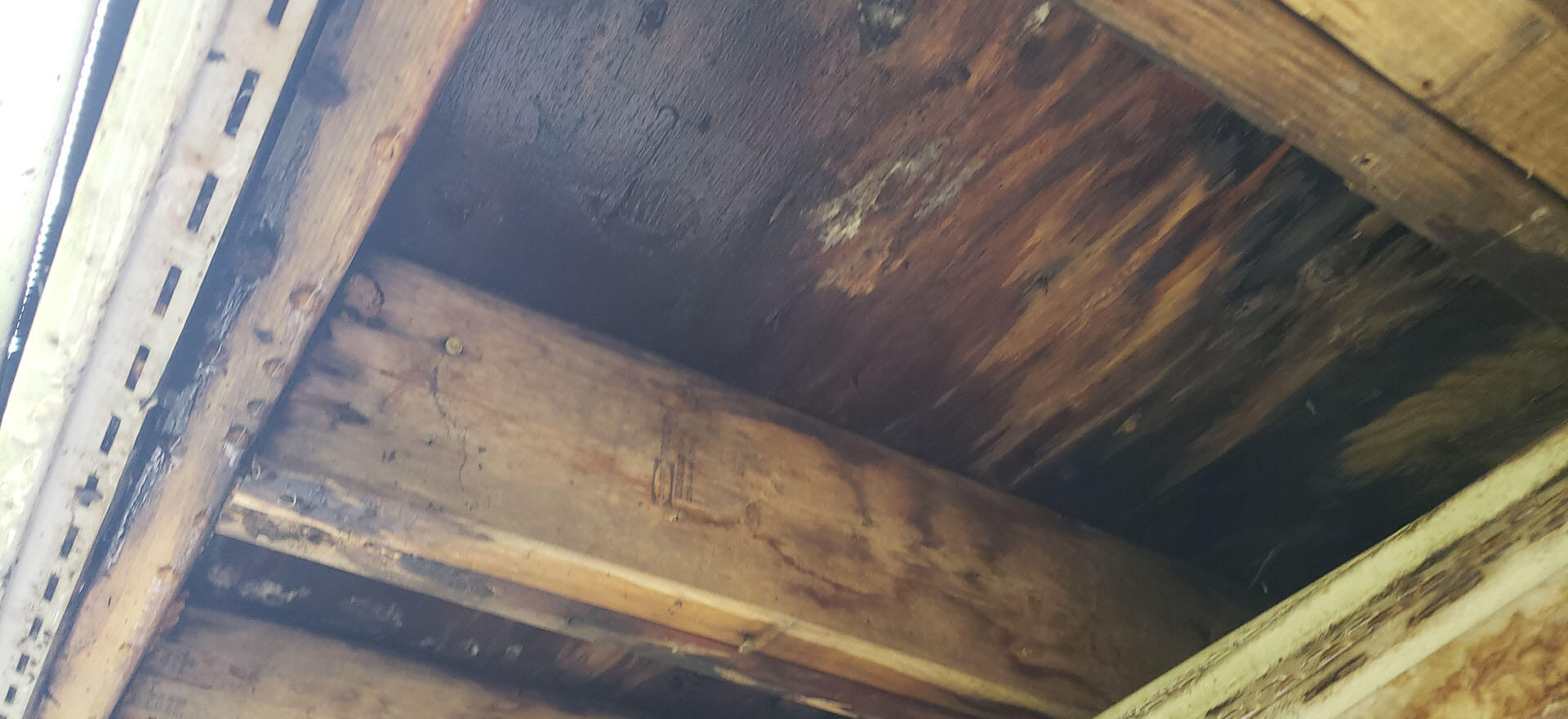
- Soffits and eaves. Wind can push rain up into soffit vents and under the lower edge of the roof, where it soaks insulation and framing.
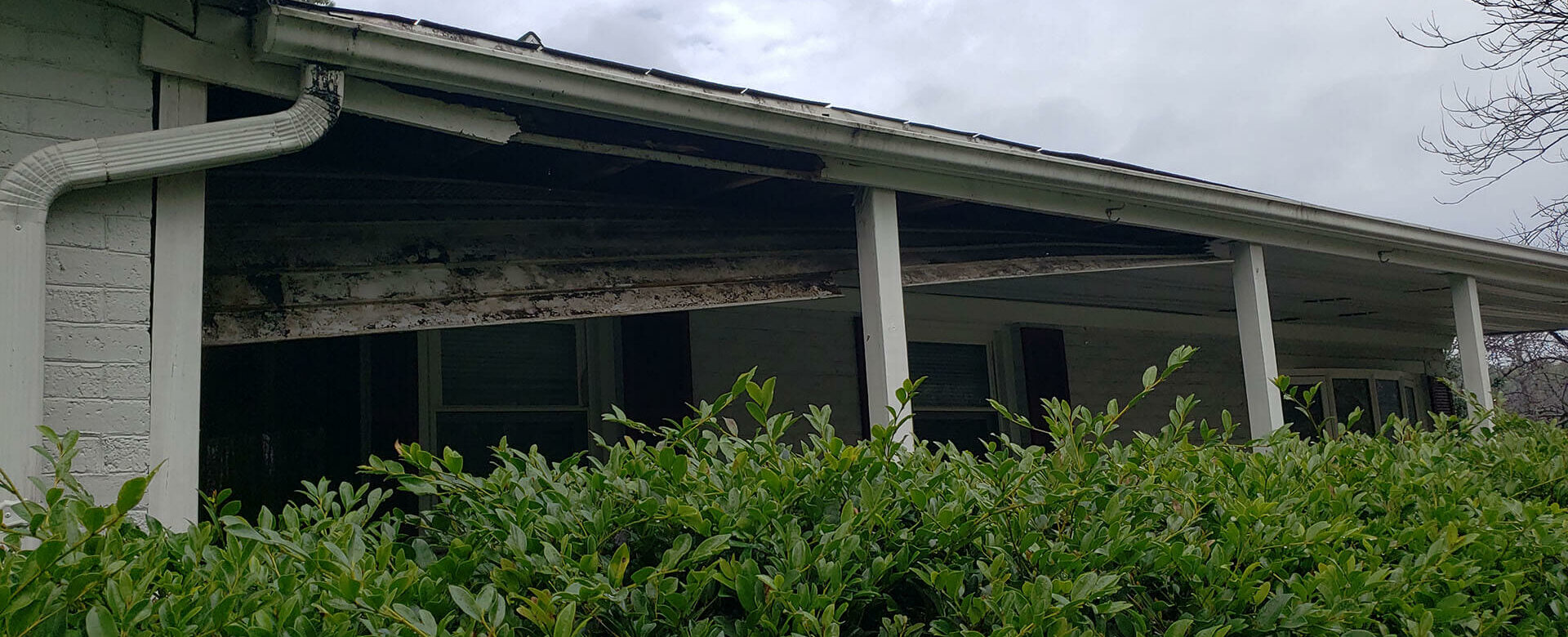
- Porch and overhang edges. An overhang blocks rain falling straight down. Wind-driven rain simply goes around it.
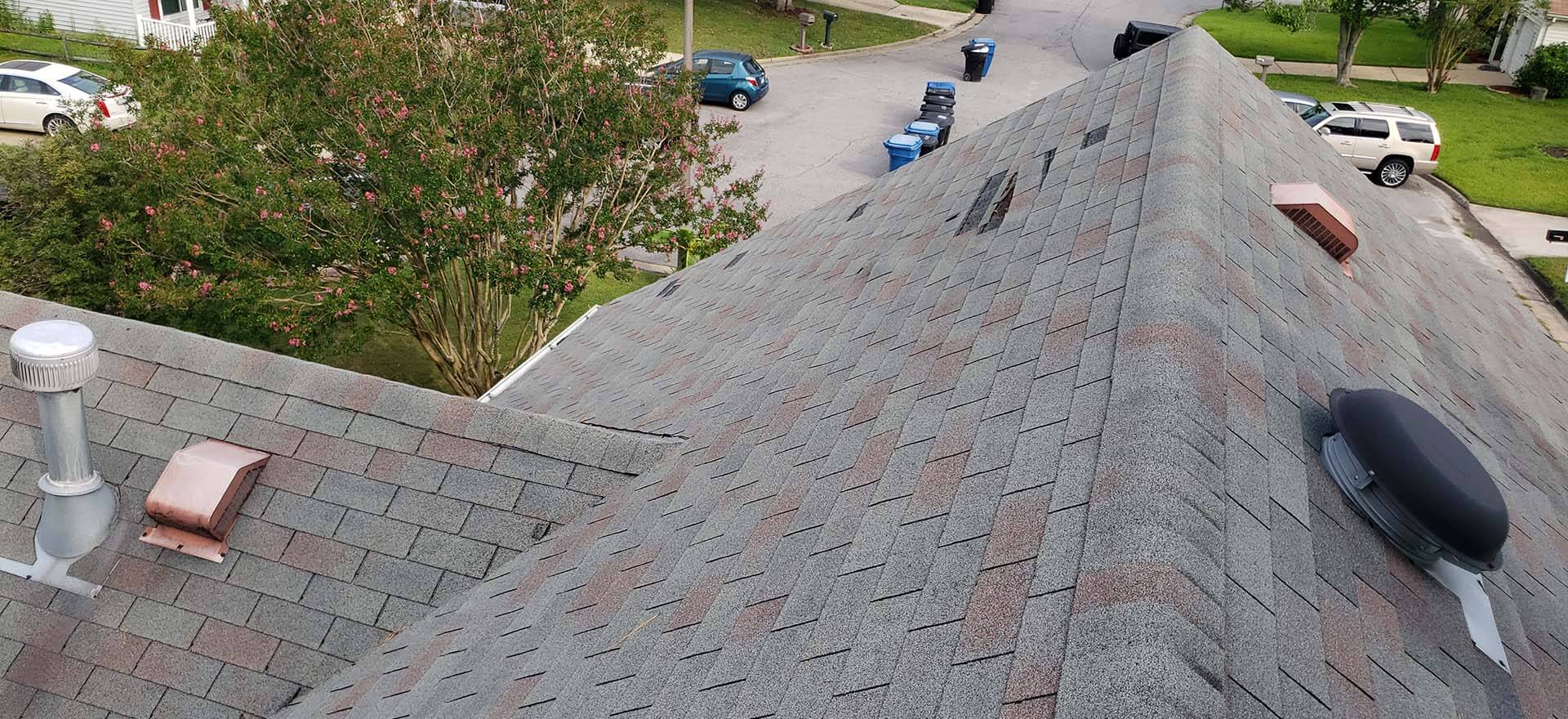
- Chimney and dormer flashing. These are complicated transitions with a lot of seams, and sustained winds will test every one of them.
- Roof vents and gable vents. Vents have to let air in and out, which gives wind-driven rain a path in as well.
- Window and siding intersections near the roofline. Sometimes the roof is fine and the water is getting in where the siding or trim meets it.
- Gutters that overflow or back up. In heavy wind and rain, undersized or clogged gutters spill water against the fascia and behind the gutter line.
Why the Leak May Show Up Far from the Source
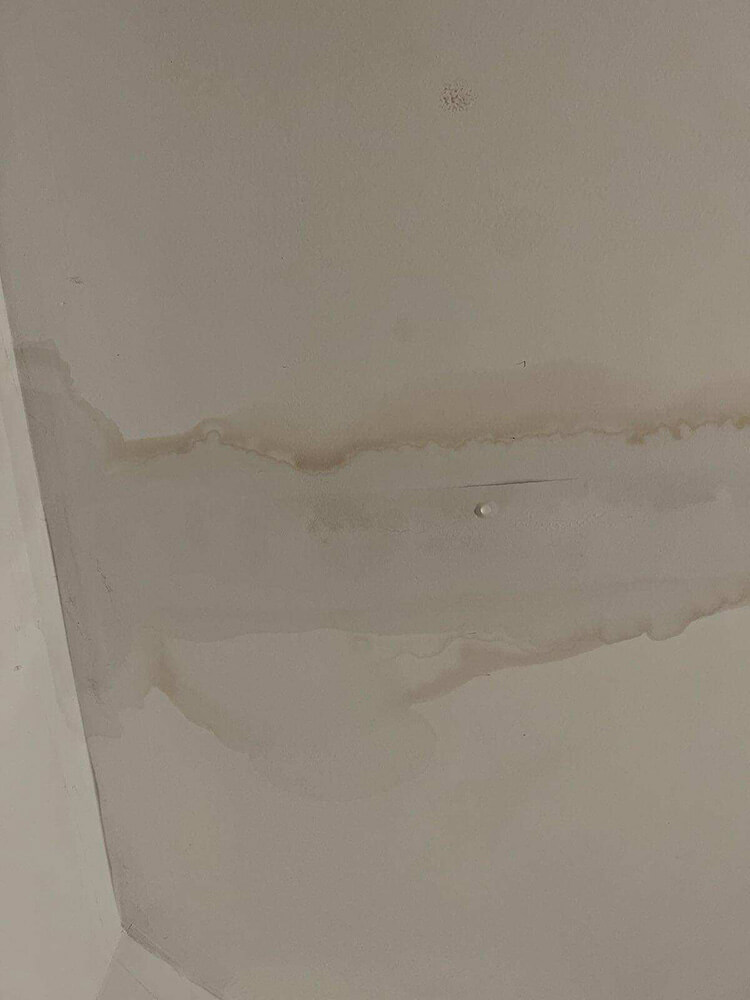
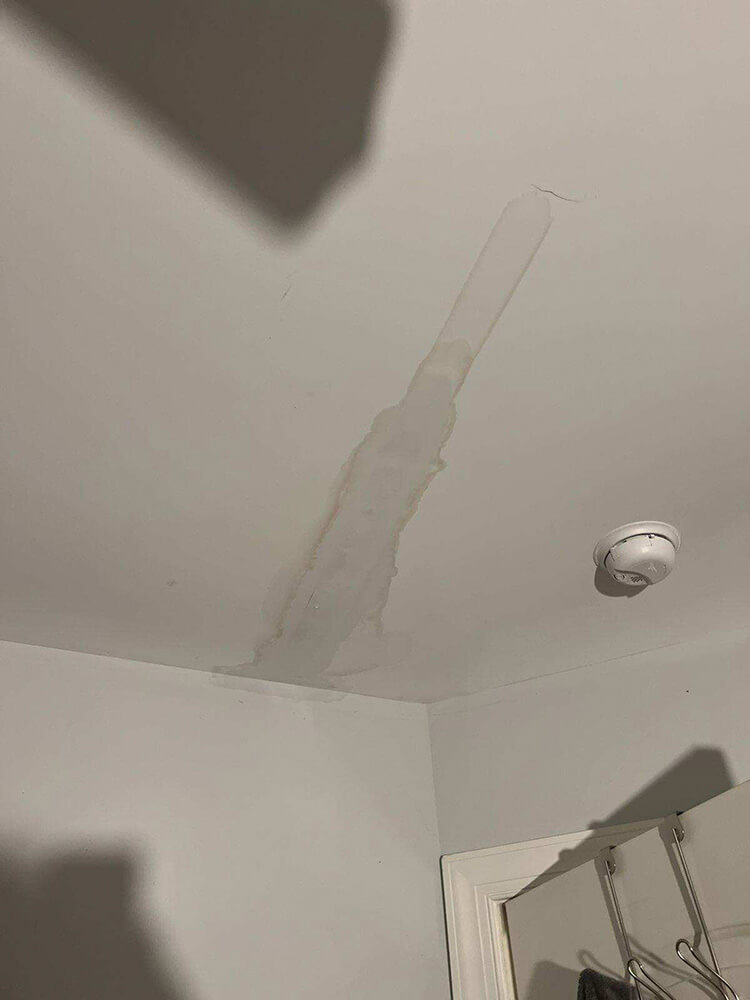
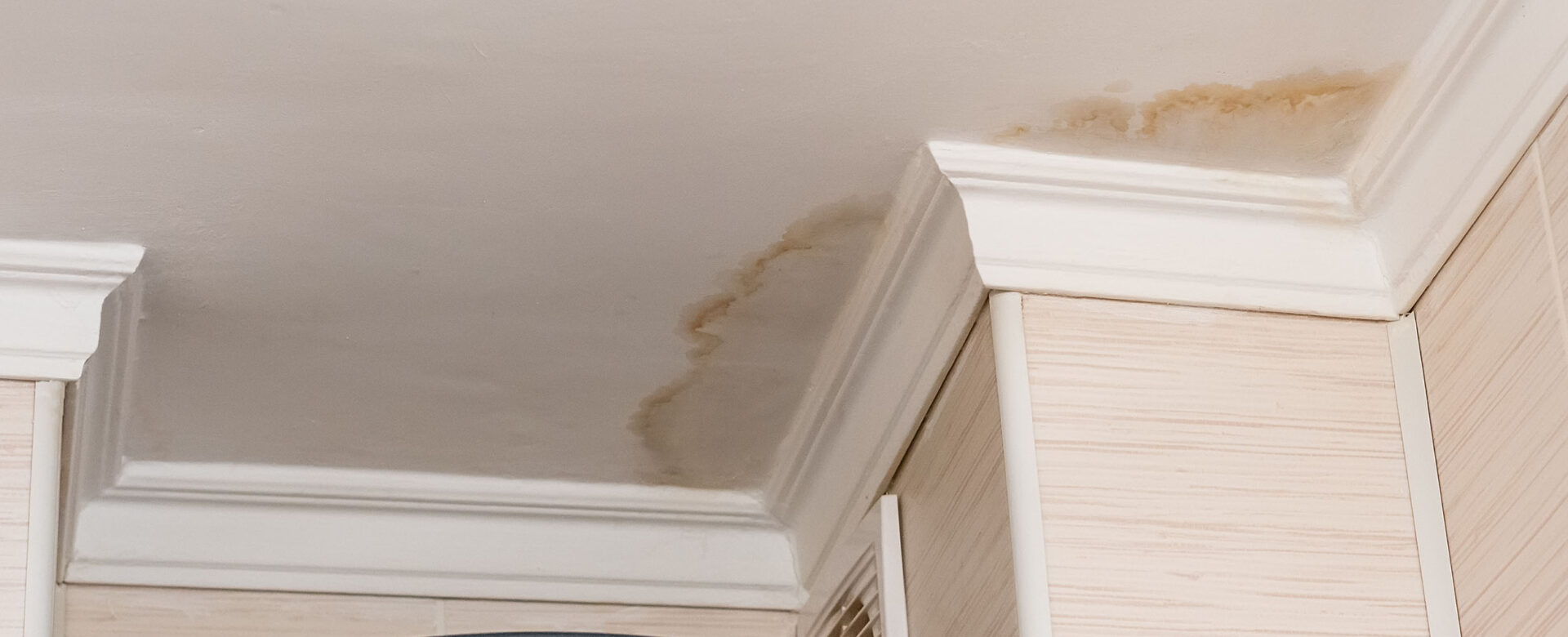
One reason these leaks are so frustrating is that the stain that finally appears on your ceiling days or weeks later may not be directly under or even near the spot where the water got in. When water enters at a flashing seam or vent, it can run along the roof decking, down a rafter, and even across insulation before finally dripping through the ceiling feet away. That’s why painting over the stain and calling it a day rarely works. The real entry point is somewhere else, and until someone follows the water trail and finds the source, the water can keep coming in every time the winds line up from the same direction.
Signs to Watch for After a Storm
Take a few minutes after any significant nor’easter to look for:
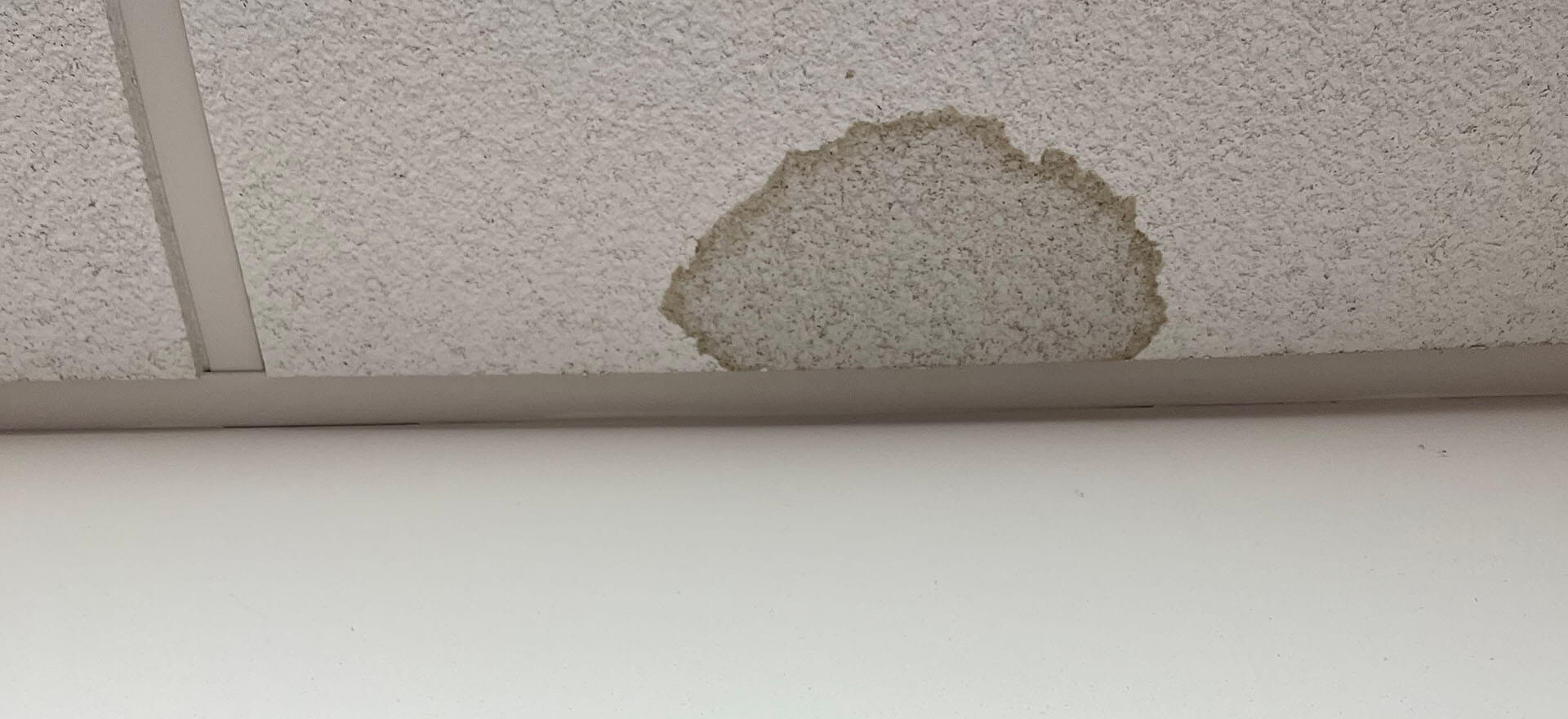
- Ceiling or wall stains, even faint ones
- A musty smell in a room or closet
- Damp or compressed insulation in the attic
- Bubbling or peeling paint near the roofline or on upper walls
- Leaks that only show up when the wind blows from a certain direction
That last one is a classic sign of wind-driven rain. If a room stays dry for months and then leaks during one particular kind of storm, then it’s probably about wind direction.
What You Can Do
Tackle only the simple and safe things on your own. Grab a flashlight and check your attic for damp spots, stains on the underside of the roof deck, or wet insulation. From the ground, look over the roofline and gutters for anything that seems out of place. Take dated photos of anything you find, since that documentation helps if you end up filing a claim. Coverage for wind-driven rain varies by policy, so it is worth checking with your insurance agent about how yours handles it.
If you find something, or if you have had a leak that no one has been able to track down, a roofing inspection by a licensed contractor can trace water back to its true entry point. For homes in our area, the fixes that make the biggest difference with wind-driven rain are usually well-sealed flashing details, a secondary water barrier under the roofing material, correct ventilation, and gutters sized for the volume of water they will actually be expected to handle.
Don’t Wait for the Hurricane
Since Hampton Roads sits right where the Chesapeake Bay meets the Atlantic, nor’easters are an inevitable part of life here. The good news is that wind-driven rain leaks are very fixable, usually do not require major roof repairs or replacements, and can be relatively inexpensive when caught early. If last month’s storm left you wondering about your roof, or you would like a second set of eyes before the next one, Andrews Roofing is happy to take a look. Contact us today for a professional roofing inspection.