



Leaks & Service Repairs

757-399-3066 ext 3 (Leaks & Service Repairs)

Reroof Estimates & Inspections

757-399-3066 ext 1 (Reroof Estimates & Inspections)

Tag: hail roof damage

Should You Make an Insurance Claim for Your Roof Damage?

In Southeast Virginia and the Hampton Roads region, roofs can take a serious beating.

Between strong coastal winds, heavy rain, tropical storm systems, and intense summer heat and humidity, it’s common for homeowners to discover roof damage and wonder if it’s just normal aging—or something that should be covered by insurance.

It’s a common homeowner question that we encounter: “Should I file an insurance claim for this?” Knowing the difference between everyday wear and tear and storm-related roof damage can help you avoid unnecessary claims, out-of-pocket expenses, and frustration with your insurance provider. Here’s how you can tell the difference—and what to do next.

Normal Roof Wear and Tear: What Insurance Typically Does Not Cover

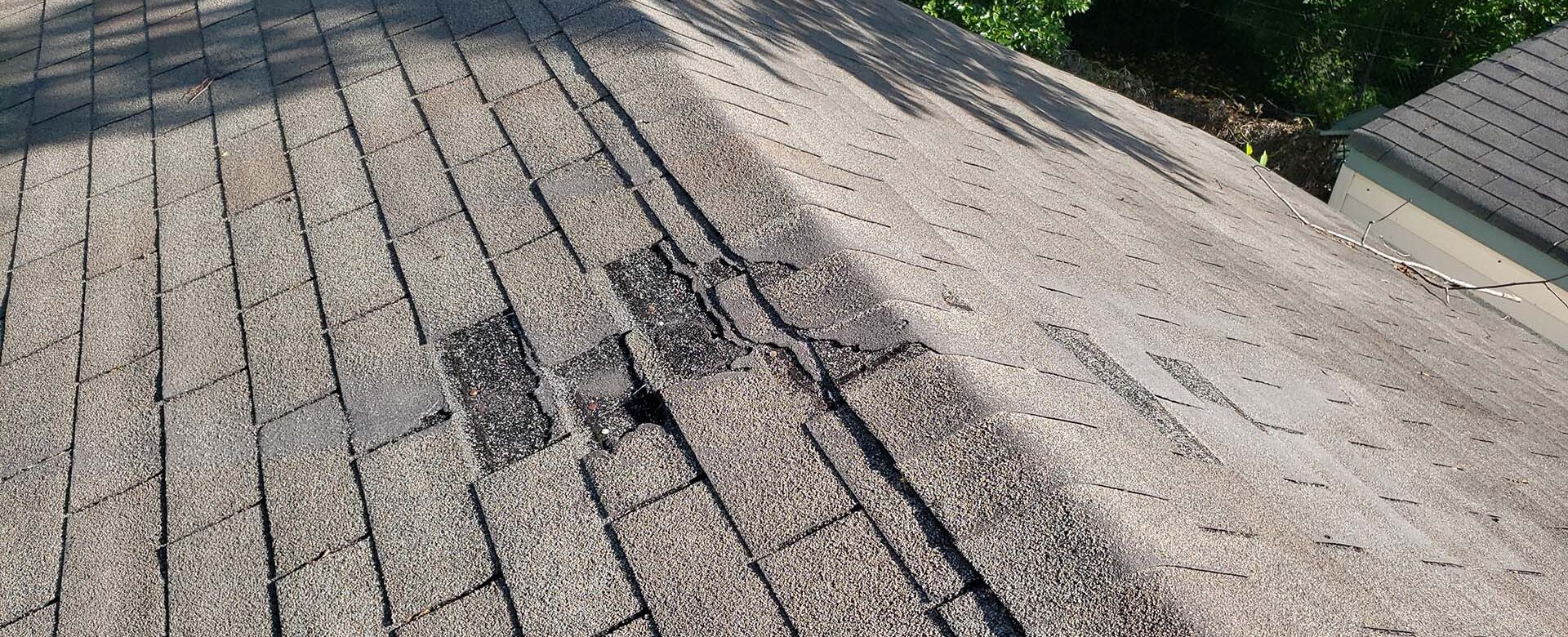
Roofing materials naturally age over time, especially in the coastal climate of Southeast Virginia. Insurance companies generally do not cover damage caused by gradual, natural deterioration or lack of maintenance. Common examples of normal wear and tear include:

  • Aging or brittle shingles that are near the end of their lifespan
  • Granule loss on asphalt shingles, typically from age and long-term sun exposure
  • Faded or discolored roofing materials
  • Minor cracking or curling that are age-related/typical
  • Small leaks caused by age—not a specific weather event

If your roof is 20–30 years old and showing these signs, it’s usually considered a maintenance or replacement issue rather than an insurable loss. In these cases, planning a roof replacement before major leaks develop is often the smartest move.

When Roof Damage May Be Covered by Insurance

Insurance typically applies when roof damage is caused by a sudden, identifiable event, such as severe weather. In Hampton Roads, this often means wind, hail, or tropical systems.

Roof damage that may warrant an insurance claim includes:

  • Missing, torn, or lifted shingles after high winds
  • Hail damage, including bruised or cracked shingles
  • Impact damage from fallen tree limbs or debris
  • Leaks that appear shortly after a storm
  • Damage from hurricanes, tropical storms, or tornadoes

If roof issues show up immediately after a major storm—or you notice similar damage throughout your neighborhood—it’s a good sign that the damage may be insurable.

Step One: Get a Professional Roof Inspection

Before filing a roof damage insurance claim, it’s important to schedule a professional roof inspection with a licensed roofing contractor that is local to the Hampton Roads region and knows our local weather as well as the local insurance providers. A trained roofer can determine whether the damage is storm-related or simply age-related. The inspection should:

  • Identify visible and hidden storm damage you may not be able to see from the ground
  • Document findings with photos and written notes which can be submitted to your claims agent
  • Provide a detailed repair or replacement estimate to give a “second opinion” to the insurance adjustor’s estimate
  • Help you decide whether filing a claim makes financial sense at all

Step Two: Complete the Insurance Claim Process

If your roofing contractor determines the damage is likely covered, here’s how the process typically works:

  1. File a Claim with Your Insurance Company. You’ll contact your insurer and provide details about the storm or event that caused the damage. This is where the information from the roof inspection will come in especially handy.
  2. Meet with the Insurance Adjuster. An adjuster inspects your roof and evaluates the damage. Your contractor can often be present to ensure nothing is overlooked.
  3. Review the Insurance Estimate. The insurance company provides an estimate outlining approved repairs or replacement, minus your deductible. You may want to have your contractor review the estimate to ensure nothing was overlooked or underquoted.
  4. Complete Roof Repairs or Replacement. Once approved, your contractor completes the work according to the claim’s scope, providing any necessary documentation for your insurance company.

Step Three: Keep It Local

Having an experienced Hampton Roads roofing contractor involved helps ensure the insurance estimate reflects the full extent of the damage as well as the cost of local labor — not just what’s immediately visible or generic.

While not every roofing issue requires an insurance claim, ignoring any type of roof damage – storm-related or otherwise, can lead to much larger problems, including interior water damage and mold. If you’re unsure whether your roof damage is normal wear or something insurance should cover, Andrews Roofing is here to help you make an informed decision. Contact us today for a professional inspection, clear documentation, and support throughout the insurance claims process —without pressure or guesswork.
read more

How Small Hail Can Damage an Asphalt Fiberglass Shingle Roof

Recently Hampton Roads has experienced a rash of late-spring severe weather events, which have included small hailstorms. You may have experienced damage to your property from these storms that was obvious: cracked windows, dented car hoods, beaten or broken plants and landscaping. But did you know there may also be damage that you can’t see immediately?

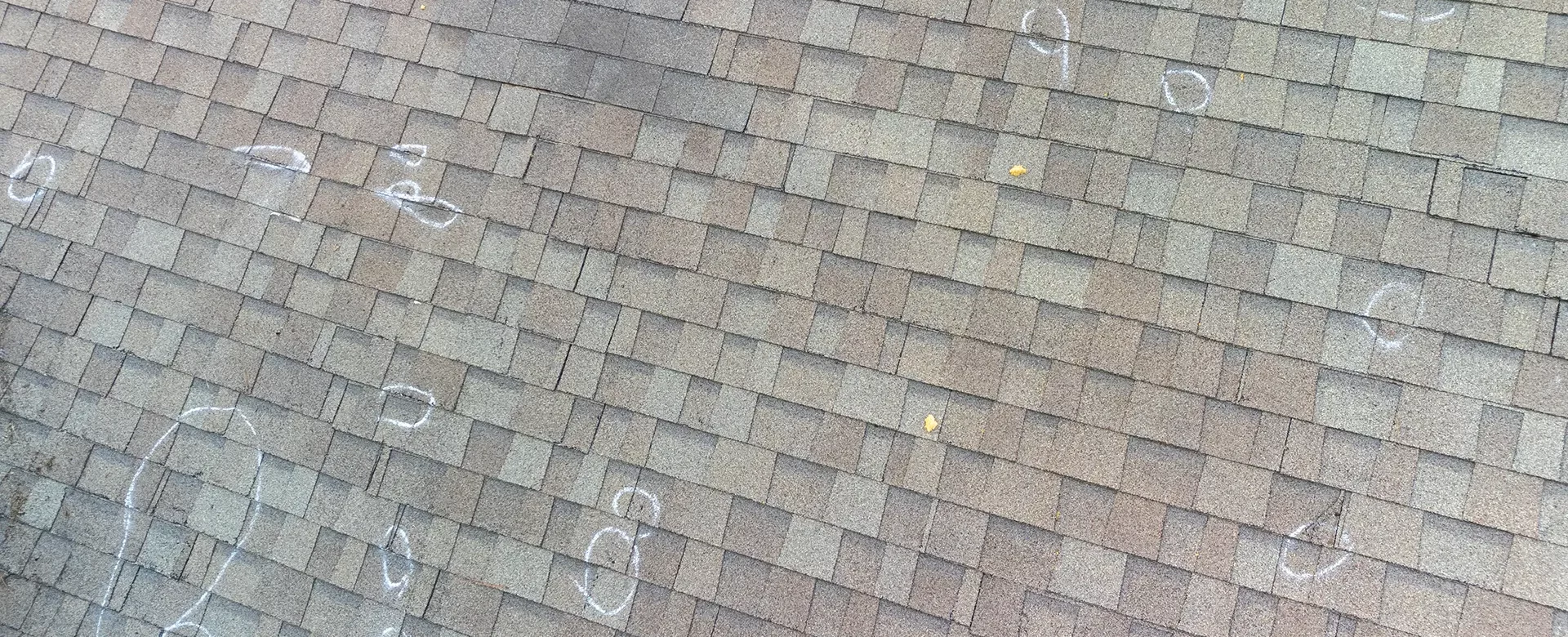
Small hail, generally considered to be less than 1 inch in diameter (think pea to marble-sized), can still cause damage to your home’s asphalt fiberglass shingled roof – especially over time and with repeat incidents. The impact may seem minimal, but if these types of severe storms continue as they have been, there are signs you should keep an eye out for and damage that can add up.

Granule Loss

The most common damage that occurs from small hail is the dislodging of the protective granules on the surface of the shingles. These granules shield the underlying asphalt and fiberglass layers from direct sunlight, which causes UV damage and weathering. Even small hail can have a big impact on your roof if the storm is long enough, severe enough, or if the hail events happen repeatedly.

What you are likely to notice if this damage occurs is granules accumulating in your gutters and downspouts after a hail event or rainstorms that occur shortly after the hail event. When the granules are degraded, you’ll start to notice shingles that are brittle, and that will begin to crack and fail over time.

Bruising and Indentations

Small hail is unlikely to puncture your shingles; however, it can cause small indentations or bruises on the shingle surface. These impact points can weaken the shingle structure at a microscopic level. Pressure from the hailstones (especially in the case of slightly larger hail), can actually cause the asphalt layer to compress, while also crushing the asphalt granules. While these compression points may not immediately cause leaks, they can create points of weakness where cracking or further granule loss is more likely to occur – especially when temperatures change.

Exposure of the Fiberglass Mat

In some cases, if the hail is severe or torrential enough, the impact can be forceful enough to not only remove granules but also damage or expose the fiberglass mat beneath the asphalt. This mat is what provides tensile strength to each shingle, so even small tears or damage to the fiberglass layer can increase the risk of roof damage, especially when wind becomes involved. Shingles that are damaged down to this layer should be repaired and replaced as soon as possible to prevent further damage to the roof decking.

Damage to Flashing and Other Components

Even if your shingles don’t experience significant damage, it doesn’t quite mean you’re in the clear. Small hail can still damage metal flashing around vents, chimneys, and other roof penetrations by denting or loosening them. Gutters and downspouts can also sustain minor dents from small hail or loosening from the roof edge or side of the home. While this may not cause an immediate leak, it can affect their functionality, which over time can cause water damage to other parts of your home. It may also simply affect the aesthetics of your home’s exterior.

Bottom Line: Accelerated Weathering

The cumulative effect of this type of hail damage (granule loss, bruising, fiberglass exposure, denting) can accelerate the overall weathering process of your roof. Exposed asphalt deteriorates faster; the shingles lose their flexibility and become more brittle and likely to break. This can shorten the lifespan of your entire roof, while also making it more susceptible to damage from other types of subsequent weather events.

Things to Consider:

  • Age and Condition of the Roof: Older roofs or those already in poor condition are more susceptible to damage from even small hail. Brittle shingles will be more easily damaged.
  • Duration and Intensity of the Hailstorm: A prolonged storm with even small hail can cause more cumulative damage than a brief one.
  • Wind: Small hail accompanied by strong winds can exacerbate the damage by driving the hailstones with more force and potentially lifting shingle edges, making them more vulnerable to impact.

What to Do Next

It’s always a good idea to have your roof inspected by a qualified professional after any hailstorm, even if the hail appears small, to assess for potential damage that might not be immediately visible. This is especially true for older roofs, roofs with existing damage or in the case of severe, prolonged, or repeated hail events.

The professionals here at Andrews Roofing are highly experienced with the Hampton Roads region and the types of damage that are common with our weather conditions. As a locally owned and operated licensed roofing company, we do our best to treat every customer like our neighbors – because they are! Contact us today if you have any concerns about the condition of your roof after a severe southeast Virginia weather event.

read more