

Leaks & Service Repairs

757-399-3066 ext 3 (Leaks & Service Repairs)

Reroof Estimates & Inspections

757-399-3066 ext 1 (Reroof Estimates & Inspections)

Tag: roof repair

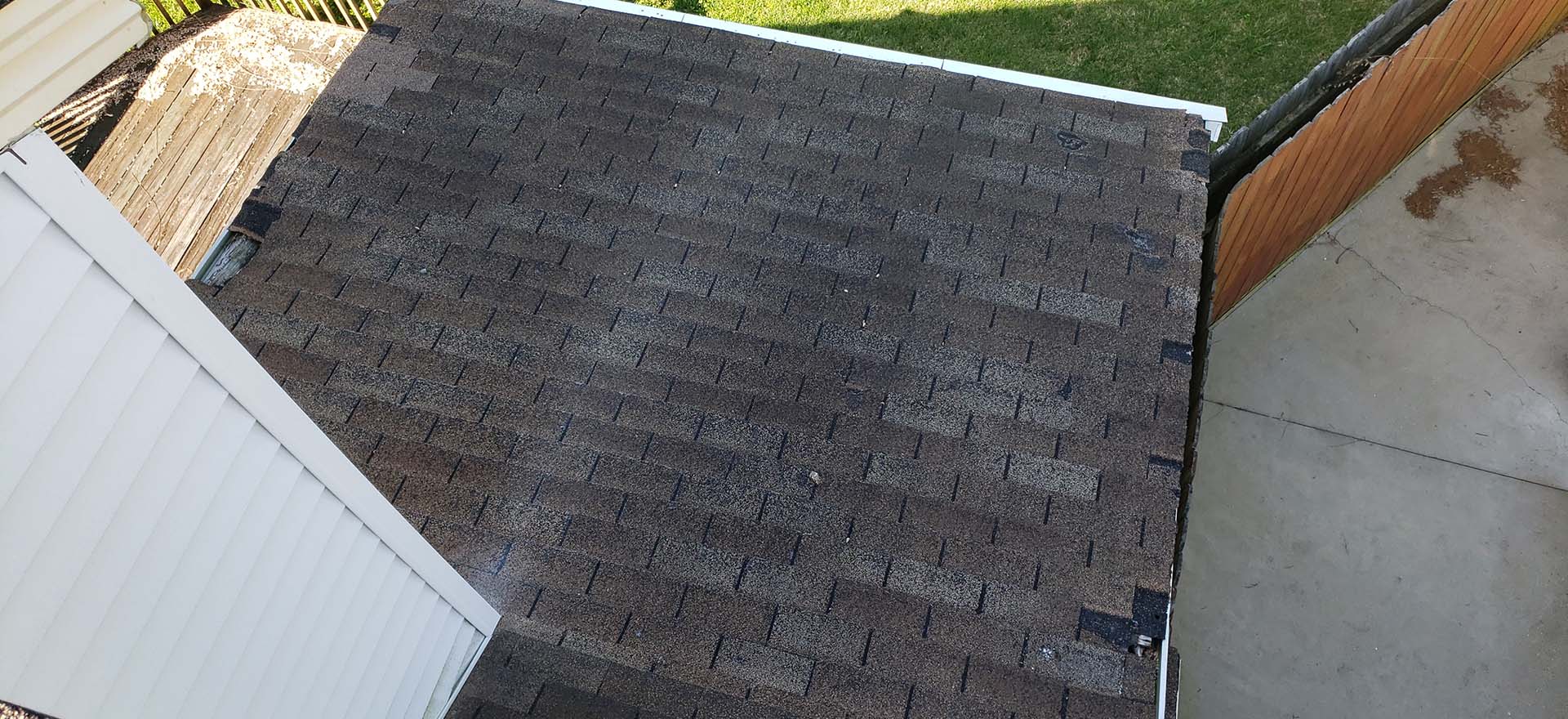
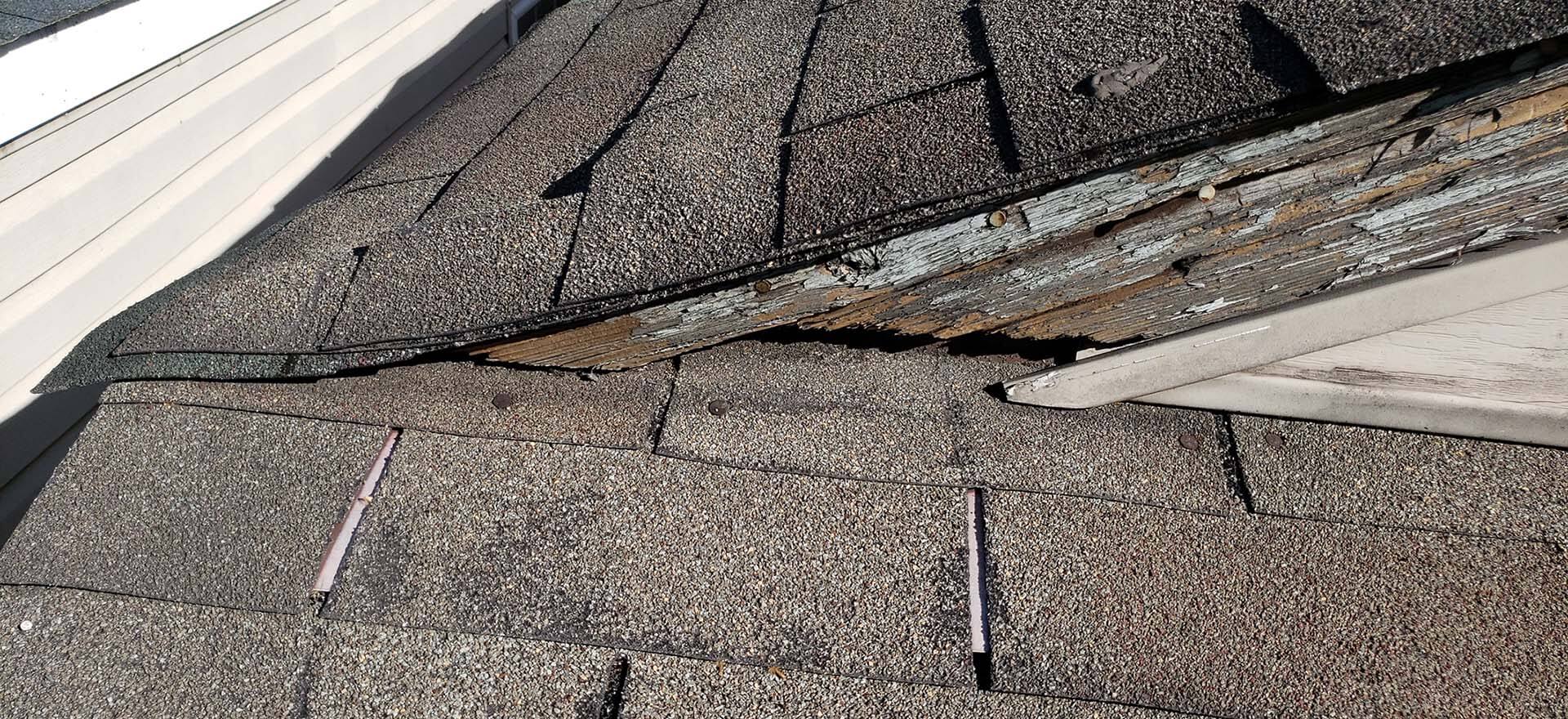
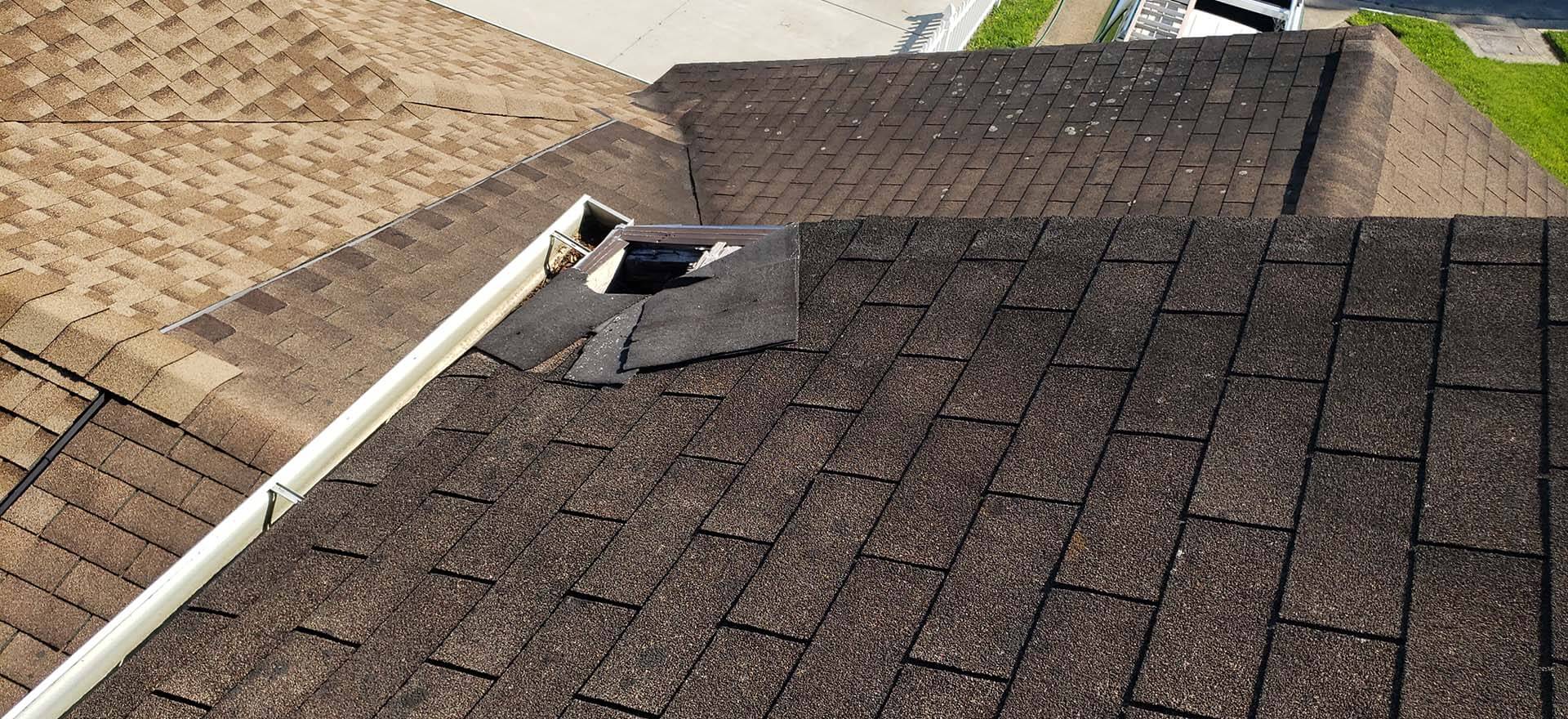
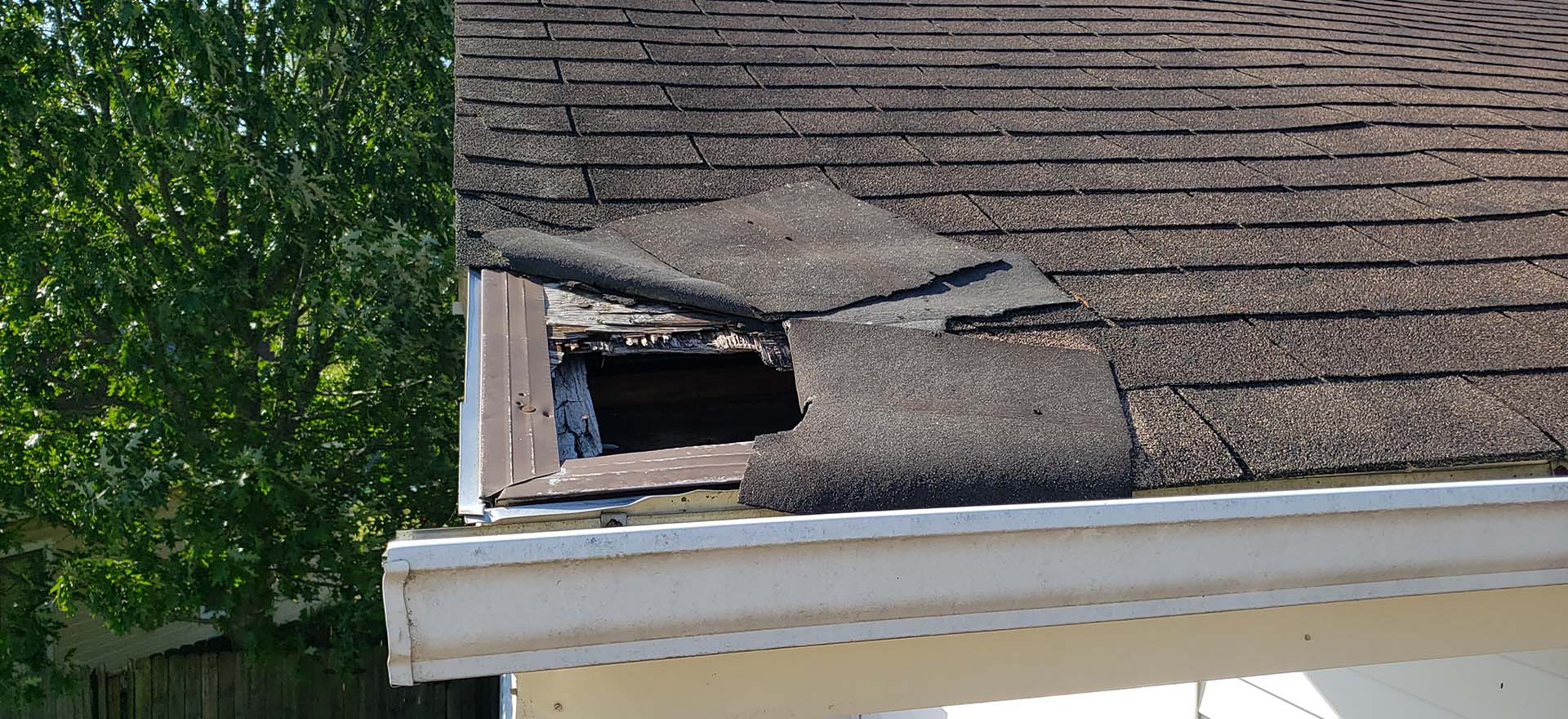
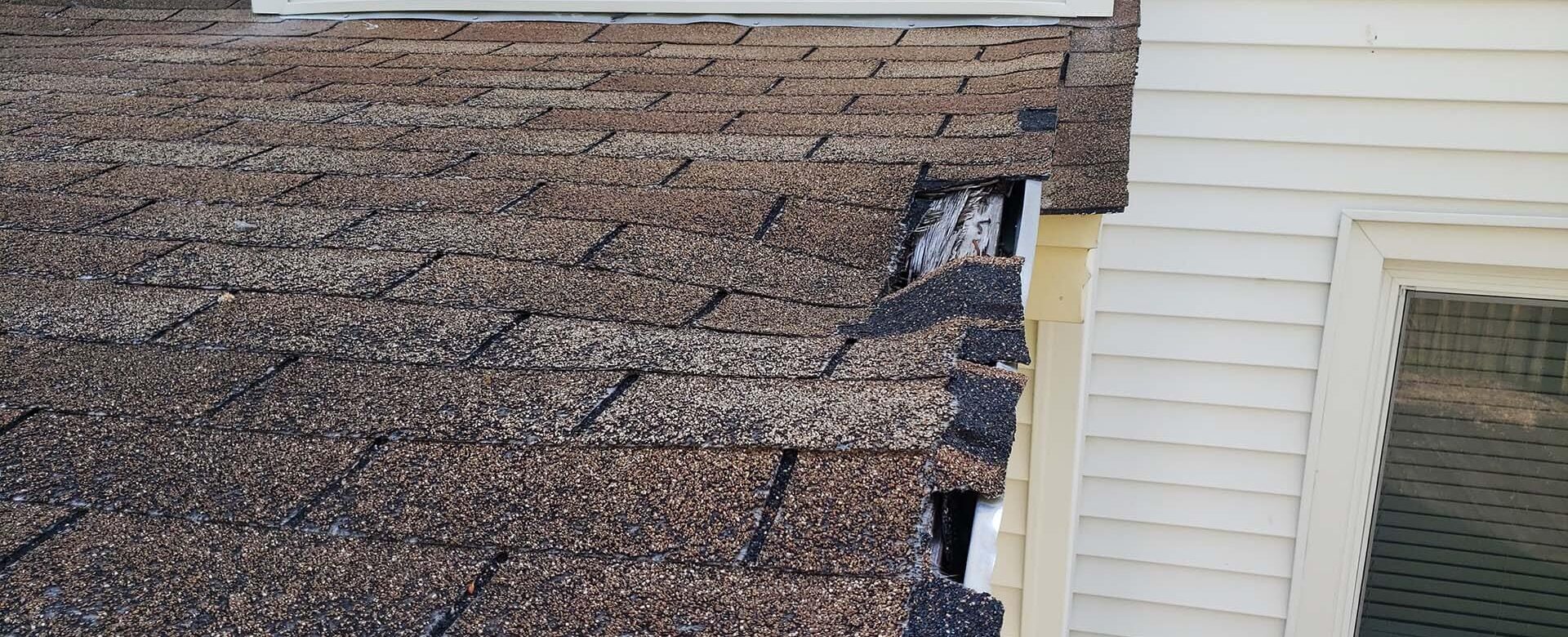
DIY Roof Repairs: What Could Go Wrong

“What could go wrong” when trying to repair your own roof isn’t a question – it’s an inevitability.

We know many homeowners take pride in tackling repairs and home improvement projects themselves. Leaky faucet – easy enough. Swapping out a light fixture? A little more complicated, but doable for the advanced weekend warrior. But when it comes to your roof, the DIY mindset can quickly turn from “I’ve got this” to “I’ve made a very expensive mistake.”

It’s not uncommon for our office to get calls that start with, “Well, we tried to fix it ourselves…” Roof repairs are one of the most commonly underestimated home maintenance tasks and also one of the most dangerous. Here’s a look at the roof repairs we see homeowners often attempt on their own, and what can (and frequently does) go wrong.

Common DIY Roof Repairs Gone Wrong

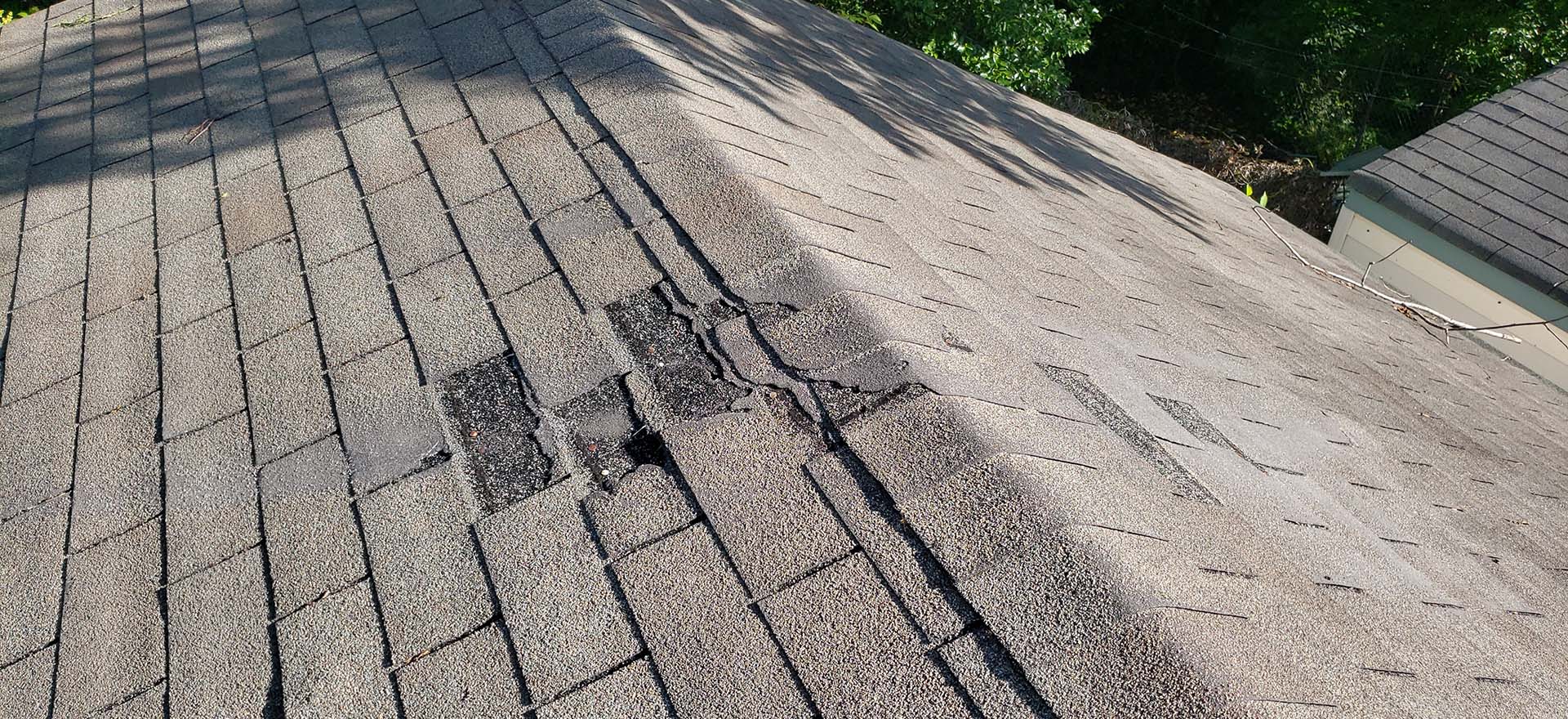
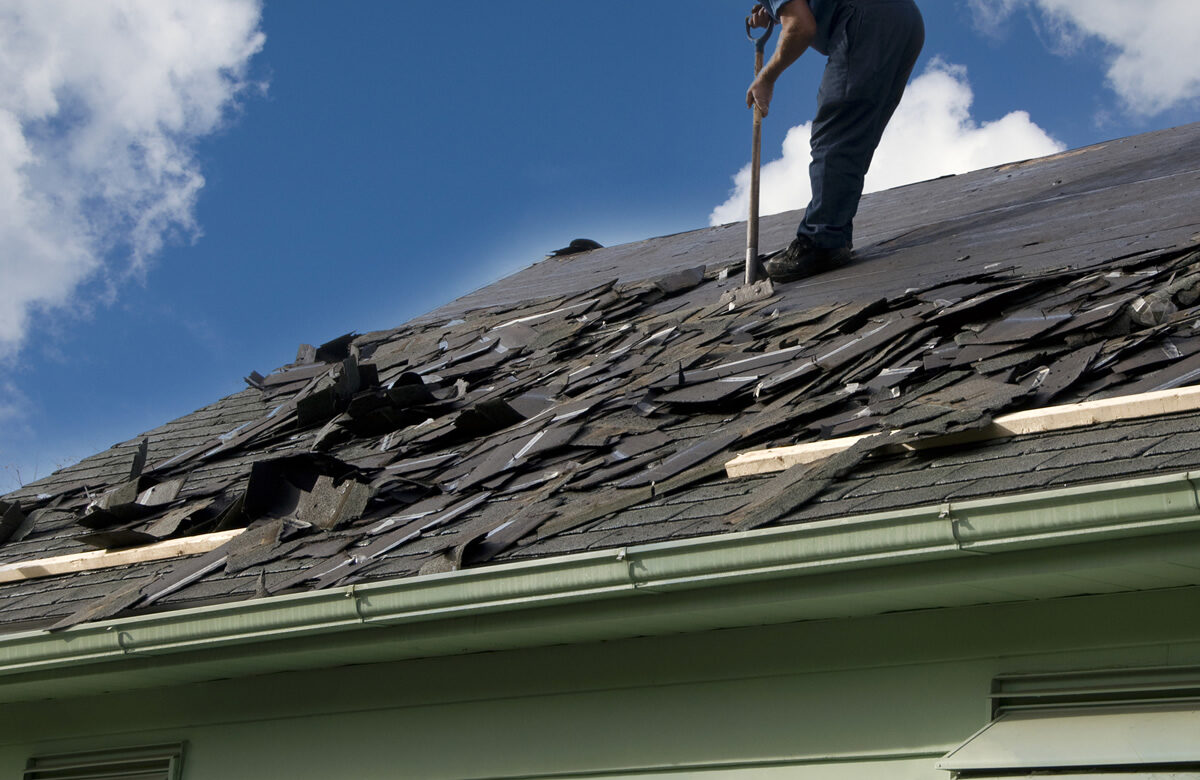
1. Replacing a Few Missing or Damaged Shingles

No big deal, right? On the surface, this seems straightforward: remove the damaged shingle, nail a new one in place, seal it, and move on.

What goes wrong:

  • Improper nail placement can puncture the underlayment, creating new leak points
  • Incorrect shingle alignment disrupts water flow
  • Using the wrong type or color of shingle compromises performance and appearance
  • Sealant is applied incorrectly or not at all

In Southeast Virginia, where heavy rain and high winds are common, even small installation mistakes can allow wind-driven rain to penetrate the roof system, causing more damage than what likely would have happened if you’d left the shingle alone.

2. “Patching” a Roof Leak with Sealant or Tar

Caulk and roofing tar feel like quick, easy, and affordable fixes for a leak, and they’re often the first thing homeowners reach for. But this “quick fix” can cause long-term problems.

What goes wrong:

  • Leaks are rarely where water enters the home; they travel along decking and framing, so sealing an area where the leak has penetrated is probably not solving the problem
  • Sealants dry out, crack, or wash away over time
  • Patching the visible issue masks the underlying problem

In humid coastal climates, trapped moisture can lead to rot, mold, and decking failure long before the leak becomes obvious again, which means you’ve created a secondary problem that is now going to require structural repair.

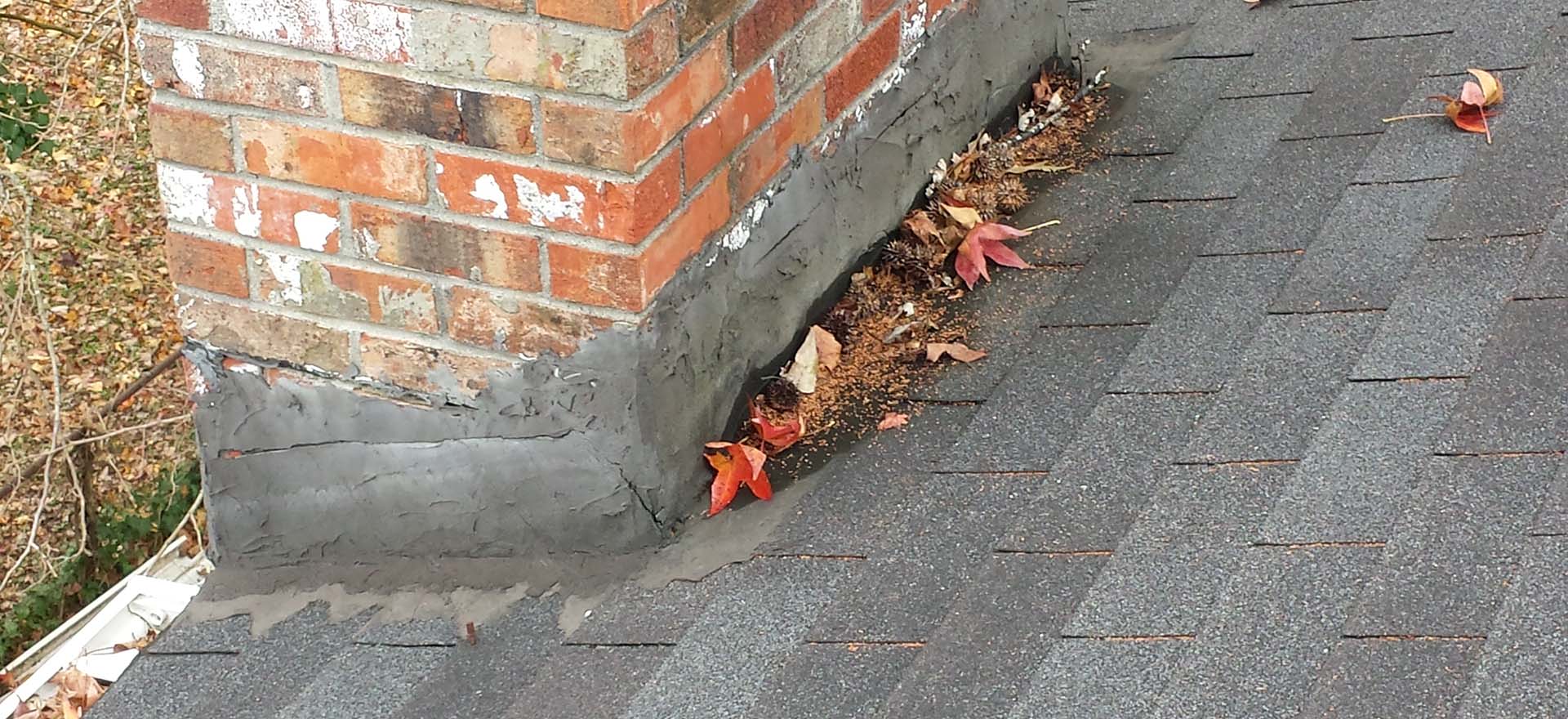
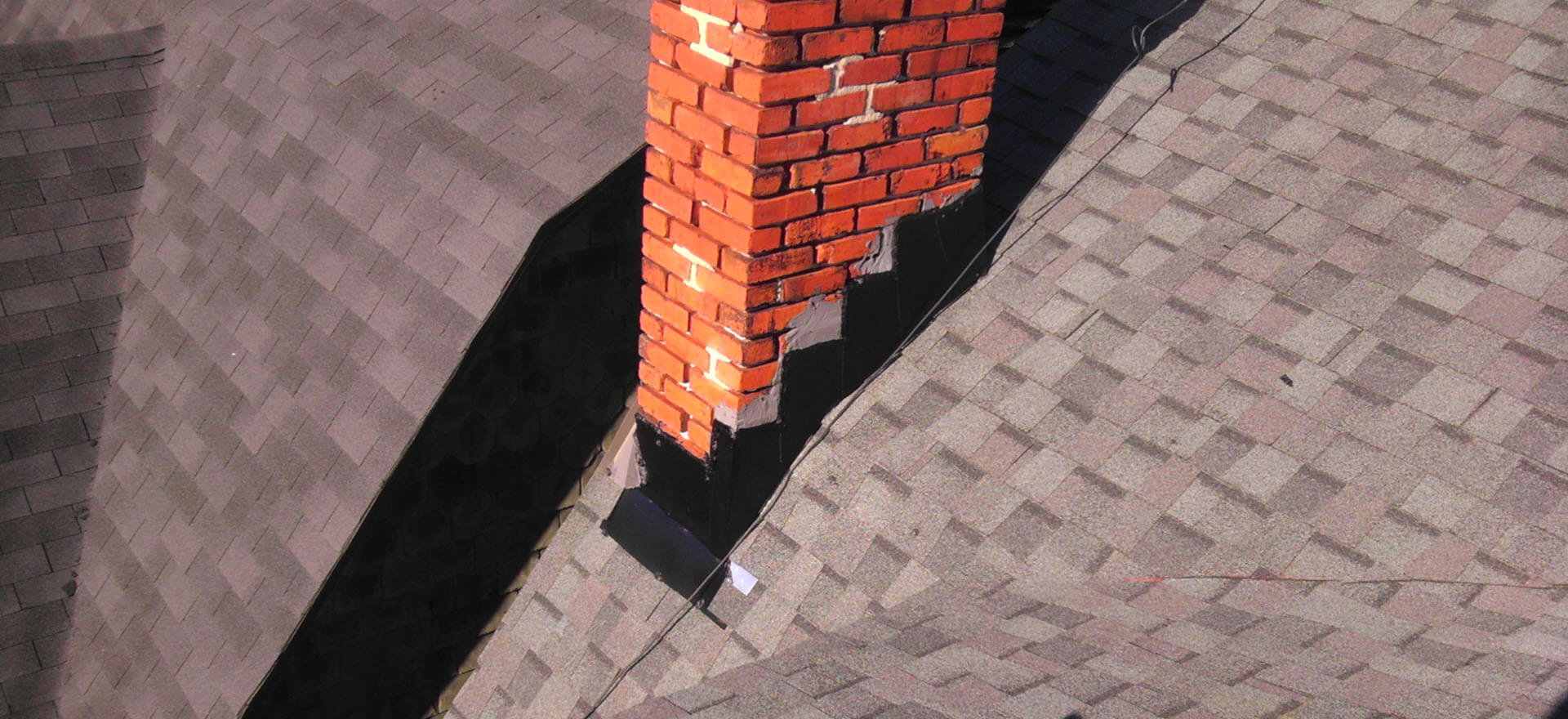
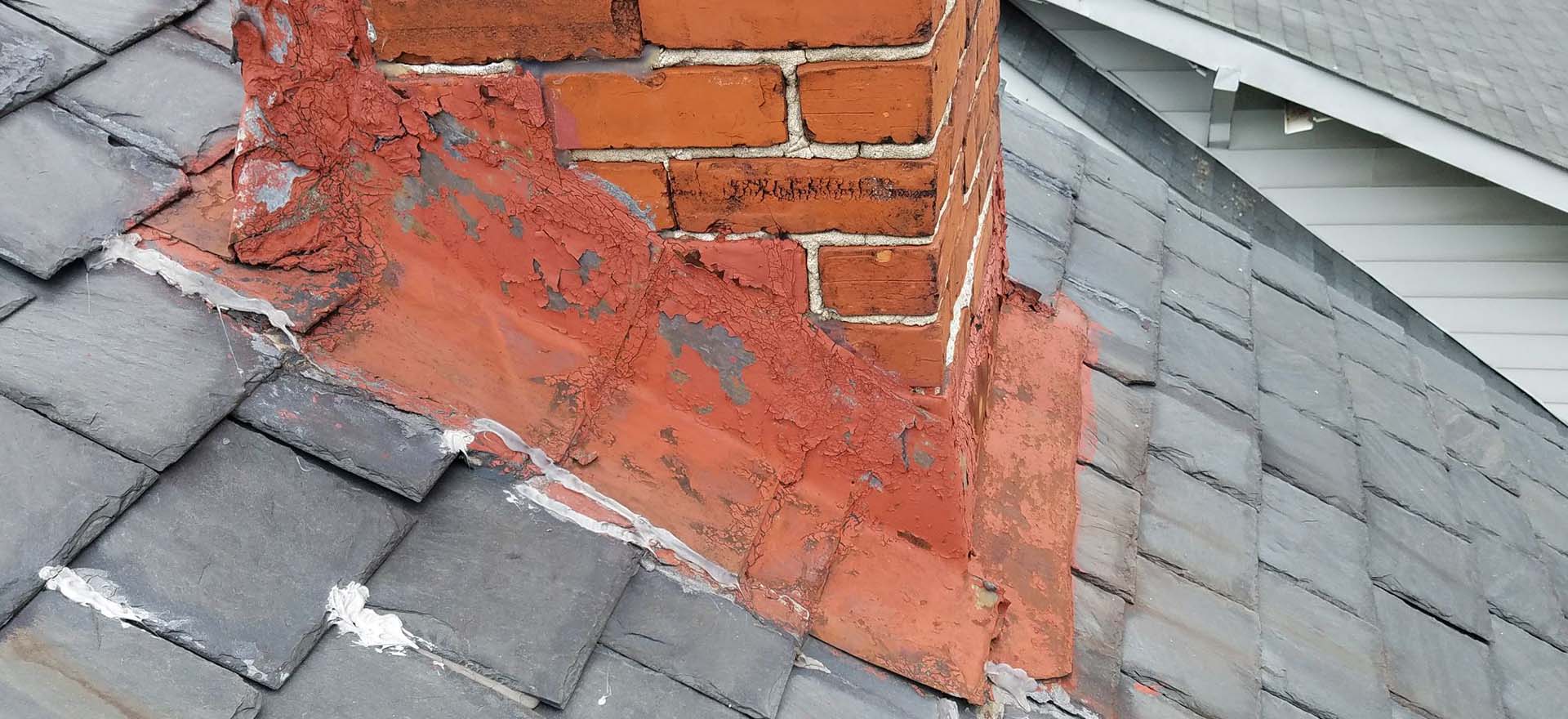
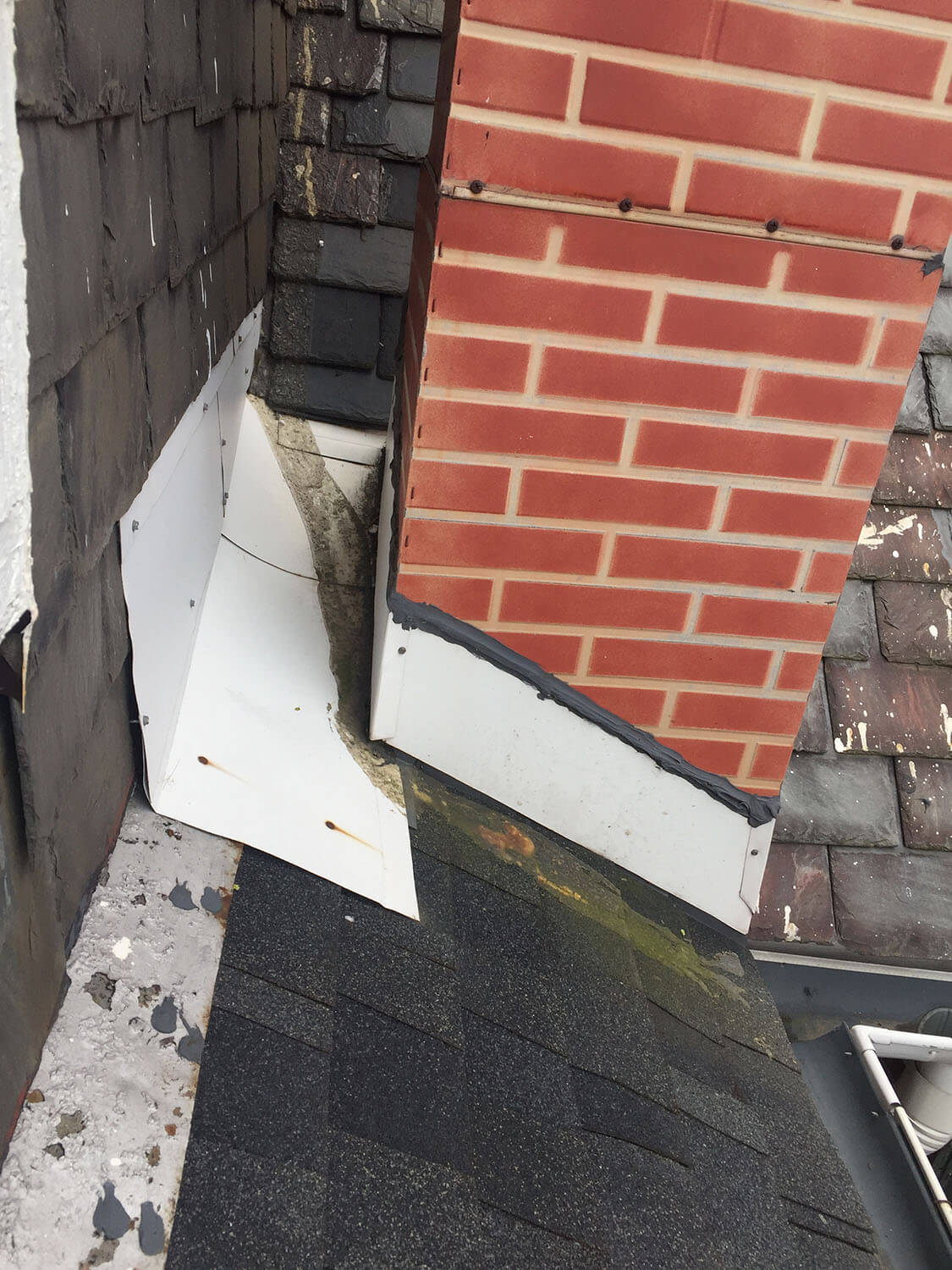
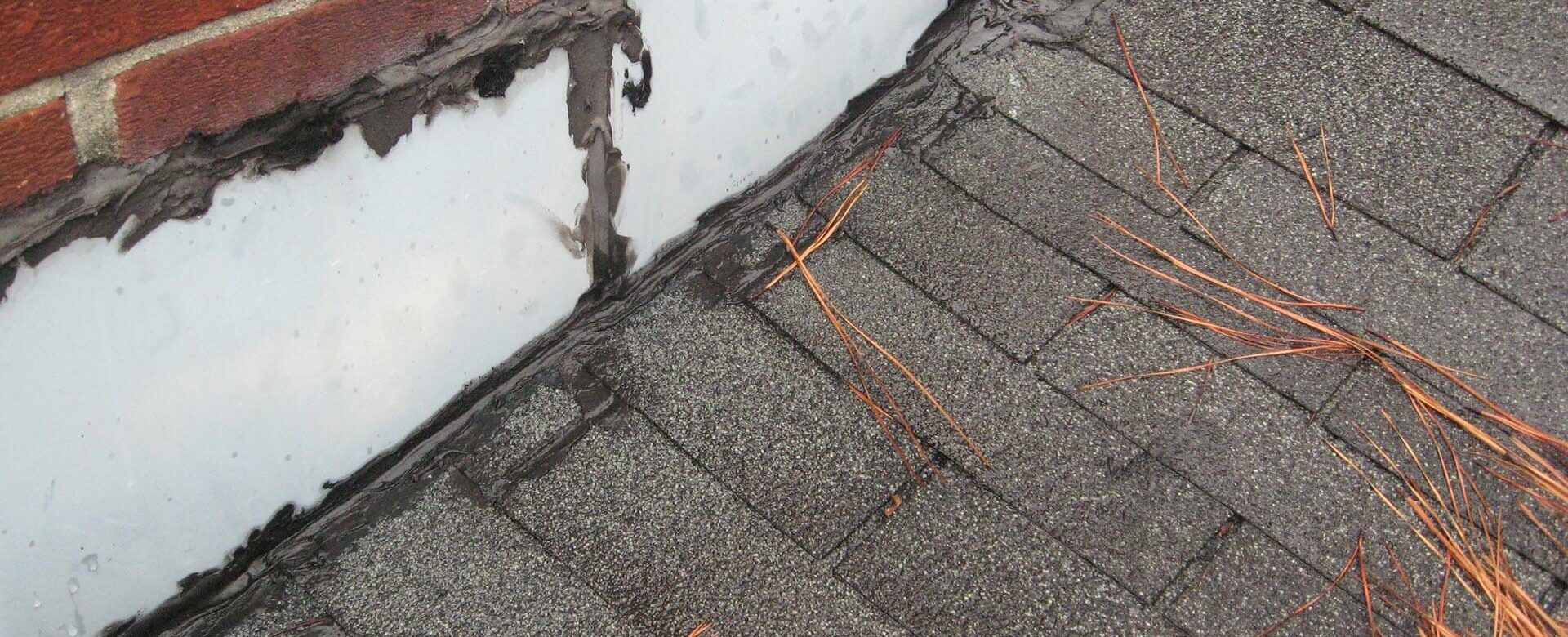
3. Cleaning or Adjusting Flashing

Loose flashing around chimneys, skylights, and roof penetrations is a common DIY target. You can easily see the problem and the solution feels straightforward. But this fix actually takes much more skill than you would imagine.

What goes wrong:

  • Flashing is bent or reinstalled incorrectly
  • Existing waterproofing layers are damaged
  • Fasteners are driven into the wrong locations

Flashing failures are one of the leading causes of roof leaks—and one of the easiest ways for DIY work to create long-term water intrusion. Not to mention this type of work is particularly dangerous for someone not accustomed to working on roofs.

4. Gutter “Fixes” That Affect the Roof

Homeowners often clean, reattach, or adjust gutters without realizing how closely they interact with the roofing system.

What goes wrong:

  • Improper pitch causes water to back up onto the roof edge
  • Fascia boards are damaged during reattachment
  • Hidden water damage and rot go unnoticed

In areas like Hampton Roads, where sudden downpours are common, poor drainage can overwhelm roof edges and accelerate deterioration.

What DIY Roof Repairs Can Really Cost You

1. More Damage Than You Started With

One misstep—literally or figuratively—can turn a minor issue into structural damage. Water intrusion doesn’t announce itself right away, and by the time it does, repairs are often far more extensive (and expensive) than the original problem.

2. Voided Warranties

Many roofing manufacturers require that repairs and modifications be performed by licensed professionals. DIY work – even when well-intentioned and effective – can void material warranties, leaving homeowners unprotected when future issues arise.

3. Insurance Complications

If a DIY repair fails and causes interior damage, insurance companies may deny claims due to improper workmanship or unlicensed repairs. This is especially risky following storms or high-wind events common in Southeast Virginia.

4. Serious Safety Risks

This is the part that cannot be overstated.

  • Roofs are steep, slick, and unforgiving
  • Asphalt shingles become dangerously slippery in heat, humidity, or after rain, especially when covered with mold or mildew
  • Falls from even one story can result in severe injury

Every year, homeowners are seriously injured attempting roof work because they don’t have the proper knowledge, safety equipment or understanding of structural weak points of their own home. Don’t damage your home AND yourself with risky DIY repairs.

When in Doubt, Call a Professional

Professional roofers understand the composition of a roofing system, how water behaves under different weather conditions, how the regional climate impacts materials and installation, and how to work safely in their environment.

A professional roofing inspection can often catch issues homeowners didn’t even realize were connected to the issue they’ve identified, saving them from much more costly repairs down the road. So, if you’re noticing missing shingles, leaks, sagging areas, or storm damage, or even if you’re unsure what you’re seeing but you know something is wrong, calling a licensed roofing professional is the safest, smartest first step.

DIY projects have their place, but your roof isn’t one of them. Contact Andrews Roofing today.
read more

Is Your Roof Talking to You?

You’ve heard the saying “if these walls could talk” but did you know your roof really can talk to you?

No, your roof talking to you doesn’t mean you have a poltergeist, but it does mean you might have a major repair or replacement on your hands. The key is understanding the different forms of communication a house uses.

Remember, silence is golden. If a roof is in great shape with no issues, it’s likely to stay quiet. But when failure due to damage or age starts up, that’s when you’ll start to “hear” some moaning and groaning.

The first form of communication a failing roof will use is visual. Cracked, dry, brittle, or missing shingles is the first sign that a roof is reaching the end of its lifespan. Knowing when your roof was installed will, of course, help with determining if the time has come for a replacement based on materials used and their expected lifespan. If it’s just a couple of shingles showing wear, it may be possible that a small repair can extend the life of your roof a little longer. But if more than 5-10% of your roof is showing obvious signs of aging, it’s telling you that it’s time for a full replacement.

The second form of communication a roof will use is your energy bill. Have you seen a recent spike in how much energy you’re using each month? This could very well be because of an aging roof. Missing or deteriorated insulation, worn out shingles, damaged or decayed forms of ventilation can all cause your heating and cooling system to have to work harder, increasing your bills. Again, any one of these issues could be grounds for a professional repair, but add them all up together and a replacement is likely necessary.

The third, most obvious and more detrimental form of communication a roof can use is the leak. If you have a leak, there’s no doubt some form of repair or replacement is due. But pinpointing exactly where a leak is coming from and what type of failure is causing it can be difficult. A licensed and experienced roofing contractor should be called in immediately to assess the situation and provide some options. A minor leak doesn’t have to mean a total roof overhaul. Often leaks are caused by loose or missing flashing, a backed up gutter or a hole that is easily fixed. But sometimes the leak is simply a roof’s final message letting you know that its time has come to an end.

If you start hearing any of these messages from your roof, call in a licensed contractor to help you translate them and determine the best path forward. If repairs can be made to extend its life a few more years, it would be wise to take that length of time to start putting funds aside to pay for the eventual replacement. Roof replacements are a major investment, and no one wants to have to make that purchase suddenly and without warning.

At Andrews Roofing we are trained and experienced roof communicators. We’ve seen nearly every type of failure, repair and replacement scenario possible, which means we can give you the best advice and the most accurate estimates to help solve the problem. If you’re roof has started talking to you, contact us today.

read more

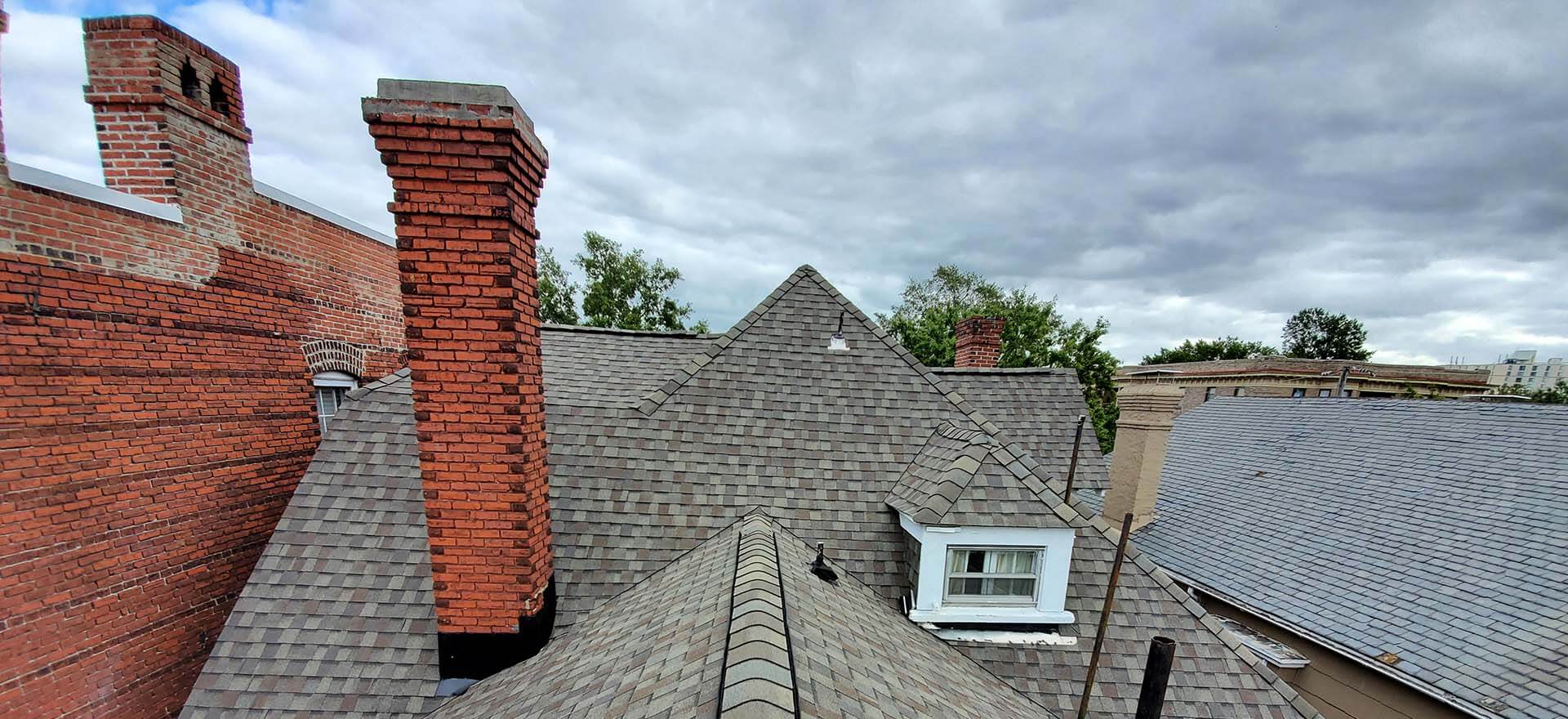
How Removing a Chimney Affects Your Roof

Does your home have a chimney and fireplace that you never use? Or maybe you’ve converted your fireplace to gas and no longer require the chimney for ventilation? Traditional wood burning fireplaces and chimneys can be difficult to maintain and often go unused when gas and electric options are so readily available in a variety of styles.

If you’ve decided to nix your wood burning fireplace and you have concerns about the safety and maintenance of it, you may want to consider removing it altogether. An unused and unmaintained chimney can be susceptible to leaks, animal entry and reduced energy efficiency. Of course, solving this problem isn’t as simple as slapping a cover on it, so here’s what you need to know about what goes into removing a fireplace or chimney from your home.

Have Your Chimney Professionally Inspected

Even though you’re having it removed, your chimney should still be inspected by a professional to ensure there are no cracks in the mortar inside the walls of your home as well as any structural damage or water penetration. Based on what they find, they can give their expert opinion on how to move forward with removal and if any internal repairs are needed first.

Make a Construction Plan

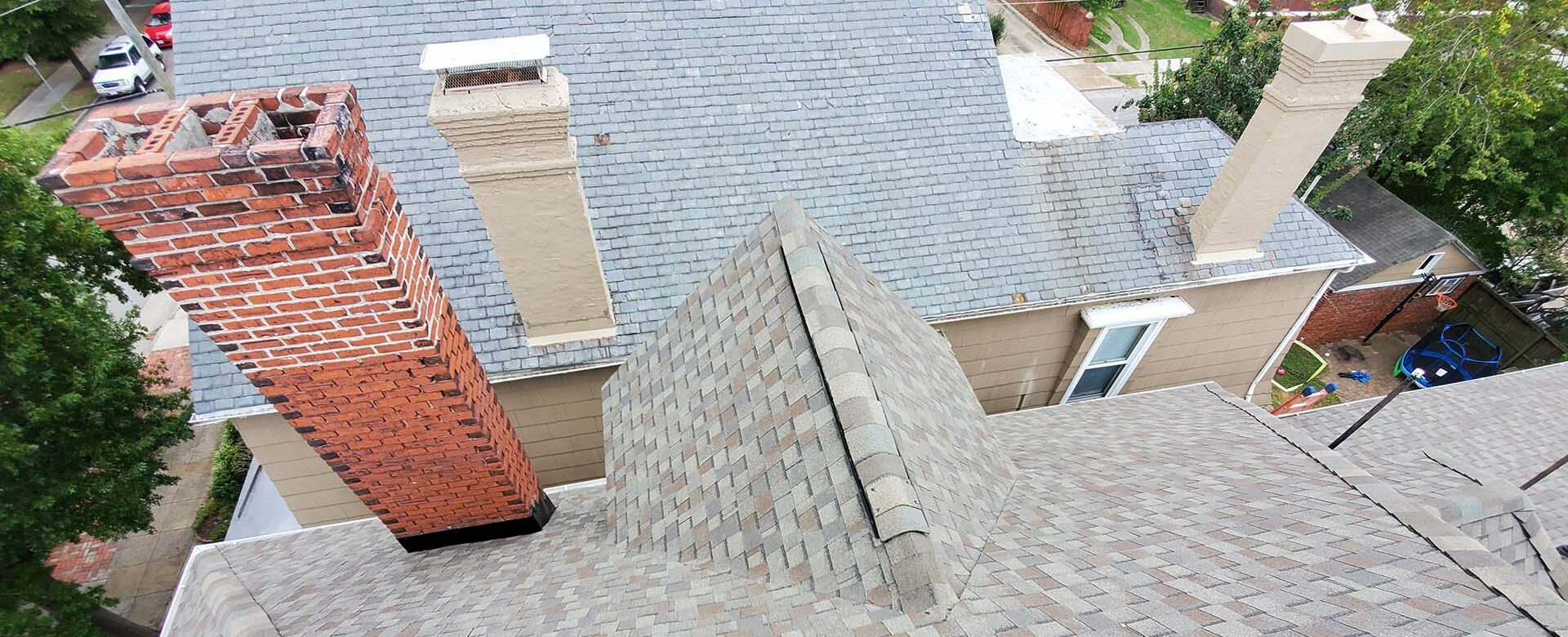
Depending on how much of the chimney you want removed – the entire column through to the hearth inside or just the chimney stack above the roofline – a construction plan will need to be made with a licensed contractor. If you’re converting the current fireplace to a gas or electric insert, you may only need to remove the chimney stack from the roofline up, but it’s something you should take the time to discuss with your contractor.

If you are wanting to close up the opening where the fireplace currently exists, it will require additional interior work such as light framing and drywall repairs. If the chimney is located in a shared wall, the construction will be a bit more complicated as demolition and repair work may be needed on both sides.

Use a Professional Roofing Company

Once it is time for the chimney stack opening to be covered up on your home’s roof, make sure a licensed, experienced roofing company is used for the roof repair portion of the project. They will ensure that the chimney is properly capped off using the method that makes the most sense for its location, material and the style of your home. Once the opening is capped, they will install roof sheathing and a roofing material that blends in with the rest of your existing roof.

Getting the right match and blending the new materials in an inconspicuous way takes talent and experience, so ask your roofing contractor if this is something they’ve done before and if they can give you any examples of their work.

Andrews Roofing Can Help

If you’re considering removing a chimney and/or fireplace from your home in the Hampton Roads region, contact Andrews Roofing. We have decades of experience in roofing repairs and materials and we can help you make a plan that will improve the look of your home and your enjoyment of it.


read more

Four New Year’s Roofing Resolutions

It’s the beginning of a new year, and that means it’s time for resolutions.
Most New Year’s resolutions revolve around self-improvement, but the truth is, you’re great just the way you are. So instead, we suggest making some home-improvement resolutions that don’t require a scale, a short-lived gym membership, or eventual self-loathing. Here are a few that can improve not just your home, but your enjoyment of it as well.

Monthly Inspections
This resolution is easy to implement, only takes a few minutes and can help save your home from preventable damage. Once a month, do a visual inspection of the exterior of your home. Add it to your calendar, set a reminder on your phone, or whatever you use to keep track of recurring tasks.

From the outside of your house, walk the perimeter and look for any holes or damage to siding, loose flashing, loose or missing shingles, brittle or broken shingles, moisture around your foundation, debris that may have landed on your roof, mildew or algae buildup or anything else that seems out of place or damaged. From the inside, peek into your attic and make sure all the rafters and roof decking are dry, that the ventilation is working properly and that insulation is in place. Take a look out any windows that may give you a view of dormers or roofing valleys that aren’t visible from the ground.

If you spot any damage, take photos – especially if you believe the damage requires an insurance claim – and call in a licensed contractor to have a second look and give an estimate for repairs. Your visual inspection should only take a few minutes but could save you thousands of dollars and lots of headaches down the road. As they say in medicine, an ounce of prevention is worth a pound of cure.

Gutter Cleaning
Your monthly visual inspection may give you an idea of when your gutters need to be cleaned out, but you also may not be able to see all the debris in your gutters from the safety of the ground (which is the only place we recommend doing an inspection yourself). In Hampton Roads, the amount of foliage and storm debris increases the likelihood of needing a good gutter cleaning. While many websites and professionals will say cleaning your gutters twice a year is fine, we recommend once per season if you live in Southeast Virginia.

This year, resolve to have a professional gutter cleaning service come to your house every three months. You can schedule these cleanings in advance, so you don’t even have to think about it once you’ve made the initial call. The great thing about having a professional gutter cleaning is that it can reduce the likelihood of roof damage from water that builds up and pushes up under your roofing material when gutters are overfilled with debris. It also means there are professional eyes on your roof several times a year. A good cleaning company will alert you if they see any damage, debris or signs of aging that you should know about – all without you ever having to climb a ladder.

Make the Repairs
Maybe you already know your roof is in need of repairs. Perhaps you’ve seen the shingles fly off during a storm, or you can hear flashing or loose gutters banging around on a windy night. If so, then the new year is the perfect time to resolve to finally have it fixed.

Taking care of these types of repairs extends the life of your roof, saving you money and protecting your investment. A simple repair may have a small upfront cost, but in the long term it will be well worth it. Make sure to call in a professional, licensed roofing contractor to make the repairs. It may also be the case that the damage that needs to be repaired is under warranty, in which case you may not even have to pay out of pocket. If you think this is the case, find your original paperwork and reach out to the manufacturer or installer to make a claim.

New Year, New Roof
Lastly, if you know it’s time, then make this the year that you finally get that old roof replaced. Living under a roof that is past its recommended life span is just asking for trouble and interior damage that will not be covered by insurance. In the Tidewater region, the majority of residential roofs are asphalt shingles, which typically have a lifespan of 20-30 years. So, if your home was built before 1993 or if your home’s roof hasn’t been replaced since then, it’s likely time to make this a priority.

Roof replacements typically happen in the spring and fall, so if you know ahead of time that you will be needing a new roof this year, start vetting roofing companies now during the slower months. Gather several estimates and start researching your options for materials, colors, manufacturers, etc. Once you’ve made your decisions, get on your chosen roofing company’s installation schedule and get the materials ordered. Some materials are taking significantly longer to get in stock because of supply chain issues, so the sooner you can make your decisions and place orders, the better.

At Andrews Roofing we want to wish all of our Hampton Roads neighbors a beautiful, blessed 2023. If you find yourself in need of roofing repairs, replacements or inspections, we would be happy to help you determine the right course of action for your home so that you can enjoy it for many more years to come. Contact us today.

read more

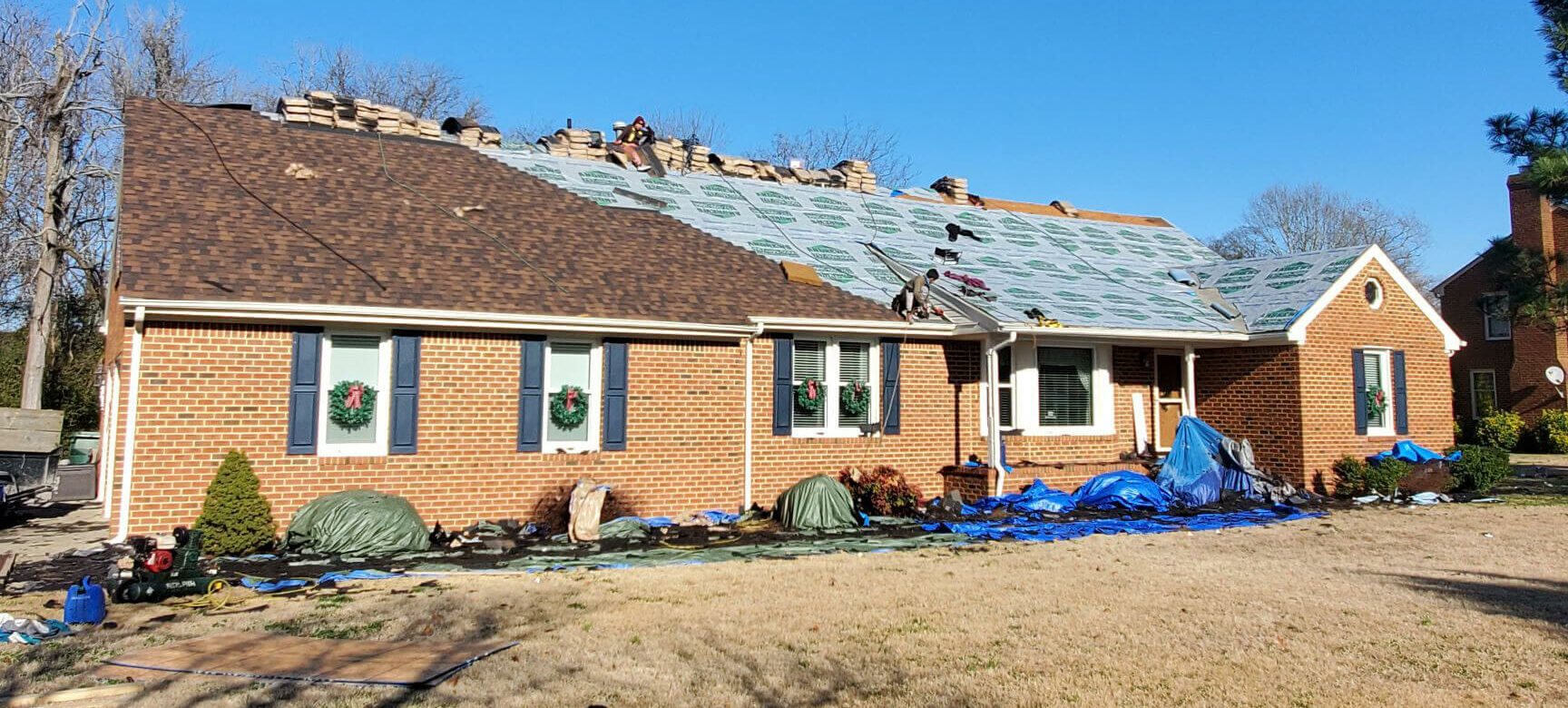
When is the Best Time of Year to Reroof Your House?

For many homeowners, the choice of when to replace their roof isn’t up to them.

When a storm sends a tree through your roof, or built-up snow causes a cave in – the roof has to be replaced, regardless of the season. But if your roof is reaching the end of its lifespan and you want to replace it before a leak or damage occurs (which usually causes additional damage to the interior of your home), it helps to know the pros and cons of having your roof replaced during each season, so you can plan ahead.

Spring

Spring is an extremely popular time for roof replacements. As people begin fixing up their home for the spring, and the cold weather makes its way out, home improvement projects have a major uptick. For Hampton Roads homeowners, it’s also safely ahead of hurricane season, so if there is any fear that an older roof may not withstand another major storm, spring is the best time to replace it.

The downside is that spring weather can be finicky in southeast Virginia, so rain, spring storms, even late snow can delay progress of a reroofing project. But when the weather does cooperate, spring days can provide plenty of working daylight for your roofing contractor to get the job done. One other con to this time of year is how busy it generally is. It may be harder to get on a contractor’s schedule in the spring, which is why you should plan ahead and schedule your roofing project during the winter months to get ahead of the rush.

Summer

The summer months stay busy for roofing contractors as well, but in the Tidewater region, it’s a reasonably good time of the year to replace your roof. During the hottest parts of summer, however, roofing crews may need to work shorter days to avoid heat exhaustion or damage to the materials and tools.

Another thing to consider when scheduling a roof replacement during the summer months is how it will affect your outdoor space while the project is underway. Having your home reroofed is a major undertaking and having debris, materials, ladders and workers around your home for several days or weeks are just a part of the process. This means you may not be able to use your pool, patio, backyard, porch or other outdoor spaces while your roof is being replaced. If this puts too much of a cramp on your summer lifestyle, it may be best to schedule for another time of year.

However, if your roof is beginning to leak or fail in any other ways, it’s best to have it replaced prior to the most active part of hurricane season: late summer and early fall. So even if it means skipping the pool for a few days, it may be worthwhile to avoid further damage and costly interior repairs.

Fall

Fall can be a very busy time to try and get on a roofing contractor’s schedule, as people batten down the hatches for winter while also requiring emergency repairs due to storm systems. The weather in Tidewater in the fall can be volatile – hot one day, rainy the next, with hurricanes and tropical storms seemingly always on the radar.

If you’re set on replacing your roof in the fall, schedule it as early as possible. You should also be prepared to be flexible in case weather issues do pop up and cause rescheduling or delays in work. Otherwise, when the weather cooperates, the fall provides easy working weather and reasonably long days for workers to get the job done efficiently.

Winter

For many parts of the country, having a roof replaced in the winter isn’t even an option due to the freezing temperatures. Shingles require a thermal sealing in order to set, which could take days or weeks in temperatures below 40 degrees Fahrenheit. Snow and winter storm systems can cause major delays as well.

Fortunately, in Hampton Roads, extreme winter weather is not as much of an issue. While we do encounter the occasional winter nor’easter or snow storm now and then, it’s not a huge concern. And since our winter temperatures can be fairly mild, contractors usually work through the entire season with few issues. This is also a slower time of the year for contractors, so it may be easier to get on a roofer’s schedule. Another pro is that you’re likely spending less time outside and around your house in the winter, so the debris and work going on around it is less likely to impede on your daily activities.

We’re Here All Year

If you live in Virginia Beach, Chesapeake, Norfolk, Portsmouth, Suffolk or any of the other surrounding cities of Hampton Roads, Andrews Roofing is available year-round for your roof repairs and replacements. Even if you’re not looking to replace your roof for a few more months, we’d be happy to talk to you about your needs and put together an estimate so you can make an informed home improvement plan. Contact us today.

read more

New Shingles or New Roof? 

How to know if your roof needs to be repaired or replaced?

Nobody wants to spend more money on a home improvement or repair project than they need to. So if you’re experiencing issues with your home’s roof, you may be exploring the options of repair versus replacement. There are plenty of situations where a simple roof repair is a safe and good option. But keeping long-term costs, appearance and durability in mind is also important in making the best decision. 

How Do You Know if Your Roof Needs Work?

The first step to determining whether your roof needs any sort of work done is by being aware and vigilant about its condition. Particularly in hurricane and storm-prone areas like the Hampton Roads region, it’s important to keep an eye on any possible issues with your roof so that they don’t turn into much bigger issues in the middle of the next big storm. You can do this simply by visually inspecting it on a regular basis. If you clean your own gutters, that’s a perfect time to take a closer look at what’s going on with your shingles, flashing, and sheathing. Otherwise, grab a pair of binoculars and take a peek at your roof every month or so. The other place to inspect regularly is inside your attic. Don’t wait until there’s an actual leak in your home and damage done to your ceilings and walls. Identifying small issues early is the best way to make easy repairs and save money. 

You may need a roof repair or replacement if you identify any of these issues during your inspection: 

  • There are obvious leaks or dark water spots on your ceilings or walls 
  • You are finding water or ice buildup in your attic after a heavy rain or snow
  • You’ve noticed that some shingles look warped or have started curling
  • Shingles are mildewed and/or deteriorating 
  • Shingles are missing from your roof 
  • Flashing is loose or missing

Should You Repair an Older Roof?

The first thing to consider is the age of your roof. Different types of roofing materials are rated for different lifespans. If your roof is nearing the end of its lifespan, it may make more financial sense to have it replaced rather than repaired. Much of the labor cost of roofing goes into the setup – scaffolding, equipment, hauling materials up and down, disposal of old materials – doing that several times over for small repairs can add up to the cost of a new roof fast. 

If your roof is not within a few years of its lifespan, it may make more sense to consider a repair, depending on the size and impact of the damage. Replacing missing shingles or flashing or small roof deck repairs could do the job for a whole lot less. Keep in mind, however, that when replacing shingles, it may be hard or impossible for a roofing contractor to acquire the exact same material, so there may be slight color discrepancies in the new shingles. 

When is the Damage too Big to Repair?

If the damage done to your roof is major, it is probably time for a replacement – regardless of the age of your roof. In the Tidewater Region we see this most often after major storm events. A tree going through a roof, widespread shingle loss and major water damage to roof decking all constitute a full roof replacement. Perhaps the one upside to situations like this is that they may be covered under a homeowners’ insurance policy, which means you should take the greatest advantage of your policy by having as much work done as is covered. 

How Do You Choose a Residential Roofing Contractor?

There are a lot of things to consider when choosing a roofing contractor, but start by getting quotes from two or more companies. If multiple companies agree about whether a roof should be repaired or replaced you will be able to put your mind more at ease about your decision. If two companies disagree about the solution, bring in a third or fourth estimate for a consensus. Regardless of how many companies you call, make sure every one of them is licensed and insured. Read their reviews online and research their listing on the Better Business Bureau. Do your homework, ask around your neighborhood and see which companies have the best reputations. The cheapest option is not always the best and often in roofing, you get what you pay for. 

How Andrews Roofing Can Help

Andrews Roofing has been working in the Hampton Roads area for decades. We are experts at roofing issues that are specific to this region. Our expertise means we can give you an honest, accurate assessment of whether or not your roof can continue to protect your home after experiencing damage. We take on jobs large and small and never pressure customers into more work than is needed. We are licensed, insured and proud of the reputation our work has earned. We’d be happy to provide you with an estimate for any repair or replacement your roof may need, so contact us today

read more