

Leaks & Service Repairs

757-399-3066 ext 3 (Leaks & Service Repairs)

Reroof Estimates & Inspections

757-399-3066 ext 1 (Reroof Estimates & Inspections)

Category: Commercial Roofing

Why Choose Metal Roofing?

When it comes time to replace your roof, or even if you’re building a new construction home, most homeowners default to traditional asphalt shingles. While asphalt remains a popular and budget-friendly option, metal roofing has steadily gained traction across Southeast Virginia, and for good reason. From durability and energy efficiency to curb appeal, metal roofs offer long-term value that makes it hard to count them out completely. If you’re considering a roof replacement, here’s what you should know about current metal roofing options to help determine if it’s the right choice for your home.

The Basics of Metal Roofing

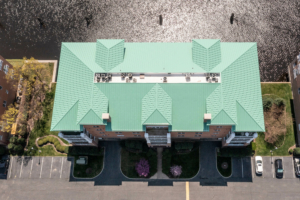
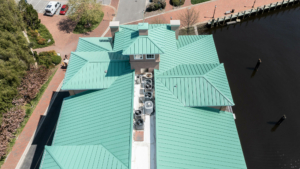
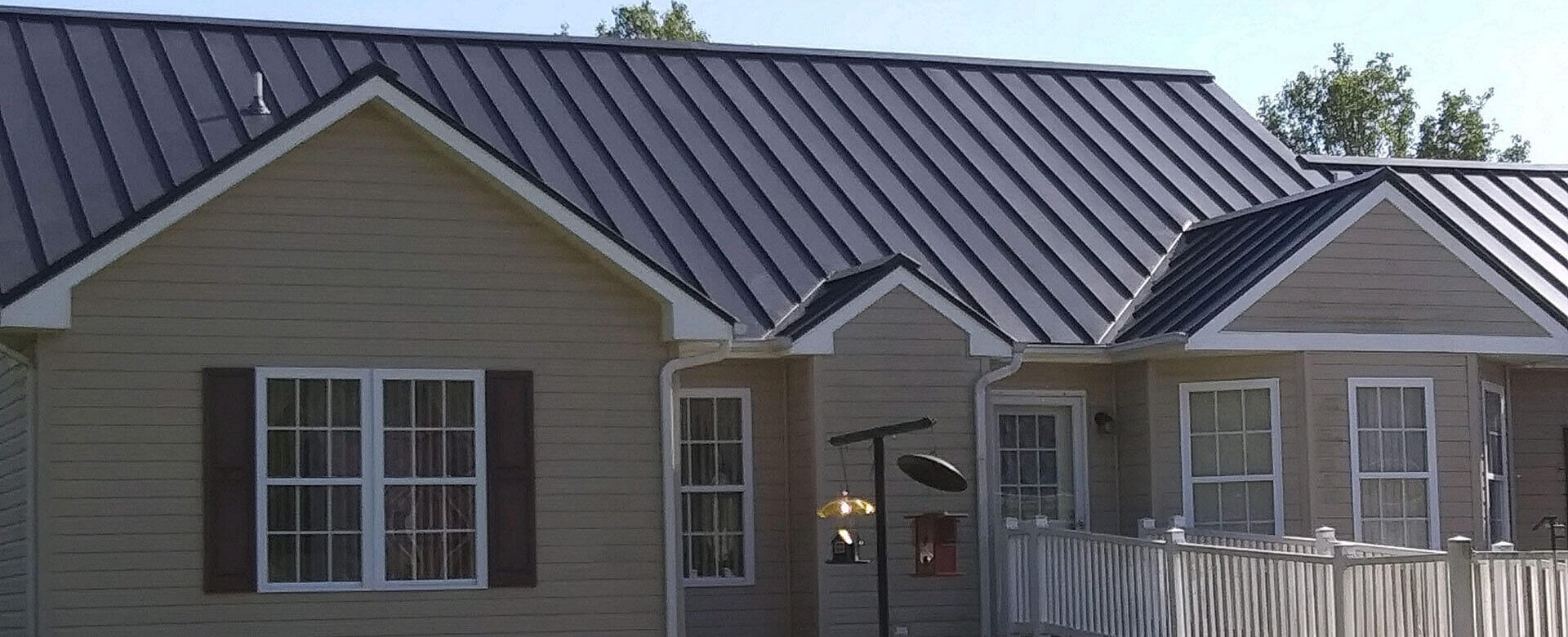
Metal roofing systems are made from large metal panels installed over your home’s roofing structure. These panels are typically manufactured from galvanized steel, aluminum, copper or zinc.

Steel and aluminum are the most common choices for residential homes due to their durability and cost efficiency. Panels can be designed in a variety of profiles—from traditional standing seam to metal shingles that mimic slate, wood shake, or tile.

Modern metal roofing is engineered with protective coatings that resist corrosion, fading, and rust, making it well suited for coastal and humid climates like ours. Aluminum metal roofing is always our choice for homes within a half mile of the bay or ocean, as it is non-corrosive, making it a good choice for just about any home within our region.

The Cost of Metal Roofing

Metal roofing typically costs more upfront than asphalt shingles. However, metal roofs often last two to three times longer than asphalt or even more, when installed and maintained correctly. When you factor in fewer replacements and lower maintenance costs over time, metal roofing can be a more cost-effective option long term, depending on how long you plan to live in your home.

Why Metal Roofing Makes Sense in Southeast Virginia

Our region’s climate plays a major role in roofing decisions. Between summer heat, coastal storms, high humidity, and occasional hurricanes, your roof needs to work hard year-round. Here’s how metal roofs do that:

  • Exceptional Durability in Severe Weather. Metal roofs are highly resistant to high winds, heavy rain, flying debris and hail. Many systems are rated to withstand wind speeds up to 140+ mph, making them a smart choice for storm-prone coastal areas.
  • Heat Reflection & Energy Efficiency. Metal roofs naturally reflect sunlight instead of absorbing it. This can reduce the temperature in your attic, which can lower cooling costs and improve overall energy efficiency. For Hampton Roads homeowners battling long, hot summers, this can make a noticeable difference on energy bills.
  • Aesthetic Appeal for Local Architecture. Metal roofing isn’t just functional, it’s stylish too. Locally, metal roofs really shine in farmhouse-style homes with classic standing seam metal that enhances their rustic charm, beach homes thanks to their sleek profiles that complement a modern seaside aesthetic, and on accent roofing, such as over porches or dormers for visual interest. With multiple colors and finishes available, metal roofing can elevate just about any home’s curb appeal.

What to Expect from a Metal Roof

Long Lifespan

A properly installed metal roof can easily last 40–70 years, compared to 20–30 years for asphalt shingles. When the factory applied Kynar paint finish is applied to a metal roof, it can reasonably last a lifetime, making it the last roof you will ever likely install on your home.

Strong Manufacturer Warranties

Many metal roofing systems come with 30–50 year material warranties, fade and finish protection, and wind and impact coverage. Your roofing contractor can help you understand the specific warranty options available.

Outstanding Performance

Metal roofs are fire resistant, resistant to mold and algae growth, less likely to crack or warp and they also shed rain efficiently, reducing the risk of water intrusion.

Minimal Maintenance

Metal roofs require very little upkeep. You can expect to do occasional debris removal, periodic visual inspections (from the ground or windows!), with special attention to fasteners and sealants. No heavy maintenance is required.

So, Is a Metal Roof Right for You?

Metal roofing is an excellent option if you’re looking for long-term durability, energy efficiency, storm protection, and a roof you won’t need to replace again anytime soon. If you have a traditional farmhouse style home, or a clean, modern design, different styles of metal roofing may work particularly well. If you have the budget upfront, you will find that the investment is worthwhile for peace of mind and long-term savings. Even if you’re not planning to stay in your home forever, a metal roof can increase the value of your home and be a great selling point as buyers will appreciate the extended warranties and low maintenance.

Talk to a Local Expert

Every home is different, and the best roofing choice depends on your budget, style preferences, and long-term goals. At Andrews Roofing, we specialize in helping homeowners throughout the Tidewater region explore their options and choose the right roofing system for their home. If you’re curious about metal roofing or any other type of roof replacement, contact our team today.
read more

Why Choose Architectural Shingles

If you’re considering replacing your roof, you may have discovered how overwhelming it can be to choose exactly the right material for your home. Metal, slate, cedar, and traditional three-tab shingles all have their pros and cons, but in our region of Southeast Virginia, architectural shingles continue to be the most popular option on the market.

At Andrews Roofing, we install a wide range of materials, but architectural shingles often offer the best mix of durability, curb appeal, and budget-right value. Let’s dive into what makes them so popular and whether or not they’re the right choice for your home.

What Are Architectural Shingles?

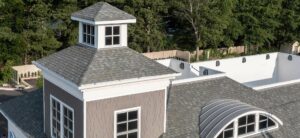
Architectural shingles (also called dimensional shingles) are a higher-end version of basic asphalt shingles. Instead of a single flat layer, they’re built from multiple laminated layers of asphalt and fiberglass. This creates a thicker, dimensional look similar to wood shake or slate, improved durability and wind resistance, and richer colors and shadow lines for a more polished, upgraded look. They’re designed to outperform three-tab shingles while staying more affordable than materials like metal or slate.

Why Homeowners Love Asphalt Shingles

Enhanced Curb Appeal and Home Value
A new roof can transform your home’s exterior. Architectural shingles add depth and dimension instead of lying flat, which helps the roof complement brick, siding, and trim more cohesively. If you’re sprucing up your home to put on the market, buyers will appreciate a newer, upgraded roof. Architectural shingles can help your home stand out in listing photos and alleviate buyer concerns about possible future maintenance or replacement costs.

Better Performance in Coastal Virginia Weather
Southeast Virginia can see high winds, heavy rains, tropical systems, nor’easters, snow and just about anything else! Architectural shingles typically have higher wind ratings than standard three-tab products. Overall, they provide excellent weather resistance when paired with proper underlayment, ventilation, and flashing—key factors Andrews Roofing emphasizes on every project.

Longer Lifespan
Many architectural shingle lines are rated for 30 years or more in ideal conditions. Real-world results vary based on installation, ventilation, and maintenance, but homeowners can expect a longer lifespan compared to entry-level asphalt roofs.

More Style and Color Variety
Manufacturers offer architectural shingles in a wide range of colors—from subtle grays to bolder earthy tone blends that can mimic the appearance of cedar shake or slate without the maintenance or cost.

Where Architectural Shingles Fit in Your Budget

On the roofing cost spectrum, architectural shingles fall into a comfortable middle range when compared to other common materials:

  1. Three-tab shingles – Lowest cost but limited lifespan
  2. Architectural shingles – Moderate cost with significantly better performance
  3. Designer asphalt shingles – Higher cost, specialized aesthetics
  4. Metal roofing – Higher upfront investment, excellent longevity
  5. Slate, tile, or cedar – Premium materials requiring specialized installation

For many homeowners, architectural shingles offer the best return on investment: upgraded aesthetics and performance without the jump into premium pricing.

Are Architectural Shingles Right for Your Home?

If you’re replacing your roof, architectural shingles might be the right choice for you if you want a meaningful upgrade from basic asphalt shingles and want to enhance your home’s curb appeal. If you are planning to sell your home in the next 5-10 years, asphalt shingles are a common sense investment that you can expect to last beyond the time you’ll spend in your home – giving you and future buyers peace of mind as well. Architectural shingles also pair well with many architectural styles common in Hampton Roads such as Colonials, Georgian-style brick homes, beach bungalows, ranch ramblers and Cape Cod cottages.

Talk to Andrews Roofing for a Personalized Recommendation

Every home is different. Our experienced team can evaluate your existing roof, discuss style and performance preferences, review shingle options, and provide a clear, detailed estimate. If you’re considering a roof replacement, architectural shingles may be the perfect balance of beauty, performance, and cost, but even if they’re not – we still have you covered with a wide variety of roofing options. Contact Andrews Roofing today to get started.

read more

How Proper Insulation Impacts Your Roof’s Performance

As temperatures start to drop in Hampton Roads and the rest of Southeast Virginia, you may notice your home feeling a little draftier—or your energy bills creeping higher.

Your first inclination may be to blame an old HVAC system or drafty windows, but it’s possible that you’re overlooking one of the biggest factors in your home’s comfort and efficiency and that’s because it’s out of sight out of mind: insulation. Proper insulation is critical for the overall health and comfort of your home, but when it comes to your roof, insulation plays an especially critical role.

Why Roof and Attic Insulation Matter

Your roof system does more than just protect your home from rain and wind; it’s actually a big part of your home’s “thermal envelope.” The insulation in your attic does more than you might imagine to help regulate the temperature inside your house and to reduce the strain on your HVAC system. Without proper insulation, warm air escapes through your roof in winter and heat seeps in during the summer, making your HVAC system work overtime year-round, reducing its lifespan as well as your roof’s. When your insulation isn’t performing how it’s supposed to, you’ll notice the following issues:

  • Condensation and Moisture Damage: Warm indoor air rising through the attic can condense on the underside of roof decking, leading to mold, rot, and eventually structural issues.
  • Ice Dams: In colder months, uneven attic temperatures can cause snow to melt and refreeze at the roof edge, damaging shingles and gutters by preventing water from exiting the roof and trapping it, leading to interior leaks and/or by causing gutters to pull away from the roof eaves from the weight.
  • Rotting Roof Materials: Constant temperature fluctuations and trapped moisture can shorten the life of roofing materials, which will show up in rotting, deteriorating shingles.
  • Increased Energy Costs: Without effective insulation, heat loss or gain through the roof forces your HVAC system to work harder—costing you money every month.

Common Types of Insulation for Homes

It’s not something you sit around and look at home magazines for, so you may not realize that there are several different types of insulation available, each with its own advantages depending on your home’s age, structure, and budget. Here are just a few common options:

  • Fiberglass Batt Insulation:
    The most common and affordable type, fiberglass batts (those pink fluffy strips) are easy to install and provide good thermal resistance. However, they can leave gaps if not properly fitted, reducing effectiveness. They can also fall out of place or be easily disturbed by rodents.
  • Blown-In Insulation:
    This style of insulation is best for attics with irregular shapes or hard-to-reach areas where batt insulation won’t fit or stay put. The blown-in cellulose or fiberglass can fill nooks and crannies more completely than batts and with easier and quicker installation.
  • Spray Foam Insulation:
    This high-performance option creates an airtight seal and has higher insulating power per inch than most other materials. It’s great for new construction as well as renovations, but it comes at a higher cost and requires a company skilled at its installation and with the proper tools and machines to do the work.
  • Rigid Foam Boards:
    Often used in new construction or roof replacements, rigid boards can add continuous insulation over roof decking and are especially effective in preventing thermal bridging (heat transfer through framing materials).

Insulation Life Span

A really important thing to keep in mind is that insulation doesn’t last forever. Most materials have a lifespan of 15 to 30 years, depending on the type, quality, and exposure to moisture or pests. Many older homes in the Tidewater region have original insulation that’s long past its prime and is settled, compacted, missing, displaced or even moldy. That means it’s no longer providing the protection your home and roof need.

If your attic feels unusually cold in winter or excessively hot in summer, or if your energy bills have steadily increased, it may be time to evaluate your insulation, along with other major systems in your home.

Your Roof Relies on Insulation

Proper insulation provides your home with comfort and protects your investment by extending the lifespan of other critical systems such as your roof, HVAC and plumbing. At Andrews Roofing, we’ve seen firsthand how poor insulation and ventilation can undermine even the best roofing materials. Whether you’re planning a full roof replacement or just looking to make your home more energy efficient this winter, it’s worth having your attic and roof insulation inspected by a licensed and qualified contractor.

Our team can evaluate your current roof and attic conditions, recommend improvements and local contractors experienced with insulation installation to help ensure your roofing system performs at its best for years to come. If you’ve noticed higher energy bills or uneven temperatures in your home, it might be time for a roof and insulation check-up. And if you’re concerned about any roof damage this may have caused, contact Andrews Roofing today to schedule an inspection and keep your home comfortable all winter long.

read more

Andrews Roofing off to an Early Start – Dunkin Donuts

Dunkin Donuts Store in Aylett, VA
Location: Tappahannock, VA

Project Description:

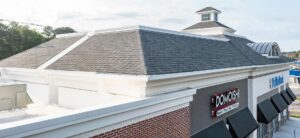
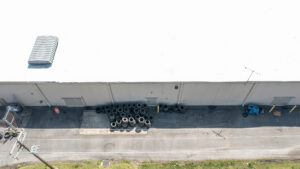
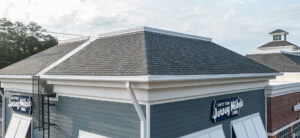
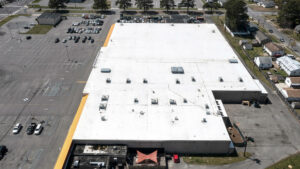
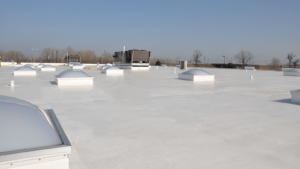
Every morning, our crews load up materials in preparation for the work day ahead.  We get an early start in the summer when days get hot quickly. On this particular morning, our team was heading up to the jobsite for a new Dunkin Donuts location in Aylett, in King William County, VA.  Our scope of work involved installation of an R=30 polyiso roof insulation and Durolast white 40 mil roof system.

read more

Hurricane Prep for Homeowners in Southeast Virginia

Hurricane season is an unfortunate, but familiar reality for homeowners in Hampton Roads and across Southeast Virginia.

Every year the local and national meteorologists take their best bet on how many storms we’ll have and how severe they may be, but anyone who has lived here long enough knows – you truly can’t predict the weather when it comes to tropical storm systems. But even if you can’t control how and when the storms will hit, there are things you can control around your own home —starting from the top down. Your roof and gutters are your first line of defense against high winds and heavy rain, and proper preparation can make a major difference in minimizing potential storm damage.

As we head into high hurricane season, when historically the storms in our region are the most frequent and severe, we’ve compiled some practical ways you can prepare your home, including steps that can help you in the event you need to file an insurance claim.

  1. Inspect Your Roof for Weak Points

Before hurricane season ramps up, schedule a professional roof inspection. A roofing contractor can check for:

  • Loose, missing, or damaged shingles
  • Exposed fasteners or flashing issues
  • Soft spots in decking that may indicate water damage
  • Signs of aging or deterioration in your roof system

If issues are found, addressing these small problems now, by having a professional do the repairs, can help prevent much larger issues if a storm rolls through. If major damage occurs, you’ll also have paperwork showing that your roof was recently inspected and/or repaired and so any subsequent damage was, in fact, caused by the storm itself. This can come in handy when filing insurance claims.

  1. Clean and Secure Gutters and Downspouts

Gutters play a critical role in keeping water away from your home’s foundation. Before a storm, clear out any leaves, sticks, or debris that may be clogging them. Also, check that your gutters and downspouts are securely fastened to your home—strong winds can easily tear loose systems away, creating projectiles that could cause even more damage. Consider installing gutter guards if you live in a heavily wooded areas where pine needles, leaves or other debris buildup is a recurring problem.

  1. Trim Overhanging Branches

Tree limbs that hang over your roof or gutters can break during high winds and cause serious damage. Trimming back trees from around your house before storm season will reduce the likelihood of branches penetrating and damaging your roof. It also reduces the impact of leaves clogging your gutters. Call out a professional tree company before the storms hit, because once they do, it could be months before any tree company in the area will have availability again.

  1. Document Your Roof and Home Exterior

If you’ve ever had to file an insurance claim for storm damage you know how important this step is. In the event of storm damage, having clear, up-to-date photos of your roof and home exterior can make the insurance claims process much smoother. Take detailed photos and videos of your roof, gutters, siding, and yard before hurricane season begins and before each major storm is predicted to come through the Tidewater region. Store them digitally in case you need to access them quickly. Having them on your phone is ideal, in case computers or other hardware is damaged or inaccessible.

  1. Review Your Insurance Coverage

Now is also the time to check your homeowner’s insurance policy. Make sure your coverage is current and that you understand what is and isn’t covered when it comes to wind and water damage. If necessary, update or increase your insurance coverage. This is especially important for homeowners without mortgages. While individuals with mortgages typically have to keep their insurance at a particular level to satisfy the lender, unmortgaged homes don’t have this requirement. If your home is paid off and it’s been a while since you’ve updated your coverage, now is the time to do so. Keep a copy of your policy and your insurance company’s contact information in a safe, waterproof location as well as in your phone for easy access.

  1. Schedule Regular Maintenance

The best preparation is ongoing care. Regular roof and gutter maintenance not only protects your home during hurricane season but also extends the lifespan of your roof. Consider setting up annual inspections with a trusted local roofing company to ensure your roof is always ready to face the elements.

Trust Andrews Roofing to Help You Weather the Storm

At Andrews Roofing, we’ve been helping Hampton Roads homeowners protect their homes for decades. From routine inspections to emergency repairs after a storm, our team has the expertise for our particular region to keep your roof performing at its best. If you’d like to schedule a roof inspection before hurricane season, contact us today.
read more

Duro-Last Recognizes Andrews Roofing

Duro-Last is a highly reputable company in the Roofing Industry. They are well known in Commercial Roofing circles as a popular Single-Ply Roofing System with superior durability and longevity.
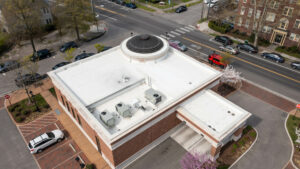
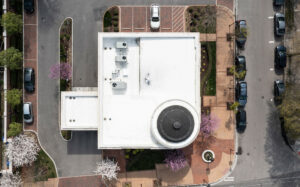
Andrews Roofing is proud of its partnership with Duro-Last and honored to be recognized by them for Outstanding Achievement in our field.
When you are given an award by the Pros in your field, that means we’re doing something right!

read more