


Are you planning a big home renovation this spring to add a screened in porch, a sunroom, second story addition, kitchen expansion or anything else that affects the footprint of your home?
If so, you’ve probably been focused on floor plans and layouts, but it’s time to look up. One very critical component can be overlooked in the early stages of renovation planning: how the new structure will tie into and affect your existing roof system.
We work with plenty of homeowners in Hampton Roads who are surprised to learn that a renovation may require more than just “adding on” a little extra roofing. Here’s what you should know before construction begins so you can plan and budget accordingly.
When New Roofing Has to Tie into an Existing Roofline
Even if the existing shingles look fine from the ground, portions of the original roof may need to be removed to ensure the tie-in is watertight and structurally sound. A roof is a system, not just shingles. Proper flashing, underlayment, decking, and ventilation all have to work together. When a new roof section is integrated, those components must align seamlessly with the original system.
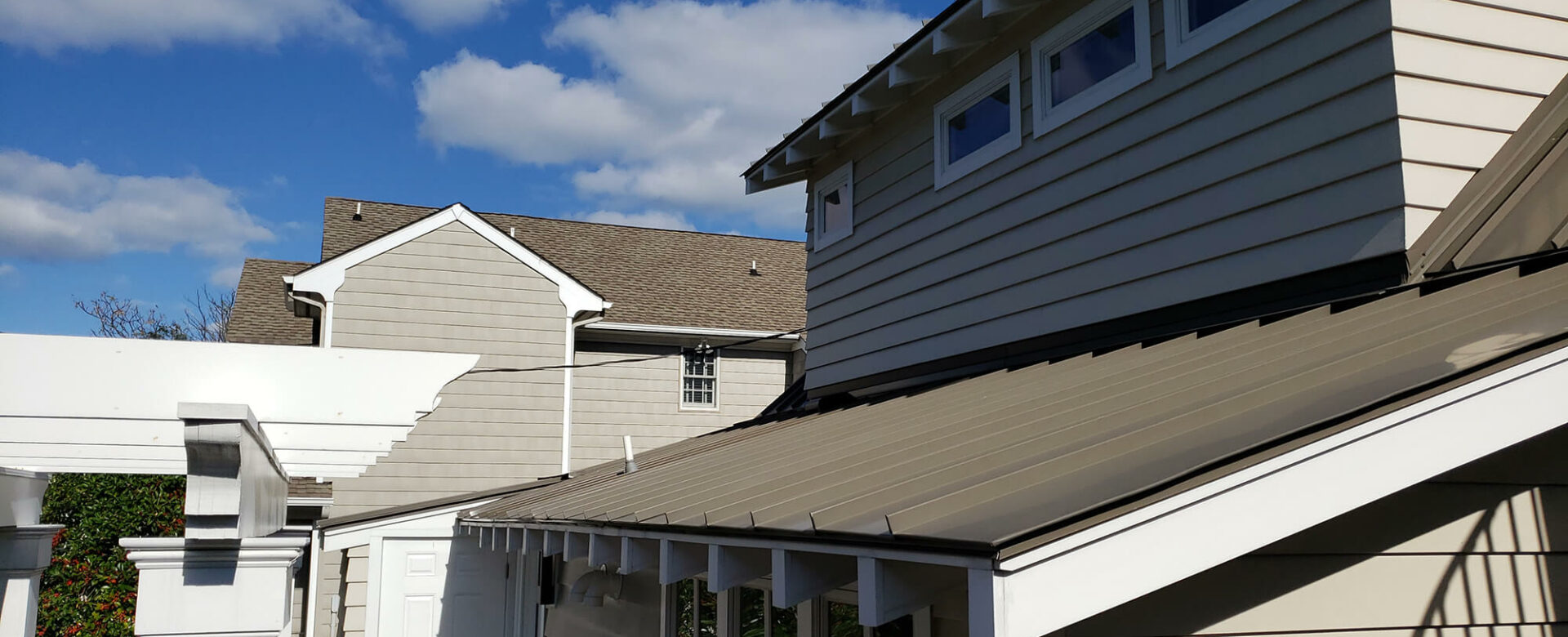
When you add a screened porch, covered patio, garage, or full home addition, the new roof must physically connect to the existing roof system. This connection point is often where issues arise. During construction, contractors may need to open up sections of the existing roof decking, depending on how the new structure ties into your existing structure. A new roof tie-in can involve creating a new valley where the two roof planes meet – a critical juncture point that can make or break the integrity of a roofing system.
At minimum, it will require removing existing shingles to properly install flashing and underlayment or even modifying the roof decking or underlying rafters for structural support. They may also need to modify the home’s framing to support any new load. This is especially true for second-story additions or large bump-outs. New ridge or soffit vents may be necessary, and gutters and downspouts are likely to be rerouted. Finally, the ventilation in your attic may need to be adjusted to accommodate an expanded footprint.
Will You Have to Replace the Entire Roof?
The answer really depends on several factors to determine whether a partial replacement is sufficient or whether a full roof replacement makes more sense.
- Age of the Existing Roof. If your roof is nearing the end of its lifespan (for example, a 20-year-old architectural shingle roof), it may not be cost-effective to tie new roofing into aging materials. You could end up replacing the entire roof a few years later anyway.
- Condition of Existing Materials. If there’s curling or brittle shingles, granule loss, prior storm damage, or soft decking, a full replacement may be necessary. Unfortunately, some of those issues may not be apparent until construction begins.
- Matching Materials. Shingle colors and product lines change over time. If your current shingles are discontinued, the new section may not match perfectly. For homeowners concerned about curb appeal this can be a deciding factor.
In many cases, homeowners choose to replace the entire roof during a major renovation simply for aesthetic continuity, long-term value and getting all of the construction out of the way at once.
What to Expect
Every type of renovation project is different, but there are some similarities across certain types of projects.
Screened Porch or Covered Patio
These projects often involve cutting into the existing roof line to create a new connection and new slope. Expect partial shingle removal and new flashing installation.
Garage Addition
This may create new valleys and require significant integration into the main roof structure. Expect removal of some existing roofing materials, possible structural changes to rafters and roof decking.
Second-Story Addition
Adding a new story to a home typically requires removing large portions (or all) of the existing roof structure. The new structure will require a new roof system, and whether or not that ties into your existing roofline will depend on the design.
Bump-Out or Kitchen Expansion
Bump outs can involve complex transitions and slope changes that demand careful waterproofing and sound structural design and construction. Expect that significant changes will need to be made to the existing roofline and plan for the possibility of needing to replace all exterior roofing materials in order to have a seamless transition to the new structure.
Timing Matters in Hampton Roads
Because of the unpredictable weather patterns we see across Southeast Virginia, scheduling roofing work strategically during renovations is important. Temporary exposure during tie-ins can create vulnerability if unexpected rain or storms roll in. Coordination between your general contractor and roofing contractor ensures that materials are delivered and staged properly, that open roof sections are protected, and that the installation sequence minimizes risk to your home. Bringing in a licensed roofing contractor during the planning phase before framing begins can prevent costly change orders and water intrusion issues later.
The Bottom Line
A home renovation doesn’t just expand your interior living space, it changes much about your home’s exterior, including the roofing system. Sometimes a tie-in is simple. Other times, it’s an opportunity to upgrade aging materials, improve ventilation, or invest in a full replacement that enhances both curb appeal and protection.
If you’re planning a screened-in porch, home addition, or structural renovation in the Tidewater Region, involving a local, qualified roofing professional early in the process can help you make informed decisions and avoid surprises. At Andrews Roofing, we’re happy to evaluate your existing roof, collaborate with your contractor, and help you determine the smartest path forward for your home. Contact us today.