

Leaks & Service Repairs

757-399-3066 ext 3 (Leaks & Service Repairs)

Reroof Estimates & Inspections

757-399-3066 ext 1 (Reroof Estimates & Inspections)

Category: Commercial Roofing

What’s the Difference Between a Shingle and Membrane Roof?

If you’ve been researching roofing repairs or replacements, you’ve probably come across several different roofing materials. The type of materials used for a roof depends on a lot of factors including the structure of the building, the building’s purpose and use, location, budget and local building codes. Two large categories of roofing materials are shingles and membranes. Both of these categories are made up of many different types of products and materials that are used for different purposes, so let’s dive in.

Steep Slope vs. Low Slope

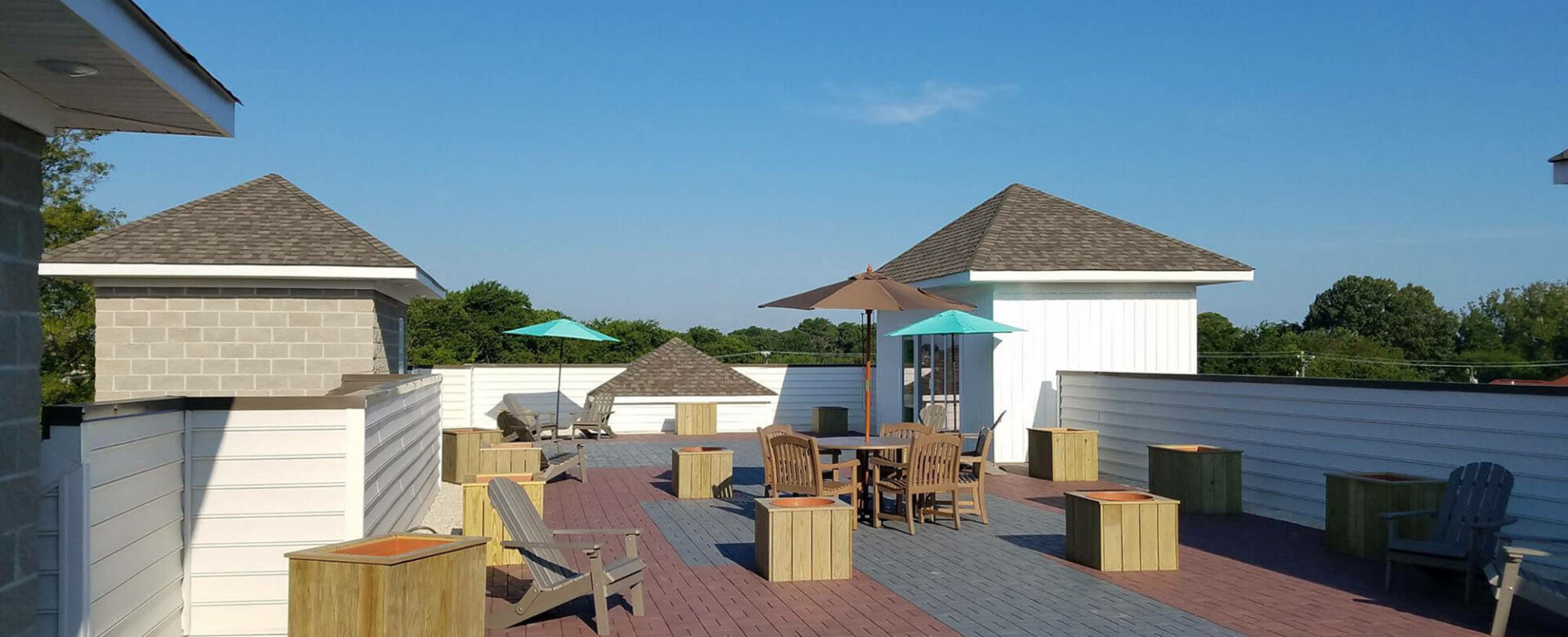
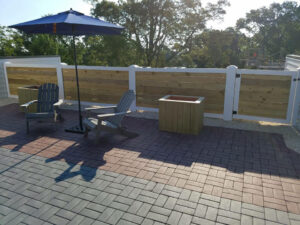
The first factor in determining which of these two roofing methods will be used is whether the roof in question has a steep or low slope. Shingles are typically used on steep slope roofs, while membranes are used in flat or low slope roof situations. For the most part, membrane roofs are seen on industrial and commercial buildings, but can be found on residential properties as well, often as decks, over side and rear adjoining roofs. On residential properties, they are often found over sunrooms, utility rooms, or porches and can be used under decks and other walkable surfaces materials like pavers. Membrane roofs are quite common at waterfront properties and on new construction in the Hampton Roads/Tidewater area.

Types of Membrane Roofs

There are many different roofing membrane products on the market today, each with their own purposes and benefits. Below are four common flat and low slope roof membrane materials.

Thermoplastic polyolefin (TPO)

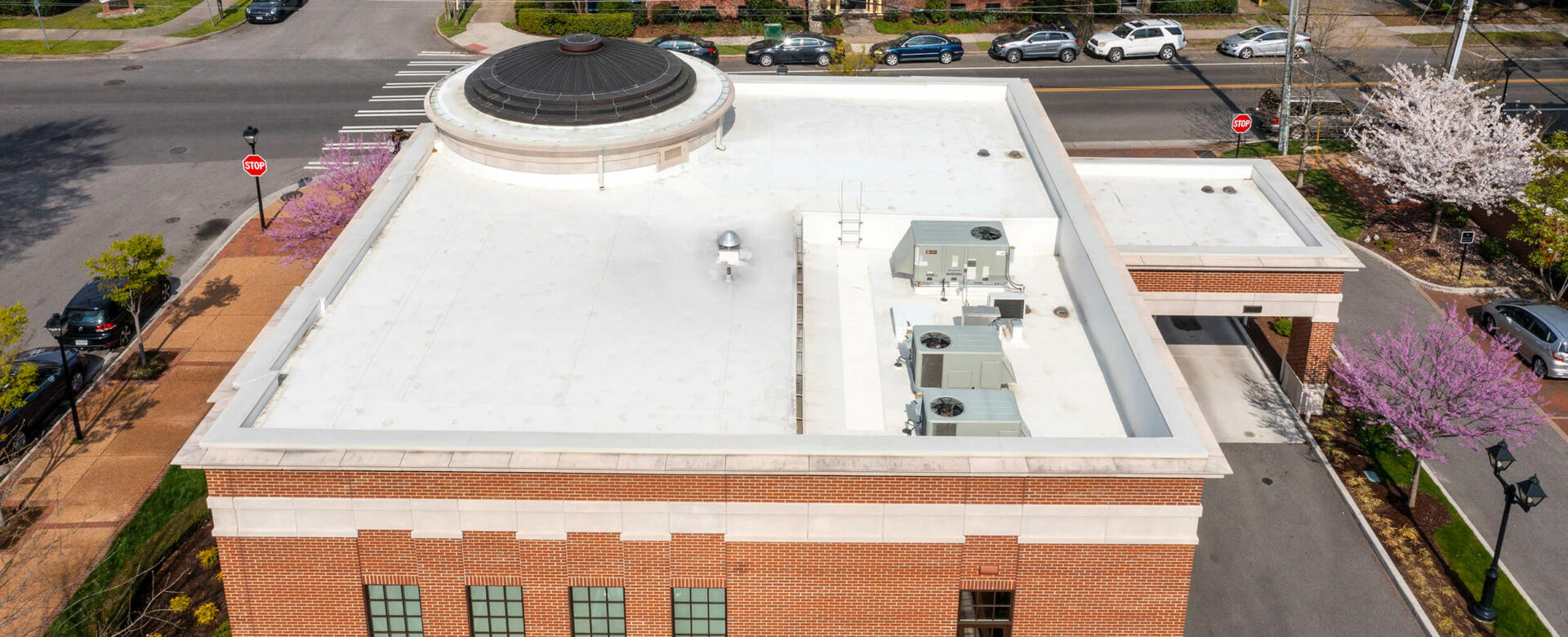
In the Mid-Atlantic region, TPO is becoming the low slope roofing standard. Because TPO is white, it is highly reflective, which means it’s efficient in keeping buildings cool. In fact, TPO roofs generally exceed the current energy efficiency standards and are a US Department of Energy, Energy Star rated roofing system, which some commercial structures may need to meet. TPO is also very durable thanks to its heat welded seams, and can last 20 to 30 years, making it a budget-conscious choice for businesses.

Ethylene Propylene Diene Terpolymer (EPDM)

EPDM is also a single ply membrane, but it is made of a rubber compound, rather than plastic like TPO. This material has been in commercial use for longer than TPO and has a strong reputation for durability. When properly installed, EPDM can easily last 30 years or more. However, if installed incorrectly or without proper maintenance, the adhesive treated seams can become vulnerable over the long term. Although EPDM roofs are usually black in color, meaning they are not as energy efficient as TPO, the material is 100% recyclable. There are also EPDM products that come in white, doubling their environmentally-friendly factor.

Polyvinyl Chloride (PVC)

PVC is a single ply membrane that is similar in appearance to TPO and is usually white, giving it similar energy efficient qualities. Other environmentally friendly aspects of PVC include its low petroleum content compared to TPO and EPDM. It’s also a recyclable material, even post-consumer, meaning it stays out of landfills. A PVC roofing system requires a slightly greater investment than that of a TPO roof, but it is also very durable and has a similar lifespan if installed and maintained correctly.

Modified Bitumen

The previous materials are almost exclusively used in industrial and commercial structures, but modified bitumen is perhaps the most common material for residential low slope roofs. It consists of five layers of asphalt that has had modifiers added to it to give it plastic or rubber-like properties. It is installed in large rolls and adhered with heat or with a factory applied self-adhesive. Modified Bitumen is designed to withstand very harsh environmental conditions, which makes it a good option for storm and heat prone areas of the Mid-Atlantic such as southeast Virginia.

Types of Shingle Roofs

Shingle roofs are seen on both commercial and residential structures, as long as the roof has a steep slope. There is a wide variety of shingle materials on the market designed for different purposes, styles and locations.

Asphalt Shingles

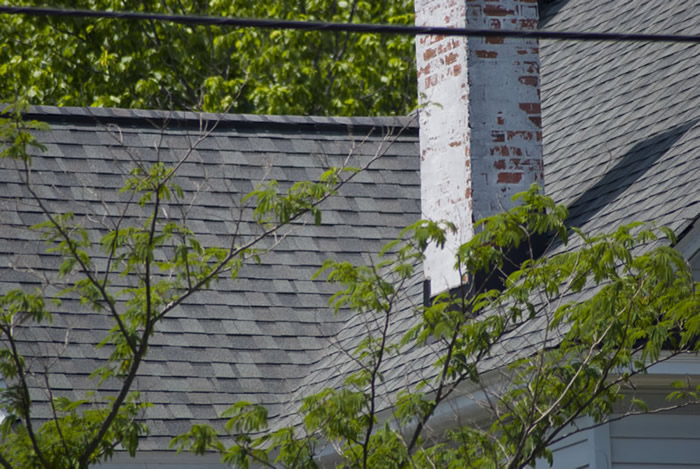
This is the most popular type of residential roofing material today. It’s also the most cost effective. Asphalt shingles consist of a fiberglass mat, top and bottom layers of asphalt, and mineral granules. There are three-tab shingles and architectural shingles, the latter being more costly but also more durable. Asphalt shingles are produced in a wide variety of colors to match myriad home styles and designs.

Synthetic Roofing

Whether they’re made to look like cedar shake, slate or any other type of upscale material, synthetic shingles are made with recycled materials and have a lower impact on the environment in part because of their lifespan which can be 40-60 years. These premium roofing systems should only be installed by roofing contractors who are experienced with these materials. They can be expensive, but their extended lifespan makes up for some of the upfront cost.

Wood Shingles & Shakes

Made from cedar, redwood, southern pine and other woods, these shingles are machine sawn or hand hewn. Some local building codes limit the use of wood shingles and shakes because of concerns about fire resistance, but there are certain wood shingle products that incorporate a factory-applied, fire-resistant treatment. These shingles are not often installed on a new structure or total roof replacement, but because of the age of some homes in the Tidewater region, wood shingles are often needed for repairs of older roofs or to maintain the design of a historic home.

Find an Expert

Whatever type of material you choose for your roof replacement, Andrews Roofing has experience with nearly all of them. If you’re not sure what the best material for your project is, please contact us to set up an appointment with one of our knowledgeable cost estimators. We can help you determine the most appropriate, durable and cost-effective roofing solution for your needs.

read more

What You Need to Know About Ice Dams and Roof Damage

With all the recent winter weather Hampton Roads has been experiencing, you may be noticing new issues arising with your house that you don’t normally have to deal with. You’ve probably had to shovel snow from your driveway or walkways, and you may have needed to drip your faucets to avoid pipes freezing. But there’s also something you should be aware of with your roof during inclement winter weather, and it’s called “ice damming.”
What is Ice Damming?

You know the beautiful icicles that form along the edge of your roof after a winter storm? While they look charming, they are actually indicative of an ice dam.

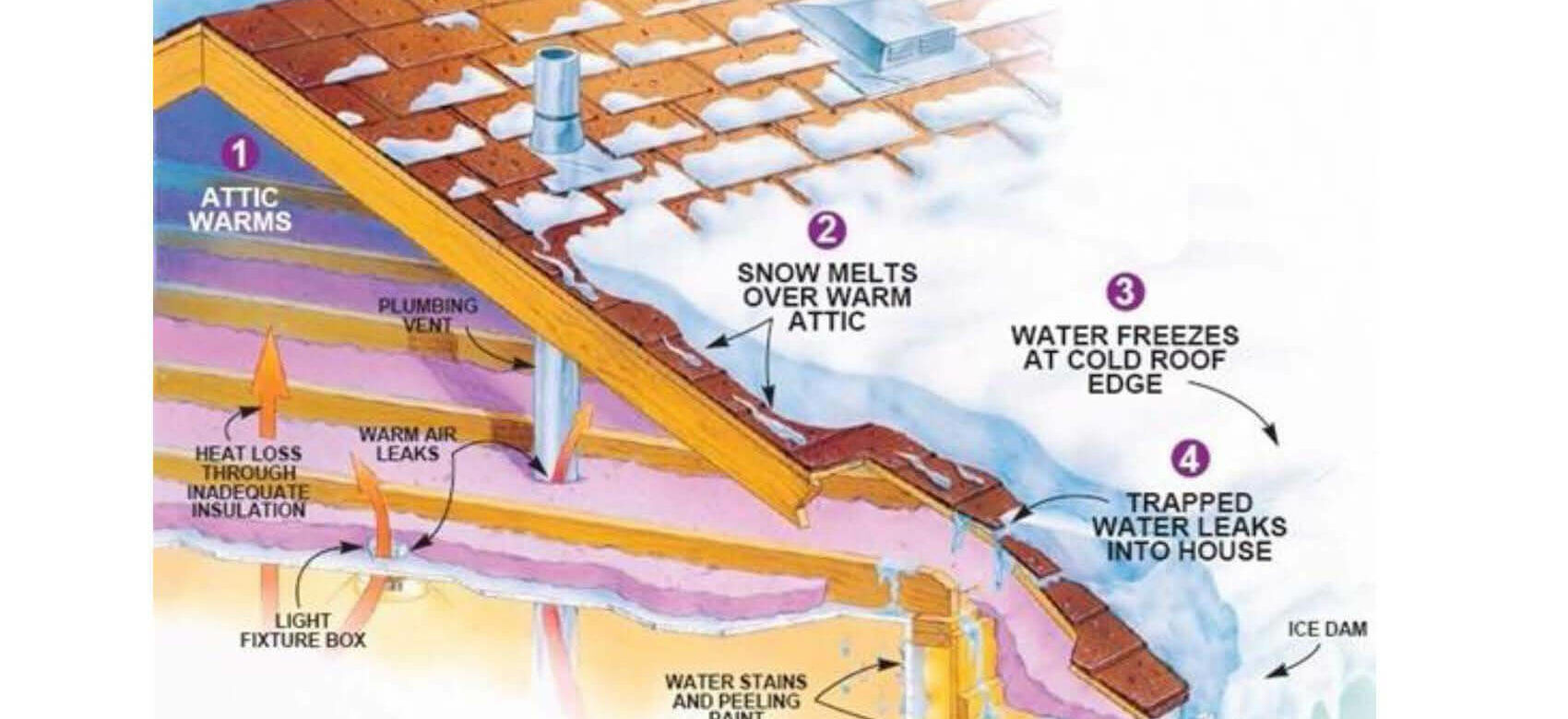
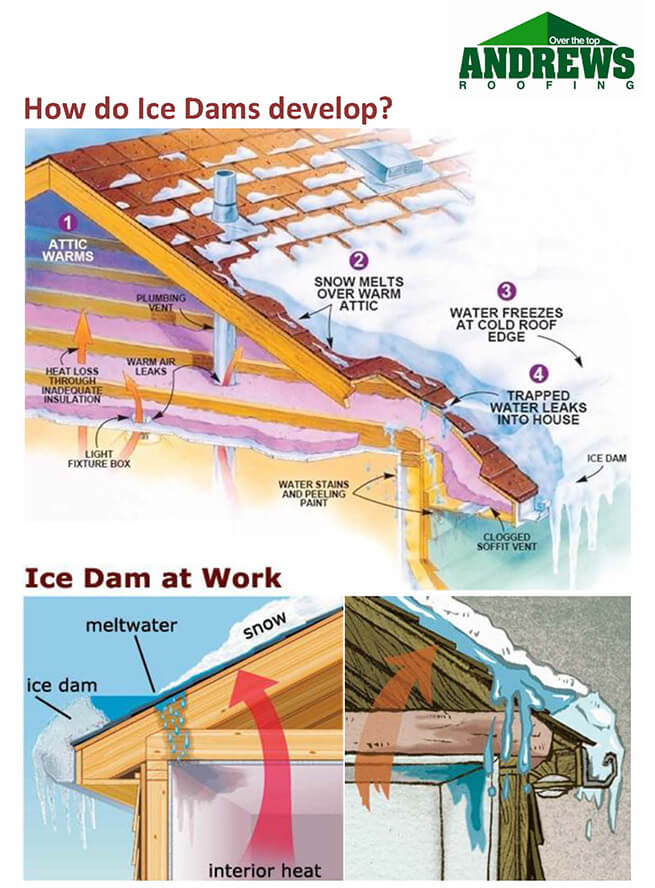
Ice damming happens after a measurable snow event. Snow settles somewhat evenly on your roof, and provided it’s not a massive amount of snow that would cause weight bearing issues, your roof is perfectly capable of handling it. The problem occurs after the storm when heat starts to melt the snow. The heat may come from inside the attic due to insufficient insulation or other air leaks to the attic that allow warm air in, or it may come from the sun. In either case, snow starts to melt and water runs down the roof toward your gutters.  Again, if this happens gradually, and if your gutters are clear, and if the temperature does not drop precipitously, your home’s structure should manage all of this just fine.

Unfortunately those ideal circumstances don’t always happen. What often happens is that the snow starts to melt, and when it reaches the edge of the roofline it begins to freeze. This is because the edge of a roof is likely less warm – not having been heated from living or attic space underneath. Then as the sun goes down, and temperatures drop, the melted snow compiles, freezes and creates a dam at the edge of the roofline. This dam causes moisture to back up, and can also cause shingles to lift, allowing water to get underneath resulting in interior leaks. If this happens, you may notice damp spots on your ceiling or walls, peeling paint or mildew.

What should you do if it happens?

Trying to remove the ice buildup with household tools, shovels, etc. can damage your roof, not to mention be incredibly dangerous for you. Throwing salt on the roof can cause damage to any plants underneath and may not work quickly or effectively enough.

If the ice dam has caused a leak into your attic or scuttle space, you can point a box fan at it to freeze it and stop additional water damage until the snow is able to melt and drain away.

You can also use a roof rake which is a long-handled tool that you can use to rake snow off the roof while you stay safely on the ground. It may not remove existing ice dams, but if you use it right after a snow event, it can prevent ice dams from forming.

How can you prevent future ice dams?

It may surprise you to know that even if a leak occurs from an ice dam, it’s not necessarily because your roof was not installed properly or because of true roof damage. In fact, most ice dams are caused by issues inside the house, not the roof.

The main cause of ice dams is the difference in temperature between the center of the roof and the eaves. Maintaining an even temperature is the first step to avoiding the issue. You can help create an even temperature under your roof by increasing the ventilation in your attic, adding insulation and sealing any air leaks that may be allowing warm air into your attic or scuttle. You should discuss these options with a licensed contractor, as it is not advisable to DIY these important fixes.

How can we help?

If your roof has sustained damage from an ice dam during the winter weather we’ve been experiencing in the Hampton Roads region, contact Andrews Roofing today. We provide roof repair services in addition to full roof replacements to residents of Virginia Beach, Chesapeake, Norfolk, Portsmouth, Suffolk and other cities in the region, and we’d be happy to provide you with a free estimate.

read more

The Importance of Roofing Certifications

Commercial roofing requires a specialized set of skills for long-lasting protection. Whether you’re looking for a contractor to install a new roof or provide prompt commercial repair services, find out why you should choose a contractor who is up to date with the latest certifications.

Quality Control

A certified contractor is an experienced contractor. Having certification proves that your prospective commercial roofing team has the skills and experience necessary to get the job done. From safety certifications to certified installers of particular roofing materials, each act as a quality control system to ensure you receive nothing but the best.

Variety of Services

Ask about the multiple certifications that a roofing contractor may have. Having a range of certifications typically means that they are qualified to perform a variety of tasks. From TPO repairs to emergency servicing of flat or traditional shingled roofs, certifications can indicate that a particular team is experienced in installing and repairing any roofing material you need.

Confident Warranty

Many roofing materials require a certified installation team in order to enjoy their generous warranty. Other contractors provide their own additional warranty as part of their commitment to excellence. Either way, a certified commercial roofing expert can offer you longer lasting, and more confident warranties to protect your commercial investment.

An uncertified contractor typically offers little to no warranty for their work, but they also may void any manufacturers’ warranties on the building materials. Be sure to ask about any relevant warranty before your roofing team begins their work.

Contact a Certified Commercial Service Today

For more information about a quality contractor in your area, contact Andrews Roofing by calling 757-296-0553 or sending an email today to learn more. Receive an estimate today and get started with your commercial roofing project quickly and professionally.

read more

Know Your Roof

Your roof is a key feature of your home that prevents water damage and other hazards. There are a number of materials and layers that make up your roof. Understanding how these materials are used will make you better equipped to notice signs of damage that may require a roofing repair service.

Shingles or Metal Sheeting

Most residential and many commercial roofs use either asphalt shingles or metal sheets as the exterior layer. This layer is the most prone to damage, so it’s a good idea to perform a visual inspection periodically to ensure there are no missing shingles, signs of rust on metal, or other hazards. Typically, asphalt shingles last around 15-20 years and metal roofing lasts as long as 50-75 years.

Underlayment and Decking

The main structure of your roof is decking. This is typically plywood or OSB, but some commercial roofs use a decking of concrete or metal. Underlayment is laid between the decking and asphalt shingles to improve water resistance. This layer shouldn’t have any issues or signs of wear unless water has leaked past your shingles or metal.

Insulation and Support

The bones of your roof are wood or metal joists. This support structure keeps your roof firm even during high winds or other weather-related issues. Joists can be angled or flat, depending on the type and size of building. Between the joists is insulation. There are a number of types of insulation, with fiberglass being the most common. This traps hot or cold air in your home or building and improves the energy efficiency of your structure.

Invest in Professional Roof Installation or Repair Services

Learn how to spot the signs of roof damage by contacting Andrews Roofing today. A qualified roofing contractor can inspect your roof and offer affordable repair or installation services if you have a compromised roof. Protect your property by investing in expert repairs and long-lasting materials on a new roofing project. Call 757-296-0553 or email us today to learn more!

read more

How Good Communication Makes for a Better Roof

When it’s time to replace your roof, it’s important to choose a reliable company. You want a company that has the skills, equipment, and training to put a strong roof over your head. One important aspect of this is good communication skills. It’s possible that a roofing company can complete the job in a satisfactory manner without good communications, but even if this is the case you are likely to be frustrated. You could be unsure of the final cost, or the timeline for completion of the project. More likely, though, a good relationship with your roofing contractor will improve all aspects of the job, resulting in the roof you want for a fair price and finished in a timely fashion.

The Traits of Good Communication

You deserve a contractor that is available to answer any questions that arise before, during, and after the job. These important traits should inform all of your interactions with your contractor:

  • Regular discussions: These could come in the form of regular meetings or informal phone calls. These discussions keep you in the loop and let you know if any problems or complications have occurred. It also allows you to express any concerns about the progress of the job.
  • Good records: You should write down any important discussions you have with the crew or the supervisor, especially concerning the budget. Also, jot down any questions that occur to you, to ask the next time you speak with the contractor,
  • Mode of Communication: Let the contractor know which types of communication you prefer: email, phone calls, texts, or face-to-face talks.

The Hallmarks of a Strong Roof

Many factors go into getting a solid roof over your head. Good, regular communication is certainly an essential one. It keeps you informed about the progress of the job and answers your questions. Contact Andrews Roofing by calling 757-296-0553 or sending us an email to learn more about a trouble-free roof replacement.

read more

Avoid These Common Commercial Roofing Mistakes

While it may be tempting to cut corners or hire anyone willing to repair or replace your commercial roof, it pays to work with a professional. From a minor leak to a complete replacement, here are some key reasons to avoid hiring an unprofessional roofing contractor for your commercial building.

Unsafe Installation

The best commercial roofing companies use a wide range of safety equipment and safe practices. Many of these are mandatory safety steps, while others are put in place to protect your contractors and provide a safe work environment. Failure to follow safe practices could lead to injury, leaving you liable. Reduce the risk of injury on your commercial property by ensuring your roofing company uses safe practices and equipment.

Improper Materials

In order to get the most out of your investment, you need a roofing contractor who will use the latest materials for a long-lasting finish. Improper material selection could not only reduce the quality and lifespan of your commercial roof, it could also lead to damage to your substrate. Only the right materials will give you a waterproof seal for years to come. Whether you choose asphalt shingles, metal roofing, or the latest flat roof materials, an experienced commercial roofing company will have all the best options for you.

Unprofessional Installation

Many residential roofing contractors incorrectly assume they can tackle a commercial job with equal success. While some roofing companies are capable of both, commercial roofs require a specific skill set that many residential only roofers don’t have. Work with a specialized commercial roofing company to receive professional installation and quality care.

When you’re ready for a quote on your commercial roofing project, contact Andrews Roofing. Choose a specialized commercial roofing company who will give you the proper materials, use the latest safety standards and utilize an experienced installation team for all your roofing needs. Call 757-296-0553 or email us today to learn more.

read more