

Leaks & Service Repairs

757-399-3066 ext 3 (Leaks & Service Repairs)

Reroof Estimates & Inspections

757-399-3066 ext 1 (Reroof Estimates & Inspections)

News

Our People: Cyndy Lucente, Operations Coordinator

Cyndy Lucente_Headshot_031715

Cyndy, the newest member of our Andrews Roofing staff, comes to us from up North. Originally from Chicago, Illinois, Cyndy has joined our team as an Operations Coordinator.

Cyndy is responsible for taking a job, both hourly repairs and contract work, and coordinating all parties involved to get the job done. This involves an incredible amount of coordination and patience. She directs our suppliers, our customers for job scheduling, and our service repair teams. She is a strong asset behind the scenes as she keeps production flowing under her management.

At the core of our operations department, Cyndy keeps our process running smoothly. She doubles as our resident chief meteorologist, always aware of our current weather conditions to know how it might affect our work schedule.

We are more than happy to have her onboard. Her professionalism, experience and attention to detail make her a major asset to our staff and our customers. Her kindness, patience and effervescent personality enhance our service to the Hampton Roads community. She is a wonderful addition to the Andrews Roofing family.

If you need to schedule your work or would like to place a work order for repairs, feel free to contact Cyndy Lucente.

O: 757-399-3066 | [email protected]
read more

Wind Driven Rain

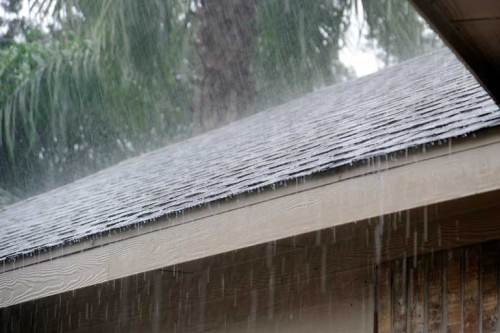
A storm is about to blow through. High winds and heavy rains have been reported and begin to pound your neighborhood. During the storm, you notice a damp spot forming on your ceiling. Although there was a calmer rain a few days ago, this particular storm has caused a leak to appear in your ceiling. Why now?

Wind driven rain on roof)020415

Often, customers will contact our office to report leaks that have manifested themselves after a storm with wind driven, or driving, rains. We hear that an area of the roof or ceiling leaks, but not consistently with every rain.

Rain that has been propelled by wind, often blowing horizontally, can create water intrusion in ways that may not have been possible if wind was not in the equation.

Wind driven rain can make its way past not only shingles, but flashing, chimneys, skylights, siding, windows, walls, corner boards and dormers.

Having a qualified roofer to evaluate your roof and provide routine maintenance is the best preventive measure. If your property does sustain damage from wind driven rain, be sure to have the repairs done soon after the damage. The longer storm damage remains without repair, the greater the risk for more extensive damages caused by rotten wood, mold, and water damage. Your wallet will thank you.

Robert Andrews II | Andrews Roofing | 757-399-3066 | [email protected]

read more

WANTED/Now Hiring: Operations Coordinator/Scheduler

were_hiring

Andrews Roofing is seeking a highly motivated individual with experience in office administration, (some construction knowledge is preferred, but not required). Strong communication skills, both oral and written/typed are needed.  Job duties may include scheduling (estimators and repair crews), ordering/scheduling supplier deliveries, scheduling with customers/customer service, contract processing, payment processing, warranties, sales room support, receiving incoming leads and some additional administrative duties.  The position includes benefits.

If you or someone you know is a potential candidate, please submit your resume to [email protected] and contact Robert Andrews II at 757-286-7400.

read more

Preparing For Your Residential Shingle Roof Installation

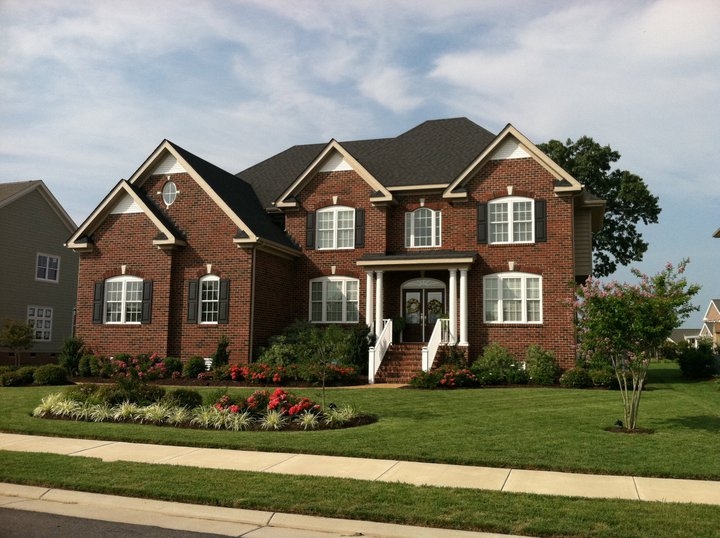
Nice looking home

The day has finally arrived…the day of your new roof installation. You have selected your roofing material, chosen a color, and reviewed the scope of work to be performed. What can you do to prepare and what should you know about the roof installation process?
The process of installing a new roof creates a construction site at your home. There are several steps that should be taken to ensure that you, your family and your hope are prepared for the new installation.

Please keep in mind that everything used to perform the work on your roof needs to be as close to the house as possible, which requires access to the yard and driveway. All vehicles should be removed from the driveway and parked away from the structure. Also, anything around the perimeter of the property that would limit roof access should be removed.

All children and pets should be kept indoors in a safe place or off the job site.

Materials will be coming off the roof and may be present in the lawn prior to clean up. We will ensure that ALL debris will be removed when the roof is complete. In preparation, you may wish to cover all valuables in the attic and garage, as dust and debris could enter those spaces. Remember to cut off power to all roof attic fans.

Noise from nail guns, nails, hammers, etc. are used throughout the process. You should expect associated noise.

Satellite Dishes that are mounted on your roof may need to be moved to allow proper installation.

Your job will receive a final inspection from our field superintendent. He will ensure that any remaining debris or materials have been removed from the property and that the roof installation is complete.

Should you have any questions throughout the job process, feel free to contact our main office at 757-399-3066 for assistance.

Robert Andrews | President | [email protected] | 757-286-7400

read more

Understanding the Surface of Your Roof

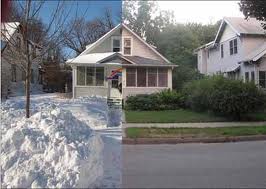
Many people don’t realize how harsh of an environment the surface of a roof can be.  In the heat of summer, temperatures can climb up to 150° or more.  Some materials, such as slate, can actually become too hot to even touch.  Likewise, in the brutally cold winter, a roof surface temperature can drop below freezing.  Significant weather variations can be tough on your roof!

Summer_Winter_Roof surface_072414

In addition to the extreme temperatures in a given season, the surface must also withstand all forms of precipitation, including wind, rain, ice, snow, sleet and hail.  During hurricane season especially, sometimes a combination of these elements can cause significant damage.

Under such conditions, any given roof may be subject to failure if it is not receiving the proper maintenance on a regular basis.

For roofers, working on a roof can also be highly dependent on the weather.  If the temperature is too hot, certain repairs such as coatings, slate and shingle repairs cannot effectively be performed because the roof surface will not respond well under the high temperatures.    Likewise, some roofing materials can be extremely brittle and easily damaged when cold.

Imagine if you never cleaned or maintained the surface of your counter-tops or floors in your home.  What would they look like today?  The same goes for your roof, only your roof is designed to withstand much more extreme conditions.  Regular maintenance to your roof will help you maximize your investment until it is due for replacement.

Jeri Eley/Operations Coordinator/757-399-3066/[email protected]

read more

Why is Proper Roof Ventilation So Important?

What is the purpose of roof ventilation?

CT Ventilation_Black & White

The simple answer is to let the heat out of your attic, but that’s not the whole story.  An effective ventilation system (notice I said system there.  I’ll explain later…) reduces the amount of heat in the summer and moisture in the winter in your attic space.  It helps to make your heating and cooling systems more efficient.  This, in effect, helps increase the life of your roof too.

Now let’s talk about the “system”.  Roof vents, (exhaust), let the air out of your attic, but that air has to be replaced.  You want it to be replaced with cooler air, but where does that air come from?  In addition to exhaust vents, you need intake vents.  The coolest air anywhere around your house is usually under the overhangs, because it is always shaded.  That’s why the best place for intake ventilation is the soffit.  Vented vinyl or aluminum soffit is an easy way to allow cooler air into your attic to replace the hot air exiting through the roof vents.

Generally, you should have at least the same amount of intake as you have exhaust.  A good rule of thumb is to have 1 square foot of ventilation for every 150 square feet of attic space; half should be intake and half exhaust.

Following these guidelines is important to the life of your roof and for your wallet in the long run.  A few indicators that you may not be getting adequate ventilation are if you notice the following:

  • Excessive heat in the attic during the summer months
  • Mold growth
  • Frost on sheathing, rafters or other items in the attic
  • Water dripping from tips of nails (not necessarily due to a roof leak)

If you are experiencing any of these issues, you may have a ventilation issue and should have your roof evaluated by a qualified roofing company.  Also, feel free to contact Jeri Eley in our main office at 757-399-3066 should you have need of our services.

Joseph Wicker

Service Manager/Estimator

read more